
Your heart beats about 100,000 times a day, and it works hard to keep you going. The good news is that some of the tastiest foods in your kitchen can help it stay strong.
Many common fruits are packed with fiber, vitamins, and natural plant compounds that support healthy blood pressure and cholesterol. Grab a snack and read on to find out which fruits deserve a spot in your shopping cart.
1. Apples, the Classic Lunchbox Hero
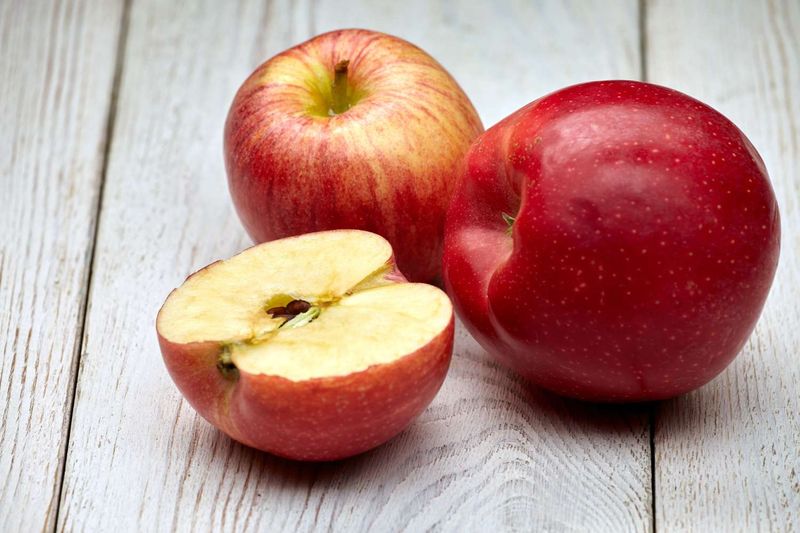
An apple a day might really help keep heart trouble away. Apples are full of a fiber called pectin, which can help lower bad cholesterol in your blood.
Keep the skin on when you eat them. The peel holds lots of fiber and plant compounds called polyphenols.
Try slicing one up with a spoonful of peanut butter for an after-school snack that keeps you full and gives your heart a little extra love.
2. Bananas Bring the Potassium
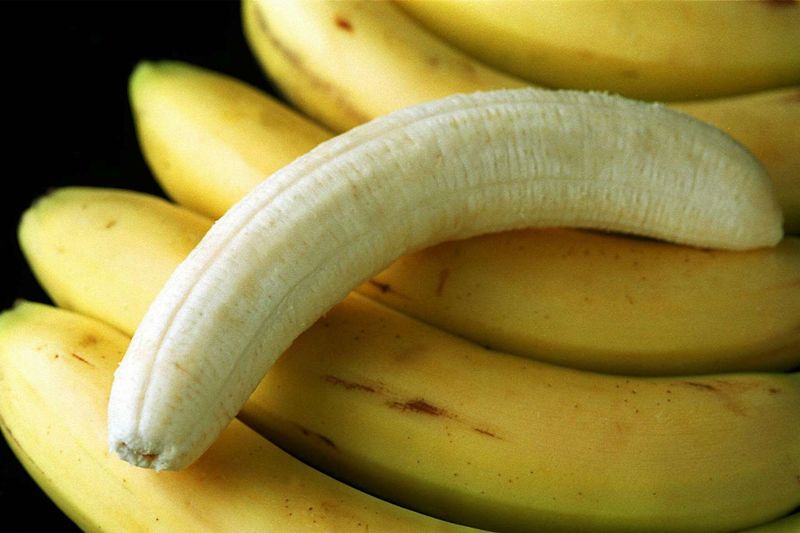
Ever wonder why athletes love bananas? These yellow snacks are loaded with potassium, a mineral that helps balance out salt in your body.
Too much salt can raise blood pressure, which makes your heart work harder. Potassium helps your blood vessels relax.
Bananas are also cheap, easy to carry, and come in their own wrapper. Toss one into a smoothie, slice it over oatmeal, or just peel and enjoy it on the go.
3. Blueberries, Tiny but Mighty
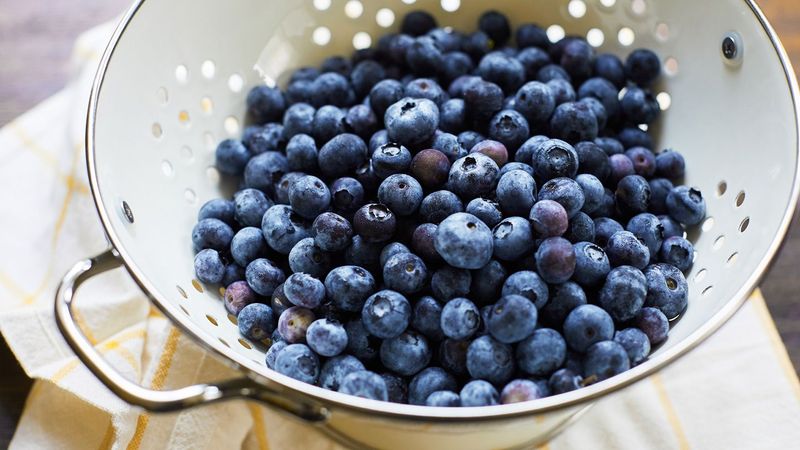
Small enough to pop by the handful, blueberries pack a surprising punch. Their deep blue color comes from anthocyanins, natural compounds linked to healthier blood vessels.
One large study found that women who ate berries often had a lower risk of heart attack.
Fresh berries taste amazing in summer, but frozen ones work just as well all year long. Sprinkle them on cereal or blend them into yogurt for a sweet, colorful boost.
4. Oranges for a Sunny Boost
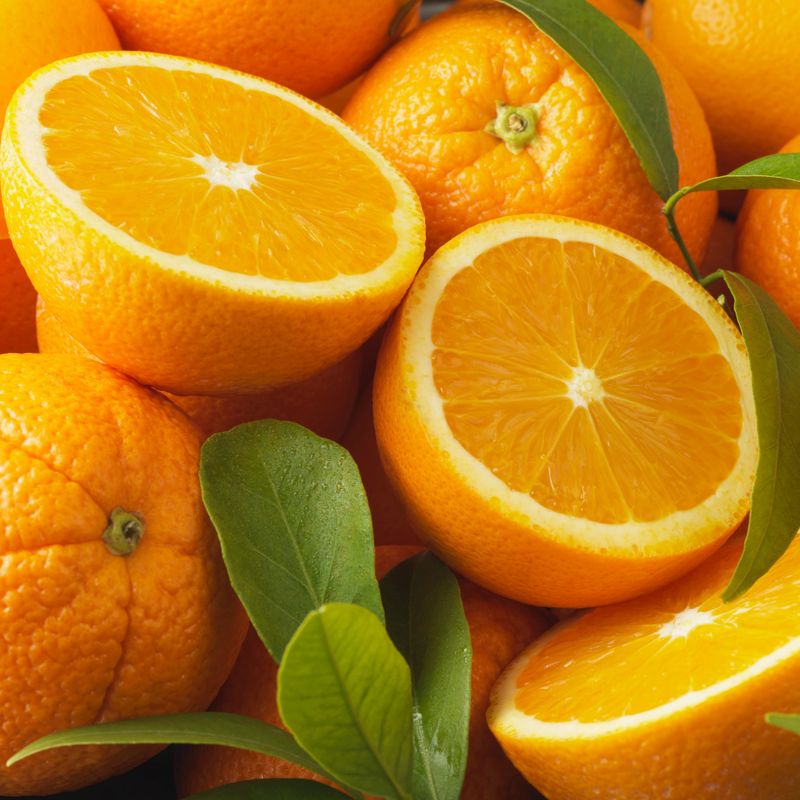
Peeling an orange fills the whole room with a bright, happy smell. Inside that juicy fruit, you get plenty of vitamin C, potassium, and fiber.
Whole oranges are a smarter pick than juice because the fiber stays in. That fiber helps manage cholesterol and keeps blood sugar steady.
Fun fact: the white stringy part under the peel, called pith, contains helpful plant compounds too. So don’t worry about picking off every bit.
5. Avocados, the Creamy Surprise
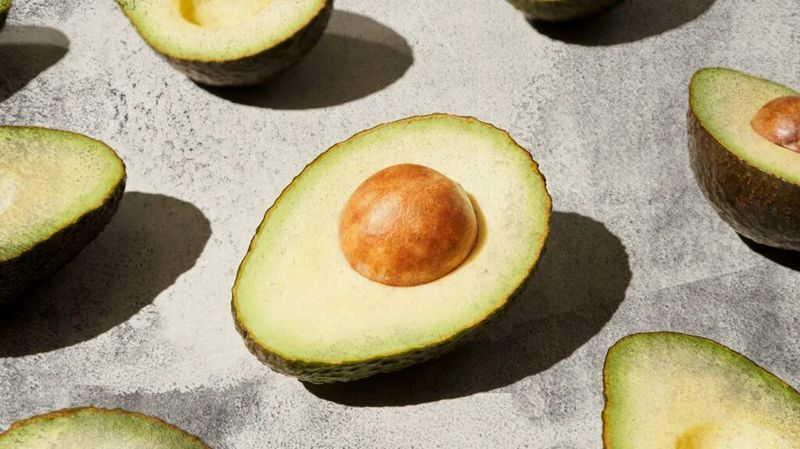
Yes, avocados are a fruit, even though most people treat them like a vegetable. They are famous for healthy fats called monounsaturated fats.
These good fats can help lower bad cholesterol while keeping the good kind steady. Avocados also bring potassium, sometimes more than a banana.
Mash one onto whole-grain toast instead of using butter. You get a creamy, filling breakfast that treats your heart kindly and tastes like a little luxury.
6. Strawberries Steal the Show
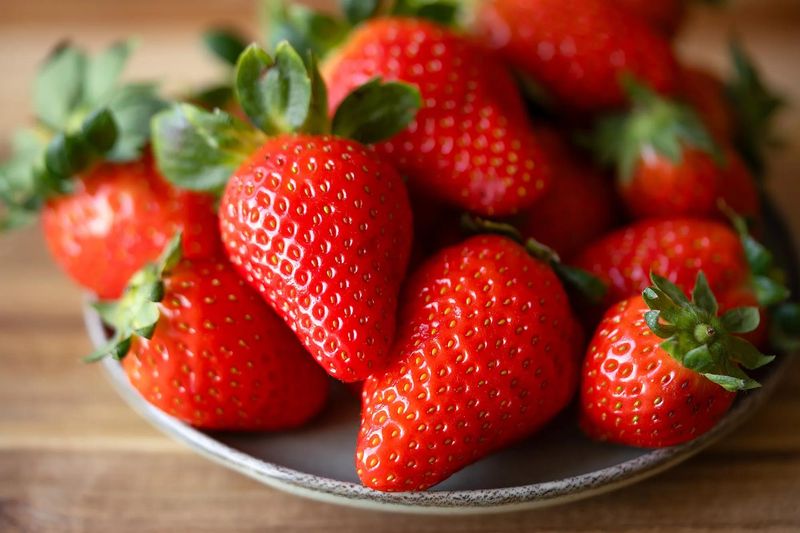
Picture a sunny picnic with a basket of ruby-red strawberries. Beyond being delicious, these berries are rich in vitamin C, fiber, and antioxidants.
Research suggests strawberries may help lower inflammation and support healthy cholesterol levels.
They are naturally sweet, so they make a great swap for candy or cookies. Dip a few in plain yogurt or slice them into a spinach salad for a fresh twist your taste buds will remember.
7. Grapes Keep It Simple
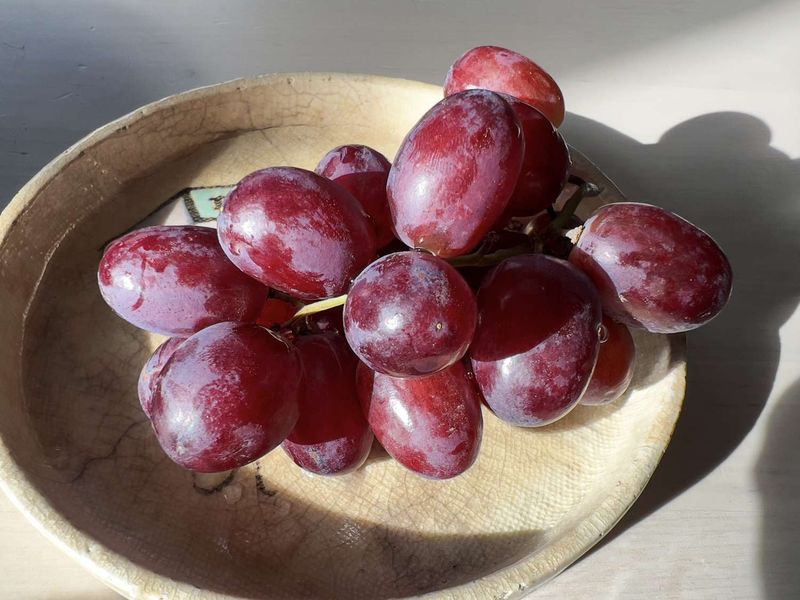
Grapes might be the easiest snack ever. No peeling, no cutting, just wash and munch.
Red and purple grapes contain resveratrol and other plant compounds that may help protect blood vessels and support healthy blood flow.
Here’s a cool trick for hot days: freeze a bag of grapes. They turn into tiny, icy treats that feel like sorbet bites.
It’s a fun way to cool off while giving your heart something good.
8. Pomegranates, Nature’s Jewel Box
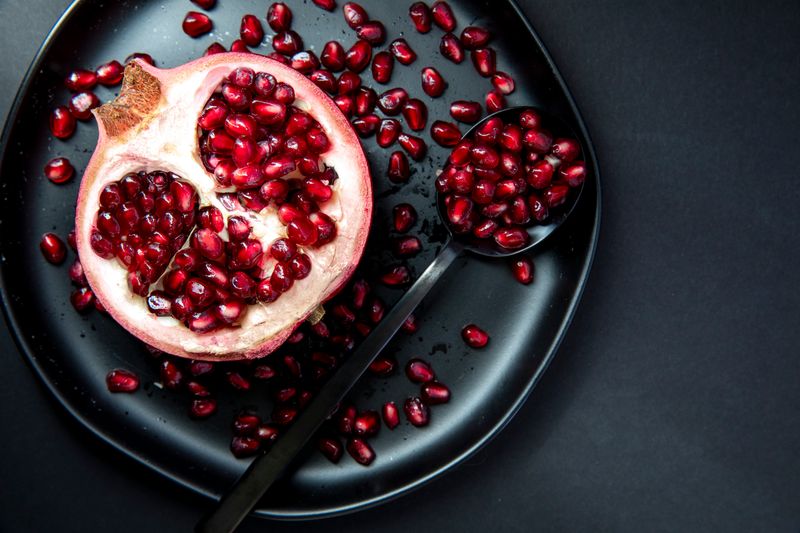
Cracking open a pomegranate feels like discovering hidden treasure. Hundreds of shiny red seeds, called arils, wait inside.
Those seeds are full of antioxidants called punicalagins. Some studies show pomegranate may help lower blood pressure and reduce plaque buildup in arteries.
Tip: open it underwater in a bowl to avoid juice splatters. The seeds sink and the white parts float.
Sprinkle the arils over salads or oatmeal for a sweet crunch.
9. Kiwis Pack a Fuzzy Punch
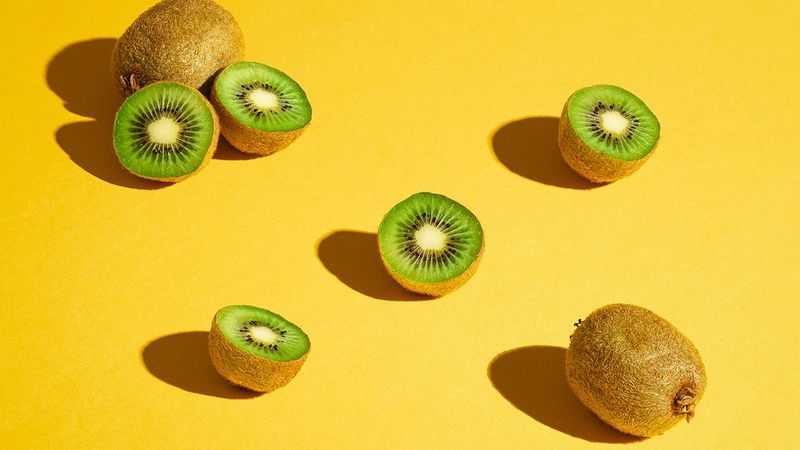
Don’t judge a fruit by its fuzzy brown coat. Inside, a kiwi is bright green and bursting with vitamin C, potassium, and fiber.
A small study found that eating three kiwis a day helped lower blood pressure in people with mildly high readings.
Cut one in half and scoop it out with a spoon for a quick snack. Feeling brave?
The skin is actually edible and adds even more fiber.
10. Watermelon Means Summer
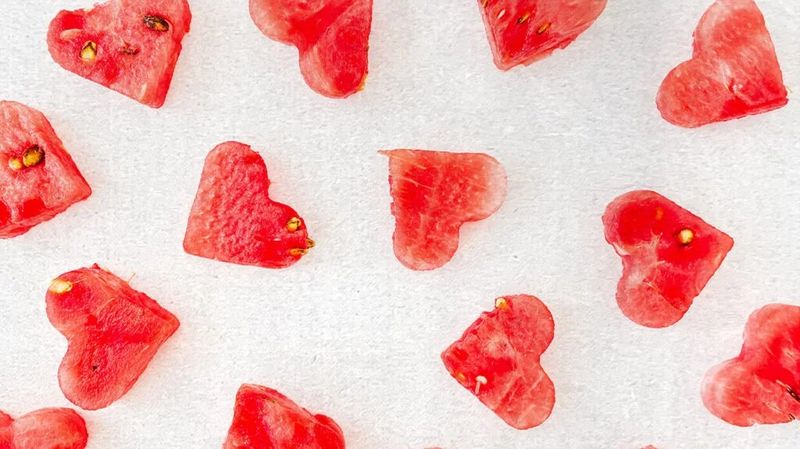
Nothing says summer quite like juice dripping down your chin from a big slice of watermelon. It’s over 90 percent water, so it keeps you hydrated.
Watermelon also contains lycopene, the same red pigment found in tomatoes, plus citrulline, which may help blood vessels relax.
Freeze cubes for a frosty snack or blend them into a cool drink. Your heart gets a treat, and you stay refreshed on hot days.
11. Pears, the Underrated Pick
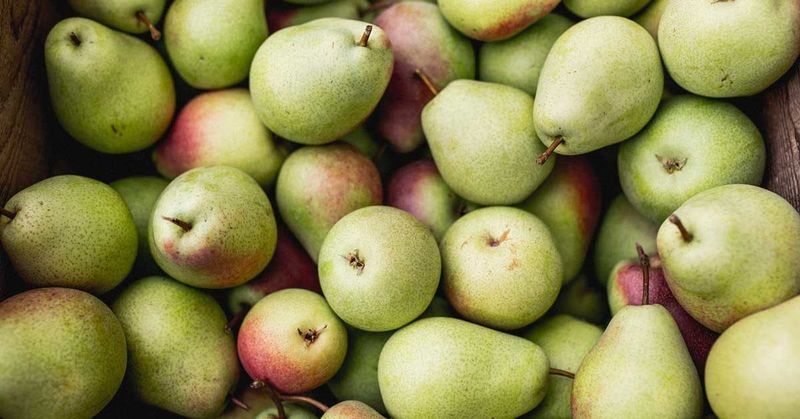
Pears often get overlooked next to flashy apples, but they deserve more attention. One medium pear has about six grams of fiber, which is a lot for one snack.
Fiber helps sweep extra cholesterol out of your body before it builds up.
Choose pears that give slightly near the stem, which means they’re ripe. Slice them onto crackers with a little cheese, or bake them with cinnamon for a cozy dessert.
12. Cherries with Extra Charm
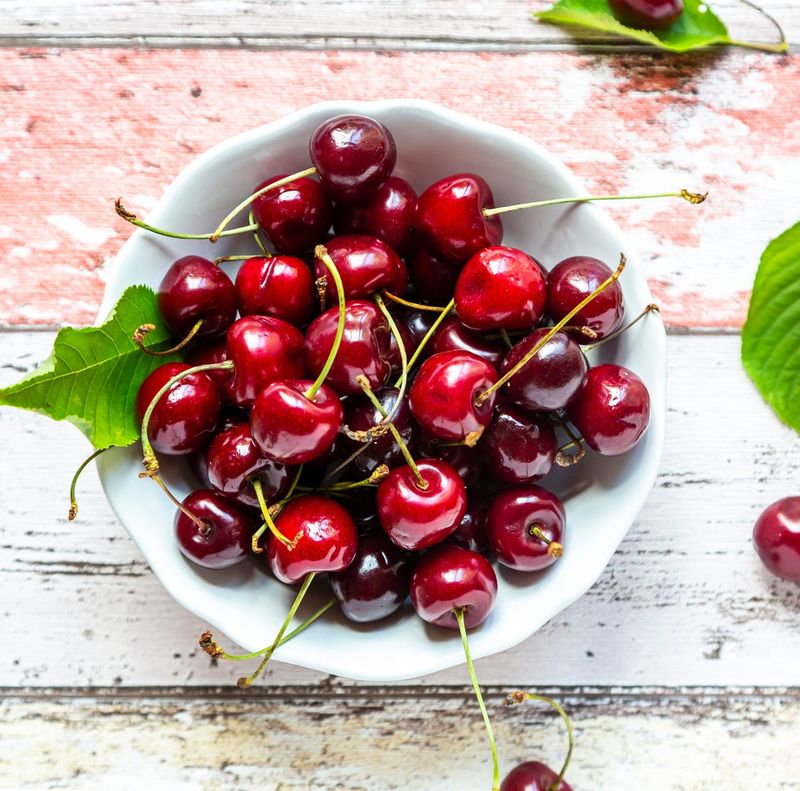
Spitting cherry pits might be a classic summer contest, but the fruit itself is the real winner. Tart and sweet cherries both carry antioxidants that fight inflammation.
Some research links tart cherry juice to lower blood pressure and better cholesterol numbers.
When fresh cherries aren’t in season, look for frozen or dried ones with no added sugar. Mix them into trail mix or oatmeal for a burst of deep red flavor.
13. Grapefruit Wakes You Up
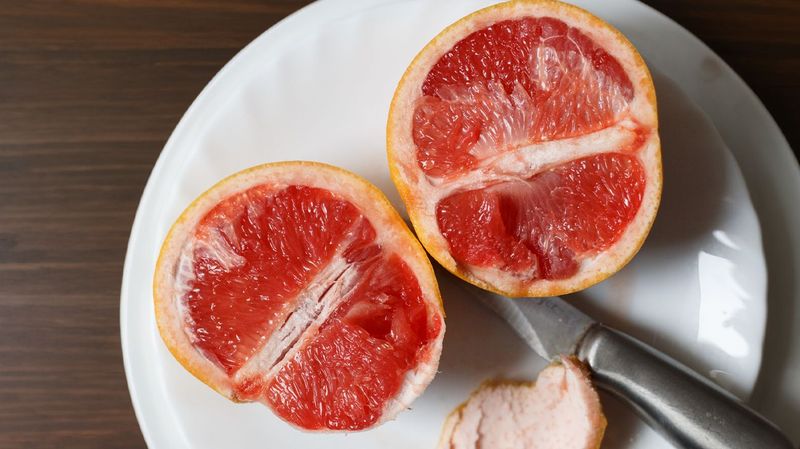
Tangy, a little bitter, and totally refreshing, grapefruit is a breakfast favorite for good reason. It offers fiber, vitamin C, and potassium.
Pink and red grapefruit also contain lycopene, which may help protect your heart.
One important heads-up: grapefruit can mix badly with some medicines, including certain cholesterol drugs. If a family member takes daily medication, they should check with a doctor first.
Otherwise, enjoy a juicy half with your morning meal.
14. Raspberries Bring the Fiber
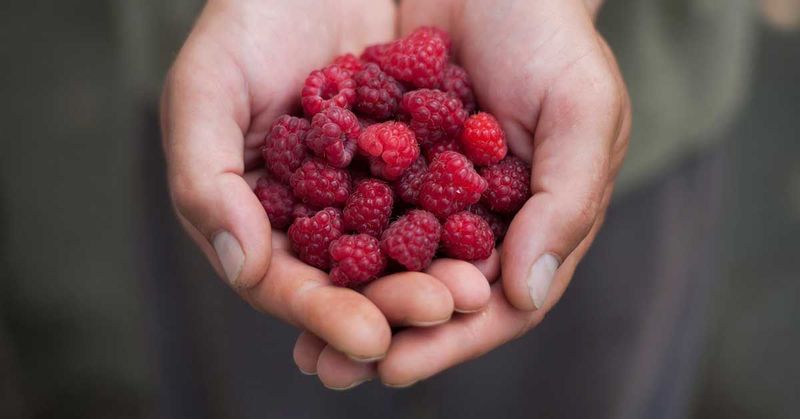
Here’s a surprising number: one cup of raspberries holds about eight grams of fiber. That’s more than most other fruits!
All that fiber helps control cholesterol, and raspberries also bring antioxidants that support healthy blood vessels.
They’re delicate, so wash them gently right before eating. Stir them into plain yogurt, layer them in a parfait, or simply eat them straight from the container.
Kids and grown-ups both love their sweet-tart taste.
15. Tomatoes Count Too
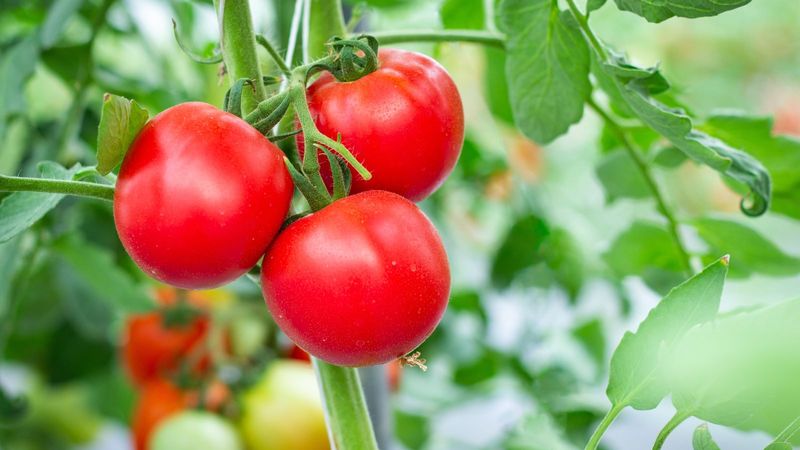
Plot twist: tomatoes are technically a fruit! Botanists classify them that way because they grow from flowers and hold seeds.
Tomatoes are one of the best sources of lycopene, an antioxidant linked to lower heart disease risk. Cooking them actually makes lycopene easier for your body to absorb.
So go ahead and enjoy homemade tomato sauce, roasted tomatoes, or a fresh salsa. Just watch out for store-bought sauces with lots of added salt.