
Ree Drummond, known as The Pioneer Woman, has built a loyal following by sharing hearty, homemade recipes that feel approachable and fun. Her cooking philosophy is rooted in real-life kitchen wisdom, the kind of advice that actually makes a difference when you are standing over a hot stove.
Whether you are a beginner or a confident home cook, her tips can seriously upgrade your meals. Here are 15 of her best cooking secrets, broken down and ready for you to try.
1. Chill Cinnamon Roll Dough Overnight

Few things are more satisfying than a cinnamon roll with a perfectly defined spiral. Ree Drummond swears by chilling the dough overnight before baking, and there is a solid reason for it.
Cold dough is firmer and much easier to slice cleanly.
When the dough stays cold, it holds its shape instead of spreading out into a flat, uneven mess. The result is rolls that look bakery-worthy and taste even better.
Try it once, and you will never skip this step again.
2. Add Barbecue Sauce to Ribs After Slow Cooking
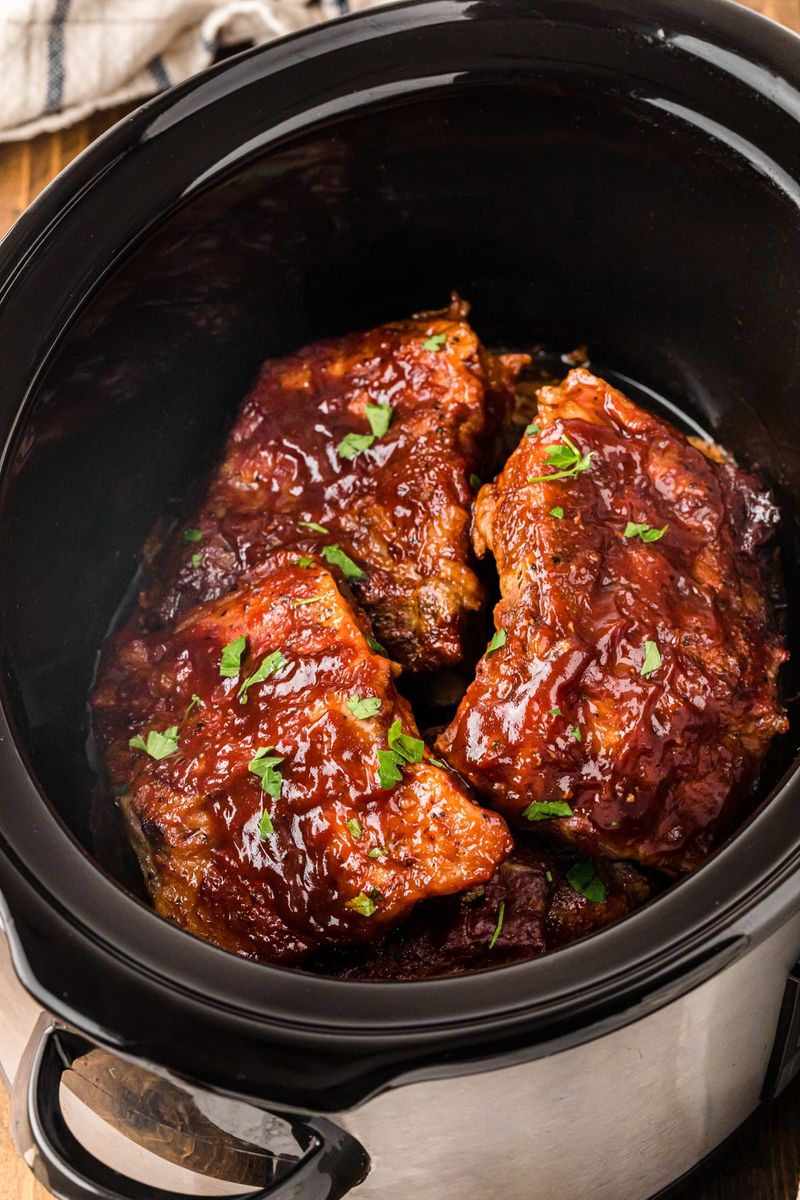
Slow cookers are amazing for ribs, but there is one common mistake people make: adding barbecue sauce too early. All that liquid in the slow cooker dilutes the sauce, leaving you with watery, flavorless ribs.
Ree learned this the hard way so you do not have to.
Her fix is simple. Cook the ribs first, then coat them with sauce afterward.
The sauce clings perfectly to the tender meat, giving you that sticky, caramelized finish everyone loves at a backyard cookout.
3. Pull Cookies Out Before They Look Done

Here is a tip that feels wrong the first time you try it but makes total sense once you understand the science. Cookies keep cooking after you pull them out of the oven because the pan stays hot.
Ree always removes her cookies a little early to take advantage of this.
Leaving them in too long creates dry, crumbly cookies nobody wants. Pulling them out with slightly underdone centers means they will firm up just right as they cool on the pan.
4. Upgrade Frozen Bread Rolls With Butter and Herbs
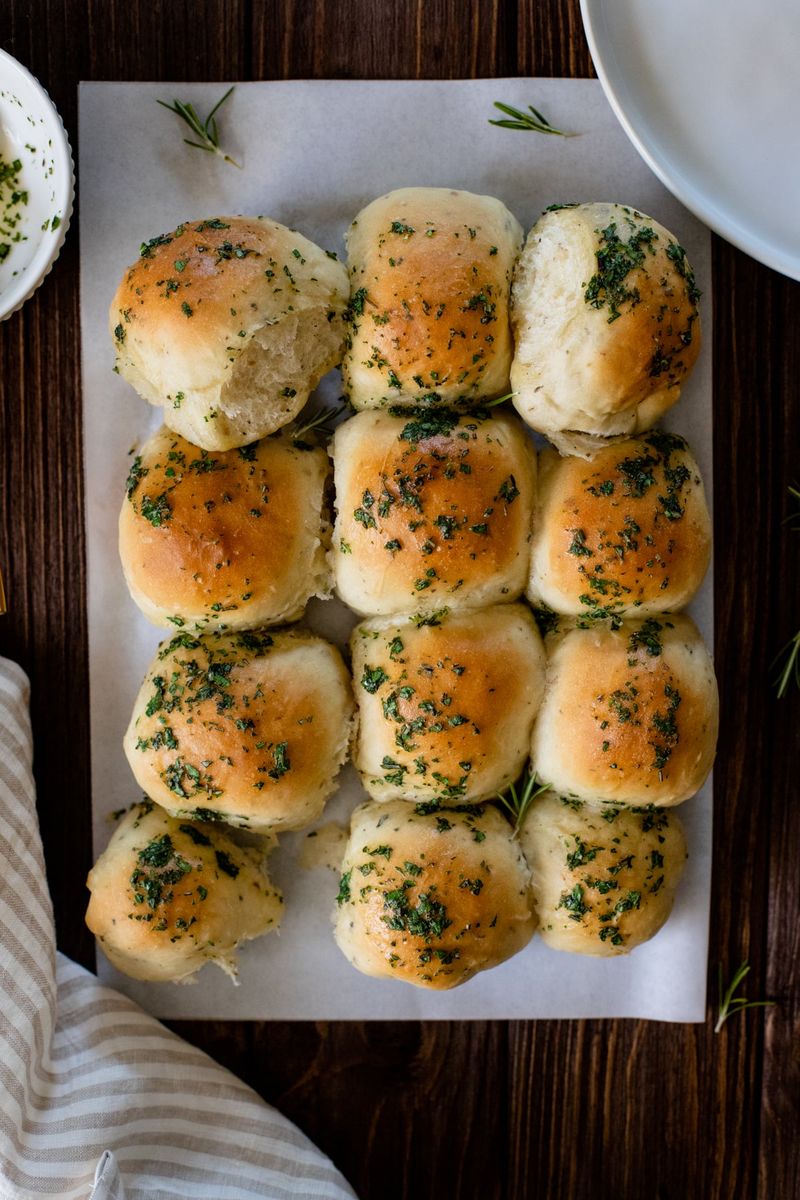
Frozen bread rolls get a bad reputation, but Ree Drummond knows how to turn them into something that tastes completely homemade. Place them in a lightly buttered skillet and let them rise.
That simple step changes everything about how they bake up.
Before they go into the oven, brush them with melted butter and sprinkle on chopped rosemary and sea salt. The herbs add a fresh, fragrant quality that makes guests think you spent hours in the kitchen.
Nobody has to know your secret.
5. Soak and Double-Fry Potatoes for Perfect Fries
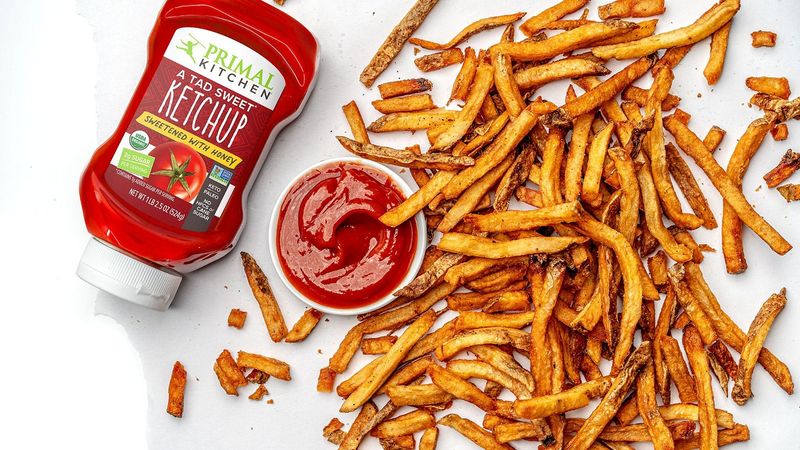
Getting truly crispy fries at home is one of those goals that seems simple but usually ends in disappointment. Ree’s method involves two key steps that most home cooks skip entirely.
First, soak the sliced potatoes in cold water overnight to draw out excess starch.
After drying them completely, fry them twice at different temperatures. The first fry cooks them through, and the second fry creates that irresistible crunch on the outside.
The extra effort is absolutely worth it for restaurant-quality results at home.
6. Use Vegetable Shortening for Pie Crusts
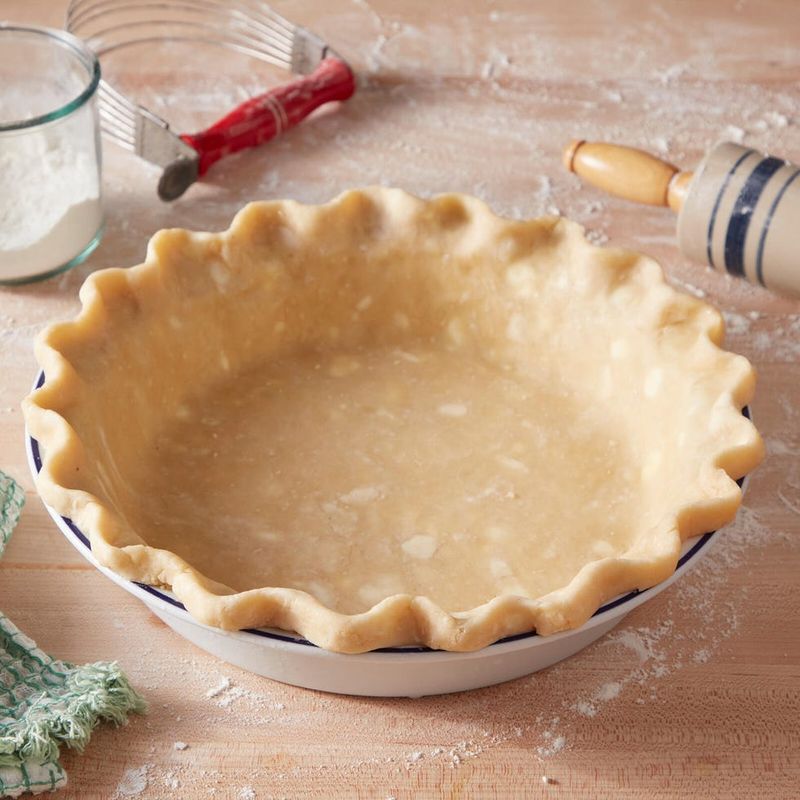
Pie crust debates have been going on in kitchens for generations, but Ree Drummond has a firm stance: use vegetable shortening, not butter. Shortening creates a tender, flaky texture that butter alone struggles to match.
This is one tip she does not budge on.
Butter has a lower melting point and can make the crust tough if handled too much. Shortening stays solid longer, giving you more working time and a more forgiving dough.
Your pies will come out looking and tasting like they belong at a state fair.
7. Skip Potatoes in Your Pot Roast
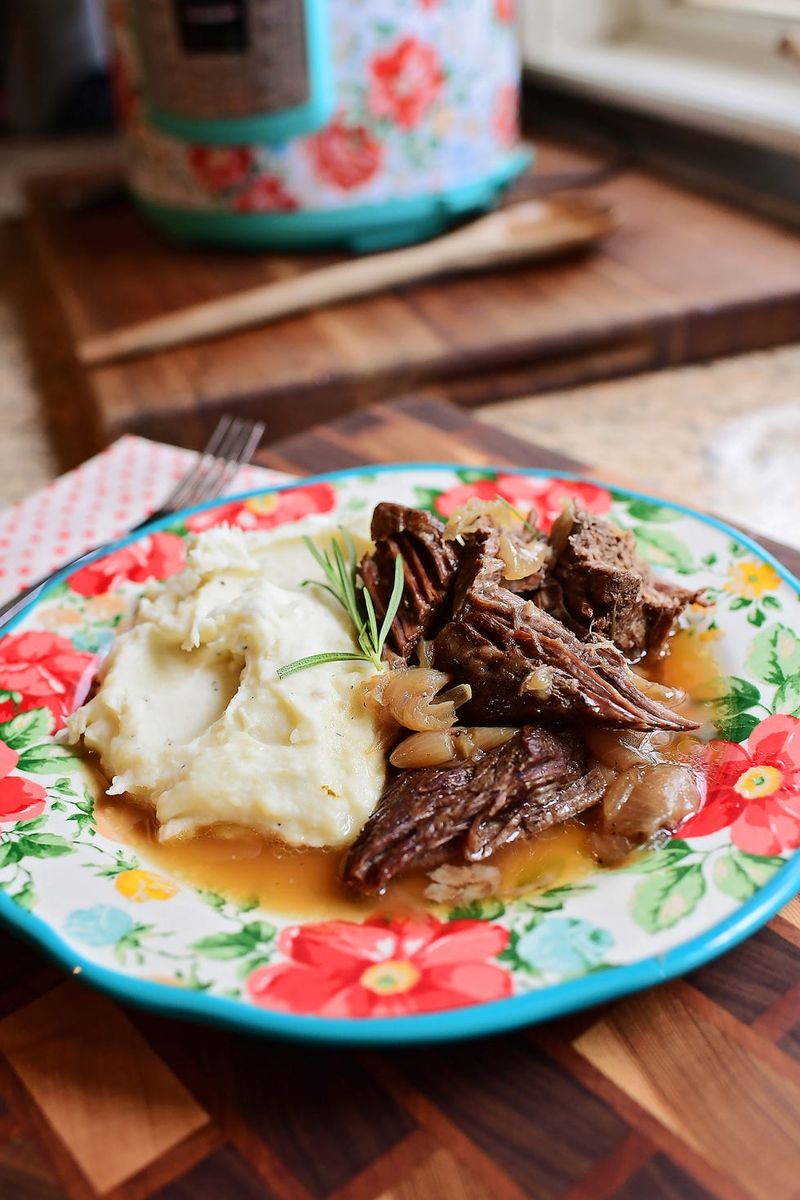
Tossing potatoes directly into a pot roast sounds like a convenient one-pot idea, but Ree advises against it. Potatoes that cook too long in braising liquid turn mealy and mushy, losing the pleasant texture that makes them enjoyable in the first place.
Her suggestion is to serve mashed potatoes on the side instead. They soak up the rich pot roast gravy beautifully, and you get the best of both worlds.
Two separate dishes, but one incredibly satisfying and comforting plate of food.
8. Add Lemon to Pancake Batter for a Fluffy Lift

Pancakes are a weekend staple, but a small tweak can make them go from flat and ordinary to light and spectacular. Ree adds lemon juice and zest to her pancake batter, and the citrus reacts with the other ingredients to create a buttermilk-like lift.
The lemon flavor is subtle, not overwhelming, just a bright freshness that makes each bite feel a little more special. She also cooks every batch in melted butter for golden, crispy edges.
It is a small change with a big payoff.
9. Use Cake Flour and Embrace Lumpy Batter for Pancakes
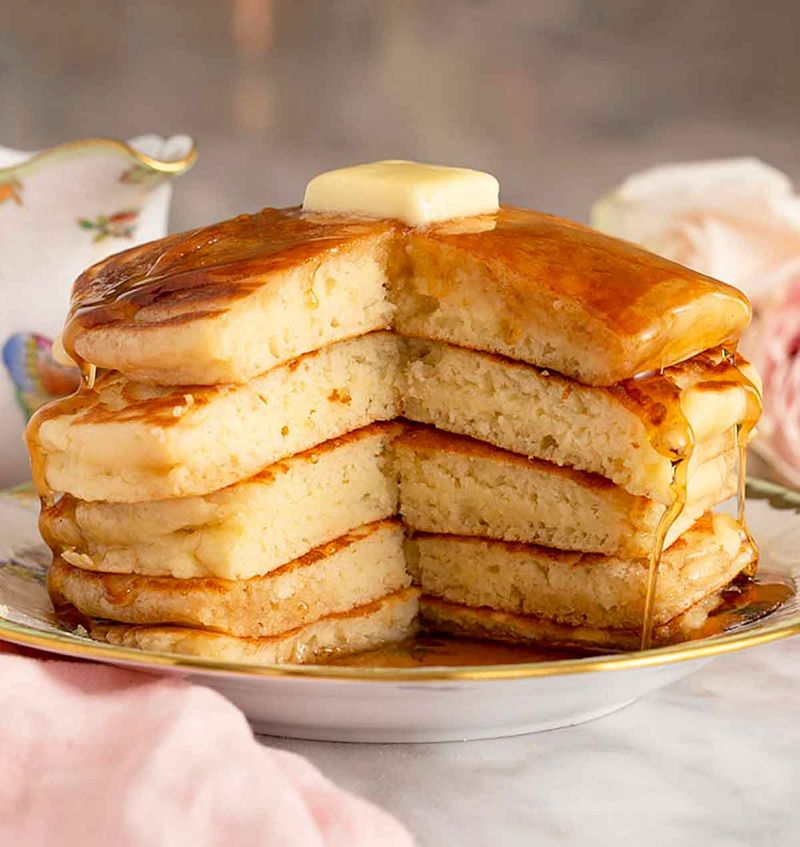
Reaching for all-purpose flour when making pancakes is the default for most people, but Ree prefers bleached cake flour. Cake flour has a lower protein content, which means less gluten development and a noticeably fluffier, more tender pancake on your plate.
Here is the part that trips up new bakers: do not overmix the batter. Lumps are perfectly fine and actually a sign you have not overworked it.
Overmixing builds gluten and leads to tough, rubbery pancakes that nobody enjoys eating.
10. Get Creative With Your Waffle Iron
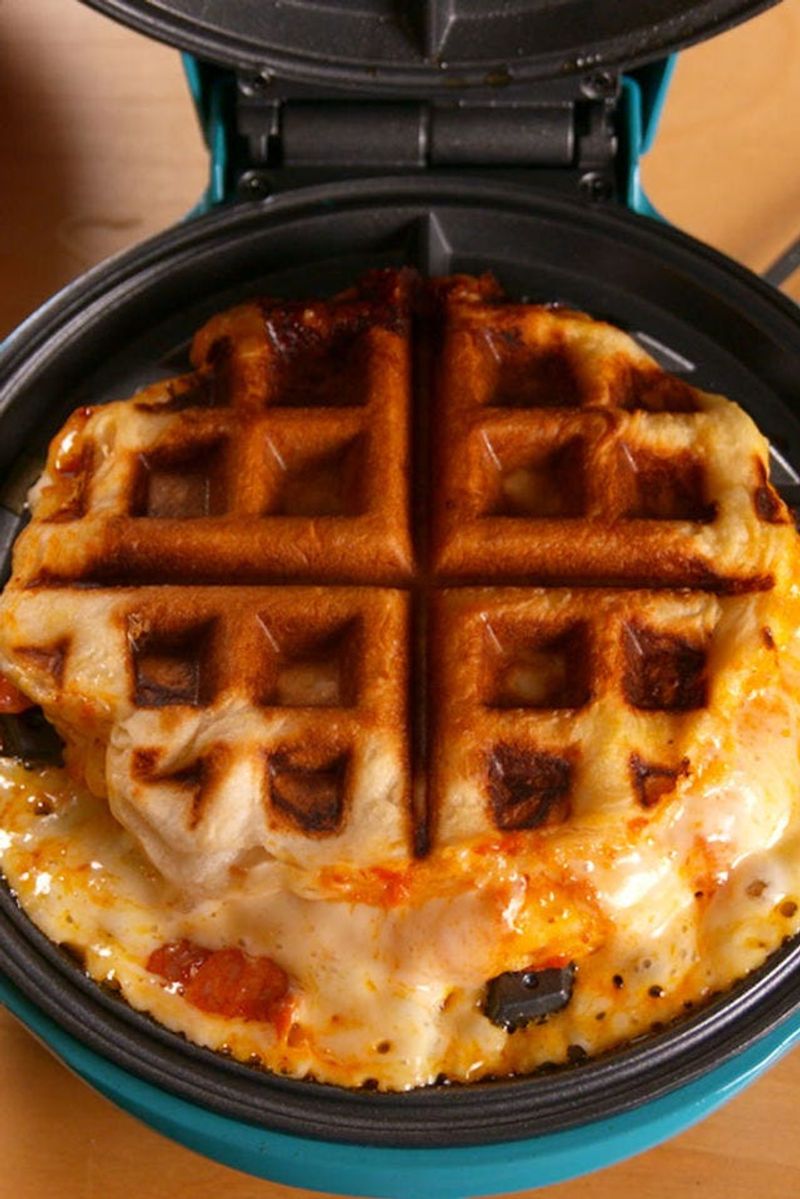
Your waffle iron is probably gathering dust between Sunday brunches, but Ree Drummond sees it as one of the most versatile tools in the kitchen. Beyond classic waffles, it can press and cook all kinds of unexpected foods in a fraction of the time.
Try making crispy hash browns, mini frittatas, or even pizza in your waffle iron. The ridged surface creates extra texture and even heat distribution that a regular pan just cannot replicate.
Pulling it out on a weeknight might become your new favorite habit.
11. Tenderize Meat With What You Already Have
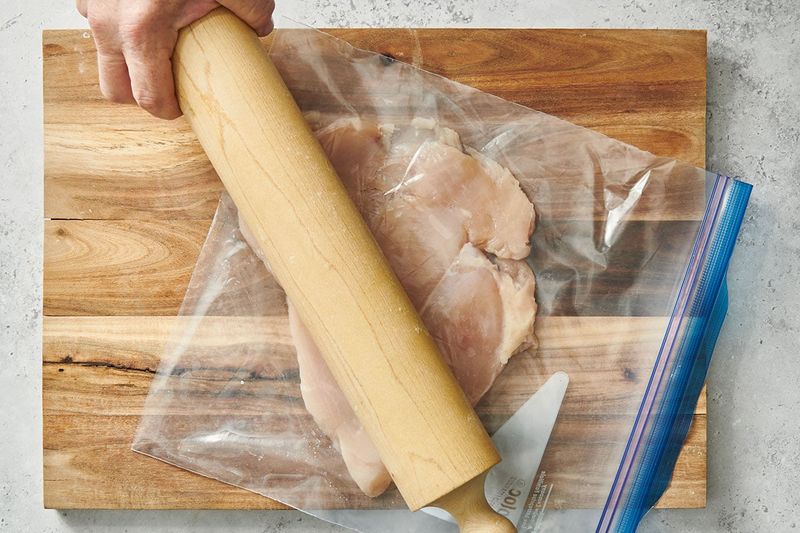
A dedicated meat mallet is a nice tool to own, but it is definitely not a necessity. Ree Drummond points out that most kitchens already have everything needed to tenderize meat effectively.
A heavy cast-iron skillet works brilliantly for flattening steaks.
For chicken cutlets, a rolling pin does the job just as well. Pounding meat evenly ensures it cooks at a consistent rate and stays juicy throughout.
Skipping a single-use gadget and using what you already own is both practical and satisfying.
12. Add Dry Mustard to Mac and Cheese
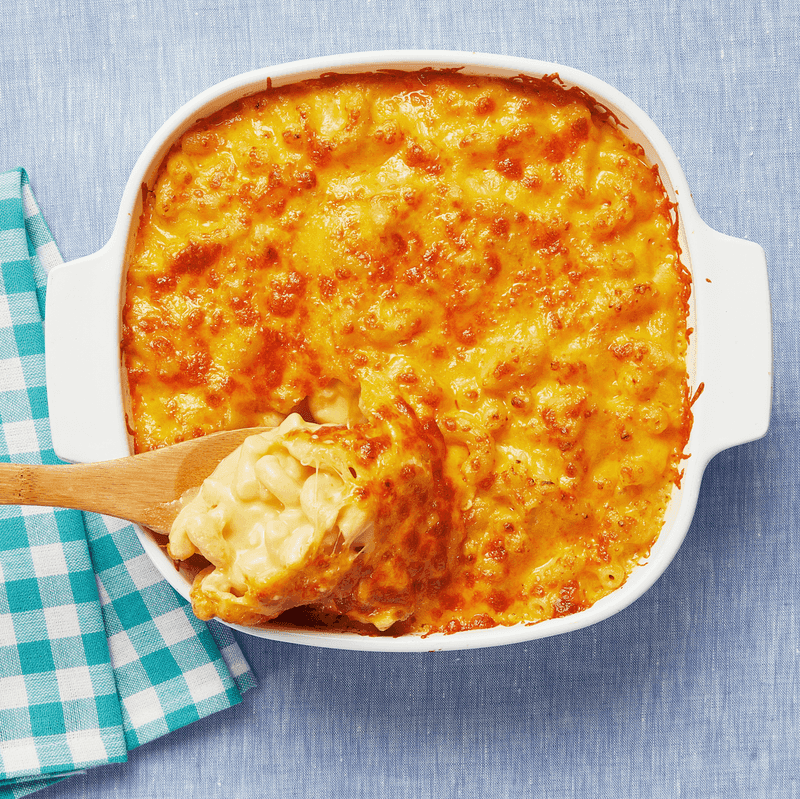
Macaroni and cheese is pure comfort food, but there is a secret ingredient that takes it from good to genuinely memorable. Ree Drummond stirs dry mustard powder into her cheese sauce, and the difference is remarkable.
You will not taste mustard exactly, but you will taste more cheese.
Dry mustard amplifies the sharpness of cheddar and adds a subtle depth that makes the whole dish more complex and satisfying. It is one of those pantry staples that quietly does heavy lifting in the background without stealing the spotlight.
13. Let Meat Rest Twice for Even Cooking
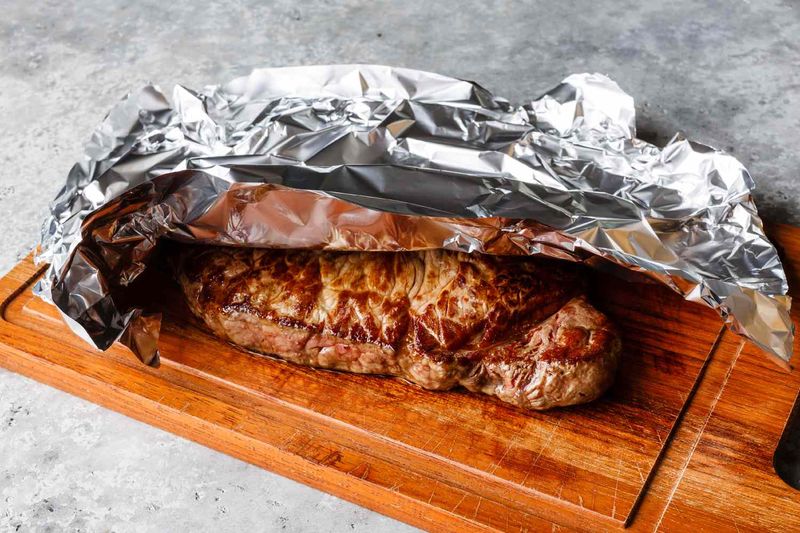
Most people know to let meat rest after cooking, but Ree Drummond recommends doing it twice. The first rest happens before the meat ever hits the heat.
Letting it sit at room temperature for about 30 minutes helps it cook more evenly all the way through.
The second rest comes after cooking, around 10 minutes before slicing. This allows the juices to redistribute instead of running out the moment you cut into it.
Two short waits make a genuinely noticeable difference in both texture and flavor.
14. Use Store-Bought Shortcuts Strategically
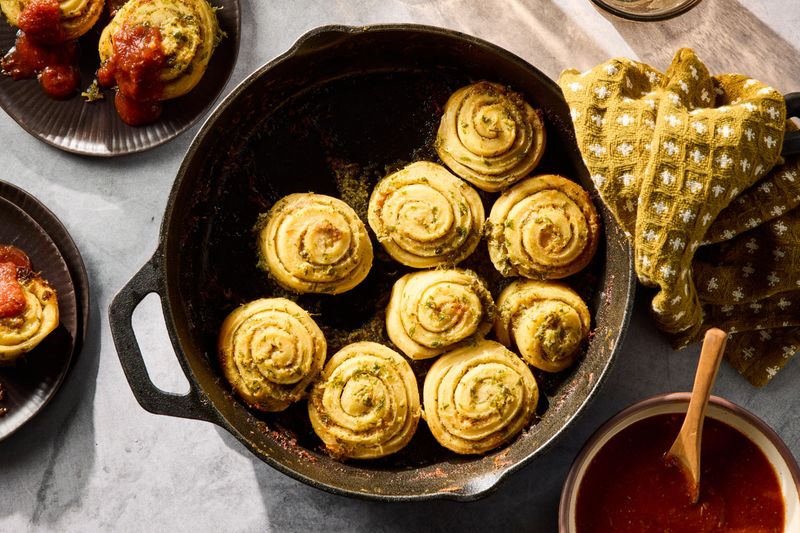
There is no shame in using a store-bought ingredient, especially when it saves time without sacrificing quality. Ree Drummond embraces this idea wholeheartedly, but she follows a smart rule: use one or two pre-made items per recipe, not the whole lineup.
Jarred marinara, store-bought pesto, hummus, and frozen bread dough are all fair game. The key is letting fresh ingredients carry the flavor so the meal still feels homemade and vibrant.
Cooking smarter, not harder, is a skill worth developing in any busy kitchen.
15. Freeze Meal Components, Not Whole Dishes
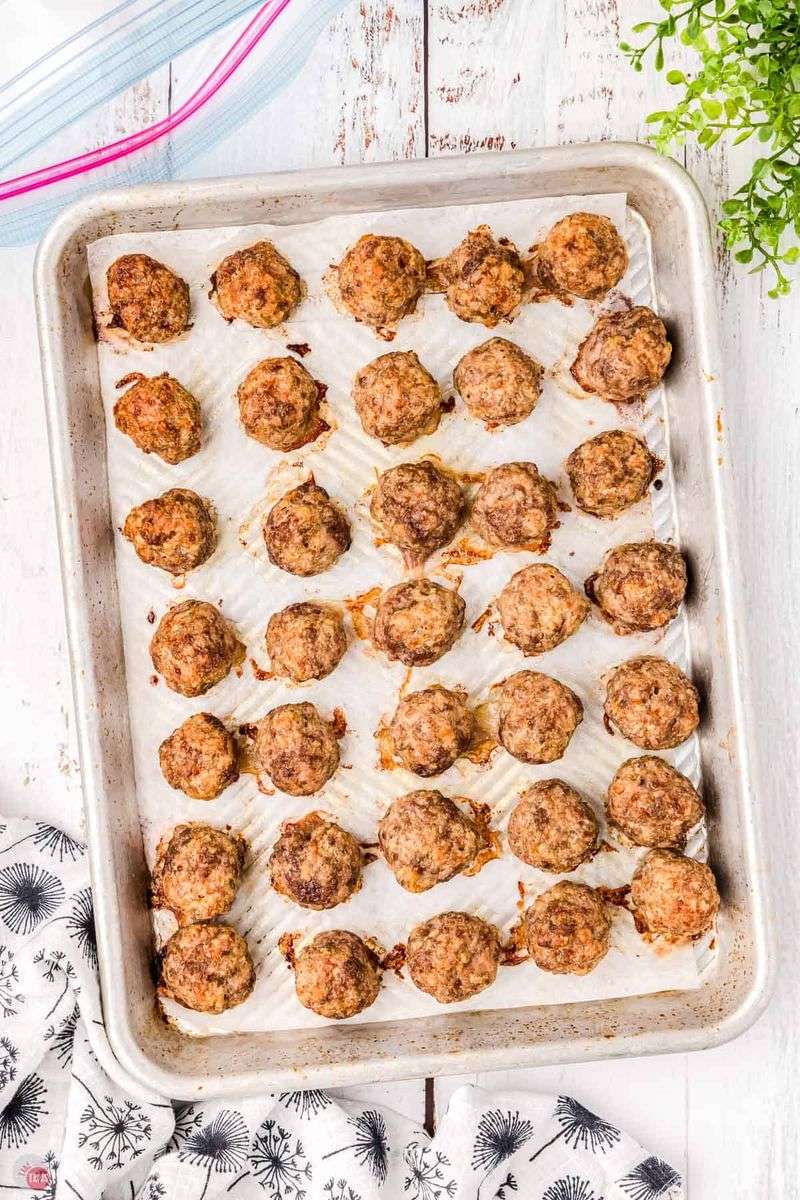
Freezing complete meals sounds efficient, but it can actually limit your options later. Ree Drummond prefers freezing basic building blocks, like plain, unseasoned meatballs, that can be transformed into completely different meals depending on your mood that week.
Thaw them and toss them in marinara for pasta night, or use them in a soup, a sub sandwich, or a spicy Asian-inspired sauce. Keeping components neutral gives you flexibility every time you open the freezer.
Meal prep suddenly becomes a creative opportunity rather than a boring routine.