
Long before streaming services and computer animation, Walt Disney and his team were busy creating something the world had never seen before. Starting in the late 1930s, Disney released a string of animated movies that changed the way people thought about cartoons and storytelling.
These films introduced audiences to beloved characters, unforgettable songs, and breathtaking artwork that felt truly alive. Looking back at these early classics helps us understand how Disney built the magical legacy that still enchants fans around the world today.
1. Snow White and the Seven Dwarfs (1937)
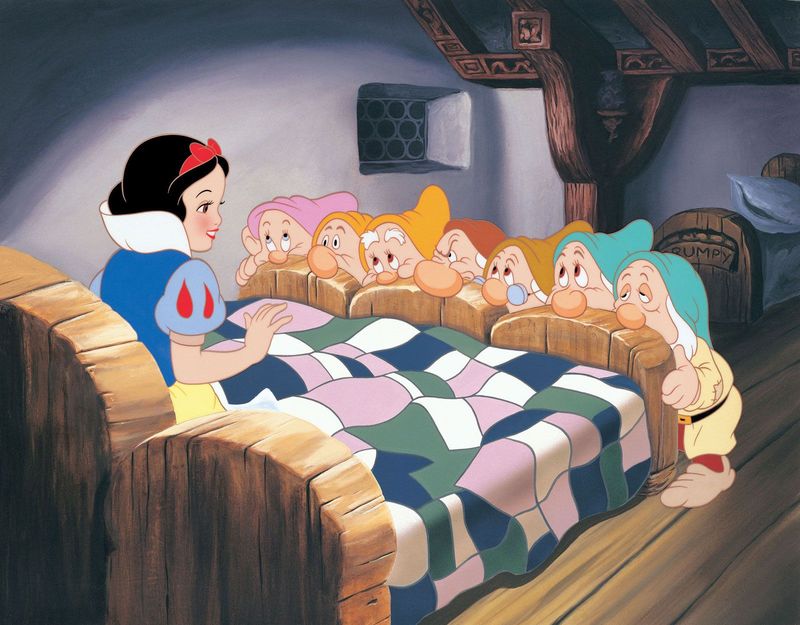
Before anyone believed it could be done, Walt Disney made history with the very first full-length animated feature film ever produced in the United States. Snow White and the Seven Dwarfs premiered on December 21, 1937, at the Carthay Circle Theatre in Los Angeles.
The film cost about $1.5 million to make but earned over $8 million during its initial release. For 55 years, it held the record as the highest-grossing animated film of all time.
That is a seriously impressive run for a movie from 1937.
2. Pinocchio (1940)
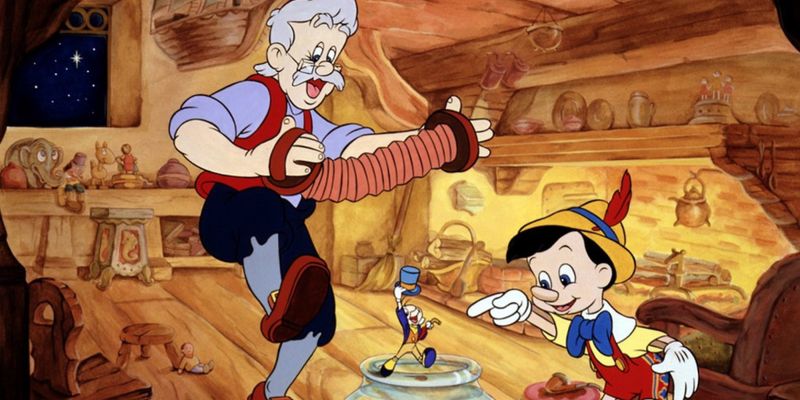
Pinocchio arrived as Disney’s second animated feature on February 7, 1940, and it raised the animation bar even higher than Snow White had set it. The film’s detail work, especially in scenes underwater and inside the whale, left audiences completely stunned.
Unfortunately, World War II shut down European film markets just as Pinocchio was released, which hurt its box office numbers badly. Still, critics loved it, and today many animation historians consider it one of the most technically brilliant animated films ever made.
3. Fantasia (1940)
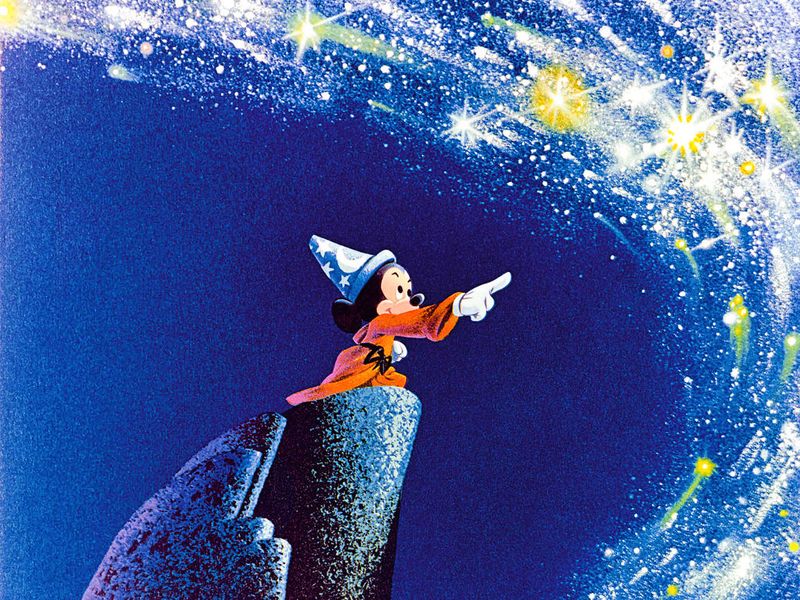
Fantasia is unlike anything Disney had attempted before or since. Released on November 13, 1940, at the Broadway Theatre in New York City, this film paired eight animated segments with pieces of classical music conducted mostly by Leopold Stokowski.
Disney even created a brand-new sound system called Fantasound for the film, making it the first commercial movie ever released in stereo. Audiences were confused at first, and the film lost money initially.
Over time, though, Fantasia earned its place as a true artistic masterpiece.
4. Dumbo (1941)
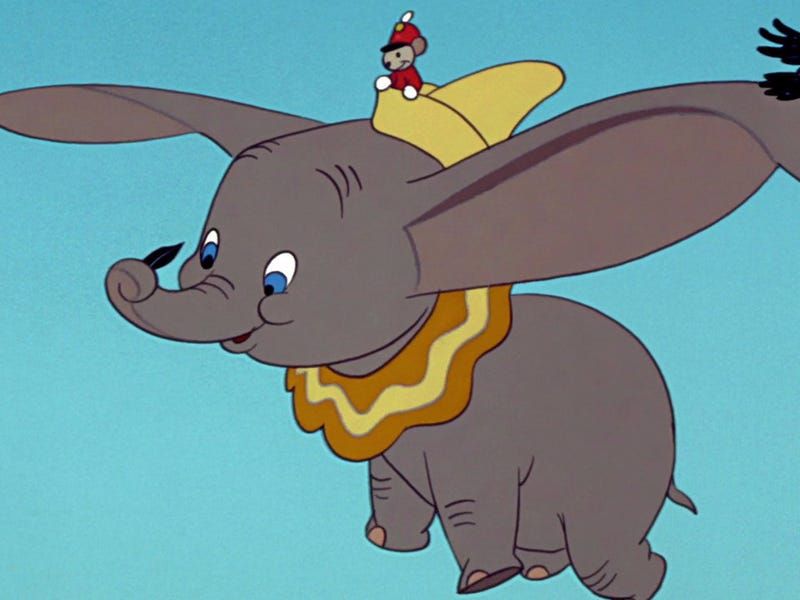
Sometimes the smallest budget produces the biggest heart. Dumbo was made for just $812,000, making it one of the cheapest Disney features ever produced, yet it became one of the most emotionally powerful films the studio ever created.
Released on October 23, 1941, the film clocks in at only 64 minutes, one of Disney’s shortest animated features. It won an Academy Award for Best Scoring of a Motion Picture.
Dumbo proved that a simple, clear story told with warmth can outshine even the most expensive production.
5. Bambi (1942)
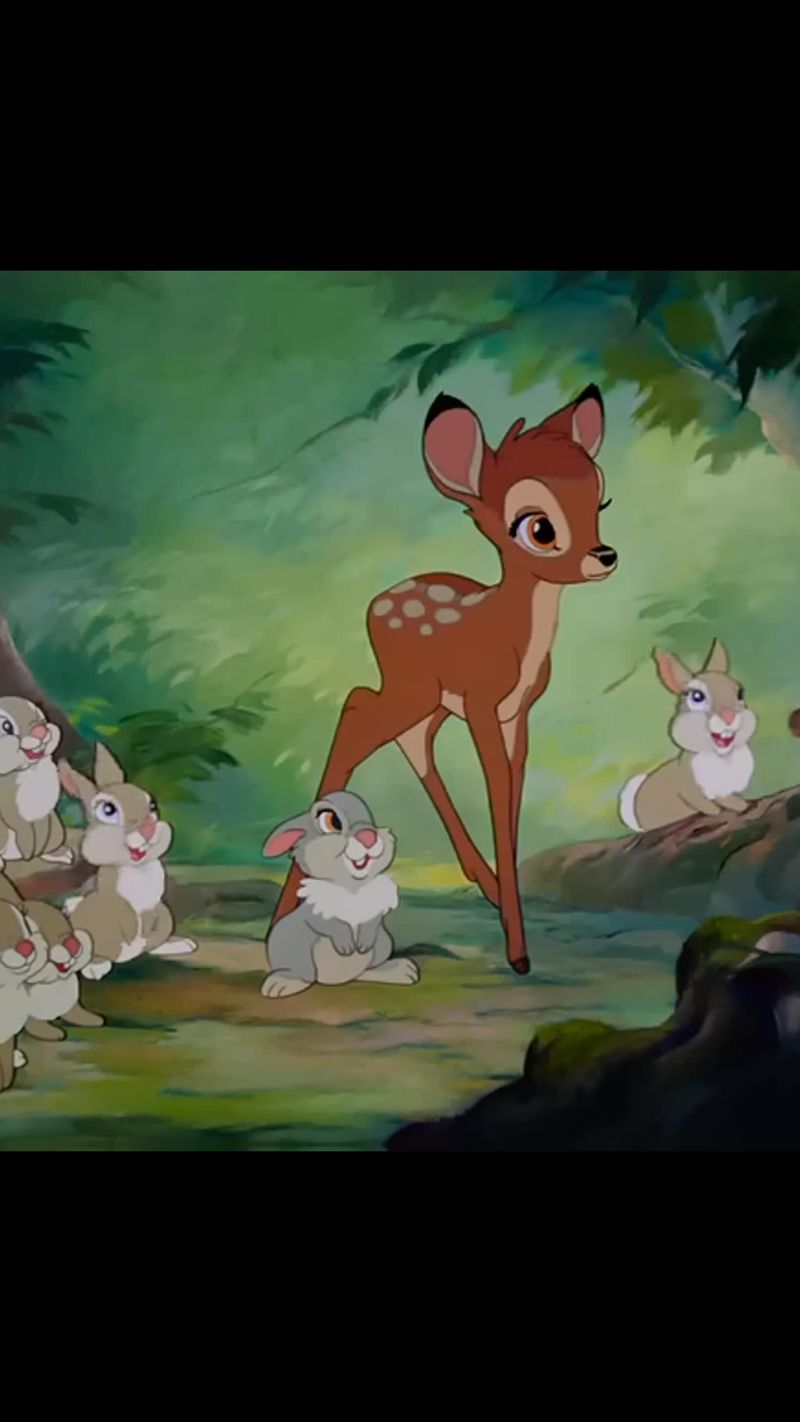
Few animated films have captured nature as honestly and lovingly as Bambi. Based loosely on Felix Salten’s 1923 novel, this coming-of-age story follows a young deer through joy, friendship, and heartbreak in the forest.
It premiered in London on August 9, 1942.
Disney animators studied real deer and forest environments obsessively to get every detail right. The multiplane camera technology used in the film gave the forest scenes an incredible sense of depth.
Even today, Bambi’s artwork feels remarkably fresh and alive.
6. Saludos Amigos (1942/1943)
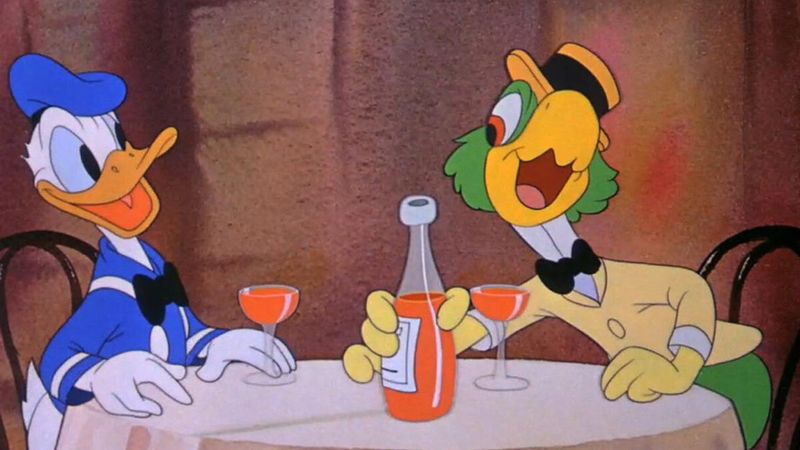
During World War II, Disney faced tight budgets and a reduced crew, so the studio turned to a new format called the package film. Saludos Amigos was the first of these anthology-style movies, blending live-action footage with animated segments set in Latin America.
The film was actually part of a U.S. government goodwill effort to strengthen relations with South American countries during the war. It premiered in Rio de Janeiro on August 24, 1942, and introduced audiences to Jose Carioca, a fun-loving Brazilian parrot who became a fan favorite.
7. The Three Caballeros (1944/1945)
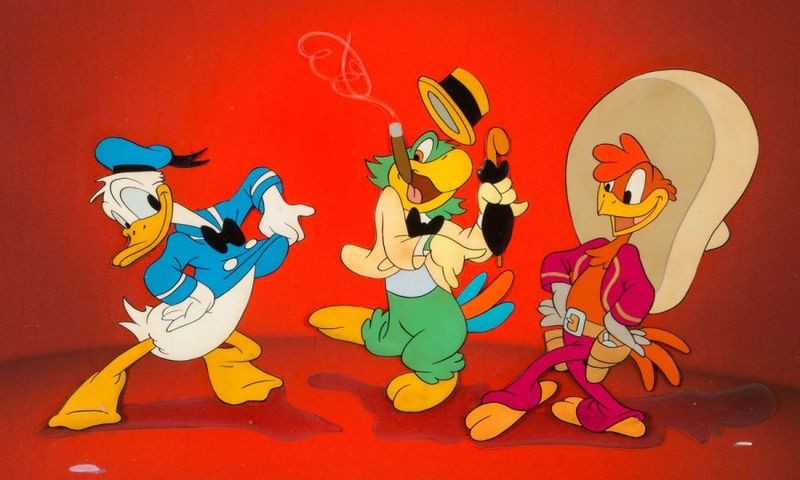
Disney’s goodwill tour of Latin America continued with The Three Caballeros, a bold and lively film that pushed creative boundaries in exciting new ways. It premiered in Mexico City on December 21, 1944, and hit U.S. theaters on February 3, 1945.
Panchito Pistoles, a spirited Mexican rooster, joined Donald Duck and Jose Carioca to form the trio of caballeros. Most remarkably, this film was the first Disney production to mix live-action actors with animated characters on screen together, a trick that felt almost like magic to 1940s audiences.
8. Make Mine Music (1946)
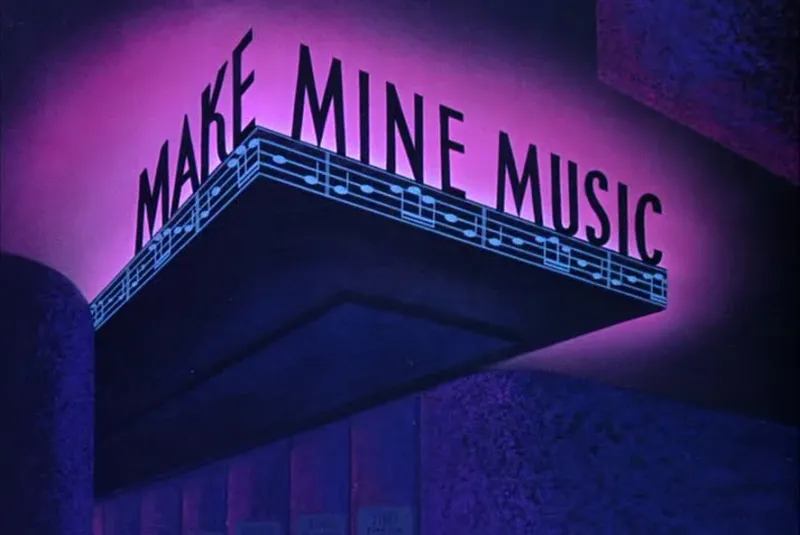
After the war ended, Disney returned with Make Mine Music, a cheerful collection of ten animated musical segments featuring popular artists of the era. Released on April 20, 1946, the film starred performers like Benny Goodman and Dinah Shore lending their voices and music.
The film had a surprisingly strong international debut, winning two awards at the very first Cannes Film Festival in 1946, including Best Animation Design and the Grand Prize. For a postwar package film made on a modest budget, that kind of recognition was a remarkable achievement.
9. Fun and Fancy Free (1947)
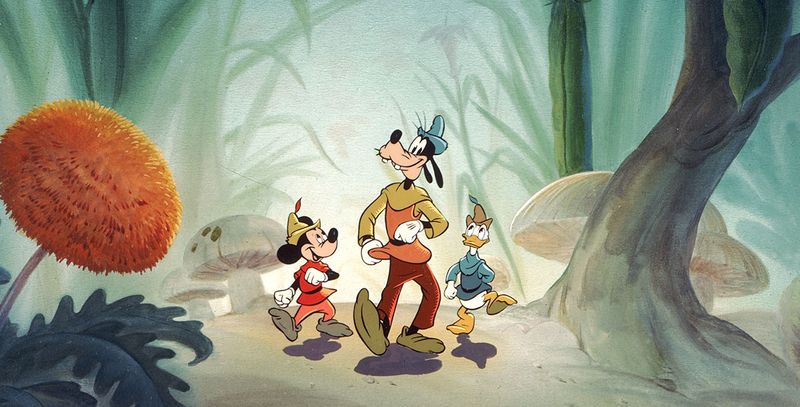
Fun and Fancy Free brought two beloved stories together in one package. Released on September 27, 1947, the film opens with Bongo, a charming tale about a circus bear narrated by Dinah Shore, then shifts to Mickey and the Beanstalk, narrated by Edgar Bergen.
Here is a piece of Disney trivia worth knowing: this was the last film in which Walt Disney himself regularly provided the voice of Mickey Mouse. After this movie, Disney handed the role off to other voice actors.
That alone makes Fun and Fancy Free a genuinely historic piece of animation history.
10. Melody Time (1948)
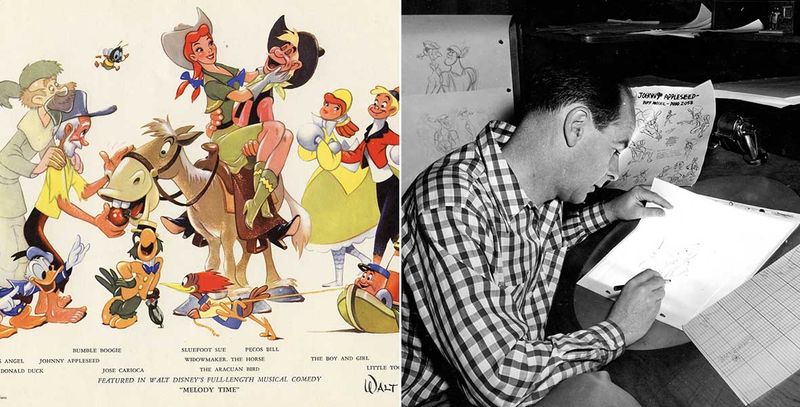
Melody Time kept the package film tradition rolling with seven animated segments built around popular songs and American folk music. Released on May 27, 1948, the film mixed animation with live-action performances in a relaxed, variety-show format that audiences of the era genuinely enjoyed.
Two segments stand out as fan favorites. One introduced Disney’s version of the legendary folk hero Johnny Appleseed, and another featured the lovable tugboat Little Toot.
Both characters captured a cozy, homespun American spirit that felt warm and familiar to postwar families settling back into peacetime life.
11. The Adventures of Ichabod and Mr. Toad (1949)
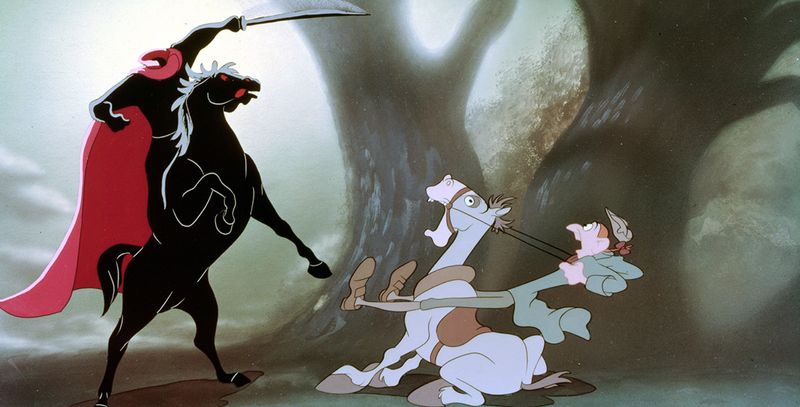
The Adventures of Ichabod and Mr. Toad wrapped up Disney’s package film era with two very different but equally entertaining stories. Released on October 5, 1949, the film pairs an adaptation of Kenneth Grahame’s The Wind in the Willows with Washington Irving’s The Legend of Sleepy Hollow.
The Sleepy Hollow segment, in particular, became a Halloween classic that Disney fans return to every single year. After this film, the studio shifted back to producing full-length single-story animated features, beginning with Cinderella in 1950.
It was the end of one chapter and the start of something even bigger.
12. Cinderella (1950)
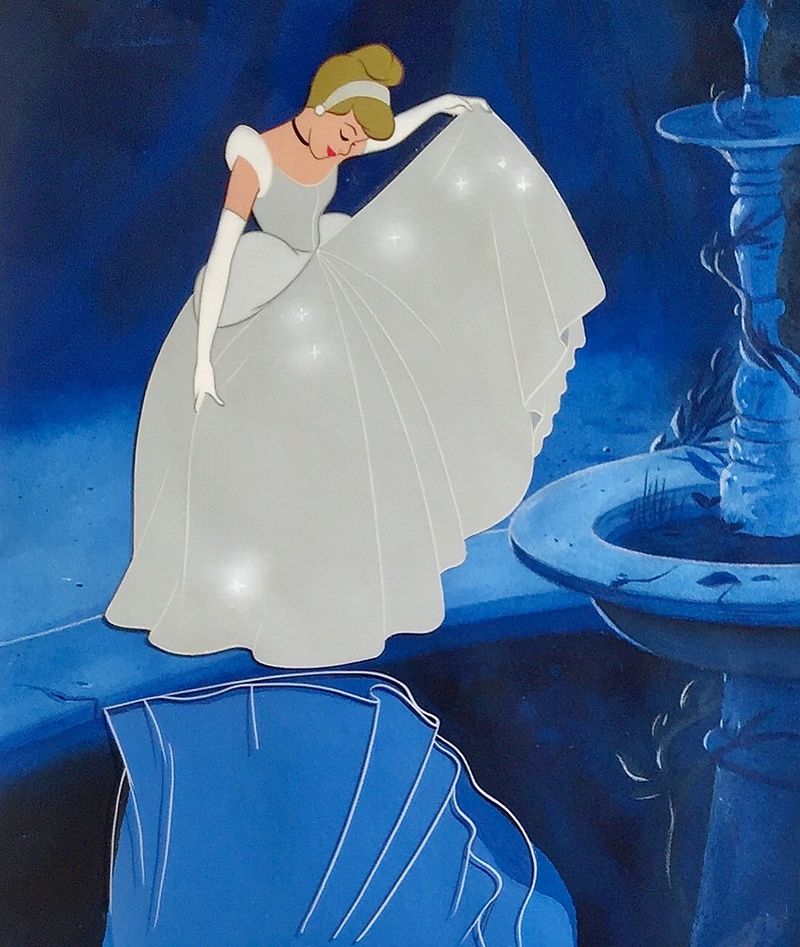
Cinderella was more than just a fairy tale, it was a financial lifesaver for the entire Disney studio. Released on February 15, 1950, the film became Disney’s biggest box office hit since Snow White, and that success gave Walt Disney the funds he needed to build Disneyland and keep his studio thriving.
The film earned three Academy Award nominations, including one for the cheerful song Bibbidi-Bobbidi-Boo. Cinderella’s combination of humor, heart, and genuine beauty reminded the world that Disney could still create animated magic at the very highest level.
13. Alice in Wonderland (1951)
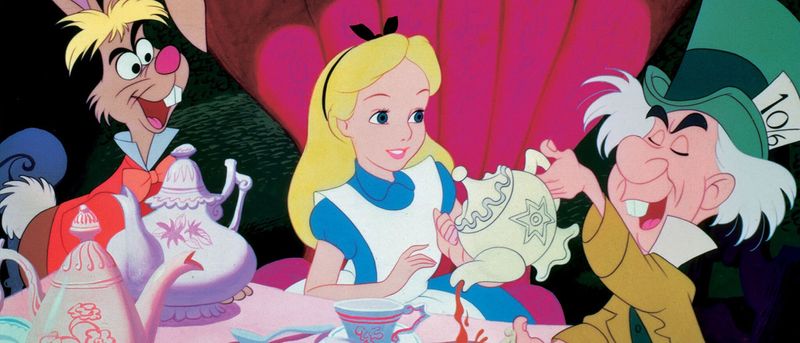
Alice in Wonderland is one of those films that audiences did not fully appreciate until years after its release. Based on Lewis Carroll’s beloved 1865 novel, the film premiered in London on July 26, 1951, and hit New York City screens two days later.
Initial theater audiences were lukewarm, and critics had mixed feelings about its fast-paced, dream-like structure. Television airings in later years changed everything, turning Alice in Wonderland into a cult classic beloved by generations of fans.
Its wild imagination and quirky characters feel just as fresh and surprising today as they did over 70 years ago.
14. Peter Pan (1953)
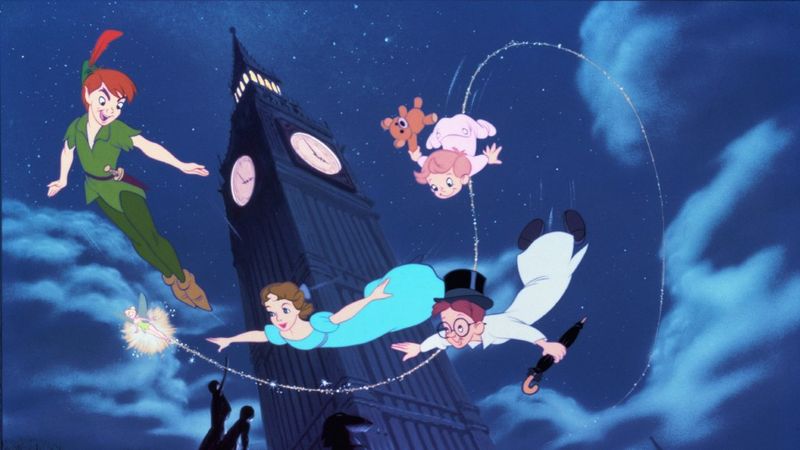
Peter Pan soared into theaters on February 5, 1953, bringing J. M.
Barrie’s 1904 stage play to vibrant animated life. The film follows Wendy and her brothers as they are whisked away to Neverland by the boy who refuses to grow up, and every scene crackles with adventure and charm.
Historically, Peter Pan was the last Disney animated feature distributed through RKO Radio Pictures before Disney launched its own Buena Vista Distribution company. It also marked the final time all nine of Disney’s legendary “Nine Old Men” worked together as directing animators on a single film.
15. Lady and the Tramp (1955)
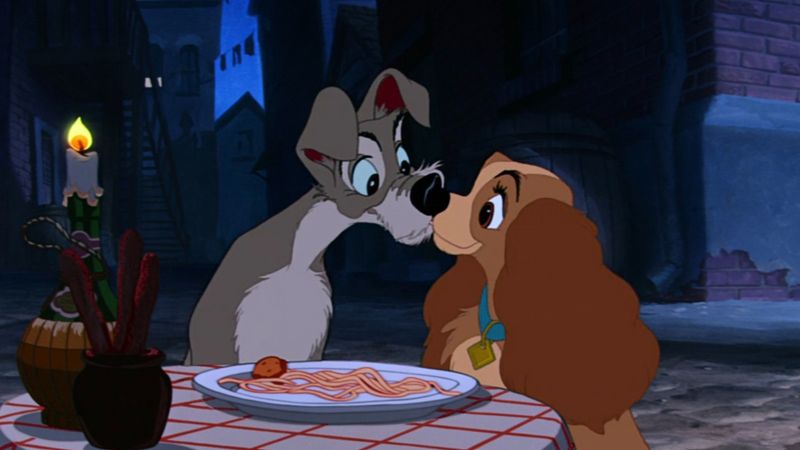
Lady and the Tramp made history in more ways than one when it arrived in theaters on June 22, 1955. Based on Ward Greene’s 1945 magazine story, the film was the first animated feature ever shot in the CinemaScope widescreen format, giving it a sweeping, cinematic quality unlike anything Disney had done before.
It was also the first animated film distributed by Disney’s very own Buena Vista division. Fun fact: Walt Disney himself did not want the now-iconic spaghetti-sharing scene included in the movie.
Thankfully, he was overruled, because that scene became one of the most romantic moments in animation history.