
A marriage can feel lonely even when both people share the same home. The way partners speak, listen, and handle conflict can reveal serious cracks in their bond.
These patterns do not guarantee divorce, but they deserve attention when they keep happening without repair. Spotting them early can help you decide what needs to change and when to seek support.
1. Criticism Turns Mistakes Into Personal Attacks

A forgotten chore becomes something bigger when the response attacks who you are. Calling a partner lazy or selfish shifts attention away from the problem and toward their worth as a person.
Gottman researchers identify criticism as one of four harmful conflict patterns. Replace broad attacks with a clear request, such as asking for help with dishes tonight.
If character attacks keep returning, consider professional support before resentment becomes the main voice in your marriage.
2. Contempt Makes Respect Disappear
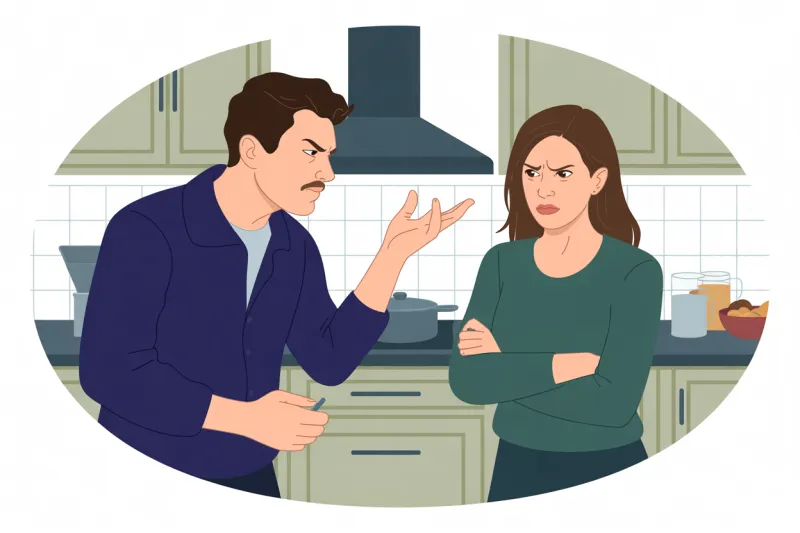
An eye roll can carry more hurt than a long argument. Mocking, sneering, and cruel jokes send a message that one partner feels above the other, rather than beside them.
Gottman research links contempt with a higher risk of divorce. Stop insults instead of excusing them as humor, and practice speaking with basic respect.
When humiliation becomes routine, outside help may be needed to assess whether trust and emotional safety can realistically be rebuilt together.
3. Defensiveness Blocks Responsibility

Before your partner finishes speaking, your defense is already ready. Excuses, counterattacks, and blame can turn a simple concern into a contest over who is more wrong.
Defensiveness is another pattern highlighted by Gottman researchers. Try owning one honest part of the problem, even if you disagree with the rest.
Saying you forgot to call creates more room for progress than listing every mistake your partner made during the past week when you felt upset.
4. Stonewalling Shuts the Conversation Down

The room goes quiet, but nothing feels peaceful. One spouse stops answering, looks away, or leaves because the discussion feels too intense to handle.
Known as stonewalling, this pattern can leave the other person feeling abandoned. Feeling overwhelmed is real, so request a break and agree on a specific return time.
Use the pause to settle your body, not prepare attacks, then return ready to listen and discuss one manageable part of the problem together.
5. Feelings Get Brushed Aside

Hearing that you are too sensitive can make sharing feel pointless. When feelings are brushed aside, partners may start hiding pain instead of trusting each other with it.
Understanding does not require agreeing with every detail. Try naming what you hear, such as disappointment or worry, before offering your view.
A caring response makes room for both experiences, while repeated dismissal can weaken the closeness that helps couples face hard situations as a team together.
6. Arguments Repeat Without Repair

Some couples could recite their next argument from memory. The subject returns, the same hurt follows, and nobody feels closer to an answer.
Not every disagreement has a neat solution, but respectful repair still matters. Choose one specific issue, explain what each person needs, and agree on a small next step.
An apology should lead to changed behavior, not simply reset the cycle until another difficult evening brings the same conflict back into focus again.
7. Daily Sharing Slowly Disappears

Dinner becomes a report about errands, and personal stories stop coming. Partners may still manage a household while knowing very little about each other’s inner lives.
Emotional distance can grow quietly, without dramatic fights. Set aside a few minutes to share something that felt good or difficult that day, with phones put away.
If attempts to reconnect receive no interest over time, discuss the distance directly rather than assuming it will fade on its own.
8. Assumptions Replace Honest Questions
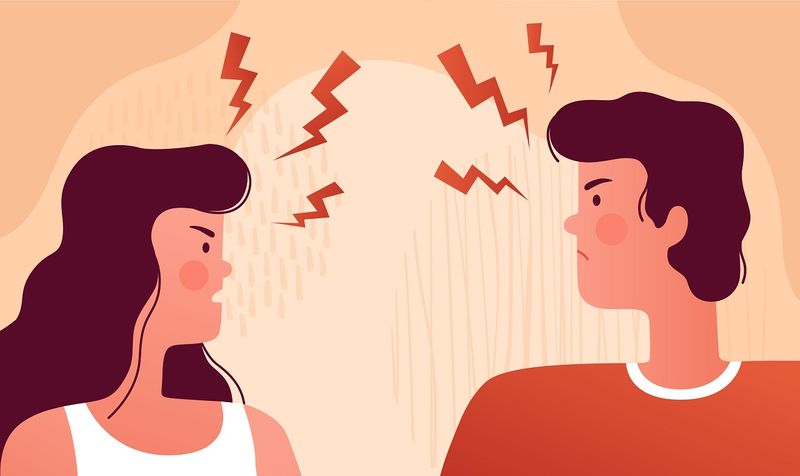
A late reply suddenly means your partner does not care. Assumptions fill gaps with stories that may feel true but have never been checked.
Repeated misunderstandings can turn ordinary moments into evidence against each other. Ask what happened before deciding why it happened, and state your needs clearly instead of expecting mind reading.
Repeating back what you heard also helps catch confusion early, especially when messages involve plans, money, family boundaries, or changes in expectations.
9. Major Decisions Happen Without Discussion

Finding out about a major purchase after the money is gone can shake trust. The problem is not only the decision, but being left without a voice in something that affects both lives.
Agree on which choices need a shared conversation, including spending limits, parenting rules, and family commitments. Schedule discussions before deadlines create pressure.
Repeatedly shutting one partner out can signal a deeper loss of teamwork, especially when concerns are dismissed rather than considered.
10. Requests Become a Cycle of Reminders

By the fifth reminder, neither person feels heard. One partner feels ignored, while the other hears only pressure, and the original task becomes another source of resentment.
Avoid treating this as a flaw tied to gender. Look at whether responsibilities are clear, fairly shared, and actually completed.
Agree on who owns each task and when it needs doing, so one spouse does not become the household manager who must keep asking for basic help daily.
11. Appreciation Goes Missing

Small efforts can feel invisible when nobody notices them. Over time, a partner may wonder whether their care, work, or support matters at all.
Appreciation is not payment for good behavior, and it should not replace fair effort. Still, a specific thank you can remind both people that their contributions are seen.
Mention the action and its impact, then notice whether warmth returns or whether deeper resentment needs a longer, more honest conversation between you.
12. Silence Becomes a Punishment

Hours of being deliberately ignored can feel like punishment. Unlike a clearly explained break, the silent treatment leaves someone guessing when contact will return and what they must do to earn it.
Ask for space directly and offer a time to reconnect. If silence is repeatedly used to control, frighten, or force agreement, the concern goes beyond poor conversation skills.
Seek individual support, especially if speaking up brings threats or makes you feel unsafe afterward.
13. Interruptions Leave No Room to Speak

Finishing a sentence should not feel like winning a race. Constant interruptions can make a spouse believe their thoughts matter less than getting the next word in.
Sometimes excitement or habit plays a role, but the impact still deserves attention. Take turns speaking for a short period while the listener summarizes before responding.
If either person keeps taking over, slow the discussion down and name the pattern without turning that moment into another personal attack.
14. Disagreements Turn Into Screaming Matches

When voices rise, understanding often drops. Frequent screaming can leave both partners tense before a conversation even starts, especially if either person expects another angry outburst.
Stop the discussion when it becomes too heated, then choose a calmer time to return. Nobody needs to stay present for threats, intimidation, or verbal abuse.
If you feel afraid, prioritize safety and seek individual help from a trusted person or domestic abuse service rather than pushing through together.
15. Future Plans No Longer Include Each Other

Talk about next year becomes strangely separate. One person imagines a move, a career change, or retirement without asking how their spouse fits into that picture.
Different dreams do not automatically mean divorce, but avoiding shared plans can reveal emotional distance. Ask what each of you hopes life will look like and where your wishes overlap.
If safe conversations keep failing, a couples therapist can help you explore whether rebuilding a shared future feels possible.