
A movie paycheck does not always come with a place on the screen. Actors can lose their scenes, get replaced, or spend months preparing for films that never get made.
Contracts sometimes protect their pay even when those plans fall apart. These stories reveal how that happens, while also clearing up a few popular claims that do not hold up.
1. Johnny Depp: One Scene, a Reported Eight-Figure Paycheck
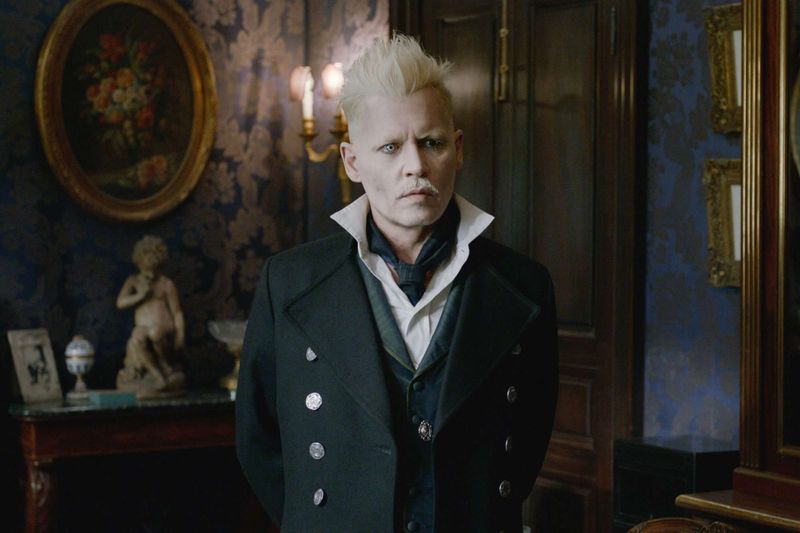
One filmed scene reportedly did not stop a huge payday. Johnny Depp left Fantastic Beasts: The Secrets of Dumbledore after Warner Bros. requested his resignation in 2020, following his loss in a British libel case.
Industry reports said his contract protected his full salary, widely reported around $16 million, although some accounts give lower figures. Mads Mikkelsen replaced him as Grindelwald, showing how guaranteed pay can survive a major casting change during production.
2. Nicolas Cage: Superman Without a Finished Movie
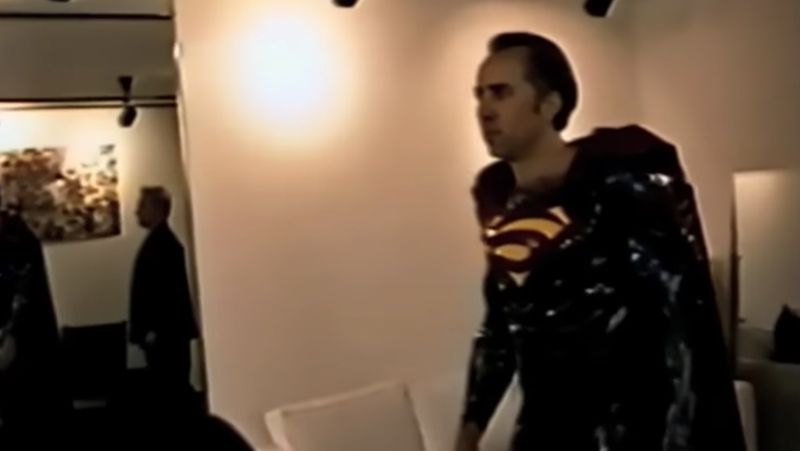
Imagine getting ready to save the world, only to have the whole movie disappear. Nicolas Cage signed on to play Superman in Tim Burton’s Superman Lives, a project that collapsed before principal photography began.
His reported pay was about $20 million under a guaranteed contract. Costume tests later gave fans a glimpse of what might have been, but those clips are not a completed film.
The famous paycheck concerns that abandoned production.
3. Shailene Woodley: Mary Jane Left Outside the Story

Meeting Spider-Man did not guarantee a spot in his movie. Shailene Woodley filmed a small role as Mary Jane Watson for The Amazing Spider-Man 2, but director Marc Webb removed it before release.
The decision kept the focus on Peter Parker and Gwen Stacy rather than introducing another major relationship. Woodley was compensated for her work, though her fee is not publicly established.
Her experience separates being hired from surviving the final edit.
4. Kevin Spacey: A Completed Performance Replaced
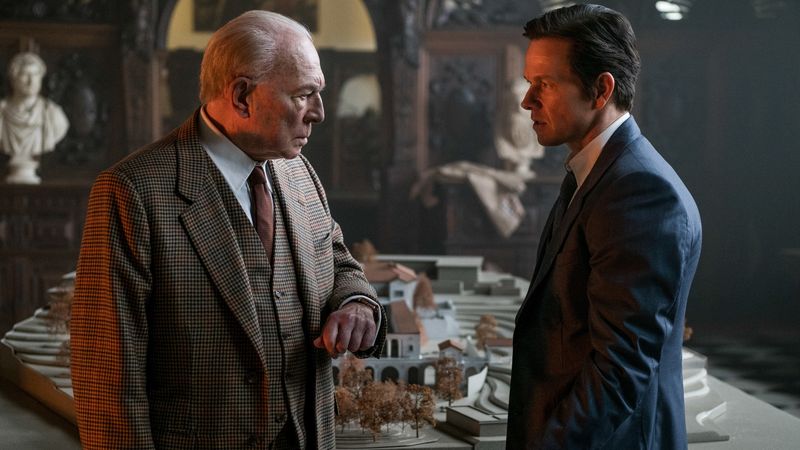
An entire performance can vanish even after filming ends. Kevin Spacey had completed his work as oil billionaire J.
Paul Getty in All the Money in the World when sexual misconduct allegations prompted his replacement.
Director Ridley Scott brought in Christopher Plummer and reshot the role shortly before the film’s release. Spacey’s original work had been paid for; the replacement created additional costs.
His absence was a production decision, not an ordinary deleted scene.
5. Eric Stoltz: Marty McFly Before Michael J. Fox
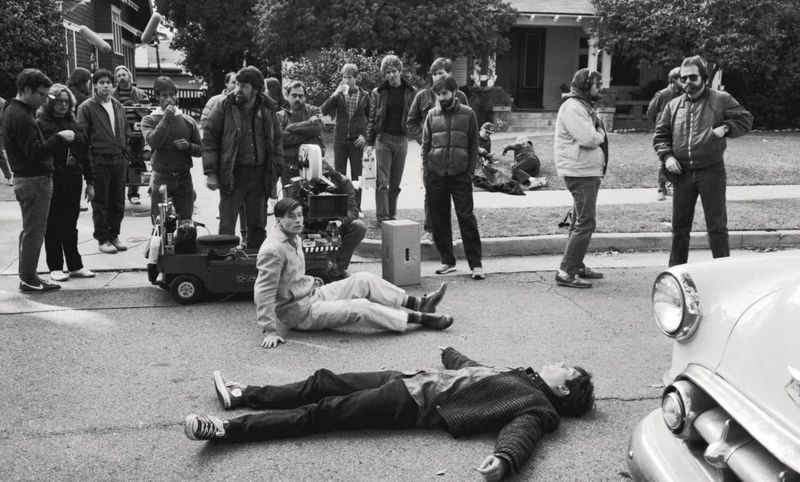
For several weeks, Hill Valley had a different Marty McFly. Eric Stoltz filmed the lead role in Back to the Future before the filmmakers decided his performance did not match the comedy they wanted.
Michael J. Fox took over, and much of the material was filmed again.
Stoltz was paid for the work he had done. Production footage later revealed his version, offering an unusual look at how casting can change a movie’s personality.
6. Marlon Wayans: Robin’s Missing Payday Adventure
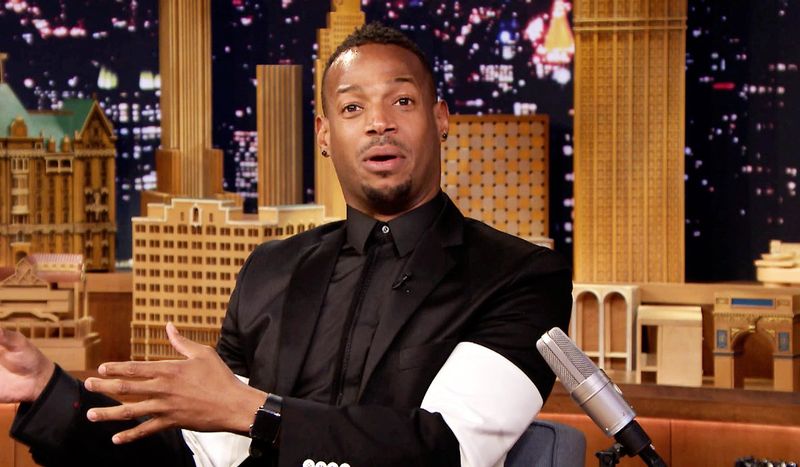
Gotham nearly gained a very different young sidekick. Marlon Wayans was hired to play Robin during the development of Batman Returns, but the character was removed as the crowded story changed.
Wayans has said he was paid despite never filming the role, and has also described receiving residual payments. Those payment details come from his own accounts.
Chris O’Donnell eventually played Robin in Batman Forever, leaving Wayans with a memorable Hollywood what-if story instead.
7. Tobey Maguire: Too Familiar for Life of Pi
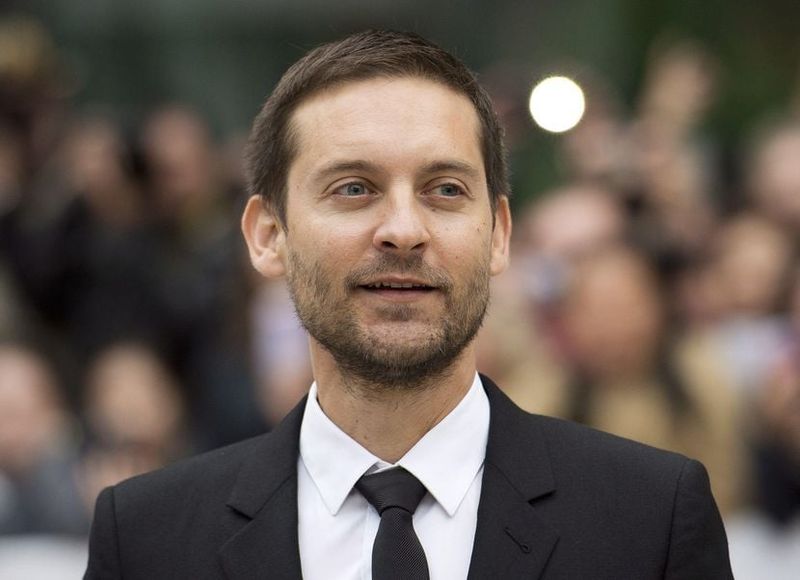
Sometimes a famous face is exactly what a director does not want. Tobey Maguire filmed the writer’s role in Life of Pi, but Ang Lee later decided his star presence could distract viewers.
Rafe Spall replaced him, and the scenes were filmed again. Maguire’s work was paid, although a reliable public salary figure is unavailable.
The switch was about the film’s balance, not a claim that Maguire lacked the skill to play the part.
8. Bob Hoskins: A Reward for Standing By
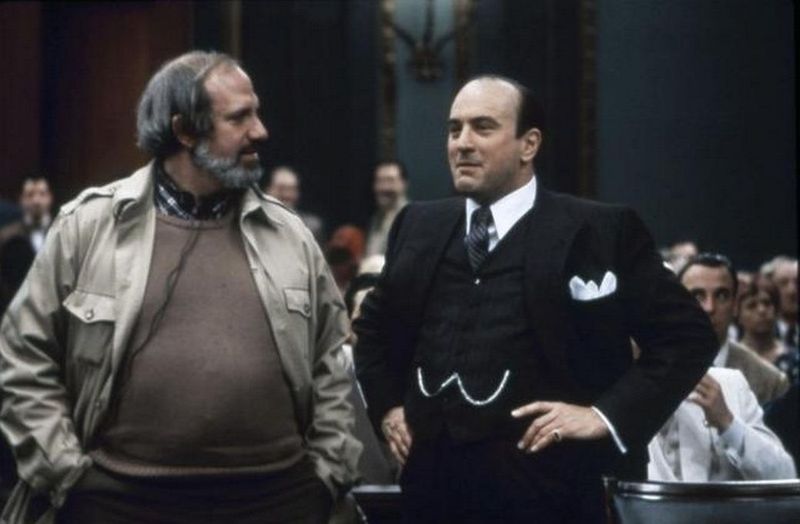
A backup plan reportedly brought Bob Hoskins a handsome reward. Director Brian De Palma considered him for Al Capone in The Untouchables while Robert De Niro’s involvement was still uncertain.
When De Niro took the part, Hoskins said he received a $200,000 check for being available. He later joked about welcoming more jobs like that.
Unlike actors whose scenes were cut, he did not need to complete a performance before this reported payment arrived.
9. Michael Biehn: Payment for a Likeness, Not a Performance
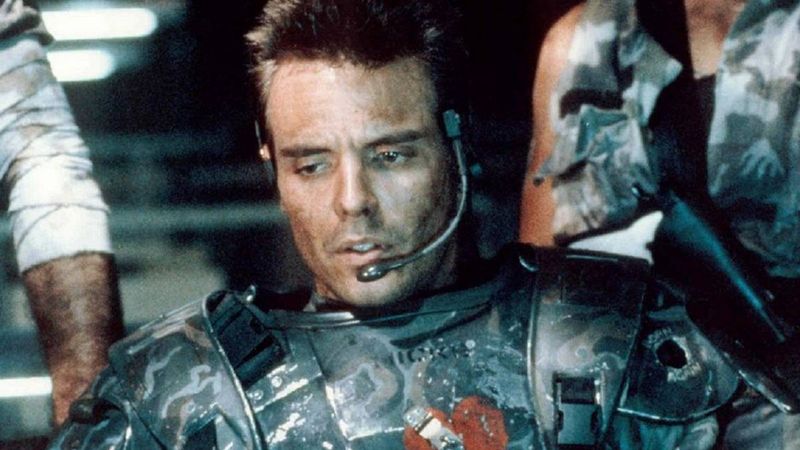
A face can have value even when its owner never visits the set. Michael Biehn did not return to perform as Hicks in Alien 3, but the production needed permission to use his likeness.
He has described negotiating payment after learning about plans involving his character. A photograph of Hicks appears in the finished film, so this is not complete visual absence.
It is better understood as a likeness deal rather than an acting paycheck.
10. Paul Rudd: A Bad Date That Missed the Cut

An awkward skating date almost added another familiar face to Bridesmaids. Paul Rudd filmed a scene as a potential romantic match for Kristen Wiig’s character, and his cheerful charm took a comically unpleasant turn.
The sequence was removed as the filmmakers shaped the finished comedy. He worked on the production, but his specific payment is not publicly documented.
Deleted footage preserves the performance, reminding viewers that funny material can still lose its place in a movie.
11. Tim Roth: A Butler Beyond the Final Edit
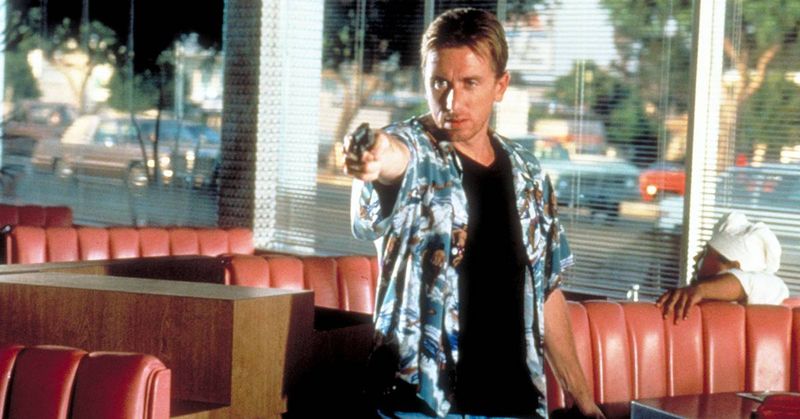
Even a regular collaborator can disappear from a director’s finished movie. Tim Roth filmed a small part as a British butler in Quentin Tarantino’s Once Upon a Time in Hollywood.
His scenes were cut, although the credits acknowledged his missing contribution. Reports describe the role as removed during editing, not abandoned before work began.
His exact fee remains private, so attaching a dramatic dollar amount would be guesswork. The lost cameo is the well-established part here.
12. Ryan Gosling: Preparation That Went in Another Direction
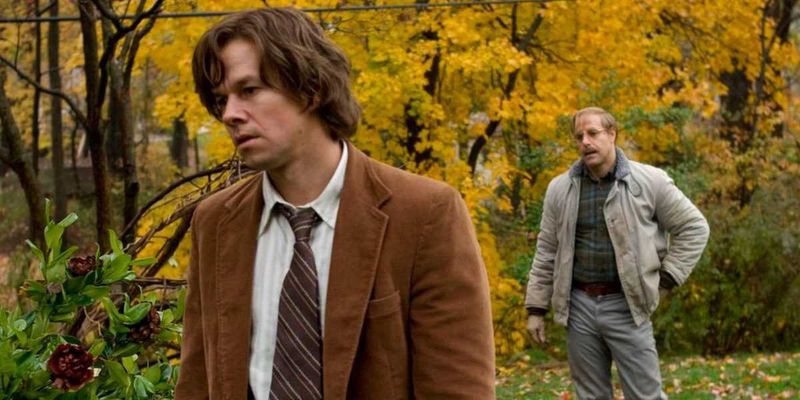
Gaining weight for a role can backfire when actor and director picture different characters. Ryan Gosling prepared to play Jack Salmon in The Lovely Bones, reportedly adding about 60 pounds.
He and Peter Jackson parted ways before filming, and Mark Wahlberg took over. Gosling later described a gap between their ideas about the character.
Claims about his payment are less firmly documented than the casting change, so a guaranteed payout should not be treated as established.
13. Jean-Claude Van Damme: An Alien Suit That Did Not Work Out
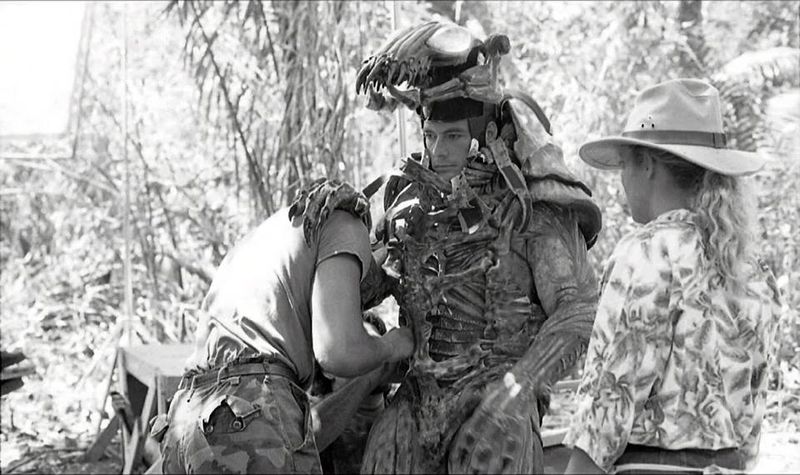
Before the Predator had its famous look, a future action star tried an earlier creature design. Jean-Claude Van Damme worked on the production while the alien costume was still very different.
Accounts disagree about exactly why he left, mentioning suit problems, physical demands, and creative differences. Kevin Peter Hall ultimately played the redesigned creature.
Van Damme’s precise compensation is not reliably public, making this a documented early involvement rather than a securely verified big-paycheck story.
14. Anna Paquin: Rogue Returned in Another Version
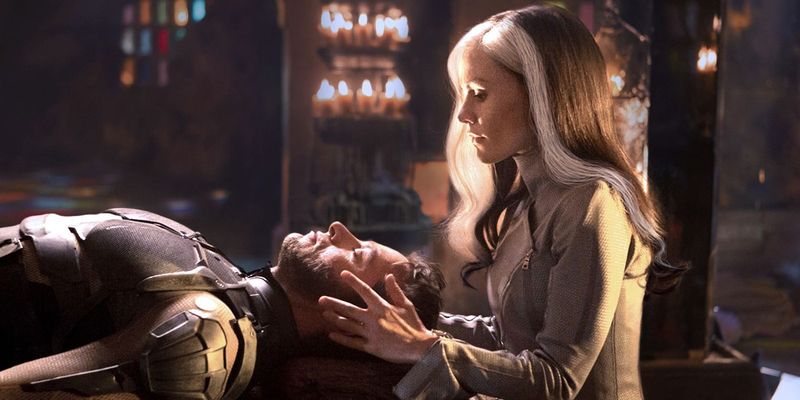
Rogue’s missing rescue mission eventually found its audience. Anna Paquin filmed a larger role for X-Men: Days of Future Past, but most of that storyline was removed from the theatrical version.
She still appears briefly in that release, so saying she never appeared is inaccurate. The later Rogue Cut restored substantial footage.
Paquin was paid for acting, but this example belongs more accurately among reduced roles than performances that vanished entirely from the finished movie.
15. Billy Dee Williams: The Two-Face Payout Myth

A widely repeated Batman story needs a correction. Billy Dee Williams played Harvey Dent in 1989’s Batman, while Tommy Lee Jones played the character’s villainous identity, Two-Face, in Batman Forever.
Online accounts often claim Williams received a contractual payout when Jones was cast. Williams has denied having that guaranteed arrangement or receiving such a payment.
His casting history is real, but the supposed check should not be presented as fact simply because it sounds plausible.
16. Terrence Howard: A Sequel Dispute, Not a Proven Payout
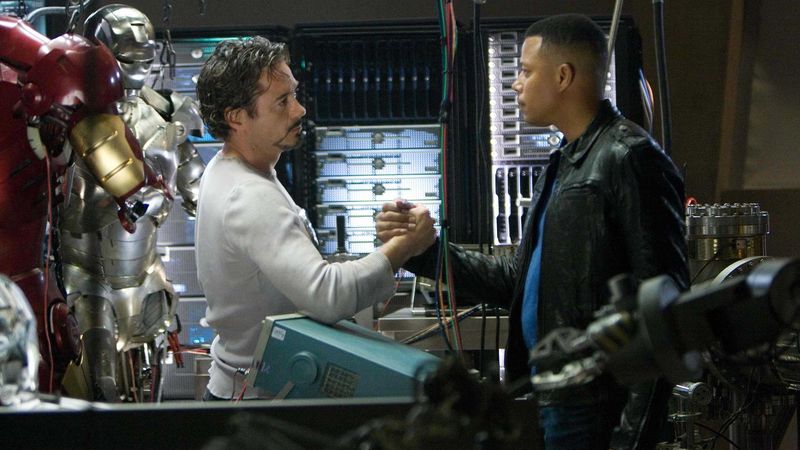
Losing a superhero sequel is not the same as getting paid for it. Terrence Howard played James Rhodes in Iron Man, but Don Cheadle replaced him for Iron Man 2 after a contract dispute.
Howard said the proposed sequel salary was far below what he expected. Public accounts do not establish that he received his promised sequel pay.
Earnings from the first film cannot prove payment for the second, making this another frequently overstated example.