
Garlic is one of the most beloved ingredients in kitchens around the world, adding bold flavor and amazing aroma to countless dishes. But even experienced cooks can make simple mistakes that ruin garlic’s magic.
Whether you are just starting out or have been cooking for years, knowing what to avoid can completely change the way your food tastes. Here are 15 common garlic mistakes and how to fix them.
1. Using Pre-Minced Garlic From a Jar
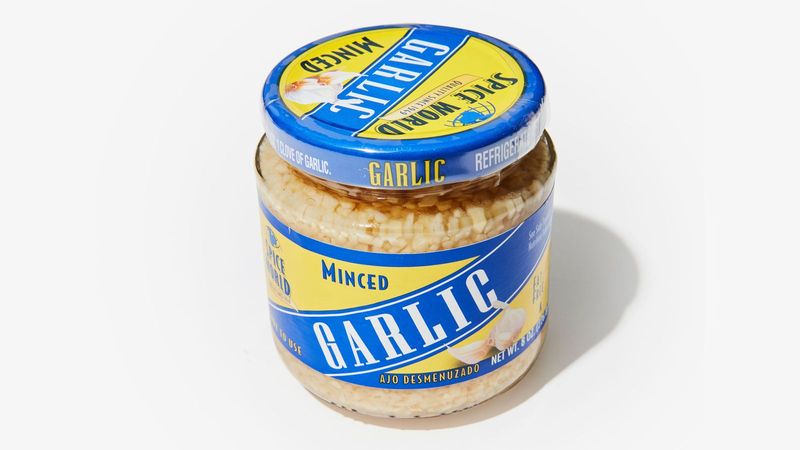
Fresh garlic and jarred garlic might look similar, but they taste completely different. Pre-minced garlic from a jar often has a dull, slightly sour flavor because it has been sitting in preservatives for weeks or even months.
Fresh garlic gives your food a bright, punchy kick that jarred garlic simply cannot match. Whenever possible, peel and mince your own cloves.
The extra two minutes of prep work makes a huge difference in your final dish.
2. Adding Garlic Too Early to the Pan
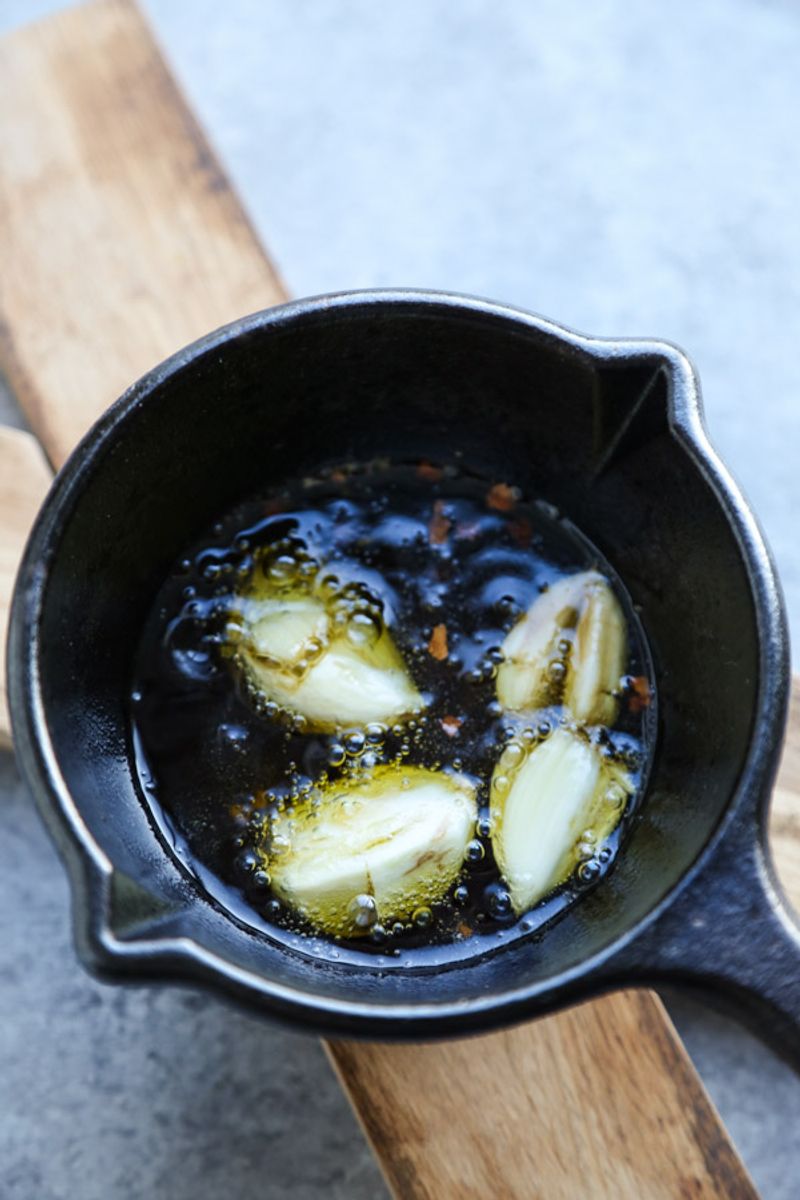
Garlic burns fast, and adding it too early is one of the most common cooking mistakes people make. When garlic hits a hot pan too soon, it turns dark brown and bitter before the rest of your ingredients even have a chance to cook.
A good rule of thumb is to add garlic after your onions or other vegetables have softened. Thirty seconds to one minute over medium heat is usually enough to bring out its flavor without burning it.
3. Not Letting Crushed Garlic Rest Before Cooking
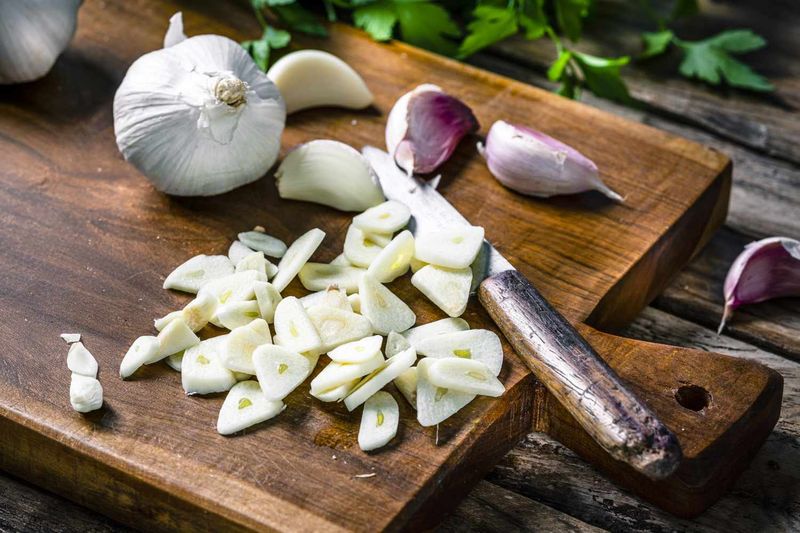
Here is something most home cooks never learned in school: crushing or chopping garlic and letting it sit for about ten minutes before cooking actually makes it healthier and more flavorful. When garlic cells are broken, they release a compound called allicin, which needs a little time to fully develop.
If you toss garlic straight into a hot pan right after chopping, you stop that process cold. A short rest period unlocks deeper flavor and extra nutritional benefits.
4. Using the Wrong Amount of Garlic
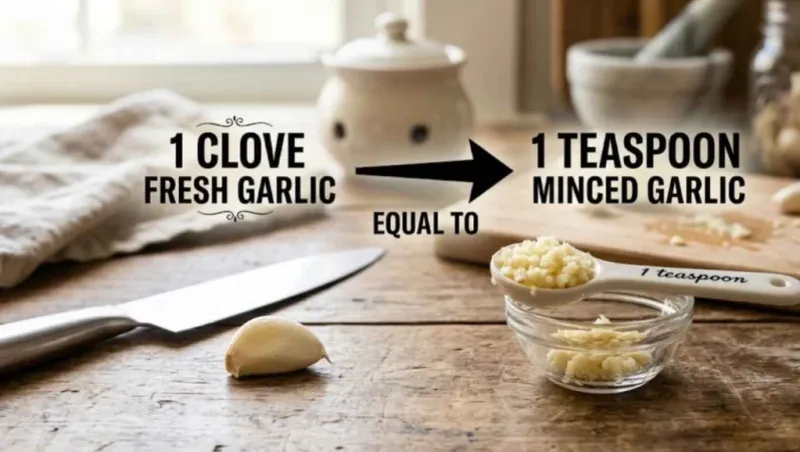
More garlic does not always mean better flavor. Using too much can overpower a dish and make it sharp or harsh, while using too little leaves food tasting flat and boring.
Learning to balance garlic takes practice, but a helpful starting point is one to two cloves per serving for most recipes. Strong dishes like roasted garlic bread can handle more, while delicate sauces or seafood dishes need a much lighter touch.
Trust your taste buds and adjust as you cook.
5. Skipping the Garlic Skin Removal Step Properly
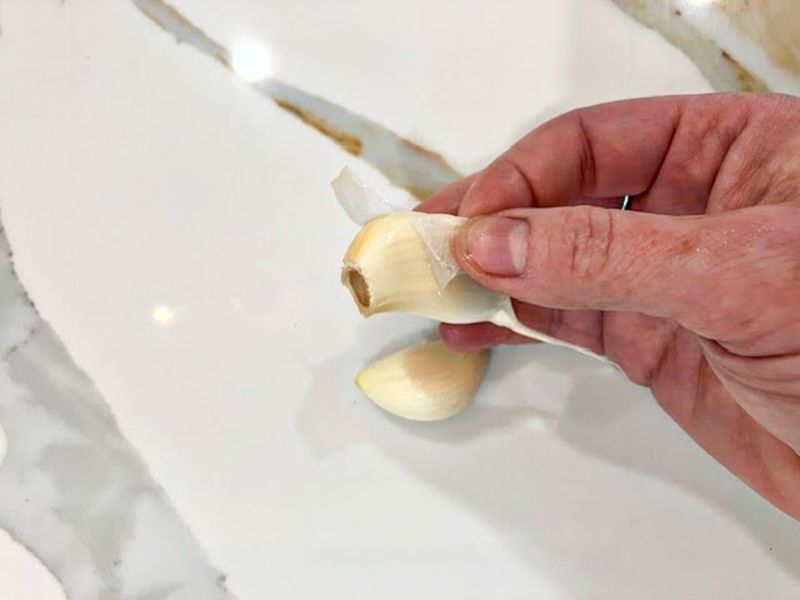
Peeling garlic can feel like a chore, and rushing through it often leads to bits of papery skin ending up in your food. Nobody wants to bite into a dish and find a chewy piece of garlic skin hiding in there.
An easy trick is to place a clove under the flat side of a knife and press down firmly. The skin cracks right off.
You can also shake unpeeled cloves inside a sealed jar for about 30 seconds, and the skins fall away almost magically.
6. Cooking Garlic on Too High a Heat
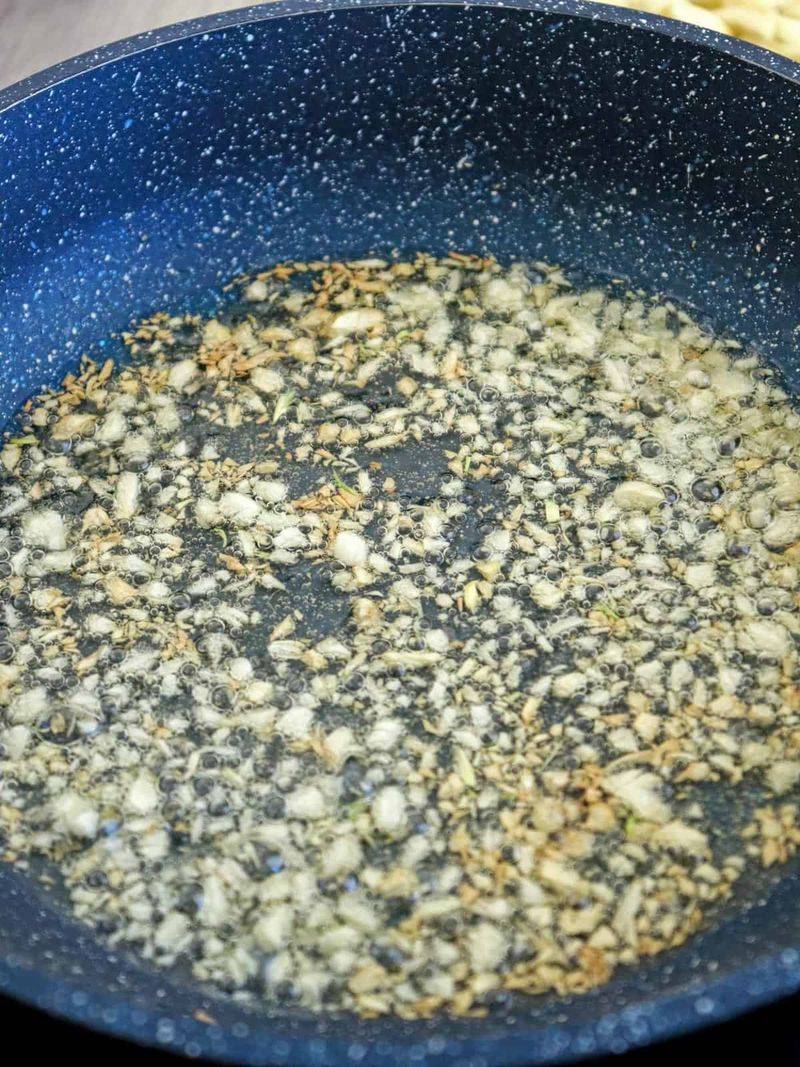
High heat and garlic are not friends. Garlic contains natural sugars that caramelize quickly, meaning even a moment of distraction can turn your golden, fragrant garlic into a bitter, black mess.
Medium or medium-low heat gives you much better control. Keep an eye on the pan and stir frequently.
If you notice the garlic darkening too fast, pull the pan off the heat for a few seconds. Patience really pays off when it comes to cooking garlic correctly.
7. Storing Garlic in the Refrigerator
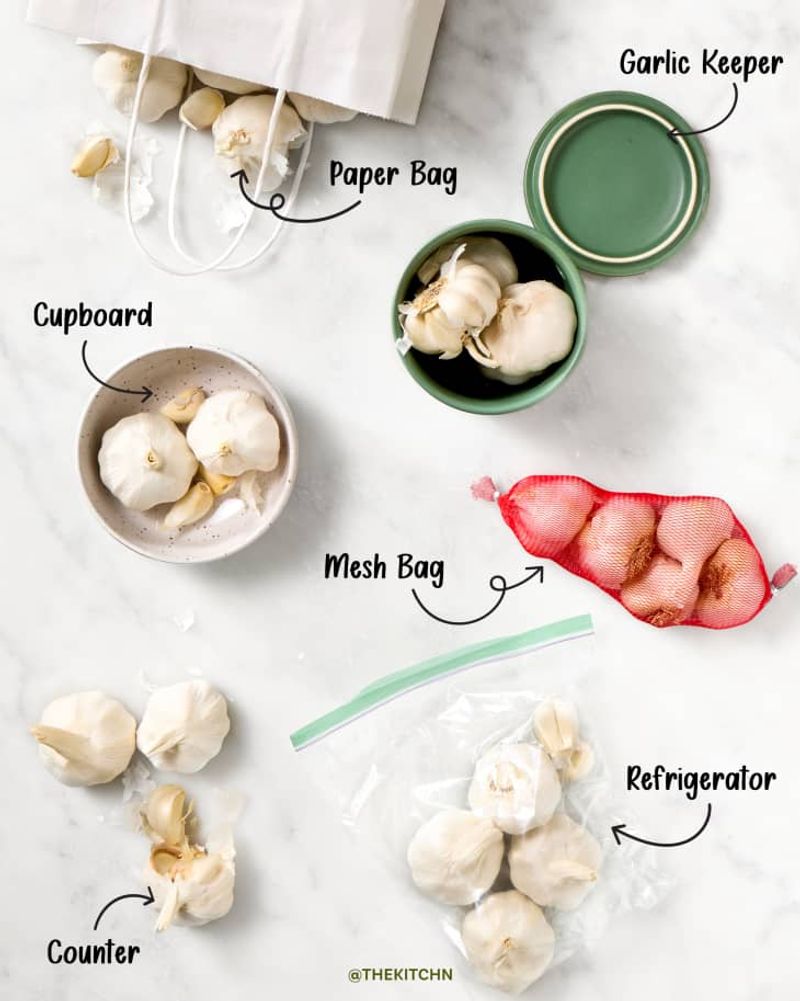
Popping garlic in the fridge seems like a smart move, but it actually speeds up sprouting and can make the cloves rubbery and moldy much faster. Refrigerators create a cool, moist environment that garlic absolutely does not enjoy.
Whole, unpeeled garlic bulbs last longest when stored in a cool, dry, well-ventilated spot like a wire basket or a small clay pot on your counter. Kept this way, a bulb of garlic can stay fresh and flavorful for up to two months.
8. Forgetting That Garlic Keeps Cooking After the Heat Is Off
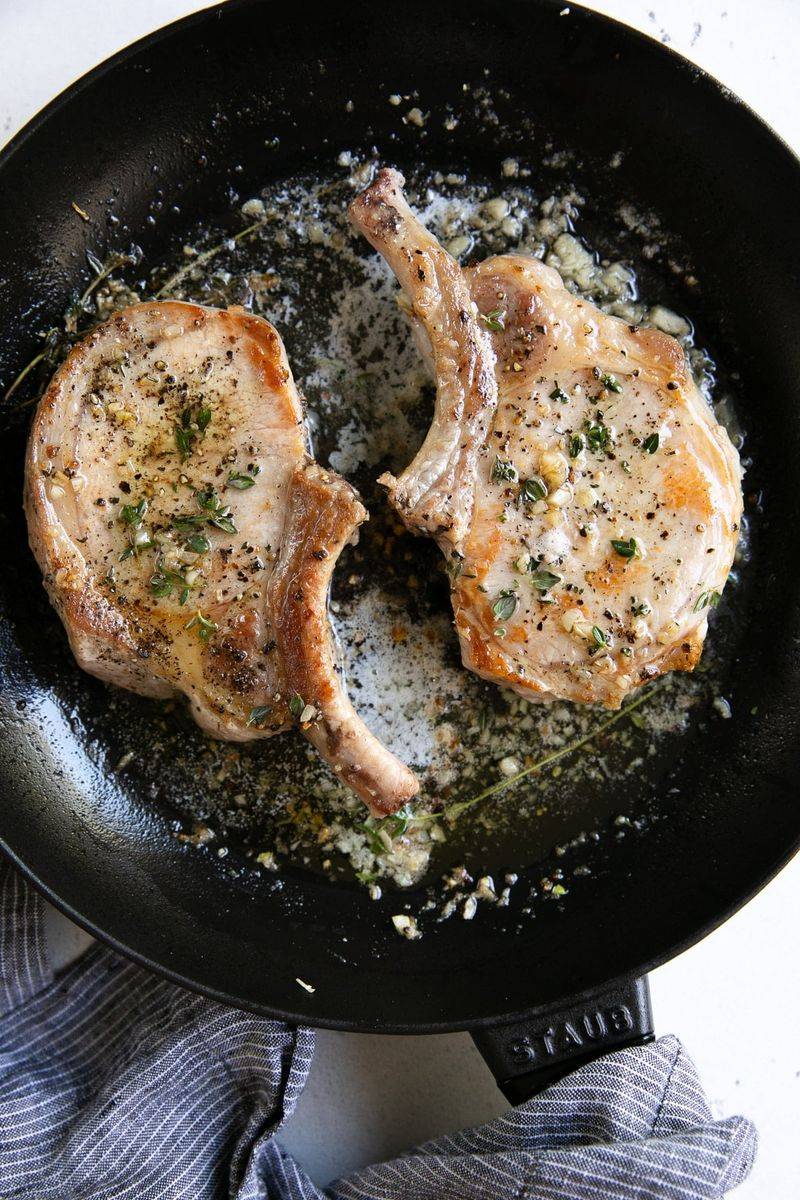
Carryover cooking is a real thing, and garlic is especially sensitive to it. Even after you turn off the burner, the residual heat in the pan keeps cooking everything inside, including your garlic.
If garlic already looks perfectly golden when you cut the heat, it will likely be overdone by the time it hits the plate. Pull the pan from the heat a few seconds early or add your next ingredient quickly to absorb some of that lingering heat and stop the cooking process.
9. Mincing Garlic the Same Way for Every Dish
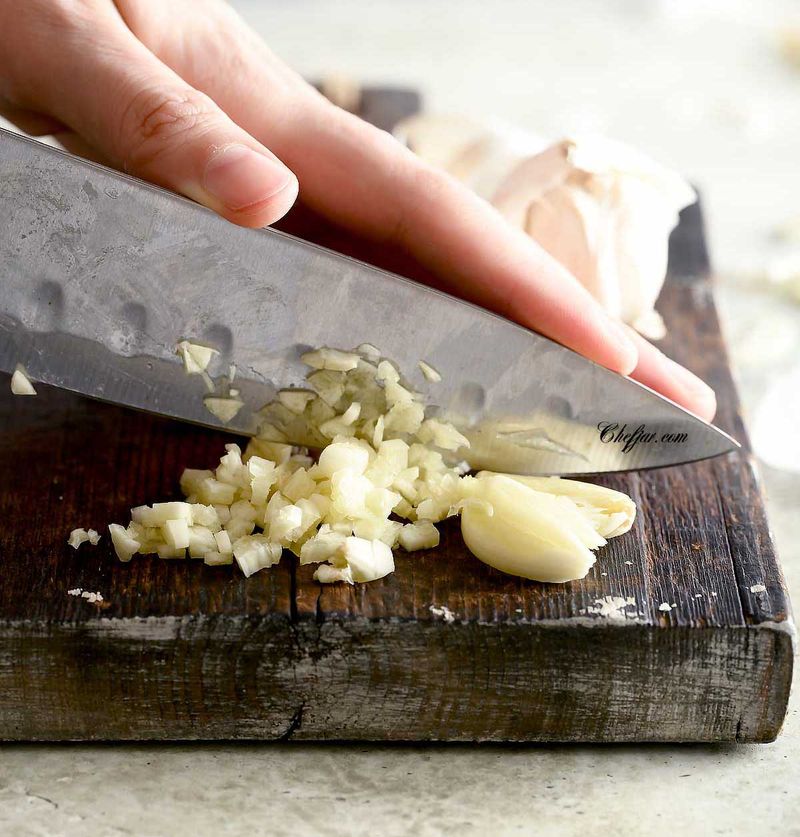
Did you know that how you cut garlic changes how it tastes? Thinly sliced garlic has a milder, sweeter flavor, while finely minced garlic releases more oils and creates a stronger, more intense punch.
Whole roasted garlic cloves turn buttery and mellow, almost sweet. Matching your garlic prep to the dish you are making is a small change with a big payoff.
Stir-fries do well with sliced garlic, while pasta sauces often benefit from the bold depth of minced garlic.
10. Ignoring Sprouted Garlic
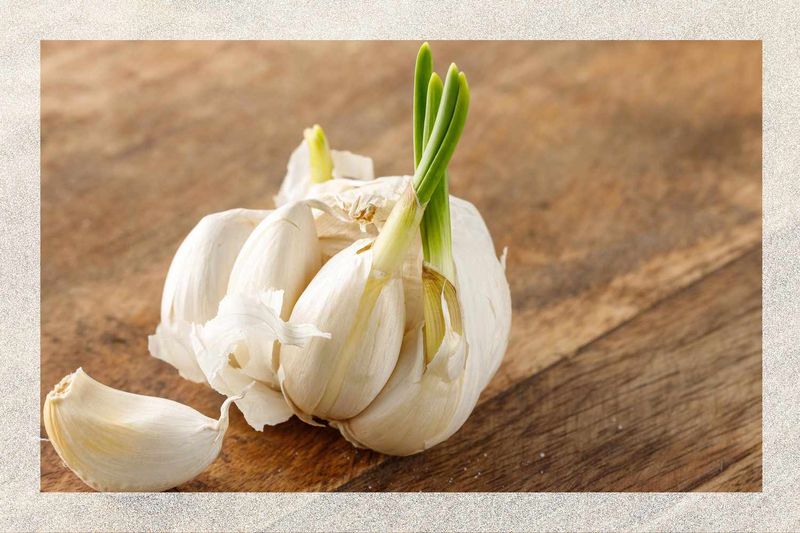
Most people toss garlic cloves the moment they spot a green sprout poking out from the center. That green shoot is actually edible, though it does have a slightly more bitter and sharp flavor than the rest of the clove.
For raw dishes like salad dressings or dips, removing the sprout is a smart call since the bitterness is more noticeable. But in cooked dishes, you can leave it in without much trouble.
Sprouted garlic is not bad; it is just a little more intense.
11. Not Toasting Garlic for Extra Depth
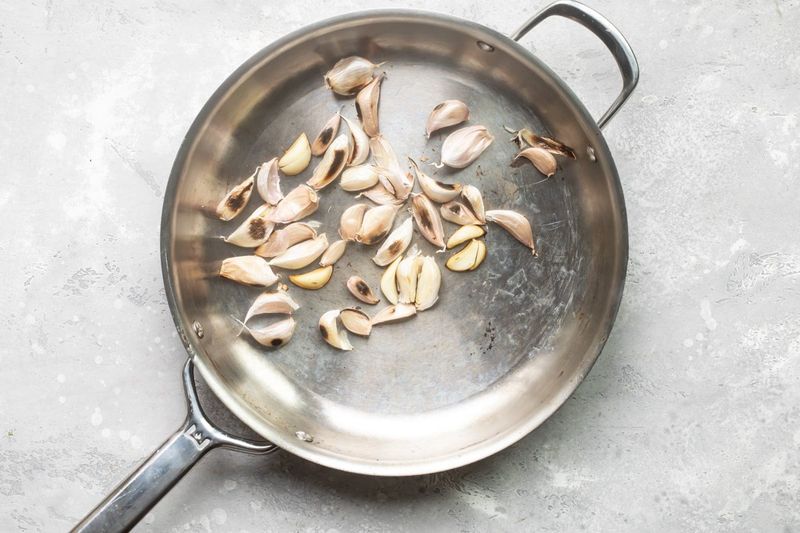
Toasted garlic is one of those secret weapons that great cooks use to build incredible flavor, and most home cooks have never even tried it. Dry-toasting whole unpeeled cloves in a skillet until the outside is charred gives you a deep, smoky, almost nutty flavor inside.
This technique works beautifully in salsas, soups, and slow-cooked sauces. Once cooled, just squeeze the soft roasted garlic out of the skin.
The flavor is rich, complex, and nothing like raw or lightly sauteed garlic.
12. Adding Raw Garlic to Dishes Without Tasting First
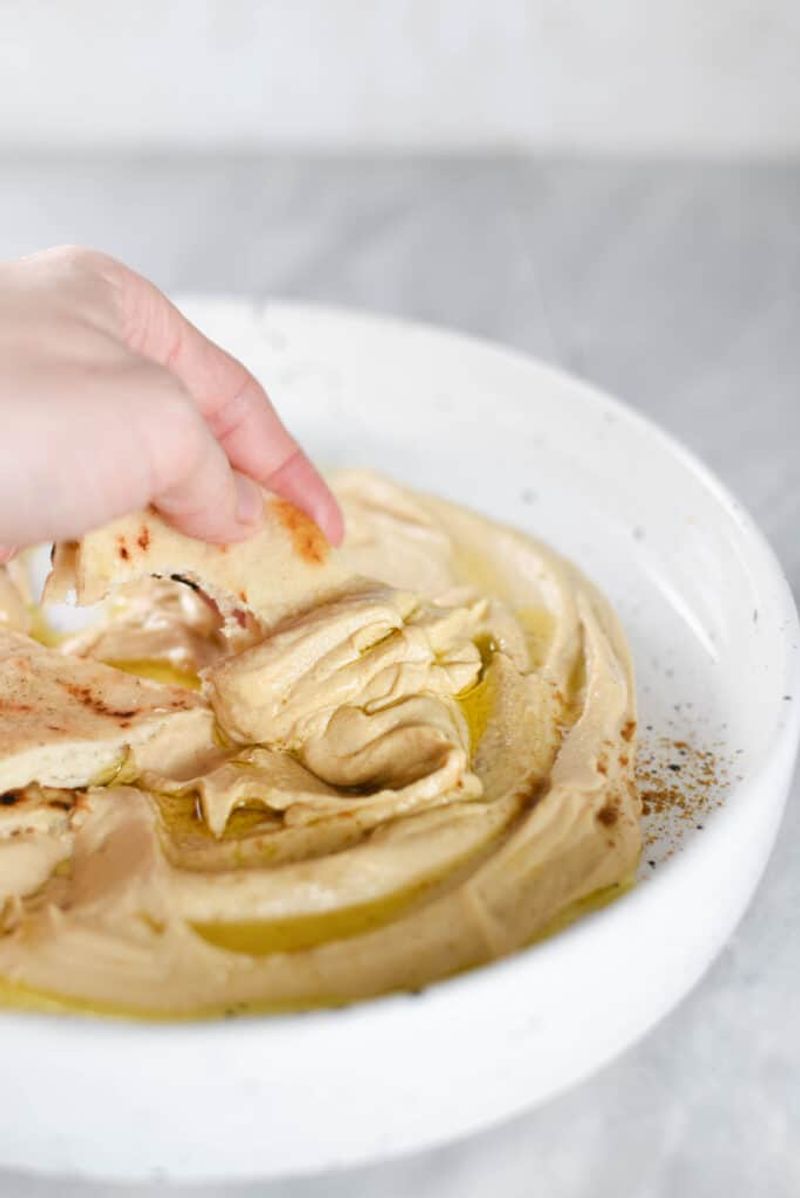
Raw garlic packs a powerful punch, and adding it to uncooked dishes without tasting along the way is a recipe for an overpowering result. Hummus, salad dressings, and dips can easily become too sharp or spicy if you are not careful with raw garlic amounts.
Start with a small amount, mix it in, and taste before adding more. You can always add extra garlic but you cannot take it away once it is already in the bowl.
Go slow and trust your palate.
13. Buying Old or Low-Quality Garlic
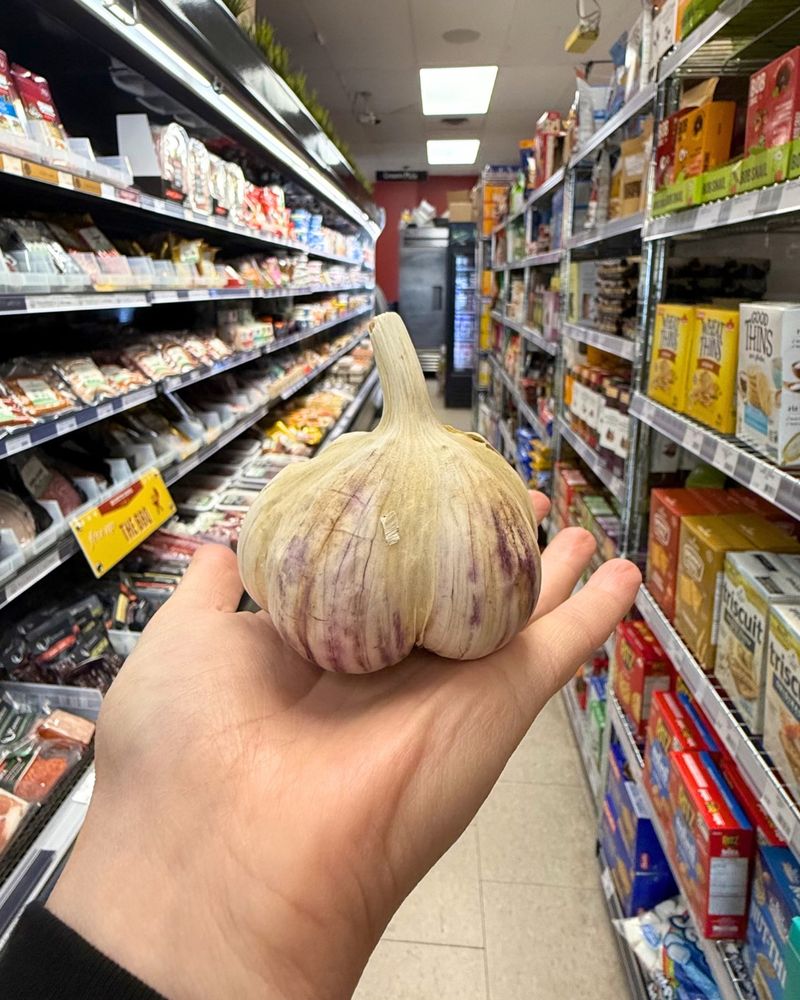
Old garlic is one of the sneaky saboteurs of home cooking. When garlic has been sitting on the shelf too long, the cloves become dry, shriveled, and hollow, and the flavor is a pale shadow of what fresh garlic should taste like.
When shopping, squeeze the bulb gently. It should feel firm and solid all the way through.
Avoid bulbs with soft spots, loose skin, or visible mold. Choosing quality garlic from the start means you are setting every dish up for success before you even start cooking.
14. Using a Garlic Press Without Cleaning It Properly
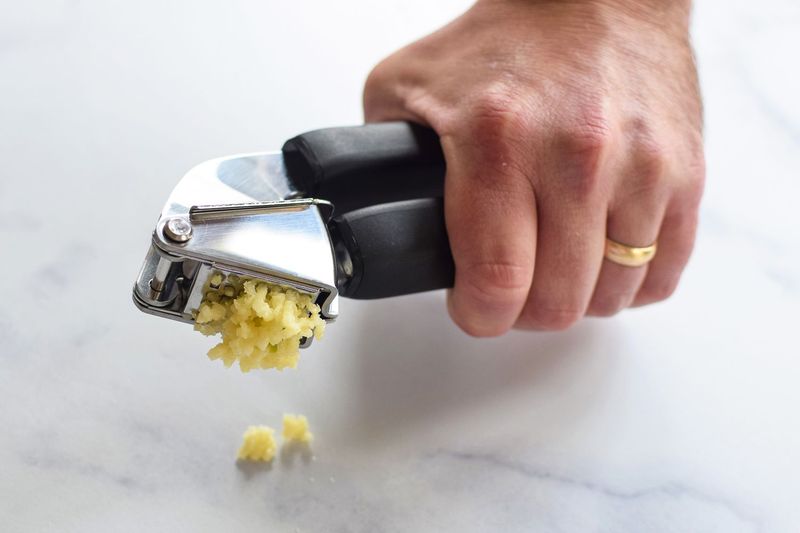
A garlic press is a handy tool, but it can become a hidden source of stale, old garlic flavor if you do not clean it thoroughly after every use. Tiny bits of garlic get stuck in the small holes and dry out, then contaminate the next batch of fresh garlic you press through it.
Rinse your garlic press right after use and use a small brush or toothpick to clear the holes. Keeping it clean ensures every press delivers fresh, clean garlic flavor every single time.
15. Forgetting That Oil and Garlic Can Be Dangerous Together
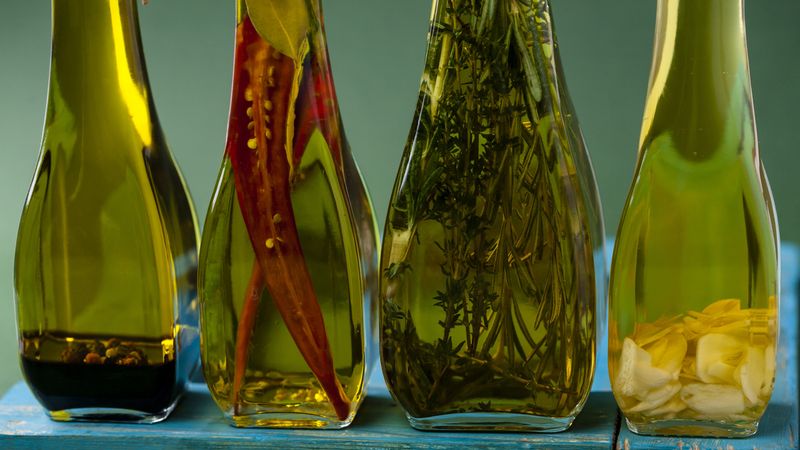
Garlic-infused oil is delicious, but storing it incorrectly can actually be dangerous. Fresh garlic submerged in oil creates a low-oxygen environment where harmful bacteria can grow, sometimes without any visible signs that anything is wrong.
Store-bought garlic oils are treated to be safe, but homemade versions should always be kept refrigerated and used within one week. Never leave garlic-in-oil sitting at room temperature for long periods.
A little food safety awareness goes a long way toward keeping your cooking both tasty and safe.