
Cutting back on oil in the kitchen sounds like a recipe for bland, dry food, but it doesn’t have to be that way. Many home cooks are surprised to discover that great flavor has more to do with technique and ingredients than how much oil you pour in.
Whether you’re trying to eat healthier or just stretch your grocery budget, using less oil is totally doable. These smart swaps and tricks will keep your meals tasting rich, satisfying, and absolutely delicious.
1. Use a Non-Stick Pan
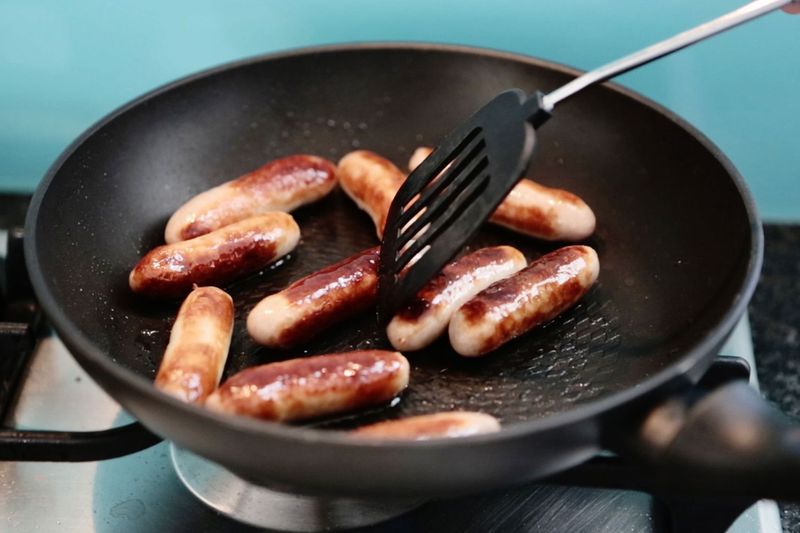
A good non-stick pan might be the single biggest game-changer for low-oil cooking. Food slides around freely, so you don’t need a heavy pour of oil just to keep things from sticking.
Even a light spritz is enough to get a golden sear.
Non-stick pans work especially well for eggs, fish, and delicate vegetables. Look for a quality pan with a thick base so heat spreads evenly and your food cooks consistently every time.
2. Switch to a Spray Bottle for Oil
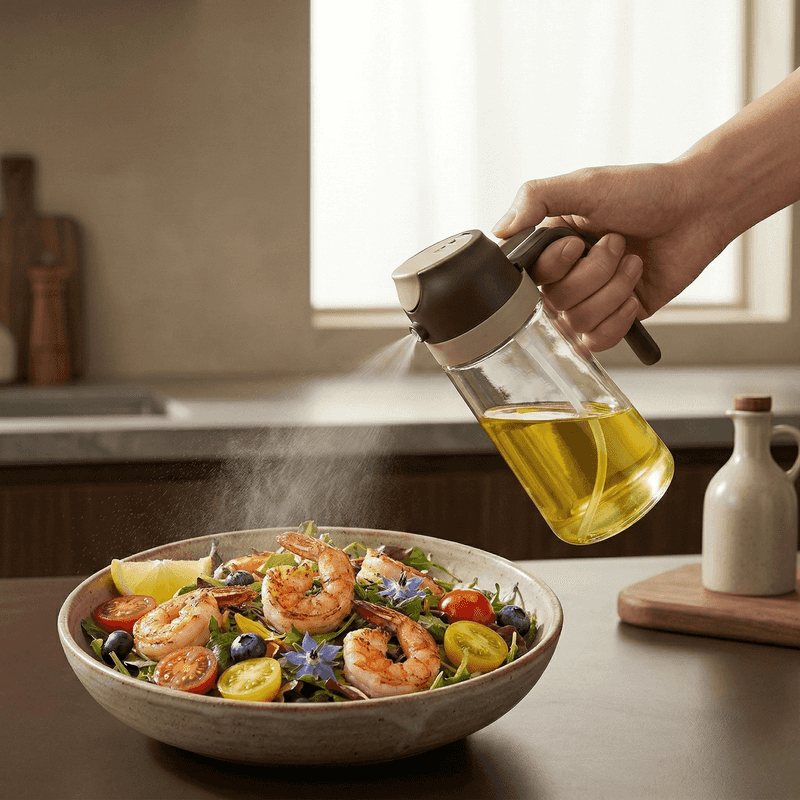
Pouring oil straight from the bottle is one of the easiest ways to accidentally use way too much. A simple refillable spray bottle gives you total control, letting you coat a pan with just a fine mist instead of a generous glug.
Studies show people use up to 70% less oil when they spray rather than pour. Fill a small spray bottle with your favorite oil, and you’ll be amazed how far a little really goes.
3. Master the Art of Water Sauteing
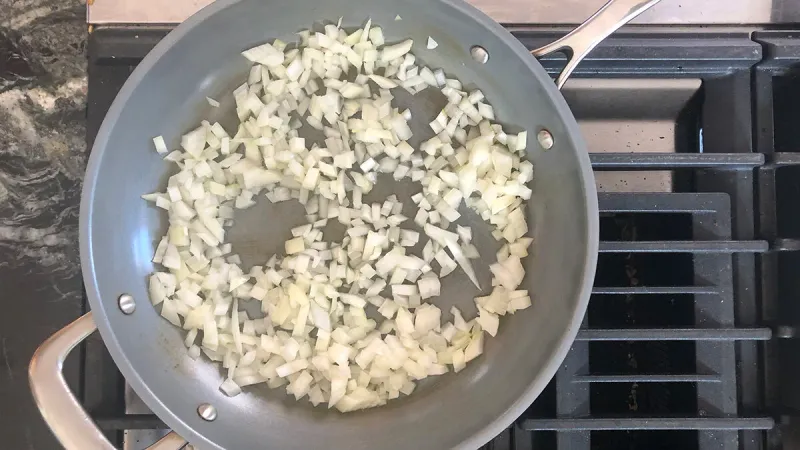
Water sauteing sounds strange at first, but it actually works beautifully for softening onions, garlic, and greens. You simply add a tablespoon or two of water or broth to the pan instead of oil, then stir frequently as the liquid evaporates.
The vegetables steam and soften without burning, and you can always add a tiny drizzle of oil at the very end for flavor. It’s a technique used in many plant-based kitchens worldwide.
4. Roast Vegetables with Broth Instead
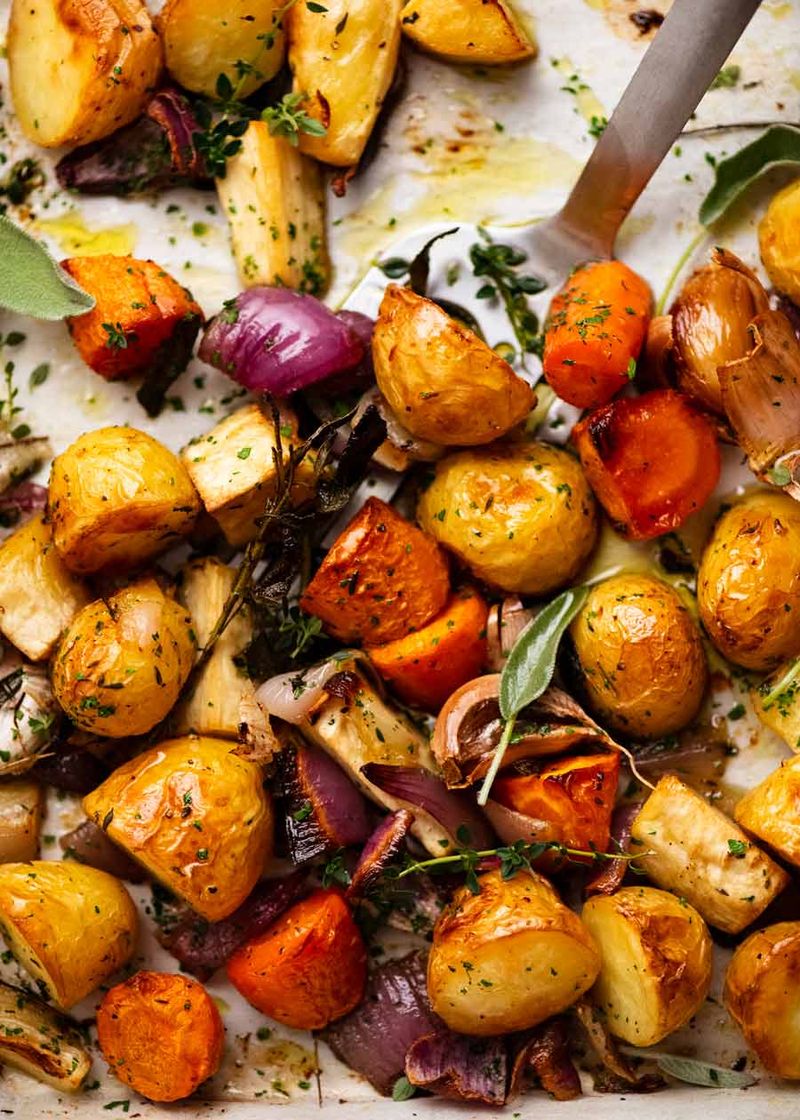
Roasting vegetables in broth instead of oil is a surprisingly effective trick that home cooks often overlook. The broth keeps the vegetables moist, helps them caramelize around the edges, and adds a savory depth that plain oil can’t match.
Chicken broth, vegetable broth, or even a splash of soy sauce all work well. Toss your veggies, spread them on a tray, and roast as usual.
You’ll get crispy edges and tons of flavor without the extra fat.
5. Use Parchment Paper or Silicone Mats
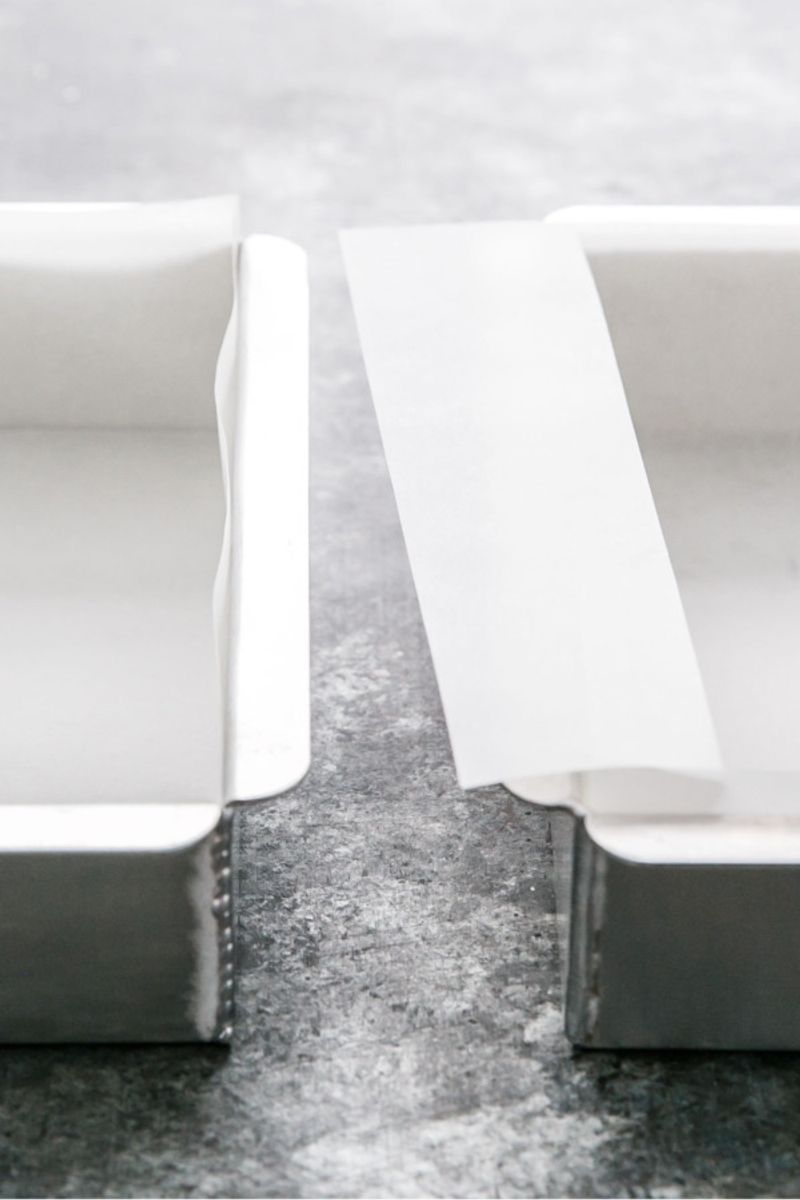
Greasing a baking pan used to mean pouring in oil or slathering on butter, but parchment paper completely changes that habit. Nothing sticks to parchment, so you can bake, roast, or even cook fish without adding any fat to the pan at all.
Silicone baking mats work the same way and are reusable, making them eco-friendly too. Both options save oil, reduce cleanup time, and keep your food from picking up any burnt flavors from a greasy pan.
6. Marinate for Moisture and Flavor
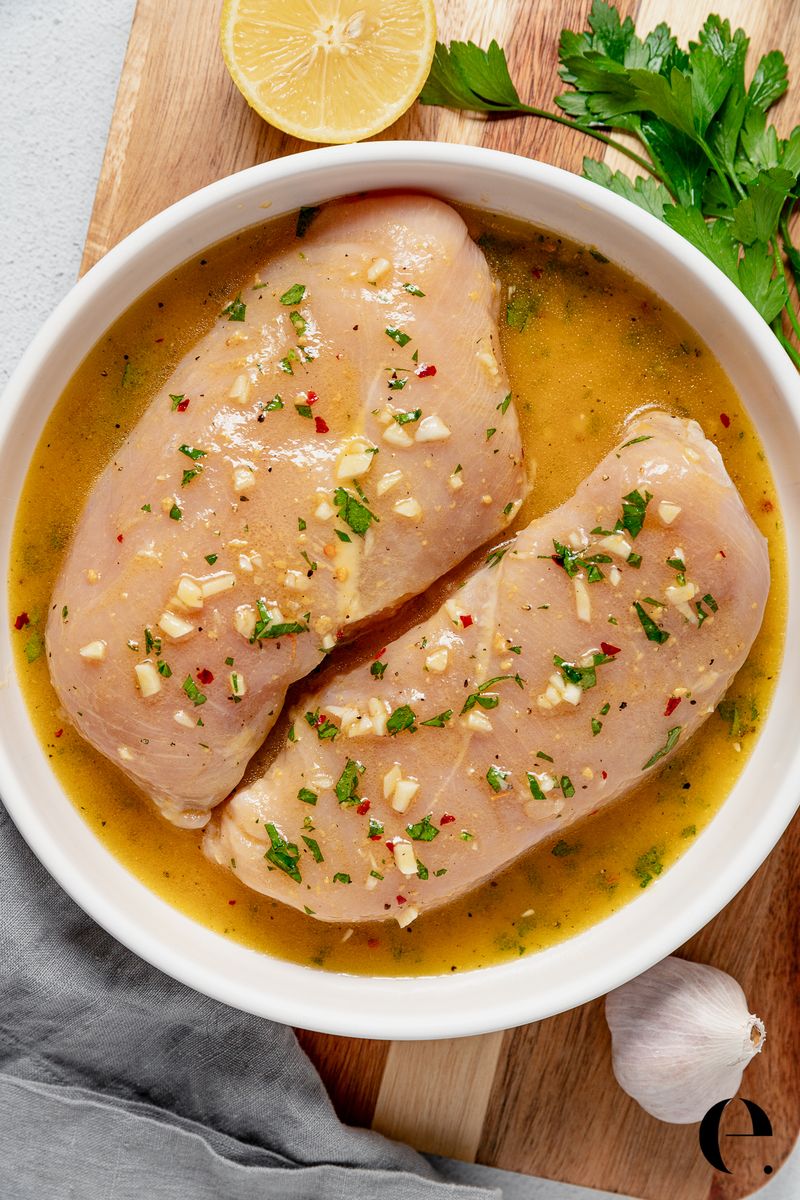
Marinating is one of the most underrated tricks for keeping food juicy and flavorful without relying on oil. Acidic marinades made with citrus juice, vinegar, or yogurt break down proteins and lock in moisture so food stays tender during cooking.
You only need a small amount of oil in a marinade, or sometimes none at all. The acid does most of the heavy lifting, and bold spices and herbs make every bite taste rich and deeply satisfying.
7. Toast Spices Directly in a Dry Pan
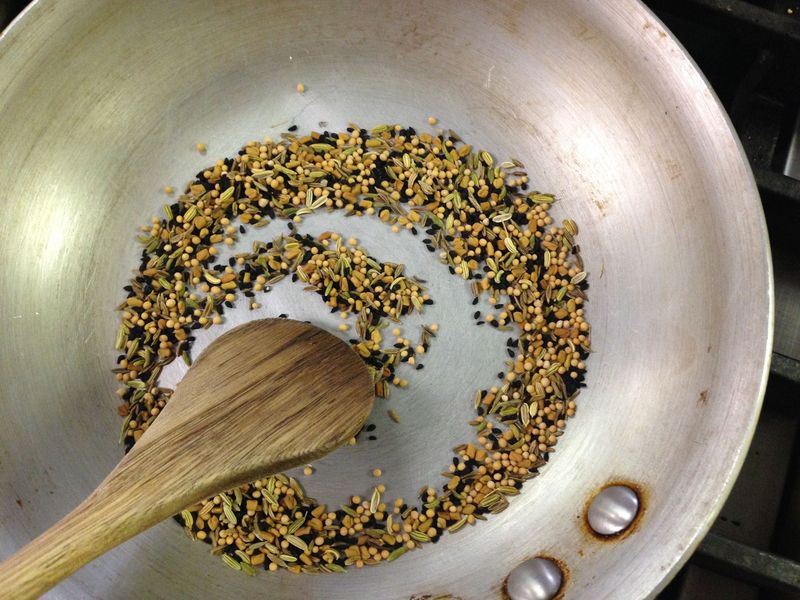
One reason people reach for extra oil is to bloom spices, but you can get equally intense flavor by dry-toasting them first. Toss whole spices into a hot dry pan for 30 to 60 seconds, shaking constantly, until they smell fragrant and slightly smoky.
Dry-toasted spices release their natural oils and develop a deeper, nuttier character that transforms the whole dish. Cumin, coriander, mustard seeds, and cardamom all respond beautifully to this technique with zero added fat.
8. Embrace the Power of Citrus and Vinegar
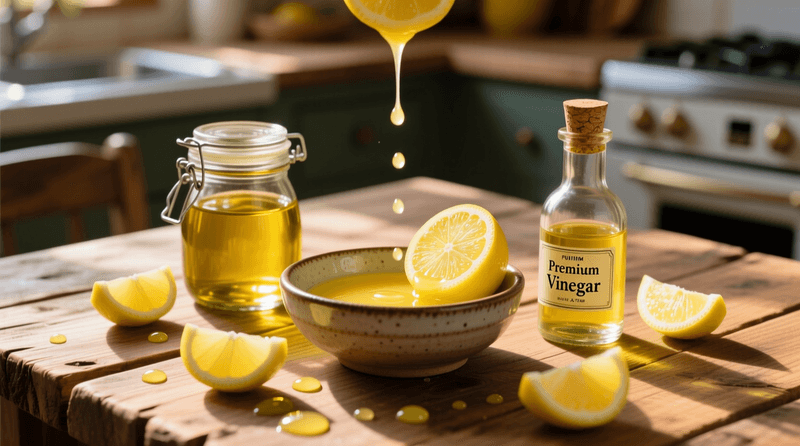
Acid is a secret weapon that makes food taste bright, bold, and satisfying without a drop of extra oil. A squeeze of lemon, a splash of apple cider vinegar, or a dash of balsamic can wake up flavors that might otherwise taste dull or flat.
Professional chefs add acid at the very end of cooking to lift the whole dish. Try finishing roasted vegetables, soups, or grain bowls with a little citrus juice and notice how much more alive everything tastes.
9. Choose Naturally Fatty Ingredients
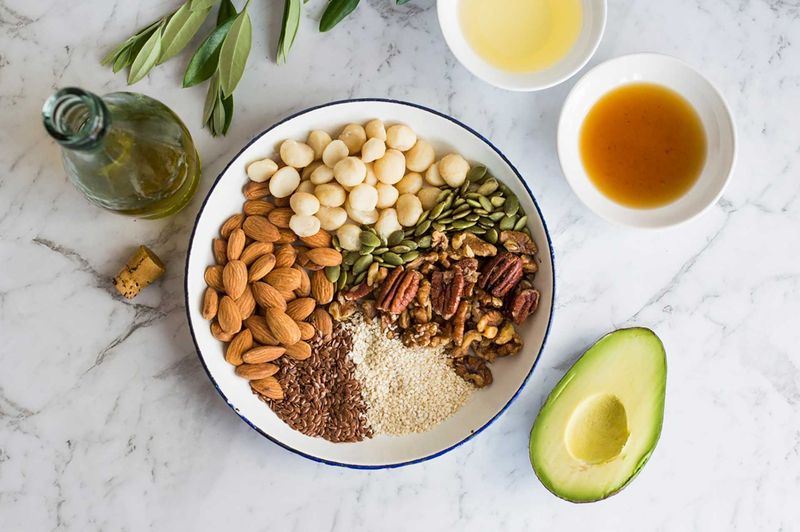
Avocados, nuts, seeds, coconut milk, and tahini all bring rich, creamy fat to a dish without requiring you to add any cooking oil at all. These ingredients carry flavor, add satisfying texture, and make food feel indulgent even in small amounts.
Mash half an avocado into a grain bowl instead of drizzling oil on top. Blend tahini into a sauce for roasted vegetables.
Nature already packed these foods with the good stuff, so let them do the work.
10. Use Aquafaba for Baking
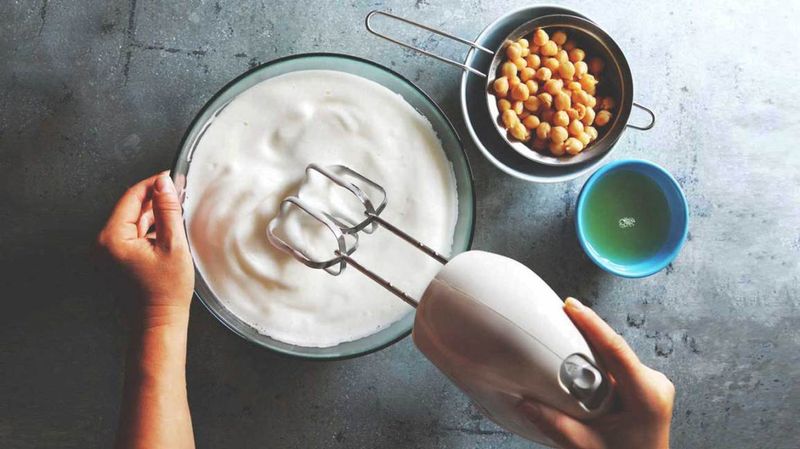
Aquafaba is the liquid from a can of chickpeas, and it’s one of the most unexpected oil replacers in baking. It acts as a binder and adds moisture to cakes, muffins, and cookies, doing the job that eggs and oil usually handle together.
Three tablespoons of aquafaba equals one egg in most recipes. Whipped until fluffy, it can even replace butter in certain baked goods.
Bakers who discover aquafaba tend to keep a few cans of chickpeas on hand at all times.
11. Steam Instead of Fry
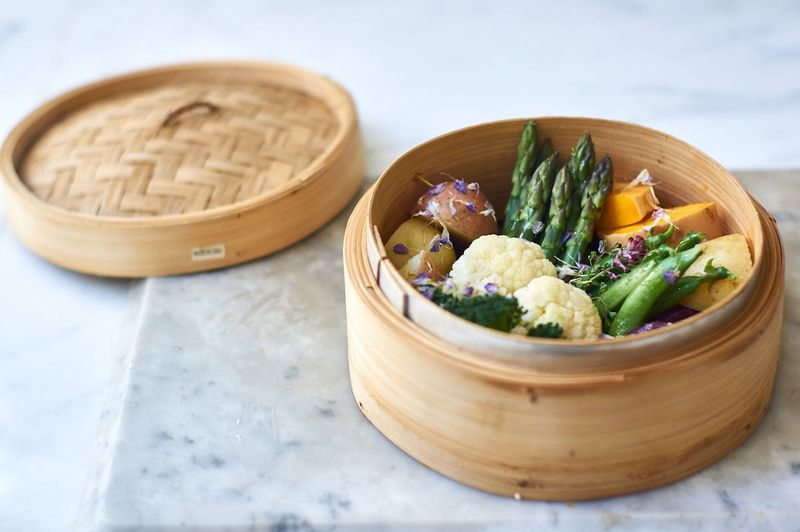
Steaming is one of the oldest cooking methods in the world, and it requires absolutely no oil to produce tender, flavorful food. Vegetables, fish, dumplings, and even chicken thighs come out moist and perfectly cooked when steamed properly.
A simple bamboo steamer or a metal steam basket costs very little and works with any pot you already own. Season food well before steaming, and finish with a bold sauce or dressing so every bite carries plenty of flavor and personality.
12. Make Dressings with Yogurt or Miso
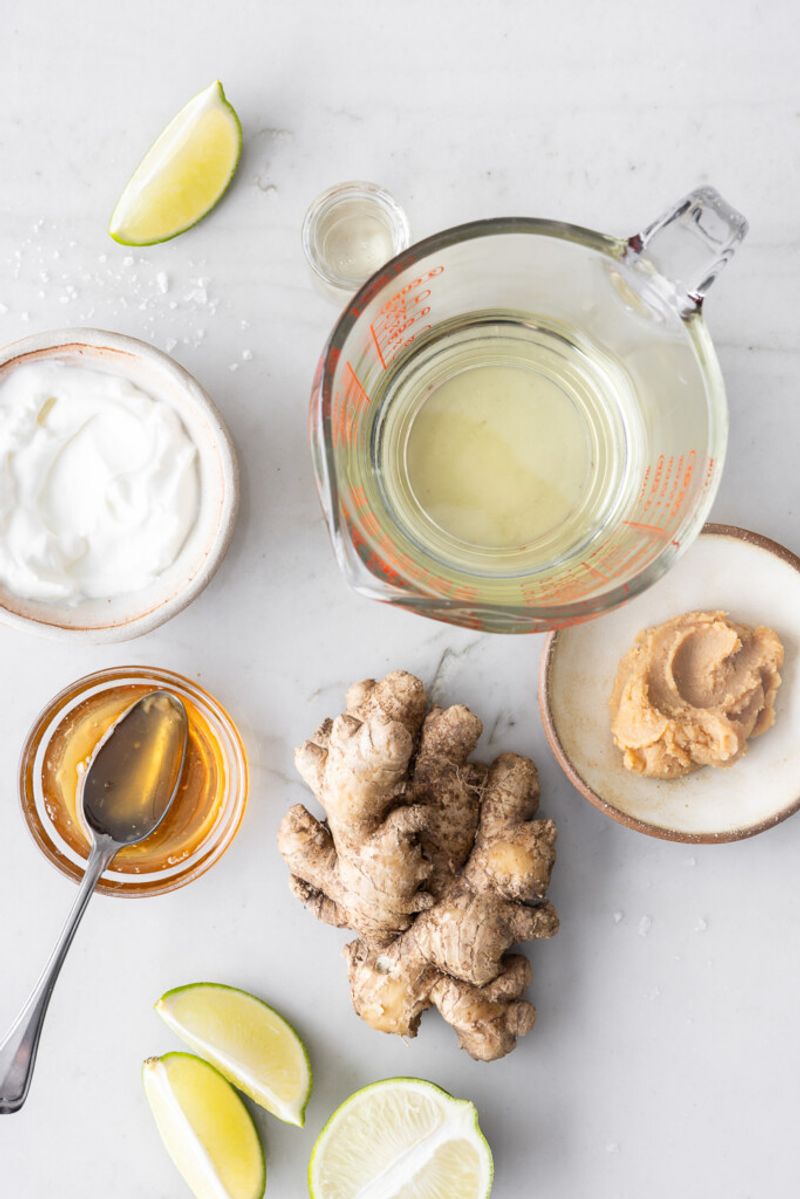
Most store-bought salad dressings are heavy with oil, but homemade versions using plain yogurt or miso paste deliver just as much creaminess with a fraction of the fat. Greek yogurt makes dressings thick and tangy, while white miso adds a savory, umami-rich depth.
Mix either base with lemon juice, garlic, and fresh herbs for a dressing that clings to every leaf. You might find you actually prefer the sharper, more complex flavor over a standard vinaigrette made mostly from oil.
13. Cook with a Lid to Trap Moisture
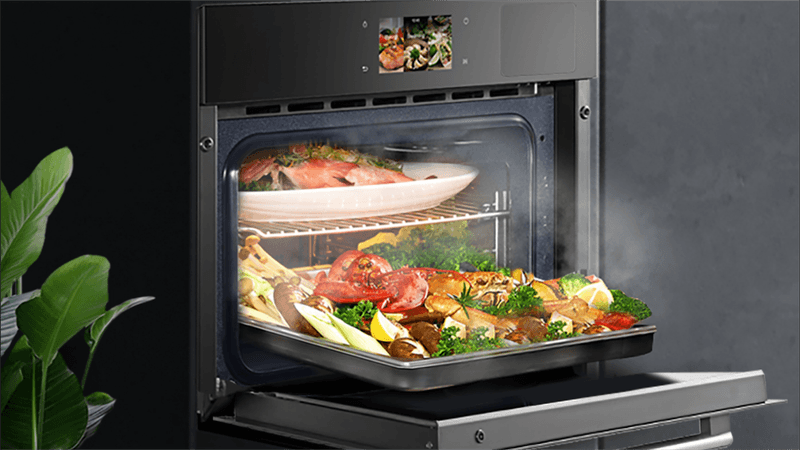
Covering your pan while cooking is a simple habit that dramatically reduces how much oil or liquid you need. The lid traps steam inside, which keeps food moist, speeds up cooking, and prevents the dry, sticky situation that makes people reach for more oil.
This works especially well when cooking onions, peppers, and mushrooms on lower heat. The vegetables essentially sweat in their own natural moisture, softening beautifully without needing anything extra.
Less oil, less fuss, better results overall.
14. Rethink Your Stir-Fry Strategy
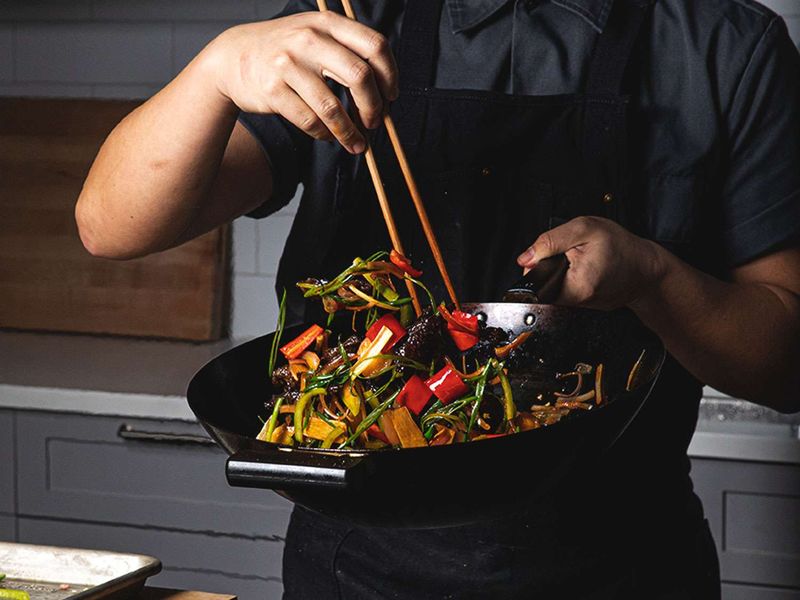
Stir-frying feels like it demands a lot of oil, but the truth is that technique matters far more than quantity. A very hot wok, small batches of ingredients, and constant movement are what create that signature charred, smoky flavor called wok hei.
Adding too much food at once drops the temperature and causes steaming instead of searing, which is actually what leads people to add more oil. Keep the heat high, cook in smaller portions, and use just a teaspoon at a time.
15. Season Boldly to Compensate
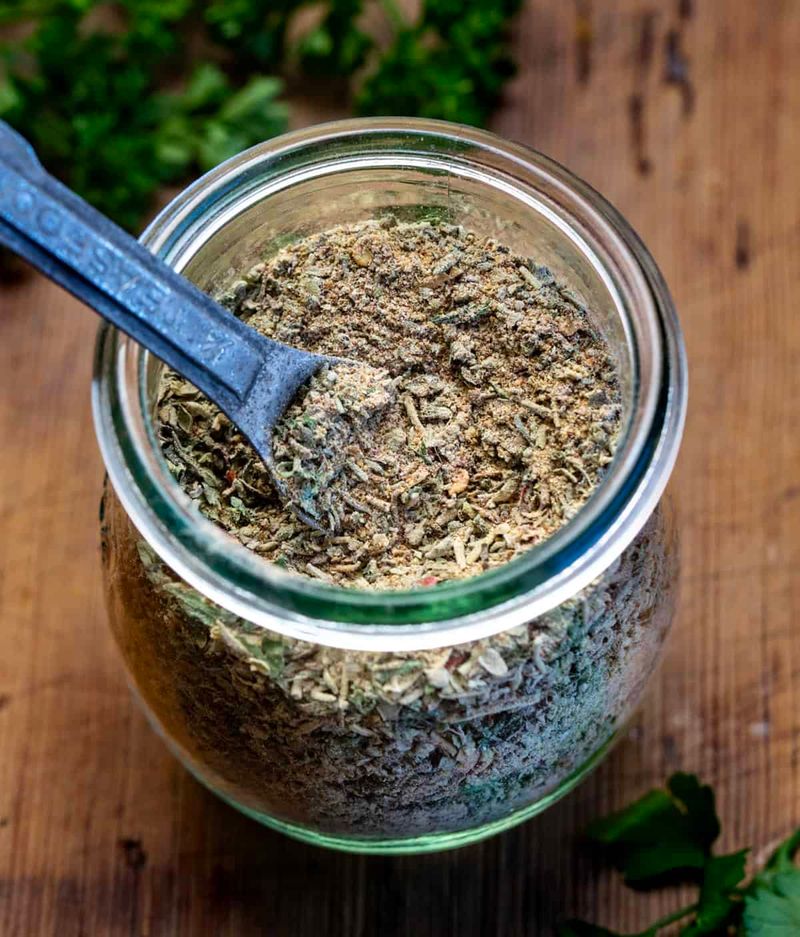
Sometimes food feels flat when oil is reduced simply because the seasoning hasn’t been adjusted to match. Oil carries flavor and coats the palate, so when you use less of it, you need to lean harder on herbs, spices, garlic, ginger, and aromatics.
Fresh herbs added at the end of cooking, a pinch more salt, or a handful of toasted seeds can fill the flavor gap left by cutting oil. Bold seasoning is the real secret behind every low-oil dish that still tastes incredible.