
Some movies stay with you long after the credits roll. Watch them again, and a small clue, a quiet look, or a forgotten joke can change how you see the whole story.
That is what makes returning to a favorite film so rewarding. From grand adventures to clever mysteries, these classics still have something new to share.
1. The Shawshank Redemption (1994): Hope Hidden in Small Moments
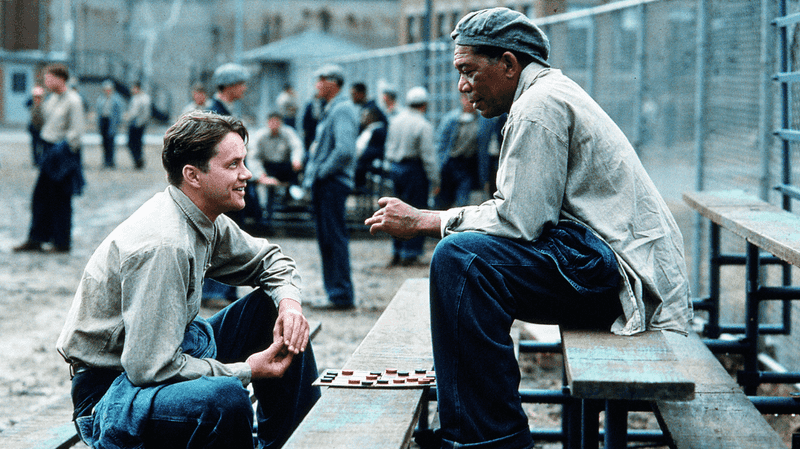
Hope does not always arrive with a grand speech. Sometimes it shows up in a shared smile, a library book, or a friendship that survives another hard year.
Andy and Red make those small moments matter.
On your next viewing, watch how their body language changes as trust grows. Knowing the ending also gives ordinary scenes extra meaning.
The prison setting stays harsh, but the kindness inside it becomes easier to notice with each return.
2. Pulp Fiction (1994): A Puzzle With Plenty of Attitude
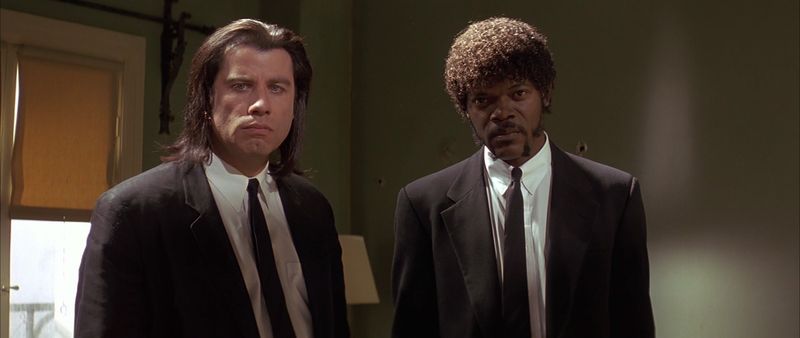
A conversation about burgers should not be this memorable. Yet Quentin Tarantino turns everyday chatter into a sharp introduction to people whose lives are anything but ordinary.
The scrambled timeline adds another layer of surprise.
Try following one character’s story instead of tracking every event at once. You may spot how a casual choice affects someone else’s future.
Familiar scenes become funnier, stranger, or more tense when you understand where they fit in the bigger picture.
3. The Godfather (1972): Power Written Across Every Face
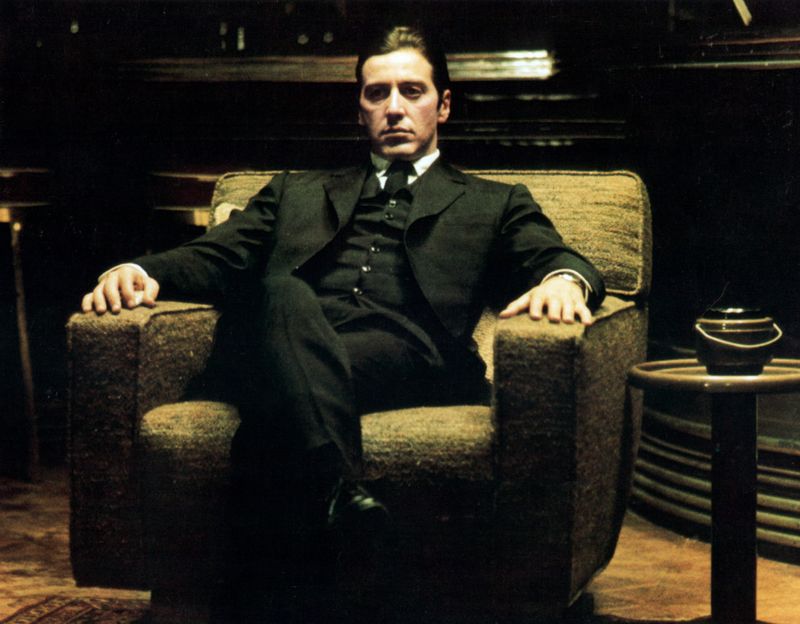
Watch Michael’s face, and the family saga becomes a different movie. His shift from outsider to leader happens through quiet pauses as much as major decisions.
That slow change makes repeat viewings especially rewarding.
Pay attention to who stands near him, who speaks freely, and who stays silent. Oranges are another famous visual detail, often linked with danger rather than a strict prediction.
Beyond the crime story lies a troubling portrait of loyalty becoming control itself.
4. Back to the Future (1985): Yesterday Keeps Changing
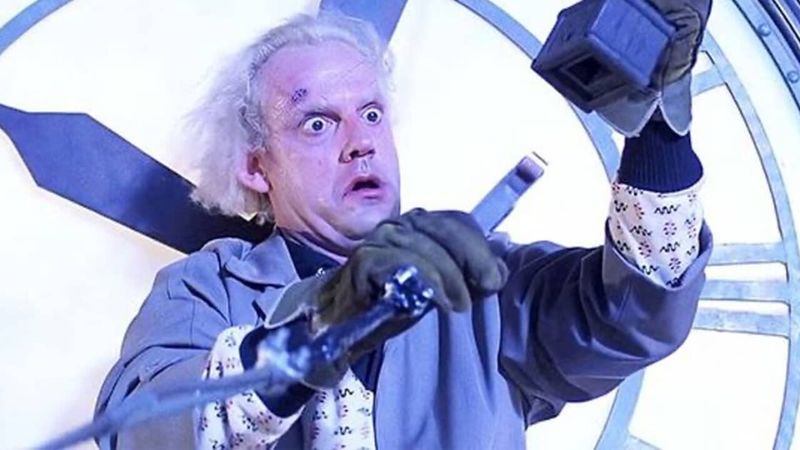
Even when you know exactly when lightning will strike, the clock tower finale still delivers. Marty McFly’s trip into the past mixes family awkwardness with a wonderfully clear race against time.
Look beyond the main action for signs, background jokes, and details that change between timelines. The shopping mall’s name offers one clever example.
Watching Marty’s parents also adds warmth: beneath the gadgets and chases, the movie asks us to see our families as people too.
5. The Princess Bride (1987): A Fairy Tale That Winks Back
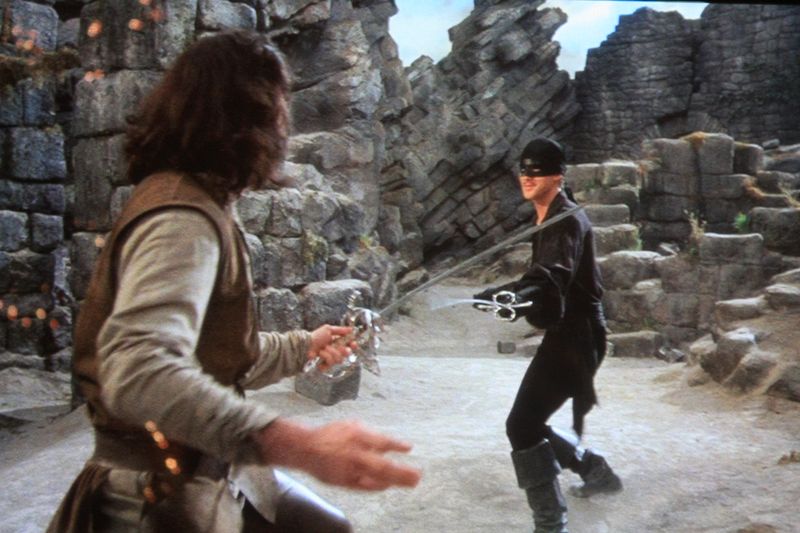
Sword fights, giant rats, and true love somehow share the same warm little story. The humor works because the characters take their adventures seriously, even when the audience knows how silly things have become.
Listen closely to the pauses before familiar lines. The timing often carries half the joke.
On another watch, focus on the grandfather and grandson framing the tale. Their growing connection gives the fantasy a tender meaning that can deepen as viewers age.
6. The Shining (1980): Unease Around Every Corner
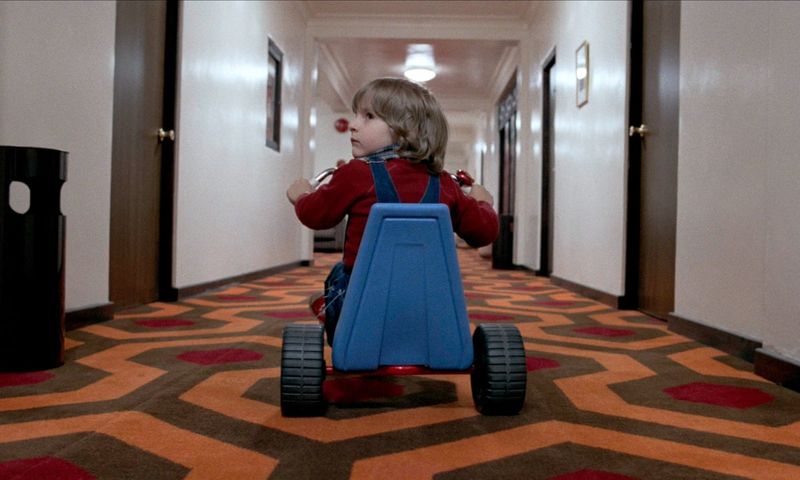
Something feels wrong before anything clearly goes wrong. Long hallways, patterned carpets, and empty rooms turn the Overlook Hotel into a place that never quite settles in your mind.
During a rewatch, study the background instead of waiting for the scares. Odd room connections and shifting details can make the building feel impossible.
Not every strange feature has one agreed meaning, which leaves room for discussion. The uncertainty is part of what keeps the dread alive.
7. Fight Club (1999): The Story Behind the Story
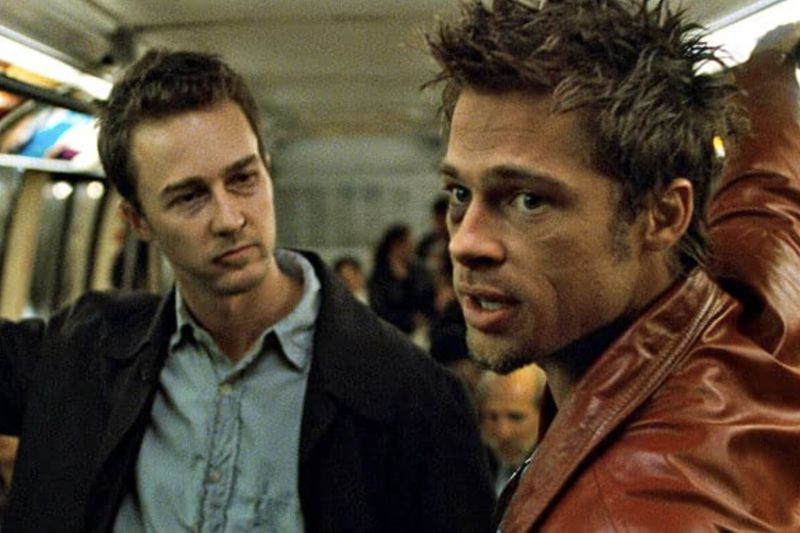
Knowing the twist does not drain the tension; it redirects your attention. Suddenly, ordinary exchanges and strange reactions become evidence that the narrator’s version of events cannot be trusted.
Look for Tyler’s brief appearances before his proper introduction, then notice how other people respond during shared scenes. Beyond the puzzle, the film questions buying things to build an identity.
Its angry energy can feel different over time, especially as your own ideas about success and belonging change.
8. The Prestige (2006): Clues Hiding in Plain Sight
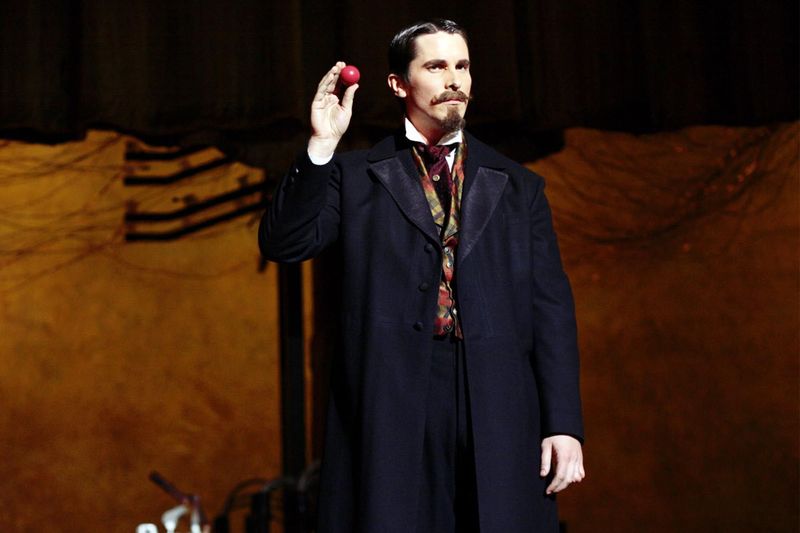
Every magic trick asks you to watch closely while steering your eyes somewhere else. Christopher Nolan builds that same bargain into a rivalry between two performers who cannot bear to lose.
Return to the opening scenes and listen for phrases with more than one meaning. Small gestures and personal conflicts carry clues that seem ordinary at first.
Once the secrets are known, the bigger question becomes harder: how much of a life should ambition be allowed to consume?
9. Memento (2000): Memory Makes a Shaky Map
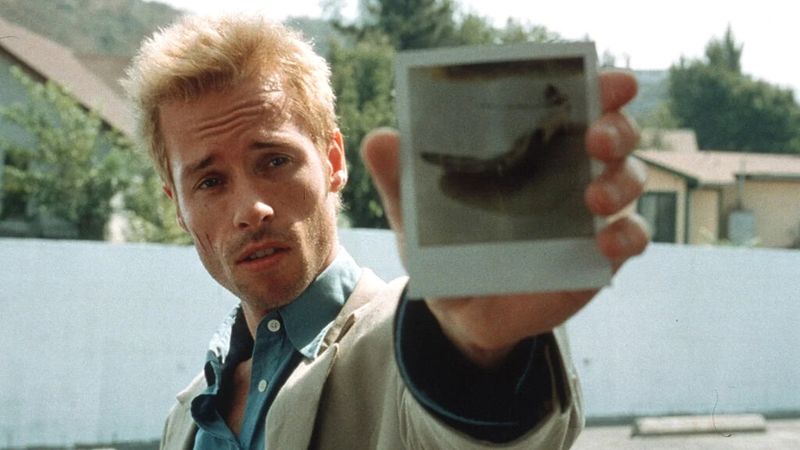
Imagine solving a mystery while losing track of the clues you just found. Leonard’s memory problem makes that struggle immediate, while the film’s unusual order keeps viewers almost as uncertain as he is.
On a second viewing, pay attention to who provides information and what they stand to gain. Photographs and written notes may look reliable, but their meaning depends on missing context.
The mystery becomes a sharp reminder that certainty and truth are not always partners.
10. Citizen Kane (1941): A Life Seen Through Other Eyes
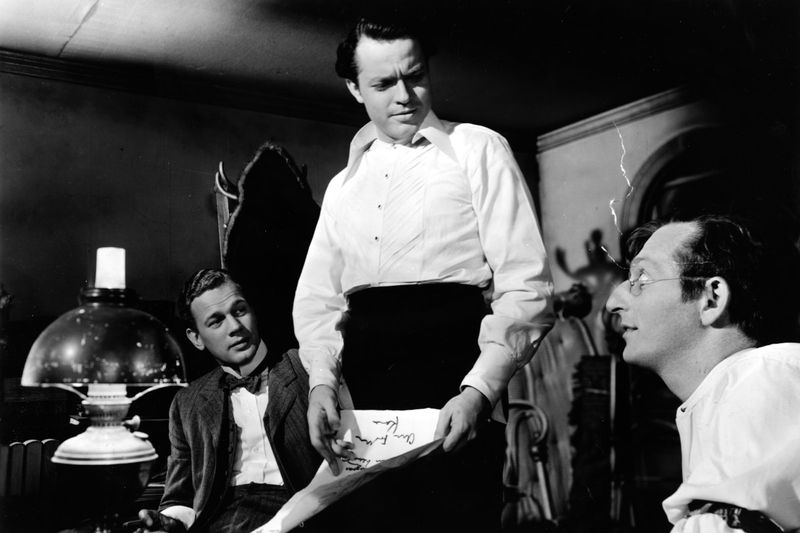
One man’s life looks different depending on who tells it. Friends, coworkers, and loved ones each offer a piece of Charles Foster Kane, but none can explain him completely.
Knowing the final reveal lets you notice earlier signs of loneliness and loss. Watch the backgrounds too: deep focus keeps nearby and distant objects clear, letting several parts of a scene speak at once.
The film’s visual choices turn wealth and space into clues about an empty life.
11. Seven Samurai (1954): Heroes Who Feel Like People
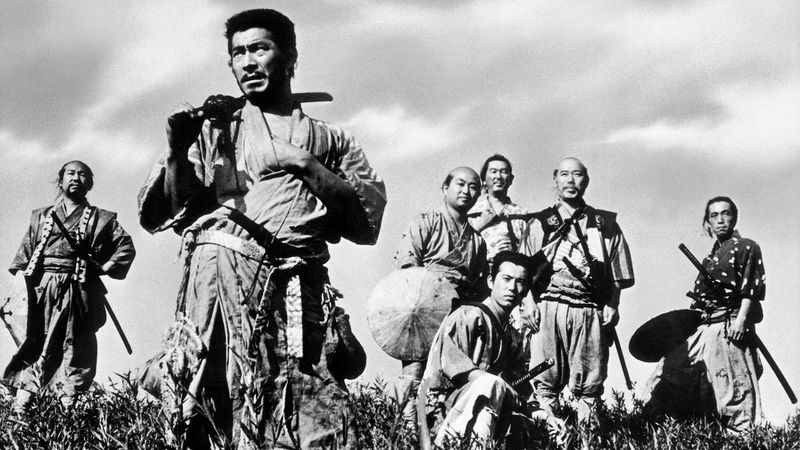
Before the battles begin, you meet people worth caring about. Akira Kurosawa gives the warriors different skills, flaws, and reasons for helping a village threatened by bandits.
Use a return visit to follow a samurai who received less of your attention before. His choices may change how you understand the group’s bond.
Also watch how movement guides your eye during crowded scenes. Despite its length and age, the action remains clear, lively, and grounded in human stakes.
12. Ferris Bueller’s Day Off (1986): Freedom With a Nervous Passenger
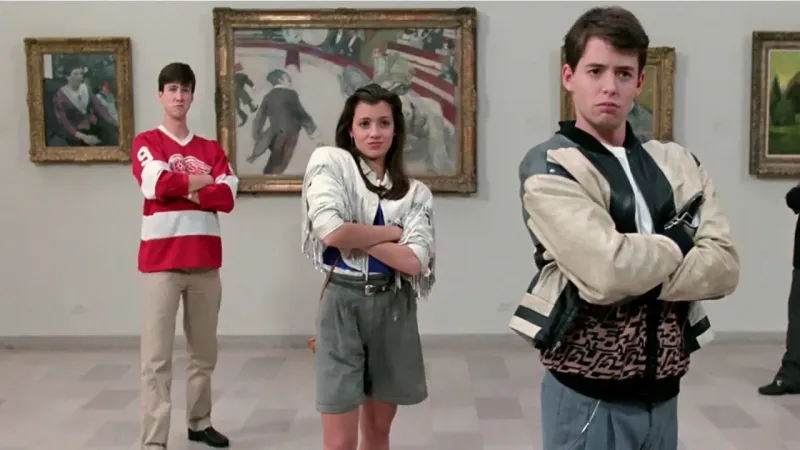
Skipping school looks easy when Ferris is running the show. His confidence gives the movie its bounce, but his worried friend Cameron supplies a quieter story beneath the fun.
Next time, follow Cameron’s reactions during the museum visit and the car scenes. What once seemed like a carefree comedy may become a story about learning to push back.
Chicago’s streets and landmarks add to the holiday feeling, making an ordinary weekday seem full of possibility for everyone.
13. Toy Story (1995): Growing Up From the Toy Shelf
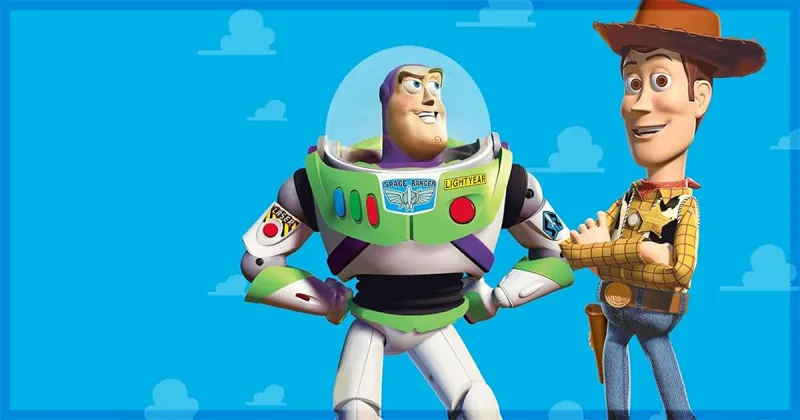
A new toy arrives, and suddenly being the favorite feels like everything. Woody’s jealousy is easy to understand, whether you remember childhood friendships or have faced changes in your own life.
Watch how Buzz slowly becomes a person Woody can respect rather than a rival to defeat. Background toys add quick jokes, but the emotional shifts hold the story together.
Adults may notice worries about being replaced, while children enjoy the rescue mission and the unlikely friendship forming.
14. Goodfellas (1990): The Glamour Starts to Crack
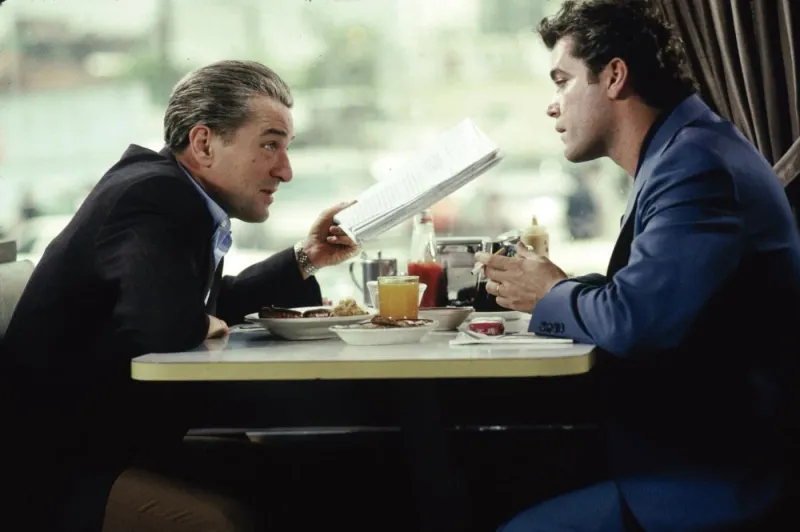
The first watch can sweep you along with the money, music, and swagger. Later viewings make the warning signs harder to ignore, especially when friendly conversations carry a threat beneath the surface.
Listen to Henry’s narration alongside what the camera actually shows. His excitement does not always match the damage around him.
Tracking shifts in the music and editing also reveals how the dream turns sour. Familiar jokes become uncomfortable once you know where these friendships are heading.
15. Eternal Sunshine of the Spotless Mind (2004): Love Beyond the Memory
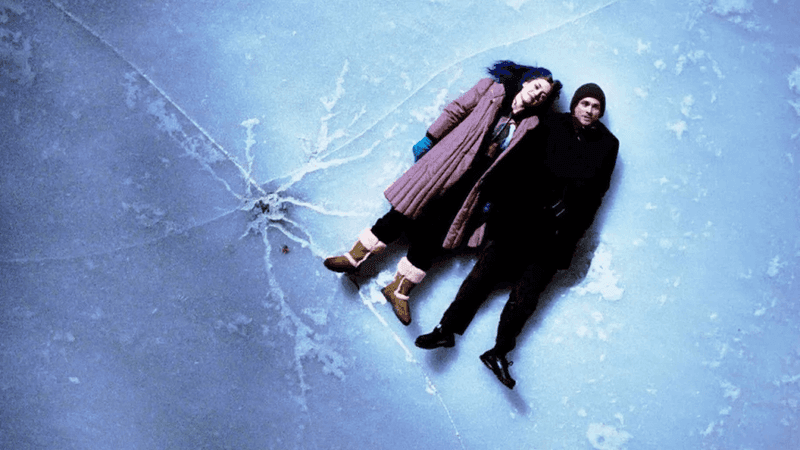
Would forgetting heartbreak make life easier, or simply erase something valuable? Joel and Clementine’s tangled story turns that question into a strange, tender journey through memories that refuse to stay still.
Notice changes in hair color, settings, and mood to understand the timeline more clearly. Once the order makes sense, small exchanges gain emotional weight.
A later viewing may draw your attention away from the clever idea and toward the messy, ordinary work of accepting another person.