
The 1960s gave us some of the most iconic music in history, but not every song from that era holds up today. Some tracks carry lyrics or themes that feel uncomfortable, offensive, or just plain weird by modern standards.
Looking back at these songs can tell us a lot about how attitudes toward gender, race, and relationships have changed over the decades. Here are 15 songs from the 60s that time has not been kind to.
1. “Young Girl” by Gary Puckett & The Union Gap (1968)
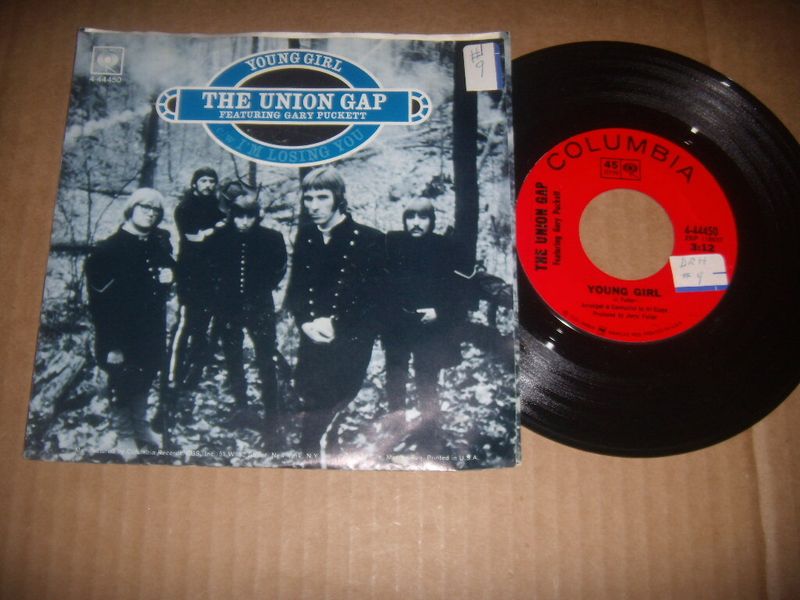
Few songs from the 1960s raise modern eyebrows quite as quickly as this one. Gary Puckett sings about being attracted to a girl he admits is too young for him, framing the whole situation as tragic romantic tension.
Rather than simply walking away, the narrator lingers in a way that feels deeply unsettling today.
What was once heard as a pop ballad is now widely recognized as a red flag wrapped in a catchy melody.
2. “Run for Your Life” by The Beatles (1965)
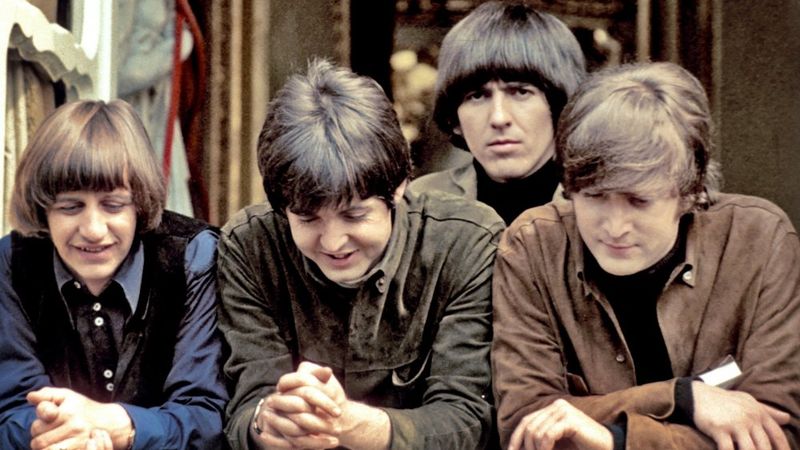
Even John Lennon admitted this was his least favorite Beatles song. The lyrics are startlingly aggressive, with lines like “I’d rather see you dead, little girl, than to be with another man.” That kind of jealous, threatening language would never fly in a chart-topping hit today.
It is a jarring reminder that even the most beloved band in history produced content that reflects the troubling attitudes of its time.
3. “Under My Thumb” by The Rolling Stones (1966)
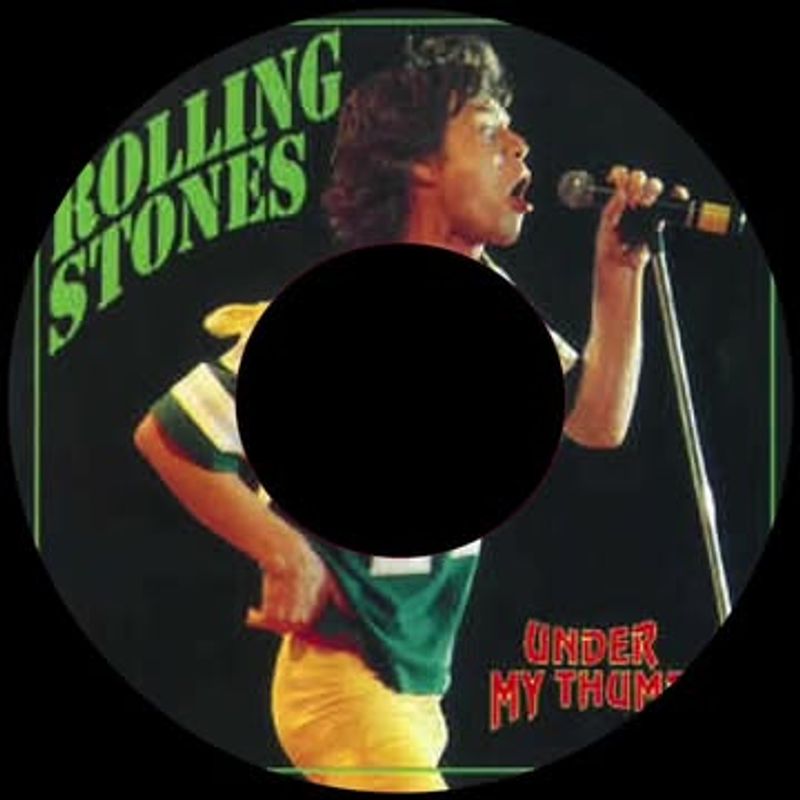
Mick Jagger sings with obvious satisfaction about a woman who now does exactly what he says. She only speaks when spoken to, and the narrator celebrates having total control over her.
The song is a textbook example of misogyny dressed up in a groovy guitar riff.
Back in 1966, it charted without much controversy. Today, those same lyrics make most listeners cringe hard enough to change the station immediately.
4. “He Hit Me (And It Felt Like a Kiss)” by The Crystals (1962)
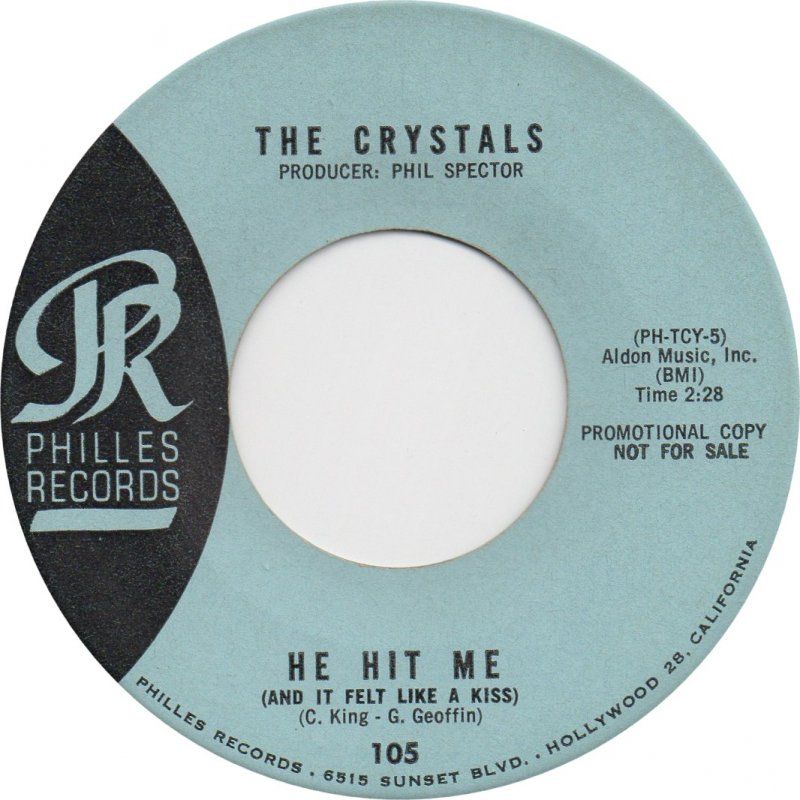
Producer Phil Spector, who later faced serious legal consequences for real-world violence, brought this song to life. Its lyrics literally argue that being hit by a man is proof of his love.
Even when it was released, radio stations pulled it from rotation after listener complaints.
The song remains one of the most disturbing examples of how pop music once normalized and romanticized physical abuse in relationships.
5. “Stand By Your Man” by Tammy Wynette (1968)
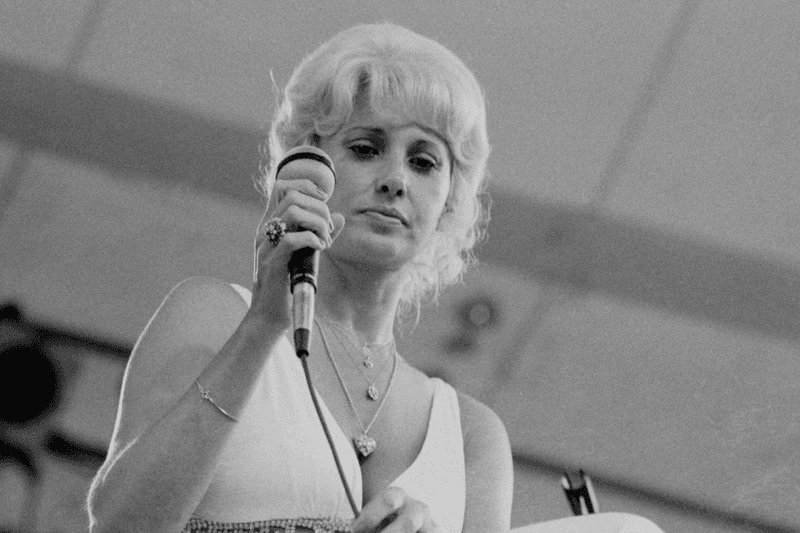
Country music had a massive hit with this track, and it remains one of the genre’s best-known songs. But its message, telling women to forgive and support their husbands no matter what they do, sparked debate almost immediately.
Critics argued it encouraged women to overlook infidelity and bad behavior.
Tammy Wynette always defended the song as a celebration of love, yet the conversation around it has never really stopped.
6. “Understand Your Man” by Johnny Cash (1964)
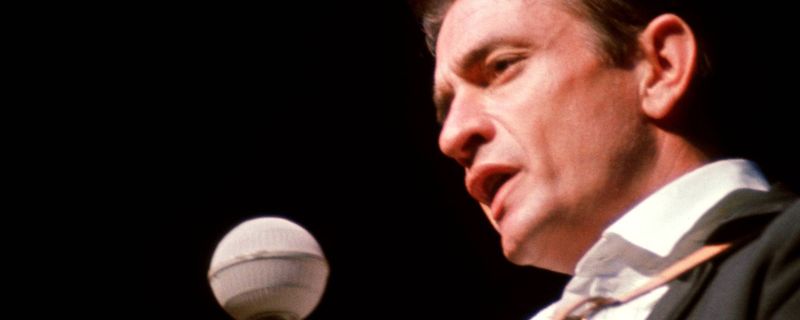
Johnny Cash had a legendary career, but this track is one most fans quietly skip. The narrator tells his partner to stay in bed, keep quiet, and not say a word while he prepares to leave.
It is delivered in Cash’s signature deep baritone, which somehow makes the dismissive attitude feel even more pointed.
The song reflects an era when male authority in relationships was rarely questioned, at least not in mainstream music.
7. “Devil Woman” by Marty Robbins (1962)
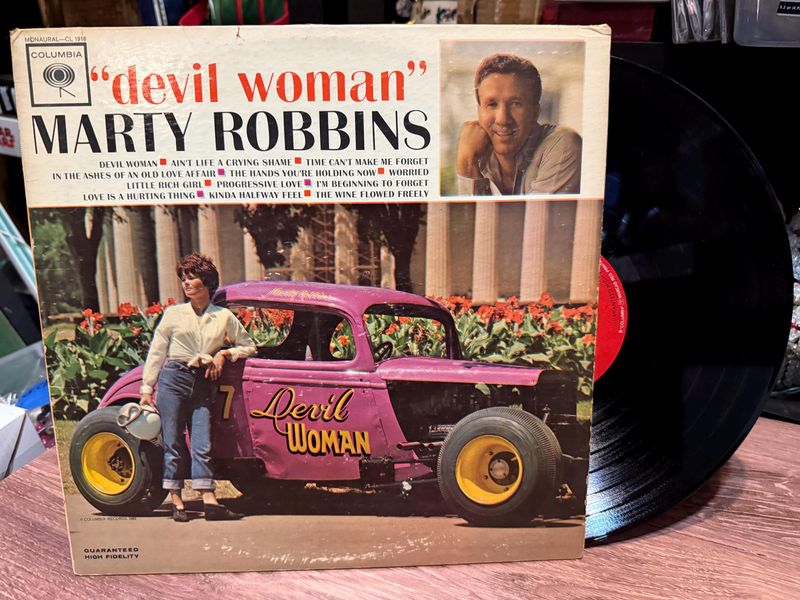
Marty Robbins tells a tale of a man who cheats, gets caught, and then blames the woman entirely. She is called “evil” and a “devil woman” while the narrator takes zero responsibility for his own choices.
It is a masterclass in finger-pointing set to a smooth country melody.
The song was a hit at the time, but modern listeners are far less forgiving of a narrator who refuses to own up to his actions.
8. “Johnny Get Angry” by Joanie Sommers (1962)
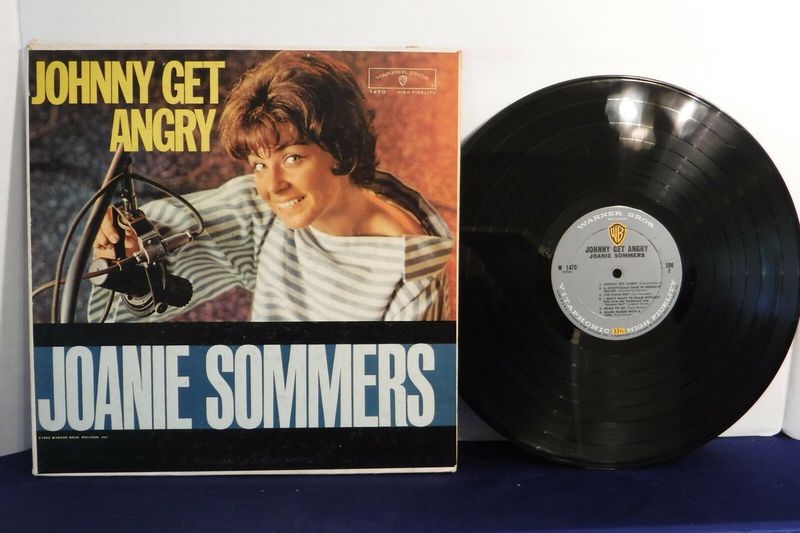
Here is a pop song where the female narrator actually wishes her boyfriend would act more like a domineering “brute.” She wants him to get jealous, possessive, and controlling, because apparently that is what real men do. The chorus practically begs for unhealthy relationship behavior.
It is a fascinating and uncomfortable time capsule of what 1962 pop culture considered romantic. Today, therapists would have a field day with these lyrics.
9. “Go Away Little Girl” by Steve Lawrence (1962)
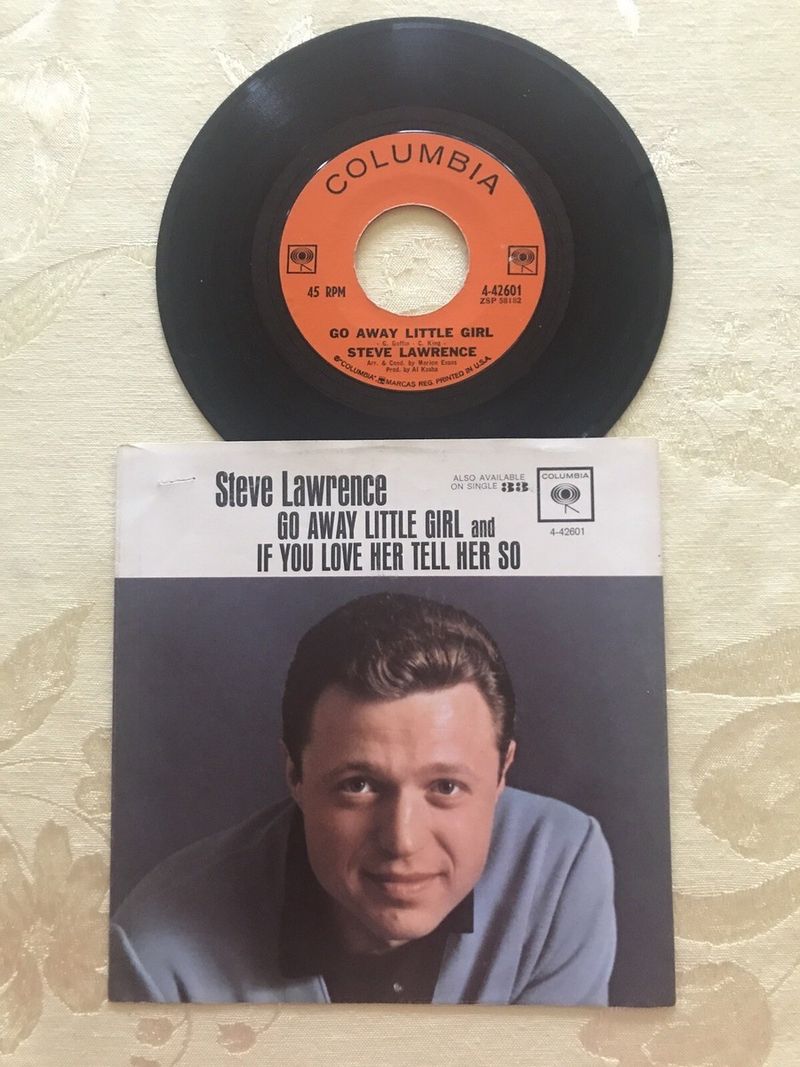
Steve Lawrence croons about needing a young girl to leave because he cannot trust himself to be alone with her. The song never clarifies her age, and that ambiguity is exactly the problem.
It was a massive hit and even charted again in later decades when covered by other artists.
What was once considered a sweet pop song now reads as a concerning admission that raises far more questions than it answers.
10. “Ahab the Arab” by Ray Stevens (1962)
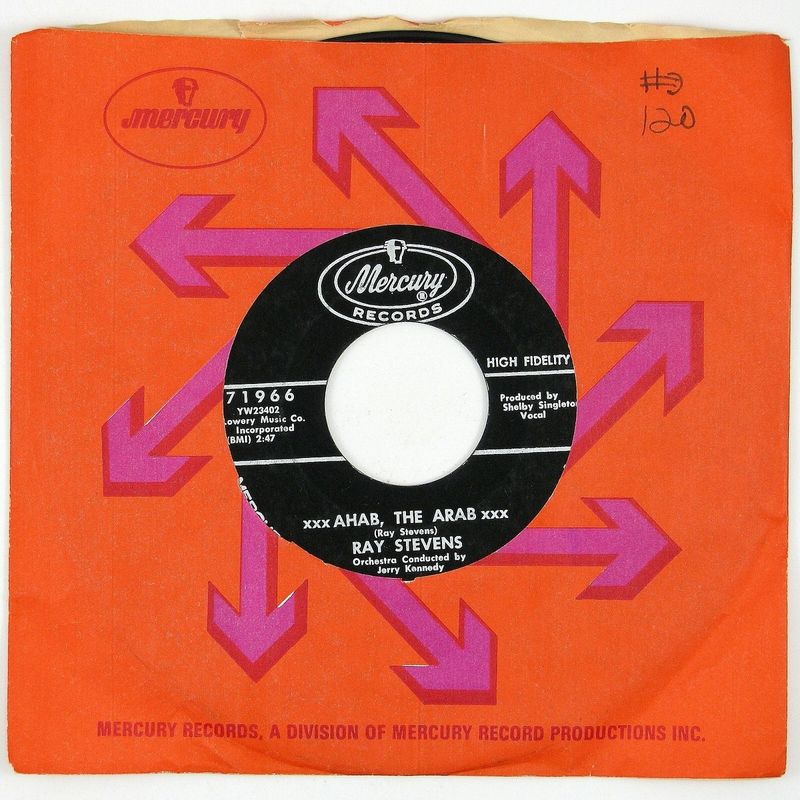
Ray Stevens built a career on novelty songs, but this one relies heavily on mocking Arabic culture through exaggerated accents and lazy stereotypes. The character is called an “Ay-rab” and is depicted as a camel-riding, harem-owning cliche from start to finish.
What passed as harmless comedy in 1962 is now recognized as cultural mockery. The song is a reminder of how much pop culture once leaned on ethnic stereotypes for cheap laughs.
11. “Tie Me Kangaroo Down, Sport” by Rolf Harris (1963)
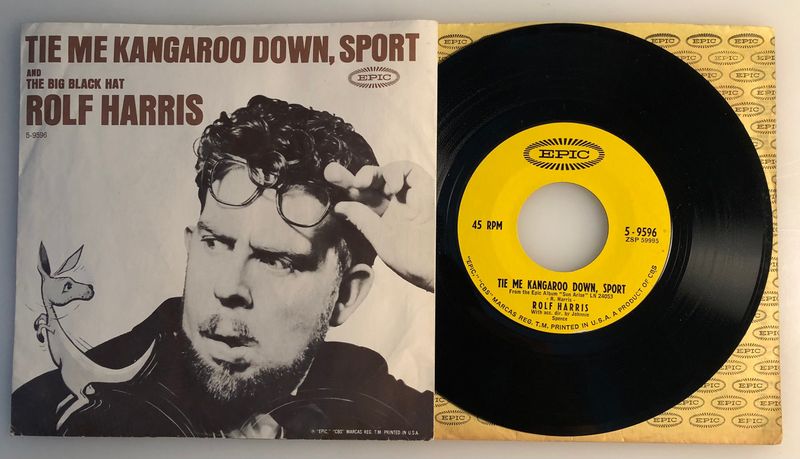
Australian entertainer Rolf Harris scored an international hit with this quirky singalong, but one verse drew immediate criticism in Australia for its perceived racist treatment of Aboriginal Australians. That verse was eventually dropped from later versions of the song.
To make things worse, Harris was later convicted of serious crimes unrelated to the song, making the entire catalog deeply uncomfortable to revisit. The song carries a lot of baggage for a supposedly lighthearted tune.
12. “Yummy Yummy Yummy” by Ohio Express (1968)
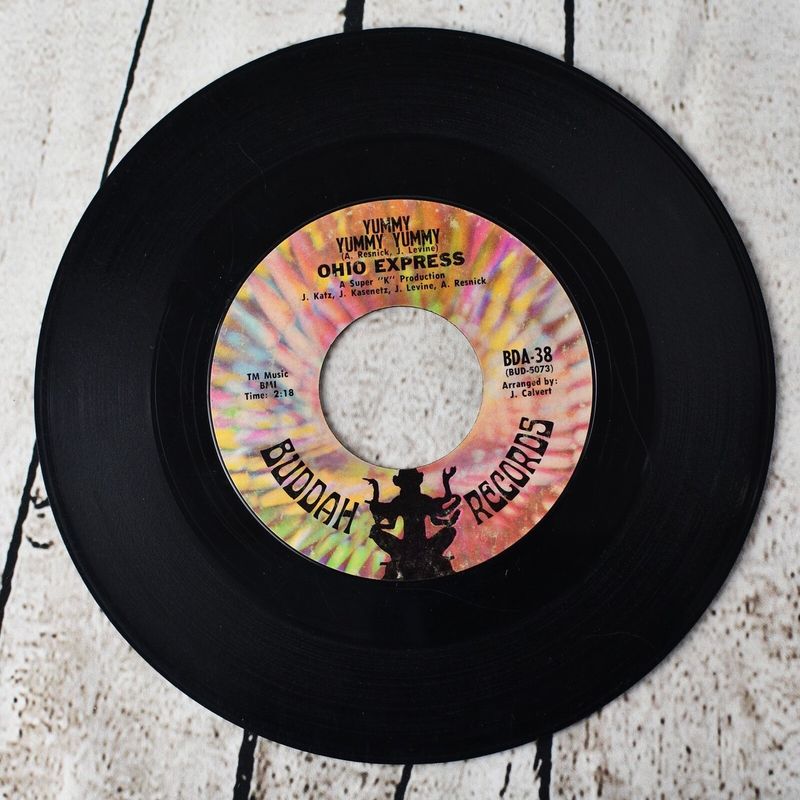
Bubblegum pop was a real genre, and Ohio Express was one of its kings. This song repeats the phrase “yummy yummy yummy, I got love in my tummy” so many times that it starts to feel like a fever dream.
Critics at the time called the lyrics “irredeemably stupid,” and that assessment has only grown more accurate.
Even fans of cheesy pop find it hard to defend this one with a straight face after the first chorus.
13. “Hello Muddah, Hello Faddah” by Allan Sherman (1963)
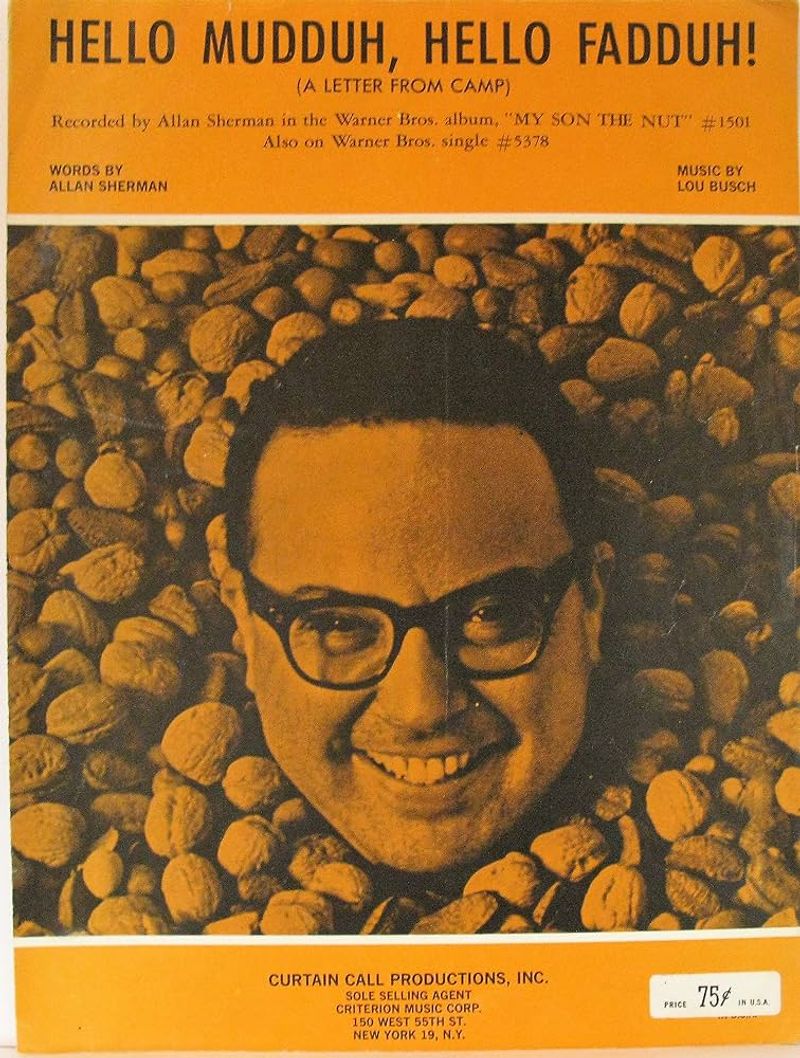
Allan Sherman turned a letter from a miserable summer camper into a comedy smash hit in 1963. The humor depends entirely on the listener sharing a very specific cultural context around American summer camps and postwar family life.
Strip that away, and the joke falls pretty flat.
Generations who grew up with it still find it charming, but anyone hearing it fresh today mostly just wonders why it was ever considered funny enough to top the charts.
14. “They’re Coming to Take Me Away, Ha-Haaa!” by Napoleon XIV (1966)
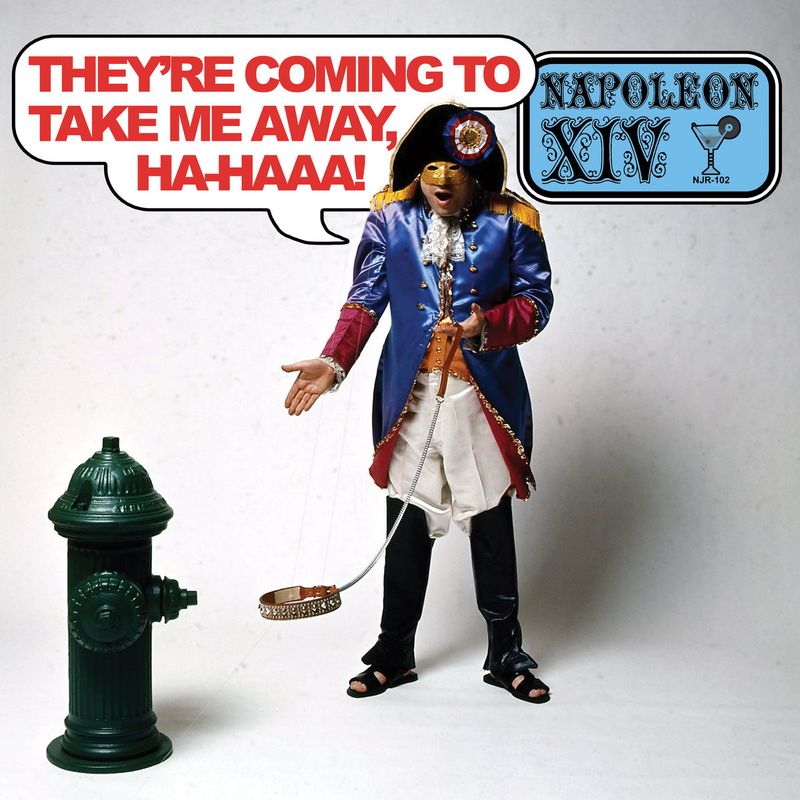
Napoleon XIV, the stage name of recording engineer Jerry Samuels, built this entire track around the gimmick of a man losing his mind after his girlfriend leaves him. The backing track is literally just a drum loop that speeds up, and the vocals get increasingly frantic.
It hit number three on the charts.
Today, the song’s casual treatment of mental illness as comedy material feels tone-deaf. Mental health awareness has come a long way since 1966.
15. “I’m Henry the VIII, I Am” by Herman’s Hermits (1965)
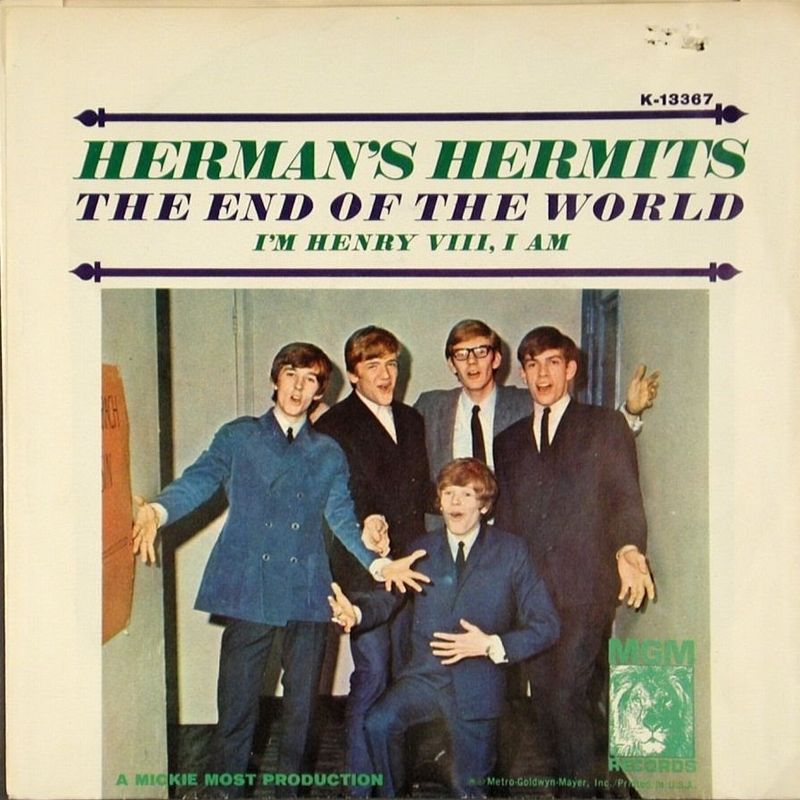
Herman’s Hermits turned an old British music hall song into a number one hit during the British Invasion, which says a lot about how low the bar could be in 1965. The song repeats its chorus so aggressively that many listeners describe it as genuinely ear-splitting after the third go-round.
Kids loved it at the time, but adults who had to hear it on repeat developed strong opinions very quickly. Some things just do not improve with repetition.