
Fame can turn a private love story into a public argument. For many Black celebrities, dating or marrying someone of another race has brought hurtful comments, unfair expectations, and even threats.
Their experiences show how racism can reach into the most personal parts of life. Looking at these stories helps us separate fair discussion from judging people simply for whom they love.
1. Serena Williams: Love Beyond the Tennis Court
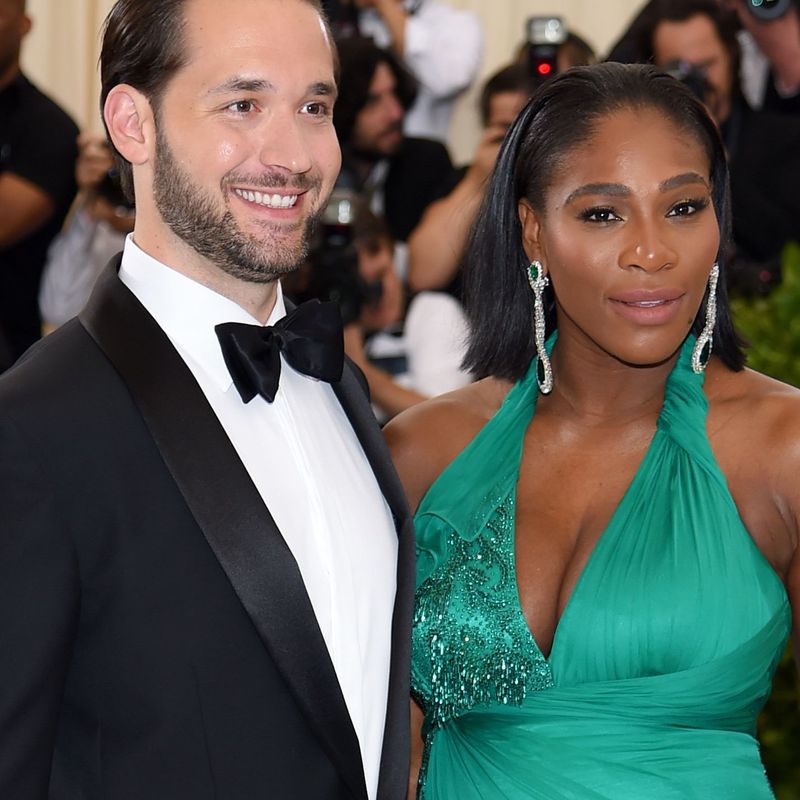
A tennis champion should not have to defend her choice of partner. Yet Serena Williams faced online criticism after announcing her engagement to Reddit cofounder Alexis Ohanian, who is white.
Some commenters treated her relationship as a rejection of Black men or Black pride. That unfair claim overlooked her achievements and her right to choose love.
Supporting a public figure means respecting personal boundaries, not demanding that their marriage match a fan’s expectations or racial preferences.
2. Tamera Mowry-Housley: Speaking Honestly About Racist Abuse
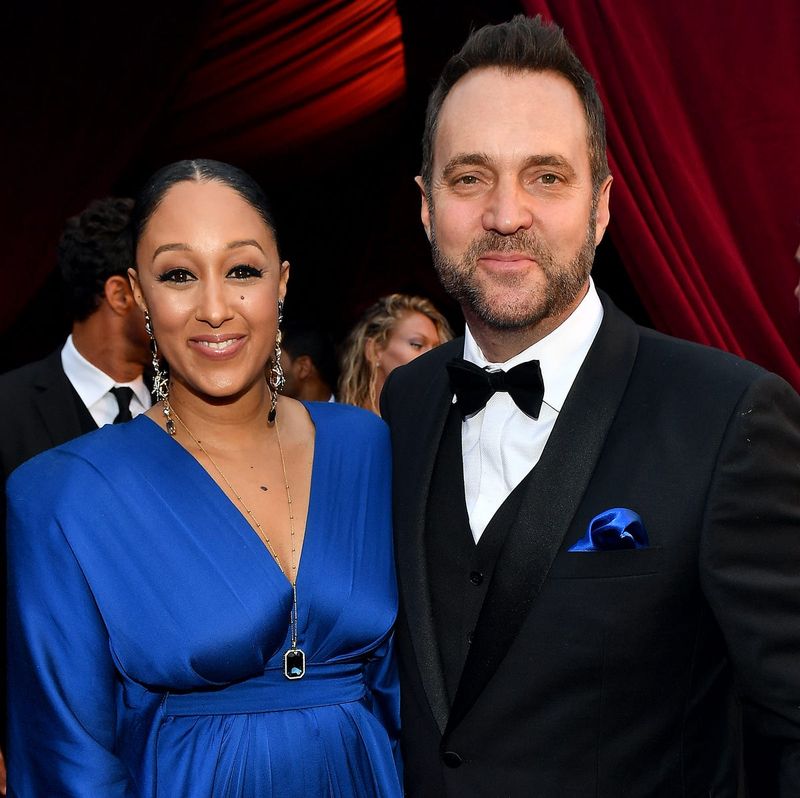
Behind her cheerful television presence, Tamera Mowry-Housley has dealt with deeply hurtful messages. She has spoken publicly about racist abuse directed at her marriage to journalist Adam Housley, who is white.
Critics have questioned her identity and used insulting labels because of her husband. Her openness makes the harm harder to ignore.
Nobody loses their heritage by marrying across racial lines, and reporting abusive comments is more helpful than sharing them for entertainment or online attention.
3. Jodie Turner-Smith: Rejecting Other People’s Rules
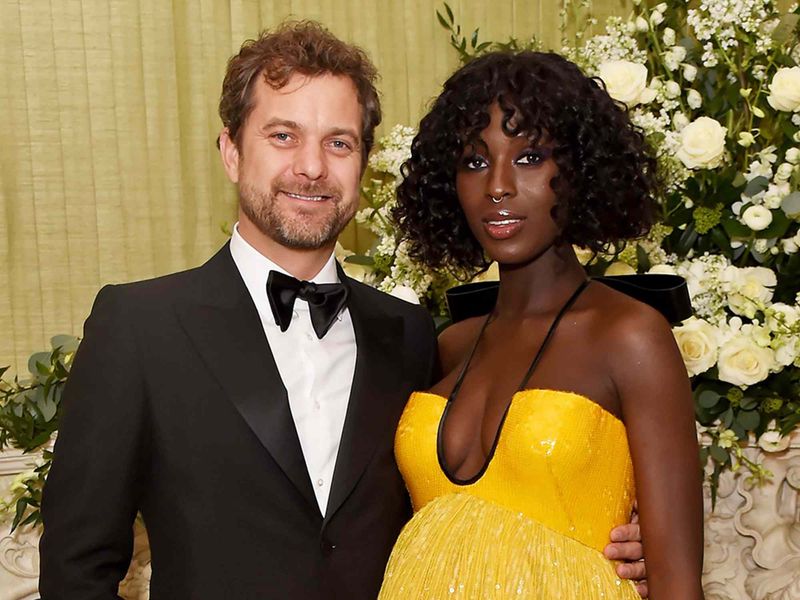
Stepping into the spotlight brought more than praise for Jodie Turner-Smith. Her relationship with white actor Joshua Jackson also drew racist comments and questions about why she chose him.
They later married, welcomed a daughter, and eventually separated. Their breakup does not make the earlier abuse reasonable.
A relationship can change without proving anyone’s racial beliefs correct. Readers should distinguish actual news about a couple from strangers trying to control a Black woman’s private life online.
4. Eve: Finding Common Ground Across Different Worlds
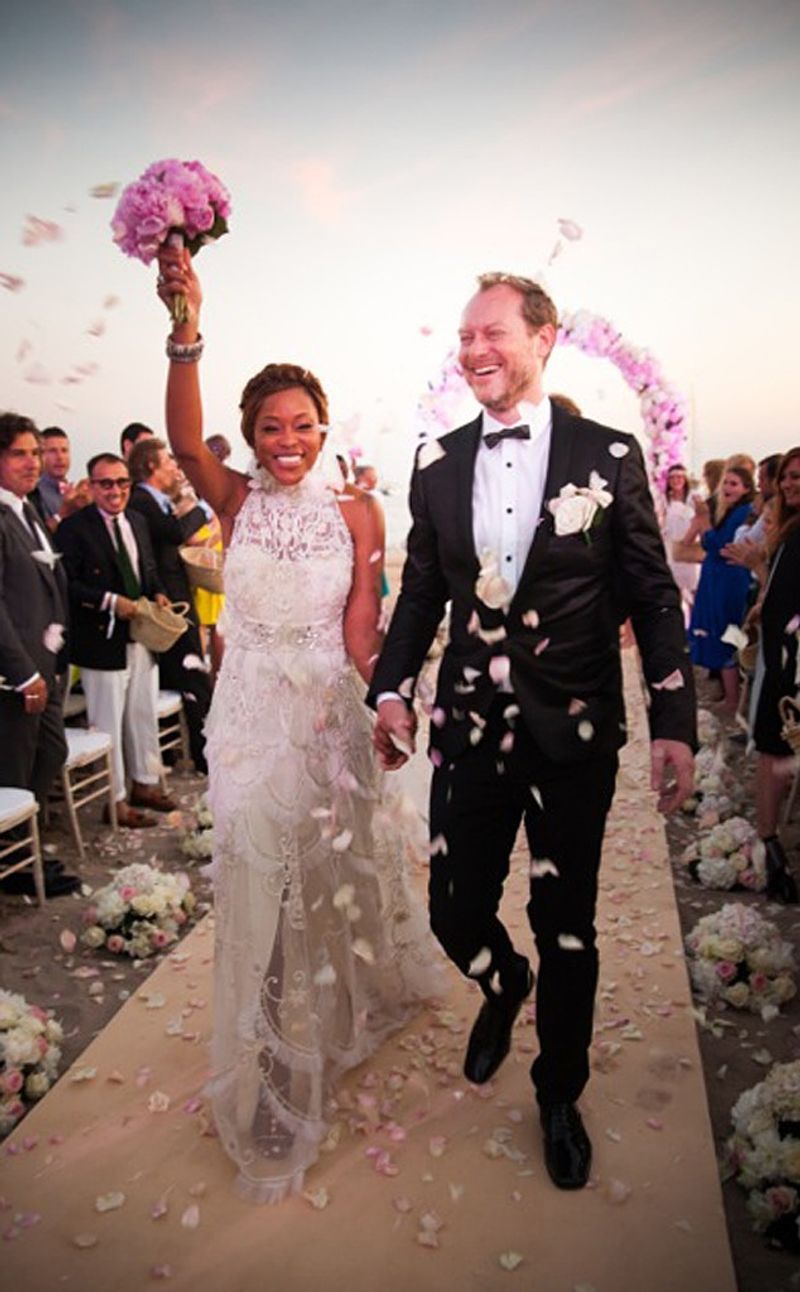
Hip-hop fans knew Eve for confidence, sharp lyrics, and a strong sense of self. When she married white British businessman Maximillion Cooper, some reactions focused on race rather than their connection.
Eve has discussed the challenges and conversations that can come with an interracial partnership. Those talks are different from outsiders judging whether a couple belongs together.
Shared respect matters more than matching backgrounds, and asking thoughtful questions beats making assumptions about someone else’s home life.
5. Taye Diggs: When Fan Reactions Became Threats
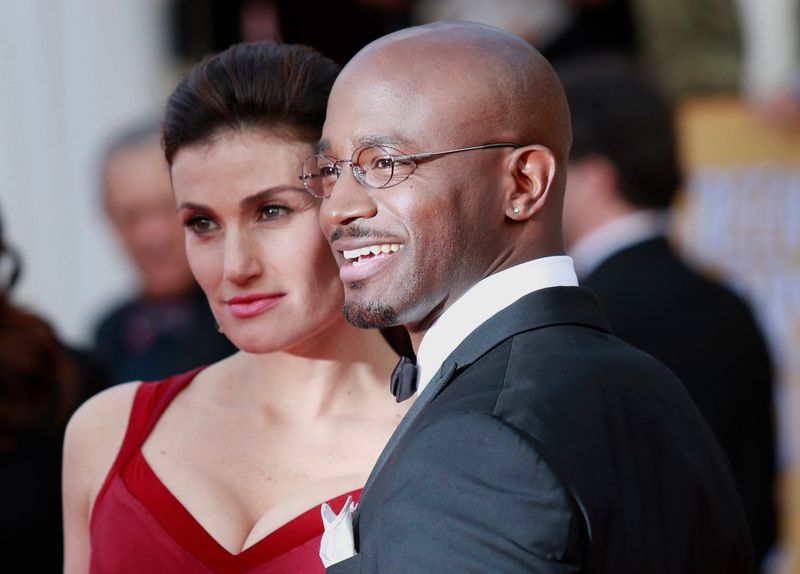
Broadway brought two performers together, but their romance also attracted frightening hostility. Taye Diggs has described receiving threats over his relationship with white actress and singer Idina Menzel.
The former spouses met through Rent and later had a son. Their story shows how quickly racial judgment can become a safety concern.
Threats are not ordinary celebrity gossip or harmless disagreement. Fans can appreciate an actor’s work without claiming any authority over whom that actor dates or marries.
6. Alfre Woodard: A Marriage Outside the Headlines
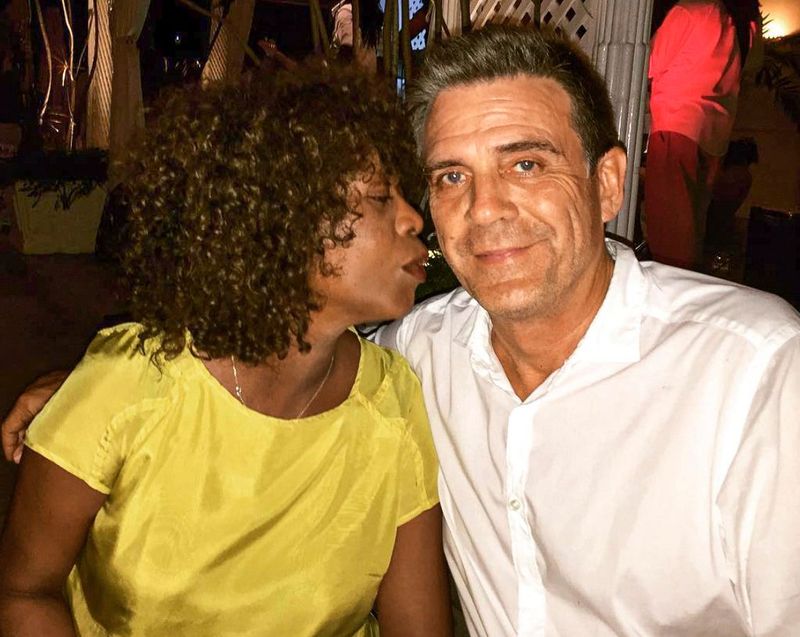
A lasting partnership rarely fits the loudest celebrity headlines. Alfre Woodard married white writer Roderick Spencer in 1983, when interracial couples still faced strong social prejudice despite legal protections.
Their marriage has been discussed through that racial lens, sometimes overshadowing their family and individual work. Rather than treating their union as a shocking exception, readers can recognize it as a relationship between two people.
Longevity deserves interest without turning a couple into symbols for everyone else’s arguments.
7. Tiger Woods: More Than a Debate About Identity
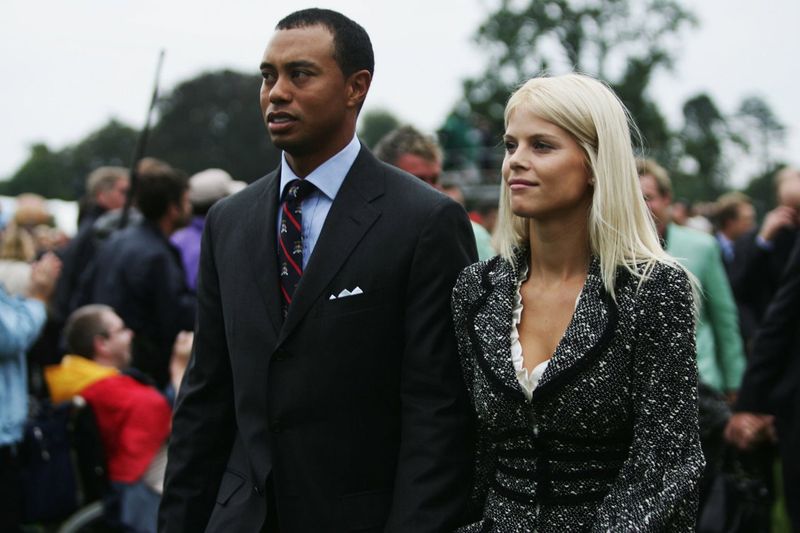
Golf fame made almost every part of Tiger Woods’s life public. His relationships with white women, including his marriage to Elin Nordegren, became tied to arguments about his racial identity.
Woods has also described his mixed family background in his own terms. His personal misconduct can be discussed without claiming that interracial dating caused it.
Avoid sweeping claims about whom someone always dates, and separate criticism of harmful behavior from judgments based on a partner’s race.
8. Donald Glover: Art Is Not a Dating Contract
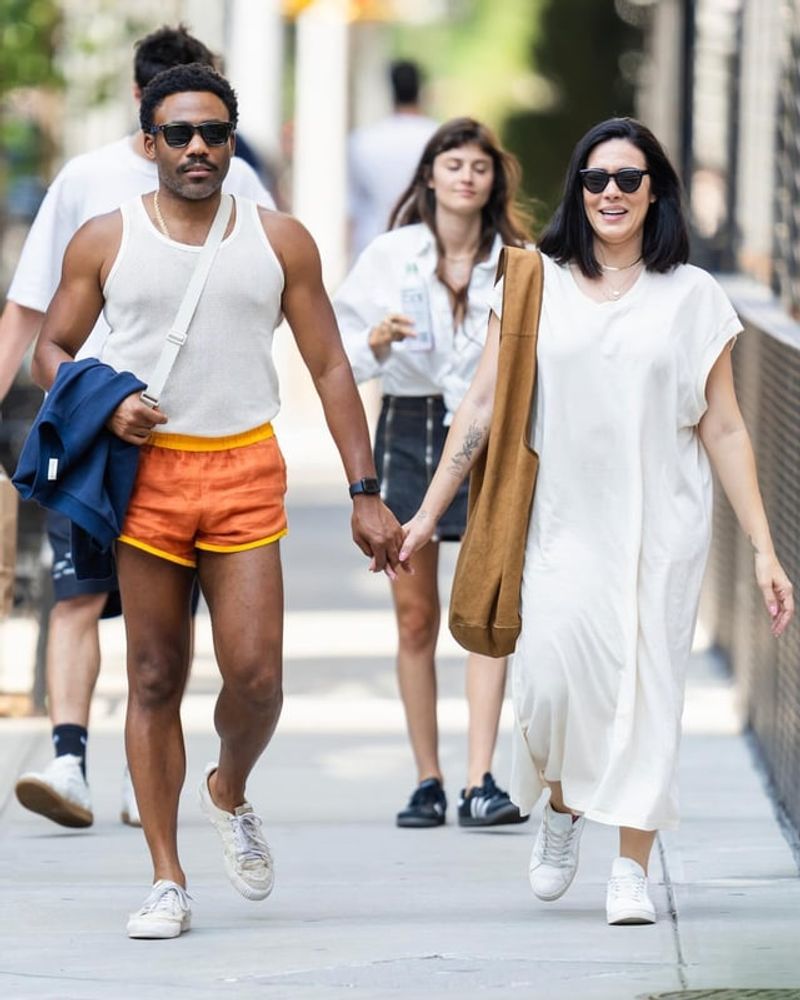
Creating stories about Black life does not give an audience control over an artist’s family. Donald Glover faced criticism when fans learned about his relationship with Michelle White, who is white.
Some treated his partner’s race as a conflict with the themes in his work. That argument confuses artistic expression with a rulebook for dating.
A creator can explore racism and Black culture while loving someone from another background. Judge the work without policing the creator’s household.
9. Omari Hardwick: Standing Up for His Wife
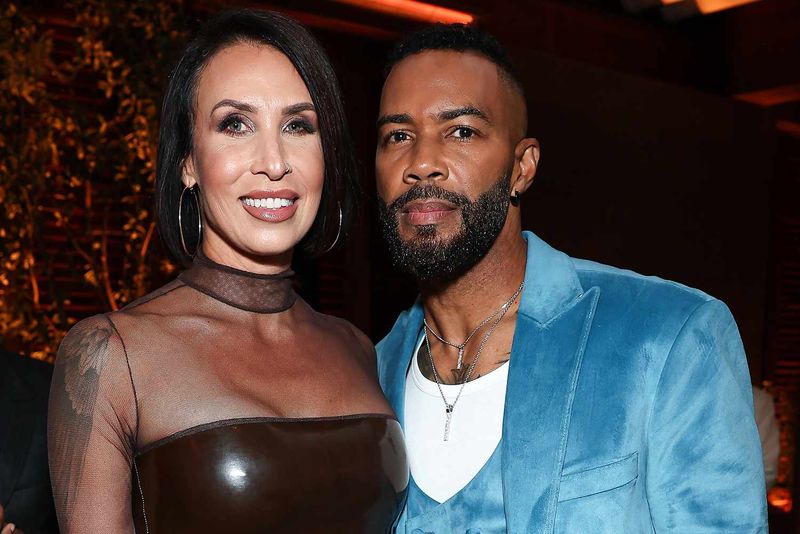
Playing a beloved television character can make fans feel unusually close to an actor. For Omari Hardwick, that attention has included cruel comments about his white wife, Jennifer Pfautch.
He has publicly defended her against attacks on her appearance and their marriage. His response draws a clear boundary between enjoying his performances and disrespecting his family.
If a comment targets someone’s race or looks, it adds nothing useful. Choosing not to join the pile-on is meaningful support.
10. Sammy Davis Jr.: Love Under Real Danger
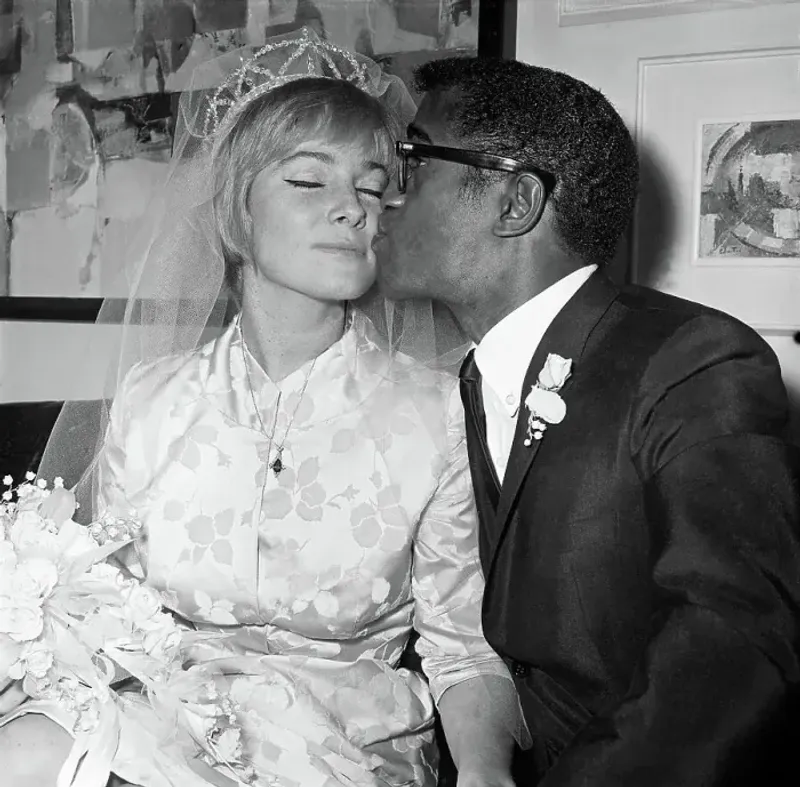
In 1960, choosing a spouse could mean confronting laws built on racism. Sammy Davis Jr. married white Swedish actress May Britt while many American states still banned interracial marriage.
The couple faced threats and fierce public hostility, not simply rude celebrity coverage. Their experience belongs to the history of unequal rights as well as entertainment.
Remembering that danger helps explain why marriage equality across racial lines mattered, and why romantic freedom should never depend on public approval.
11. Lena Horne: The Burden of Keeping Love Secret
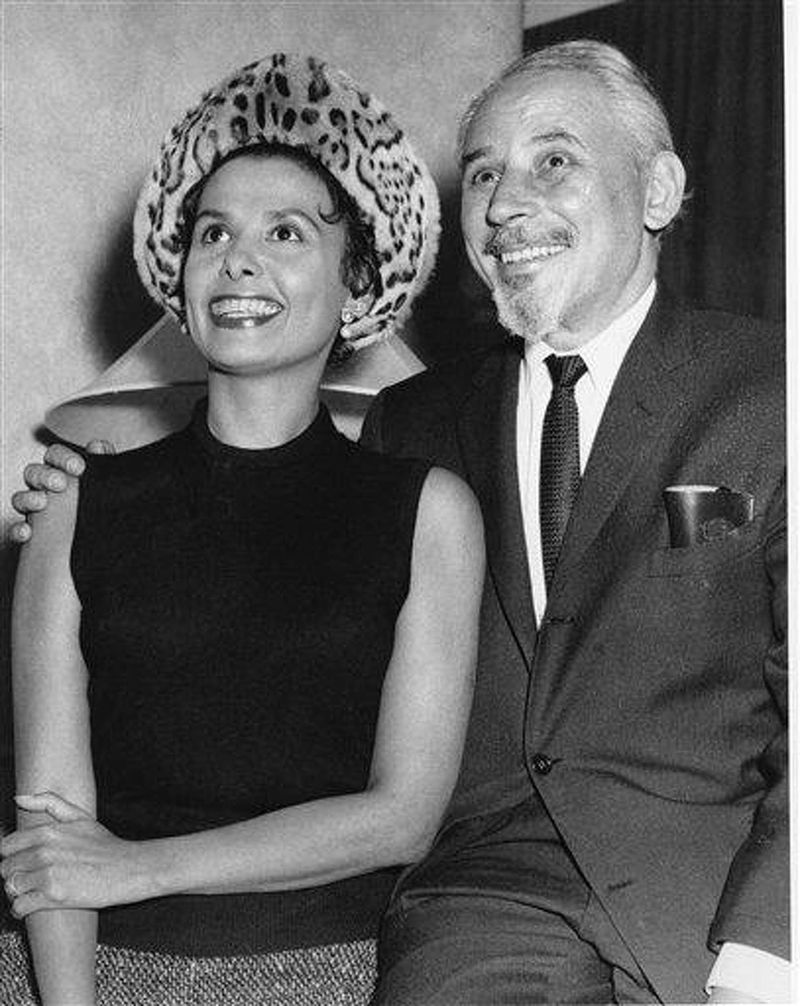
A glamorous career did not protect Lena Horne from the racial limits of her era. She married white music director Lennie Hayton in 1947, but their marriage remained private for years.
Fear of public backlash helped make secrecy feel necessary. That pressure shows how discrimination can harm people even without a shouted insult.
Privacy is healthy when freely chosen; hiding a spouse because society rejects interracial love is something else. The difference is freedom, safety, and dignity.
12. Harry Belafonte: Facing Prejudice Beyond the Stage
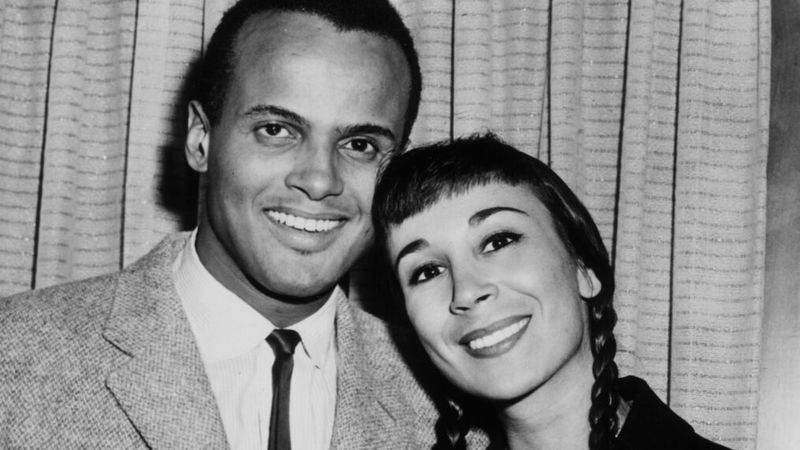
Music made Harry Belafonte a household name, but fame did not erase racial prejudice. His 1957 marriage to white dancer Julie Robinson attracted attention during an era hostile to interracial couples.
Belafonte also became widely known for his civil rights work. His public life reminds readers that fighting injustice and building a family are not separate worlds.
Before repeating dramatic stories about career punishment, check reliable historical sources. The documented social climate already reveals the pressure couples faced.
13. Sidney Poitier: A Symbol Who Deserved Privacy
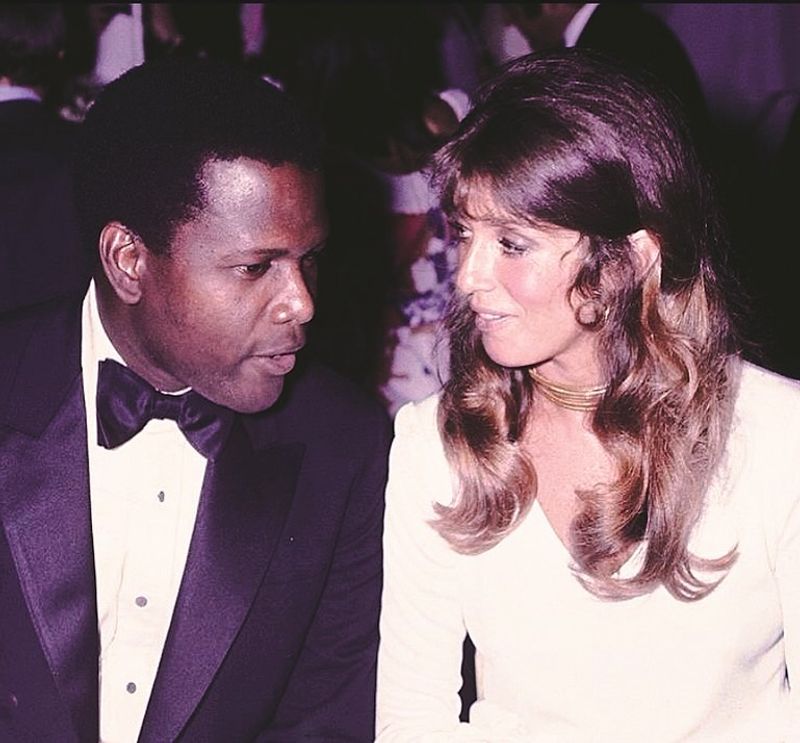
Being a trailblazer can come with unfair demands to represent everyone. Sidney Poitier’s relationship with white actress Joanna Shimkus drew attention because audiences attached political meaning to his private choices.
They married in 1976 and built a lasting family life. His achievements did not create an obligation to choose a partner who satisfied public expectations.
Admiration becomes limiting when it turns a person into a symbol first and a human being second. Even cultural heroes deserve privacy.
14. Jay Ellis: Separating Fiction From Real Life
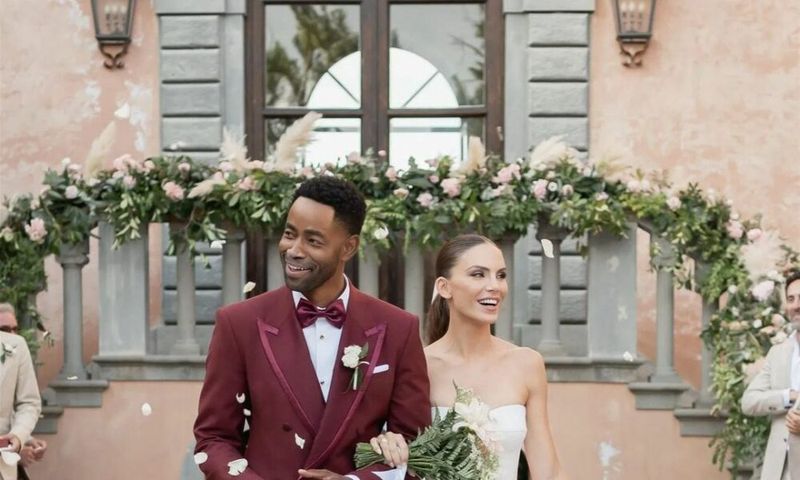
Fans loved the relationships shown on Insecure, but television romance is not a real-life promise. Jay Ellis received hostile reactions over his relationship with white Serbian model and actress Nina Senicar.
Some viewers projected hopes for his character onto the actor himself. Their wedding also attracted online scrutiny.
The useful lesson is simple: fictional stories belong to audiences, but performers’ marriages do not. Enjoying representation on screen never justifies insulting a real partner or demanding a different spouse.
15. O.J. Simpson: Racial Commentary Must Not Excuse Abuse
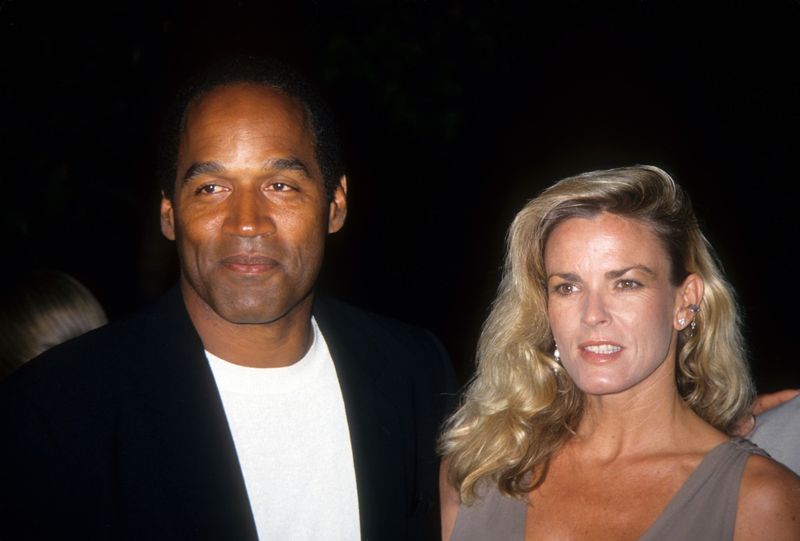
Few celebrity relationships require more careful discussion than this one. O.J.
Simpson’s marriage to Nicole Brown Simpson became part of public arguments about race, fame, and identity.
Yet racial scrutiny must never obscure his documented domestic abuse or Nicole’s death. He was acquitted of murder in criminal court and later found liable in civil court.
Blaming interracial marriage distorts the issues. Reject racist commentary while keeping victims, evidence, and accountability at the center of any serious discussion.