
Fame looks glamorous from the outside, but for some musicians, being in a hugely successful band turned out to be a nightmare. Whether it was overwhelming pressure, personal conflicts, or losing creative control, many artists found themselves wishing they had never signed up.
Some quit, some were fired, and some spent years dealing with the fallout. These are the stories of 15 artists who had serious regrets about being part of their famous bands.
1. Mark Knopfler – Dire Straits
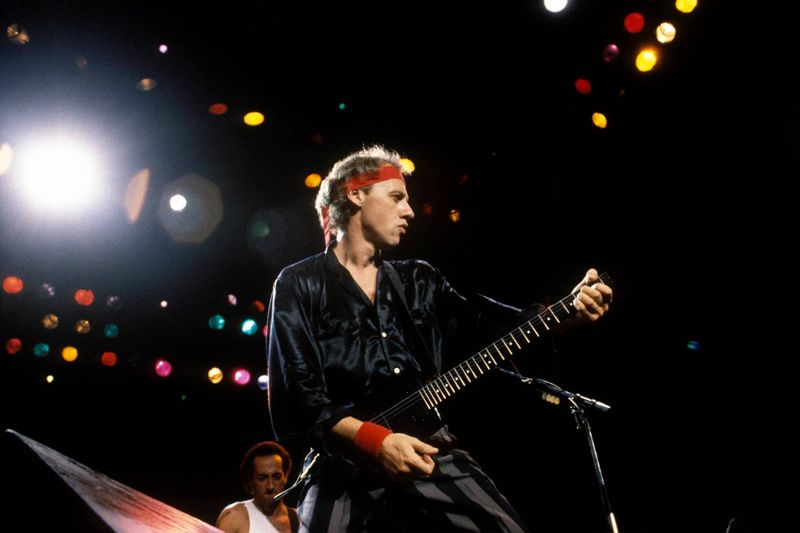
Mark Knopfler once said fame had “no redeeming features at all,” and he meant every word. Despite leading Dire Straits to massive global success with hits like “Money for Nothing,” Knopfler was deeply shy and hated being in the spotlight.
The band became so enormous that he felt suffocated by its size. Eventually, he made the bold decision to break up one of rock’s biggest acts simply because the fame had become too much to handle.
2. Kurt Cobain – Nirvana
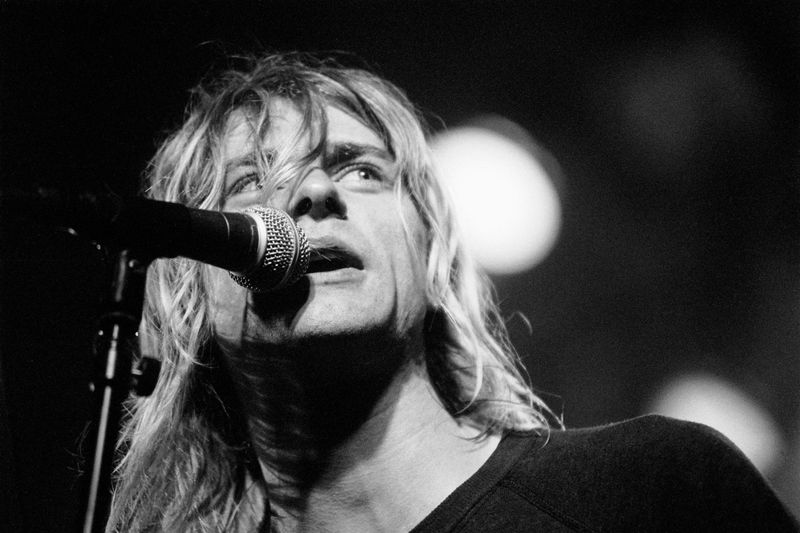
Cobain chased fame before Nirvana blew up, but once Nevermind turned them into superstars, the attention became unbearable. The limelight he once dreamed of suddenly felt like a prison with no exit.
Fans, media, and the pressure of being the voice of a generation crushed him emotionally. He grew to deeply resent the spotlight, feeling trapped by his own success.
His struggle with fame remains one of rock history’s most heartbreaking stories.
3. Eddie Vedder – Pearl Jam
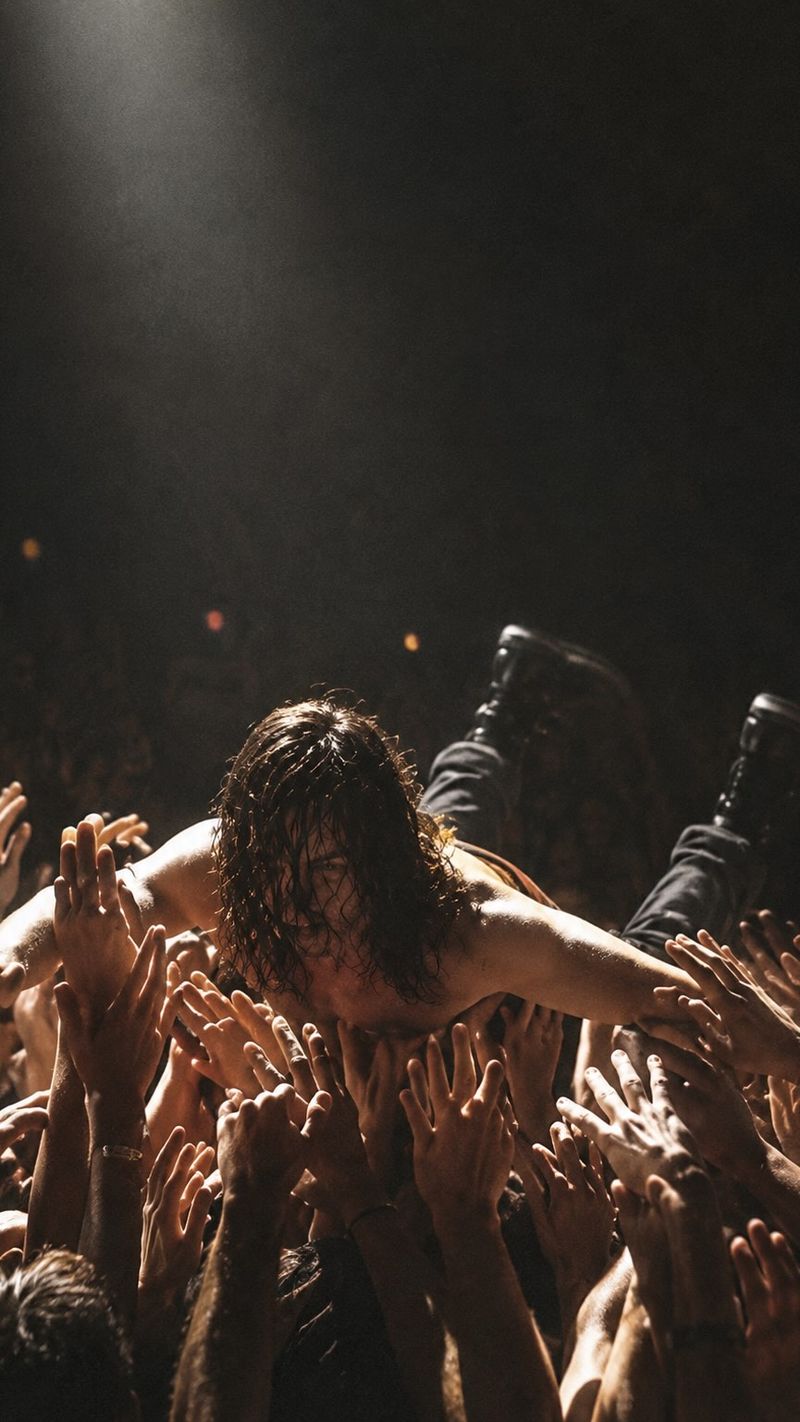
By 1993, Pearl Jam had barely released their second album and Eddie Vedder was already pulling away from fame as fast as he could. The rapid rise felt less like a dream and more like a runaway train he could not stop.
Vedder refused interviews and actively avoided publicity, which was almost unheard of for a rock star at that level. He made it clear that the music mattered to him, not the celebrity that came with it.
4. Neil Peart – Rush
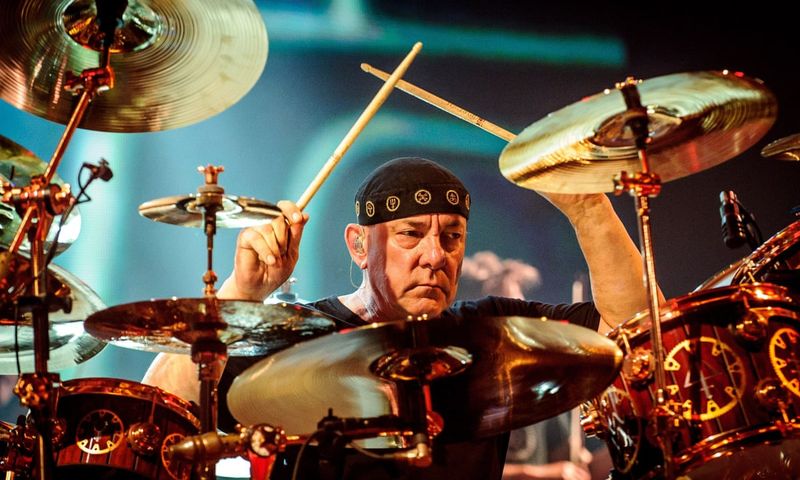
Neil Peart was one of the greatest drummers who ever lived, but he had zero interest in being a rock star. Rush’s fame meant fans and media wanted a piece of him, and that made him deeply uncomfortable.
He rarely gave interviews and let his bandmates handle public appearances whenever possible. Peart believed his only job was to play music, not to perform a public personality.
He kept that boundary firm for his entire career.
5. Syd Barrett – Pink Floyd
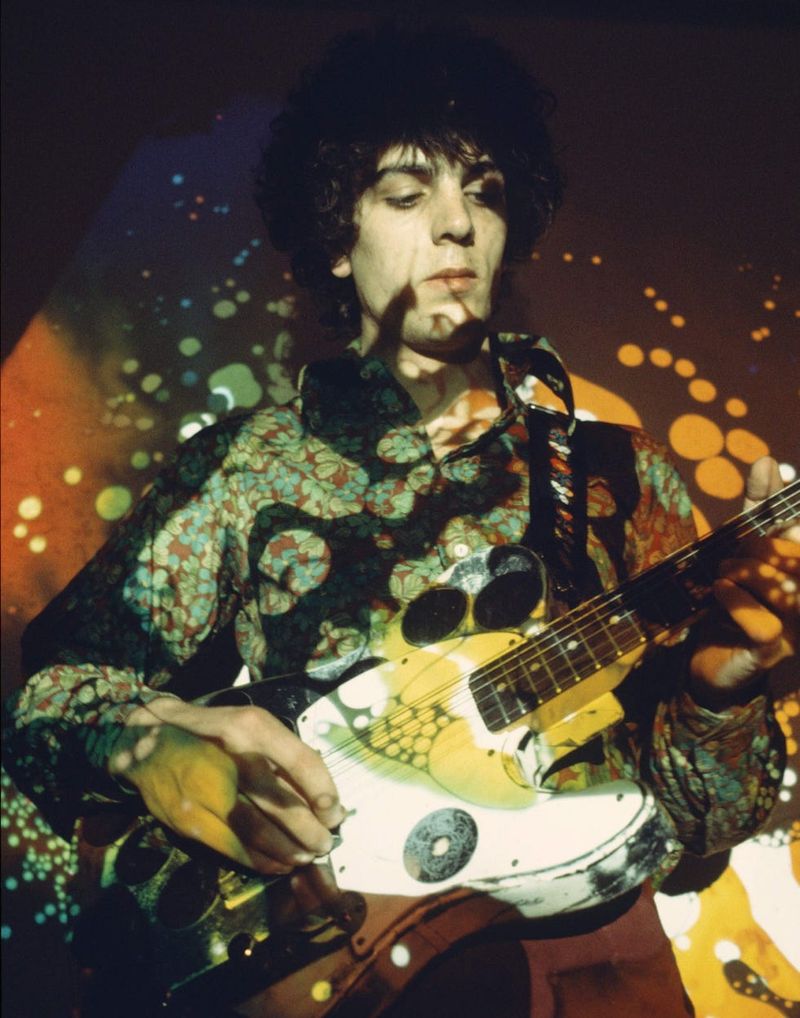
Syd Barrett co-founded Pink Floyd and was the creative spark behind their early sound, but the pressures of fame hit him harder than almost anyone. His mental health began deteriorating rapidly, made worse by substance abuse and the chaos of band life.
Paranoia and erratic behavior made him impossible to perform with, and in 1968 the band quietly stopped picking him up for gigs. It was a sad ending for a brilliant mind overwhelmed by the world around him.
6. George Harrison – The Beatles
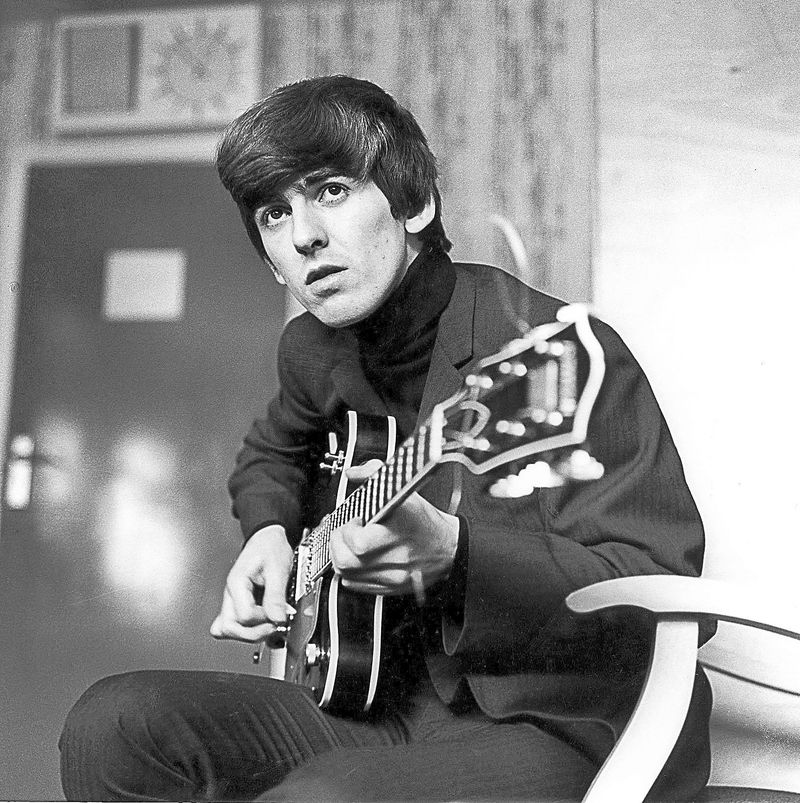
Called the “quiet Beatle” for good reason, George Harrison never felt at home in the eye of Beatlemania. The hysteria of screaming crowds made him genuinely nervous, and that anxiety only deepened over time.
After John Lennon was shot and killed in 1980, Harrison’s fear of large crowds became very real. He was later attacked in his own home, reinforcing his belief that fame carried a dangerous cost.
Being a Beatle was both a gift and a burden he carried for life.
7. The Mamas and The Papas – Internal Conflict
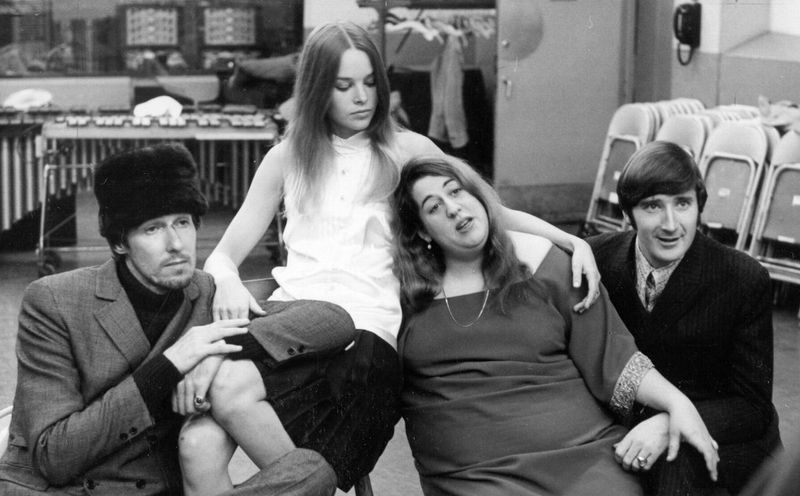
From the outside, The Mamas and The Papas looked like a fun, flower-power success story. Behind the scenes, it was a completely different picture.
Michelle Phillips openly stated that “everybody wanted out” almost from the beginning.
Personal conflicts, romantic entanglements, and clashing personalities made the group nearly unworkable. Their run lasted only from 1965 to 1968, and most members were relieved when it ended.
The hits were great; the experience of making them was anything but.
8. Don and Phil Everly – The Everly Brothers
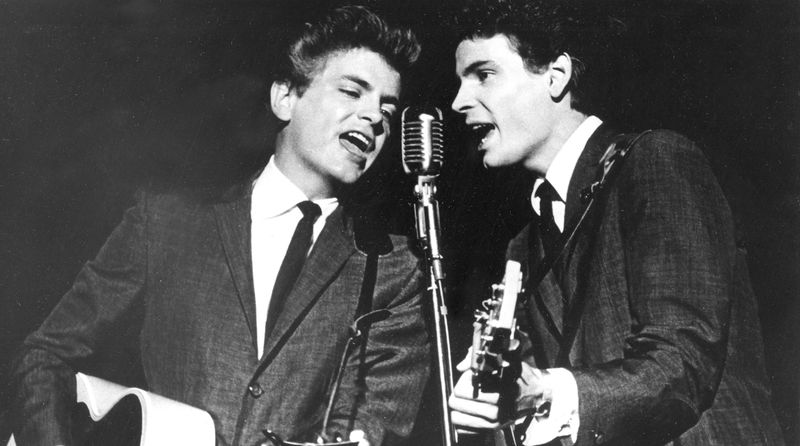
The Everly Brothers had one of the most beautiful musical partnerships in pop history, built on sibling harmony. But off stage, their relationship was falling apart at the seams.
Drug addiction took a heavy toll on both brothers.
Things came to a dramatic head in 1973 when they broke up publicly and bitterly. Phil smashed his guitar on stage and walked off, leaving Don to finish the show alone.
Years of tension had finally boiled over in front of an audience.
9. Bill Berry – R.E.M.
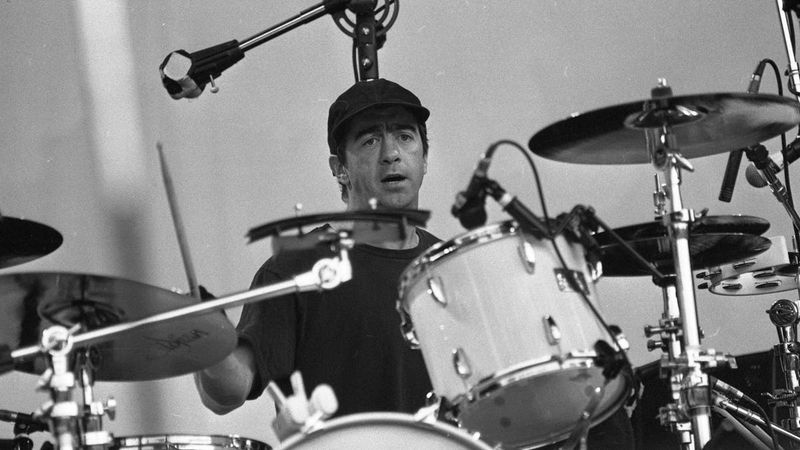
Most musicians would do anything to stay in a globally successful band. Bill Berry did the opposite.
After suffering a brain aneurysm on stage in 1995, he had a serious wake-up call about what mattered most.
In 1997, he walked away from R.E.M. at the height of their fame and became a hay farmer. No tours, no interviews, no spotlight.
He traded arenas for open fields and never looked back, proving that sometimes the best career move is leaving one behind.
10. Michael Schenker – UFO
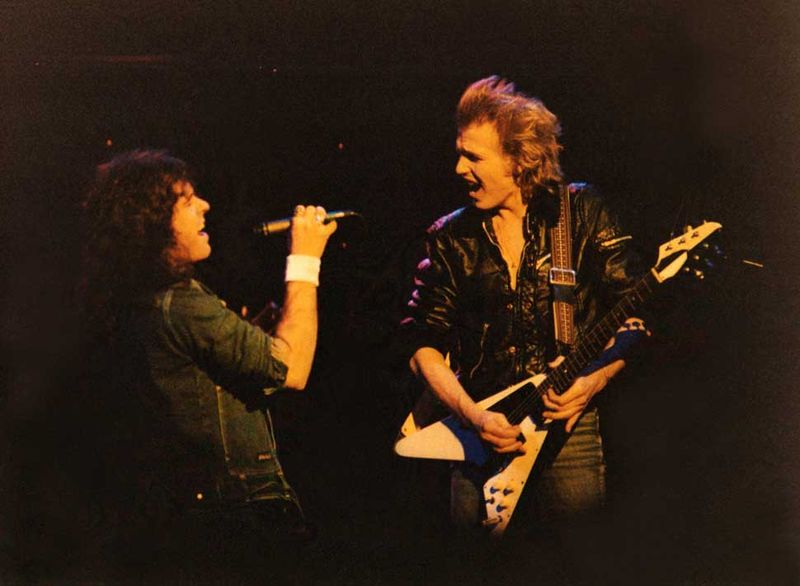
Michael Schenker joined UFO at just 18 years old, barely speaking English and completely unprepared for what band life would bring. Communication problems made him feel like an outsider from day one, and other members reportedly ridiculed him.
His relationship with singer Phil Mogg reportedly turned physical at one point. The combination of isolation, unwanted fame, and strained relationships led Schenker to leave and rejoin the band multiple times.
It was a rocky ride that never fully smoothed out.
11. Frank Zappa – Rejecting the Music Industry
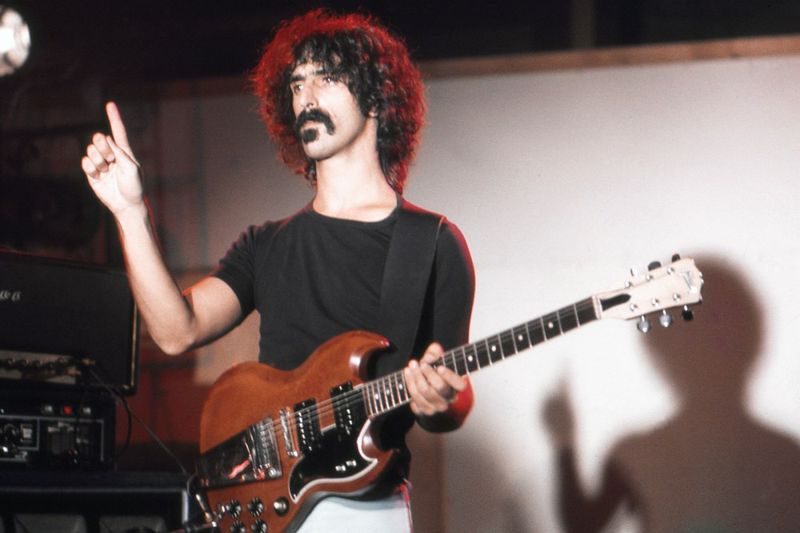
Frank Zappa had a unique approach to fame: he actively worked to destroy his own momentum. Whenever his music started gaining mainstream traction, he would deliberately make a sharp left turn to confuse and alienate casual listeners.
He viewed the music industry as something to mock rather than play along with. Zappa used his career almost like a prank on the establishment, rejecting hippie culture and commercial expectations at every turn.
For him, artistic freedom always beat popularity.
12. Pete Best – The Beatles
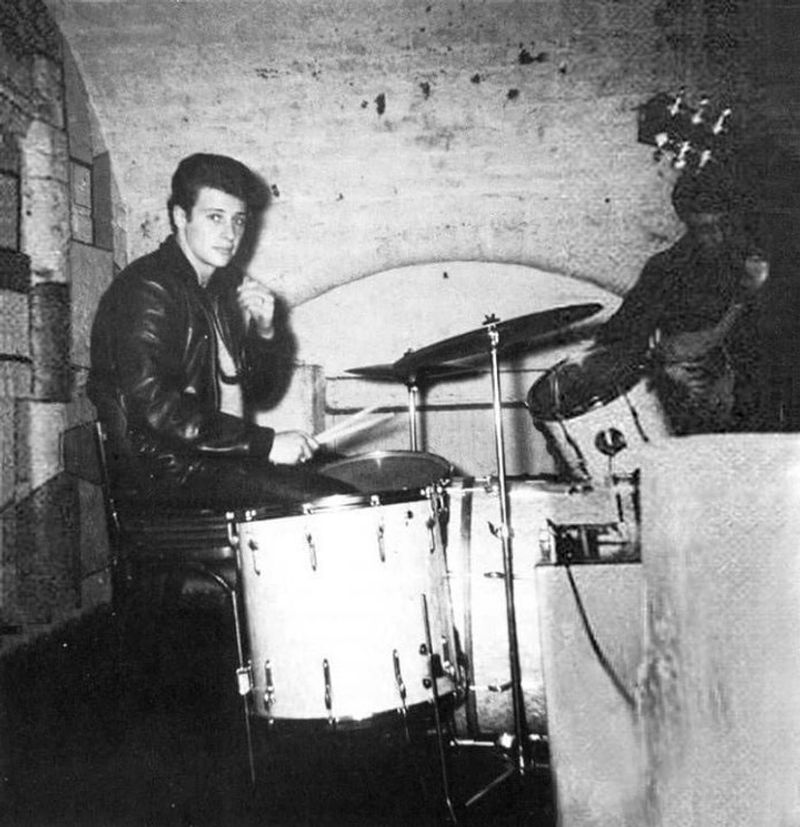
Pete Best had the kind of luck that sounds like a cruel joke. He was The Beatles’ drummer right up until the moment they were about to become the biggest band in history, and then he got fired.
Producer George Martin felt his drumming was not up to standard, and the other members never fully included him in their tight-knit circle. Best missed out on everything: the fame, the money, and the legacy.
It took him many years to come to terms with what happened.
13. Dave Mustaine – Metallica
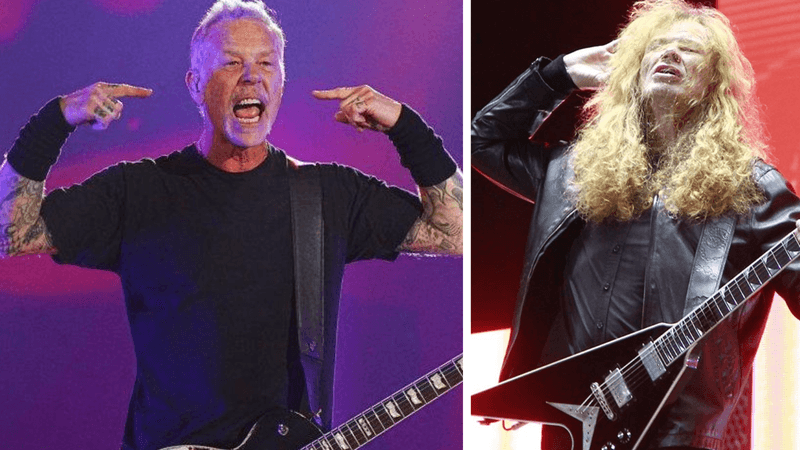
Dave Mustaine helped build Metallica from the ground up as a founding member and key songwriter. But his drinking, drug use, and aggressive behavior got him kicked out in April 1983, right before they recorded their debut album.
The timing stung for decades. Mustaine went on to form Megadeth and found his own success, but the bitterness toward Metallica never fully faded.
He admitted in interviews that being fired fueled much of his drive, turning personal pain into musical fire.
14. Bob Welch – Fleetwood Mac
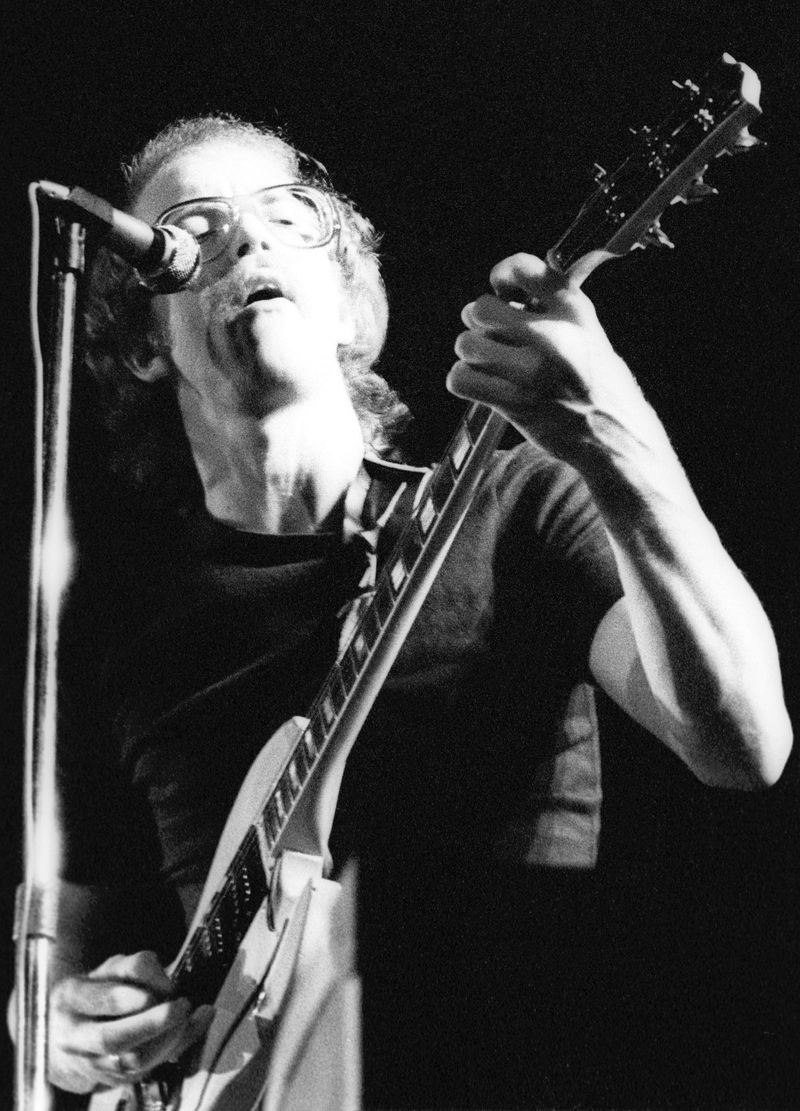
Bob Welch spent three years with Fleetwood Mac, from 1971 to 1974, pouring his creative energy into a band that felt like it was going nowhere. Burnout, a troubled marriage, and constant creative tension finally pushed him to resign.
The painful part came later. Shortly after he left, Fleetwood Mac added Stevie Nicks and Lindsey Buckingham, recorded Rumours, and became one of the best-selling bands of all time.
Welch missed the biggest wave by just a few months.
15. William Goldsmith – Foo Fighters
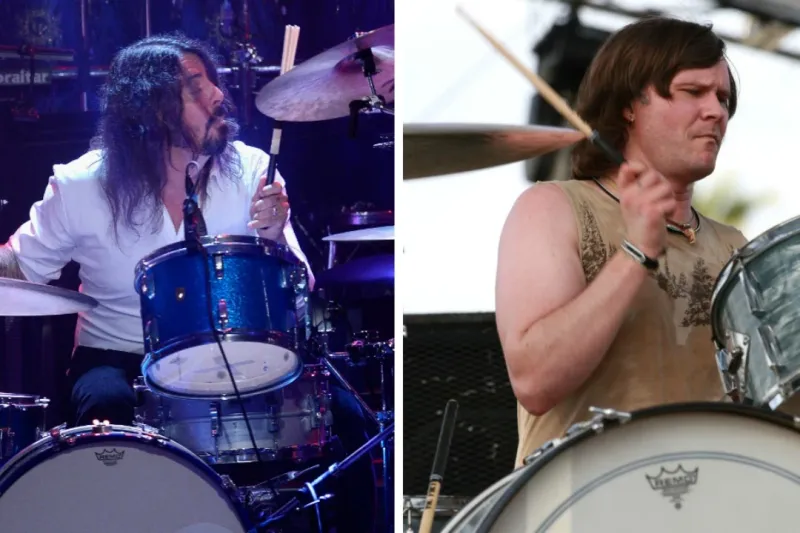
Joining the Foo Fighters as their original drummer seemed like a huge opportunity for William Goldsmith. He worked hard on the recordings for their second album, The Colour and the Shape, only to discover something crushing later.
Dave Grohl had quietly re-recorded almost all of Goldsmith’s drum parts without telling him. Finding out after the fact was a serious blow.
Goldsmith quit the band in 1997, feeling his contributions had been erased. It left a bitter mark on what should have been a career highlight.