
Love, jealousy, and revenge make Wuthering Heights a story that filmmakers keep returning to. Emily Brontë’s novel has inspired silent films, television dramas, and bold versions set far from the Yorkshire moors.
Each adaptation changes how we see Catherine, Heathcliff, and the people caught in their troubled bond. Some focus on romance, while others reveal the cruelty behind it.
1. Silent Beginnings: Wuthering Heights (1920)
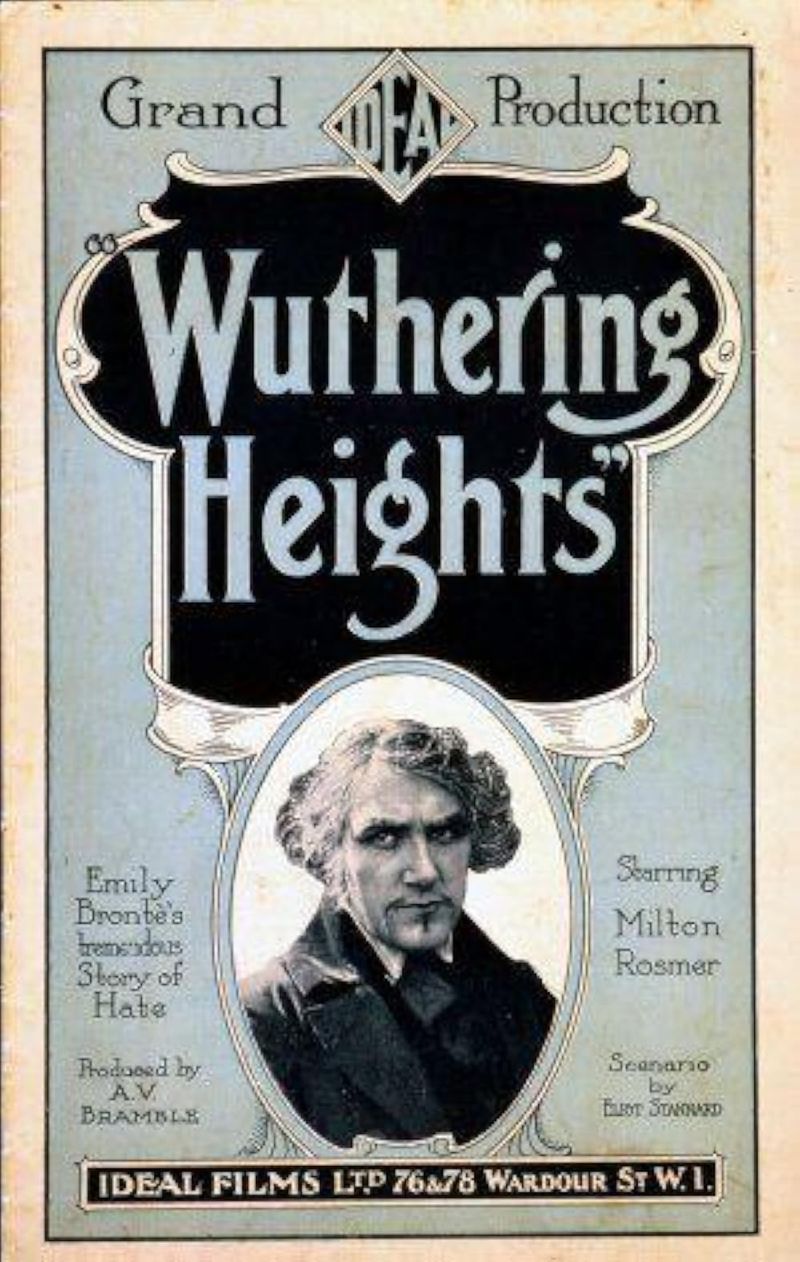
Before audiences could hear Heathcliff call for Catherine, silent cinema brought their story to life. Directed by A.
V. Bramble, the earliest known film adaptation starred Milton Rosmer and Colette Brettel and was filmed in England.
The film is now considered lost, so modern viewers cannot easily compare its choices with later versions. Its place here reminds us that film history includes missing works, preserved through records and photographs rather than accessible screenings today.
2. Hollywood’s Haunting Romance: Wuthering Heights (1939)
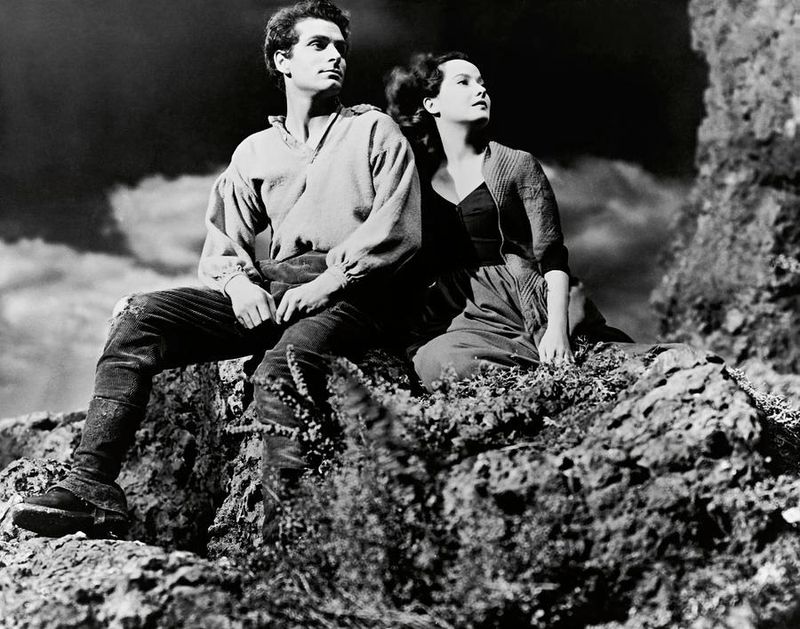
For many viewers, Laurence Olivier and Merle Oberon remain the faces of Heathcliff and Catherine. William Wyler’s film uses shadowy rooms, sweeping emotions, and striking black and white photography to build its haunted mood.
It earned a Best Picture Oscar nomination and won for cinematography. However, it leaves out the younger generation’s story, making the romance feel more central.
Watch it as a Hollywood interpretation, not a complete guide to Brontë’s much darker novel.
3. A Hindi Reimagining: Arzoo (1950)
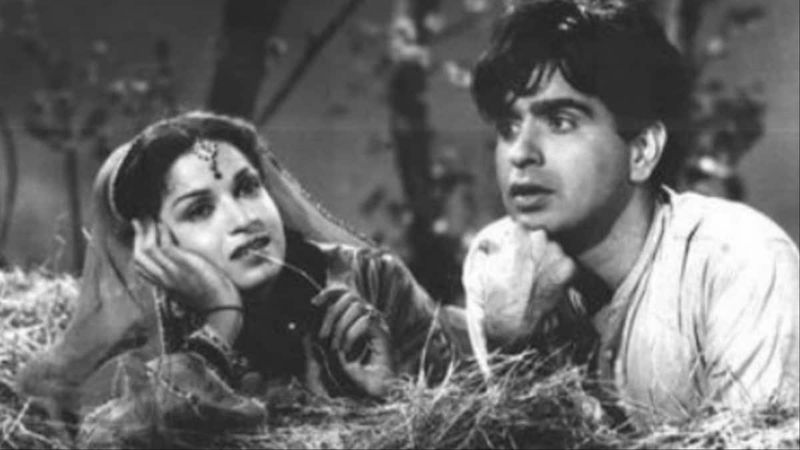
Yorkshire gives way to an Indian setting in this loose Hindi adaptation starring Dilip Kumar and Kamini Kaushal. Directed by Shaheed Latif, the film reshapes familiar feelings of love, rejection, and wounded pride for a different audience.
Rather than expecting matching names or scenes, look for emotional connections with Brontë’s characters. The appeal lies in seeing how a story can cross languages while keeping its painful questions about belonging, social standing, and love alive.
4. Another Indian Turn: Hulchul (1951)
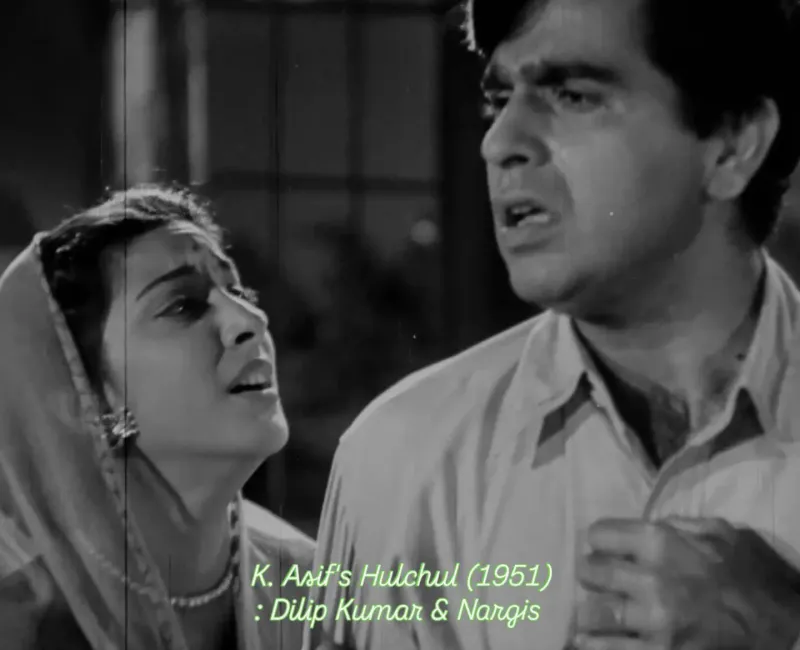
Dilip Kumar returned to another story linked with Wuthering Heights just a year after Arzoo. Here, Nargis joins him in a Hindi drama directed by S.
K. Ojha, with the novel’s influence reshaped through Indian storytelling.
Think of it as a loose relative rather than a chapter by chapter retelling. Comparing the two films offers an interesting exercise: notice how different characters, settings, and dramatic choices can express similar feelings of longing and exclusion.
5. Passion in Mexico: Abismos de Pasión (1954)
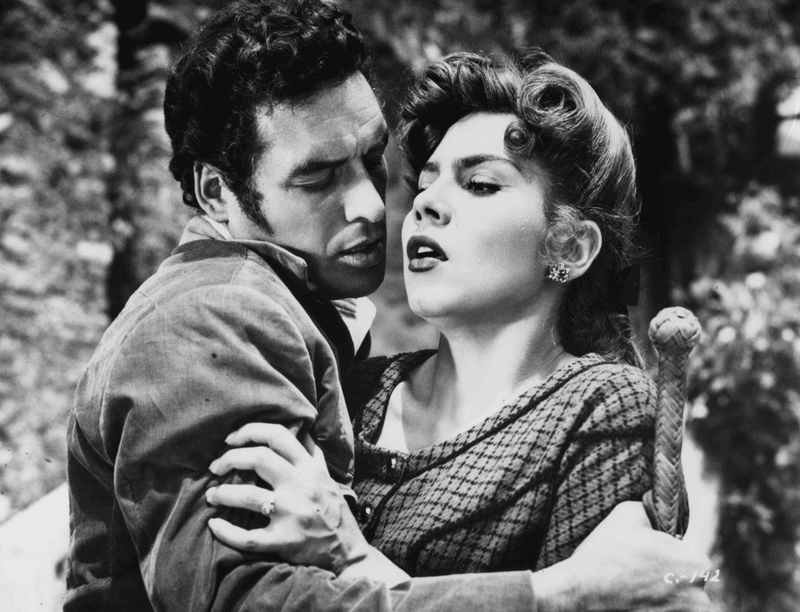
Love feels dangerous in Luis Buñuel’s Mexican adaptation, released in Spanish as Abismos de Pasión. Jorge Mistral and Irasema Dilián play the central lovers, renamed Alejandro and Catalina, in a landscape far from England.
Buñuel emphasizes obsession, cruelty, and death instead of offering a comforting romance. Choose this version when you want something unsettling.
Its harsh emotional world captures an important truth about the novel: powerful love does not automatically make people kind or fair.
6. Italy Takes Its Time: Cime tempestose (1956)
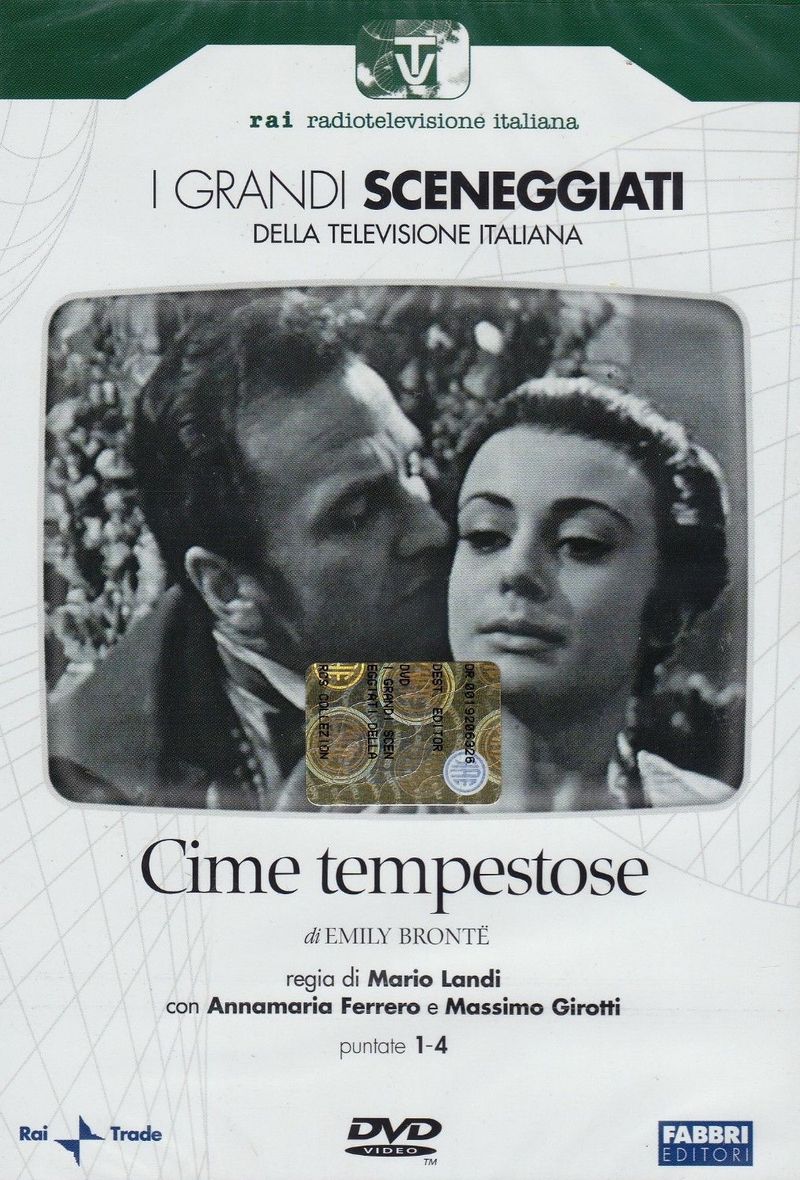
Four television episodes gave Italian audiences room to settle into Brontë’s troubled world. Massimo Girotti and Anna Maria Ferrero lead this adaptation, which brought the English novel into Italian homes during television’s early years.
The production offers a useful contrast with shorter cinema versions, where major events can arrive quickly. For viewers curious about television history, its appeal also lies in the format itself: a literary drama shaped for regular home viewing rather than theaters.
7. Live Television Drama: Wuthering Heights (1958)
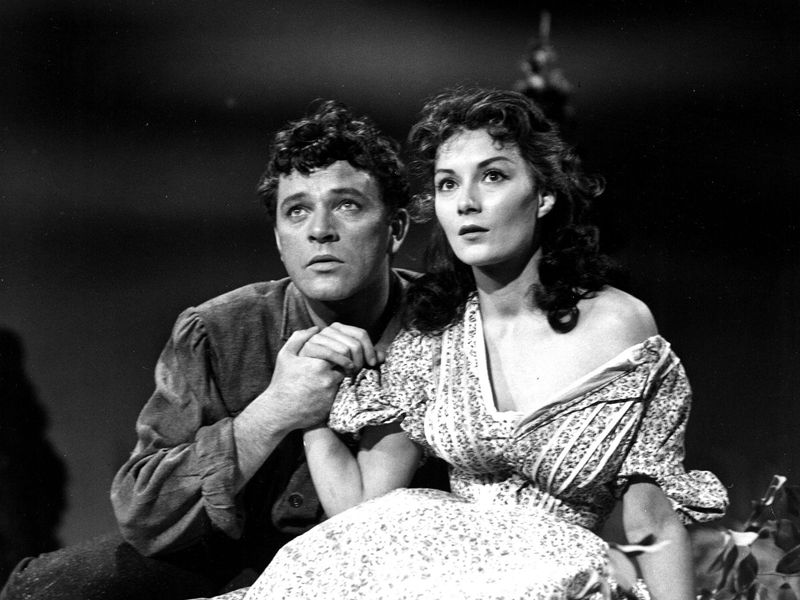
Imagine performing this stormy story with the pressure of live television. Richard Burton and Rosemary Harris took on Heathcliff and Catherine for an American broadcast in the DuPont Show of the Month series.
Long believed lost, a recording resurfaced in 2019, drawing fresh attention to the production. Its survival matters beyond the famous cast.
Early television was not always carefully preserved, so recovered broadcasts can restore performances that later generations otherwise would never have seen.
8. The Version Behind a Song: Wuthering Heights (1967)
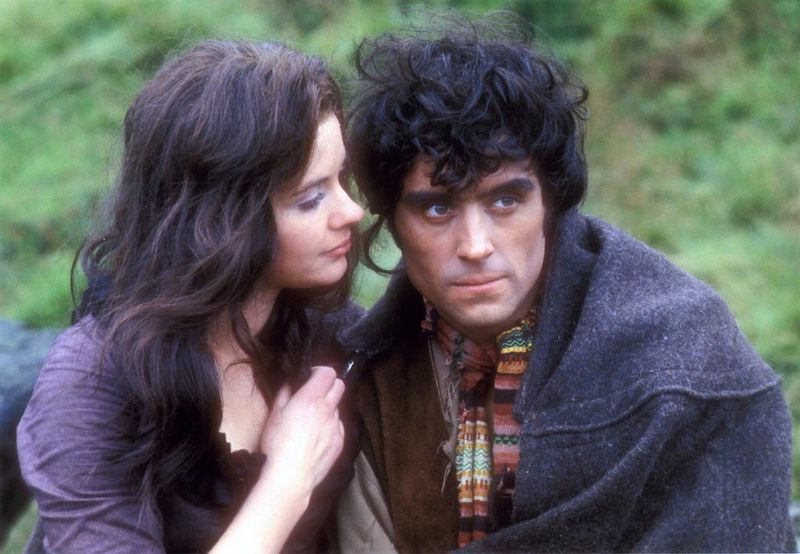
A television scene helped plant the seed for one of pop music’s strangest hits. Kate Bush recalled seeing the ending of an adaptation as a child, widely identified as this BBC production starring Ian McShane and Angela Scoular.
Her later song made Catherine’s voice famous far beyond literature classes. That connection gives the series an unusual cultural footprint.
Look beyond the musical link, though, and it also represents another stage in television’s relationship with Brontë.
9. A Young Heathcliff: Wuthering Heights (1970)
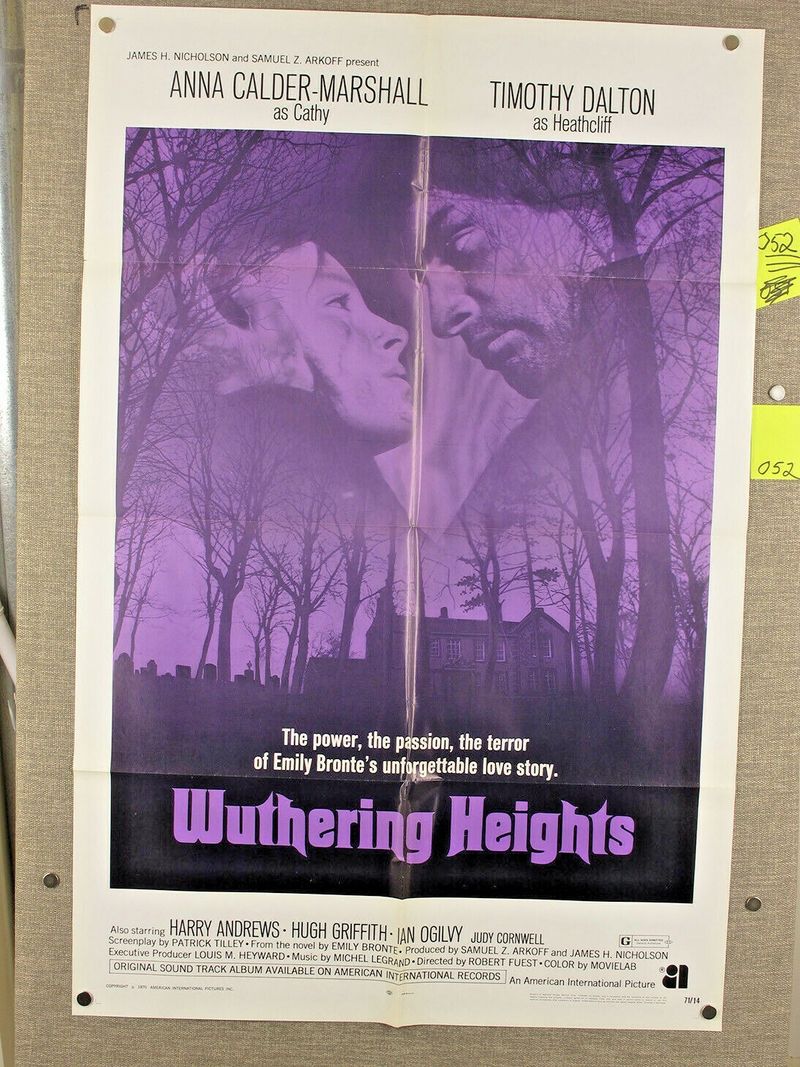
Timothy Dalton was still early in his film career when he played Heathcliff opposite Anna Calder-Marshall. Robert Fuest directed this color adaptation, giving viewers another screen pairing long before Dalton became James Bond.
Like the famous 1939 film, it concentrates on the older generation rather than following the complete family saga. That makes it a manageable choice for comparing performances and visual styles.
Just remember that the novel continues well beyond Catherine’s tragic central story.
10. Room for the Family Saga: Wuthering Heights (1978)
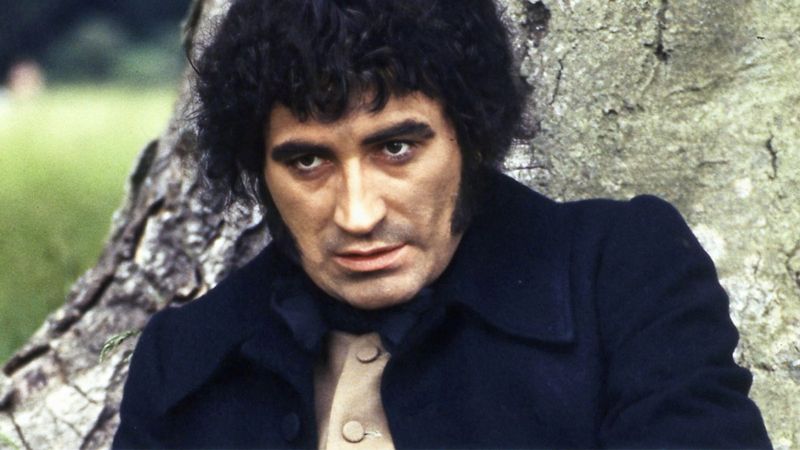
Patience pays off when an adaptation lets the family history unfold. Ken Hutchison and Kay Adshead lead this BBC serial, directed by Peter Hammond, which follows both generations rather than stopping with the famous lovers.
The longer format helps explain how earlier cruelty shapes younger lives. If the family names confuse you, keep a simple character list nearby.
This version is especially useful for readers who want to follow the novel’s wider pattern of inherited harm.
11. Two Catherines, One Star: Emily Brontë’s Wuthering Heights (1992)
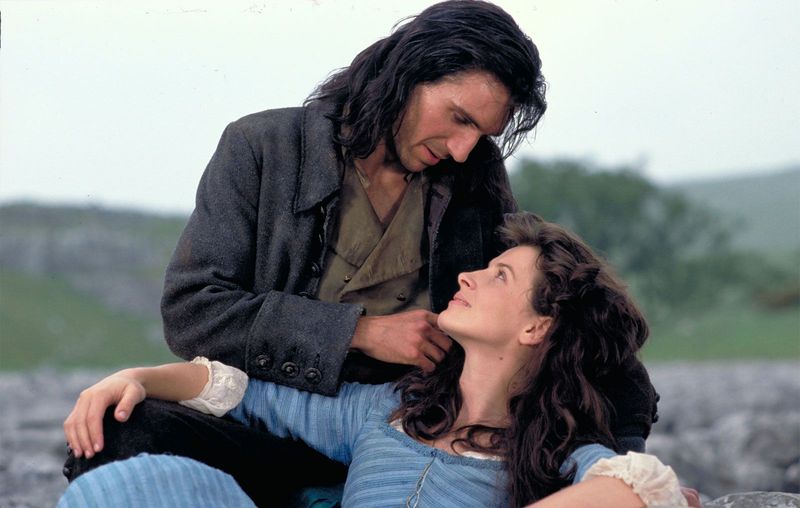
Juliette Binoche plays both Catherine Earnshaw and her daughter, giving the family’s repeating patterns a striking visual link. Opposite her, Ralph Fiennes brings a severe presence to Heathcliff in Peter Kosminsky’s feature film.
Unlike several earlier movies, it includes both generations, making the story’s reach easier to grasp. Watch how the younger characters echo their parents without simply becoming copies.
The film provides a useful starting point for discussing whether revenge can ever repair old wounds.
12. Following Every Branch: Wuthering Heights (1998)
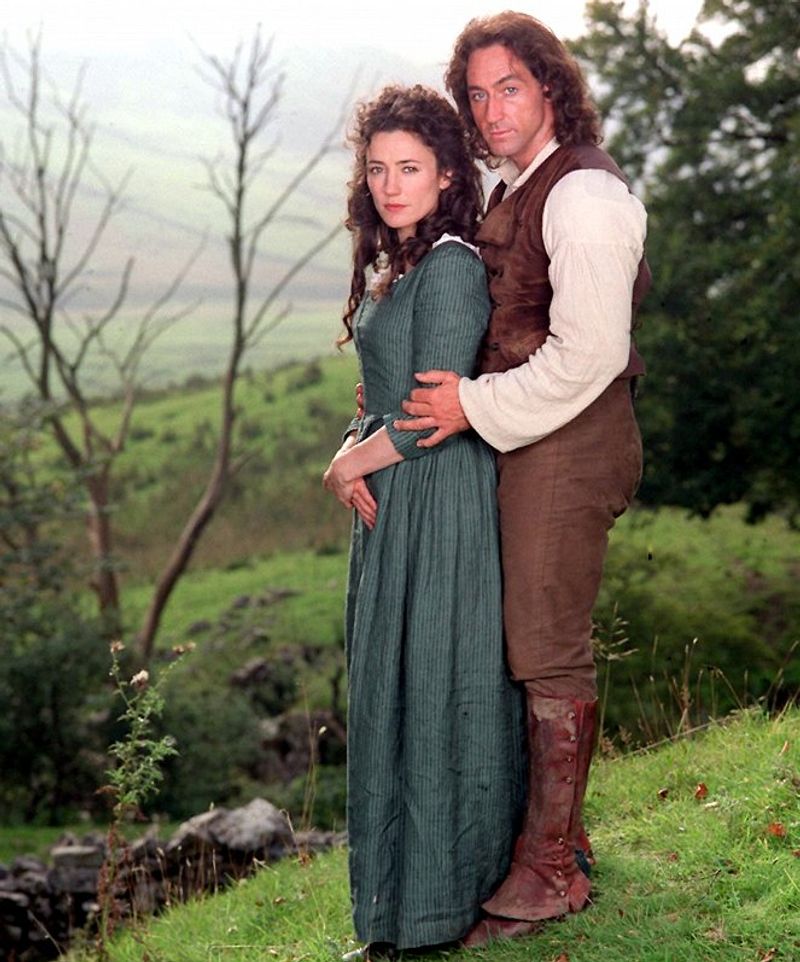
Keeping track of two families is part of the challenge, and pleasure, of Brontë’s novel. This television adaptation embraces that wider story, with Robert Cavanah as Heathcliff, Orla Brady as Catherine, and Sarah Smart as her daughter.
Directed by David Skynner and written by Neil McKay, it gives viewers more than the central romance. Pay attention to the younger generation’s choices, since their relationships reveal what changes when people stop repeating the bitterness they have inherited.
13. A Modern Role Reversal: Sparkhouse (2002)
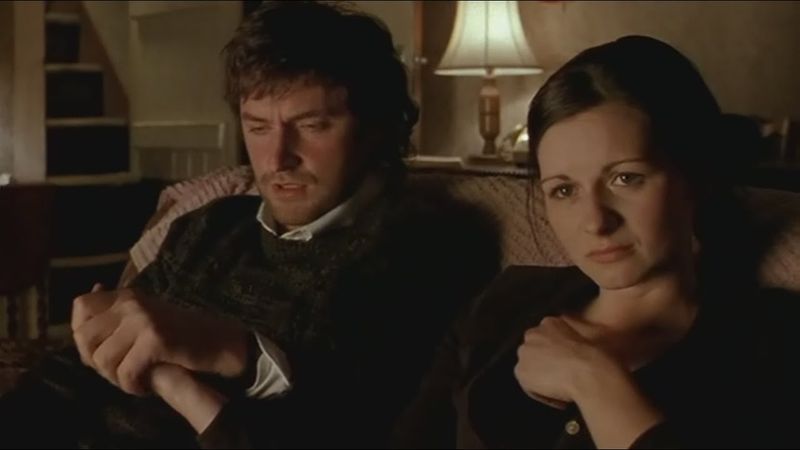
What happens when the Heathcliff figure becomes a young woman on a struggling farm? Sparkhouse answers with Carol, played by Sarah Smart, whose bond with Andrew, played by Joseph McFadden, faces pressure from class and family expectations.
Sally Wainwright’s three part BBC drama borrows the novel’s emotional framework instead of its period setting. Expect a modern story with its own identity.
The reversed roles make familiar judgments about anger, power, and social acceptance feel newly uncomfortable.
14. Intense Chemistry: Wuthering Heights (2009)
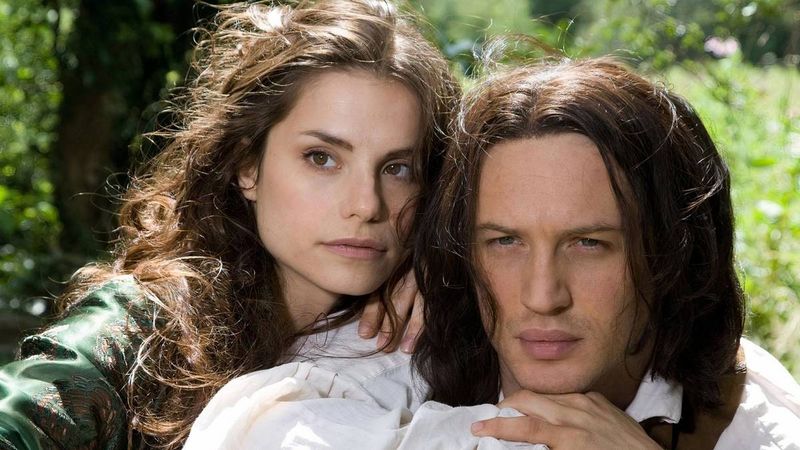
Tom Hardy and Charlotte Riley give the central relationship an energy that is hard to ignore. Their performances anchor this two part ITV adaptation, which later reached American viewers through PBS.
The story includes the younger generation, while its structure rearranges events rather than following the novel page by page. For a rewarding comparison, notice how the opening changes your first impression of Heathcliff.
Strong chemistry draws viewers close, but his damaging behavior still deserves scrutiny.
15. Mud, Wind, and Outsiders: Wuthering Heights (2011)
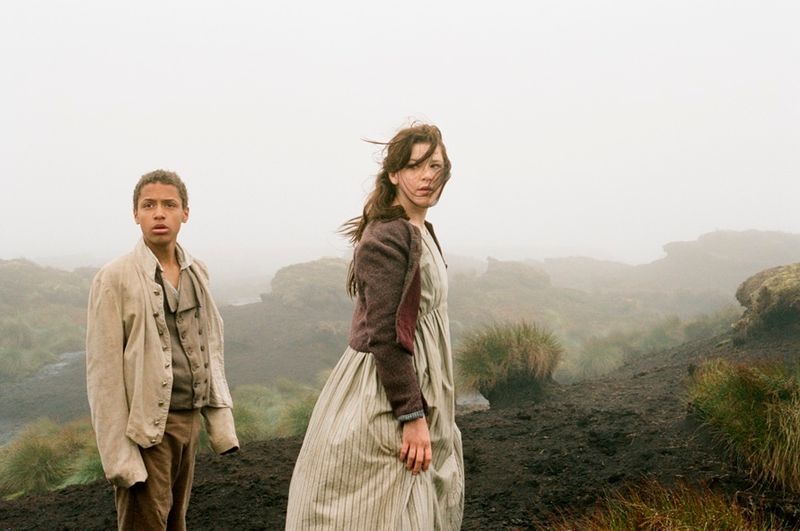
Mud sticks, wind roars, and polite romance falls away in Andrea Arnold’s stark interpretation. James Howson plays the adult Heathcliff opposite Kaya Scodelario’s Catherine, while younger actors portray their childhood bond.
Casting Black actors as Heathcliff brings race and exclusion into sharper focus. The film concentrates on the first generation and favors physical detail over long explanations.
Expect disturbing cruelty, including animal suffering. Choose it for a challenging encounter with the story, not a cozy escape.