
Back in the 1970s, there were no social media feeds or group chats to share your reactions the moment something shocking happened on TV. Instead, people talked about it the next morning at school, at work, or over the backyard fence.
Some scenes were so surprising, funny, or emotional that they stuck with people for years. These 15 moments from 1970s television had everyone buzzing the very next day.
1. M*A*S*H: The Death of Lt. Colonel Henry Blake (1975)
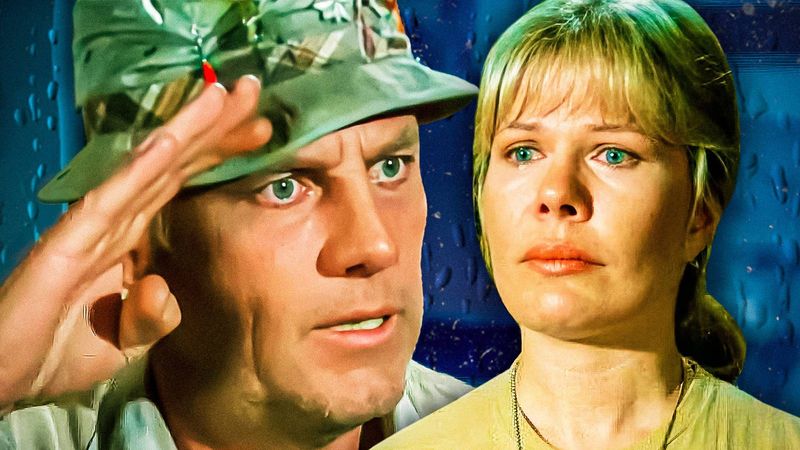
Nobody saw it coming. At the end of the Season 3 finale “Abyssinia, Henry,” radar walks into the operating room and announces that Henry Blake’s plane was shot down over the Sea of Japan.
The room goes silent. For a sitcom, this was unheard of.
The scene hit audiences like a gut punch because it felt real. War is unpredictable, and the writers made sure viewers felt that.
People reportedly cried, called friends, and talked about it for days.
2. Roots: The Finale’s Unforgettable Impact (1977)
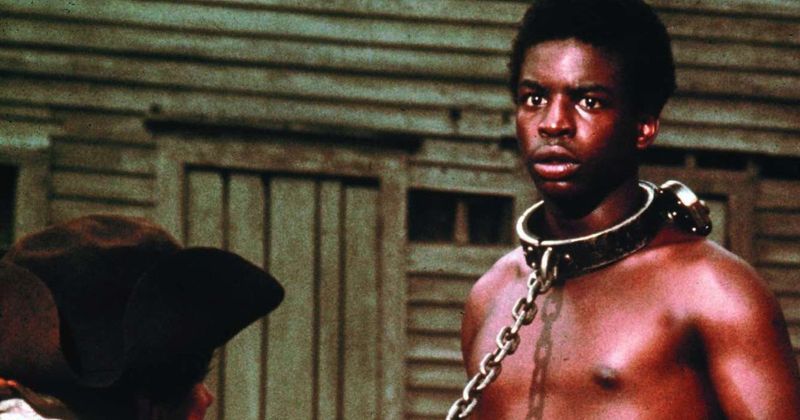
When the final episode of Roots aired in January 1977, over 100 million people watched. That number was staggering for the time.
The miniseries traced one family’s journey from slavery to freedom across generations, and the finale brought it all home.
Classrooms, workplaces, and dinner tables buzzed with conversation the next morning. Many Americans said it was the first time they truly understood the weight of that history.
Roots changed television permanently.
3. All in the Family: Sammy Davis Jr. Kisses Archie Bunker (1972)
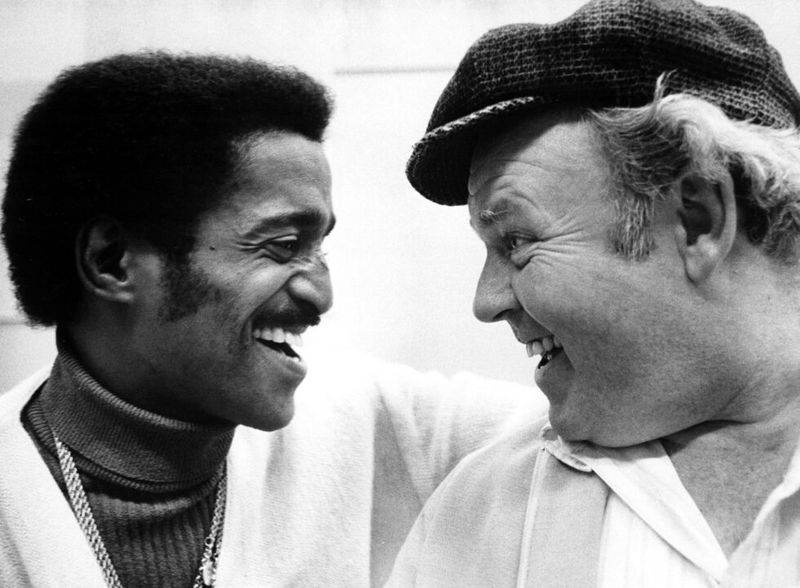
Picture Archie Bunker’s face when Sammy Davis Jr. plants a surprise kiss on his cheek during a photo op. The look of pure shock was priceless, and the studio audience absolutely lost it.
But the moment carried real weight beyond the laughs.
Using humor to confront racism directly on prime-time TV was bold for 1972. The episode forced viewers to see Archie’s prejudice through a mirror.
People talked about it everywhere because it was both hilarious and deeply meaningful.
4. The Mary Tyler Moore Show: Mary Laughs at the Funeral (1975)
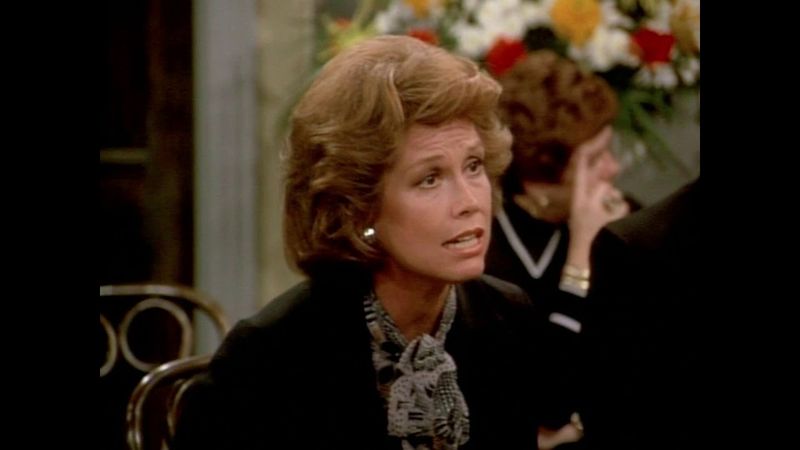
“Chuckles Bites the Dust” is still considered one of the greatest sitcom episodes ever made. Mary Richards spends the whole episode judging her coworkers for laughing about Chuckles the Clown’s ridiculous death, only to completely lose it herself during the funeral service.
The buildup and payoff were comedic perfection. Audiences laughed until they cried right along with Mary.
TV critics and fans alike spent the next day raving about it, and the episode went on to win multiple Emmy Awards.
5. Maude: Maude’s Abortion Decision (1972)
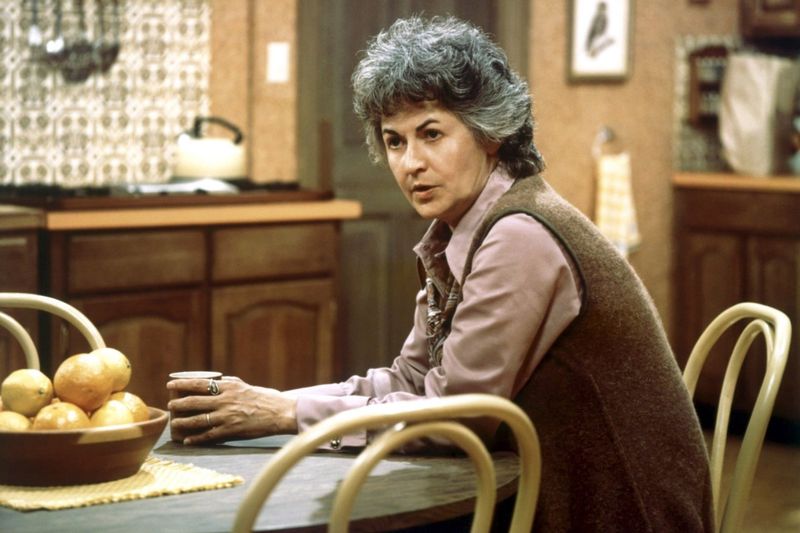
Few TV moments in the early 70s sparked as much outrage and conversation as Maude Findlay’s decision to have an abortion at 47. The two-part episode “Maude’s Dilemma” aired just months before Roe v.
Wade, making the timing explosive.
Some CBS affiliates refused to air it. Advertisers pulled out.
Protesters organized. And yet millions watched and talked openly about a topic that was barely whispered about in public before.
The show dared to go where no sitcom had gone before.
6. The Waltons: The Home Burns Down (1976)
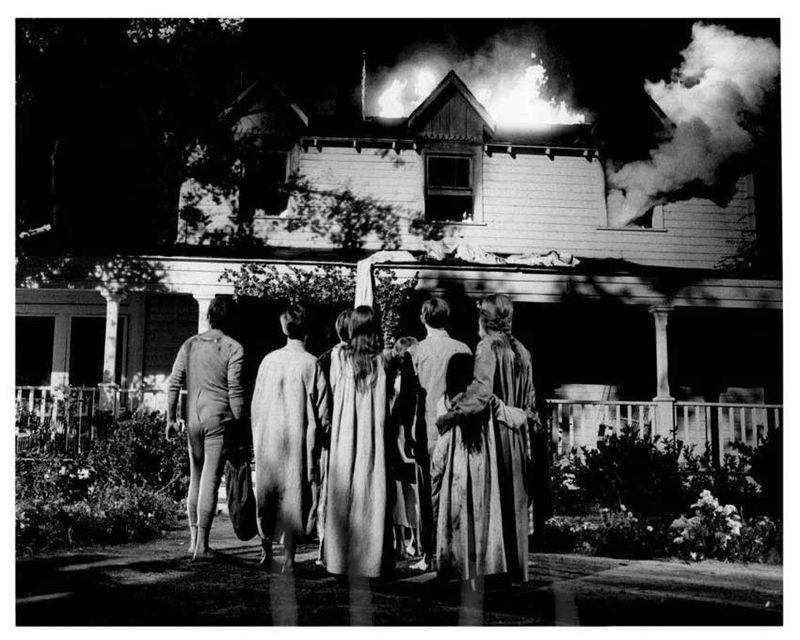
The Walton home was more than a set. For millions of viewers, it was a symbol of warmth, family, and safety during a turbulent decade.
So when fire tore through it in “The Burnout,” the emotional reaction was immediate and intense.
Watching the family scramble to save what they could felt deeply personal to audiences who had grown attached to every corner of that house. The episode reminded viewers that even the strongest families face devastating loss, and how they rebuild matters most.
7. All in the Family: Edith’s 50th Birthday Attack (1977)
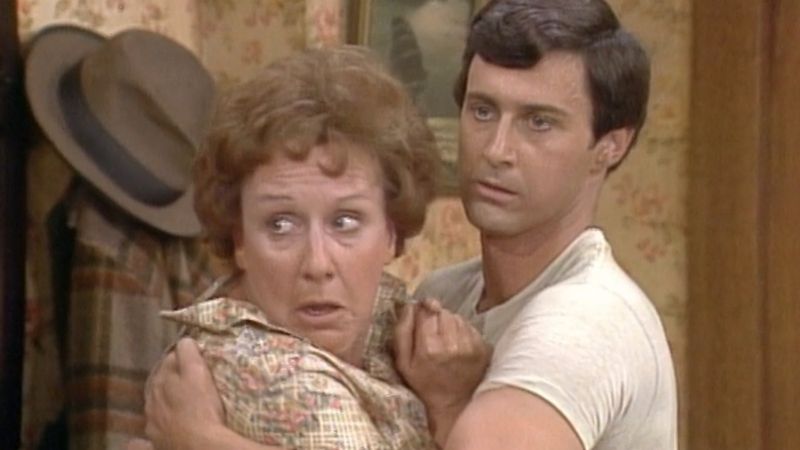
All in the Family regularly pushed boundaries, but “Edith’s 50th Birthday” took things somewhere genuinely dark. Edith is nearly sexually assaulted in her own home while Archie sits clueless in the next room.
The scene was terrifying and uncomfortably real.
For prime-time television in 1977, this was groundbreaking and controversial. The episode treated the subject with seriousness rather than comedy, forcing audiences to confront a crime rarely discussed openly on TV.
Viewers were shaken, and the conversation that followed was both widespread and necessary.
8. WKRP in Cincinnati: Turkeys Away (1978)
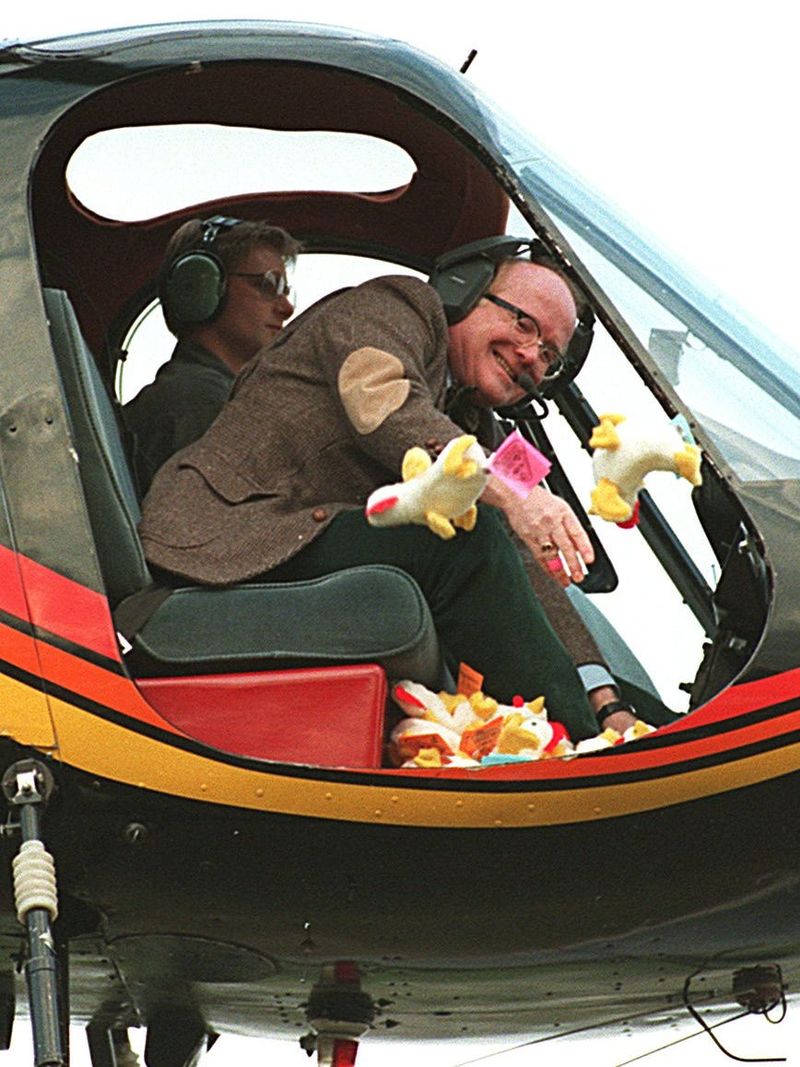
“As God is my witness, I thought turkeys could fly!” That one line from station manager Arthur Carlson turned a Thanksgiving promotional disaster into one of the most quoted moments in TV comedy history. The stunt involved dropping live turkeys from a helicopter over a shopping center crowd.
The genius of the episode is that the chaos happens mostly off-screen, described in breathless real-time by reporter Les Nessman. Your imagination does all the work.
People were still laughing about it at the office the next Monday morning.
9. Happy Days: Fonzie Jumps the Shark (1977)
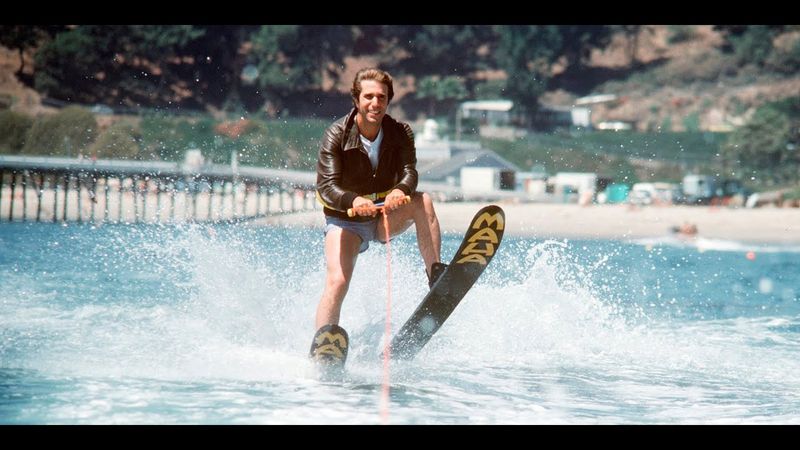
Henry Winkler strapping on water skis while still wearing his leather jacket to jump over a caged shark was meant to be exciting. Instead, it became the moment viewers started asking, “Is this show running out of ideas?”
The phrase “jumping the shark” was born from this scene, and it entered everyday language as shorthand for any creative project that goes too far. Whether you thought it was fun or ridiculous, everyone had an opinion the next day at school.
10. Happy Days: The Vanishing of Chuck Cunningham (Early 1970s)
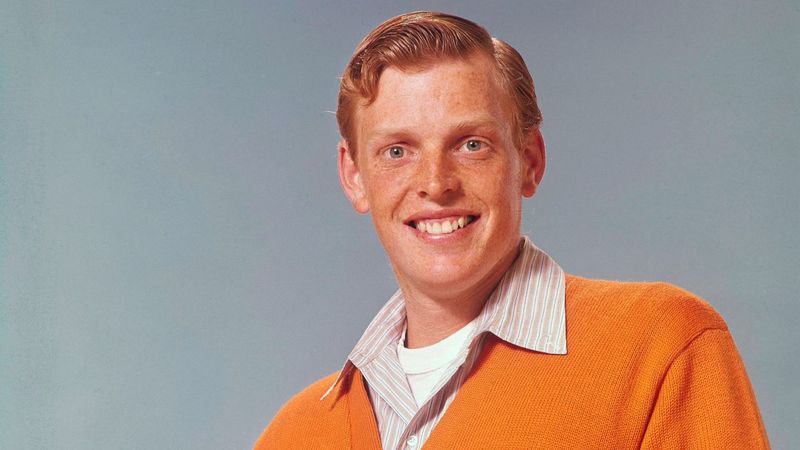
Richie Cunningham had an older brother named Chuck who showed up in early episodes, dribbled a basketball, and then simply… disappeared. No goodbye, no explanation, no mention ever again.
It was as if he never existed.
Attentive viewers noticed immediately, and the mystery became a running joke for years. The “Chuck Cunningham Syndrome” is now an official TV trope describing characters who vanish without a trace.
It sounds minor, but for fans paying close attention, it was genuinely strange and endlessly fun to debate.
11. Charlie’s Angels: Farrah Fawcett’s Shocking Exit (1977)
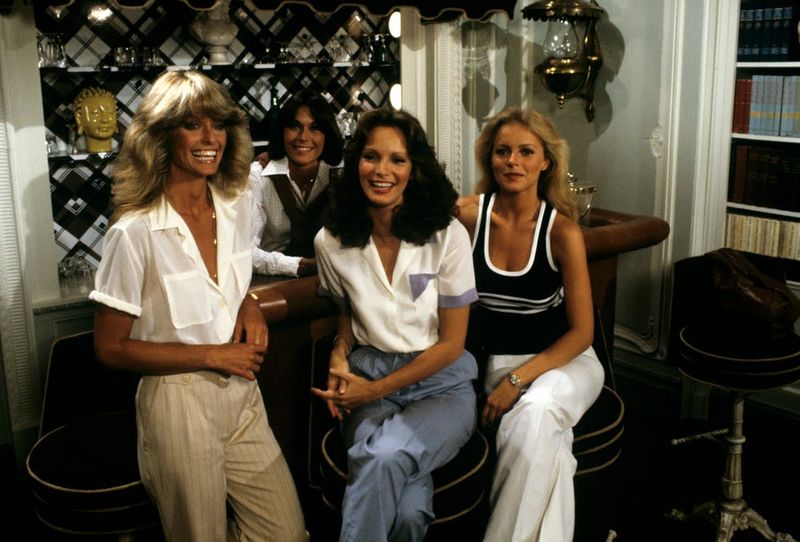
Farrah Fawcett was everywhere in 1977. Her poster hung in millions of bedrooms, and her role as Jill Munroe on Charlie’s Angels made her a household name almost overnight.
So when she announced she was leaving the show after just one season, fans were stunned.
The media went into overdrive. Would the show survive without her?
Could anyone replace that smile? Her departure sparked debates about star power, loyalty, and whether one actress could truly carry a hit series.
Everyone had a take.
12. Dallas: Who Shot J.R.? (1979)
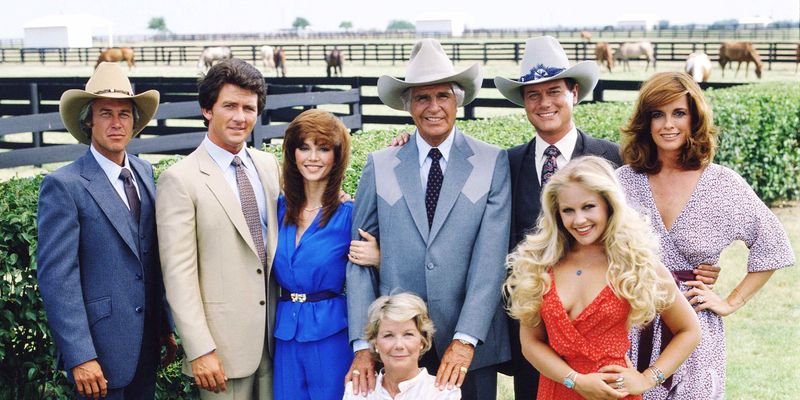
On March 21, 1979, J.R. Ewing was shot by an unseen gunman, and the entire country lost its mind.
The cliffhanger ending of “A House Divided” launched what became one of the most talked-about mysteries in television history.
Bumper stickers, T-shirts, and magazine covers all asked the same burning question: Who shot J.R.? The answer was kept secret for eight months.
Betting pools formed across the country. When the reveal finally aired in November 1980, it drew over 83 million viewers.
13. That Certain Summer: A Groundbreaking TV Movie (1972)
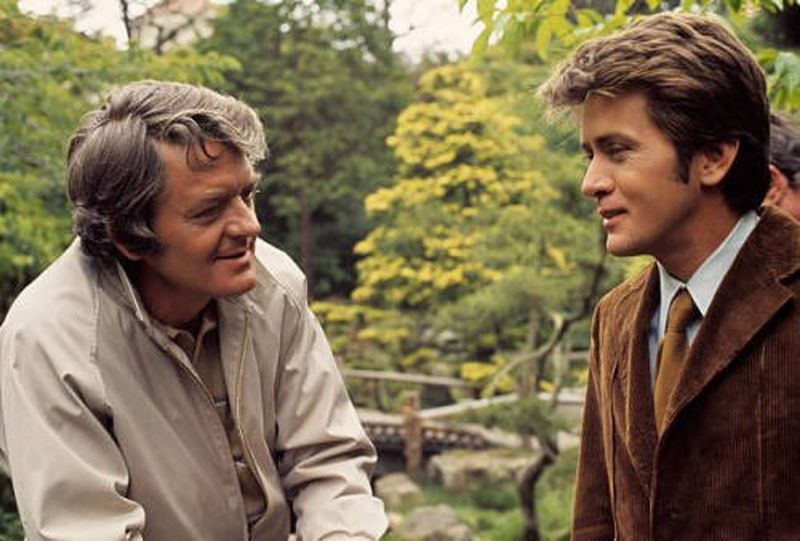
Long before LGBTQ+ representation became a mainstream TV conversation, That Certain Summer aired on ABC in 1972 and quietly changed everything. The movie followed a teenage boy learning that his divorced father was gay, and it treated the subject with honesty and compassion.
For many viewers, it was the first time they saw a gay character portrayed as a real, sympathetic human being on network TV. The film won Emmy Awards and sparked serious discussions in living rooms across America about family, identity, and acceptance.
14. Soap: Jodie Dallas Makes History (1977)
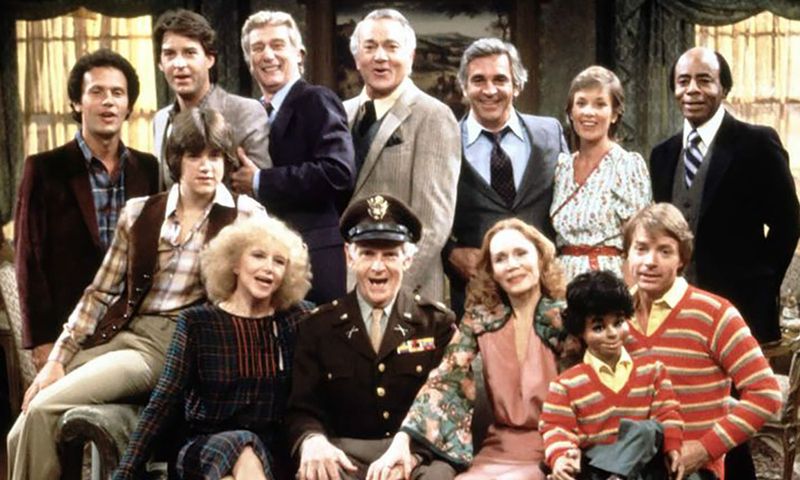
Billy Crystal was just starting out when he took on the role of Jodie Dallas in Soap, and the character immediately made headlines. Jodie was one of the very first openly gay main characters on American network television, which was a radical concept in 1977.
The show used satire and comedy to soften the controversy, but plenty of protest groups still pushed back hard. Fans defended it just as loudly.
Jodie became a cultural touchstone, and Crystal’s warm performance made it impossible to dismiss the character with easy stereotypes.
15. The Jeffersons: George’s Secret Charity Revealed (1970s)
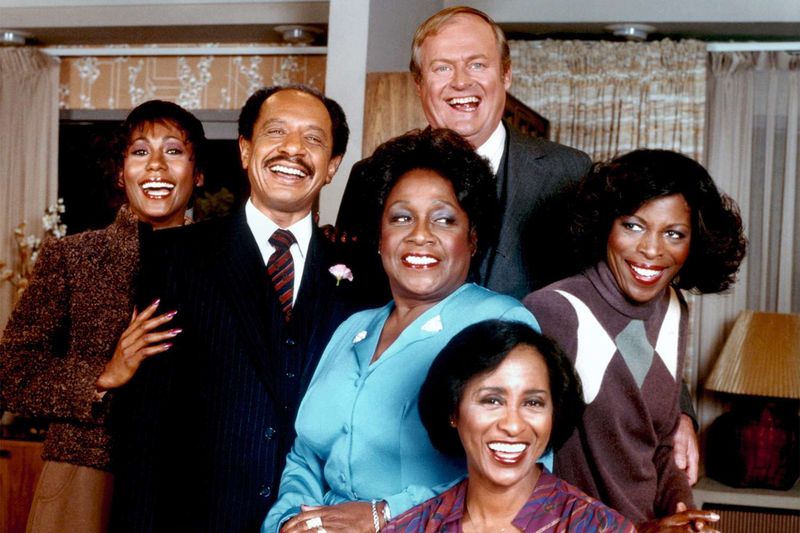
George Jefferson spent most of his time on screen being brash, loud, and hilariously self-important. So when a Christmas episode revealed he had been quietly supporting a struggling family in his old Harlem neighborhood, audiences genuinely did not see it coming.
The reveal reframed everything viewers thought they knew about George. Underneath the bluster was a man who remembered where he came from and quietly tried to make it right.
That kind of character depth in a weekly sitcom was rare, and viewers loved talking about it.