
Poor treatment can become hard to spot when love, fear, and hope get mixed together. Some women notice habits that make it harder to speak up, while others face barriers like money worries or isolation.
These patterns are not fixed personality flaws, and abuse is always the responsibility of the person causing harm. Knowing what to watch for can help you protect your peace and plan a safer next step.
1. Doubting Your Own Worth

A small compliment can feel huge when you have grown used to being put down. You might accept cold behavior because part of you believes kindness must be earned.
That belief is not proof that you deserve less. Write down what you would want for a close friend, then compare it with your own relationship.
A counselor or trusted person can help you rebuild confidence without making your partner’s approval the goal of your healing.
2. Struggling to Set Boundaries

Your phone buzzes, and your partner demands to read every message. If saying no feels rude or risky, holding a boundary may be difficult.
Boundaries explain what you will accept and what action you can safely take. Try naming one limit, such as keeping private conversations private.
Remember, clear words cannot make a controlling person respectful. If limits bring threats or punishment, seek private support instead of trying harder to explain yourself over and over.
3. Keeping Everyone Else Happy

Keeping everyone happy can become a job with no lunch break. You may agree to plans, hide disappointment, or do extra work just to prevent your partner’s bad mood.
Being thoughtful is a strength, but your needs belong in the picture too. Practice a small, safe choice that reflects what you want.
Notice whether your partner accepts it kindly. Love should leave room for two people’s needs, not require one person to keep disappearing quietly.
4. Fearing Life Alone

An empty seat at dinner may seem scarier than another unhappy evening together. Fear of being alone can make a painful relationship feel like the only choice.
Instead of forcing yourself to feel brave overnight, build connection outside the relationship. Message a friend, join a group, or speak with a counselor.
A fuller support network can make being single feel less frightening. Your relationship status does not decide your worth or your chances for happiness.
5. Avoiding Every Disagreement
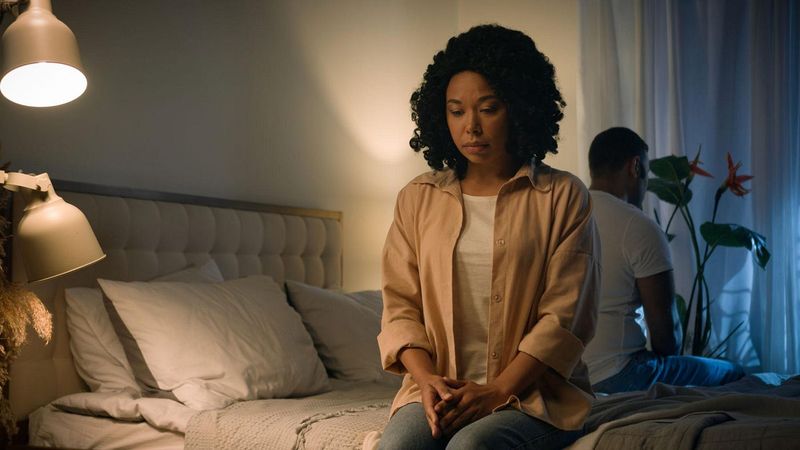
Silence can look like peace from across the room. Inside, though, you may be swallowing hurt because bringing it up always feels exhausting.
Healthy disagreement allows both people to speak without insults or fear. If it feels safe, name one concern clearly and watch the response.
You do not need a perfect speech to deserve respect. When speaking honestly leads to intimidation, the problem is not your communication skills, and outside support may be needed.
6. Explaining Away Harm With Empathy

Knowing about your partner’s hard childhood may help explain their pain. It does not make cruel words or controlling behavior acceptable.
Compassion becomes costly when understanding someone means ignoring your own hurt. Ask whether your partner takes responsibility and seeks help without expecting you to carry everything.
You can care about their struggles while choosing distance. Supporting another person should not require becoming their therapist, their shield from consequences, or the target of their anger.
7. Taking Blame That Is Not Yours

Some apologies leave your mouth before you even know what happened. When blame always lands on you, it can become hard to separate mistakes from someone else’s choices.
After a difficult moment, privately note what happened, if keeping notes is safe. Separate your actions from your partner’s response.
Forgetting a chore does not cause another person to threaten or insult you. A trusted listener can help you check the facts without accepting blame for everything.
8. Depending on Outside Approval

One warm text can lift your whole day, while one cold reply sends it crashing. Depending heavily on a partner’s approval can make your worth feel painfully unstable.
Try building small sources of pride that belong to you. Finish a project, reconnect with a skill, or spend time with people who respect you.
Enjoying praise is normal. Needing it to feel valuable can make disrespect harder to challenge, especially when affection appears only after hurt.
9. Giving Until Nothing Is Left

Your hobbies gather dust while your partner’s plans fill the calendar. Giving can slowly turn into a routine where your sleep, money, and goals always come last.
Take a look at what you have stopped doing for yourself. Choose one need to protect, if doing so is safe, and ask for fair sharing of daily tasks.
A caring relationship includes mutual effort. Constant exhaustion is not a price you must pay to prove your love.
10. Facing Financial Dependence

Rent, groceries, and childcare are real reasons leaving can feel impossible. Financial dependence is a barrier, not a character flaw, especially when a partner controls access to money.
If safe, learn what funds, documents, benefits, or housing support you could access. A domestic abuse advocate may help you explore options privately.
Avoid financial steps that could put you in danger if discovered. Building choices can take time, and needing practical help does not mean weakness.
11. Holding On to Promises of Change

Flowers after a painful argument can bring a rush of relief. Hope may return quickly, even when the same hurt keeps happening.
Look beyond the apology to what follows over time. Real change involves taking responsibility, respecting limits, and making steady efforts without blaming you.
Gifts and tears cannot replace those actions. You are allowed to judge a relationship by its usual pattern, not its best afternoon, and you do not owe anyone endless chances.
12. Becoming Cut Off From Support

Weeks pass, and you realize you have barely spoken to your closest friend. Isolation can grow through guilt, constant checking, or rules about whom you may see.
Being cut off is often something a controlling partner creates, not a trait you chose. If safe, reconnect with one trustworthy person using a private way to communicate.
You do not need to explain everything at once. A simple request to talk can begin rebuilding your support network.
13. Sign One: You Do Not Feel Safe

A racing heart when your partner comes home deserves attention. Threats, forced sexual contact, stalking, and physical harm are serious warning signs, even if they happen once.
You do not have to confront your partner or announce plans to leave. Leaving can increase danger, so contact a domestic abuse service from a safer device to plan support.
If danger is immediate, seek emergency help when possible. Your safety matters more than giving another chance today.
14. Sign Two: Disrespect Keeps Repeating

Another insult followed by another excuse is a pattern worth noticing. Repeated mocking, ignored needs, or claims that events never happened can leave you doubting yourself.
A workable relationship needs respect and responsibility, not just promises after each argument. Consider whether your partner listens and changes behavior without punishing you for speaking.
If disrespect continues, planning to leave is reasonable. You do not need their agreement that the relationship is harmful before choosing something different.
15. Sign Three: You No Longer Feel Like Yourself

The music you loved is gone, your goals feel distant, and smiling takes effort. Losing touch with yourself can signal that a relationship is taking too much.
Stress can have many causes, but notice whether this relationship regularly demands that you shrink. Tell someone you trust what has changed.
Reconnect with one interest and explore your options for leaving safely. You are allowed to leave an unhappy relationship without waiting for abuse or a crisis.