
Some people seem to make every situation harder than it needs to be, while others have a way of making everything feel a little easier. Understanding the difference between difficult behavior and genuine character can help you navigate relationships at school, home, and work.
Knowing what to watch for protects your peace and helps you become the kind of person others trust. Here is a breakdown of behaviors that reveal a difficult person and six that show someone truly worth keeping around.
1. Callousness: When Someone Just Does Not Care

Callous people act like other people’s feelings simply do not exist. They brush off tears, ignore signs of pain, and rarely stop to ask if someone is okay.
This is not shyness or awkwardness — it is a pattern of choosing not to care.
Over time, being around someone callous can leave you feeling invisible and unimportant. Recognizing this behavior early helps you set healthy boundaries and protect your emotional well-being.
2. Grandiosity: The Person Who Thinks They Are Always the Best

Grandiose people walk into a room like they already own it — and they will remind you of that fact every chance they get. They exaggerate their achievements, talk over others, and rarely give credit where it is due.
It can feel exhausting just being in their company.
Psychologists link grandiosity to narcissistic tendencies. Spotting it early can save you from friendships or work relationships that drain more than they give.
3. Aggressiveness: Anger Used as a Weapon

Aggression is not just about yelling — it shows up in intimidating stares, slamming doors, and crossing personal boundaries without a second thought. Difficult people often use aggression to control situations and silence disagreement.
It is a way of saying, “Do it my way or face the consequences.”
Living or working around aggressive people raises stress levels significantly. Recognizing aggression as a control tactic, rather than just a bad mood, is a powerful first step.
4. Suspicion: Always Waiting for the Catch

Suspicious people rarely take anything at face value. A kind gesture becomes a scheme, a compliment turns into a manipulation attempt, and trust feels like a foreign language to them.
This constant wariness poisons relationships over time.
While healthy skepticism is smart, excessive suspicion blocks real connection. If someone consistently questions your motives without reason, understand it reflects their internal world — not your actual intentions.
You cannot always fix someone else’s distrust.
5. Manipulativeness: Playing Games With Your Emotions

Manipulative people are skilled at making you feel guilty for things that are not your fault. They sulk, threaten, guilt-trip, or go cold to get what they want — and they do it quietly enough that you often blame yourself.
It is emotional chess, and you did not agree to play.
Recognizing manipulation requires paying attention to patterns, not just individual moments. When someone consistently uses your emotions against you, that is a red flag worth taking seriously.
6. Egocentrism: The World According to Them

Egocentric people are not necessarily mean — they are just completely absorbed in their own world. Conversations always circle back to them.
Plans always suit their schedule. Needs are always theirs first.
It is like being friends with someone who forgot you exist.
Studies in social psychology show that extreme self-focus often stems from insecurity rather than confidence. Understanding this does not make it less frustrating, but it can help you respond with more clarity and less confusion.
7. Passive-Aggressiveness: The Silent Storm

“Fine. Do whatever you want.” Sound familiar?
Passive-aggressive people express anger without ever admitting they are angry. Sarcastic comments, silent treatment, and subtle digs replace honest conversation.
It creates tension without resolution.
This behavior is especially tricky because the person can always deny they meant any harm. Learning to name passive-aggression when you see it — and refusing to play along — is one of the healthiest communication skills you can build.
8. Insensitivity: Missing the Emotional Room

Insensitive people say the wrong thing at the wrong time — and then wonder why everyone seems upset. They crack jokes at funerals, share unsolicited criticism, and bulldoze over emotional moments without noticing.
It is not always intentional, but the impact is real.
Repeated insensitivity wears down relationships. If someone in your life consistently leaves you feeling dismissed or hurt, naming that pattern matters.
Healthy relationships require people who at least try to read the room.
9. Taking Frequent Offense: A Hair-Trigger Reaction

Everyone gets their feelings hurt sometimes — that is completely normal. But some people seem to find offense around every corner.
A harmless joke, a misread tone, or an innocent comment becomes a full-blown conflict. Walking on eggshells around someone is exhausting.
Frequent offense-taking often signals deep insecurity or unresolved emotional wounds. Compassion helps, but boundaries matter too.
You cannot constantly edit yourself to avoid someone else’s hair-trigger reactions without losing yourself in the process.
10. Ignoring Opinions: My Way Is the Only Way

Difficult people often have a remarkable ability to hear you out and then act like you said absolutely nothing. Your ideas get dismissed, your concerns get brushed aside, and your perspective is treated like background noise.
It signals a deep disrespect for others’ intelligence.
Healthy relationships — personal or professional — require genuine exchange. When someone consistently ignores your input, it is not a conversation; it is a monologue.
Recognizing this pattern helps you decide where to invest your energy wisely.
11. Empathy: Feeling What Others Feel

Empathy is the quiet superpower that makes someone genuinely safe to be around. Empathetic people listen without rushing to fix, sit with you in hard moments, and remember the little things that matter to you.
It is rare, and it is precious.
Research consistently shows that empathy strengthens relationships and builds trust faster than almost any other trait. If someone in your life makes you feel truly heard, hold onto that connection — people like that are worth every bit of your gratitude.
12. Honesty: The Truth, Delivered With Care

Honest people do not just tell the truth — they tell it in a way that actually helps. There is a big difference between bluntness that wounds and honesty that builds.
Real honesty is thoughtful, timely, and delivered with the other person’s growth in mind.
People with genuine honesty are rare and incredibly valuable. They will not tell you what you want to hear just to keep the peace.
That kind of reliability forms the foundation of every truly trustworthy relationship worth having.
13. Integrity: Doing Right Even When No One Watches

Integrity is what a person does when the spotlight is off and no one is keeping score. It is returning the extra change, admitting the mistake before anyone notices, and keeping a promise even when it becomes inconvenient.
Actions match words, consistently.
People with integrity do not need external pressure to do the right thing — their internal compass is strong enough. Being around someone like this has a way of quietly raising your own standards without them ever saying a word about it.
14. Respectfulness: Dignity for Everyone in the Room
Respectful people make everyone feel like their presence matters — not just the important or impressive ones. They listen actively, honor boundaries without being asked twice, and treat the janitor with the same warmth as the CEO.
That consistency is what sets them apart.
Respect is not just politeness — it is a genuine regard for another person’s worth. Watching how someone treats people who cannot do anything for them is one of the fastest and most reliable ways to measure their true character.
15. Kindness: The Strength Behind the Softness

Kindness gets mistaken for weakness, but it actually takes quiet strength to stay generous when life is hard. Kind people notice when someone is struggling before that person says a word.
They offer help without making a big deal of it, and they stay soft even under pressure.
Acts of kindness — even small ones — have been shown to improve mental health for both the giver and the receiver. Someone who leads with kindness, especially when they do not have to, is showing you exactly who they are.
16. Humility: The Confidence to Admit You Were Wrong
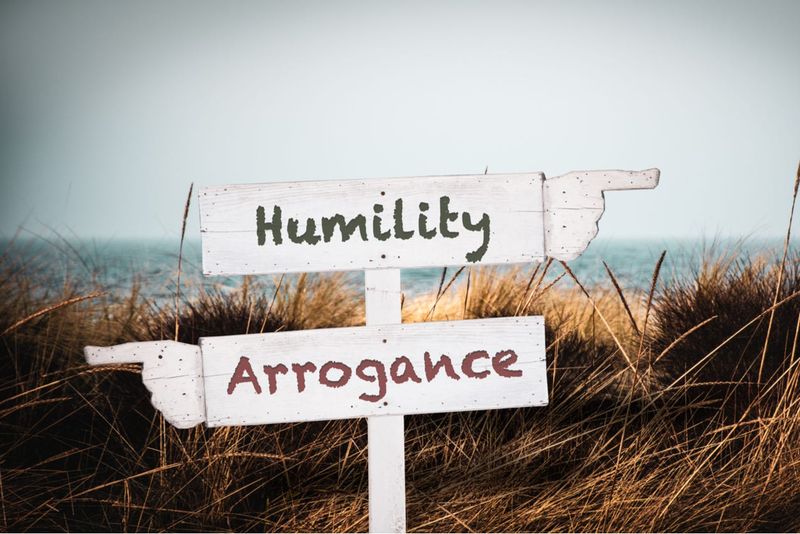
Humble people are surprisingly confident — they just do not need to prove it constantly. They can say “I was wrong” without their ego crumbling, take feedback without getting defensive, and celebrate others’ wins without feeling threatened.
That kind of security is magnetic.
Humility is not about thinking less of yourself — it is about thinking of yourself less. People who carry this trait tend to grow faster, build stronger teams, and earn deeper loyalty than those who spend energy protecting an inflated image of themselves.