
A favorite hometown meal can seem strange just one state away. Regional foods tell stories about local farms, family traditions, and the people who brought their recipes to America.
The worst and best labels here are playful opinions, not facts about an entire state’s cooking. Bring an open mind, because even the most debated dish might become your next favorite.
1. North Dakota: Lutefisk Tests the Texture Limit
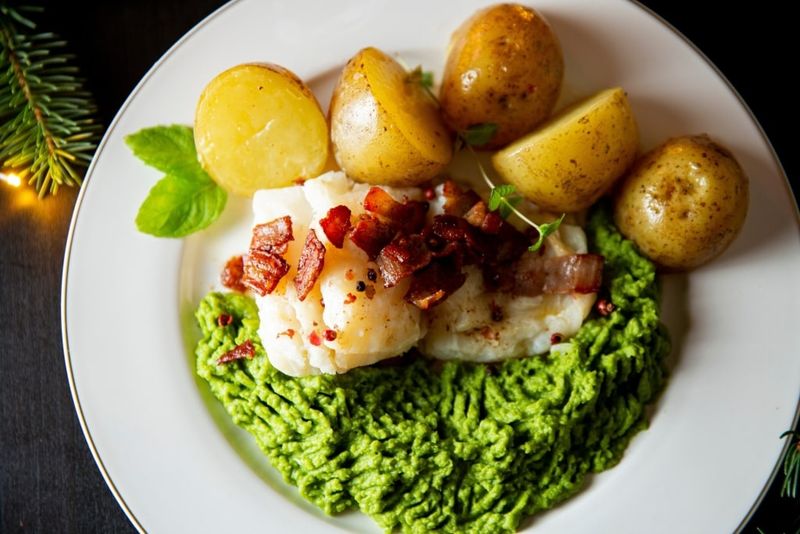
A wobbly piece of fish can surprise anyone expecting a firm, flaky bite. Lutefisk starts as dried whitefish that is treated with lye, then carefully soaked before cooking.
Its soft texture makes it a challenging introduction to North Dakota’s Scandinavian food traditions.
Try a small portion with potatoes and butter rather than making it your entire meal. Community holiday dinners offer useful context, reminding visitors that a divisive dish can still carry meaningful family memories.
2. Nebraska: Runzas Keep Things Almost Too Simple
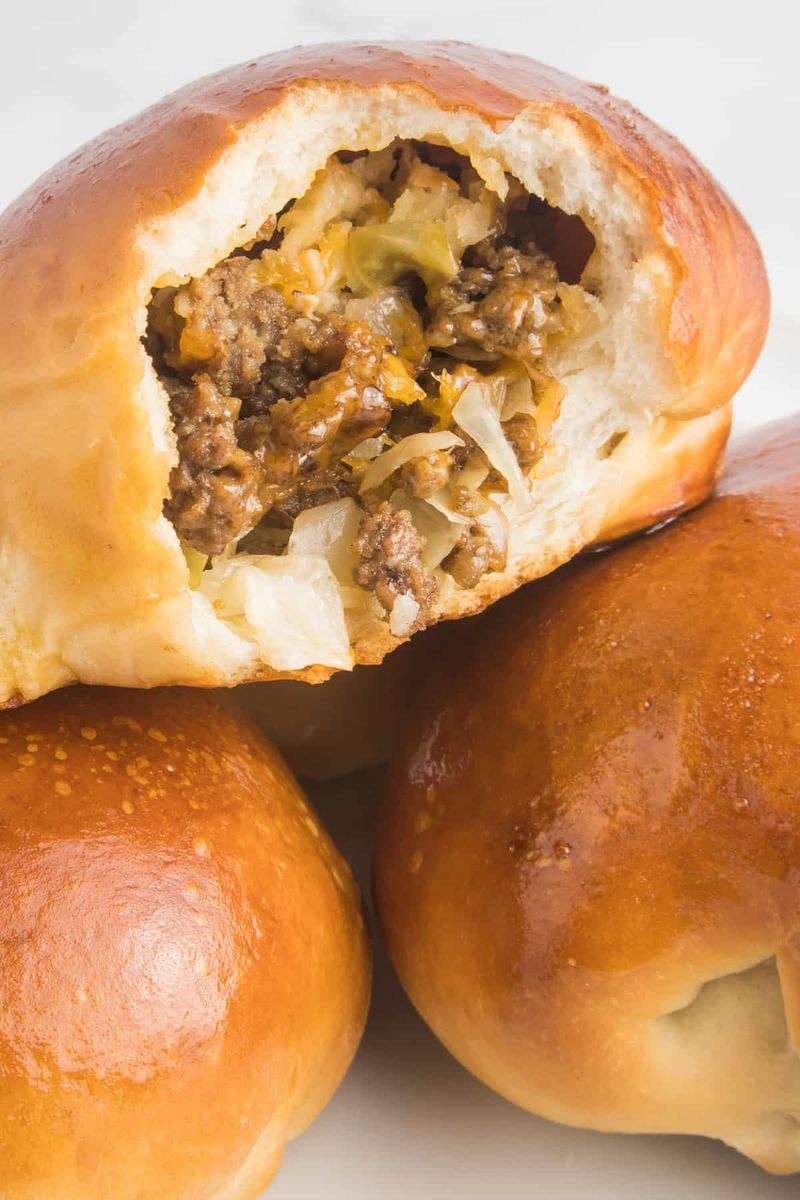
Lunch wrapped in bread sounds like an easy win, yet a runza can feel plain beside flashier regional favorites. Nebraska’s filled bread pockets usually hold ground beef, cabbage, and onions.
Their appeal comes from warmth and convenience rather than bold seasoning.
Order one fresh, when the outside is tender and the filling is still juicy. Mustard adds a welcome sharp note, while sharing a pocket leaves room to explore Nebraska’s other local specialties afterward, too.
3. Ohio: Cincinnati Chili Breaks the Usual Rules
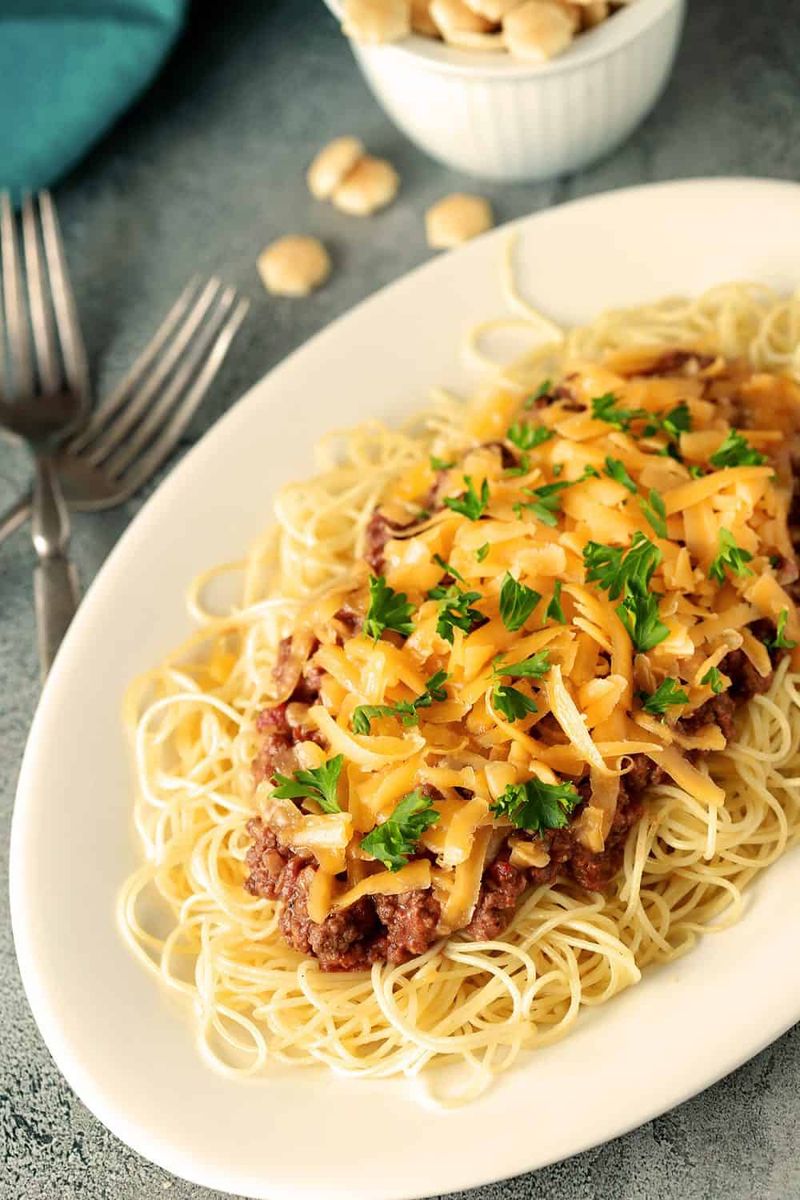
Forget the thick bowl of beans you might picture when someone says chili. Cincinnati’s version is a spiced meat sauce, often served over spaghetti beneath a fluffy pile of cheddar.
Cinnamon and other warm spices can catch first timers off guard.
Approach it as its own dish instead of judging it against Texas chili. Start with a small three way, meaning spaghetti, chili, and cheese, and add onions or beans only if those sound appealing.
4. Utah: Funeral Potatoes Bring Serious Heaviness
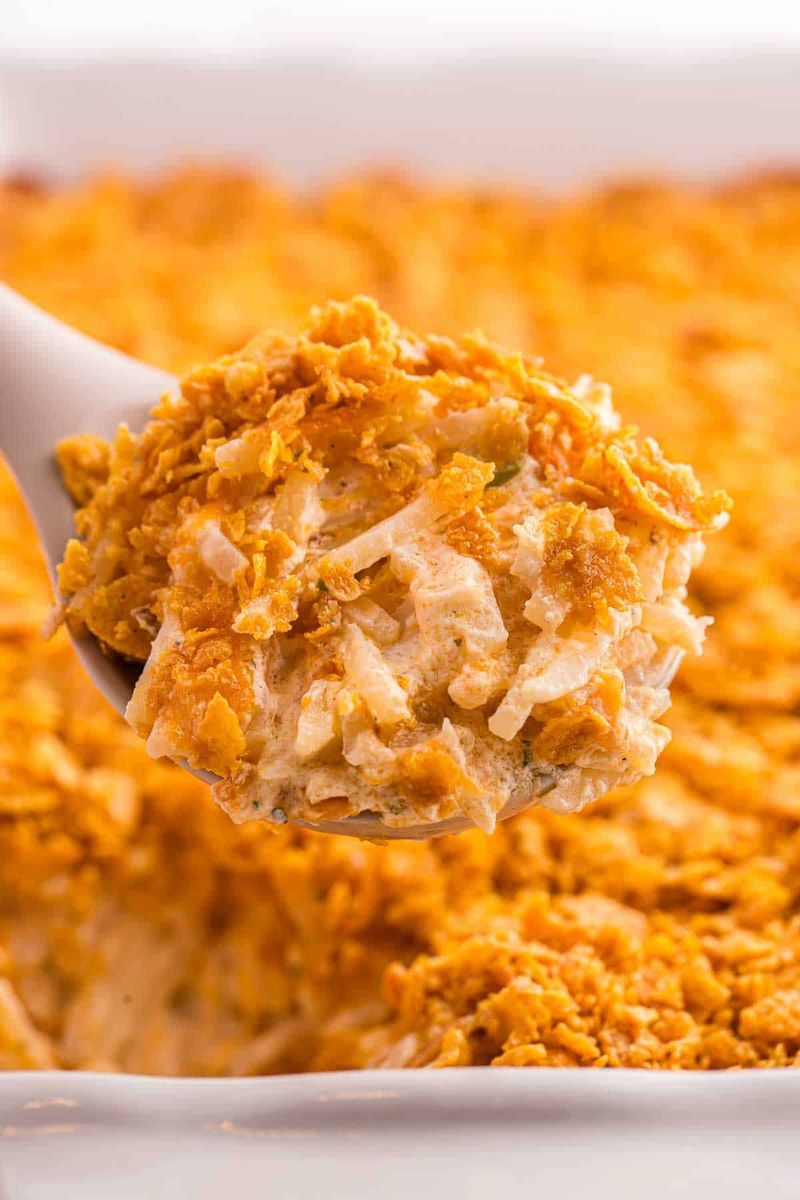
Comfort food sometimes arrives wearing a thick blanket of cheese. Funeral potatoes, common at Utah gatherings, combine potatoes with creamy ingredients and often a crunchy topping.
The name reflects their connection to meals shared after funerals, not anything strange in the recipe.
Richness is the main drawback, especially beside other heavy dishes. Take a modest scoop and pair it with vegetables or something bright and crisp.
Freshly baked portions usually offer the best topping crunch.
5. Wyoming: Rocky Mountain Oysters Demand a Heads-Up
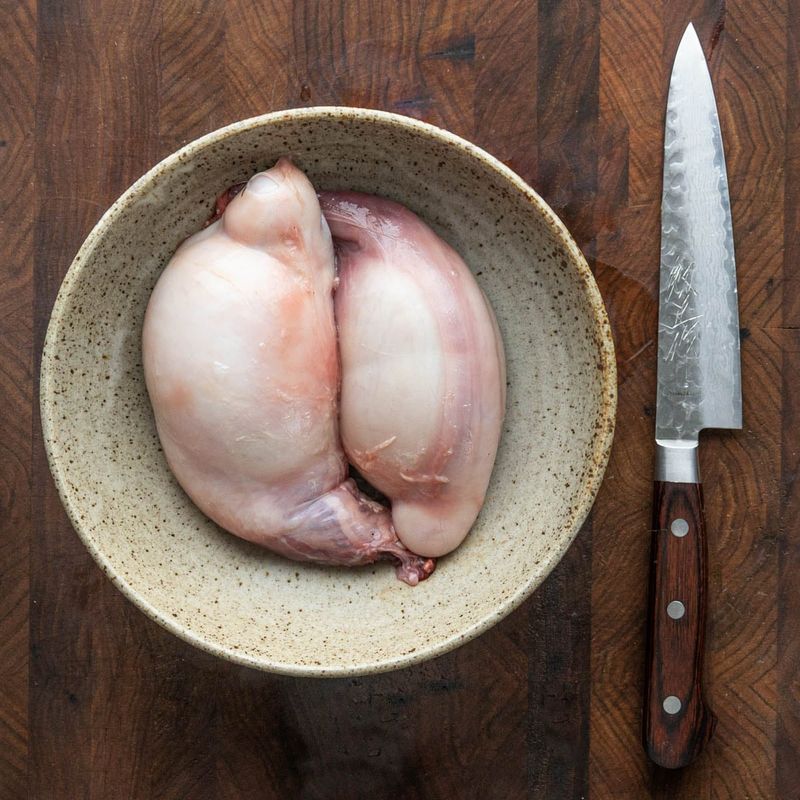
The menu name hides the biggest surprise: these oysters come from cattle, not the sea. Usually sliced, breaded, and fried, bull testicles appear on some Wyoming menus and elsewhere across the West.
Knowing the ingredient can be harder than handling the flavor.
Ask how they are prepared before ordering, since tenderness depends on careful trimming and cooking. Split an appetizer with curious friends.
Nobody needs to finish a large serving just to prove their bravery.
6. Montana: Huckleberry Overload Can Wear Thin
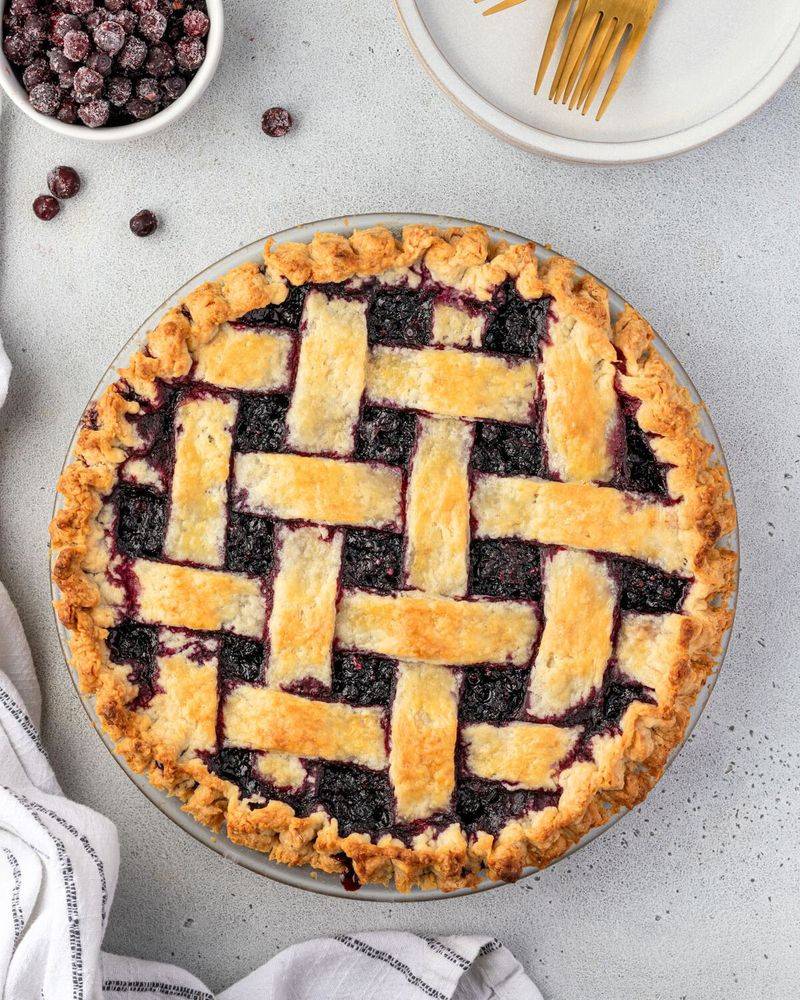
Purple berries seem to follow travelers across Montana, appearing in jam, pie, candy, and even savory sauces. Huckleberries have a pleasing sweet and tart flavor, but constant repetition can make the state’s signature ingredient feel less exciting.
Specialty products can also cost more than expected.
Skip the novelty overload and choose one carefully made treat. A slice of pie highlights the fruit better than a sugary souvenir candy, especially when the filling lets tartness shine.
7. West Virginia: Pepperoni Rolls Risk Falling Flat
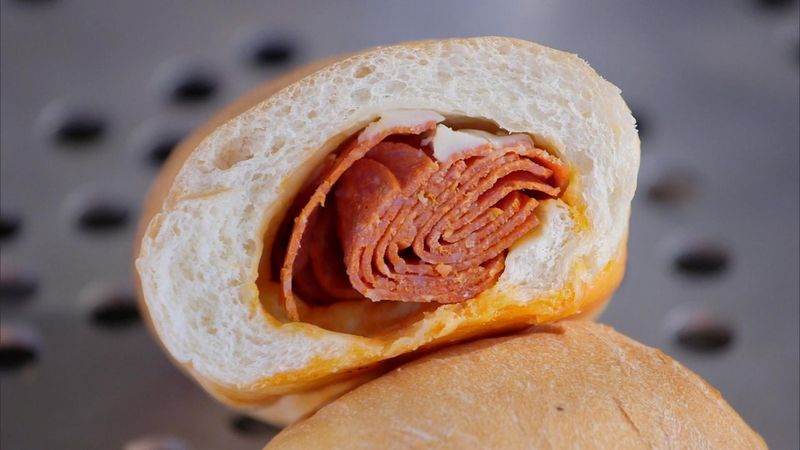
A coal miner’s practical lunch does not need fancy toppings to earn respect. West Virginia’s pepperoni roll puts pepperoni inside soft bread, creating a portable snack with deep local roots.
Still, a dry roll can taste like more bread than filling.
Visit a busy bakery and ask which batch came out most recently. Traditional versions keep things simple, while cheese adds richness in others.
Judge the roll by freshness rather than expecting a stuffed pizza.
8. Iowa: Deep-Fried Butter Pushes Fair Food Far
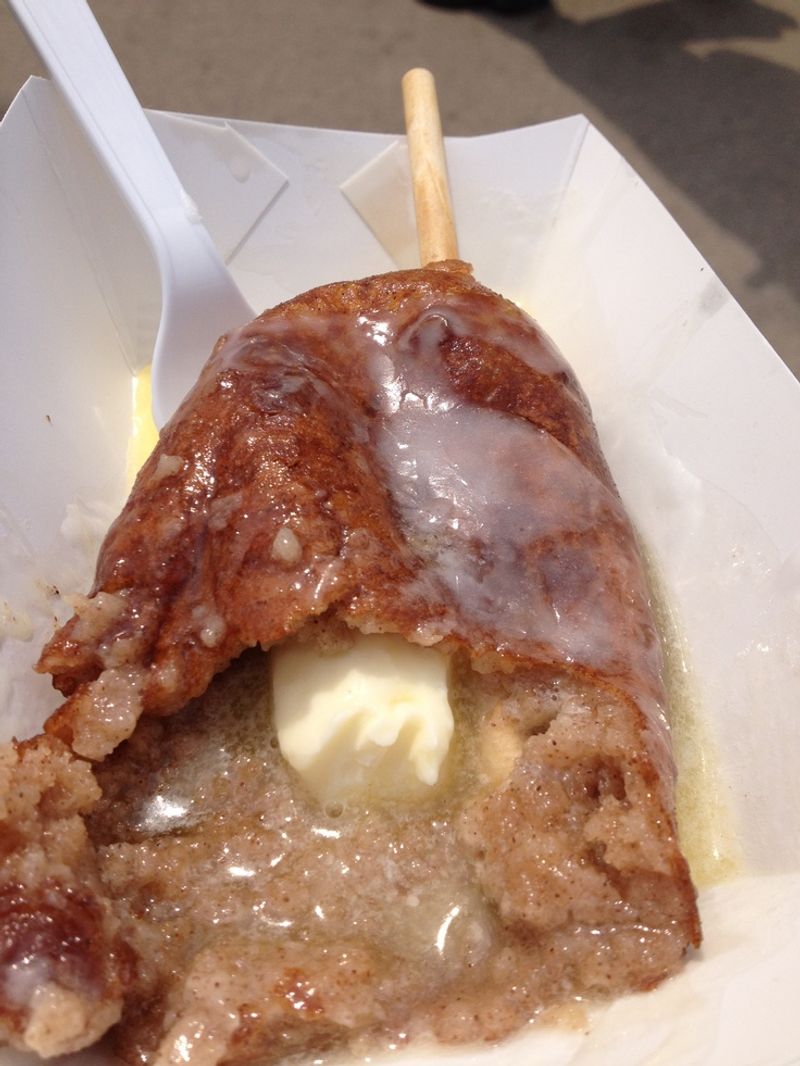
Some fair snacks seem built for a dare rather than dinner. Deep fried butter, associated with the Iowa State Fair, wraps butter in batter before a quick trip through hot oil.
The result is rich, sweet, and best approached with limited expectations.
Share a portion if curiosity wins, and keep napkins nearby. For a fuller picture of Iowa cooking, seek out sweet corn or a well prepared pork chop instead of letting one stunt define everything.
9. Minnesota: Cookie Salad Confuses the Side-Dish Table
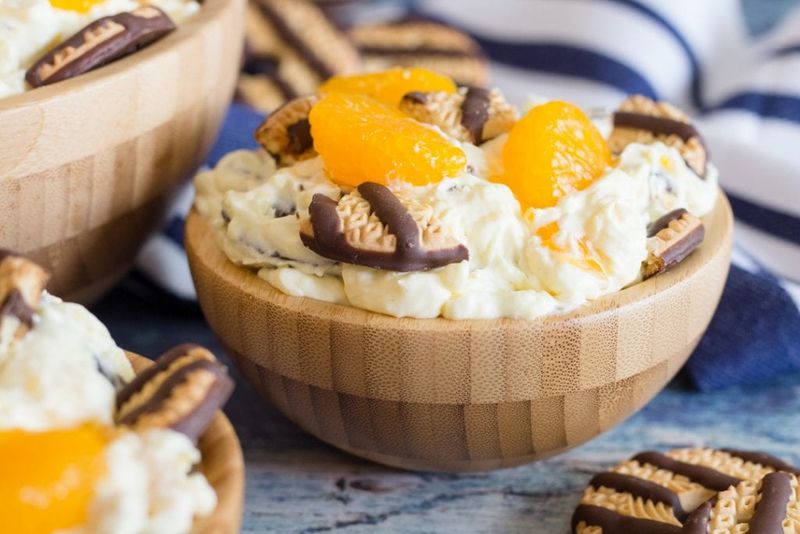
Calling cookies a salad is a bold move, even by potluck standards. Minnesota’s cookie salad commonly mixes pudding, whipped topping, fruit, and broken cookies into a sweet bowl.
Recipes vary, but anyone expecting leafy greens will need a quick change of plans.
Treat it as dessert and take a small helping first. Add cookies near serving time when making your own, since sitting in the creamy mixture softens their crunch and makes the texture less appealing.
10. Missouri: St. Louis Pizza Splits the Table
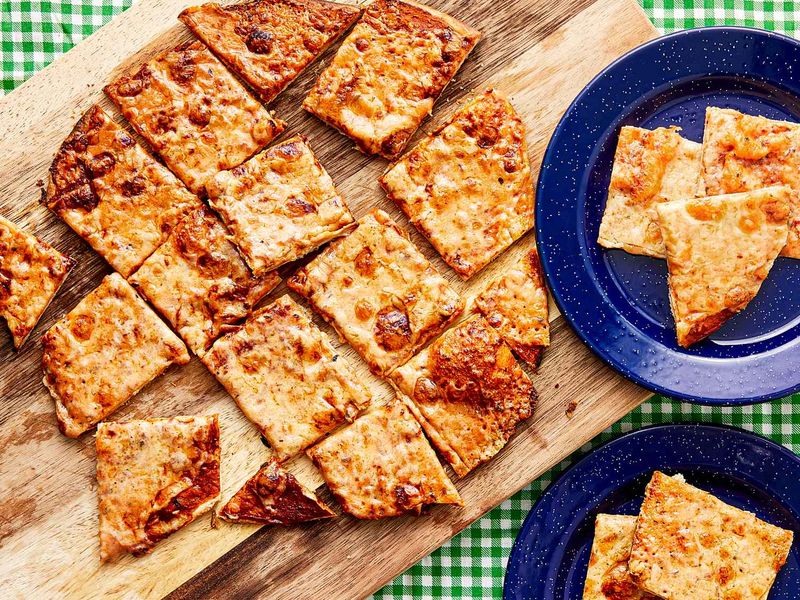
One bite can settle your opinion of Provel, the processed cheese blend tied to St. Louis pizza. Its smooth melt sits on a crisp, thin crust that is usually cut into squares.
Fans love the combination; others miss stretchy mozzarella and chewy dough.
Order a small pizza before committing the whole table. Eat it promptly for the best crust texture, and remember that Missouri also offers excellent barbecue beyond this much debated local pizza style.
11. Texas: Smoked Brisket Earns Its Long Wait
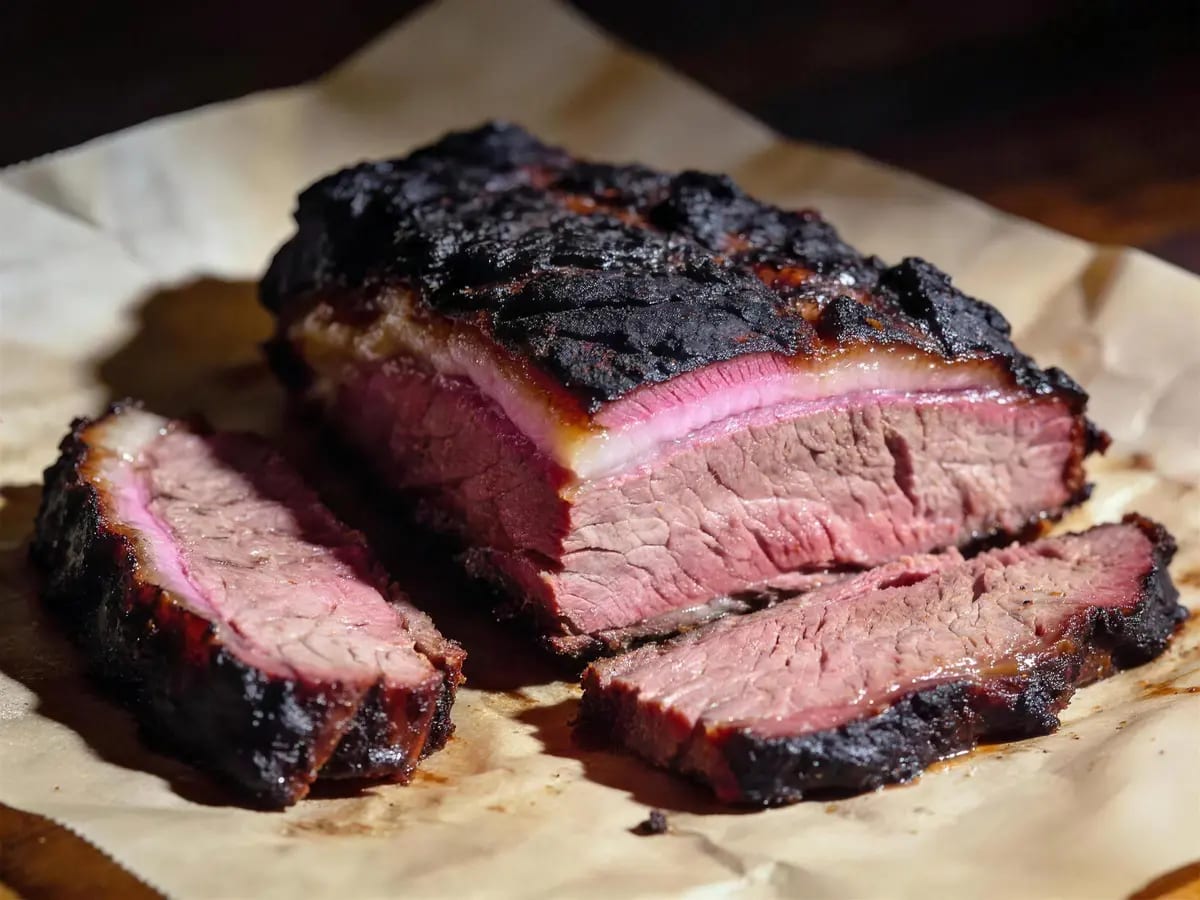
Smoke, salt, pepper, and patience can turn a tough cut of beef into something remarkable. Texas brisket shines when its dark bark gives way to tender meat beneath.
Central Texas barbecue often keeps seasoning simple so the beef and wood smoke lead.
Ask for a mix of lean and fatty slices to compare textures. Go early at popular spots, since brisket can sell out, and sample the meat before reaching for sauce on the table.
12. Louisiana: Gumbo Builds Flavor One Layer at a Time
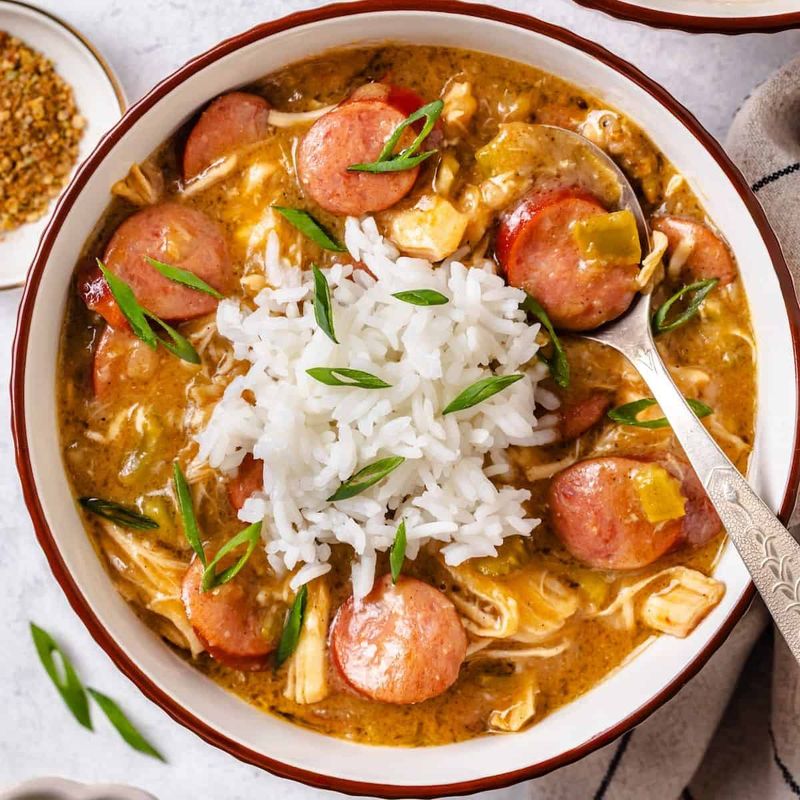
A spoonful of gumbo can reveal why Louisiana cooking inspires such loyalty. Many versions begin with a carefully cooked roux, then build flavor with vegetables, stock, and meats or seafood.
Cajun and Creole traditions offer differences worth exploring rather than one fixed recipe.
Ask what goes into the pot, especially if you have shellfish allergies. Pair a bowl with rice, then save another meal for jambalaya or étouffée to appreciate the state’s impressive range of flavors.
13. California: Fish Tacos Keep Lunch Bright
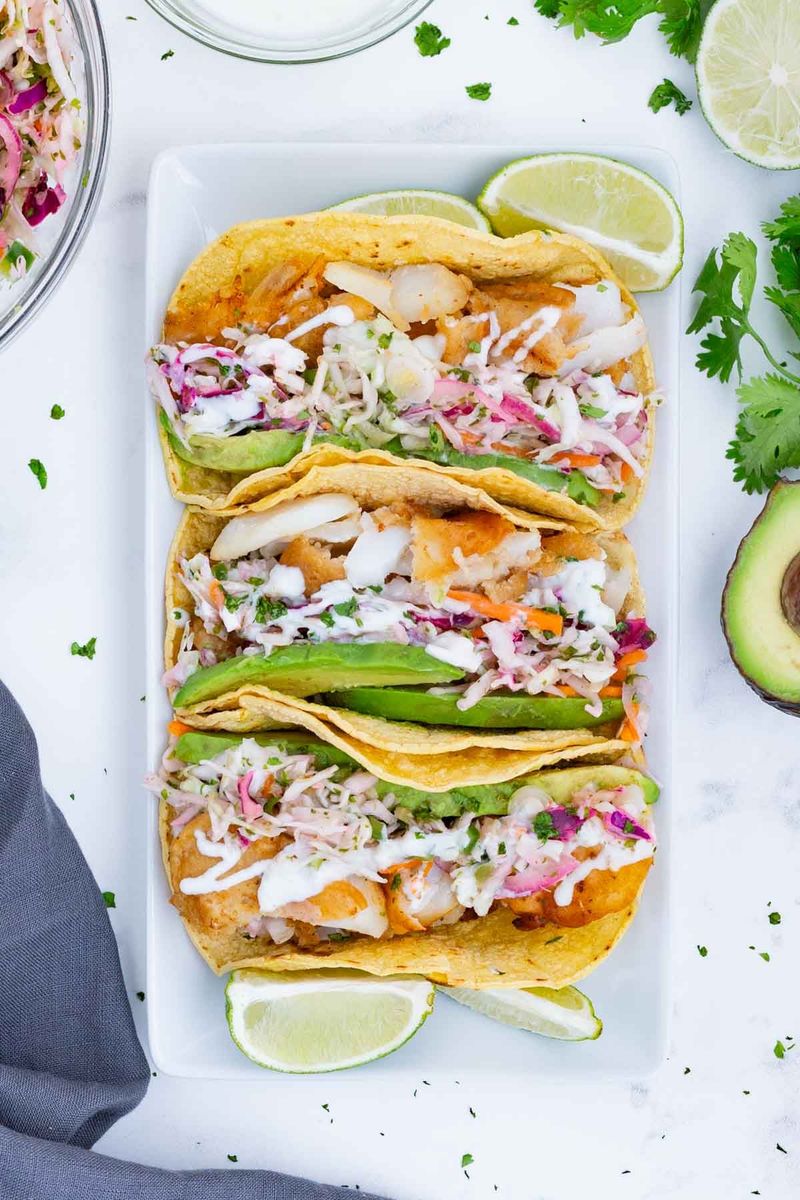
Lime juice, crunchy cabbage, and fresh salsa can make a simple fish taco feel complete. California’s coastal taco culture draws strongly from neighboring Baja California in Mexico.
Battered fish brings crunch, while grilled versions offer a lighter option with plenty of flavor.
Look for a busy stand where seafood moves quickly. Squeeze lime over the filling just before eating, and order one taco first if you want to compare several fish preparations without overdoing lunch.
14. New York: A Foldable Slice Delivers
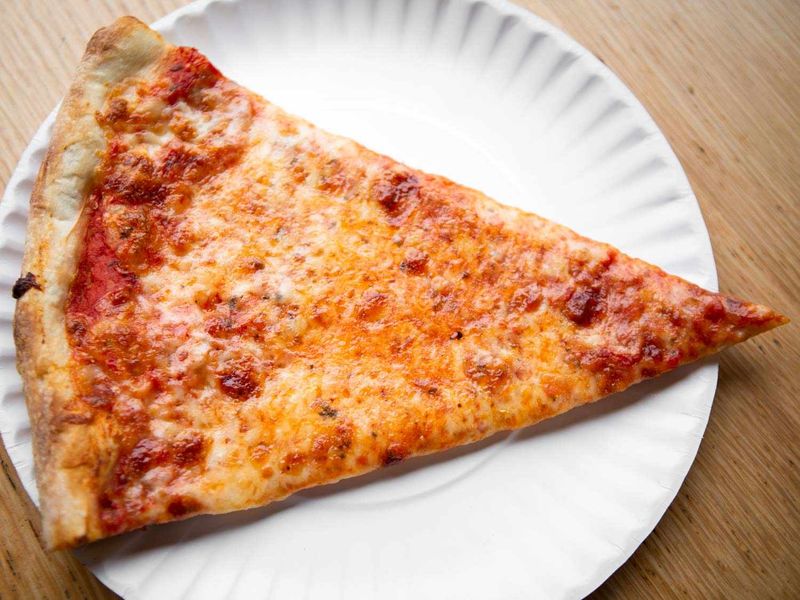
Fold it down the middle and take a careful first bite. New York pizza balances a thin center, a sturdy rim, tomato sauce, and melted mozzarella in a slice built for casual eating.
Great examples feel crisp underneath without turning dry or stiff.
Choose a shop selling slices steadily and request a quick oven reheat. Start with plain cheese to judge the basics, then explore the state’s bagels, deli sandwiches, and regional specialties beyond Manhattan.
15. Tennessee: Hot Chicken Makes an Entrance
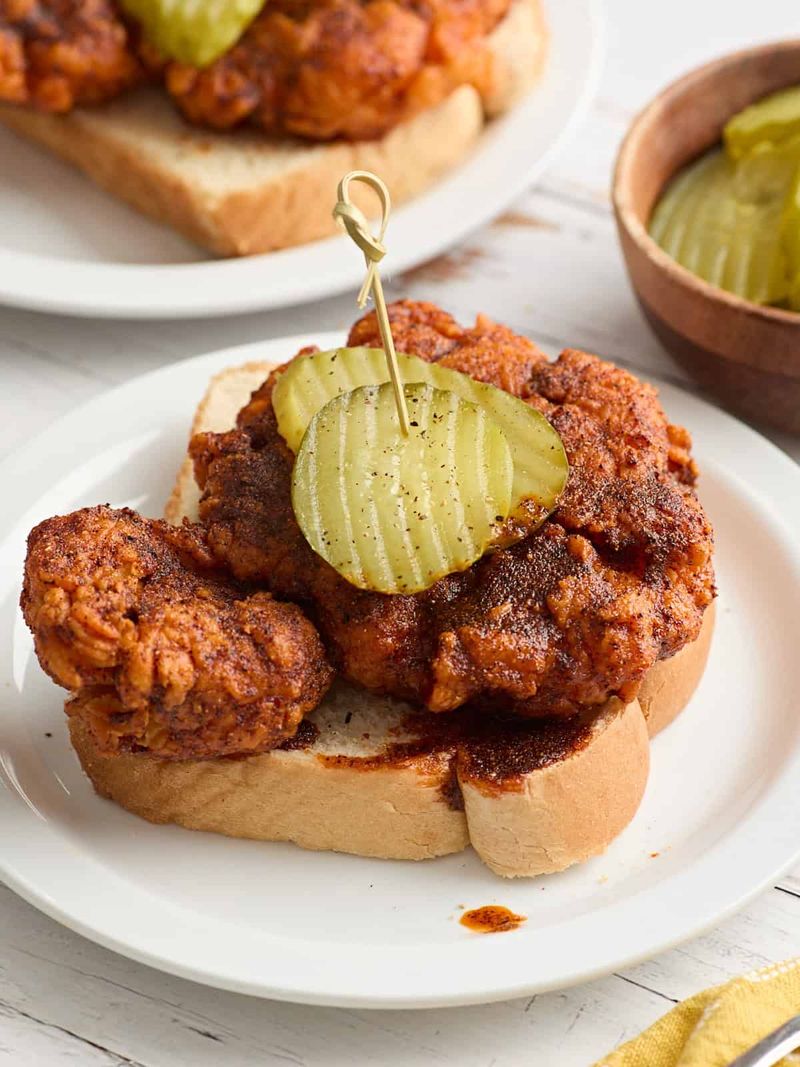
Your first bite should not require a bravery speech. Nashville hot chicken pairs crisp fried chicken with a spicy coating, often served over white bread with pickles.
The best versions deliver seasoned meat and crunch, not just a blast of heat.
Begin below your usual spice level because restaurant scales vary widely. Add cooling slaw or another mild side, and leave room on a Tennessee trip for Memphis barbecue, biscuits, and other less fiery pleasures.
16. Pennsylvania: Cheesesteaks Make Every Bite Count
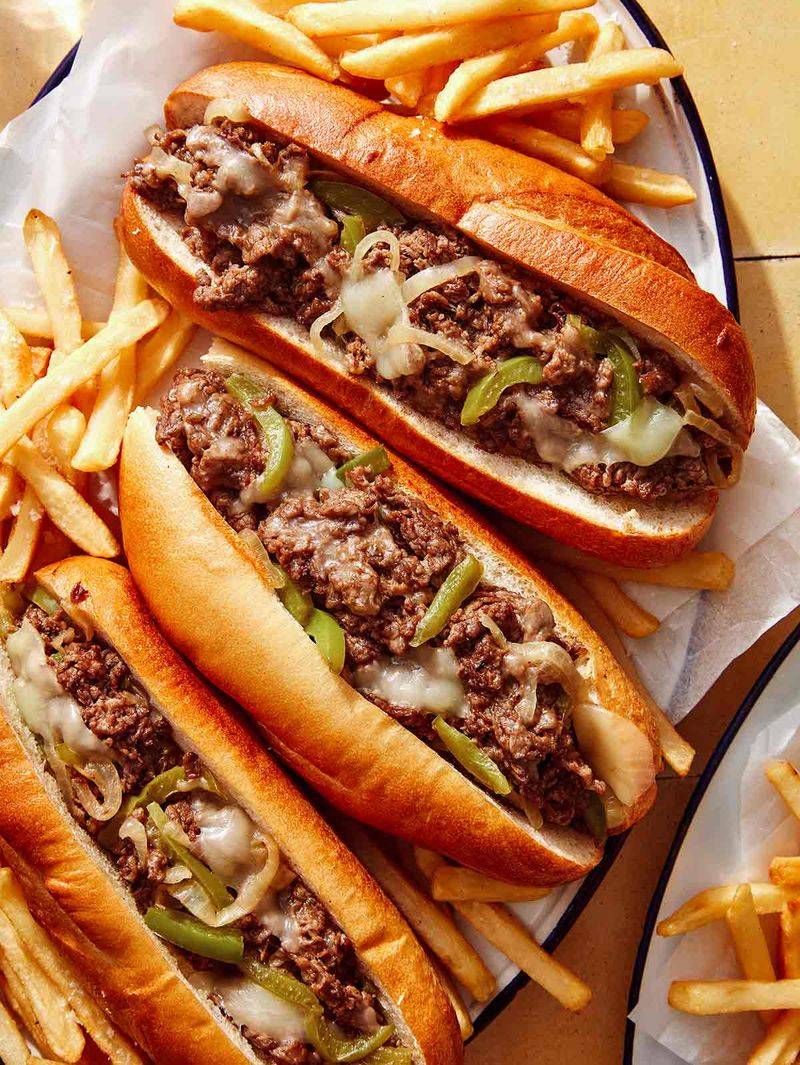
Few sandwiches make chopped beef, melted cheese, and bread work harder. Philadelphia’s cheesesteak succeeds when the roll holds juicy meat without becoming tough or falling apart.
Cheese choices commonly include American, provolone, and cheese sauce, each creating a different finish.
Read the shop’s ordering instructions before reaching the counter, especially during a rush. Decide whether you want onions, then eat while the sandwich is hot.
Splitting one can make a food crawl much easier to manage.
17. Illinois: Deep-Dish Pizza Rewards Patience
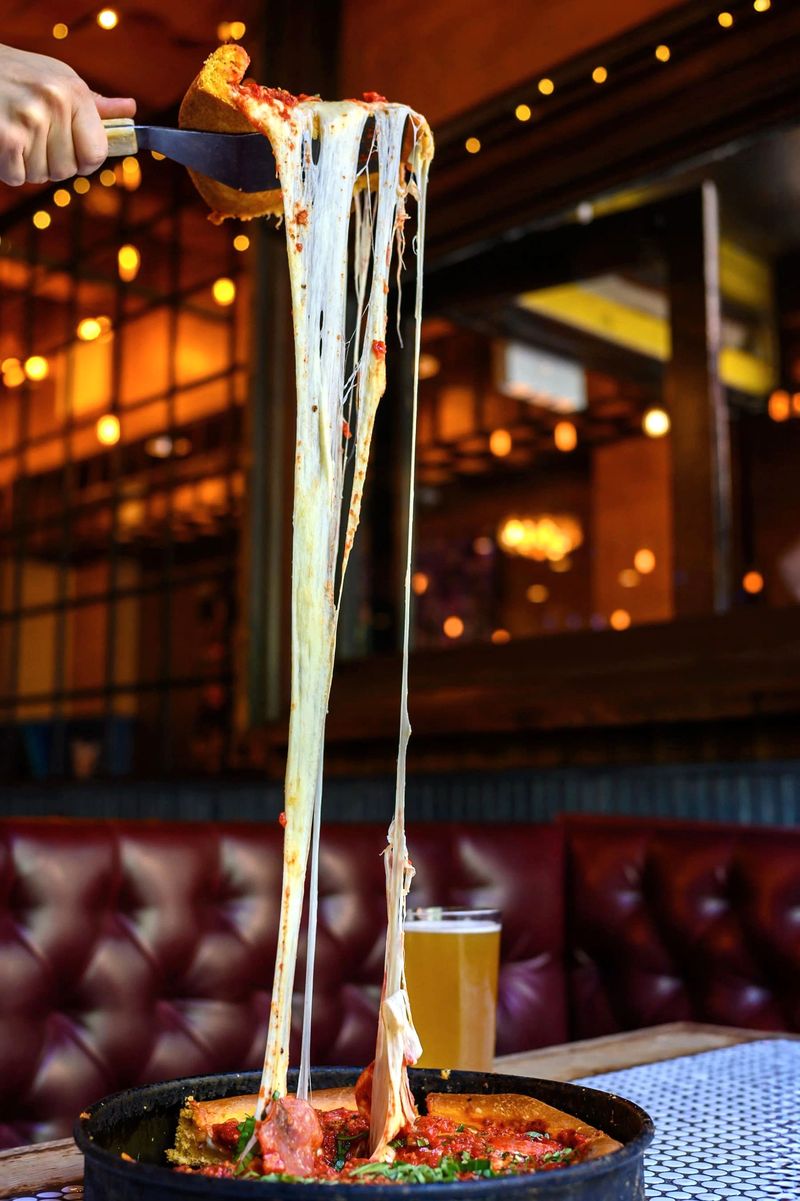
Bring a fork and allow more time than a quick slice usually takes. Chicago deep dish builds a tall crust around generous cheese and toppings, with tomato sauce commonly spread above them.
Its appeal lies in the contrast between buttery crust and rich filling.
Check baking times when ordering, and consider sharing a smaller pie than your group normally chooses. Illinois also embraces thin tavern style pizza, so trying both gives visitors a fairer comparison.
18. New Mexico: Red and Green Chile Lead
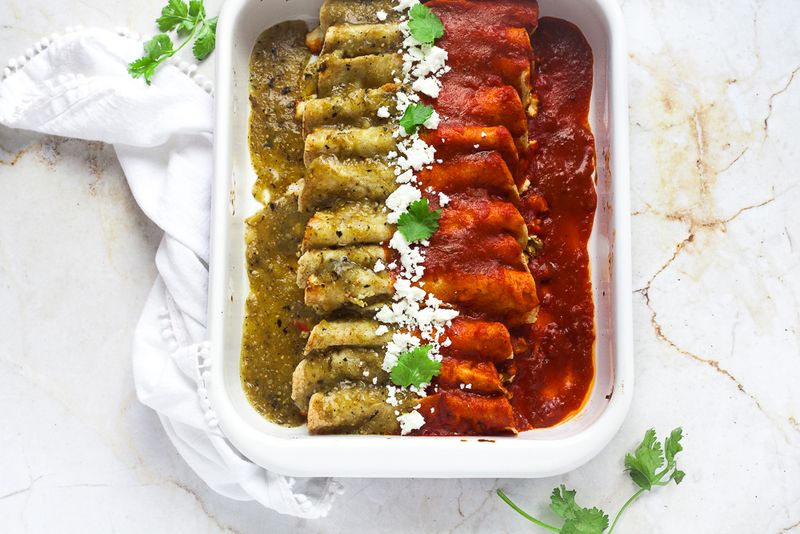
Red or green is more than a color choice at many New Mexico restaurants. It asks which chile sauce you want over dishes such as enchiladas or burritos.
Requesting Christmas usually brings both, giving you two different flavors on one plate.
Ask about heat before ordering because either color can pack a punch. Finish with a warm sopaipilla if available, and appreciate how local chile gives familiar ingredients a clear sense of place and character.
19. Wisconsin: Cheese Curds Make Freshness Fun
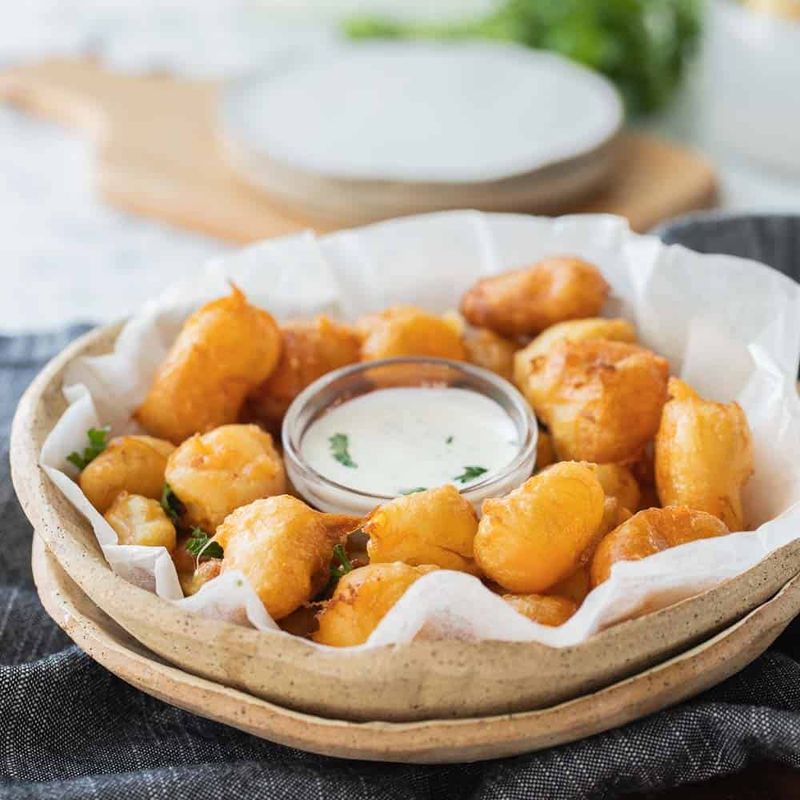
Listen closely and your snack might squeak. Very fresh Wisconsin cheese curds can make that sound against your teeth, a playful sign of their springy texture.
Fried curds offer another pleasure: a golden shell surrounding warm, soft cheese.
Visit a dairy shop for fresh curds and ask when they were made. Order fried versions just before eating rather than carrying them around.
A shared basket provides plenty of richness without crowding out the next meal.
20. South Carolina: Shrimp and Grits Feel Like Home
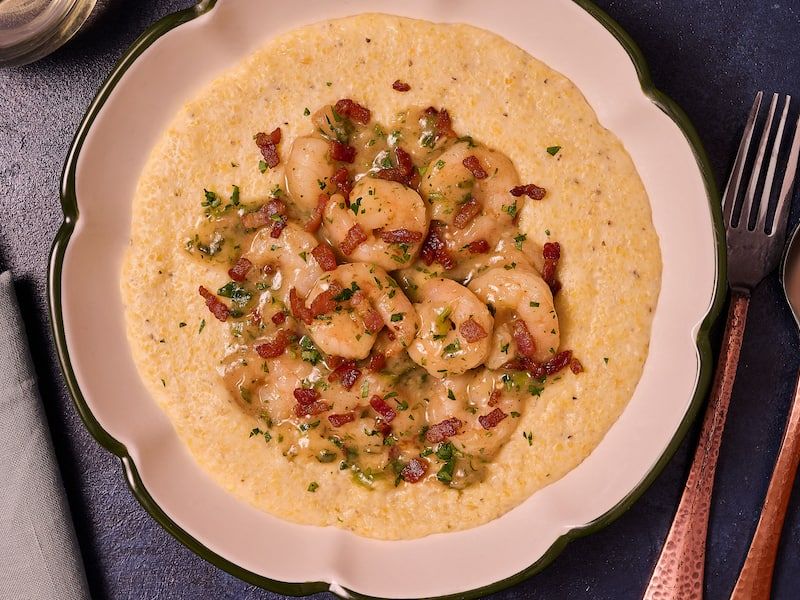
Creamy grits give sweet shrimp a soft landing in this Lowcountry favorite. South Carolina versions range from simple preparations to plates with bacon, sausage, or a rich pan sauce.
The dish works best when the grits are smooth and the shrimp stay tender.
Ask about local shrimp availability rather than assuming every restaurant uses it. Choose a place that cooks each serving with care, and enjoy the contrast of coastal seafood and comforting corn flavor.