
Sharing a home with someone does not always mean feeling close to them. Loneliness in marriage often grows when you feel unseen, unheard, or unable to share what matters most.
Relationship psychology offers useful ways to understand that gap, without assuming your marriage is over. Recognizing the pattern can help you decide what support, changes, or boundaries you need.
1. Emotional Closeness Has Gone Quiet

You know their coffee order, but not what has been weighing on their heart. Emotional intimacy means sharing feelings and trusting that your partner will respond with care, not judgment.
When that sharing fades, everyday closeness can feel hollow. Start with one honest thought about your day, then invite theirs.
Keep the exchange small and safe. Trust usually grows through steady moments of openness, rather than one huge conversation that tries to fix everything overnight.
2. Conversations Have Become Household Meetings

Dinner plans, bills, and school pickups can fill every conversation. Those talks keep life running, but they may leave little room for the thoughts that help partners feel connected.
Communication research highlights the value of sharing feelings, not just facts. Try setting aside ten minutes without solving household problems.
Ask what felt hard or good today. Listen before offering advice, and explain your own needs clearly instead of hoping your partner will somehow guess them.
3. Your Words Land Without Being Heard

Finishing a sentence does not guarantee that someone understood you. If your partner interrupts, dismisses your feelings, or quickly changes the subject, you may stop bringing up things that matter.
Feeling understood is a key part of relationship closeness. Ask your partner to reflect back what they heard before responding.
Offer the same care in return. Agreement is not required; acknowledging another person’s experience can make a difficult conversation feel much less lonely for everyone.
4. Important Emotional Needs Stay Unmet
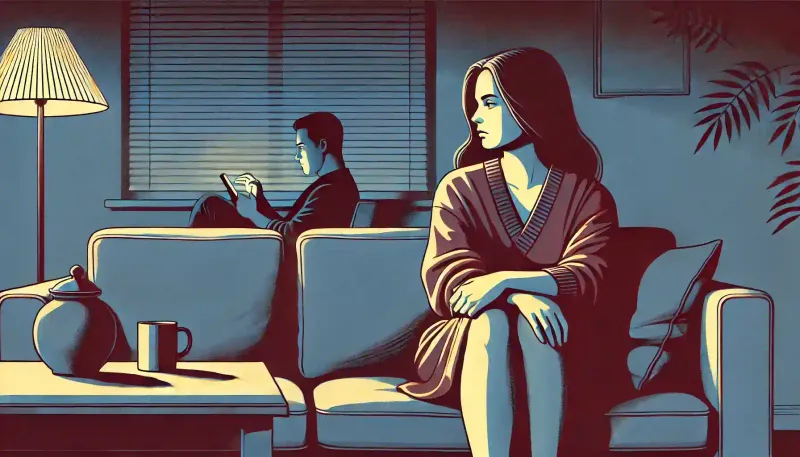
A rough day feels heavier when comfort never arrives. Needs for reassurance, kindness, and reliable support are normal, although each person’s priorities and limits can differ.
Name the specific response you miss, such as a hug after work or encouragement before a stressful appointment. Clear requests are easier to answer than broad complaints.
Your spouse cannot meet every need, so keep friendships and outside support strong too. Notice whether reasonable requests receive effort over time.
5. Affection Arrives in a Form You Miss

They fix the broken shelf; you wish they would sit and talk. Both gestures can express care, yet different preferences may leave loving efforts unnoticed.
The popular love languages model is not a proven rulebook for compatibility. Still, discussing preferred forms of affection can help.
Tell your partner which actions make you feel valued, and ask about theirs. Try several ways of showing care rather than treating either person as having one fixed emotional category.
6. Touch and Physical Warmth Have Faded

An empty space between your hands can say more than words. For some couples, fewer hugs, kisses, or moments of sexual closeness can deepen a sense of distance.
Stress, illness, medication, and changing desire may all play a role. Discuss what feels comfortable without blame or pressure.
Start with affection both people welcome, perhaps holding hands during a walk. Physical closeness should always involve consent, and nobody owes touch or sex to repair a marriage.
7. Bids for Comfort Keep Getting Ignored

Reaching out again and again without a response can wear you down. Relationship researchers describe small attempts to connect as bids, including sharing news, asking for help, or seeking comfort.
Repeatedly missing those moments may create loneliness, even without deliberate cruelty. Explain the pattern using clear examples and request a reliable response.
If your partner repeatedly dismisses your distress, consider individual counseling. Their intentions matter, but so does the ongoing effect of their behavior on you.
8. Your Contributions Feel Invisible
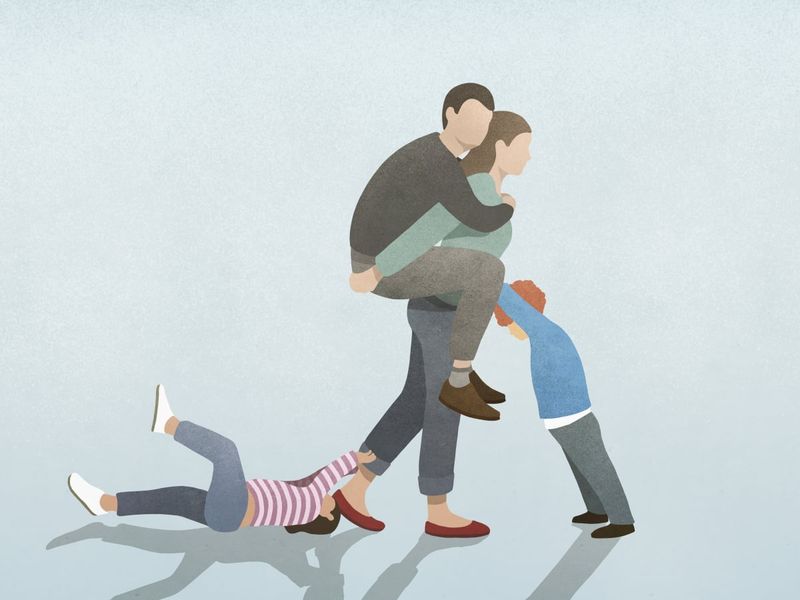
Someone has to remember the birthdays, replace the soap, and notice an empty fridge. When your efforts are treated as automatic, you may feel useful but not valued.
Appreciation helps partners feel that their presence matters beyond the chores they finish. Talk about both visible work and hidden planning.
Request specific acknowledgment rather than waiting for praise. Sharing responsibilities more fairly can also help, because gratitude alone does not fix a workload that remains unequal.
9. Life Runs on Separate Tracks
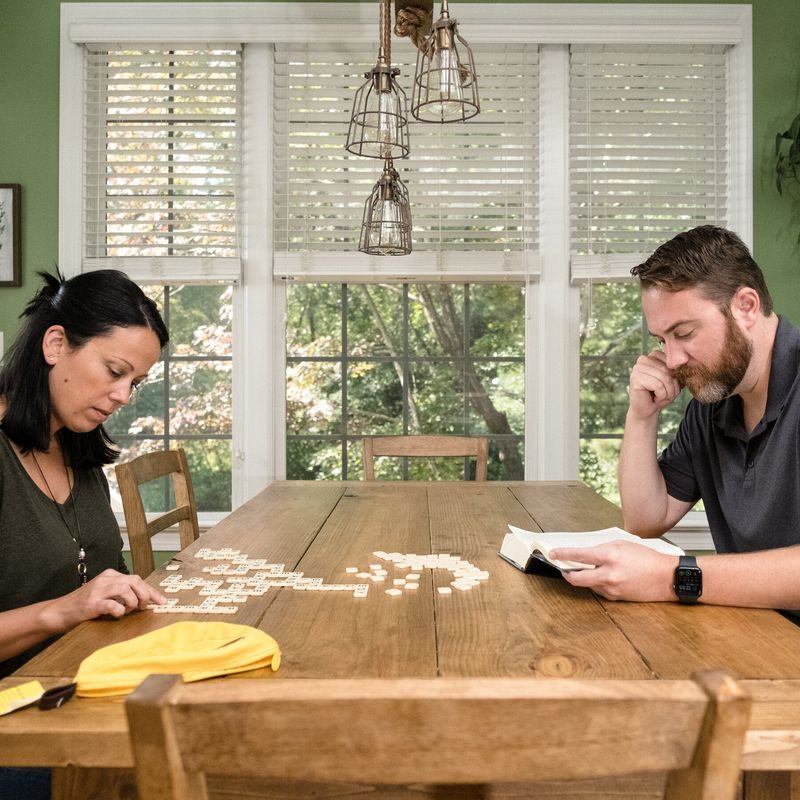
One person watches shows while the other works late, and weekends pass without shared plans. Independence is healthy, but very little time together can weaken a couple’s sense of partnership.
Shared experiences create chances to notice, enjoy, and support each other. Choose one simple ritual, such as breakfast together or an evening walk.
Keep separate interests too. The goal is not constant togetherness; it is having enough meaningful contact that your lives still feel warmly connected.
10. Old Arguments Still Occupy the Room

Yesterday’s disagreement can linger long after the voices settle. Without repair, hurt may turn into resentment, making ordinary moments feel tense and leaving both partners guarded.
Choose a calm time to discuss one issue, not the entire history of your marriage. Describe what happened, how it affected you, and what needs to change.
Take breaks if the discussion gets heated, with a clear return time. Repair requires accountability and follow through, not simply dropping the subject.
11. Your Core Values Pull Apart

Love does not automatically settle questions about children, money, faith, or where to live. Deep differences can leave you feeling alone with choices that shape your future.
Separate flexible preferences from values you cannot comfortably compromise. Discuss whether both people can build a life that respects those limits.
A couples therapist may help clarify the options, but cannot guarantee agreement. Recognizing a serious mismatch is information, not proof that either partner is a bad person.
12. Outside Stress Crowds Out Connection

A new baby, a sick parent, or money worries can consume the energy once saved for each other. Under pressure, partners may withdraw or become impatient without meaning to.
Stress can spill into relationships, so name the outside strain rather than blaming everything on love fading. Ask what would lighten today’s load.
Practical help, brief check ins, and support from trusted people can protect connection. If stress stays high, professional guidance may offer more lasting relief.
13. Screens Get the Attention You Need

The phone lights up, and your story loses its audience. Being together offers little comfort when attention keeps moving toward messages, work, or endless scrolling.
Research on technology interruptions links these habits with poorer relationship experiences, though screens are not always the cause. Agree on short periods when devices stay away, especially during meals or meaningful talks.
Apply the rule to both partners. Focused attention tells the other person that their company deserves space and care.
14. Keeping the Marriage Close Falls on You

You plan every date, start every serious talk, and reach for every hug. Carrying the relationship alone can make closeness feel like another task rather than a shared pleasure.
Explain the imbalance with examples, then ask your partner to own specific actions. Perhaps they arrange the next outing or begin a weekly conversation.
Watch for consistent participation, not promises alone. Relationships need mutual effort, although that effort may look different during illness or other demanding seasons.
15. Playfulness Has Left the Partnership

Remember laughing so hard that a small mistake became a favorite memory? When marriage turns into endless duties, partners can lose the easy joy that once made togetherness inviting.
Shared enjoyable activities may support relationship satisfaction, especially when both people feel involved. Try something modest and fresh: cook an unfamiliar meal, play a game, or visit a nearby park.
Skip pressure to create a perfect date. Fun cannot erase serious problems, but it can reopen connection.
16. Emotional Energy Has Run Dry

Even a caring partner may struggle to connect when their energy is gone. Long periods of caregiving, heavy work, or conflict can leave someone numb, irritable, or withdrawn.
That response may reflect overload rather than lack of love, but your loneliness still deserves attention. Discuss rest, workload changes, and realistic ways to stay connected.
A brief caring message may be more manageable than a long conversation. Persistent exhaustion also warrants medical or mental health assessment.
17. Mental Health Is Affecting Your Bond

Depression can drain interest, while anxiety can make closeness feel harder to sustain. Either partner’s symptoms may affect communication and leave both people feeling isolated, even when love remains.
Avoid diagnosing each other or treating every disagreement as an illness. Encourage professional care, and maintain support outside the marriage.
Couples counseling may help when it is safe; threats, control, or abuse call for individual safety support. You can offer compassion without becoming responsible for someone’s recovery.