
Marriage is a journey that requires effort, understanding, and a willingness to grow together.
For men looking to build a strong and lasting partnership, knowing what to avoid can be just as important as knowing what to do.
Small missteps can create big problems over time, but recognizing them early makes all the difference.
This guide highlights ten common mistakes that can weaken a marriage and offers practical insights to help you strengthen your bond.
1. Ignoring Emotional Needs

Many men grow up learning to hide their feelings or to focus only on solving problems.
This can make it hard to recognize when a partner needs emotional support rather than practical solutions.
When a wife shares her worries or frustrations, she often wants to feel heard and understood, not fixed.
Brushing off emotions or changing the subject can make her feel alone in the relationship.
Over time, this creates distance and resentment.
Emotional intimacy is the foundation of a healthy marriage.
Without it, even the strongest partnerships can feel empty.
Learning to listen without judgment and validate your partner’s feelings strengthens trust.
Ask open-ended questions and show genuine interest in her inner world.
Simple phrases like “That sounds really tough” or “Tell me more” can make a huge difference.
Being present emotionally means putting down your phone, making eye contact, and giving her your full attention.
It also means sharing your own feelings, even when it feels uncomfortable.
Vulnerability brings couples closer together.
Avoiding emotional connection is one of the fastest ways to damage a marriage.
Prioritizing this aspect of your relationship will pay off in countless ways.
2. Taking Her for Granted

Familiarity can breed complacency in any long-term relationship.
When you live with someone every day, it becomes easy to overlook the little things they do.
Cooking meals, managing schedules, keeping the home running smoothly—these efforts often go unnoticed.
Failing to express gratitude makes your partner feel invisible and undervalued.
Everyone wants to feel appreciated for their contributions.
A simple “thank you” or acknowledgment of her hard work goes a long way.
Surprise gestures, no matter how small, show that you notice and care.
Bringing home her favorite snack or leaving a sweet note can brighten her entire day.
Compliments should not stop after the wedding.
Telling her she looks beautiful or that you admire her strength keeps the romance alive.
Taking someone for granted is a slow poison that erodes love over time.
It creates feelings of loneliness even when you are physically together.
Make it a habit to express appreciation regularly, not just on special occasions.
Notice the effort she puts into your life and your family.
When she feels valued, she will feel more connected to you.
A grateful heart builds a happy home.
3. Avoiding Difficult Conversations

Conflict is uncomfortable, and many men prefer to avoid it altogether.
Sweeping issues under the rug might bring temporary peace, but it never solves the underlying problem.
Unresolved tensions build up and eventually explode in ways that damage trust.
Pretending everything is fine when it is not creates a false sense of harmony.
Your partner can sense when something is wrong, even if you do not say it.
Healthy marriages require honest communication, even when the topics are tough.
Bringing up concerns early prevents them from growing into bigger issues.
Approach difficult conversations with respect and a willingness to listen.
Use “I” statements to express your feelings without blaming or attacking.
For example, say “I feel hurt when plans change without discussion” instead of “You never consider my feelings.”
Stay calm and focused on finding solutions together.
Avoiding conflict might feel easier in the moment, but it weakens the relationship over time.
Couples who communicate openly, even about hard topics, build deeper trust.
Do not let fear of discomfort prevent you from addressing important matters.
Your marriage deserves honest dialogue and mutual respect.
Facing challenges together makes you stronger as a team.
4. Neglecting Quality Time Together

Life gets busy with work, kids, and endless responsibilities.
Before you know it, weeks can pass without meaningful time spent together.
Sitting in the same room while scrolling through phones does not count as quality time.
Connection requires intentional effort and undivided attention.
Date nights should not end after the honeymoon phase.
Regular one-on-one time keeps the spark alive and reminds you why you fell in love.
It does not have to be expensive or elaborate.
A walk in the park, cooking dinner together, or watching a favorite movie can be just as meaningful.
The key is being fully present and engaged with each other.
Put away distractions and focus on enjoying each other’s company.
Ask questions, share stories, and laugh together.
These moments strengthen your bond and create lasting memories.
Neglecting quality time leads to feeling like roommates instead of romantic partners.
Prioritizing your relationship sends a message that your marriage matters.
Schedule regular date nights and protect that time fiercely.
Even in the busiest seasons of life, make space for each other.
A thriving marriage requires ongoing investment and attention.
5. Refusing to Apologize or Admit Mistakes

Pride can be one of the biggest obstacles to a healthy marriage.
Refusing to admit when you are wrong damages trust and prevents healing.
Nobody is perfect, and everyone makes mistakes.
Owning up to your errors shows maturity and respect for your partner.
A genuine apology includes acknowledging what you did wrong and expressing regret.
It also involves committing to do better in the future.
Saying “I am sorry you feel that way” is not a real apology.
That phrase shifts blame and dismisses your partner’s feelings.
Instead, try “I am sorry I hurt you. That was not okay, and I will work on it.”
Humility strengthens relationships by showing that you value your partner more than your ego.
Defensiveness and stubbornness create walls between you.
Learning to apologize sincerely opens the door to forgiveness and growth.
It also models healthy behavior for children and others around you.
When you admit mistakes, you give your partner permission to do the same.
This creates a safe space for honesty and vulnerability.
Refusing to apologize keeps wounds open and prevents moving forward.
Choose humility over pride every time.
6. Criticizing Instead of Encouraging

Words have incredible power to build up or tear down.
Constant criticism, even when disguised as “helpful feedback,” wears down your partner’s confidence.
Nobody thrives in an environment where they feel constantly judged or inadequate.
Pointing out flaws without offering encouragement creates resentment and insecurity.
Your wife needs to know that you believe in her and support her dreams.
Celebrate her successes, no matter how small they seem.
Encourage her when she faces challenges or doubts herself.
Be her biggest cheerleader, not her harshest critic.
Constructive feedback has its place, but it should always come from a place of love and support.
Focus on solutions rather than dwelling on problems.
Ask how you can help instead of simply pointing out what went wrong.
Positive reinforcement strengthens bonds and builds confidence.
When she feels supported by you, she will be more motivated to grow and improve.
Criticism creates distance and defensiveness.
Encouragement fosters trust and intimacy.
Choose your words carefully and always speak with kindness.
A supportive partner makes all the difference in facing life’s challenges together.
7. Letting Resentment Build Up

Small annoyances and unmet expectations are part of every relationship.
When these frustrations are not addressed, they pile up like bricks in a wall.
Over time, resentment grows and poisons the connection between partners.
You might find yourself feeling angry over minor things because of unresolved issues underneath.
Holding grudges prevents forgiveness and keeps old wounds fresh.
Healthy marriages require addressing problems as they arise, not storing them away.
Communicate your needs clearly and respectfully before frustration turns into bitterness.
Give your partner the chance to understand your perspective and make changes.
Expecting her to read your mind is unfair and unrealistic.
If something bothers you, speak up in a calm and constructive way.
Letting resentment fester leads to passive-aggressive behavior and emotional withdrawal.
It creates an atmosphere of tension and unhappiness.
Forgiveness is essential for moving forward together.
Holding onto past hurts keeps you stuck in a cycle of negativity.
Choose to let go and focus on building a better future.
Addressing issues early prevents resentment from taking root.
A marriage built on openness and forgiveness is a marriage that lasts.
8. Prioritizing Work Over Family

Providing for your family financially is important and noble.
However, working long hours at the expense of family time creates imbalance.
Your wife and children need your presence, not just your paycheck.
Missing important moments because of work commitments sends a message about your priorities.
No one on their deathbed wishes they had spent more time at the office.
Relationships are built through shared experiences and consistent presence.
Being physically present but mentally checked out is not enough.
Put away work emails during family dinners and weekends.
Set boundaries that protect your personal time and honor your commitments at home.
Your career is important, but it should not come at the cost of your marriage.
Success in the workplace means little if your family feels neglected.
Make time for the people who matter most.
Attend school events, plan family outings, and be actively involved in daily life.
Your children will remember your presence more than any material gift.
Your wife will feel valued when you prioritize time together.
Finding balance between work and family is an ongoing challenge, but it is worth the effort.
A healthy marriage thrives when both partners feel prioritized and loved.
9. Failing to Share Household Responsibilities
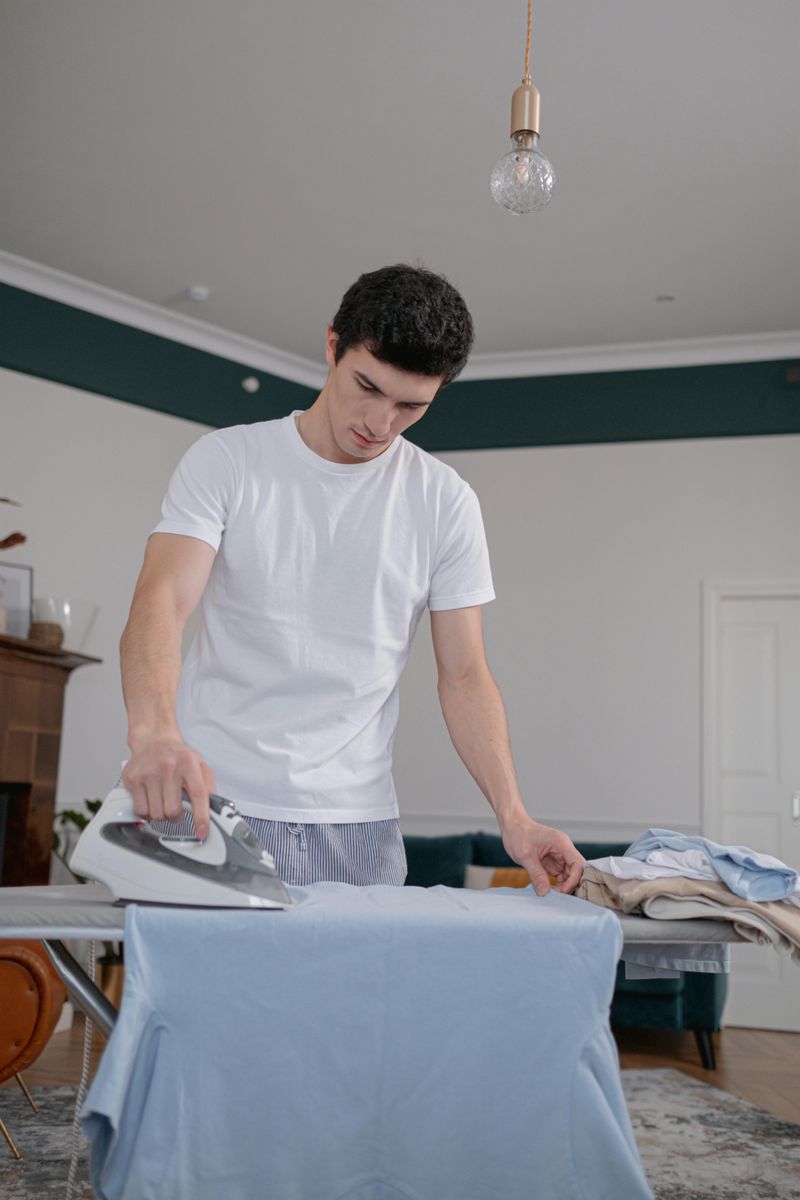
Traditional gender roles have evolved, yet many men still expect their wives to handle most household tasks.
This imbalance creates exhaustion and resentment, especially when both partners work outside the home.
Marriage is a partnership, and responsibilities should be shared fairly.
Cooking, cleaning, laundry, and childcare are not just “women’s work.”
They are tasks that keep a household running smoothly.
Stepping up to help without being asked shows respect and consideration.
Waiting to be told what to do puts the mental load entirely on your partner.
Take initiative and notice what needs to be done.
If you see dishes in the sink, wash them.
If laundry is piling up, start a load.
Contributing equally to household duties demonstrates that you value her time and energy.
It also models important lessons for children about equality and teamwork.
When both partners share the load, there is more time and energy for connection and fun.
Failing to help creates an unfair burden that leads to burnout.
Your wife is not your mother or your maid.
She is your partner, and she deserves your active participation in maintaining your home.
Sharing responsibilities strengthens your bond and creates a more harmonious household.
10. Losing Yourself Completely in the Relationship

While commitment and togetherness are vital, maintaining your individual identity is equally important.
Giving up all your hobbies, friendships, and personal interests can lead to unhappiness.
When you lose yourself in the relationship, you become overly dependent on your partner for fulfillment.
This puts unfair pressure on her to meet all your emotional and social needs.
A healthy marriage consists of two whole individuals choosing to share their lives.
Pursue your passions and maintain friendships outside the marriage.
Having separate interests gives you both space to grow and brings fresh energy into the relationship.
You will have more to talk about and share when you lead independent lives as well.
Encourage your wife to pursue her own interests and support her personal growth.
Spending time apart makes the time together more meaningful.
It also prevents codependency and keeps the relationship balanced.
Being a well-rounded individual makes you a better partner.
Your wife fell in love with the person you were, so do not lose that person.
Continue developing your skills, exploring your interests, and nurturing your friendships.
A marriage thrives when both partners bring their full, authentic selves to the table.
Balance togetherness with healthy independence for a strong, lasting partnership.
