
A great performance can make a strange story feel real or turn a quiet scene into something unforgettable. Sometimes, one actor gives a movie the spark that holds everything together.
These picks celebrate that kind of work, including a few supporting stars who stole the spotlight. The writing and directing mattered too, but imagine these films without the faces that made them stick.
1. Joker: Joaquin Phoenix Makes the Pain Feel Real
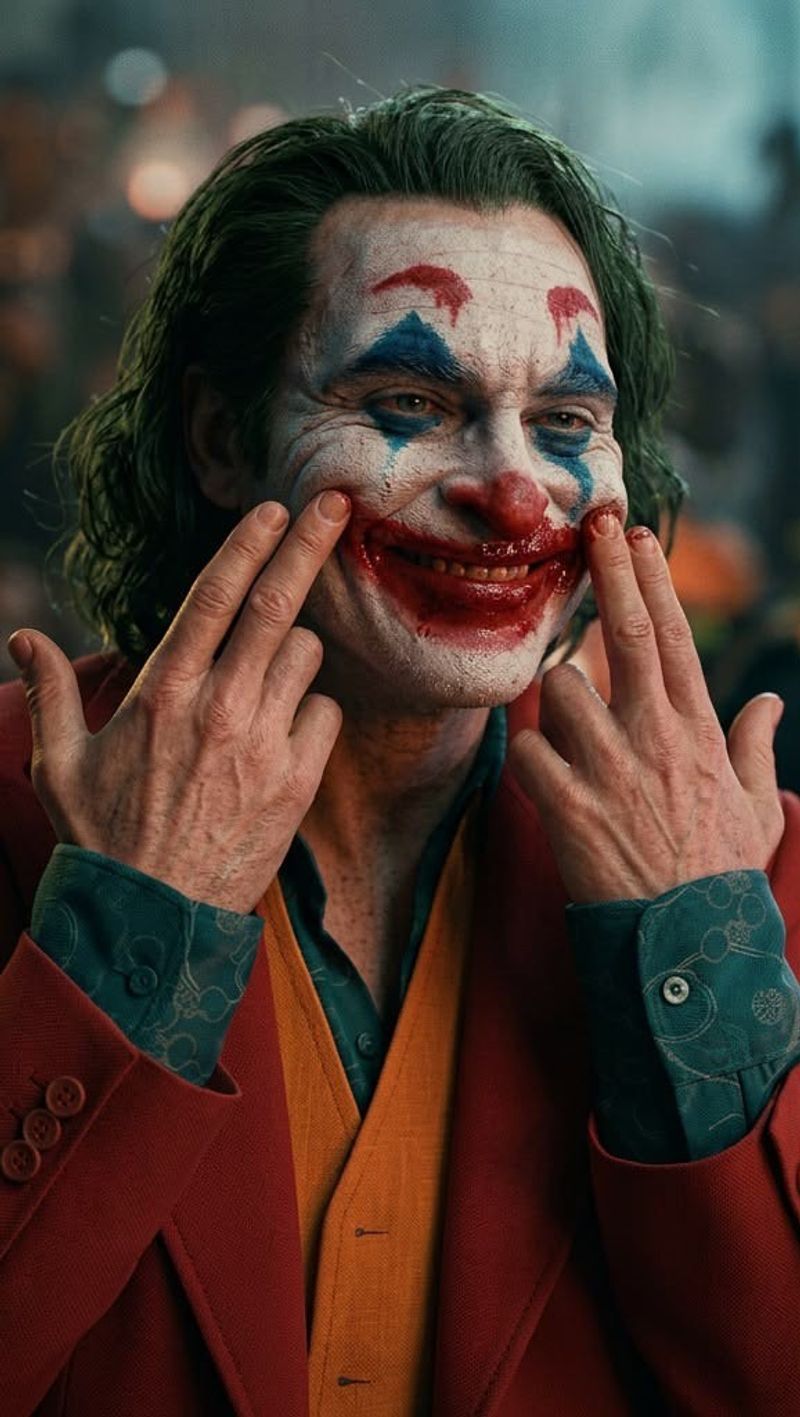
A laugh has rarely sounded so painful. Joaquin Phoenix plays Arthur Fleck as a lonely man whose need for kindness slowly turns into something frightening.
His tense shoulders, sudden movements, and strained laughter tell the story before he speaks.
Without that detail, the film could feel like a familiar villain origin story. Watch how Phoenix changes Arthur’s posture as his confidence grows.
The transformation makes the ending unsettling without asking viewers to excuse his violence.
2. Cast Away: Tom Hanks Turns Silence Into Drama

Talking to a volleyball should seem silly, yet Tom Hanks makes it heartbreaking. As stranded worker Chuck Noland, he gives long stretches of silence a clear emotional shape.
Hunger, frustration, hope, and loneliness all register through his face and body.
The island scenes depend on viewers caring about one person with almost nobody to answer him. Notice how his bond with Wilson develops naturally.
Hanks turns a survival challenge into a story about needing human connection.
3. There Will Be Blood: Daniel Day-Lewis Commands the Frame
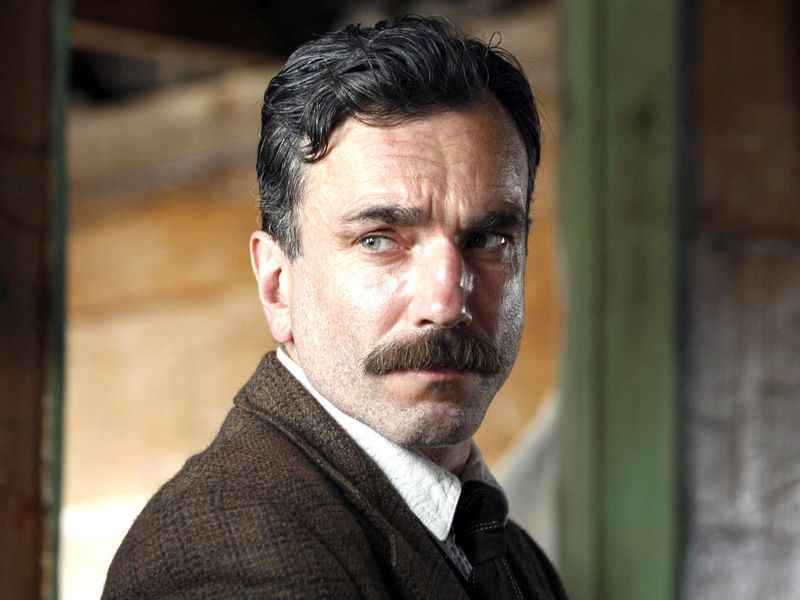
Every handshake feels like a trap when Daniel Plainview offers it. Daniel Day-Lewis builds the oilman’s power through a heavy voice, watchful eyes, and a walk that suggests constant effort.
Even his friendly moments carry a warning.
The film moves slowly, but his presence keeps its struggle over wealth and control alive. Pay attention to the gap between what Plainview promises and what his expression reveals.
That tension makes ordinary conversations feel like dangerous contests.
4. Raging Bull: Robert De Niro Refuses to Soften the Fighter
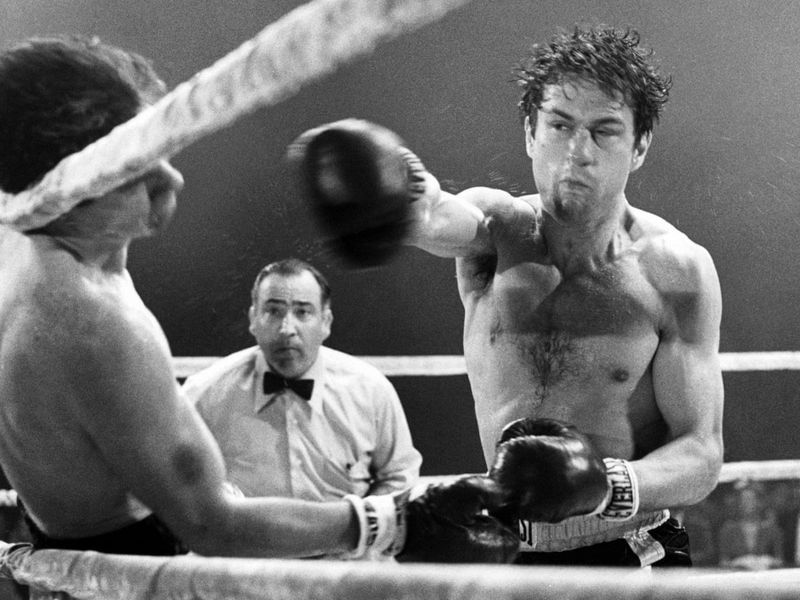
Winning a fight cannot fix Jake LaMotta’s fear of losing control. Robert De Niro makes the boxer fierce in the ring and painfully insecure outside it.
His anger often feels like a shield hiding jealousy and shame.
Rather than making Jake easy to like, the performance makes him difficult to ignore. Compare his boxing scenes with his family arguments.
The same urge to dominate drives both, giving the film a powerful connection between sport and character.
5. The Silence of the Lambs: Anthony Hopkins Makes Every Minute Count
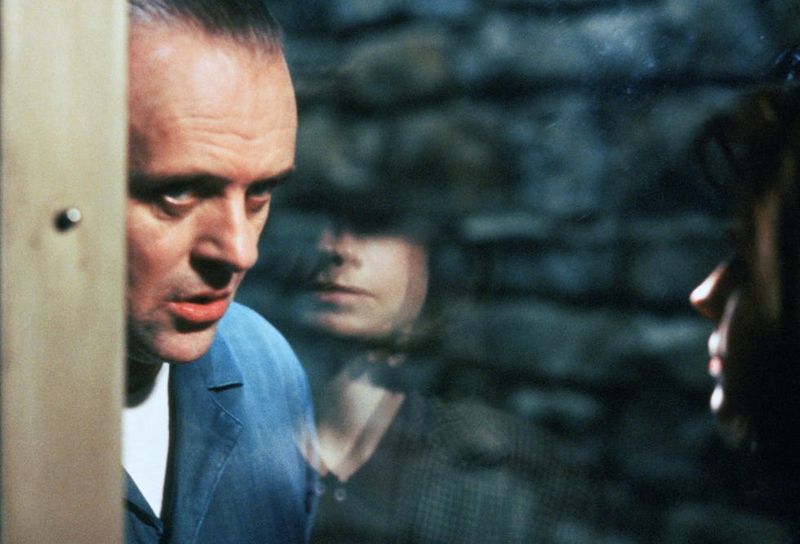
Behind a glass wall, a quiet prisoner becomes the room’s biggest threat. Anthony Hopkins gives Hannibal Lecter careful speech and unnerving stillness, making each exchange feel like a test.
His limited screen time only sharpens the effect.
Jodie Foster remains the story’s central lead, so this is a shared achievement rather than a solo rescue. Still, Hopkins supplies its unforgettable menace.
Watch his pauses: the suspense often comes from waiting for what he will say next.
6. Uncut Gems: Adam Sandler Keeps the Pressure Rising
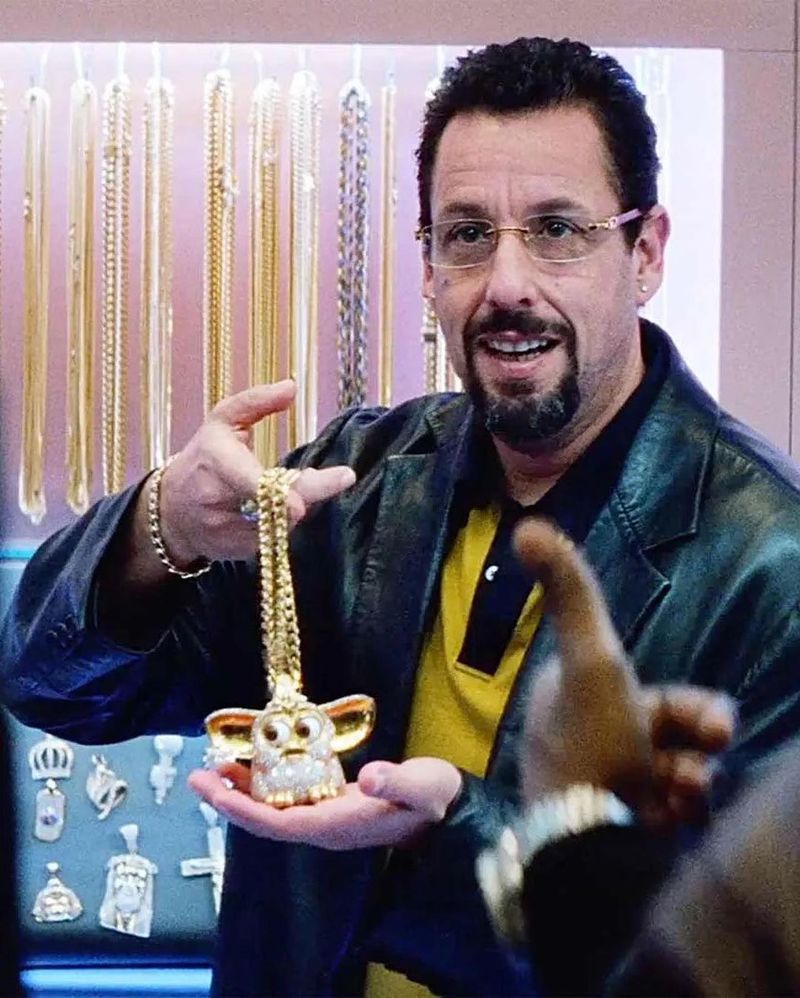
Somehow, the worst decision always sounds like Howard Ratner’s next great idea. Adam Sandler plays the jeweler with such restless energy that his risky bets become exhausting to watch.
Charm and panic keep trading places across his face.
His comic timing helps sell Howard’s confidence, while his dramatic work reveals the fear beneath it. Listen to how quickly he talks when trouble closes in.
The performance makes the film’s constant noise feel personal rather than empty.
7. Gone with the Wind: Vivien Leigh Gives Scarlett Her Fire
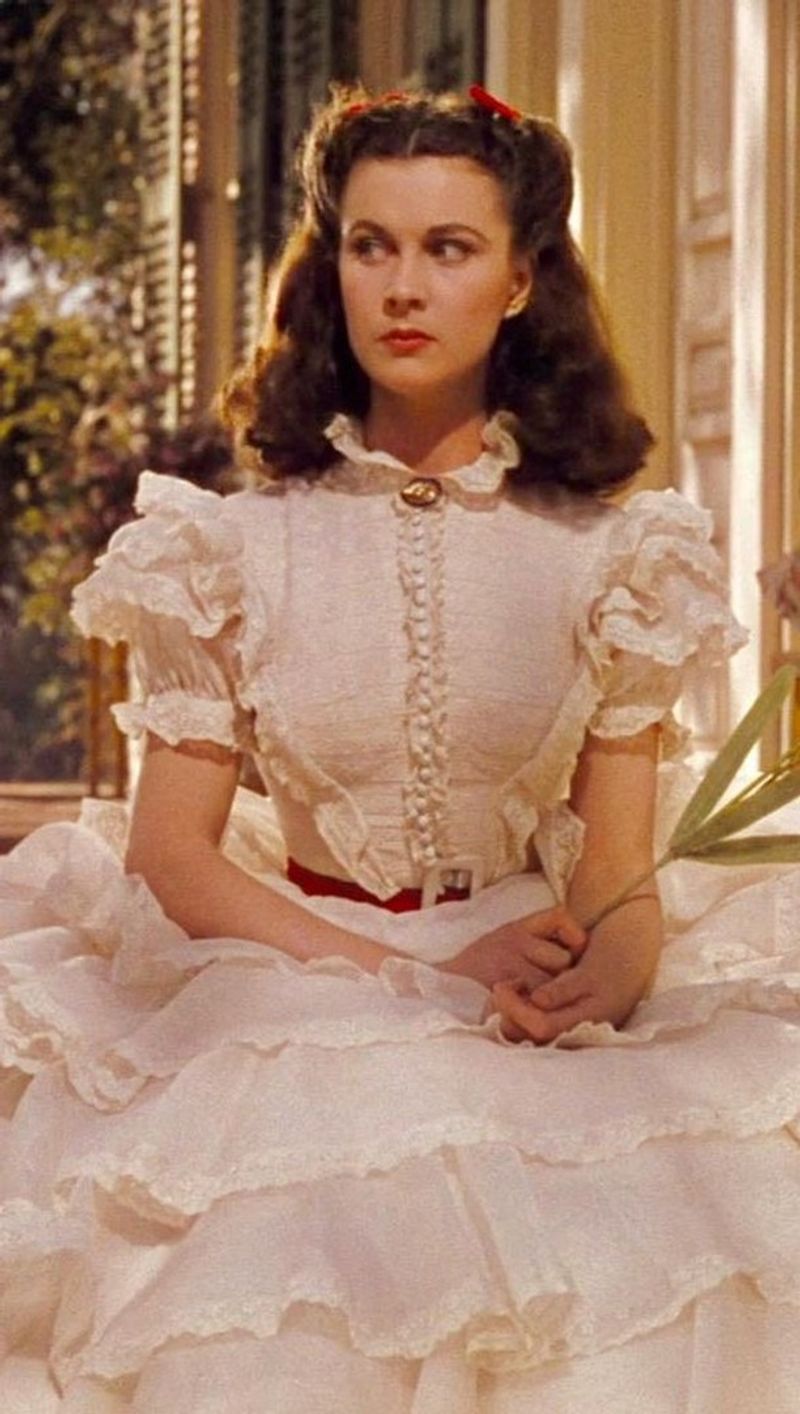
Scarlett O’Hara can charm a room and test its patience within minutes. Vivien Leigh gives her beauty, stubbornness, and a fierce will to survive, helping sustain a very long film.
She never lets Scarlett’s selfishness disappear beneath the glamour.
The movie’s romanticized treatment of slavery deserves criticism, separate from admiring Leigh’s craft. Notice how her bright social manner hardens when comfort slips away.
Those shifts make Scarlett feel like a person, not just a grand costume.
8. Psycho: Anthony Perkins Makes Politeness Suspicious
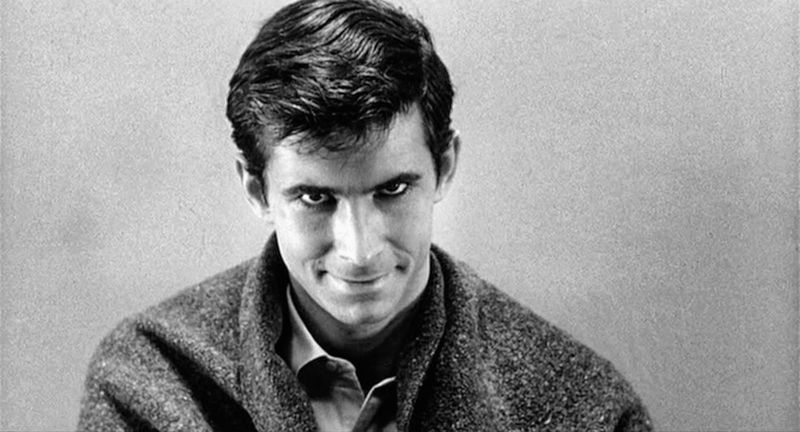
A shy smile is all Anthony Perkins needs to make Norman Bates memorable. He presents the motel owner as awkward, helpful, and almost painfully eager for conversation.
That ordinary warmth gives the film’s darker turns their force.
Without a believable person behind the mystery, the surprises would carry less weight. Watch Norman’s hands and listen to his hesitant replies during the parlor scene.
Perkins makes discomfort look natural, allowing sympathy and suspicion to grow together slowly.
9. A Woman Under the Influence: Gena Rowlands Holds Nothing Back
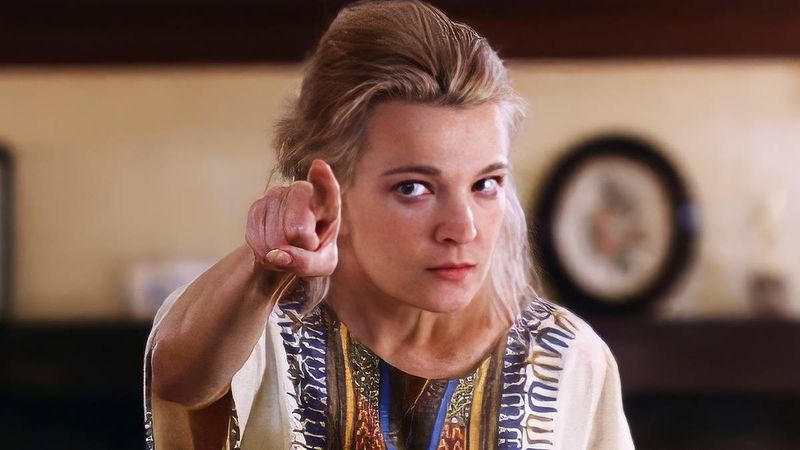
Family life becomes painfully uncertain through Gena Rowlands’s fearless work as Mabel Longhetti. Her gestures can seem playful one moment and distressed the next.
She makes Mabel’s wish to please others feel both loving and deeply exhausting.
The performance avoids turning her struggles into a simple label. Look at how she reacts when relatives watch or correct her.
Rowlands reveals the pressure of being misunderstood, giving the film an emotional center that no plot summary captures.
10. Black Swan: Natalie Portman Makes Perfection Look Terrifying
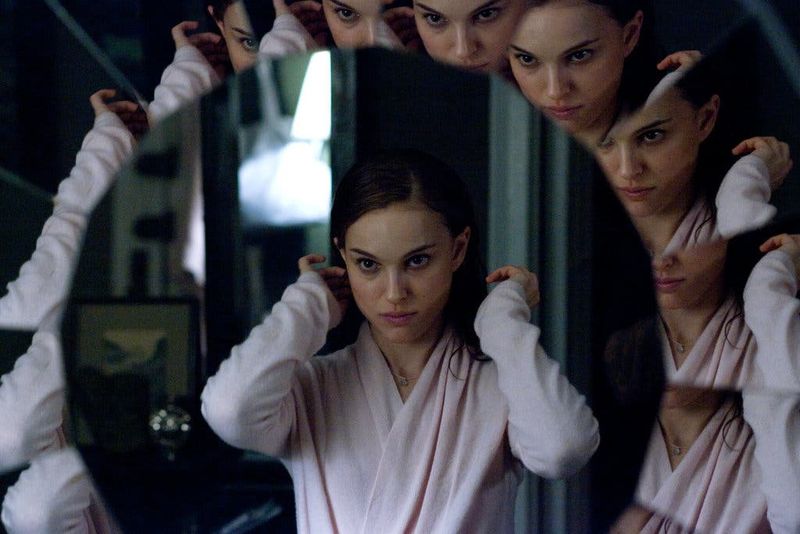
Perfect steps offer little comfort when the dancer cannot trust her own mind. Natalie Portman gives Nina Sayers a fragile focus that gradually cracks under pressure.
Her tightly controlled movement makes every break from that control feel alarming.
The film’s disturbing images work because her fear already feels real. Follow the changes in her breathing, posture, and gaze rather than only the visual shocks.
Portman grounds the nightmare in a familiar worry: never being good enough.
11. Dallas Buyers Club: Matthew McConaughey Finds the Fight Within
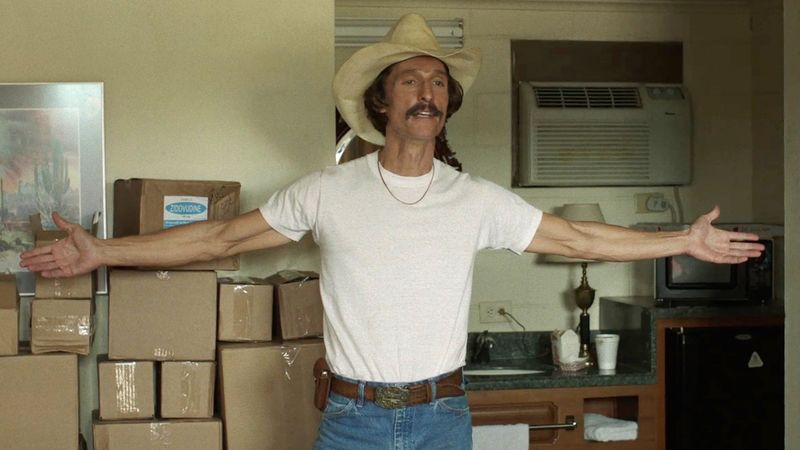
Defiance arrives before kindness in Matthew McConaughey’s portrayal of Ron Woodroof. Facing an HIV diagnosis, Ron begins as an angry, prejudiced man determined to stay alive.
The actor makes his changing outlook gradual instead of suddenly making him heroic.
His physical transformation draws attention, but the sharper achievement is emotional. Watch how his dealings with others shift as survival becomes a shared struggle.
That development gives the film more substance than a story of personal toughness.
12. The Dark Knight: Heath Ledger Turns Chaos Into Character
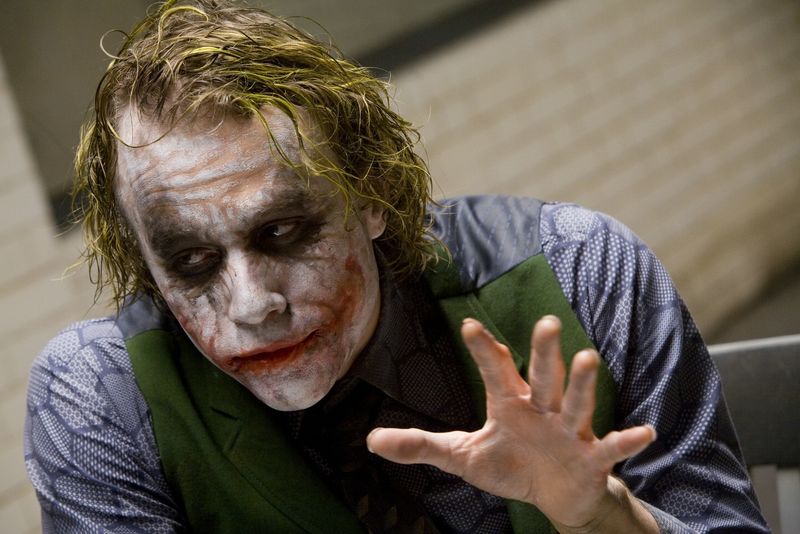
No entrance feels safe once Heath Ledger’s Joker joins the story. His shifting voice, odd pauses, and restless mouth movements suggest someone who enjoys keeping everyone off balance.
The danger comes from uncertainty as much as violence.
Ledger is a supporting actor here, not the lead, but his work shapes the entire conflict. Notice how he changes tactics with each person he faces.
That flexibility makes him a convincing threat to Batman’s beliefs, not merely his safety.
13. One Flew Over the Cuckoo’s Nest: Jack Nicholson Sparks the Rebellion
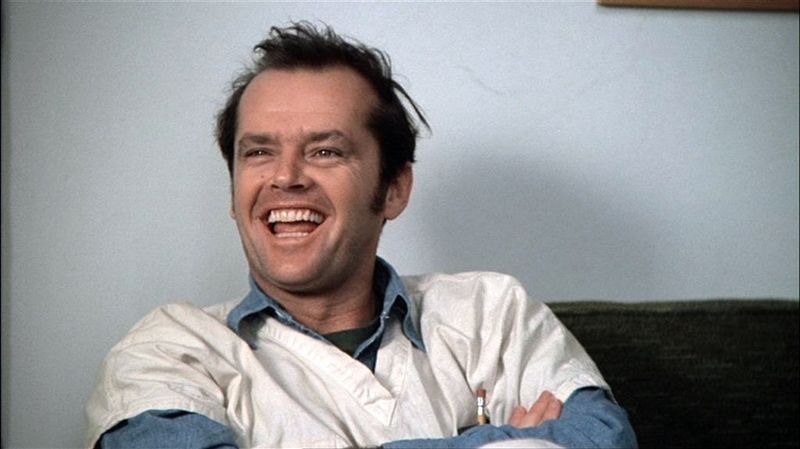
One grin from Jack Nicholson can make a strict hospital ward feel less secure. As Randle McMurphy, he brings mischief, impatience, and a hunger for freedom into a place built around routine.
His energy gives the other patients something to answer.
Yet the role needs more than rebellious charm. Look for the moments when his joking gives way to concern or fear.
Nicholson makes those changes count, turning a troublemaker into the film’s complicated emotional engine.
14. The Godfather: Marlon Brando Makes Quiet Power Believable
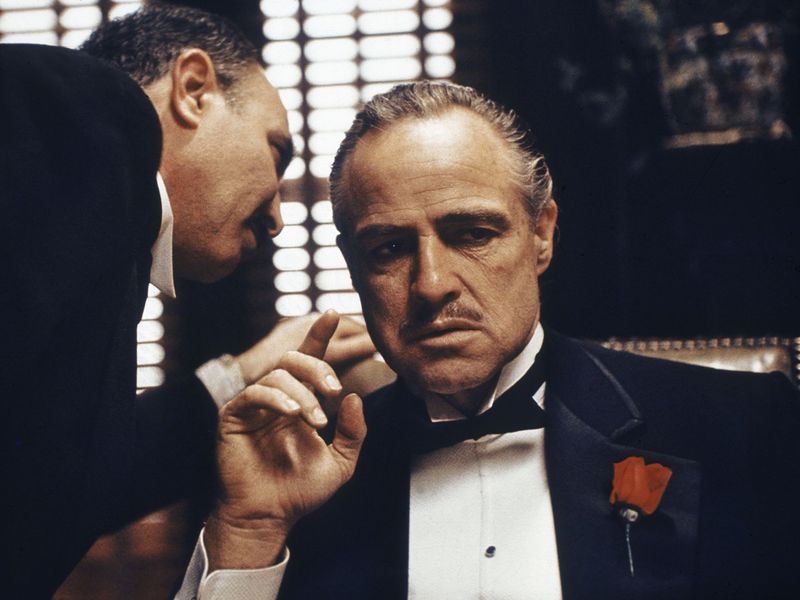
Power rarely needs a raised voice in Marlon Brando’s hands. His Vito Corleone speaks softly, listens carefully, and makes small gestures feel like major decisions.
The performance gives the crime family’s authority a believable source.
Al Pacino carries Michael’s central journey, while Brando establishes the world he inherits. Study the opening office scene for its careful pace.
Vito’s calm manner mixes affection with control, helping explain why his family finds his influence so difficult to escape.
15. Dog Day Afternoon: Al Pacino Makes a Disaster Feel Human
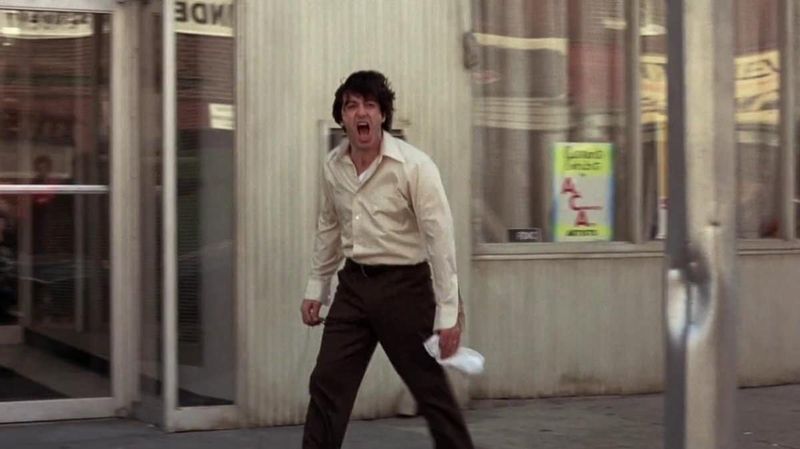
A failed bank robbery becomes more than a crime story through Al Pacino’s anxious energy. Sonny talks, argues, sweats, and improvises as his plan falls apart.
He seems capable of winning over a crowd while barely controlling himself.
Pacino keeps desperation close to the surface, even during the funny moments. Watch how Sonny’s confidence changes depending on who is listening.
Those shifts make the standoff feel immediate and reveal a man trapped by decisions he cannot undo.
16. Pulp Fiction: John Travolta Gives Vincent Vega His Cool
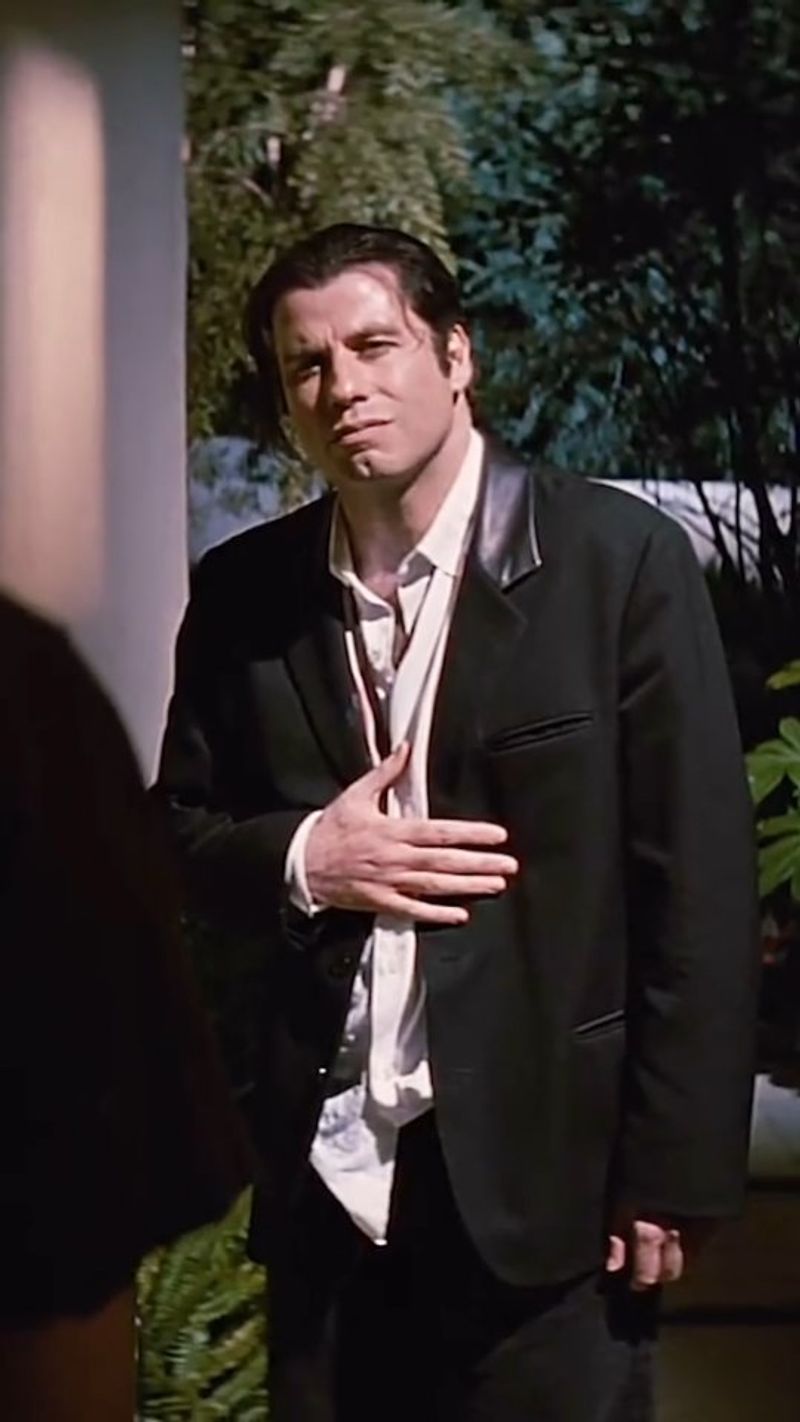
Casual small talk becomes strangely entertaining when John Travolta delivers it as Vincent Vega. He gives the hitman a relaxed manner that clashes with the danger surrounding him.
A shrug or confused pause can be as memorable as a punchline.
In this ensemble film, his chemistry with Samuel L. Jackson and Uma Thurman matters enormously.
Notice how Vincent’s cool image slips during awkward situations. Travolta makes a criminal funny and watchable without pretending that he is wise.
17. Mystic River: Sean Penn Gives Grief a Dangerous Edge
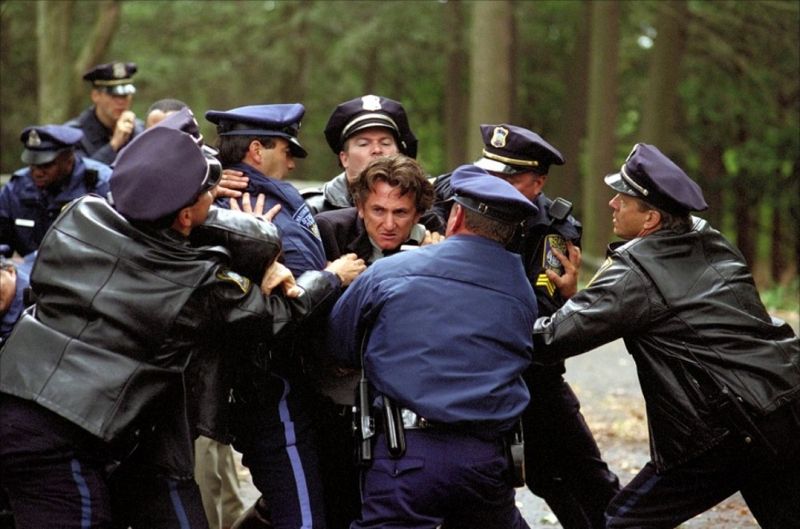
Grief does not arrive gently for Jimmy Markum. Sean Penn plays the grieving father with a force that can shift from crushing sorrow to frightening anger.
His pain becomes the film’s driving pressure, affecting everyone around him.
The strongest moments show how love and a need for revenge can become tangled. Pay attention to his quieter exchanges as well as his outbursts.
Penn makes Jimmy’s certainty feel dangerous, reminding viewers that deep emotion does not guarantee sound judgment.
18. Misery: Kathy Bates Makes Kindness Feel Like a Warning
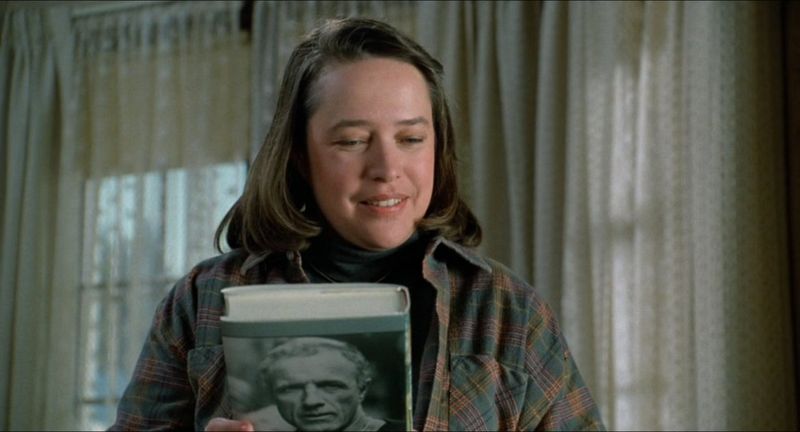
Homemade care has never felt less comforting than it does with Annie Wilkes. Kathy Bates gives the devoted fan a cheerful manner that can turn harsh without warning.
Her polite habits make the threat feel disturbingly close to everyday life.
Because much of the film stays inside one house, her changing moods supply essential tension. Watch the tiny pauses before her anger breaks through.
Bates makes Annie unpredictable without making her random, which keeps every conversation loaded with risk.
19. Monster: Charlize Theron Looks Beyond the Transformation
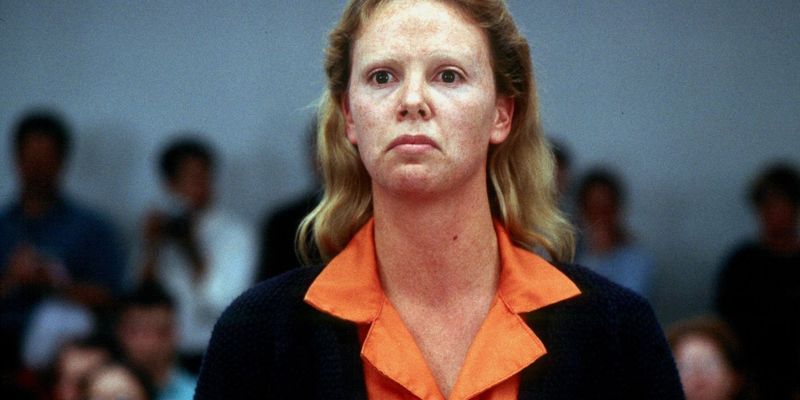
Makeup changes the face, but Charlize Theron’s acting supplies the person beneath it. As Aileen Wuornos, she uses a rough voice, guarded stance, and sudden bursts of hope to create a deeply troubled character.
The transformation reaches far beyond appearance.
The film asks viewers to understand suffering without excusing murder. Watch how Theron handles moments when Aileen expects rejection or briefly imagines safety.
Those reactions give the story emotional weight while leaving its violence disturbing and tragic.
20. A Clockwork Orange: Malcolm McDowell Makes Charm Deeply Uncomfortable
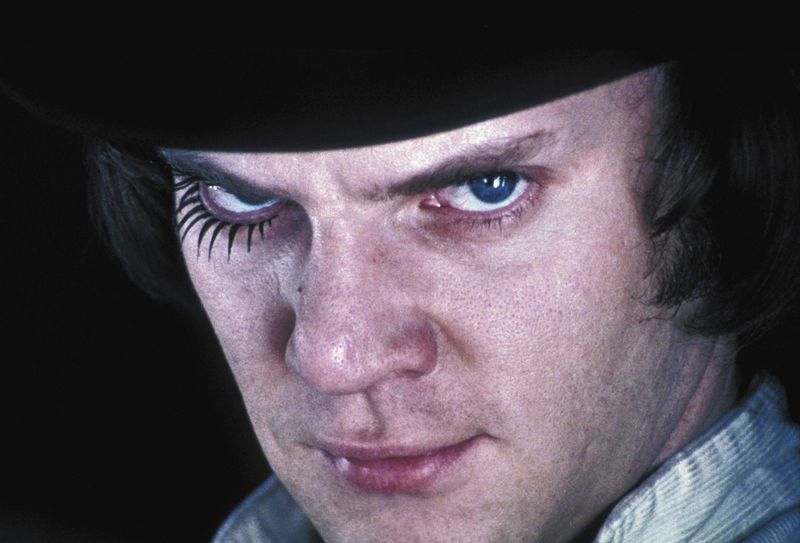
That bright, confident smile is exactly what makes Alex DeLarge so troubling. Malcolm McDowell combines youthful charm with cruelty, creating a narrator who invites attention without earning trust.
His playful delivery clashes sharply with the harm he causes.
The film’s questions about punishment and choice need that uncomfortable pull. Listen for how Alex presents himself as clever or wronged.
McDowell makes his storytelling persuasive enough to examine, while giving viewers plenty of reasons to resist its appeal.