
Nothing made a TV show more tempting than hearing you were not supposed to watch it. Sometimes a whole series faced a ban, while other times just one episode vanished or scenes were cut.
Those choices reveal what networks, governments, and viewers found troubling at the time. From missing cartoons to sitcom episodes that later returned, these stories explain the fuss behind the forbidden screen.
1. Power Rangers: A Name That Raised Alarms
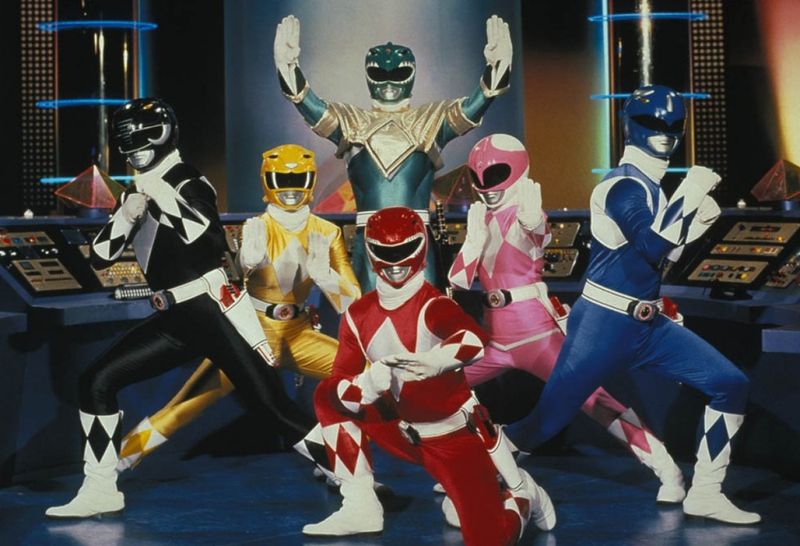
A superhero catchphrase became an unexpected headache in Malaysia. Authorities objected to Mighty Morphin Power Rangers because Morphin sounded like morphine, the drug, rather than a word about changing shape.
The restriction concerned the title, not a secret message hidden in the colorful action. Reports describe the show returning after the troublesome wording was dropped.
For fans, the episode offers a strange reminder that even a name can change what reaches the family television screen.
2. One Piece: Pirates With a Cleaner Cut
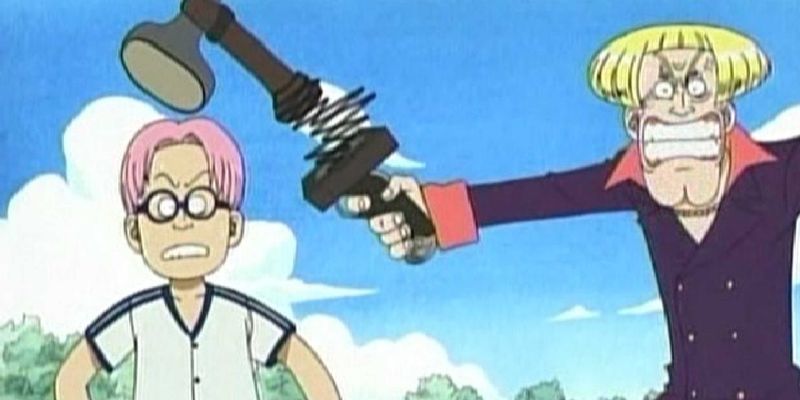
Pirate adventures looked surprisingly different depending on which version reached your television. The 4Kids English dub changed dialogue, removed footage, and softened weapons and smoking to suit a younger audience.
That makes One Piece a censorship story rather than a blanket ban. Later English releases offered a version closer to the original Japanese series.
When choosing an edition, check the distributor and language options, since two releases can tell noticeably different versions of the same adventure.
3. Pokémon: Missing Adventures and a Real Safety Scare
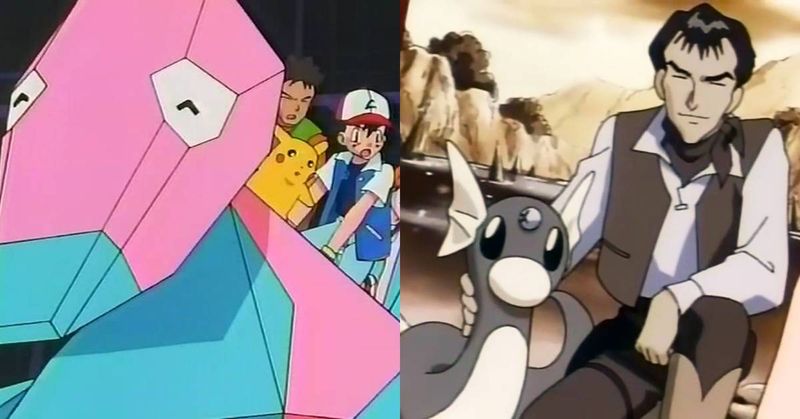
Some missing adventures left young viewers scratching their heads. American audiences never saw The Legend of Dratini in its original television run, which helped explain otherwise puzzling changes in Ash’s collection.
Another episode, Electric Soldier Porygon, was withdrawn after flashing images caused a major medical emergency in Japan. That was a genuine safety issue, not simply adults disliking cartoons.
Anyone sensitive to flashing lights should avoid clips of the sequence, including copies shared as harmless nostalgia.
4. The Simpsons: A New York Trip Put Aside
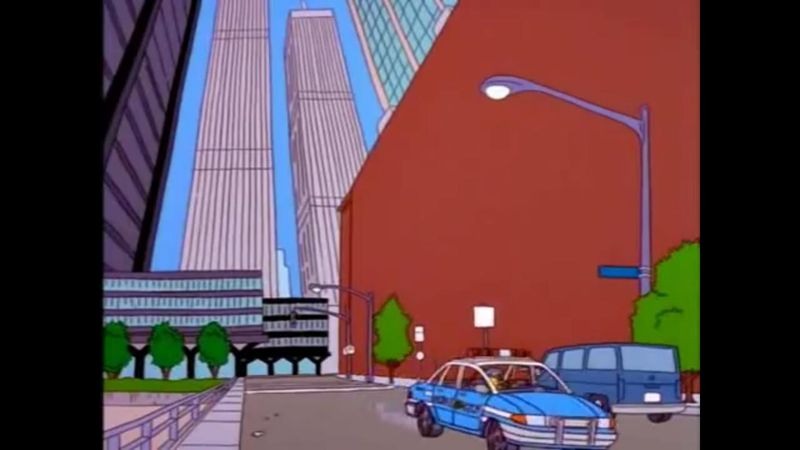
Homer’s miserable trip to Manhattan became difficult viewing for reasons nobody anticipated. The City of New York vs. Homer Simpson features the World Trade Center, making it especially sensitive after the September 11 attacks.
Some stations stopped showing the episode, while later broadcasts brought it back. The whole series was not banned.
Its changing place in reruns shows how a familiar comedy can feel different after tragedy, even when the original jokes were written years earlier.
5. Doctor Who: The Time Travel Ban That Needs Context
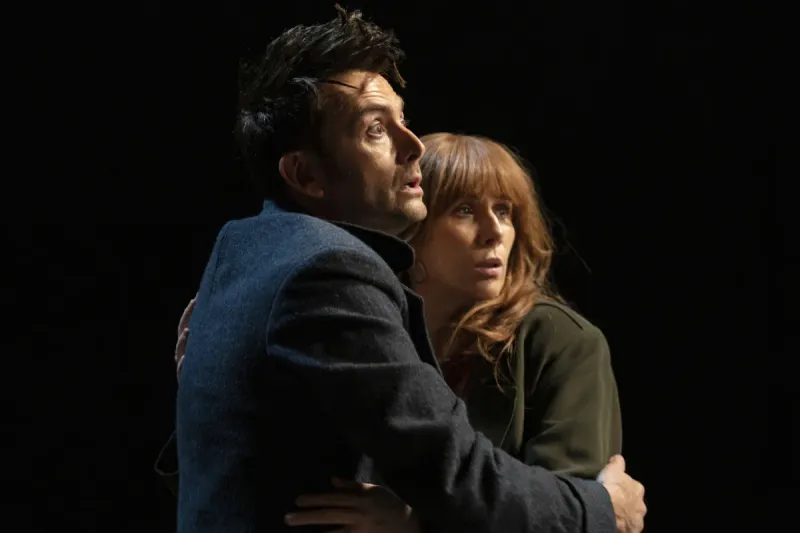
A blue police box makes a wonderful headline, especially beside the words banned television. Claims that China specifically outlawed Doctor Who often simplify a more complicated story about official criticism of time travel dramas.
Chinese guidance focused on certain historical television productions, not a clearly documented worldwide ban on the Doctor. BBC distribution deals later brought the series to Chinese audiences.
Treat sweeping versions of this tale cautiously, and separate policy reports from confirmed broadcast restrictions.
6. South Park: When the Bleeps Became the Story
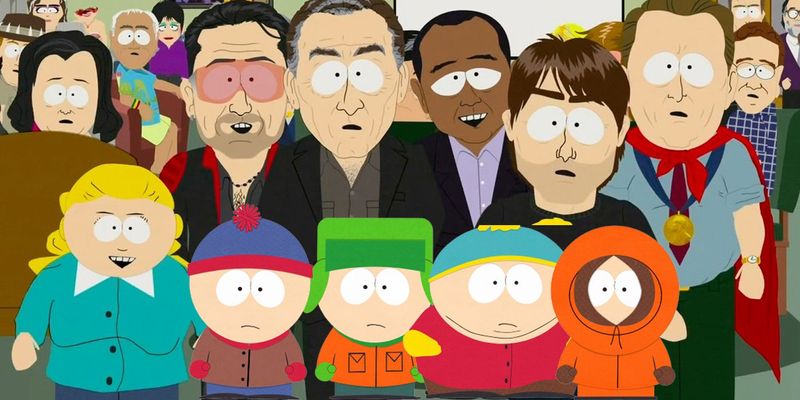
Even a cartoon famous for pushing buttons found a line its network would not cross. Episodes 200 and 201 became flashpoints over references to depicting the Prophet Muhammad and threats surrounding their broadcast.
Comedy Central censored material, and the episodes have been absent from many official streaming collections. Their reputation grew partly because viewers could not easily watch them.
Read episode summaries for context rather than assuming every missing scene was removed for the same reason.
7. The X-Files: A Horror Story Too Far for Reruns
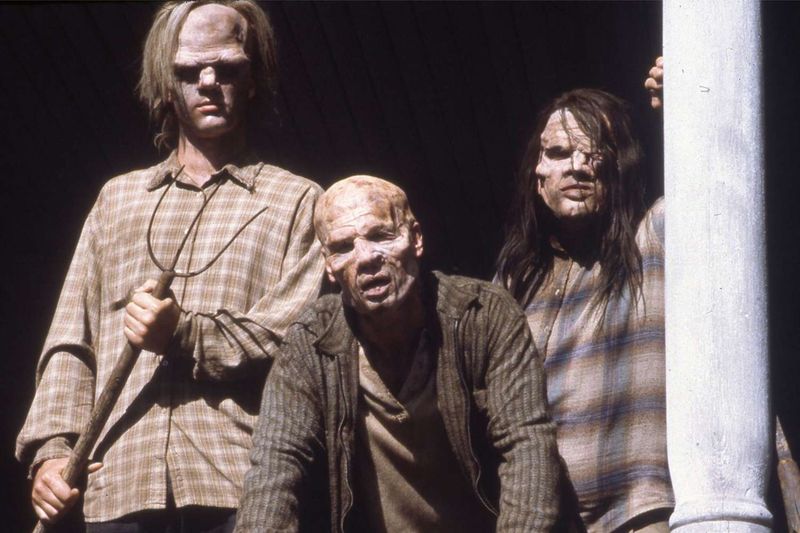
Forget flying saucers for a moment. Home frightened viewers with a disturbing family story rooted in human cruelty rather than visitors from space.
After its first broadcast, Fox kept the episode out of its regular repeat schedule because of its extreme content. It later appeared through other television outlets and home video.
Curious newcomers should check content warnings before watching: its reputation comes from deeply upsetting themes, not just a few familiar monster show scares.
8. Hawaii Five-O: The Case Missing From the Collection
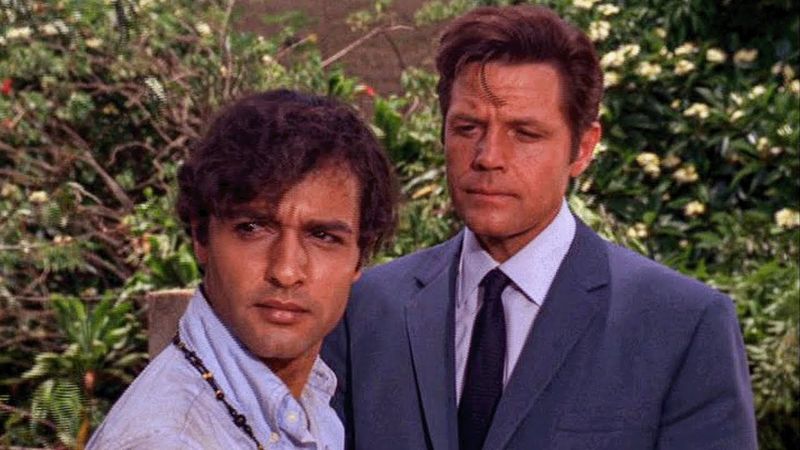
Collectors sometimes discover that a complete season is not quite complete. Bored, She Hung Herself, from the original Hawaii Five-O, has long been excluded from normal reruns and official home video releases.
The withdrawal is commonly linked to reports that a viewer copied a dangerous act shown onscreen, with fatal results. Details of that account deserve caution because documentation is limited.
The lasting lesson is straightforward: a television stunt should never become a home experiment.
9. Ren & Stimpy: Gross Humor Crosses a Line
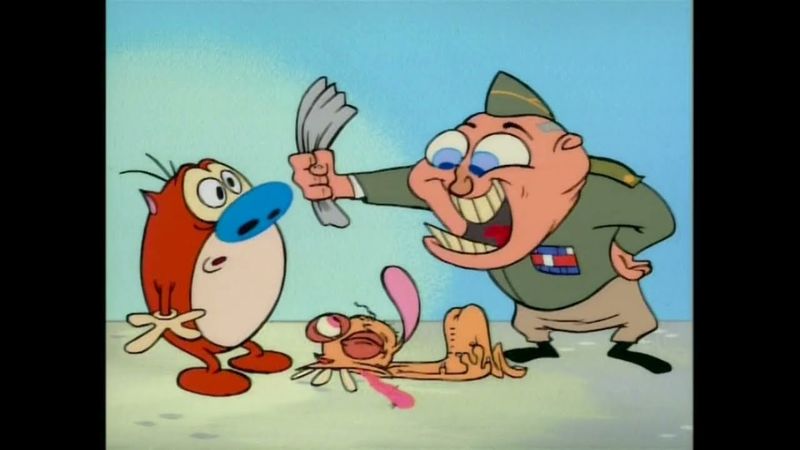
Gross jokes were part of the attraction, but one cartoon went beyond Nickelodeon’s comfort zone. Man’s Best Friend included an extended beating that helped make it unsuitable for the channel’s young audience.
The episode was withheld from its original run and finally reached television through an adult programming setting in 2003. That change matters: the same characters do not always mean the same age rating.
Parents revisiting childhood favorites should check individual episodes, not just titles.
10. Star Trek: A Difficult Mission for German Television
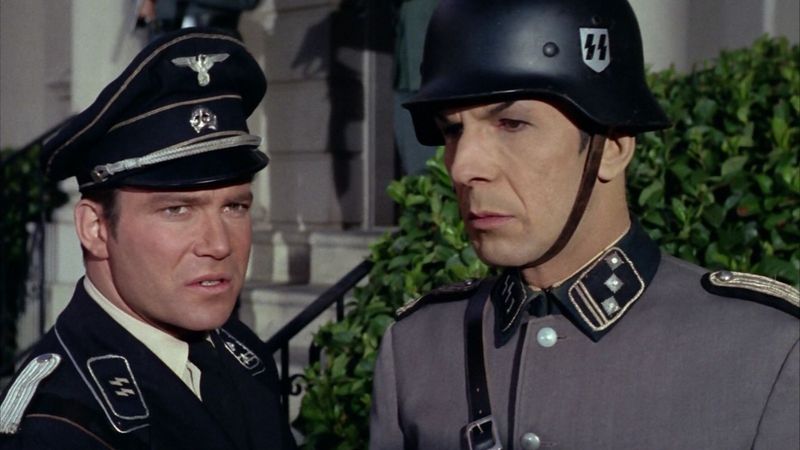
Space exploration landed in uncomfortable historical territory with Patterns of Force. The original Star Trek episode uses Nazi imagery while telling a story about the dangers of copying a brutal political system.
German broadcasters left it unaired for decades, with its first German television showing arriving on pay television in 1996. Calling that a simple worldwide ban misses the local context.
Watching the episode critically means separating its warning about dictatorship from the disturbing symbols it displays.
11. Seinfeld: The Parade Episode That Sparked Protests
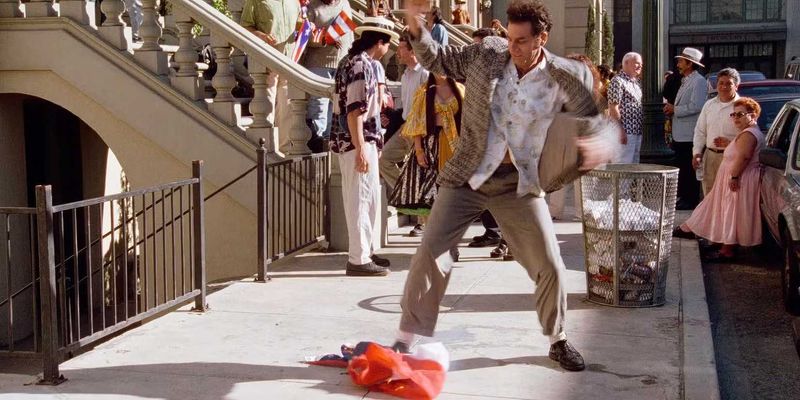
A traffic jam supplied the setup, but a flag scene caused the real trouble. The Puerto Rican Day drew protests after Kramer accidentally burned a Puerto Rican flag and then stepped on it.
NBC apologized, and the episode was initially kept out of syndication before returning later. The reaction shows why a sitcom’s silly intent does not settle every argument.
For many viewers, a national symbol carries personal meaning that outlasts the joke surrounding it onscreen.
12. Andi Mack: Growing Up Meets Uneven Access
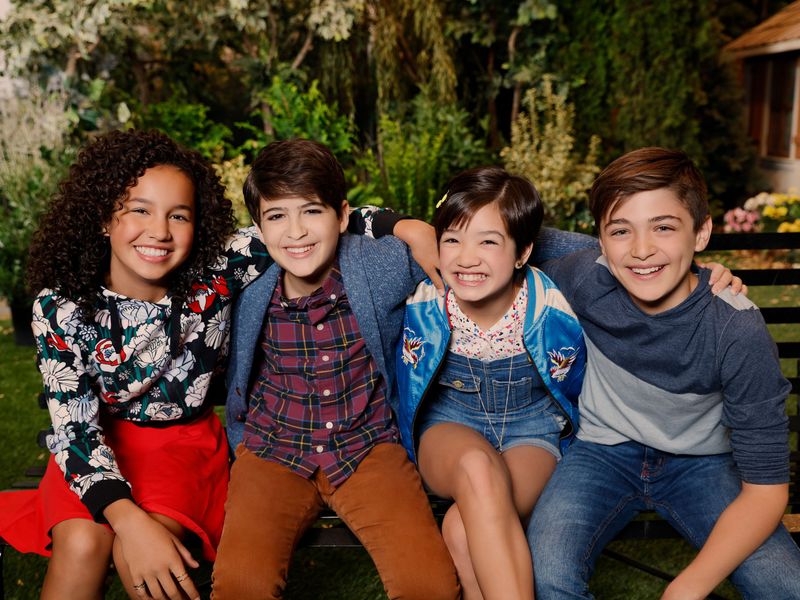
For a gentle coming of age series, the barriers were surprisingly heavy. Kenya’s film classification authorities opposed Andi Mack over its gay storyline, showing how representation can face different rules across borders.
Separately, viewers have encountered gaps in the show’s streaming availability following the criminal case involving a cast member. Those are distinct issues, not one universal ban.
Check current official listings before buying a subscription, especially if you want to follow the full story in order.
13. Blood-C: Animation That Was Never Children’s Fare
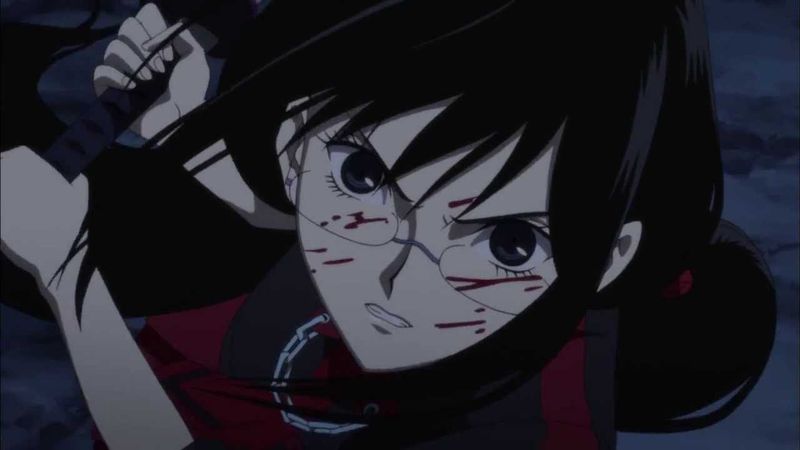
Bright animation can hide an extremely dark viewing experience. Blood-C follows a schoolgirl caught in supernatural violence, and its graphic scenes place it far outside ordinary children’s cartoon territory.
China included the series on its 2015 blacklist of anime and manga titles restricted from online distribution. Elsewhere, legal releases have allowed adult audiences to watch it.
Before pressing play, read the rating and violence warnings rather than trusting the school uniforms or colorful artwork alone.
14. Game of Thrones: Westeros With Scenes Missing
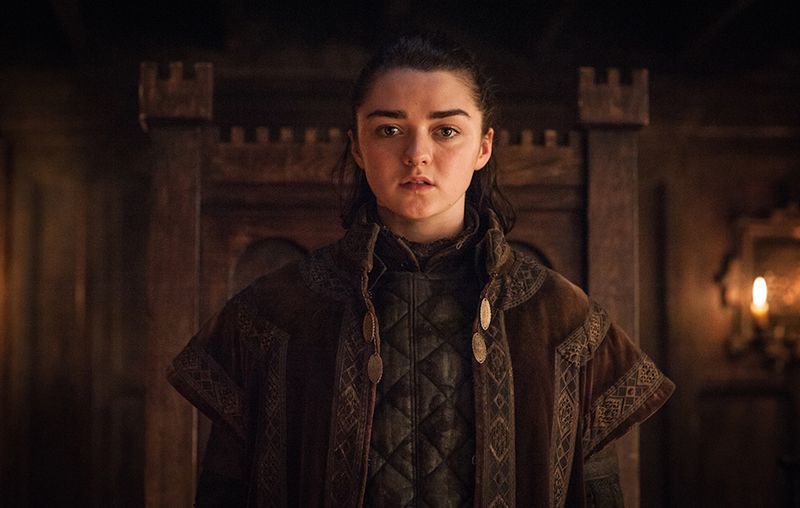
Westeros was already hard enough to follow without missing footage. Chinese releases of Game of Thrones underwent cuts involving adult material and violence, leaving viewers with versions different from the original broadcasts.
That is censorship rather than proof the entire series was forbidden everywhere in China. Fans comparing running times sometimes noticed the difference immediately.
If scenes seem abrupt, check which regional edition you are watching before blaming the storytelling or assuming your streaming service malfunctioned.
15. The Dukes of Hazzard: A Familiar Car, a Lasting Dispute
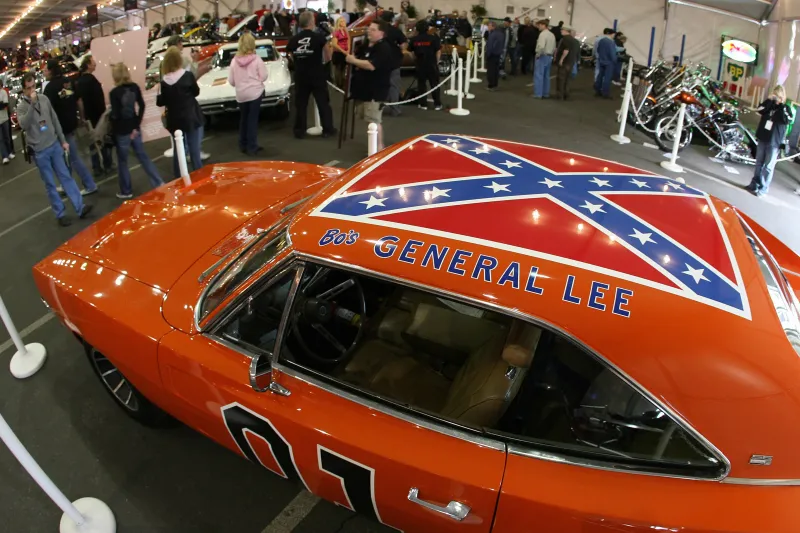
Car jumps and country roads could not keep one symbol out of the conversation. The Confederate flag on the General Lee became central to criticism of The Dukes of Hazzard.
TV Land removed reruns in 2015 amid renewed national debate about the flag. That programming decision was not a government ban on owning or watching the series.
Revisiting the show can mean enjoying its stunt work while also recognizing why its imagery causes real hurt today.
16. Law & Order: SVU: A Shelved Episode Is Not a Ban
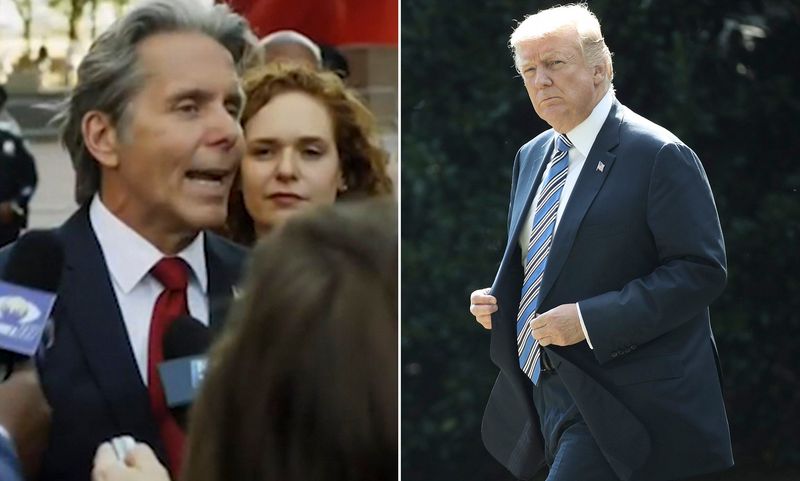
Not every missing crime drama episode has actually been banned. Unstoppable, an SVU installment featuring a politician facing allegations, was filmed for a planned 2016 broadcast but repeatedly delayed and ultimately shelved.
Its absence became part of the show’s lore, though audiences cannot honestly recall watching an officially aired version. Claims about other pulled episodes need separate verification.
When a sensational headline appears, look for an NBC announcement or reliable reporting before treating its explanation as settled.
17. The Smothers Brothers Comedy Hour: Jokes With Consequences
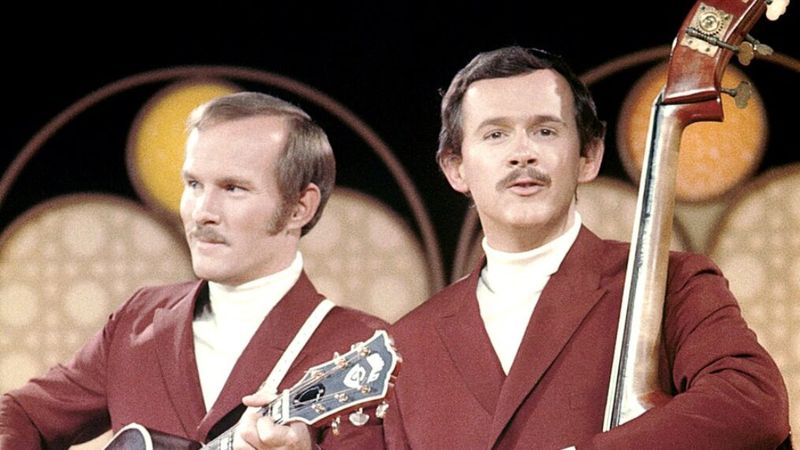
Two brothers with musical instruments made network executives surprisingly nervous. Their variety show mixed songs and jokes with sharp comments about war, politics, and American life during the late 1960s.
CBS cut material and eventually canceled the program in 1969 after repeated disputes. Calling it a nationwide legal ban would overstate what happened, but the censorship battles were real.
Surviving performances reveal how cheerful delivery can carry a serious challenge, making television comedy feel unusually risky.
18. Tiny Toon Adventures: A Warning That Went Too Dark
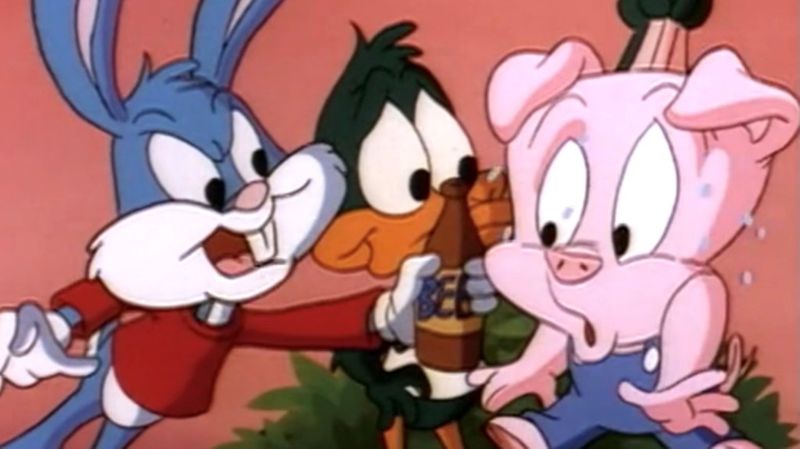
A lesson against drinking took a surprisingly grim turn in One Beer. The Tiny Toon Adventures segment showed its young cartoon characters drinking, driving, and apparently dying before revealing their performance was a warning.
The segment was removed from many later broadcasts, earning a reputation as forbidden childhood television. Its message opposed dangerous behavior, but its delivery troubled broadcasters.
For families revisiting old cartoons, the useful question is not merely what lesson appears, but how it lands.