
Anime is known for its wild stories, colorful art, and unforgettable characters — but not all of those characters come from Japan. Many beloved anime heroes and villains are actually from fictional versions of Europe, China, or completely made-up worlds inspired by cultures around the globe.
This global mix of backgrounds is part of what makes anime so exciting and unique. Get ready to meet 16 amazing anime characters whose roots reach far beyond Japan.
1. Alucard (Hellsing)
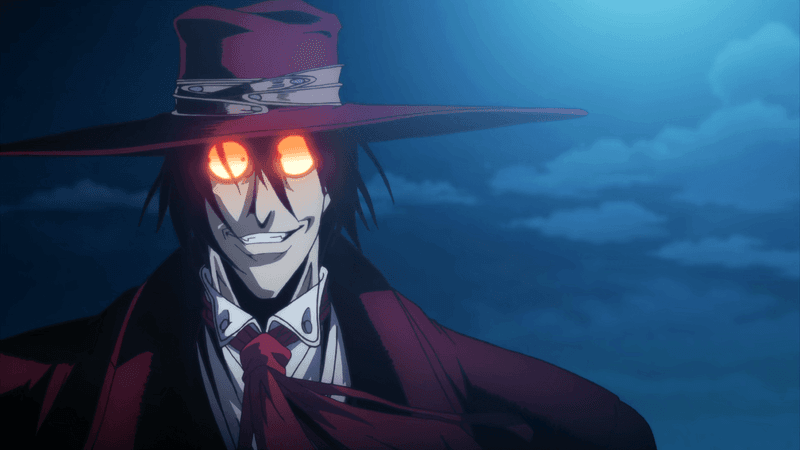
Born from Eastern European legend, Alucard is literally Count Dracula reimagined as an unstoppable vampire working for England’s Hellsing Organization. He hunts down supernatural threats with terrifying power and an unsettling grin that never quite goes away.
What makes him so fascinating is the contradiction at his core — a monster serving humans, bound by loyalty yet capable of absolute destruction. Few anime characters carry that kind of dark, layered history with such effortless cool.
2. Edward Elric (Fullmetal Alchemist)
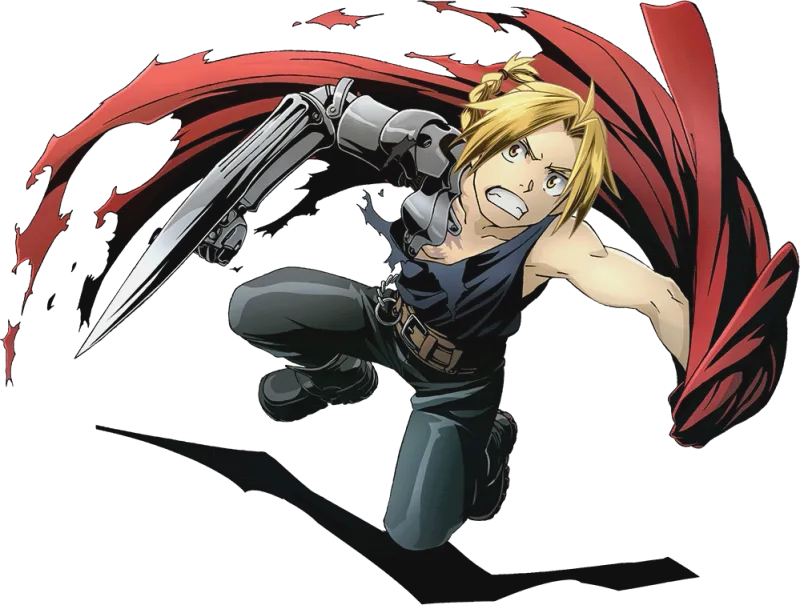
Short in stature but enormous in determination, Edward Elric hails from Amestris — a fictional nation heavily inspired by pre-World War II Germany. After a devastating alchemical experiment goes wrong, Ed and his brother Alphonse set out on a journey to reclaim what they lost.
Edward’s story hits hard because it’s about guilt, sacrifice, and never giving up. His non-Japanese roots give the show a distinctly European flavor that sets it apart from most anime.
3. Violet Evergarden (Violet Evergarden)
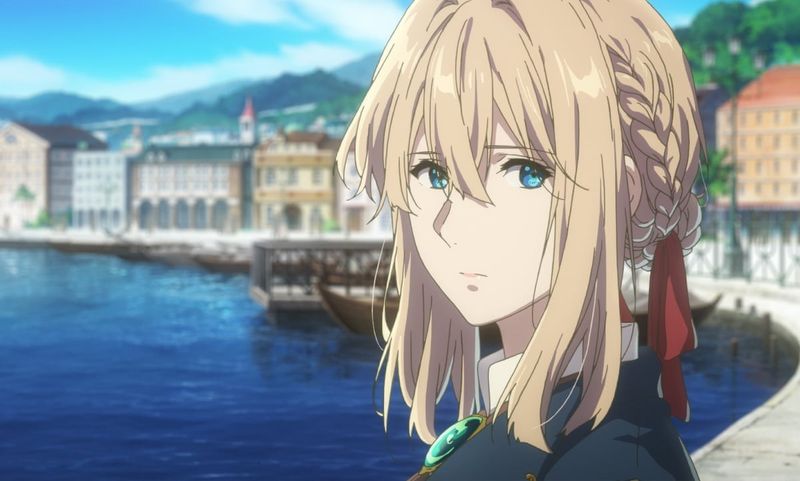
Violet Evergarden is a former child soldier from a fictional European-inspired country, trained to fight but never taught how to feel. After the war ends, she becomes an Auto Memory Doll — someone who writes letters on behalf of others.
Her quiet mission to understand the meaning of the words “I love you” is genuinely moving. The show’s lush European landscapes and emotional depth make Violet one of anime’s most beautifully crafted non-Japanese protagonists.
4. Son Goku (Dragon Ball)
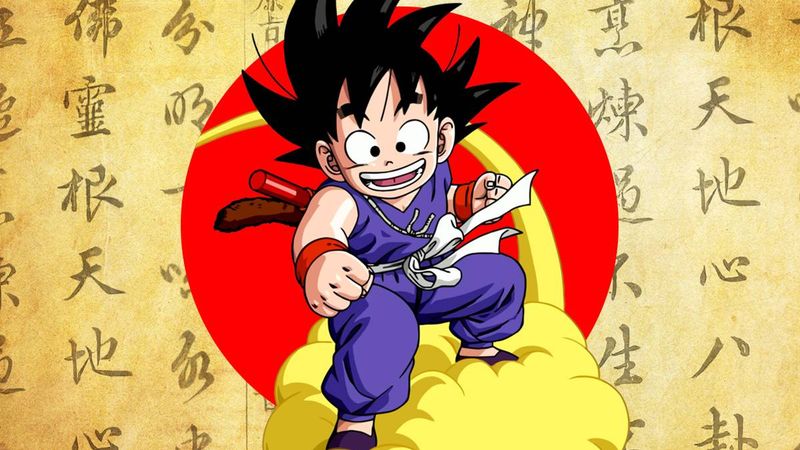
Before Goku was a Saiyan from outer space, he was inspired by Sun Wukong — the legendary Monkey King from ancient Chinese mythology. The original Dragon Ball manga borrows heavily from the classic Chinese novel Journey to the West.
Goku’s staff, his love of fighting, and even his early monkey-like tail all trace back to Chinese culture. It’s wild to think that one of anime’s biggest icons has roots firmly planted outside of Japan.
5. Ciel Phantomhive (Black Butler)
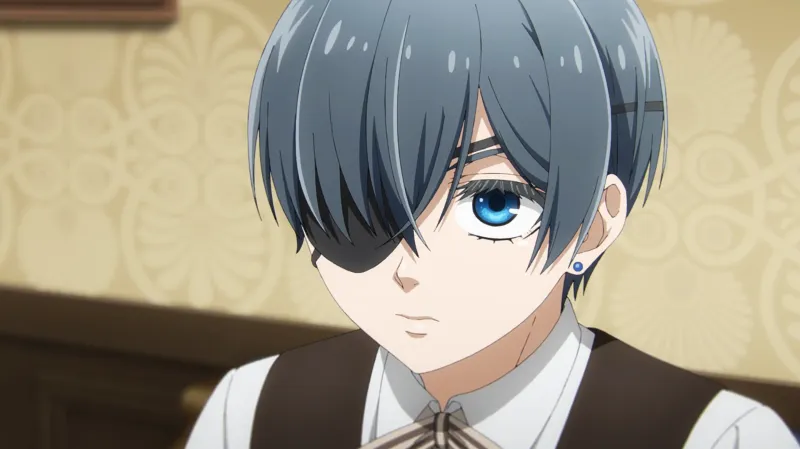
Ciel Phantomhive is the head of a noble English family and a secret agent for the Queen — all at the age of thirteen. Set in Victorian England, his story involves dark secrets, demonic contracts, and a relentless hunger for revenge.
The show leans fully into British culture, from the manor houses to the afternoon tea. Ciel’s cold, calculating personality feels perfectly at home in that fog-drenched, gaslit world of 19th-century London.
6. Monkey D. Luffy (One Piece)
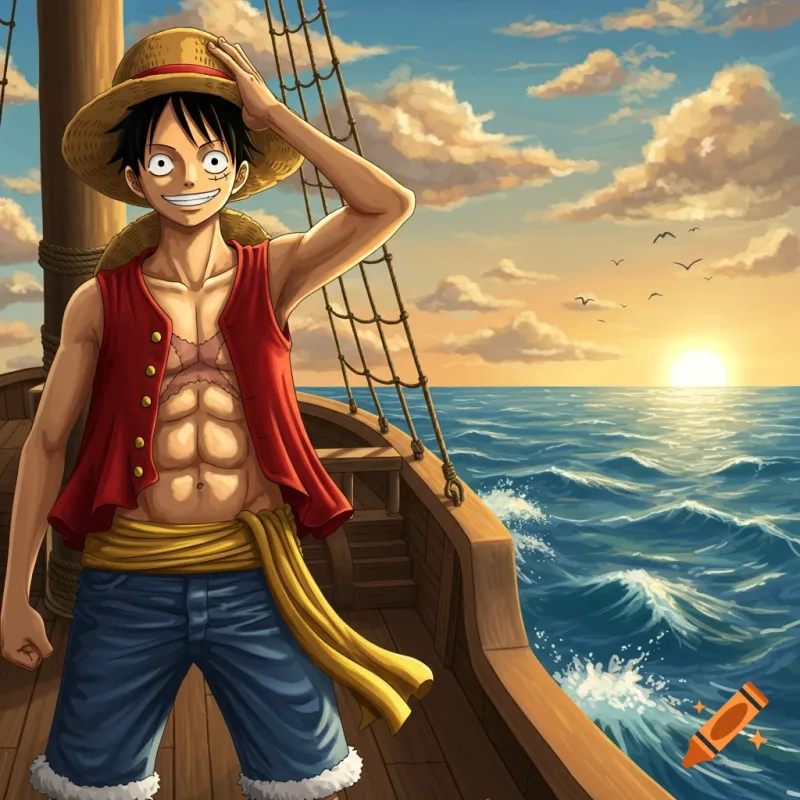
Luffy sets sail from a small island in a world inspired by the golden age of Caribbean and Atlantic piracy — not Japan. His adventures take him across oceans filled with cultures drawn from all over the real world, from deserts to frozen tundras to underwater kingdoms.
Oda crafted a universe so globally diverse that Japan barely registers as an influence. Luffy’s carefree spirit and rubber-powered chaos feel right at home in that wide, wonderfully international world.
7. Howl (Howl’s Moving Castle)
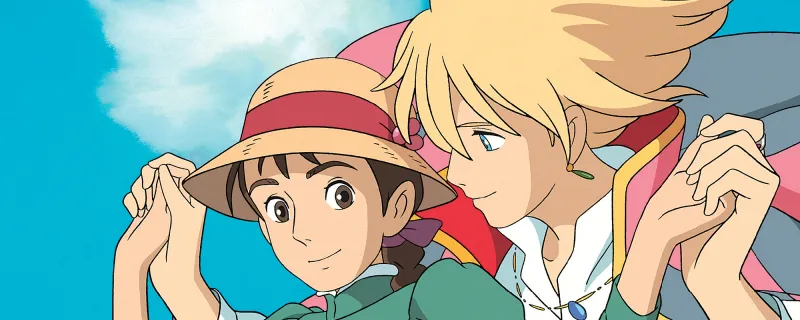
Howl lives in a magical kingdom that looks like it was pulled straight from the Welsh and Alsatian countryside. Studio Ghibli’s Howl’s Moving Castle is based on a British novel by Diana Wynne Jones, and every inch of the world reflects that European fairy-tale atmosphere.
Howl himself is dramatic, vain, and surprisingly tender-hearted — a combination that makes him endlessly entertaining. His story is proof that anime can adapt non-Japanese source material with breathtaking artistry.
8. Gilgamesh (Fate Series)
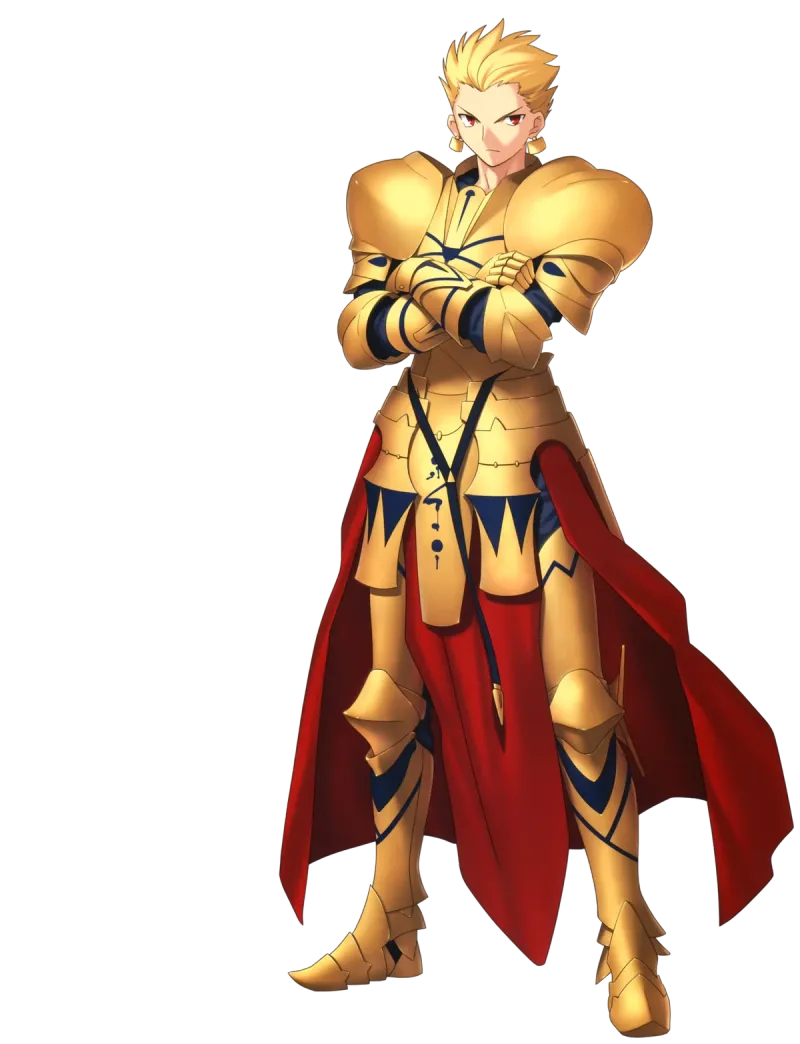
Long before he appeared in anime, Gilgamesh was the hero of one of humanity’s oldest written stories — the Epic of Gilgamesh from ancient Mesopotamia, modern-day Iraq. The Fate series brings him to life as an arrogant, all-powerful king who genuinely believes he owns everything in existence.
That attitude is both infuriating and magnetic. Rooted in Middle Eastern mythology thousands of years old, Gilgamesh stands as one of anime’s most historically significant non-Japanese characters.
9. Oscar François de Jarjayes (Rose of Versailles)
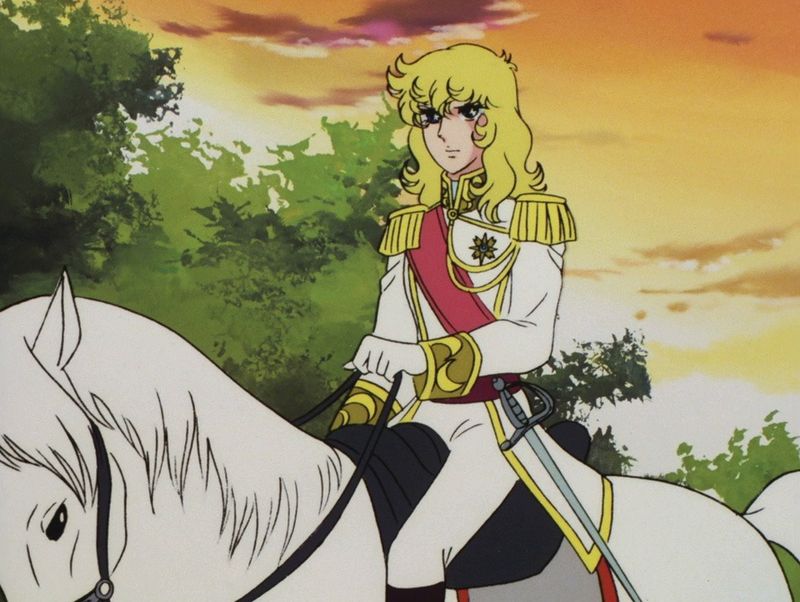
Oscar is one of anime’s earliest iconic non-Japanese characters, raised as a man to serve as commander of the Royal Guard in pre-revolutionary France. Rose of Versailles aired in 1979 and remains a landmark series in anime history.
Her story unfolds against the real backdrop of Marie Antoinette’s court and the French Revolution. The blend of historical drama and personal identity makes Oscar a character that still resonates powerfully with fans today.
10. Arsène Lupin III (Lupin III)
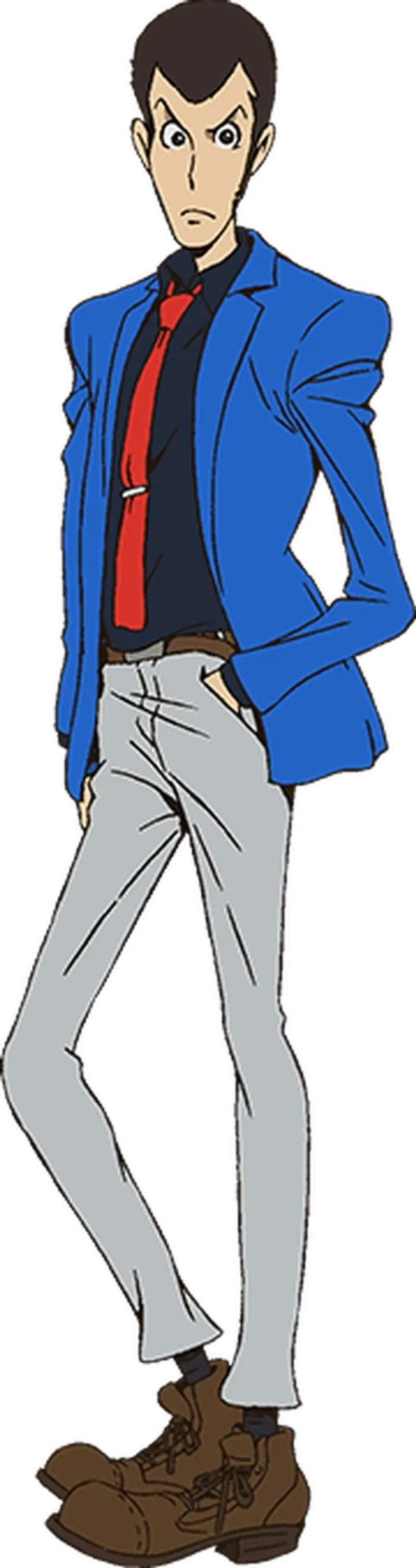
Named after the legendary French fictional thief Arsène Lupin created by Maurice Leblanc, Lupin III is the grandson of that original master of disguise. He travels the world stealing treasures, outwitting Interpol, and charming everyone he meets along the way.
The series is set across Europe, America, and beyond — almost never in Japan. Lupin III has been running since 1967, making him one of anime’s longest-lived internationally inspired characters.
11. Historia Reiss (Attack on Titan)
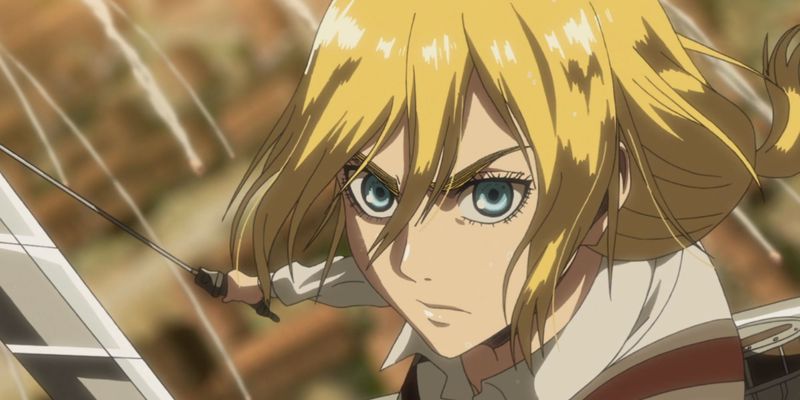
Historia lives inside massive walled cities in a world that draws heavily from Central European medieval architecture and culture. Attack on Titan’s setting has been widely compared to regions of Germany and Scandinavia, right down to the character names and military structures.
Historia’s journey from a quiet, overlooked girl to a determined queen is one of the show’s most satisfying arcs. Her strength comes not from physical power but from finally choosing to live for herself.
12. Nausicaa (Nausicaa of the Valley of the Wind)
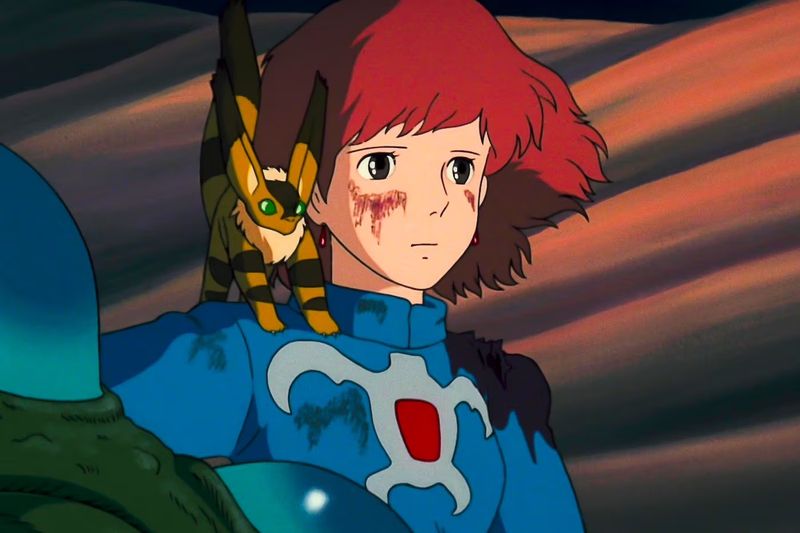
Nausicaa rules a small kingdom in a post-apocalyptic world inspired by ancient Mediterranean and European civilizations rather than anything distinctly Japanese. Hayao Miyazaki drew from Greek mythology — the name Nausicaa comes directly from Homer’s Odyssey.
She’s a fearless, compassionate leader who fights to protect both humans and the dangerous ecosystem threatening to consume them. Nausicaa set the blueprint for strong female protagonists in anime, and her influence still echoes through the genre today.
13. Reinhard von Lohengramm (Legend of the Galactic Heroes)
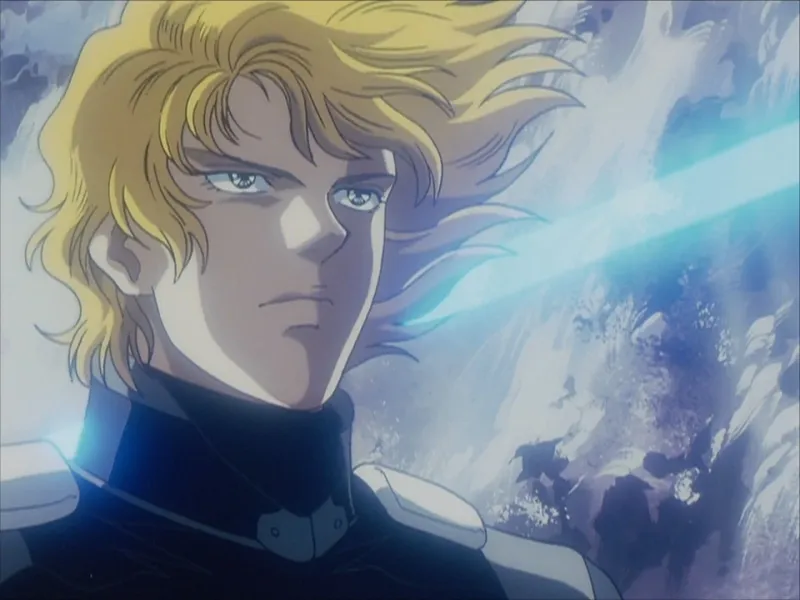
Reinhard commands a galactic empire clearly modeled after Prussian and German imperial culture, complete with strict military hierarchy and European-style nobility. Legend of the Galactic Heroes is one of the most acclaimed anime series ever made, beloved for its political depth.
He’s brilliant, ruthless, and driven by a personal grudge against an entire system of power. Reinhard’s character feels like he stepped out of a European history book — and that’s exactly what makes him so compelling.
14. Meliodas (The Seven Deadly Sins)
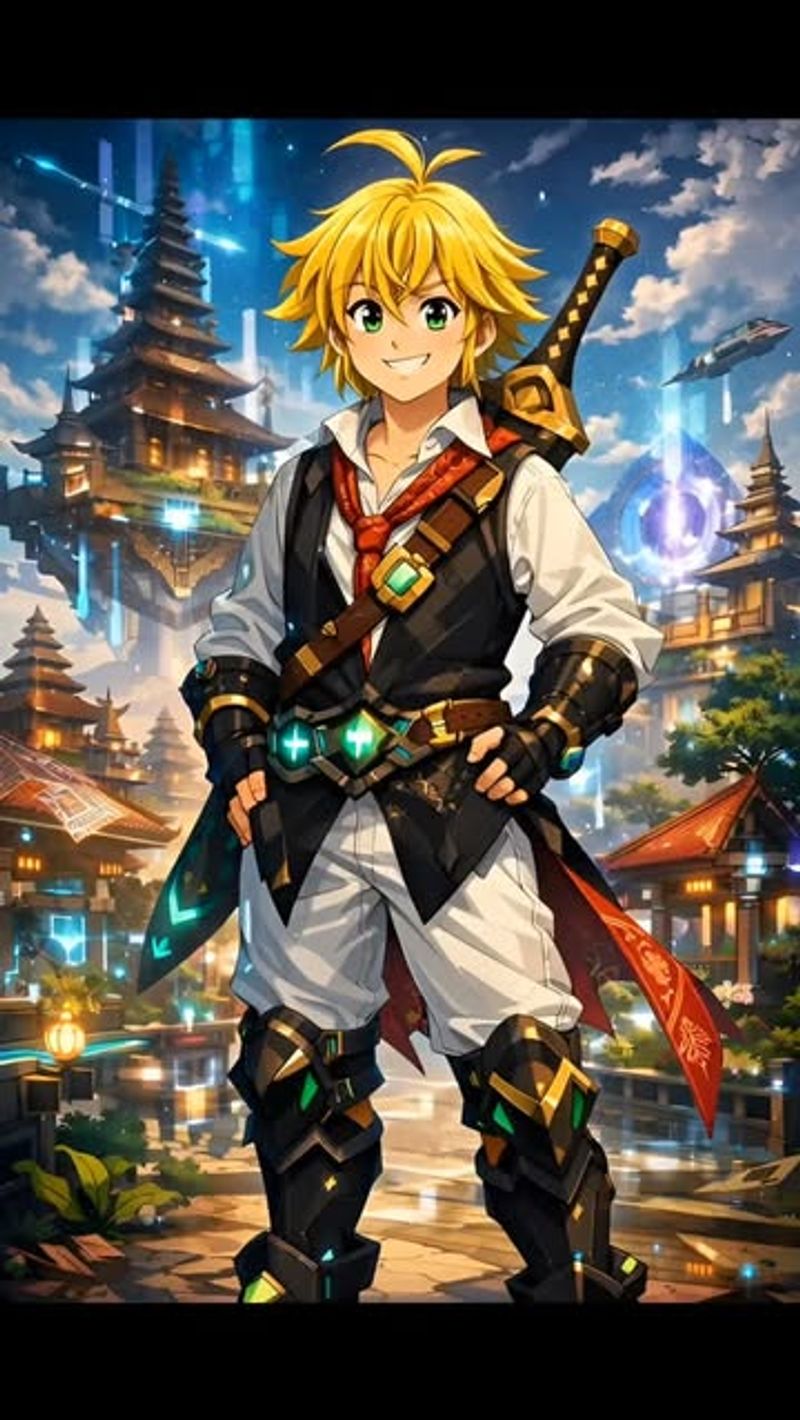
Meliodas runs a traveling tavern in a kingdom called Britannia — a world directly inspired by medieval Britain and Arthurian legend. The Seven Deadly Sins pulls from European folklore and Christian mythology, with characters named after biblical demons and knights of old.
Don’t let his small size fool you — Meliodas is thousands of years old and absurdly powerful. His cheerful, easygoing exterior hides centuries of pain, which gives him a surprising emotional depth beneath all the action.
15. Holo (Spice and Wolf)
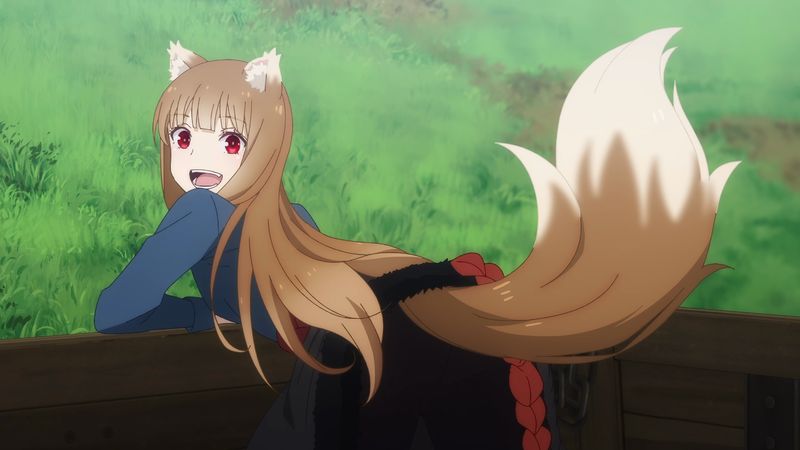
Holo is an ancient wolf deity from Yoitsu who has spent centuries watching over wheat harvests in a northern European-style medieval world. Spice and Wolf is basically a traveling economics lesson wrapped in a charming road-trip story — and somehow it works beautifully.
Her wit is sharper than any sword, and her banter with merchant Lawrence is endlessly entertaining. Holo’s roots in Norse and Slavic pagan tradition give the series a refreshingly earthy, old-world atmosphere.
16. Integra Hellsing (Hellsing)
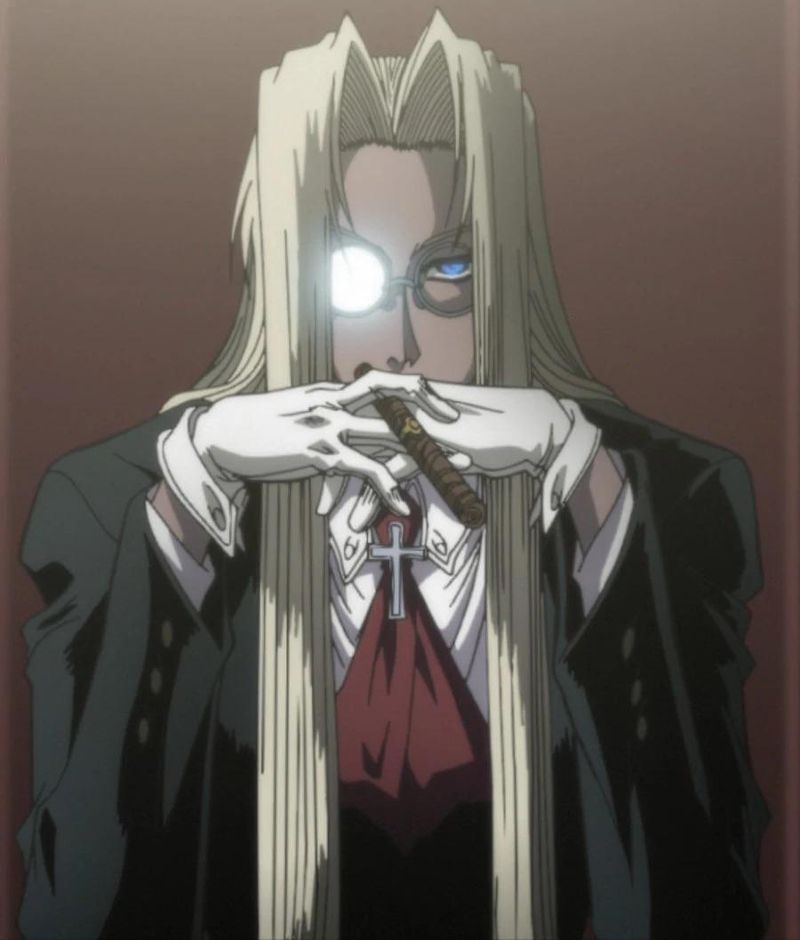
Sir Integra Fairbrook Wingates Hellsing is the iron-willed leader of the Hellsing Organization, a secret British agency dedicated to hunting vampires and supernatural threats. She is the definition of composed under pressure — even when commanding actual monsters.
Born into English aristocracy, Integra carries the full weight of her family’s legacy without flinching. Her cold authority and unshakable resolve make her one of anime’s most commanding non-Japanese characters, and honestly one of the best leaders in the genre.