
Marriage is a journey that requires effort, understanding, and open communication from both partners.
Sometimes, though, one person may feel unhappy but struggle to express it clearly.
Recognizing subtle signs of unhappiness in your husband can help you address issues before they grow into bigger problems.
These quiet signals often appear in everyday behaviors and interactions, making them easy to overlook.
By paying attention to changes in his mood, habits, and communication style, you can better understand his emotional state.
This awareness creates opportunities for meaningful conversations and positive changes in your relationship.
Understanding these signs is not about blaming yourself or him, but about working together to strengthen your marriage.
1. He Spends More Time Away From Home

When your husband suddenly finds reasons to stay late at work or picks up new hobbies that keep him out of the house, it might signal deeper issues.
Physical distance often reflects emotional distance in relationships.
He may feel more comfortable being elsewhere rather than confronting uncomfortable feelings at home.
This avoidance behavior allows him to escape difficult conversations or tense atmospheres.
Notice if his excuses for being away seem more frequent or less convincing than before.
The pattern matters more than isolated incidents.
Everyone needs personal space and time with friends, which is healthy and normal.
However, a dramatic shift toward spending most free time away from you deserves attention.
He might be processing emotions he does not know how to share yet.
Creating a welcoming, judgment-free environment at home can encourage him to open up.
Ask gentle questions about his day and feelings without making accusations.
Show genuine interest in his activities and thoughts.
Sometimes people need space to think, but prolonged avoidance prevents healing.
Address this pattern calmly and express that you miss spending quality time together.
Working together to find balance helps rebuild connection.
2. His Communication Has Become Minimal

Conversations that once flowed easily now feel forced or barely exist.
He gives short, one-word answers instead of sharing details about his day.
This shift from engaged dialogue to minimal responses often indicates emotional withdrawal.
Communication is the foundation of any strong marriage, and when it crumbles, other problems follow.
Your husband might be avoiding topics that could lead to conflict or reveal his true feelings.
Perhaps he fears your reaction or feels misunderstood when he tries to express himself.
Some men shut down emotionally when they feel overwhelmed or hopeless about fixing problems.
Pay attention to whether he still asks about your day or shares his thoughts voluntarily.
The absence of everyday chatter about plans, dreams, or random thoughts signals disconnection.
Try creating low-pressure opportunities for conversation, like walks or car rides.
These settings feel less confrontational than sitting face-to-face.
Express that you value his opinions and want to hear what he thinks.
Avoid interrupting or immediately offering solutions when he does talk.
Sometimes listening is more powerful than fixing.
Rebuilding communication takes patience and consistent effort from both sides.
3. He Shows Less Physical Affection

Physical touch creates intimacy and reinforces emotional bonds between partners.
When your husband stops reaching for your hand, giving goodbye kisses, or initiating hugs, something has changed.
This withdrawal from physical affection often mirrors his emotional state.
He might be feeling disconnected or resentful about unresolved issues in the marriage.
Some men pull away physically when they feel emotionally hurt or misunderstood.
The absence of casual touches throughout the day can feel just as significant as changes in intimate moments.
Notice whether he still sits close to you or maintains physical distance.
Does he tense up when you touch him, or does he seem relieved by affection?
His body language tells a story his words might not.
Stress from work or health concerns can also reduce physical affection temporarily.
However, ongoing patterns combined with other signs point to marital unhappiness.
Approach this topic gently without making him feel pressured or criticized.
Express that you miss the physical closeness you once shared.
Ask if something is bothering him or if he needs support.
Rebuilding physical intimacy starts with emotional reconnection and mutual understanding.
4. He Criticizes You More Often

Increased criticism about small things like how you load the dishwasher or manage schedules reveals underlying frustration.
When someone feels unhappy in their marriage, they sometimes project that dissatisfaction onto their partner.
Your husband might be nitpicking because he cannot articulate the real issues bothering him.
These complaints serve as outlets for deeper, unexpressed emotions.
Criticism damages the respect and admiration that healthy marriages need to thrive.
If he constantly points out your flaws or compares you unfavorably to others, address it directly.
This behavior creates a negative cycle where both partners feel attacked and defensive.
Consider whether his criticism started after a specific event or has gradually increased.
Understanding the timeline helps identify potential triggers.
Some men criticize when they feel their own needs are not being met.
Others do it when they feel powerless in other areas of life.
Set clear boundaries about respectful communication in your marriage.
Explain how his words affect you and ask him to share what truly bothers him.
Encourage honest conversations about expectations and disappointments.
Professional counseling can help couples break destructive communication patterns and rebuild mutual respect.
5. He Has Lost Interest In Shared Activities

Hobbies and activities you once enjoyed together no longer interest him.
He makes excuses to skip date nights or seems bored during outings you both used to love.
This disengagement from shared experiences weakens the bond between partners.
Couples build memories and strengthen connections through time spent together doing enjoyable things.
When your husband stops participating, he might be emotionally checking out of the relationship.
He could feel that these activities no longer bring him joy or that the marriage itself lacks fulfillment.
Sometimes men withdraw from joint activities when they feel overwhelmed by other life pressures.
However, consistently choosing solo activities over couple time indicates relationship problems.
Ask him directly if he still enjoys these activities or if he would prefer trying something new together.
His answer and willingness to compromise reveal important information about his commitment.
Perhaps he needs different types of connection that better match his current interests.
Relationships evolve, and so do preferences for spending time together.
The key is whether he wants to find new shared experiences or simply wants distance.
Suggest activities that align with his current interests to reignite engagement.
Investing in quality time together strengthens marriages and creates opportunities for reconnection.
6. He Seems Emotionally Distant And Withdrawn
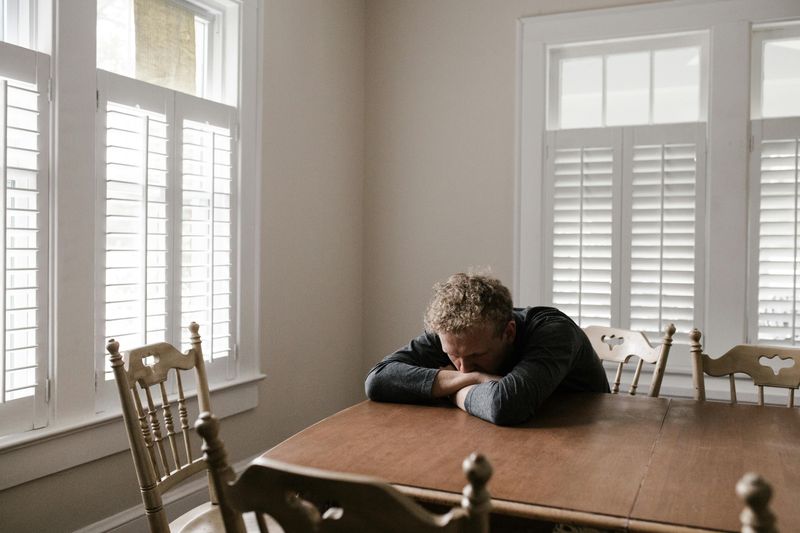
Emotional availability forms the heart of intimate relationships.
When your husband seems present physically but absent emotionally, the disconnect becomes painful.
He might go through daily routines mechanically without genuine engagement or enthusiasm.
This emotional withdrawal creates a wall between you that feels impossible to break through.
You might share space but feel completely alone in the marriage.
Men sometimes retreat inward when processing difficult emotions or facing personal struggles.
However, prolonged emotional distance signals serious unhappiness that needs addressing.
Watch for signs like blank stares, lack of reaction to important news, or seeming lost in thought constantly.
He might be battling depression, anxiety, or feelings of inadequacy in the marriage.
These internal struggles make emotional connection feel overwhelming or impossible.
Approach him with compassion rather than frustration about his withdrawal.
Express concern for his wellbeing and offer support without pushing too hard.
Sometimes professional help from a therapist provides the safe space he needs to explore his feelings.
Remind him that you are partners who should face challenges together.
Emotional distance grows when left unaddressed, eventually destroying intimacy completely.
7. He Avoids Making Future Plans Together

Planning vacations, home improvements, or even next month’s activities used to excite both of you.
Now he seems reluctant to commit to future plans or changes the subject when you bring them up.
This avoidance reflects uncertainty about the marriage’s future.
When someone questions whether the relationship will last, they hesitate to make long-term commitments.
Your husband might be unsure about his feelings or considering whether staying is right for him.
Avoiding future planning protects him from feeling trapped or making promises he doubts he can keep.
Notice whether he participates in necessary planning like finances and household decisions.
Complete disengagement from all future discussions indicates serious problems.
Perhaps he feels the marriage lacks direction or that you have incompatible goals.
These concerns need open discussion to determine if compromise is possible.
Ask directly about his hesitation and whether something specific worries him.
His response will help you understand if the issue is temporary stress or deeper marital dissatisfaction.
Couples who stop dreaming together often drift apart gradually.
Rebuilding shared vision for the future requires honest conversations about individual needs and relationship goals.
Professional guidance can help navigate these difficult discussions productively.
8. He Turns To Others For Emotional Support

Everyone needs a support system beyond their spouse, which is perfectly healthy.
However, when your husband consistently shares important feelings and problems with others while shutting you out, it hurts.
You might discover he confides in friends, family, or coworkers about things he never mentions to you.
This shift indicates he no longer views you as his primary emotional support.
He might feel judged, misunderstood, or unsupported when he tries opening up to you.
Past negative reactions to his vulnerability could make him seek safer audiences elsewhere.
Some men find it easier to discuss marital problems with people outside the relationship.
Friends offer perspectives without the emotional intensity that conversations with spouses carry.
While understandable, this pattern prevents the direct communication marriages need to heal.
Problems cannot be solved if partners do not discuss them together.
Express that you want to be someone he can trust with his thoughts and feelings.
Ask how you can better support him emotionally.
Acknowledge past mistakes if you have dismissed or criticized his feelings before.
Creating psychological safety encourages him to turn to you first.
Rebuilding trust as confidants strengthens the marriage foundation significantly.
9. He Shows Signs Of Resentment

Resentment builds slowly from unresolved conflicts and unmet needs over time.
Your husband might bring up old arguments or mistakes you thought were forgiven.
He could make passive-aggressive comments that sting more than direct criticism.
This bitterness poisons daily interactions and creates constant tension.
Resentful partners often keep score, remembering every perceived wrong or disappointment.
They might withdraw affection as punishment or make decisions without consulting you.
These behaviors reflect deep hurt and frustration that has festered without resolution.
Men sometimes struggle to express hurt feelings directly, letting them transform into anger instead.
Resentment makes forgiveness and moving forward feel impossible.
Identify patterns in what triggers his resentful reactions.
Are certain topics or situations particularly sensitive for him?
Understanding the roots of his resentment helps address core issues rather than surface symptoms.
Acknowledge his feelings without becoming defensive, even if his perspective differs from yours.
Validation does not mean agreement but shows respect for his experience.
Professional counseling provides tools for processing resentment and rebuilding positive feelings.
Marriages can heal from resentment when both partners commit to honest communication and genuine change.
10. He Questions The Relationship Directly Or Indirectly

Direct statements like wondering if you are right for each other signal obvious unhappiness.
However, indirect questioning can be equally telling.
He might ask hypothetical questions about divorce or separation.
Perhaps he comments frequently on other couples splitting up or seems overly interested in their stories.
These conversations reveal thoughts occupying his mind about your marriage’s viability.
When someone repeatedly questions their relationship, they are processing serious doubts.
He might be testing your reaction or trying to start difficult conversations indirectly.
Some men hint at unhappiness hoping their partner will initiate the hard discussion.
Others genuinely struggle with conflicting feelings about staying or leaving.
Take these statements seriously rather than dismissing them as momentary frustration.
Ask him directly about his concerns and whether he wants to work on improving things.
His willingness to engage in this conversation shows his commitment level.
Avoiding the topic because it is scary only allows problems to grow worse.
Many marriages face periods of doubt that can be overcome with effort and professional help.
However, both partners must want to rebuild and be willing to make necessary changes together.