
Relationships are beautiful, but they can also be surprisingly tricky to navigate. Two people can love each other deeply and still find themselves moving in completely different directions as time goes on.
Personal growth is not something that happens on a schedule, and sometimes one partner evolves faster, slower, or in a totally different way than the other. Recognizing the signs early can help you have honest conversations, make thoughtful decisions, and figure out whether your paths can realign or if something bigger needs to be addressed.
If any of these signs feel familiar, know that you are not alone, and awareness is always the first step toward positive change.
1. Your Life Goals No Longer Point in the Same Direction

Picture this: you have been dreaming about moving to a new city, launching a business, or going back to school, and every time you bring it up, your partner looks at you like you are speaking a foreign language. That disconnect is not just about logistics.
It often signals a deeper shift in where each of you sees your life heading.
When your goals start pulling you in opposite directions, conversations about the future can feel frustrating or even pointless. You might notice that planning together becomes harder because your priorities simply do not line up anymore.
One of you might want stability while the other craves adventure or change.
This does not automatically mean the relationship is over. Many couples successfully navigate goal differences through honest communication and compromise.
However, if neither of you is willing to adjust or find middle ground, the gap can quietly widen over time. Pay attention to how often your future plans include each other, because that detail tells you a lot about where things truly stand.
2. Conversations Feel Like You Are Speaking Different Languages
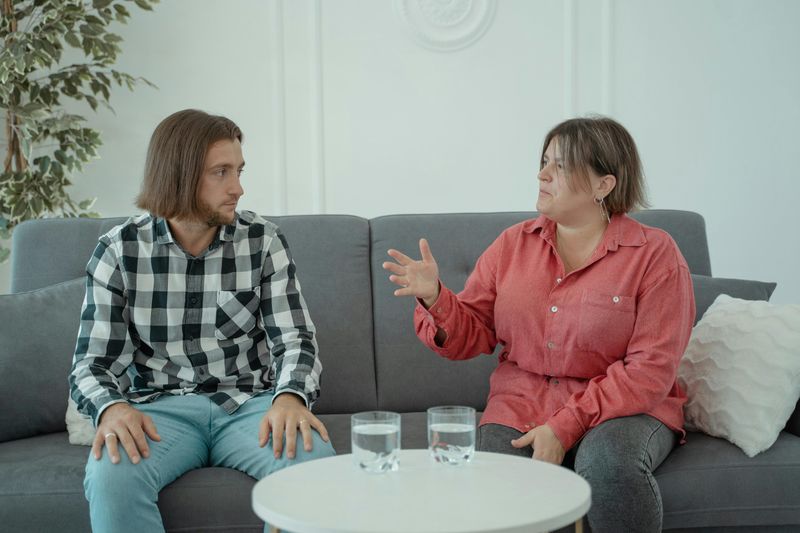
Communication is the backbone of any relationship, and when it starts to feel like a constant translation exercise, something has shifted. You share an idea, a book you loved, or something that genuinely excited you, and your partner just shrugs or changes the subject.
That small moment can sting more than people expect.
Growing at different paces often shows up most clearly in how you talk to each other. If your conversations have become surface-level or feel one-sided, it might be because your intellectual or emotional interests have drifted apart.
One partner might be exploring new ideas, philosophies, or passions while the other feels perfectly content with familiar routines.
Neither approach is wrong. People evolve differently, and that is completely okay.
The challenge comes when the gap in how you communicate creates loneliness or frustration within the relationship. Feeling unheard or misunderstood by the one person who is supposed to know you best is genuinely exhausting.
Noticing this pattern early gives you the opportunity to bridge the gap before it becomes a wall neither of you wants to climb over.
3. Your Social Circles Have Drifted Far Apart

Friendships say a lot about who we are becoming. When you and your partner start spending time with completely different groups of people, and those groups seem to have almost nothing in common, it can be a quiet but telling sign that your worlds are diverging.
Maybe you have started connecting with people who share your new interests, career ambitions, or personal values, while your partner still hangs out with the same crowd from years ago. There is nothing wrong with either choice, but when your social lives rarely overlap, it can create a sense of living parallel lives rather than a shared one.
Couples who grow together tend to find at least some common ground in their social worlds. They introduce each other to new friends and genuinely enjoy spending time in each other’s circles.
When that stops happening, and outings become separate rather than shared, it is worth asking why. Are you growing apart, or have you simply gotten busy?
Sometimes the answer is one, sometimes the other, and sometimes it is honestly a little bit of both.
4. One of You Is Constantly Changing While the Other Stays the Same
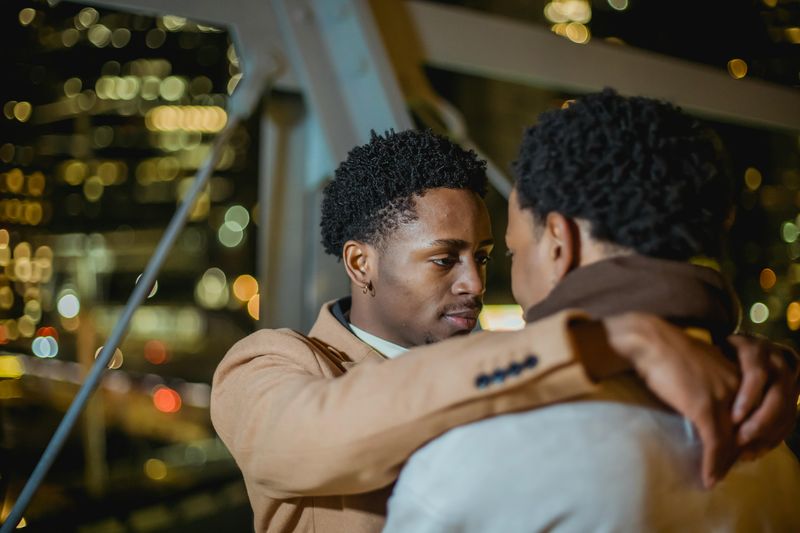
Personal growth looks different for everyone. Some people are constantly in motion, reading, learning, setting new goals, and reinventing themselves.
Others prefer a slower, steadier pace where comfort and consistency feel like strengths rather than stagnation. Both styles are valid, but when one partner is always in transformation mode and the other rarely shifts, the relationship can start to feel unbalanced.
The partner who is growing quickly may begin to feel held back or unchallenged. Meanwhile, the one staying constant might feel pressured, criticized, or like they can never keep up.
Both feelings are understandable, and neither person is necessarily doing something wrong.
The real issue surfaces when one partner begins to resent the other for their pace. Resentment is a slow builder, and it tends to show up in small, sarcastic comments or eye rolls before it ever becomes a full conversation.
Checking in with yourself honestly, do you feel inspired by your partner or drained by the difference? That answer can help guide your next steps.
Growth does not have to be identical to be compatible, but it does need to be respected on both sides.
5. Your Values Have Started to Shift in Different Directions

Values are the foundation of how we live our lives. They shape our decisions, our relationships, and what we consider meaningful.
When two people first get together, their values might align almost perfectly. But as years pass and both partners experience different things, those values can quietly start to shift.
You might find yourself caring deeply about environmental issues, social justice, or spiritual growth, while your partner’s priorities have moved in an entirely different direction. Or maybe financial security has become your top concern, but your partner is more interested in freedom and spontaneity.
Neither set of values is wrong, but a growing gap between them can create tension that is hard to ignore.
Value differences tend to show up most clearly during big decisions, like where to live, whether to have children, how to manage money, or how to spend free time. When these conversations repeatedly end in frustration or stalemate, it is often because the underlying values are no longer aligned.
Recognizing this shift is not about assigning blame. It is about understanding each other honestly and deciding together what you both want to do with that knowledge going forward.
6. Spending Time Together Feels More Like an Obligation

There is a big difference between comfortable silence and quietly dreading a Friday night in. When time together starts to feel like something you have to do rather than something you genuinely look forward to, that is a sign worth paying attention to.
Early in relationships, most couples naturally want to be around each other. As time goes on, that excitement can mellow into something warmer and more settled, which is completely normal and healthy.
But when togetherness starts to feel like a chore, it usually means something deeper has changed.
You might find yourself making excuses to stay late at work, spending more time on your phone, or feeling relieved when plans get canceled. These patterns can sneak up gradually, and by the time you notice them, they may have been building for months.
It is not always about falling out of love. Sometimes it is about growing in ways that make shared space feel less nourishing than it once did.
Talking about this openly is uncomfortable, but it is far better than letting quiet resentment replace what used to be genuine warmth and connection between you two.
7. You Feel Lonely Even When You Are Together

Loneliness inside a relationship is one of the most confusing and painful feelings a person can experience. You are not physically alone, and yet something essential is missing.
That particular kind of emptiness often points to an emotional or intellectual gap that has grown between two people over time.
When you are growing at a different pace than your partner, the emotional connection that once felt effortless can start to require a lot more work. You might share meals, a home, and even a bed, but feel like the person across from you no longer truly sees or understands who you are becoming.
Feeling chronically lonely in a relationship is not something to brush aside or normalize. It deserves honest attention.
Ask yourself whether you feel genuinely known by your partner, not just tolerated or loved out of habit. Emotional intimacy requires both people to keep showing up with curiosity and openness, even as each person continues to change.
If one or both of you has stopped doing that, the loneliness will only deepen. Addressing it directly, through conversation or even couples counseling, is a courageous and worthwhile step.
8. Your Ambitions Make Your Partner Uncomfortable

Ambition is something to be celebrated, not apologized for. But when your drive, your goals, or your excitement about the future makes your partner pull back or respond with doubt, it can feel like a quiet but steady form of emotional weight.
Partners who are growing at different paces sometimes struggle with each other’s ambitions. The one moving faster might feel like their dreams are being minimized.
The one moving slower might feel threatened, left behind, or simply unable to relate to the excitement their partner is feeling. Both reactions make sense, even if neither is fair.
Pay close attention to how your partner responds when you share a new goal or accomplishment. Do they celebrate with you, or do they find a reason to question it?
Consistent skepticism from the person who is supposed to be your biggest supporter is draining. It can slowly erode your confidence if you let it go unchecked.
Healthy relationships make room for both people to chase what lights them up. When ambition becomes a source of conflict rather than shared energy, it is a sign that a real and honest conversation about expectations is long overdue.
9. You Have Stopped Growing Together and Started Growing Apart
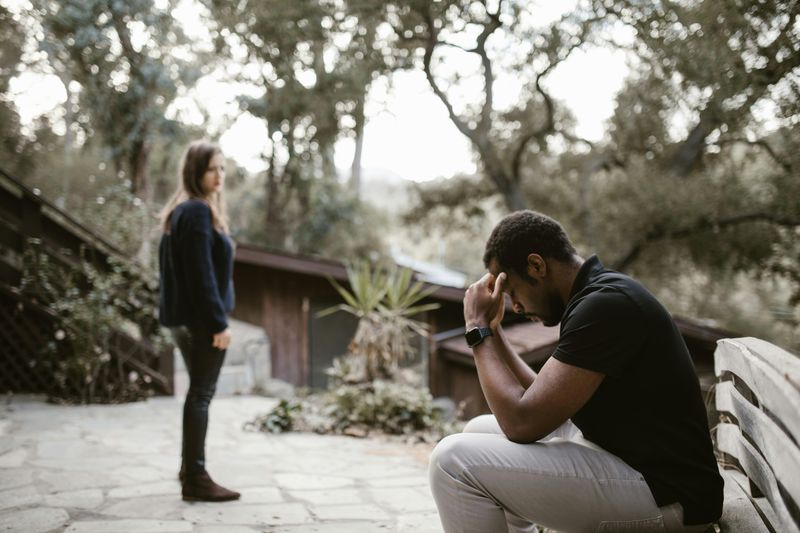
Every relationship has seasons. There are times of deep connection, shared discovery, and genuine togetherness.
Then there are seasons where both people are so caught up in their own worlds that the relationship gets less attention than it needs to thrive.
Growing apart is not always dramatic. It usually happens in small, quiet ways.
You stop sharing the little things. You forget to ask about each other’s day.
You make plans without considering the other person, not out of selfishness, but simply because your lives have started running on separate tracks.
The tricky part is that growing apart can feel like growing up when you are in the middle of it. You are busy, you are evolving, and everything feels normal until one day you look at your partner and realize you are not sure who they are anymore, or whether they know who you have become.
Rebuilding that closeness takes effort from both sides. It requires intentional time together, genuine curiosity about each other, and a shared commitment to keeping the relationship part of the growth story, not a footnote to it.
Catching this early makes all the difference.
10. Your Gut Keeps Telling You Something Has Changed

Sometimes the most honest signal does not come from a big argument or a dramatic moment. It comes from a quiet, persistent feeling in your chest that something between you and your partner is not quite the same as it used to be.
Intuition is surprisingly reliable when it comes to relationships. Your gut picks up on tiny shifts in tone, body language, and energy long before your conscious mind puts words to them.
If you have been carrying a low-level sense of unease about where things are headed, that feeling deserves to be taken seriously rather than talked out of.
Trusting your instincts does not mean catastrophizing or assuming the worst. It means being willing to sit with the discomfort long enough to understand what it is actually telling you.
Journaling, talking to a trusted friend, or even working with a therapist can help you sort out what is real versus what is fear. Growth within a relationship is absolutely possible, but only when both people are honest about where they are.
Your gut is not trying to scare you. It is trying to help you pay attention before the gap becomes too wide to bridge comfortably.