
The 1970s was a golden era for television, giving us some of the most unforgettable characters ever to grace the small screen. From loud-mouthed bigots who made us think to fearless superwomen who made us cheer, these characters shaped American culture in ways that still echo today.
They tackled real issues, made us laugh, and sometimes even made us cry. Here are 20 TV characters from the 1970s who truly left their mark.
1. Archie Bunker (All in the Family)
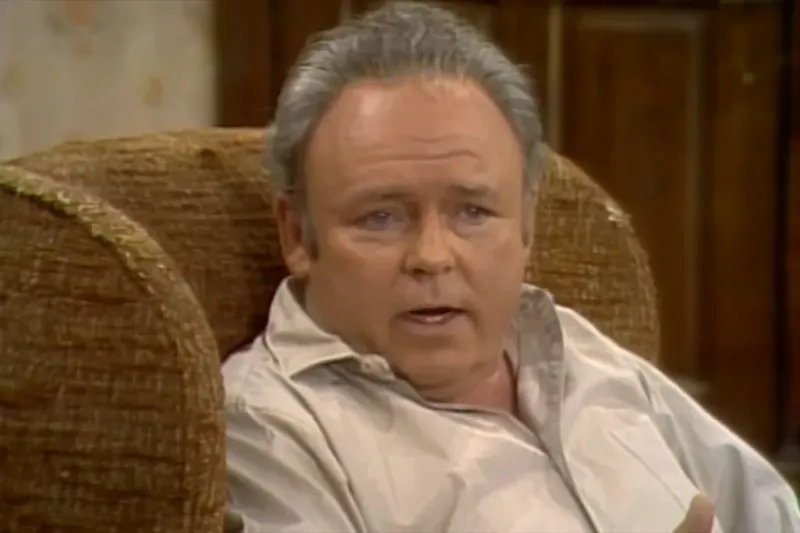
Few TV characters have ever made audiences as uncomfortable — or as thoughtful — as Archie Bunker. He was loud, bigoted, and completely convinced he was always right.
But that was exactly the point.
Creator Norman Lear used Archie to hold a mirror up to American society, forcing viewers to laugh at prejudice while also questioning it. His arguments with wife Edith and son-in-law Mike sparked real dinner-table conversations across the country about race, gender, and politics.
2. Mary Richards (The Mary Tyler Moore Show)
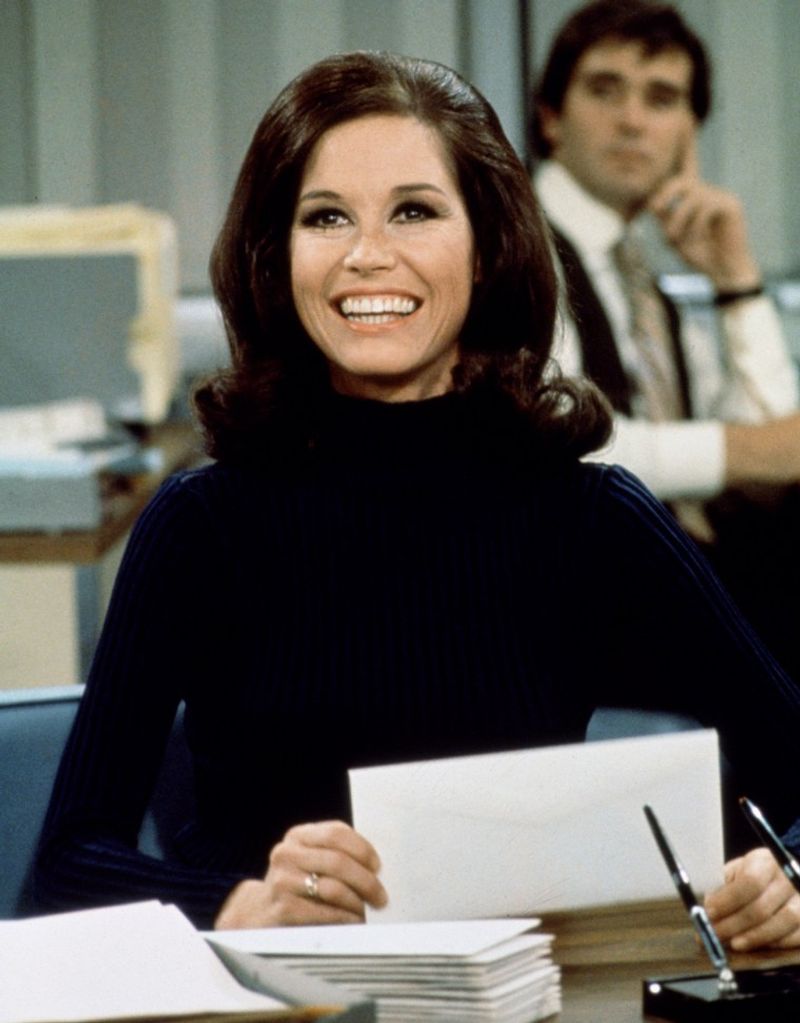
Tossing her beret into the Minneapolis sky, Mary Richards told a whole generation of women that they were going to make it after all. She was single, career-driven, and completely unapologetic about it — a rare thing on TV in 1970.
Mary worked as a TV news producer and handled life with warmth, humor, and quiet determination. She became a role model not just for women in the workforce, but for anyone who ever dared to build a life on their own terms.
3. Arthur ‘Fonzie’ Fonzarelli (Happy Days)
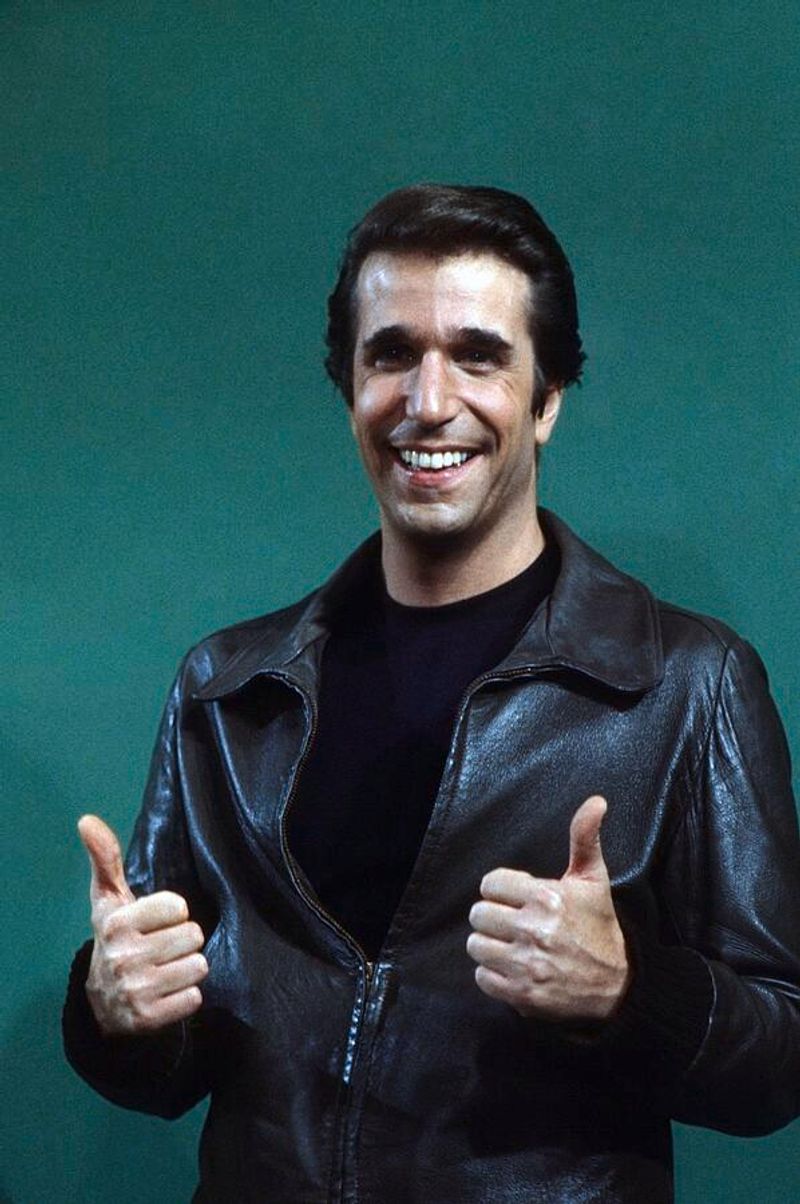
Originally just a background character, Fonzie became so popular that the show had to be rebuilt around him. That leather jacket and that iconic “Ayy!” turned Arthur Fonzarelli into one of the biggest pop culture icons of the entire decade.
What made Fonzie work was the warmth underneath the cool exterior. He mentored younger kids, stood up for the underdog, and showed that confidence and kindness could coexist.
His leather jacket now hangs in the Smithsonian Institution — proof that cool can last forever.
4. George Jefferson (The Jeffersons)
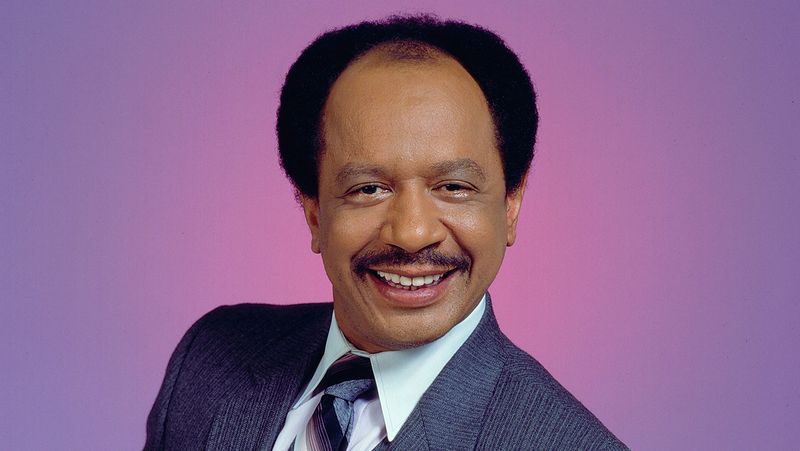
George Jefferson strutted onto television screens with something rare and powerful — unapologetic Black success. He was brash, stubborn, and sometimes infuriating, but he had worked hard for everything he had, and he wanted everyone to know it.
The Jeffersons showed a wealthy Black family living in a Manhattan penthouse, which was groundbreaking for 1975. George challenged stereotypes simply by existing on screen as a self-made entrepreneur.
Sherman Hemsley’s performance gave the character an electric energy that made every scene crackle with life.
5. Fred G. Sanford (Sanford and Son)
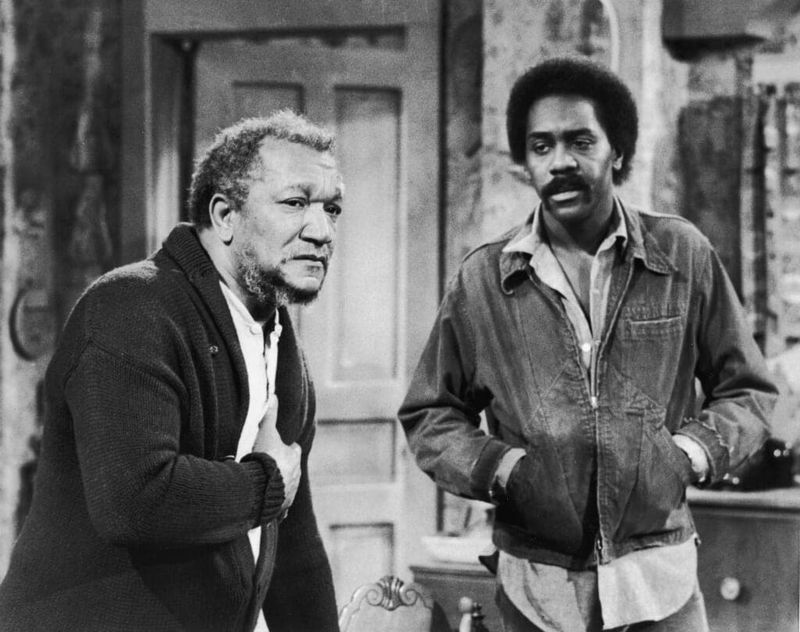
“This is the big one, Elizabeth!” Fred Sanford’s fake heart attacks became one of the most beloved running gags in TV history. Redd Foxx played this grouchy junkyard dealer with such razor-sharp timing that even his cruelest lines landed with a grin.
Beyond the laughs, Fred’s character explored real themes — aging, poverty, and the tension between generations. His manipulation tactics to keep son Lamont from leaving were both hilarious and surprisingly touching.
Sanford and Son was groundbreaking as one of the first predominantly Black sitcoms on network TV.
6. Captain Hawkeye Pierce (M*A*S*H)
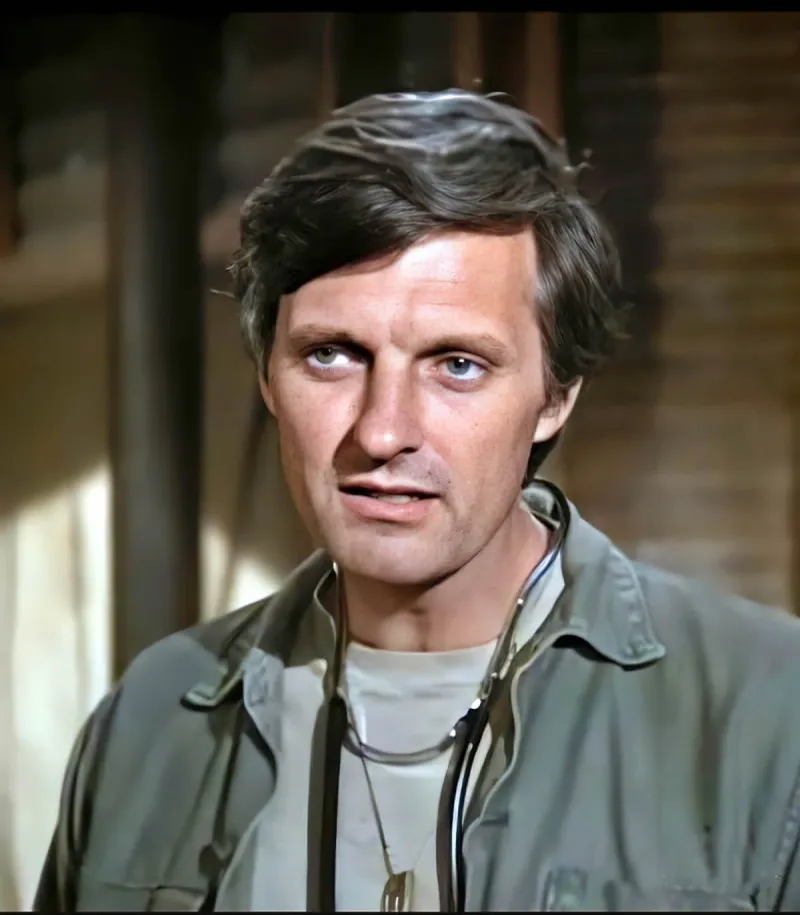
Hawkeye Pierce used humor the way a surgeon uses a scalpel — with precision, and sometimes to stop the bleeding. Alan Alda’s portrayal of this wise-cracking yet deeply compassionate doctor became the emotional core of one of TV’s greatest dramas.
Set during the Korean War but clearly speaking to Vietnam-era audiences, M*A*S*H used Hawkeye to explore the psychological toll of war. The 1983 series finale drew over 100 million viewers — still one of the most-watched broadcasts in American TV history.
7. J.R. Ewing (Dallas)
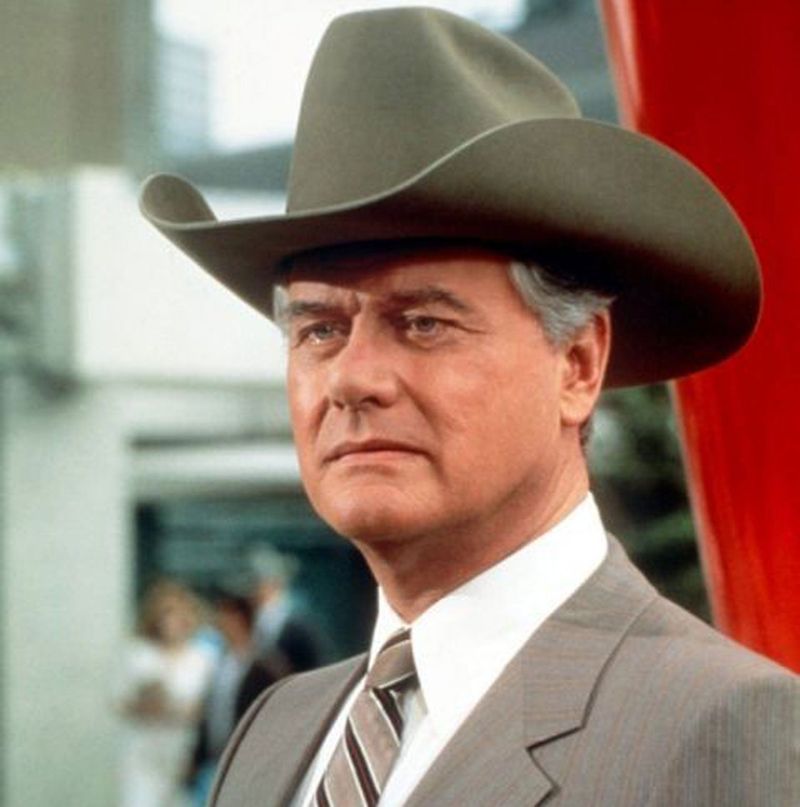
Nobody did villainous quite like J.R. Ewing.
Larry Hagman played this manipulative Texas oil tycoon with such gleeful wickedness that audiences couldn’t look away — even when they wanted to.
When J.R. was shot at the end of Dallas’s third season in 1980, the cliffhanger “Who shot J.R.?” became a genuine national obsession. People placed bets, wore buttons, and waited months for the answer.
J.R. proved that a TV villain could be just as compelling — maybe even more so — than any hero.
8. Wonder Woman / Diana Prince (Wonder Woman)
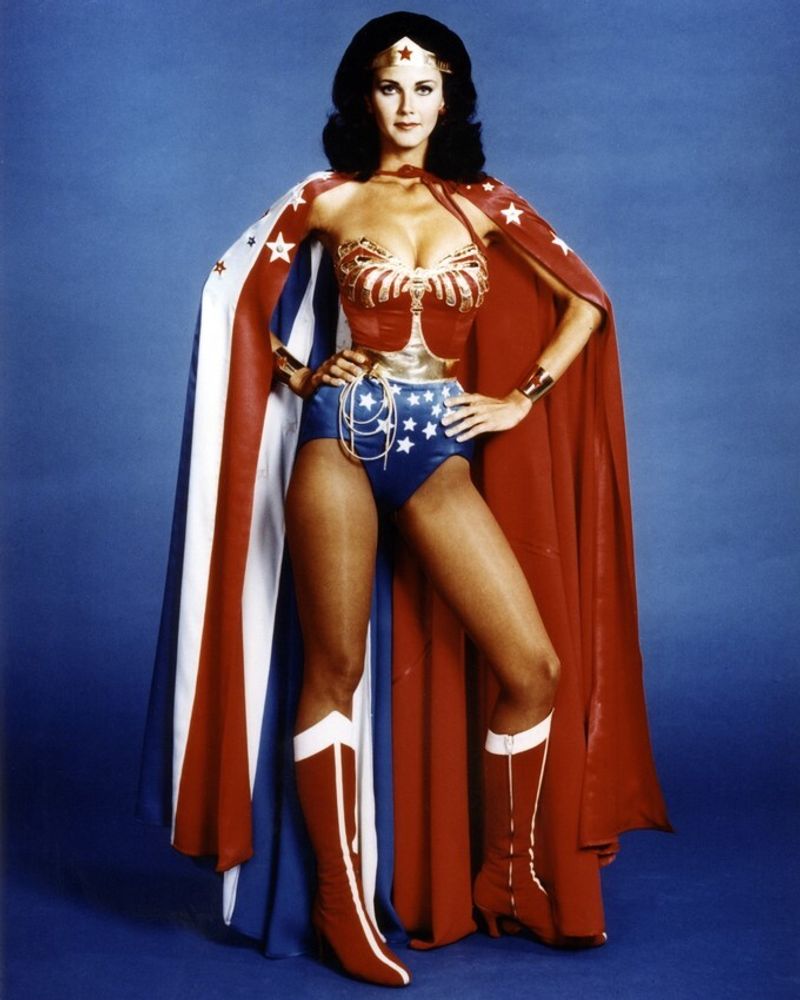
Lynda Carter did not just play Wonder Woman — she became her. With a spin, a flash of light, and that unforgettable costume, Diana Prince transformed into a symbol of strength that millions of young girls held close to their hearts.
At a time when female superheroes were nearly nonexistent on screen, Wonder Woman showed that a woman could be the most powerful person in the room. Carter’s portrayal brought grace and genuine authority to the role, making it feel earned rather than theatrical.
9. Maude Findlay (Maude)
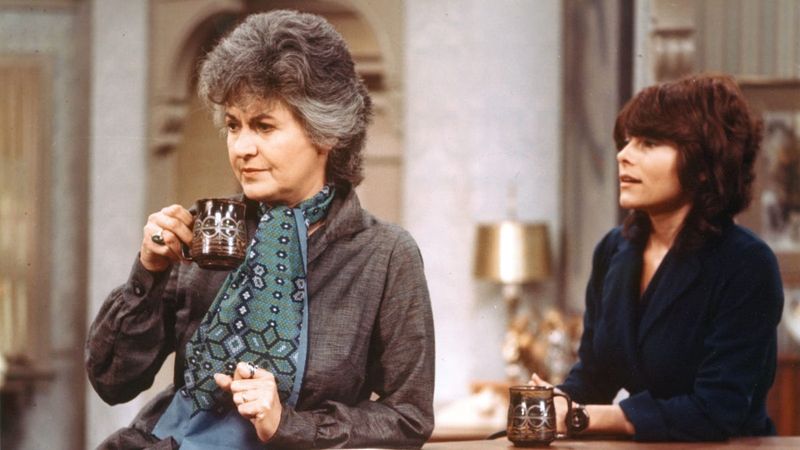
Maude Findlay walked into every room like she owned it — and usually had something controversial to say once she got there. Played brilliantly by Bea Arthur, Maude was a proud feminist who tackled abortion, alcoholism, and aging on primetime television without flinching.
Her two-part episode on abortion in 1972 sparked protests, boycotts, and serious national debate. That kind of reaction is exactly what Norman Lear was going for.
Maude proved that television could be genuinely brave, and that female characters could carry that weight with intelligence and humor.
10. Arnold Jackson (Diff’rent Strokes)
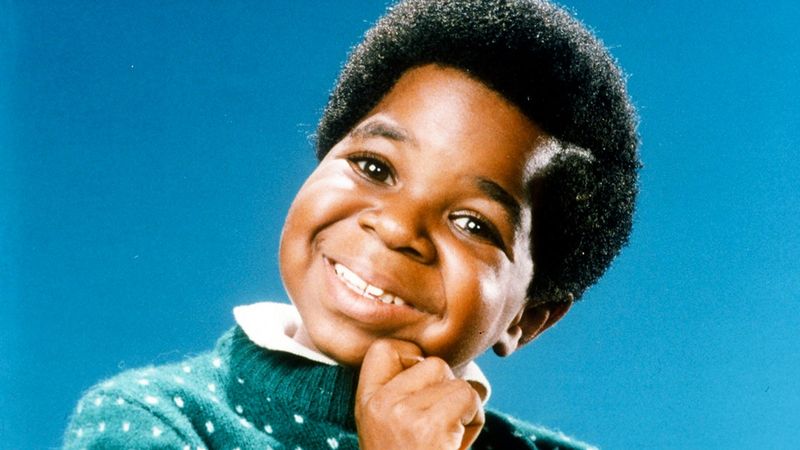
“What’chu talkin’ ’bout, Willis?” Gary Coleman delivered that line with such perfectly timed skepticism that it became one of the most quoted phrases in television history. Arnold Jackson was the beating heart of Diff’rent Strokes — quick-witted, lovable, and impossible to ignore.
Coleman’s natural charisma made Arnold a genuine star from the very first episode. The show also tackled serious issues like drug use, racism, and child predators, often using Arnold as the lens through which young viewers could process difficult realities in a safe way.
11. Jack Tripper (Three’s Company)
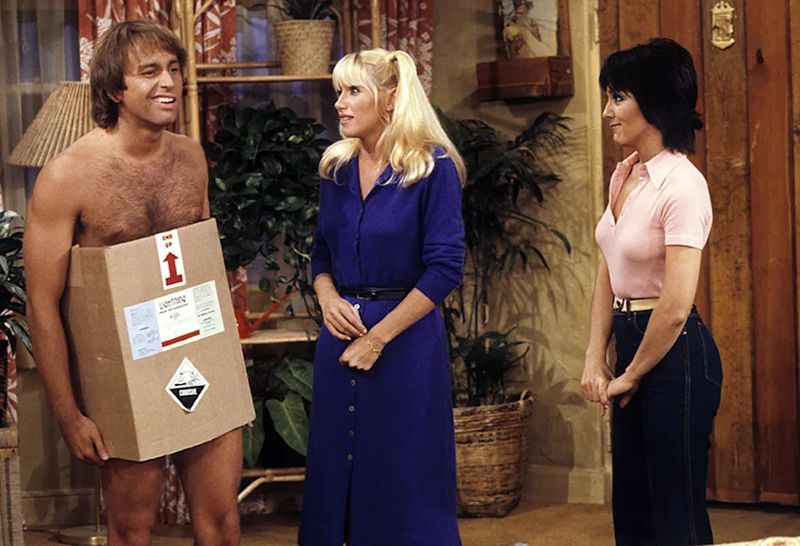
John Ritter had a physical comedy gift that put him in the same conversation as the great silent-film clowns. As Jack Tripper, he turned doorways into obstacle courses and misunderstandings into full-blown catastrophes — all with a rubber-legged grace that made it look effortless.
Jack’s premise — pretending to be gay so his landlord would allow him to share an apartment with two women — sounds dated now, but it quietly normalized conversations about sexuality for mainstream 1970s audiences. Ritter’s warmth made Jack genuinely likable beneath all the slapstick chaos.
12. J.J. Evans (Good Times)
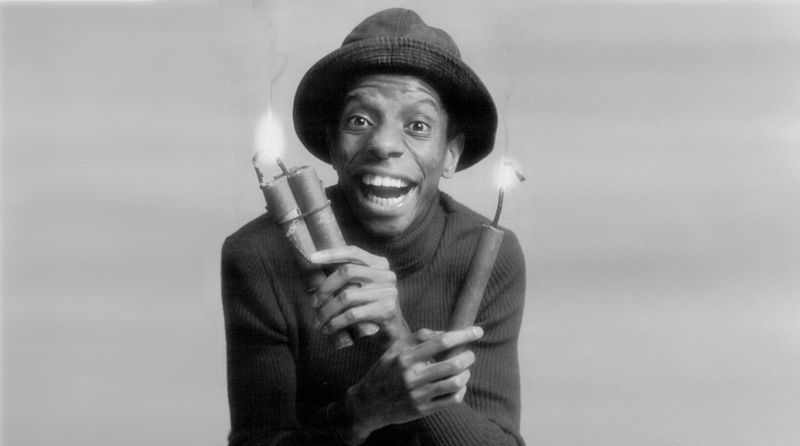
“Dy-no-mite!” Jimmie Walker’s J.J. Evans exploded onto screens with a catchphrase that became the soundtrack of 1970s pop culture.
His rubber-faced energy and unstoppable enthusiasm made him the breakout star of Good Times almost immediately.
J.J. was a young Black artist growing up in the Chicago projects, using creativity and humor as survival tools. While some critics felt his buffoonish moments overshadowed the show’s serious messages, there was no denying the joy he brought to viewers — especially young Black audiences who saw themselves reflected on screen.
13. Laverne DeFazio and Shirley Feeney (Laverne and Shirley)
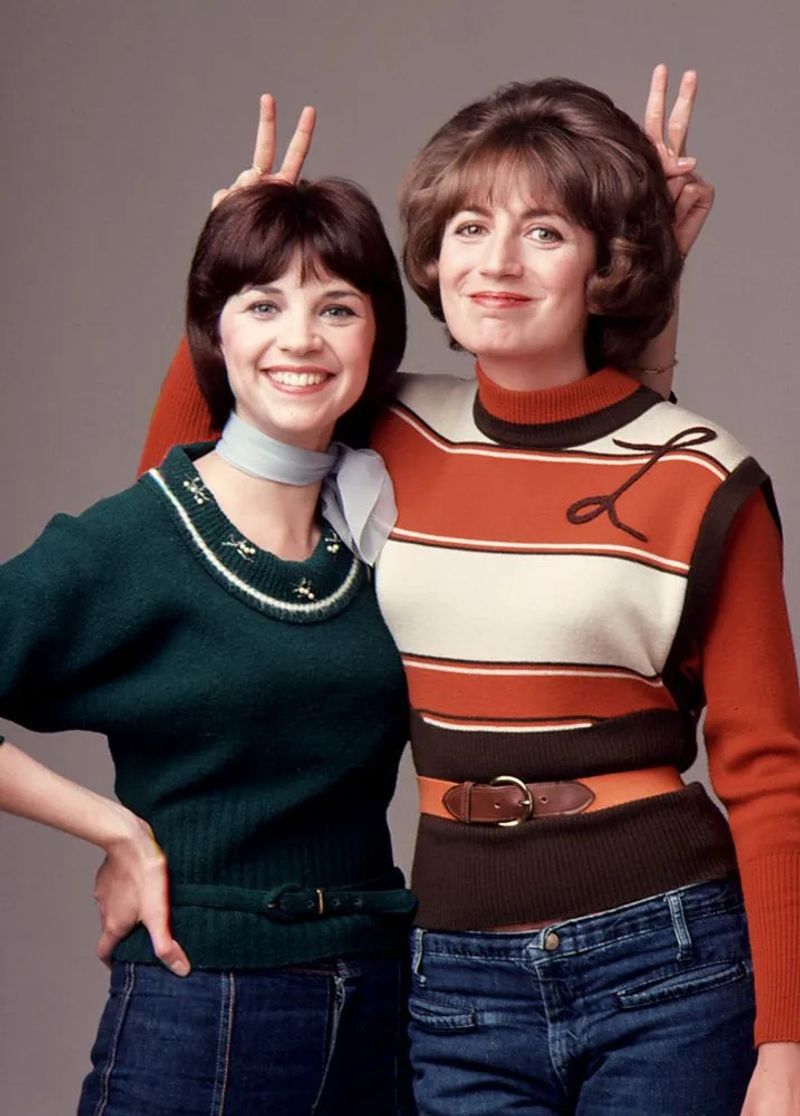
Before there was a cultural conversation about female friendships on television, there was Laverne and Shirley. Penny Marshall and Cindy Williams created a bond between their characters that felt completely authentic — messy, funny, and deeply loyal.
Their physical comedy, endless schemes, and genuine affection for each other made the show a massive hit. Laverne and Shirley proved that women could anchor a comedy with no romantic storyline required.
Their friendship was the whole show, and audiences absolutely loved them for it.
14. Jim Rockford (The Rockford Files)
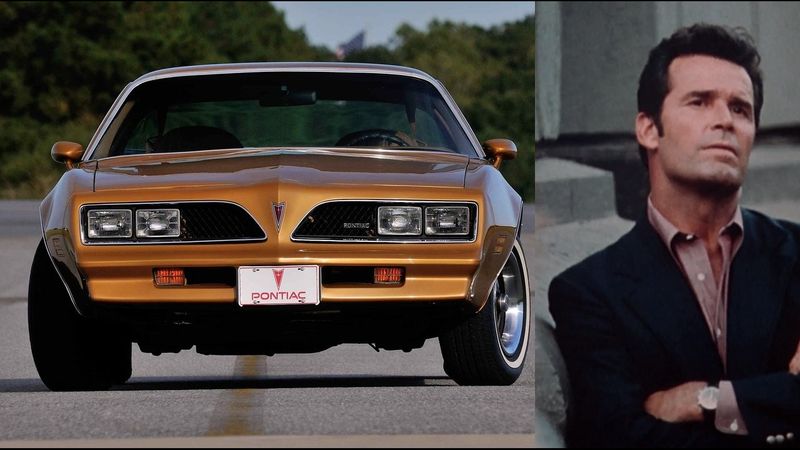
Jim Rockford was the anti-hero the detective genre desperately needed. He lived in a trailer on a Malibu beach, charged $200 a day plus expenses, and spent a surprising amount of time getting punched in the face.
James Garner played him with a weary, wisecracking charm that felt completely real.
Rockford wasn’t flashy or invincible — he was clever and resourceful, which made him far more interesting to watch. The show redefined what a TV detective could be, prioritizing character depth and dry wit over car chases and gunfights.
15. Rhoda Morgenstern (The Mary Tyler Moore Show / Rhoda)
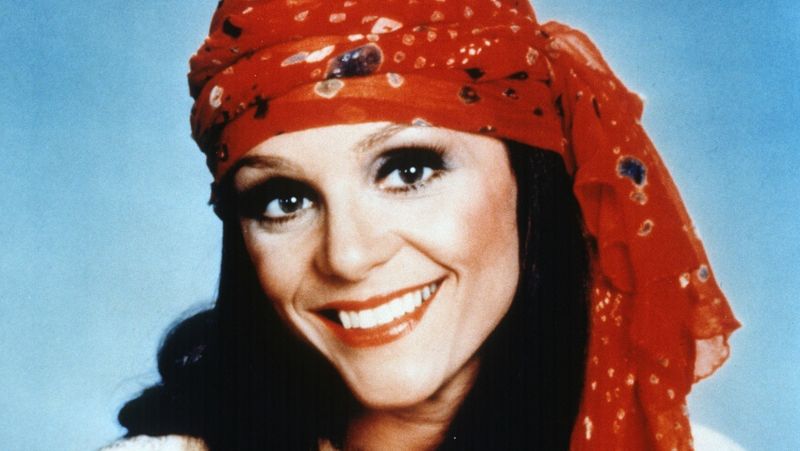
Rhoda Morgenstern was Mary Richards’ sharp-tongued best friend — and honestly, sometimes the funniest person in the room. Valerie Harper played her with a self-deprecating New York wit that audiences adored from her very first scene.
She became so popular that she earned her own spinoff, Rhoda, in 1974. Her wedding episode drew 52 million viewers.
Rhoda tackled divorce and career struggles with honesty and humor, becoming a trailblazer for TV characters who weren’t afraid to be flawed, funny, and fully human all at once.
16. Mister Rogers (Mister Rogers’ Neighborhood)
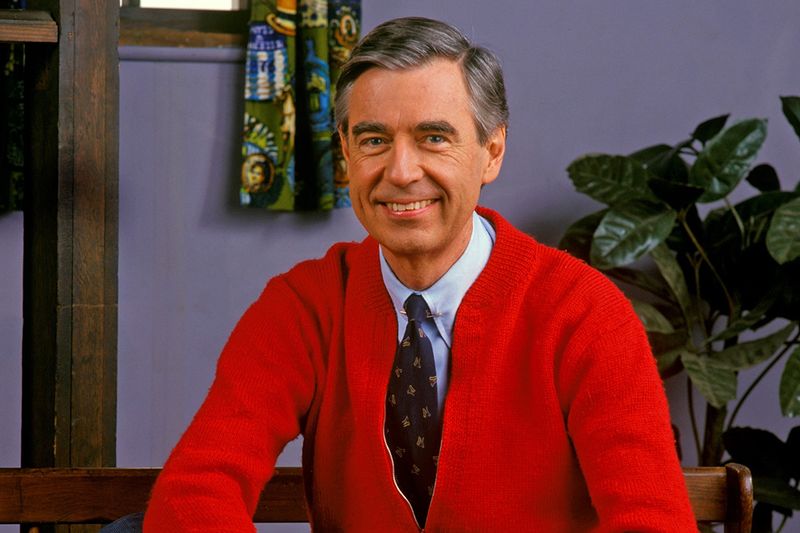
Every episode began the same way — a soft knock, a cardigan change, and the reassurance that you were special just as you were. Fred Rogers built an entire television neighborhood around the radical idea that children deserved to be taken seriously.
His calm, deliberate presence was a powerful counterweight to the chaos of the world outside. Rogers testified before the U.S.
Senate in 1969 to save public television funding, delivering words so moving that the committee chairman reportedly wiped away tears. His legacy is simply irreplaceable.
17. Mork from Ork (Mork and Mindy)
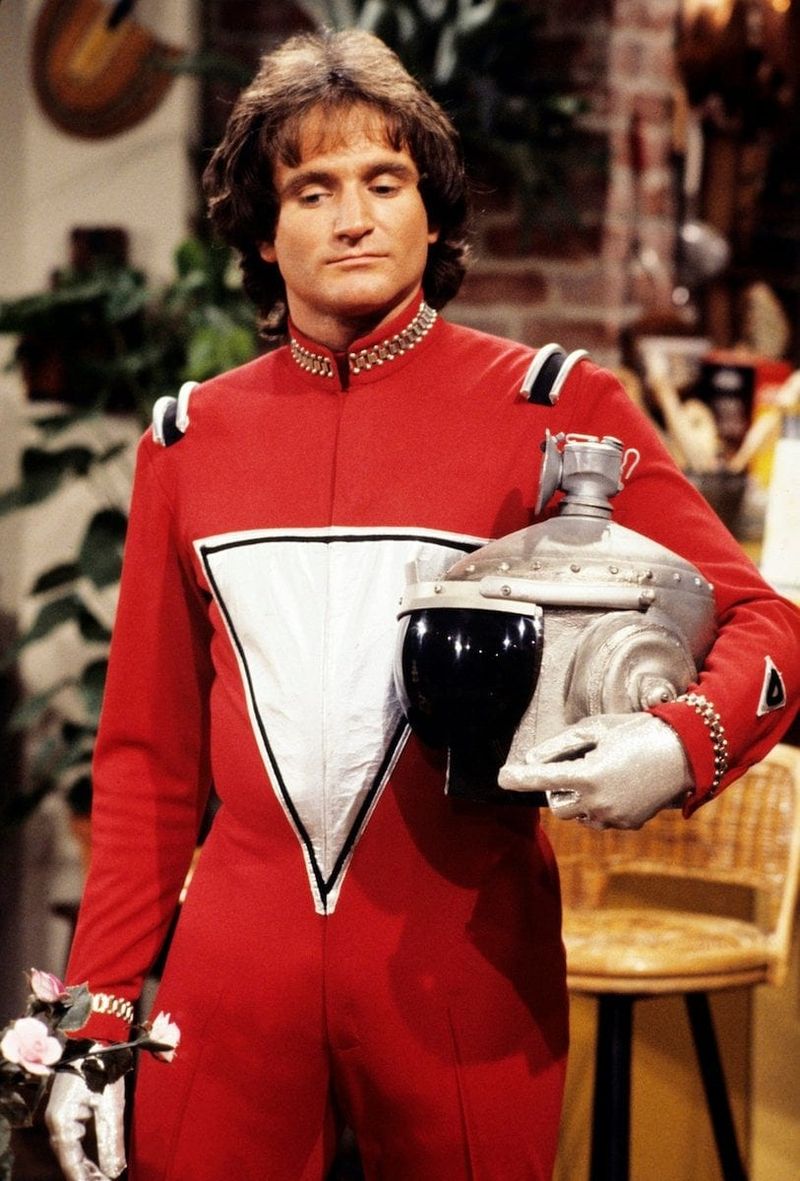
Robin Williams was a force of nature, and Mork from Ork was the character that unleashed him on the world. He first appeared as a guest on Happy Days in 1978, and audience reaction was so electric that he got his own show almost immediately.
Mork’s alien perspective on human behavior — baffled by handshakes, terrified by TV commercials — was Williams at his most brilliantly improvised. “Nanu Nanu” became a cultural greeting overnight. Mork and Mindy launched one of the greatest careers in comedy history and left a permanent mark on 1970s pop culture.
18. Lieutenant Theo Kojak (Kojak)
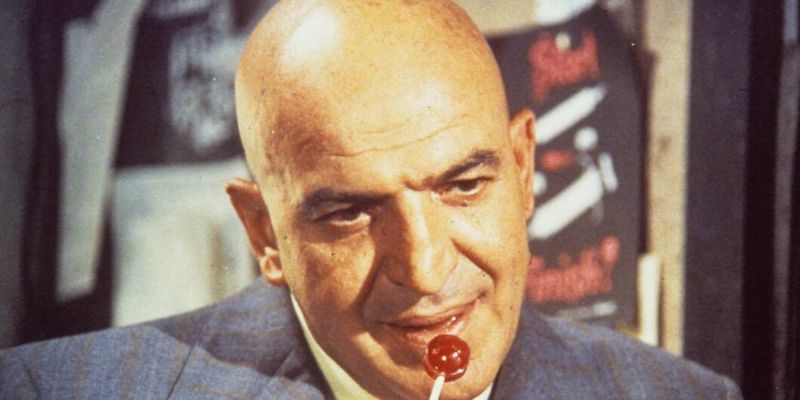
“Who loves ya, baby?” Telly Savalas delivered that line with such silky confidence that it became one of the defining catchphrases of 1970s television. Lt.
Theo Kojak was bald, brilliant, and completely unbothered — a new kind of TV cop for a cynical post-Watergate era.
Kojak patrolled a grimy, realistic New York City that felt genuinely dangerous, which set the show apart from glossier police dramas. His lollipop habit replaced cigarettes on screen, and his tough-but-fair approach to justice made him a fan favorite across the entire decade.
19. Vinnie Barbarino (Welcome Back Kotter)
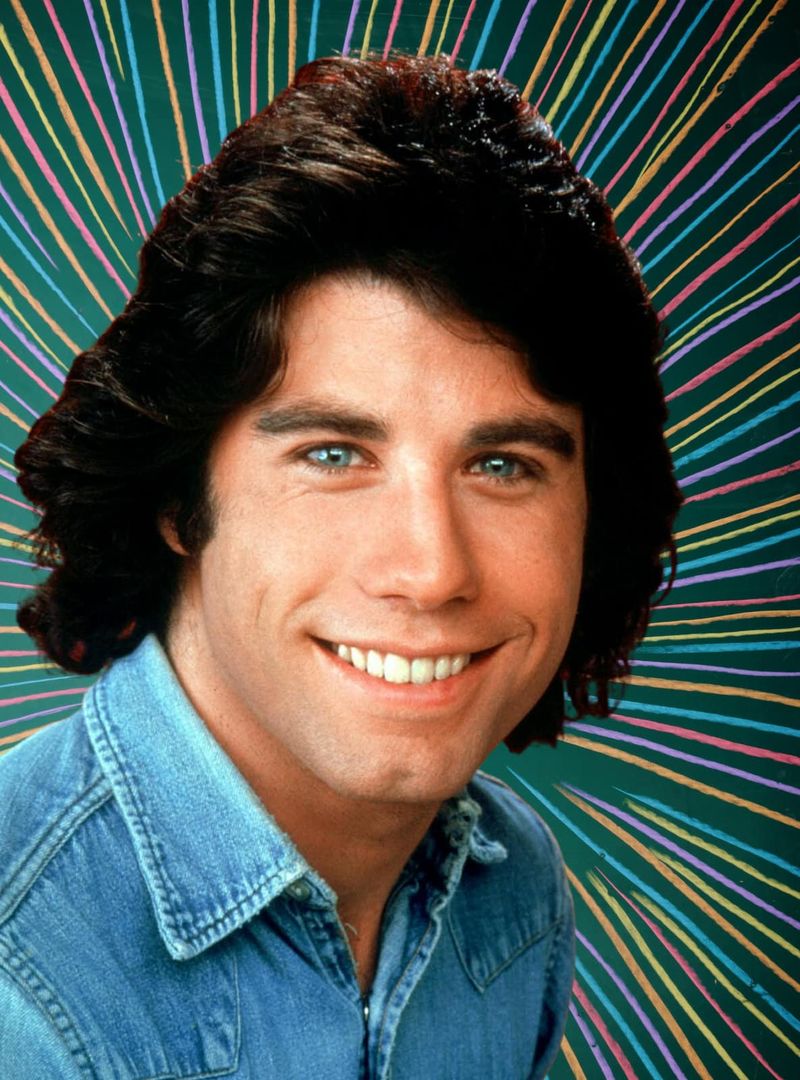
John Travolta had something on screen that couldn’t be taught — a magnetic, slightly dangerous charm that made every scene feel alive. As Vinnie Barbarino, the swaggering leader of the Sweathogs, he made being the class bad boy look genuinely glamorous.
Welcome Back, Kotter was meant to be an ensemble show, but Travolta’s popularity quickly made Vinnie the breakout star. Fan mail poured in by the thousands.
The role launched Travolta directly toward Saturday Night Fever and Grease, making Barbarino one of the most important launching pads in Hollywood history.
20. John-Boy Walton (The Waltons)
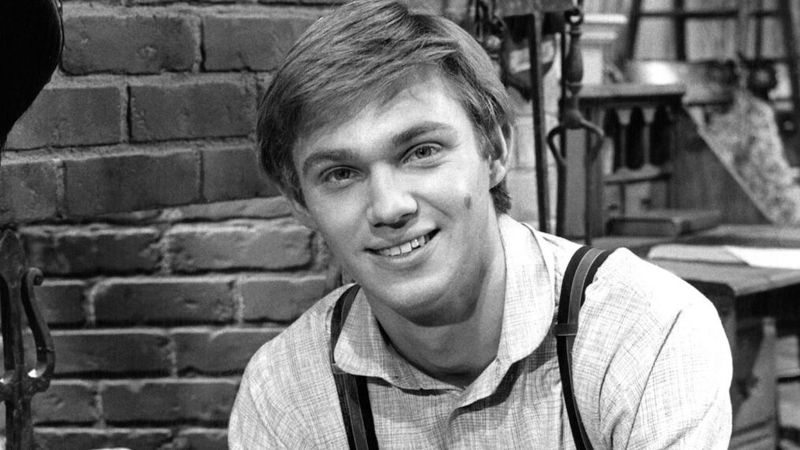
John-Boy Walton was the dreamer of the family — the boy who grew up poor on a Virginia mountain during the Great Depression but never stopped believing that words could change the world. Richard Thomas played him with a quiet sincerity that felt completely genuine.
His aspiration to become a writer gave the show its moral compass and emotional center. “Goodnight, John-Boy” became a cultural institution, echoing the warmth of a family that chose kindness over hardship. John-Boy reminded viewers that ambition and humility could absolutely coexist in the same person.