
A close bond with your grown child often starts with small moments long before adulthood. Being heard, comforted, and respected helps children learn that home is a safe place to turn.
Those habits matter as kids grow, but closeness also takes patience and room for change. No parent gets everything right, and it is never too late to build more trust.
1. Answer Their Needs With Steady Care

A baby cannot explain a hard day, but a caring response still speaks clearly. Feeding, holding, and comforting them helps build a sense of safety.
Aim for dependable care rather than a perfect record of meeting every need immediately.
As children grow, keep showing that their needs matter. Offer comfort after disappointment and support during stressful changes.
That familiar feeling of being cared for can help make you someone they trust well into adulthood, too.
2. Listen Beyond the First Sentence

The story about a missing pencil might really be about feeling left out. Give children time to finish before deciding what their problem means.
Put down your phone, notice their expression, and ask a gentle follow-up question.
Later, the same skill matters when they discuss work, friendships, or marriage. Reflect what you heard instead of rushing toward an answer.
Feeling understood often opens the door to conversations that quick advice would have closed too soon.
3. Make Room for Every Feeling
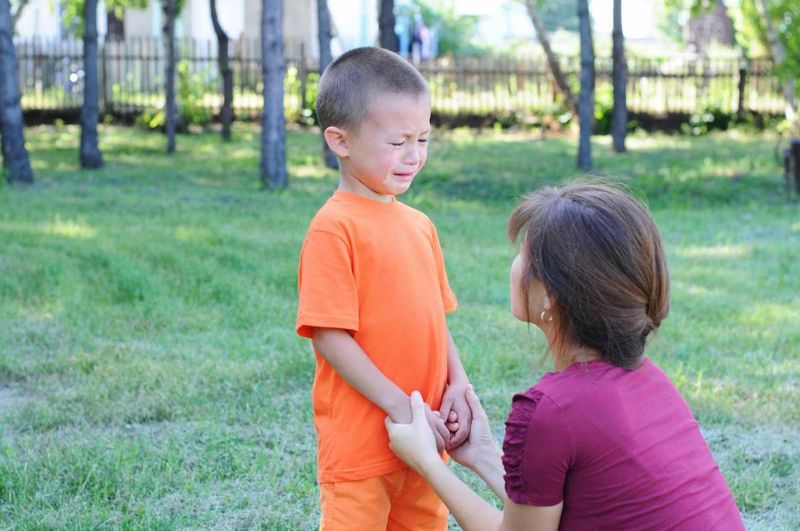
Big feelings can arrive over surprisingly small things, especially for young children. Instead of calling tears silly, help name the feeling underneath them.
You can accept anger while still stopping hitting or other harmful behavior.
This teaches children that emotions are welcome, even when actions need limits. As adults, they may feel safer sharing grief, fear, or disappointment with you.
Offer understanding first, and remember that comfort does not require agreeing with every choice they make.
4. Notice Effort Instead of Demanding Perfection
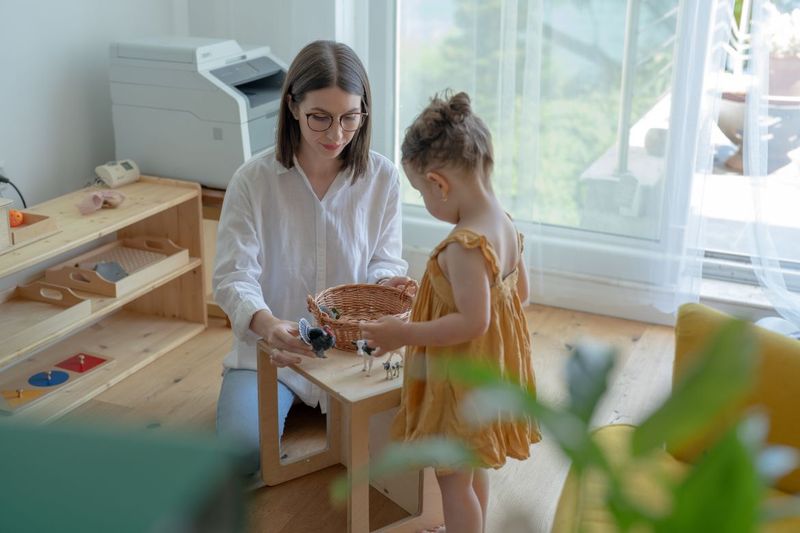
A crooked tower can deserve more praise than an easy perfect score. Notice patience, practice, kindness, and creative thinking rather than only the final result.
Be specific about what you saw so encouragement feels honest.
Keep that approach as children take on adult challenges. Celebrate the courage behind applying for a job or starting over after failure.
When approval is not tied to winning, they have less reason to hide their struggles from you later.
5. Protect the Secrets They Share

One embarrassing story told at a family gathering can shut down future sharing. Treat personal details as something entrusted to you, not material for jokes.
Ask permission before passing along news or posting pictures online.
Privacy has limits when someone faces serious danger, so explain those limits clearly. Otherwise, keep their confidence through childhood and adulthood.
A grown child who trusts your discretion may be more willing to bring you the parts of life that hurt.
6. Turn Ordinary Moments Into Connection

Bedtime stories and silly breakfast chats rarely look like major family milestones. Yet repeated moments of attention can become the memories children carry longest.
Choose small routines that fit your household instead of planning constant special outings.
When your child grows up, those routines can change shape. A weekly call, shared walk, or occasional meal can keep the connection alive.
Make invitations warm and flexible, so time together feels like a pleasure rather than another duty.
7. Apologize Without Adding Excuses

Even loving parents lose patience and say things they regret. A clear apology names the mistake without blaming the child for causing it.
Explain what you will do differently, then follow through when the next difficult moment arrives.
Repair matters more than a polished speech. Your example teaches that being wrong does not have to end a relationship.
In adulthood, honest apologies can help address old hurts, though your child may need time before feeling close again.
8. Let Their Personality Take Shape

Your quiet book lover may never enjoy the sport you once adored. Get curious about who your child actually is rather than trying to recreate yourself.
Support interests that are safe, even when you do not understand their appeal.
That openness becomes especially valuable when adult choices differ from your expectations. You can discuss concerns without treating difference as rejection.
A bond has more room to grow when belonging does not depend on being alike forever.
9. Teach Skills That Build Independence
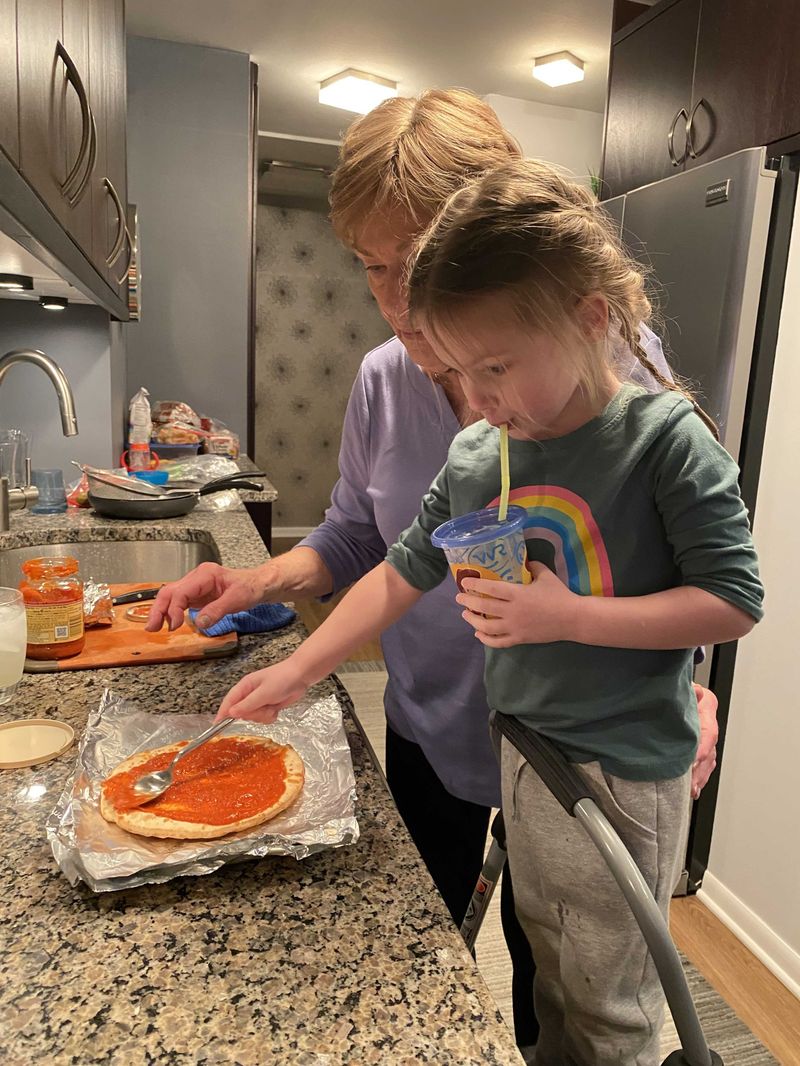
The first sandwich made alone might leave crumbs across the kitchen. Let that mess be part of learning rather than a reason to take over.
Teach useful skills in small steps, including cooking, budgeting, cleaning, and asking for help.
Offer choices that match their age and ability. As adulthood approaches, shift from managing tasks to answering questions when invited.
Independence is not a threat to closeness; it gives your child more freedom to choose connection freely.
10. Respect Boundaries Before They Become Battles

A closed bedroom door is a chance to practice respect. Knock, allow reasonable privacy, and avoid forcing hugs or personal conversations.
Children still need guidance, but their comfort deserves a place in family decisions.
Carry that habit into adulthood by asking about visits, calls, and sensitive topics. Accept a no without using guilt or withdrawing affection.
Healthy limits make closeness feel safer because your child knows connection will not cost them control over their own life.
11. Ask Before Offering Advice

Sometimes a rough day needs a listener, not a ten-step rescue plan. Try asking whether your child wants ideas, practical help, or simply company.
Practice this early with small problems so asking becomes natural.
Adult children often have their own methods for work, money, and parenting. Permission keeps your experience from sounding like an order.
If they decline advice, stay kind and available rather than treating their decision as proof that they no longer need you.
12. Keep Promises Small and Reliable

Being there when you said you would be builds quiet trust. Make promises you can reasonably keep, from returning after work to attending a school event.
When plans change, explain promptly rather than hoping your child forgets.
Consistency does not mean being available every minute. It means your words usually match your actions and your limits are clear.
Over time, that reliability can make you a steady source of support during the uncertain parts of adulthood.
13. Leave Comparisons Out of the Conversation

A sibling’s success should not become another child’s measuring stick. Comparisons can turn ordinary differences into shame or rivalry.
Focus on personal progress and ask what support would help with the next step.
The same rule applies when grown children reach milestones at different times. Avoid remarks about who earns more, marries first, or visits most often.
Each person has a different path, and respect for that path makes family conversations easier to enter without fear.
14. Share Your Own Humanity

Hearing that you once struggled can make your advice feel more real. Share age-appropriate stories about mistakes, worries, and lessons learned.
Keep the focus on connection, not on asking your child to manage your emotions.
As they mature, let conversations become more mutual while maintaining healthy limits. Admit when you do not know an answer or remember something differently.
Humility leaves space for their experience and shows that learning does not stop when someone becomes a parent.
15. Stay Calm Enough to Feel Safe

Children notice when they must guess which mood will greet them. Work toward calm, predictable responses instead of letting stress set the household tone.
Take a pause when needed and explain that your feelings are yours to manage.
You do not have to hide sadness or frustration. Show healthy ways to handle them without threats, insults, or silent punishment.
Emotional steadiness can help grown children approach difficult conversations without expecting an explosion or feeling responsible for calming you.
16. Help Them Recover From Setbacks

A failed test or lost friendship can feel enormous to a child. Offer comfort before discussing what happened, then help identify one manageable next step.
Resist fixing every problem or pretending the disappointment does not matter.
Small experiences of recovering with support can help build confidence for bigger challenges. When adult life gets difficult, keep offering encouragement without taking charge.
Remind them of strengths they have shown, while allowing space for sadness, rest, and professional help when needed.
17. Welcome the People They Love

The friend at your table today may teach you something about your child. Show interest in their friendships early, while keeping sensible safety rules.
Avoid making affection feel like a competition for first place.
Later, welcome partners and other loved ones with basic kindness and patience. Respect that holidays, decisions, and time may now be shared across households.
You can address harmful behavior without demanding loyalty tests that force your adult child to choose sides unnecessarily.
18. Match Connection to Their Communication Style

Some children talk freely on walks but go quiet across a table. Notice when conversation comes easily, and avoid treating one style as the only proper way.
Give thoughtful children time to find their words.
In adulthood, ask whether texts, calls, or visits work best and agree on reasonable expectations. A delayed reply does not always signal distance.
Flexible communication helps you stay connected without turning every unanswered message into a test of love or loyalty.
19. Forgive Without Keeping a Scorecard

An old mistake should not appear in every new argument. After addressing harm and setting any needed limits, resist using the past as a weapon.
Children learn more from fair consequences than from lasting labels about their character.
With grown kids, forgiveness can mean making room for change while still protecting yourself. It does not require ignoring abuse or rushing reconciliation.
Let repaired problems stay repaired whenever possible, so both of you can move forward without carrying every disagreement.
20. Grow Alongside Them

The role that fits a toddler will not fit a thirty-year-old. Gradually trade directing for guiding, then guiding for a more equal relationship.
Stay interested in who your child is becoming rather than clinging to who they were.
Closeness cannot be guaranteed by perfect parenting, and adult relationships depend on both people. Still, curiosity, respect, and willingness to change give connection room to develop.
Keep learning together, and let love make space for a new kind of bond.