
Movies have a sneaky way of blurring the line between fact and fiction, especially when they slap “Based on a True Story” on the screen. Some films have convinced entire generations that events happened exactly as shown, when the reality is far less dramatic.
From fake found footage to completely invented characters, Hollywood has been bending the truth for decades. Get ready to have your mind blown as we unpack fifteen of the biggest movie lies ever told.
1. The Revenant (2015): The Revenge That Never Happened
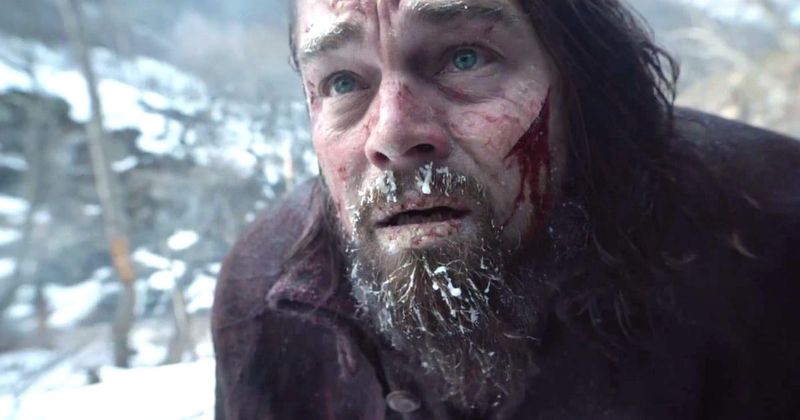
Hugh Glass was a real man who survived a brutal bear attack in the 1820s, and that much is true. But the movie invents a fictional son for him and frames his entire journey as a blood-soaked revenge mission.
In reality, Glass was mostly trying to get his stolen gear back.
The dramatic father-son storyline was pure Hollywood invention. Audiences left theaters believing a heartbreaking revenge tale, when the actual story was far more practical and survival-focused.
2. Argo (2012): Canada Who?
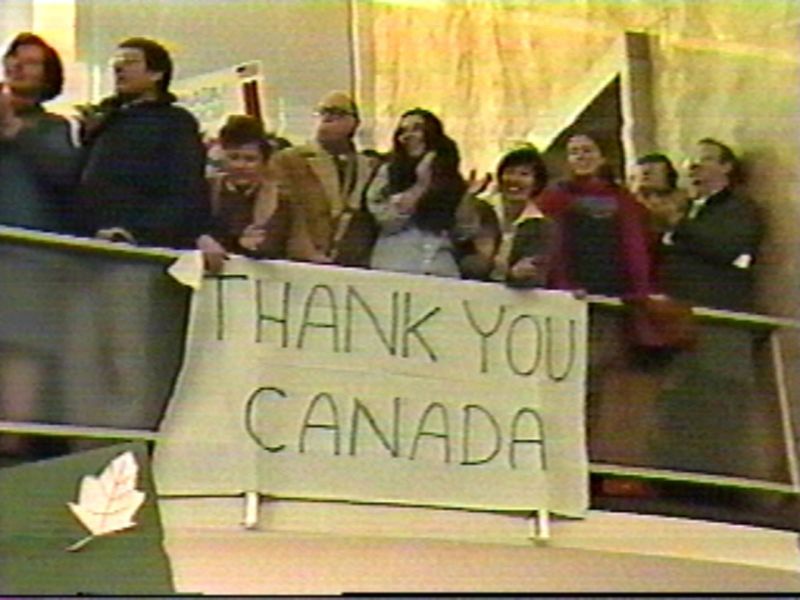
Argo tells the story of a daring CIA rescue mission during the 1980 Iran hostage crisis, and it does so with incredible tension. What it quietly forgets to mention is that Canada played a massive role in sheltering and ultimately helping those diplomats escape.
The film even invents a character named Lester Siegel who never existed. Mark Lijek, one of the real diplomats saved, called the movie a “nightmarish alternate universe” compared to what actually happened.
3. The Amityville Horror (2005): A Haunting Built on Hype

Few horror movies have scared as many people as The Amityville Horror, which promised audiences a terrifying true story of demonic haunting. But the supernatural events portrayed were largely made up, and even George Lutz, the man who supposedly lived through it, called the film “drivel.”
He was so upset that he actually tried to sue the filmmakers for defamation. The real story appears to have been a marketing stunt that spiraled far beyond anyone’s expectations.
4. Fargo (1996): The Coen Brothers’ Sneaky Prank
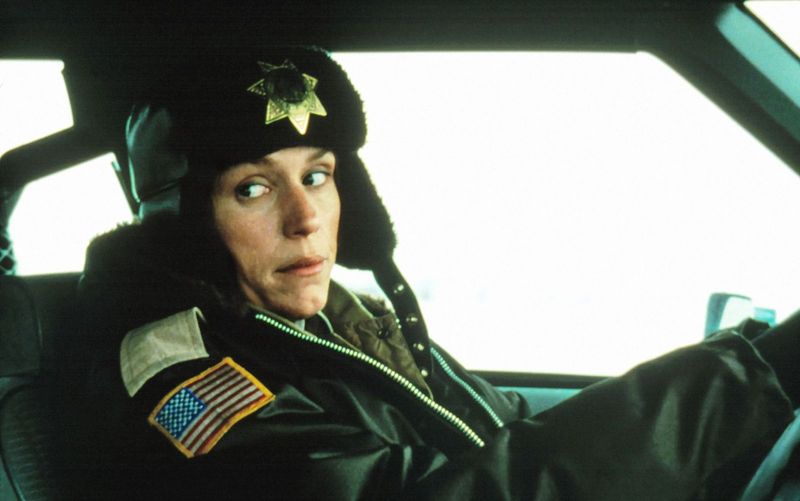
Right from the opening frame, Fargo boldly declares itself a true story. Viewers believed it for years, and the film’s gritty, realistic tone made that claim feel totally believable.
There was just one problem: the Coen Brothers made the whole thing up.
They later admitted the “true story” label was simply a clever storytelling device meant to pull audiences in. It worked brilliantly.
The fictional kidnapping plot was inspired loosely by unrelated real crimes but invented from scratch.
5. The Blair Witch Project (1999): Found Footage That Was Never Lost
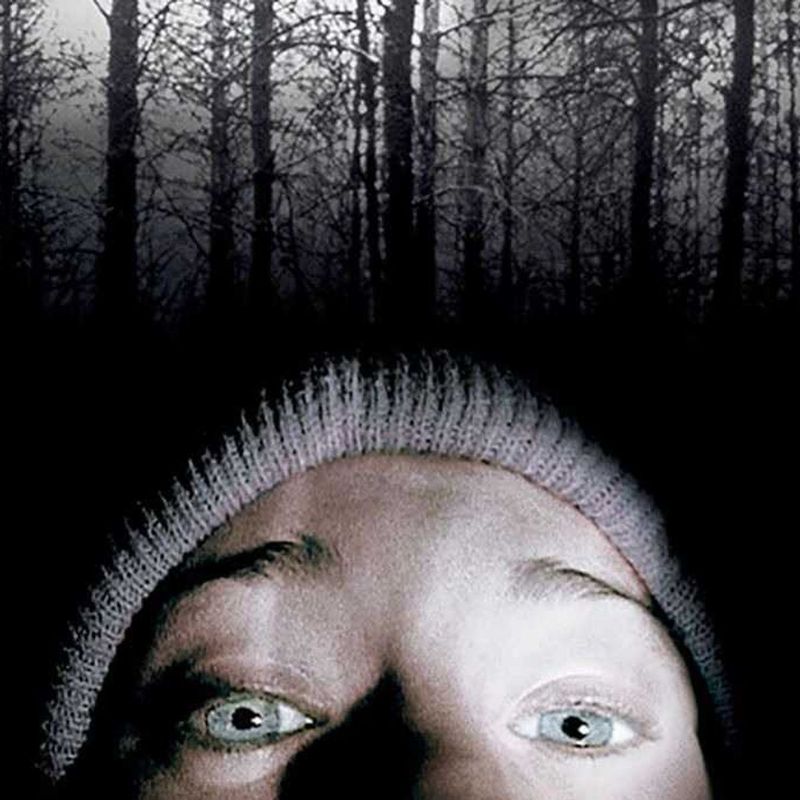
When The Blair Witch Project hit theaters, many people genuinely believed they were watching real footage of missing student filmmakers. The marketing was so convincing that websites listed the actors as actually missing, and fake police reports circulated online.
In truth, the entire story was scripted, rehearsed, and carefully planned. The Blair Witch legend was invented specifically for the movie.
It remains one of the most brilliantly deceptive marketing campaigns in film history.
6. Braveheart (1995): William Wallace’s Very Different Story

Braveheart gave audiences one of cinema’s most passionate battle cries for freedom, but historians have spent years cringing at its inaccuracies. William Wallace likely never wore a kilt, as that style of dress came centuries later.
The romance with Princess Isabella of France is also impossible since she was only three years old when Wallace died.
Even the iconic blue face paint was from a completely different era of Scottish history. Mel Gibson prioritized spectacle over accuracy at nearly every turn.
7. Titanic (1997): Jack Dawson’s Fictional Heart
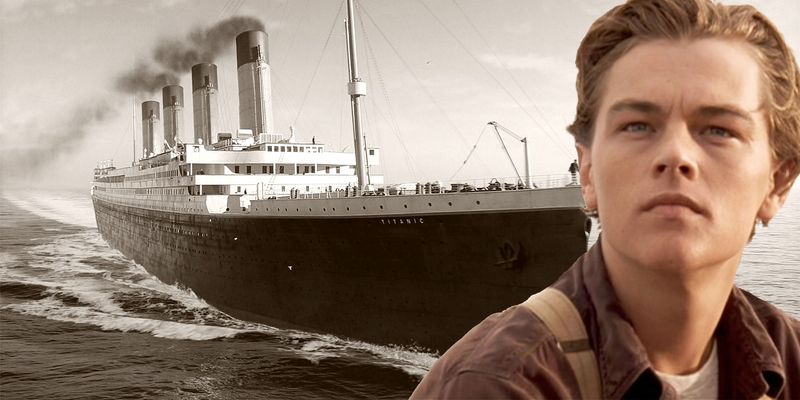
James Cameron’s Titanic is based on the real sinking of the RMS Titanic in 1912, but the central love story between Jack and Rose is completely fictional. No passenger named Jack Dawson ever boarded that ship.
The emotional core of the film is entirely invented.
Cameron used the real disaster as a backdrop for a fictional romance, which is totally fine, but many viewers walked away believing Jack was a real person who truly existed and tragically drowned.
8. Pocahontas (1995): A Love Story Disney Invented

Disney’s Pocahontas is a beautiful animated film, but it takes enormous liberties with a genuinely heartbreaking true story. The real Pocahontas, whose name was Amonute, was likely only around ten or eleven years old when she first encountered John Smith, making the romantic storyline completely fabricated.
She was later kidnapped, held captive, converted to Christianity, and died in England at around age 21. The actual story is far more tragic than any Disney film would dare to show.
9. The Social Network (2010): Zuckerberg’s Fictional Heartbreak
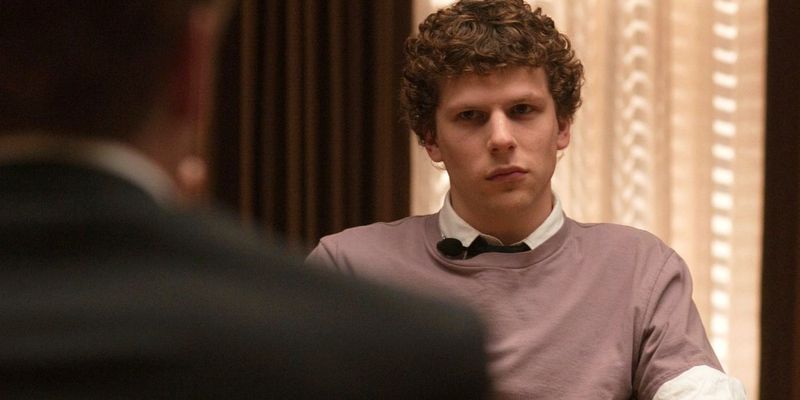
The Social Network frames the creation of Facebook as a revenge project born from a bad breakup with a fictional girlfriend named Erica Albright. It is a gripping story, but Mark Zuckerberg himself called the film inaccurate and said the breakup motivation was simply not true.
Aaron Sorkin, the screenwriter, openly admitted he prioritized drama over documentary-style accuracy. Zuckerberg had actually been dating his real girlfriend Priscilla Chan since 2003, well before Facebook launched.
10. Gladiator (2000): Rome Was Not Built on This Story
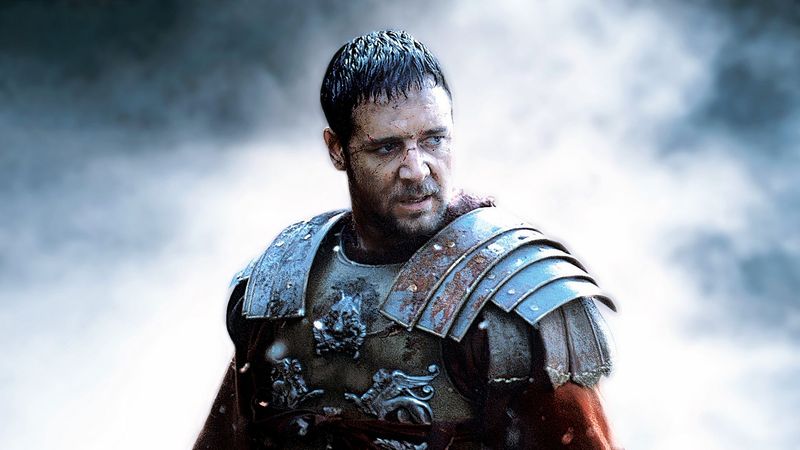
Gladiator is one of the most beloved action epics ever made, but its version of Roman history is wildly inaccurate. The main character Maximus is entirely fictional, and the portrayal of Emperor Commodus as a sniveling villain who killed his own father is historically unsupported.
Commodus was genuinely a troubled emperor, but his father Marcus Aurelius actually died of plague, not murder. The film borrowed real names and settings, then wrapped them around a completely invented plot.
11. Bohemian Rhapsody (2018): Freddie’s Timeline Gets Scrambled
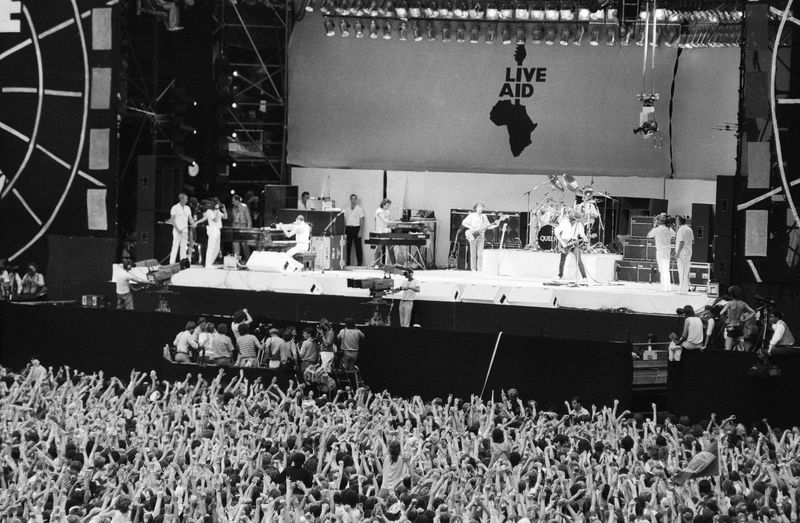
Bohemian Rhapsody is a celebration of Queen’s music, but the film plays fast and loose with the band’s actual timeline. Most notably, Freddie Mercury is shown receiving his HIV diagnosis before the famous 1985 Live Aid concert, which never actually happened that way.
Mercury did not learn of his diagnosis until 1987, two years after Live Aid took place. The film rearranged real events to create a more emotionally satisfying arc, leaving fans with a distorted version of rock history.
12. American Sniper (2014): The Villain Who Was Not Real
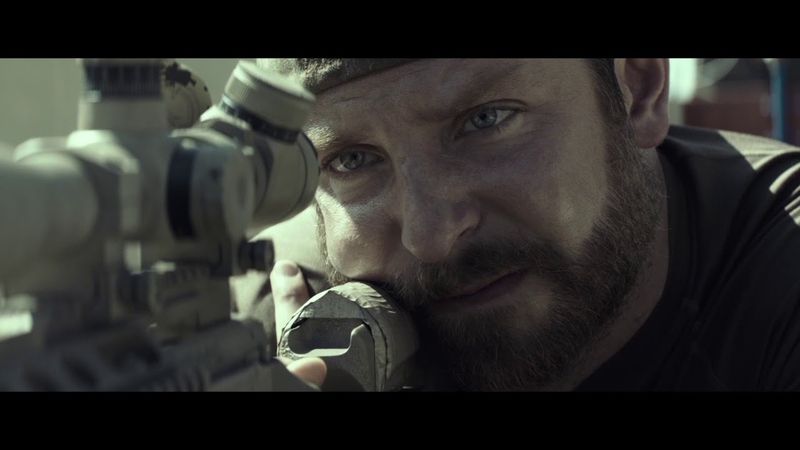
American Sniper tells the story of Navy SEAL Chris Kyle, and while Kyle was a real person with a remarkable record, the film invents a dramatic nemesis named Mustafa, a Syrian Olympic sniper turned insurgent. In Kyle’s own memoir, Mustafa appears in only a single brief paragraph.
The movie transforms this minor reference into a full-blown cinematic rivalry to ramp up tension. It worked for box office numbers, but it left audiences believing in a villain who barely existed in the real account.
13. Biopics and the Einstein Myth: Genius (2017) and Similar Films
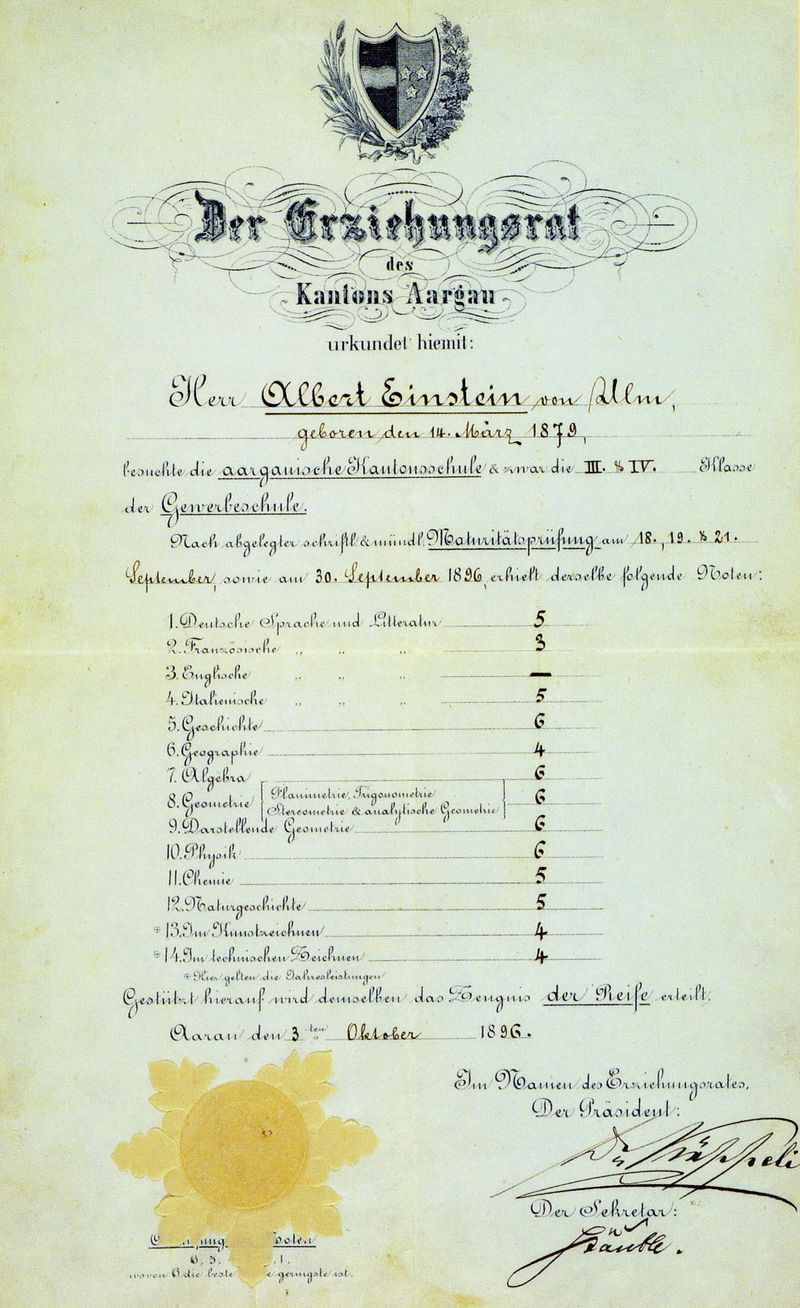
Biopics about famous scientists and geniuses often bend the truth to make their subjects seem more dramatic or relatable. Films about Albert Einstein, for example, frequently exaggerate his rebellious school-age failures, when in reality he excelled at mathematics and science from a young age.
The myth that Einstein failed math as a child has been repeated so often in pop culture that most people believe it completely. Movies repeat these myths without correction, and they stick around for generations.
14. The Patriot (2000): History Class Would Not Approve
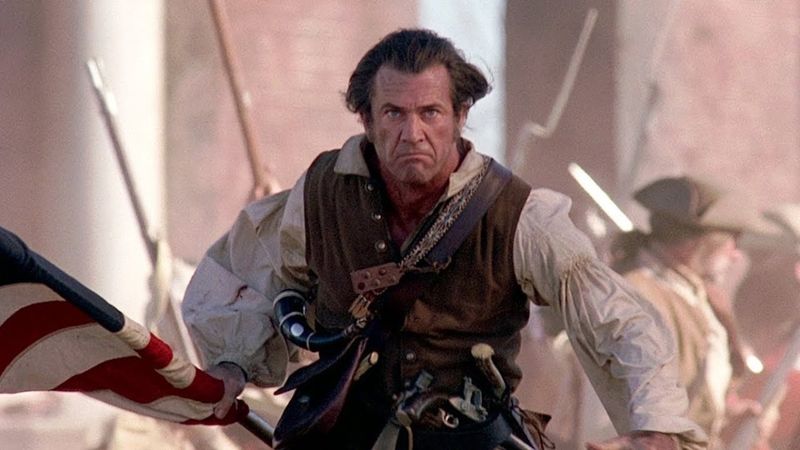
Mel Gibson’s Revolutionary War epic The Patriot presents British soldiers as committing atrocities straight out of World War II, including locking civilians in a church and burning it down. Historians point out that this scene closely mirrors a Nazi war crime from France in 1944, not anything documented from the American Revolution.
The film blends different historical eras and events into one misleading package. Many students who watched it in school walked away with a seriously warped view of the actual war.
15. JFK (1991): Oliver Stone’s Conspiracy Masterpiece
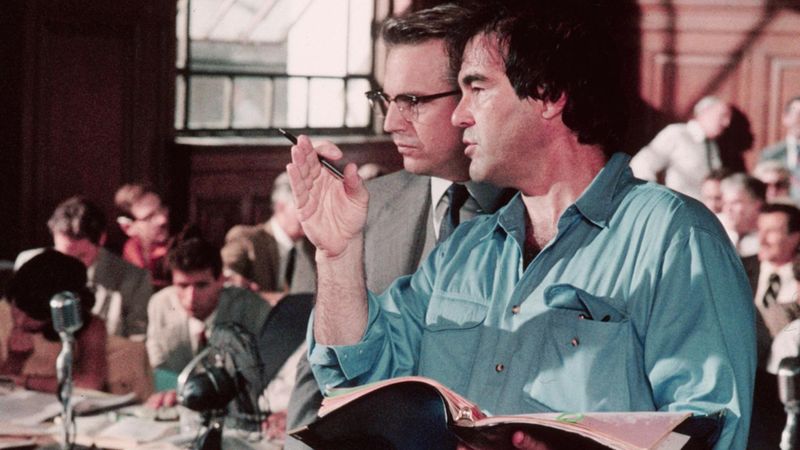
Oliver Stone’s JFK is a genuinely riveting film, but it presents an elaborate conspiracy theory about President Kennedy’s assassination as though it were established fact. The movie cherry-picks evidence, invents dramatic scenes, and blends speculation with real footage so seamlessly that many viewers left believing they had just watched documented history.
Historians and journalists widely criticized the film for its misleading approach. It was so influential that it actually helped push Congress to release more classified assassination records in the 1990s.