
Finding the right partner can feel like searching for a needle in a haystack, especially when you keep ending up with people who just aren’t right for you.
Many of us fall into the same relationship traps over and over without realizing we’re following a pattern.
Understanding the warning signs that you might be choosing the wrong partners is the first step toward building healthier, happier relationships.
This guide will help you recognize these red flags and give you practical tools to break free from cycles that aren’t serving you.
Whether you’re currently single or reflecting on past relationships, these insights can transform how you approach love and help you find someone who truly values and respects you.
Change starts with awareness, and you’re already taking that important first step by being here.
1. You Keep Ignoring Red Flags Early On

When someone shows you who they are right from the start, believe them.
Too many people brush aside warning signs during the honeymoon phase because they’re caught up in excitement and hope.
Maybe your new partner makes rude comments to servers, cancels plans last minute without apology, or talks badly about all their exes.
These behaviors won’t magically disappear once you get more serious.
Your gut instinct is usually right when something feels off.
That uncomfortable feeling in your stomach when they say something disrespectful isn’t something to push down or rationalize away.
Learning to trust your intuition takes practice, especially if you’ve been taught to ignore your feelings.
Start keeping a journal where you write down both positive and concerning behaviors you notice in potential partners.
This helps you see patterns more clearly instead of letting emotions cloud your judgment.
When red flags appear, have honest conversations about them rather than pretending they don’t exist.
A good partner will listen to your concerns and work to address them.
Someone who dismisses your feelings or gets defensive is showing you exactly who they are.
Protecting your peace means honoring those early warning signals before you’re in too deep.
2. You’re Drawn to People Who Need Fixing
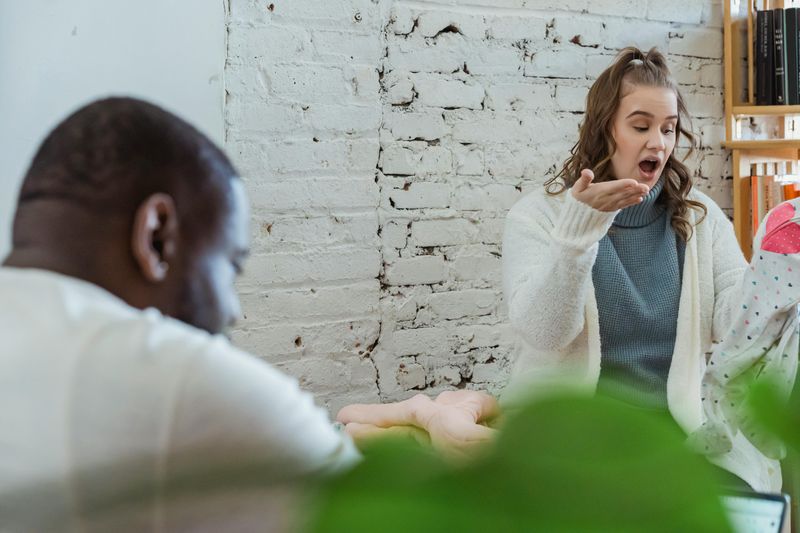
Some people are attracted to partners with serious problems because they enjoy feeling needed.
This pattern often starts in childhood when you learned to take care of others before yourself.
You might find yourself dating people with addiction issues, unresolved trauma, or chaotic lifestyles.
While compassion is beautiful, romantic relationships shouldn’t feel like rescue missions.
The truth is that you cannot fix another person no matter how much love you pour into them.
Real change only happens when someone decides for themselves that they want to grow.
Constantly playing therapist or parent to your partner drains your energy and prevents genuine intimacy.
You end up losing yourself in their problems while your own needs get completely ignored.
Breaking this cycle means recognizing that your worth isn’t tied to how much you can help others.
You deserve a partner who shows up as a whole person, not someone you need to constantly prop up.
Start noticing if you feel more like a caretaker than an equal in your relationships.
Healthy partnerships involve two people who support each other, not one person doing all the emotional labor.
Seek out people who have done their own healing work and can meet you as an equal.
3. You Settle Because You Fear Being Alone

Being single shouldn’t feel like a punishment you need to escape as quickly as possible.
Many people stay in mediocre or even harmful relationships simply because they’re terrified of being by themselves.
This fear drives you to accept treatment you know deep down isn’t acceptable.
You convince yourself that having someone is better than having no one, even when that someone makes you unhappy.
The state of your relationship directly reflects how comfortable you are with yourself.
Learning to enjoy your own company is one of the most powerful things you can do for your dating life.
When you’re genuinely content being single, you stop settling for crumbs of affection.
You start recognizing that being alone is far better than being with someone who doesn’t treat you right.
Spend time discovering what brings you joy outside of romantic relationships.
Build friendships, pursue hobbies, and create a life that feels fulfilling on its own.
The more complete you feel independently, the less desperate you’ll be to cling to the wrong person.
Remember that being single is a perfectly valid and often wonderful state of being.
You’re not incomplete without a partner, and rushing into relationships out of loneliness always backfires eventually.
4. You Repeat the Same Relationship Patterns

Do your relationships always seem to end the same way?
Maybe you always date people who are emotionally unavailable, overly critical, or unwilling to commit.
These patterns don’t happen by accident.
They’re usually connected to unresolved issues from your past or beliefs you hold about what you deserve.
You might be unconsciously drawn to familiar dynamics, even when those dynamics are unhealthy.
Sometimes we recreate childhood relationships with parents or caregivers through our romantic choices.
If you grew up seeking approval from a distant parent, you might chase emotionally unavailable partners as an adult.
Recognizing these patterns requires honest self-reflection and sometimes professional help.
Therapy can provide valuable insights into why you keep making similar choices.
Start paying attention to common threads in your past relationships.
Write down what went wrong in each one and look for similarities.
Once you identify your patterns, you can consciously choose different types of people.
Breaking cycles takes courage because it means stepping into unfamiliar territory.
The state of awareness you reach through this work will transform not just your relationships but your entire life.
5. You Prioritize Chemistry Over Compatibility

Intense physical attraction can make you overlook serious compatibility issues.
That electric feeling when you first meet someone is exciting, but it’s not enough to build a lasting relationship.
Chemistry might bring you together, but compatibility keeps you together through life’s challenges.
You need to share similar values, life goals, and communication styles for a relationship to truly work.
Someone can make your heart race while also being completely wrong for you in practical ways.
Maybe they want kids and you don’t, or they’re planning to move across the country while you’re rooted where you are.
These fundamental differences won’t disappear just because the physical connection is strong.
Pay attention to how you feel around someone beyond the initial spark.
Do you feel respected, heard, and valued?
Can you have deep conversations and navigate disagreements constructively?
These qualities matter far more than butterflies in your stomach.
Great relationships combine both chemistry and compatibility, not just one or the other.
Don’t ignore deal-breakers just because someone is attractive or exciting.
Look for partners who align with your vision for the future and treat you with consistent kindness.
6. You Ignore Your Own Needs and Boundaries

Healthy relationships require both people to express their needs and respect each other’s boundaries.
If you constantly sacrifice what you want to keep the peace, resentment will eventually build.
Many people, especially those who grew up in chaotic environments, never learned that their needs matter.
You might feel guilty asking for what you want or worry that having boundaries makes you difficult.
This couldn’t be further from the truth.
Boundaries are essential for any relationship to thrive over time.
They protect your emotional wellbeing and help partners understand how to treat you.
Start small by noticing when you feel uncomfortable or when something crosses a line for you.
Practice saying no without over-explaining or apologizing excessively.
A partner who truly cares about you will respect your boundaries, not push against them.
If someone makes you feel bad for having needs, that’s a major warning sign.
You shouldn’t have to shrink yourself or constantly compromise to make a relationship work.
The right person will appreciate knowing what you need and will work to meet you halfway.
Honoring yourself creates space for genuine connection rather than one-sided dynamics.
7. You Rush Into Commitment Too Quickly

Moving too fast in relationships often leads to painful realizations down the road.
When you barely know someone but you’re already planning your future together, you’re setting yourself up for disappointment.
Real intimacy takes time to develop.
You need to see how someone handles stress, conflict, and everyday life before making serious commitments.
Rushing into things often comes from a place of insecurity or fear that the person will leave if you don’t lock them down quickly.
This desperation pushes you to skip important stages of getting to know each other.
You might ignore incompatibilities because you’re already emotionally invested.
Slow down and give relationships room to breathe and develop naturally.
There’s no need to move in together after three months or say I love you on the second date.
Take your time observing how this person treats you consistently over weeks and months.
Do they follow through on promises?
How do they handle disappointment or disagreement?
These questions can only be answered through time spent together in various situations.
Patience protects you from making commitments you’ll later regret once the initial excitement wears off.
8. You Choose Partners Your Loved Ones Warn You About

Friends and family who truly care about you often notice red flags you’re too close to see.
If multiple trusted people express concerns about your partner, it’s worth taking their observations seriously.
They’re not trying to ruin your happiness.
They’re seeing things from an outside perspective without the emotional attachment clouding their judgment.
Of course, you shouldn’t let others make your relationship decisions for you.
But completely dismissing everyone’s concerns is a mistake that can cost you dearly.
Sometimes love makes us blind to behaviors that are obvious to everyone else.
You might defend your partner’s disrespectful actions or make excuses for their treatment of you.
When you find yourself constantly defending your relationship to others, pause and ask yourself why.
Are you trying to convince them or yourself?
Listen with an open mind when people who love you express worries.
They’re not coming from a place of judgment but genuine care for your wellbeing.
The state of denial you might be in can prevent you from seeing what’s right in front of you.
Value the perspective of those who want the best for you and consider their input thoughtfully.
9. You Mistake Drama for Passion

Constant ups and downs might feel exciting, but they’re actually exhausting and unhealthy.
Some people confuse toxic volatility with passionate love.
They think that if a relationship isn’t full of intense fights and dramatic makeups, it must be boring.
This belief keeps you trapped in relationships that drain your energy and peace of mind.
Real passion exists without chaos.
You can have deep connection and excitement with someone who treats you with consistent respect.
Healthy relationships feel stable and secure, not like an emotional roller coaster.
If you’re always walking on eggshells or wondering where you stand, that’s not romance.
That’s anxiety.
Drama often stems from poor communication, unresolved issues, or incompatible personalities.
It’s not a sign of deep love but rather a sign of dysfunction.
Start noticing how you feel in your relationship overall.
Do you feel mostly peaceful and happy, or constantly stressed and uncertain?
Seek partners who bring calm and consistency to your life rather than chaos.
True passion includes respect, trust, and the ability to resolve conflicts without explosions.
10. You Haven’t Healed from Past Relationships

Jumping into a new relationship before processing the last one is like building a house on shaky ground.
Unresolved pain from previous partners affects how you show up in new relationships.
You might project old fears onto someone who hasn’t earned your distrust.
Or you might repeat the same mistakes because you haven’t learned the lessons your past relationships were trying to teach you.
Healing takes time and often requires you to be single for a while.
This doesn’t mean you need to be completely perfect before dating again.
But you should at least understand what went wrong and what role you played in previous relationship failures.
Take responsibility for your part without beating yourself up about it.
Everyone makes mistakes, and relationships are complicated.
Spend time in therapy, with supportive friends, or in personal reflection.
Process your emotions instead of numbing them or distracting yourself with someone new.
The state of your emotional health directly impacts the quality of partners you attract and choose.
When you’ve done the healing work, you’ll naturally make better choices because you’ll know exactly what you deserve.
Give yourself the gift of time to heal properly before opening your heart again.
