
Cruise ship buffets look like a dream come true, with mountains of food stretching as far as the eye can see. But not everything on that spread is worth loading onto your plate.
Some dishes can make you sick, taste terrible, or leave you feeling sluggish for the rest of your trip. Knowing what to skip can make a huge difference in how much you enjoy your time at sea.
1. Raw Seafood and Sushi
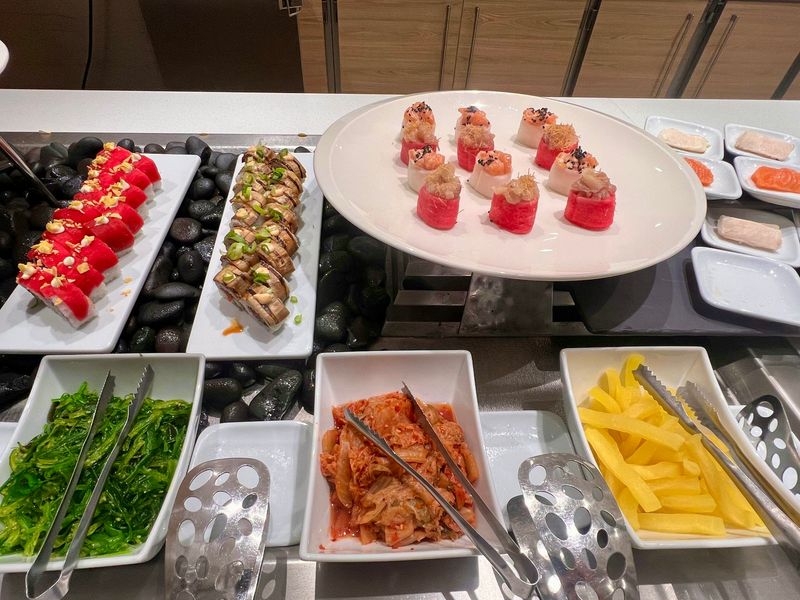
Sushi rolls and shrimp cocktail might look irresistible at a buffet, but they come with serious risks when served in a self-serve setting. Raw seafood needs to stay ice-cold at all times, and on a busy buffet line, that temperature control often slips.
Shellfish like oysters can carry harmful bacteria and viruses that thrive when food warms up. If the tray has been sitting out for even an hour, the risk of getting sick rises fast.
Save the sushi for a dedicated restaurant where freshness is guaranteed.
2. Scrambled Eggs from the Buffet
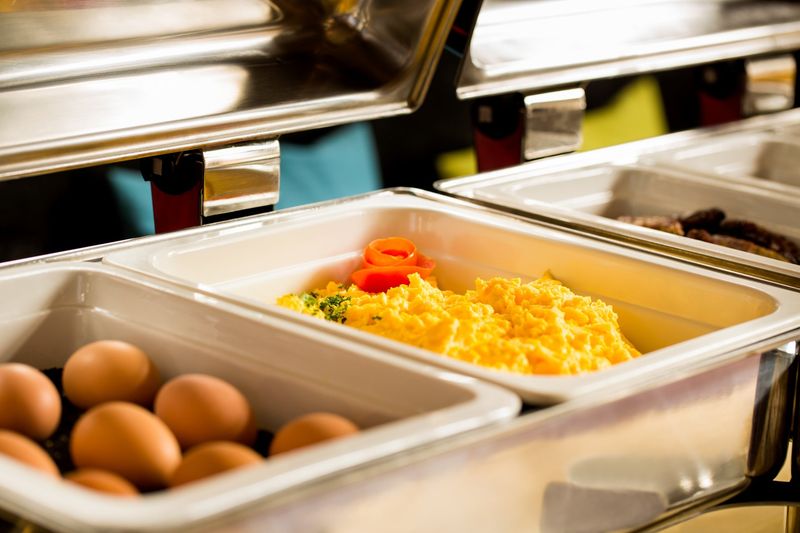
There is something almost sad about buffet scrambled eggs. They tend to be watery, rubbery, and oddly pale, often because they are made from powdered egg mix rather than cracked fresh eggs.
Large batches cooked hours in advance and kept warm under heat lamps lose both flavor and texture quickly. Worse, if the temperature dips below safe levels, bacteria can multiply.
Head to the omelet station instead, where eggs are made fresh right in front of you for a far better breakfast.
3. Mayonnaise-Based Salads
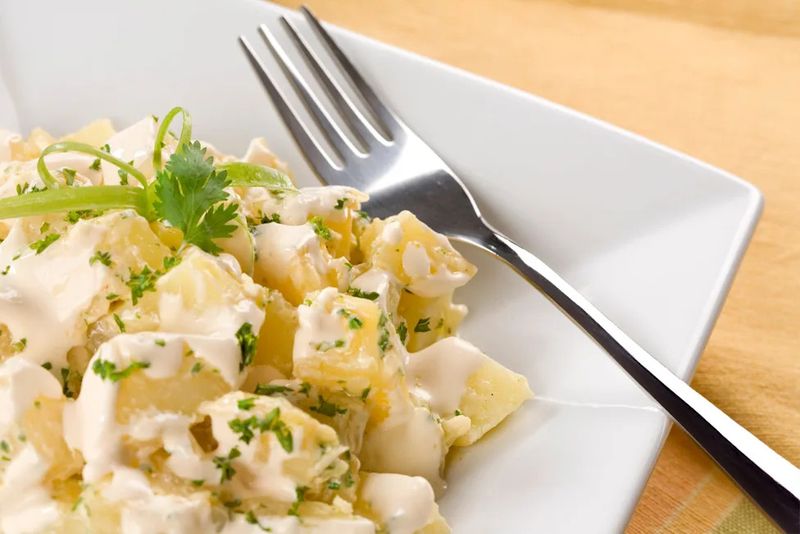
Potato salad and pasta salad look harmless, but they are among the sneakiest troublemakers on any buffet spread. Mayonnaise creates the perfect environment for bacteria to grow when temperatures creep into the danger zone between 40 and 140 degrees Fahrenheit.
On a cruise buffet, these dishes can sit out for hours while guests come and go. The creamy texture also makes it hard to tell when something has gone off.
Opting for a simple green salad with dressing on the side is a much safer bet.
4. Deli Meats and Cold Cuts
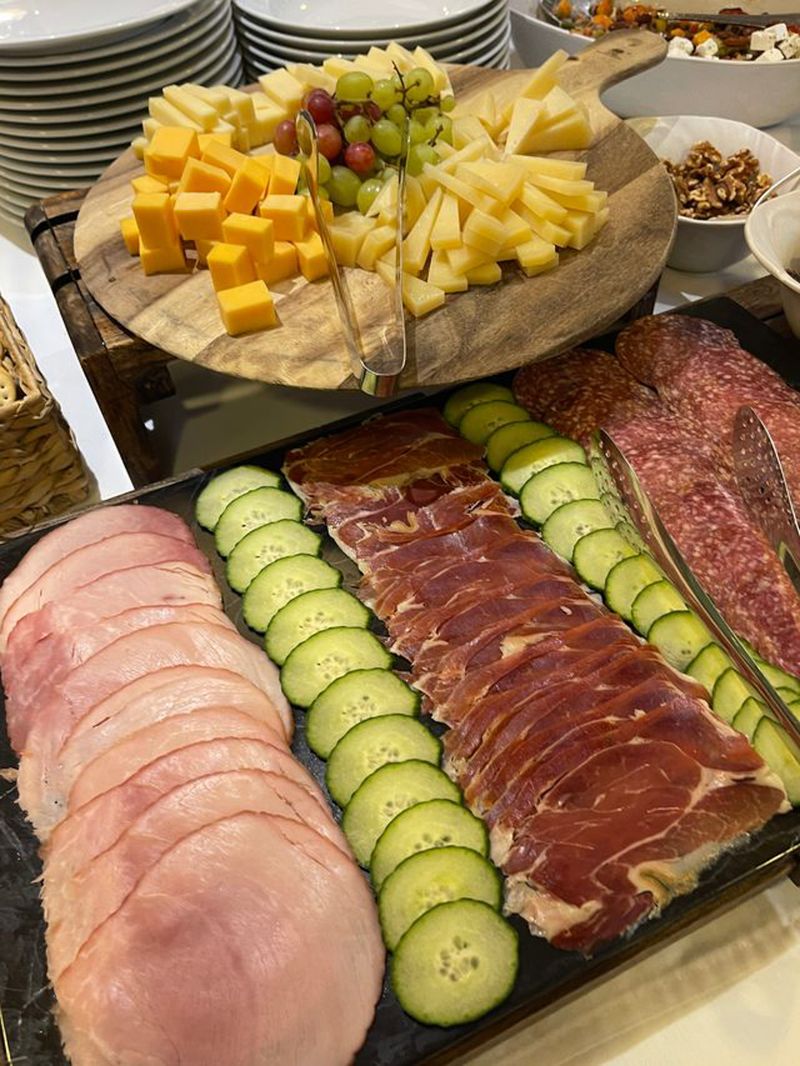
Cold cuts like ham, turkey, and salami travel a long way before they land on your plate at sea. They pass through multiple ports and cold storage units, which increases the chance of contamination along the way.
Listeria is a particularly stubborn bacteria that can survive even in refrigerated conditions, making deli meats a real concern. The longer these meats sit on a buffet tray, the riskier they become.
Choosing freshly cooked proteins from a hot station is a smarter, tastier choice.
5. Pre-Cut Fruit and Melon
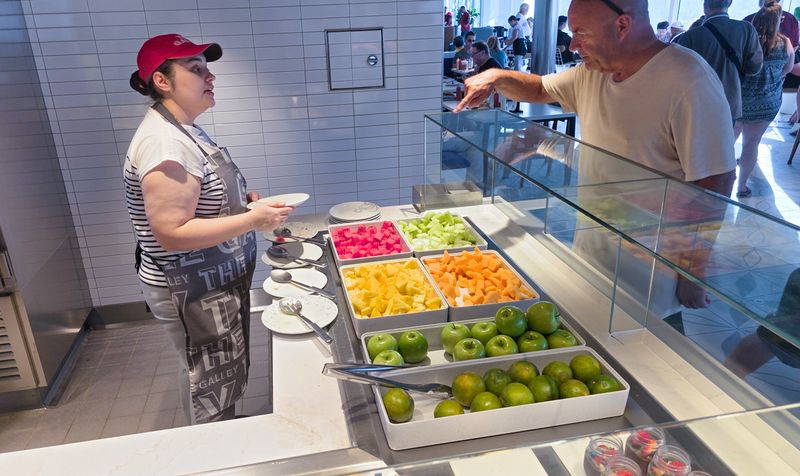
Fresh fruit feels like the healthy choice, but pre-cut melons and mixed fruit bowls can be deceptive at a buffet. Once fruit is sliced, its sugary surface becomes a magnet for bacteria, especially when left exposed to warm air and passing hands.
Cantaloupe and watermelon are among the worst offenders because their rough outer skin can transfer germs to the flesh during cutting. Whole fruits you can peel yourself are always the cleaner option when you want something light and refreshing on board.
6. Buffet Bacon
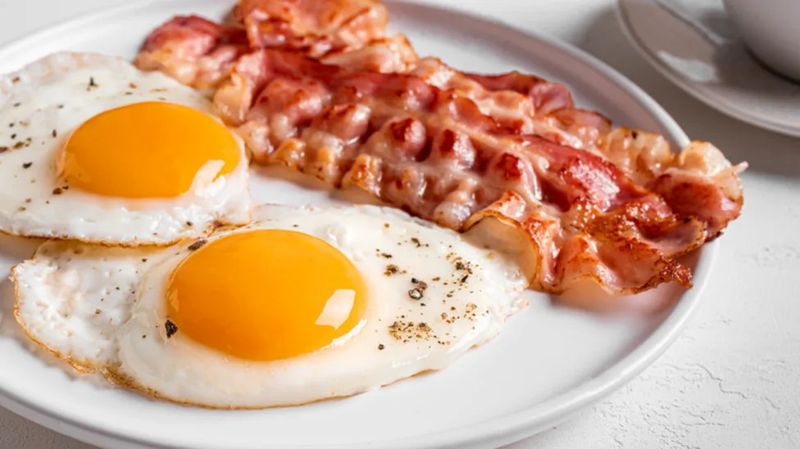
Bacon lovers, brace yourselves. Buffet bacon is almost never what you hope it will be.
It arrives in clumped, greasy strips that have been sitting under a heat lamp long enough to either turn rubbery or shatter like glass.
Cruise kitchens cook enormous batches at once to keep up with demand, which means your strip has likely been waiting for quite a while before it reaches your plate. The flavor is usually flat and overly salty.
Ask if freshly cooked options are available, especially at dedicated breakfast stations.
7. Self-Serve Ice Cream
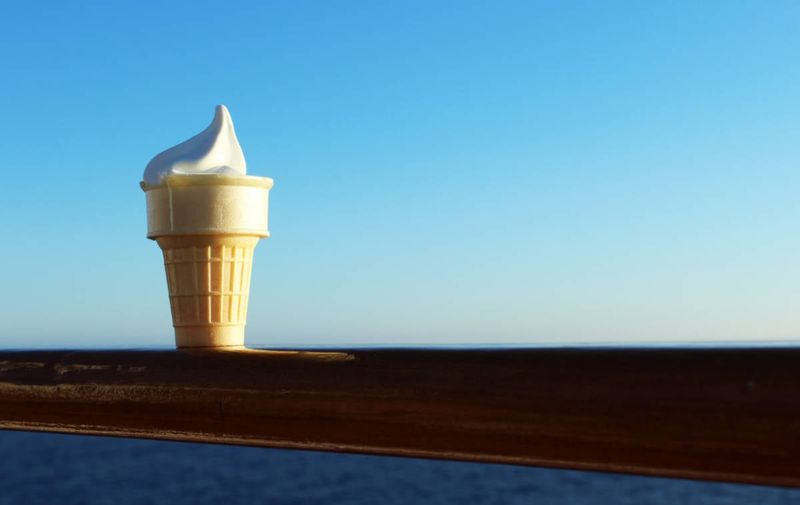
Few things scream vacation like a swirl of soft-serve ice cream on a sunny deck. But those machines are touched by hundreds of hands every single day, making them one of the germiest spots on the entire ship.
Cross-contamination is a real concern when the same handle is pulled by toddlers, adults, and everyone in between without regular sanitizing. Norovirus spreads easily in exactly these kinds of shared-touch situations.
If you are craving something sweet, a pre-packaged dessert from the dining room is a much cleaner way to satisfy that sugar craving.
8. Communal Condiment Bottles
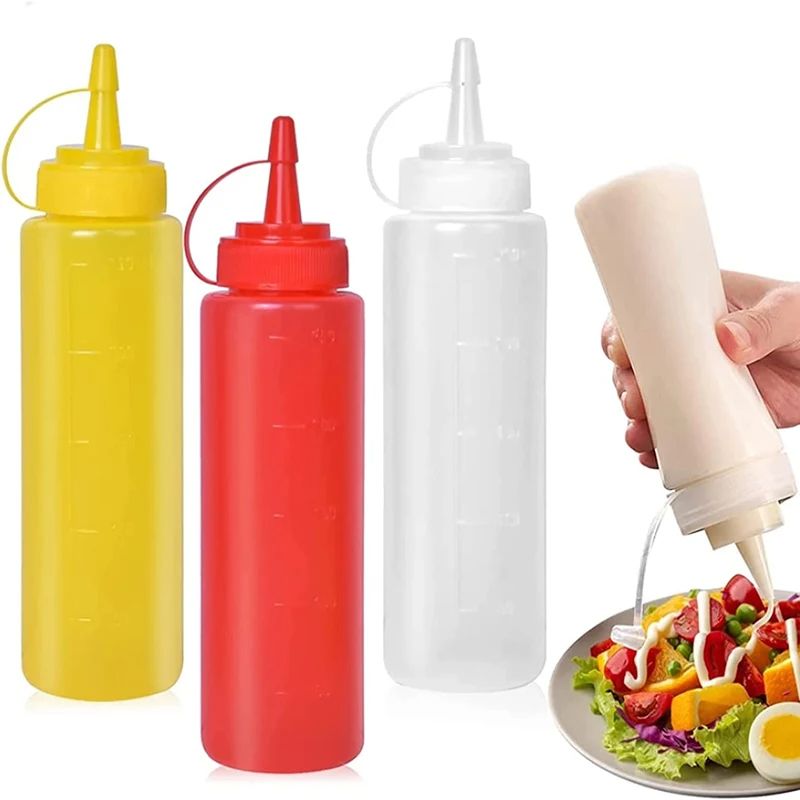
That big bottle of ketchup sitting in the middle of the buffet table has been touched by more hands than you can count. Communal condiment bottles are rarely sanitized between uses, making them a surprisingly easy way to pick up germs.
Studies on shared condiment containers have found traces of multiple bacteria on their surfaces. Individual packets are always the more hygienic choice and are usually available if you ask.
It is a small swap that can protect you from a stomach bug that could ruin several days of your cruise.
9. Greasy Burgers and Fries
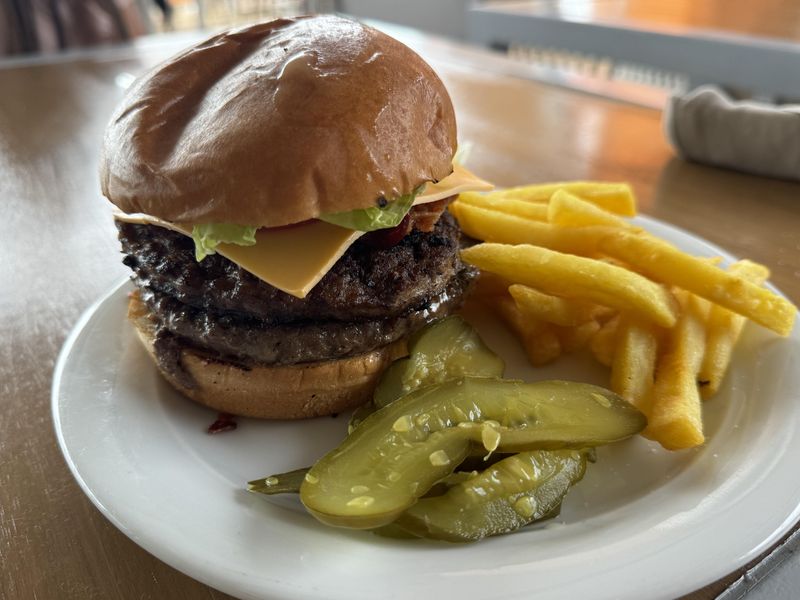
Burgers and fries sound like a safe, familiar choice, but the buffet version rarely delivers. The buns dry out quickly, the patties lose their juiciness under heat lamps, and the fries go limp and soggy within minutes of being cooked.
Beyond the quality issue, heavy and greasy meals are a bad idea when the ship is rocking. Fat slows digestion and can make motion sickness feel significantly worse.
If you want a burger, many cruise ships offer made-to-order options at a grill station that taste worlds better.
10. Leafy Green Salads
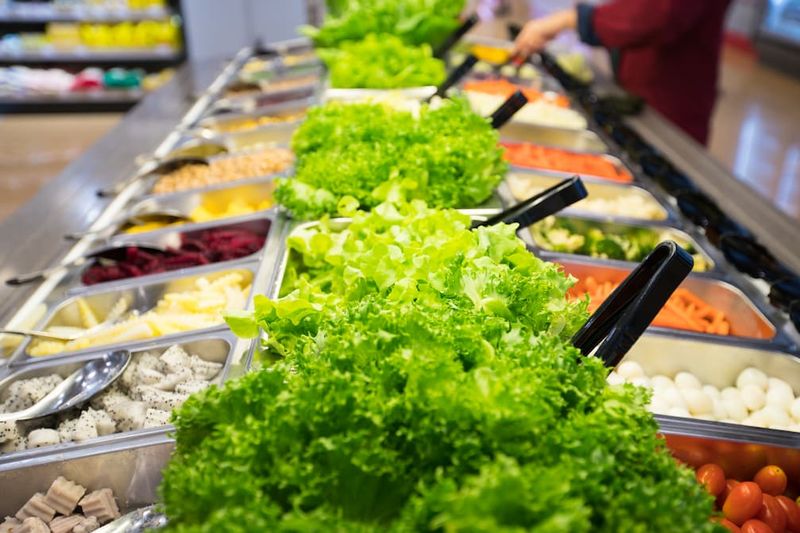
A salad bar seems like the safest spot on any buffet, but leafy greens come with hidden risks. Pre-washed and pre-cut greens can carry bacteria like E. coli or Salmonella if they were not handled properly before reaching the ship.
Open trays also attract airborne germs and the occasional wandering hand reaching across to grab a crouton. Wilted or discolored leaves are a clear sign that the greens have been sitting out too long.
If the salad looks sad and tired, trust that instinct and move on.
11. Buffet Pizza
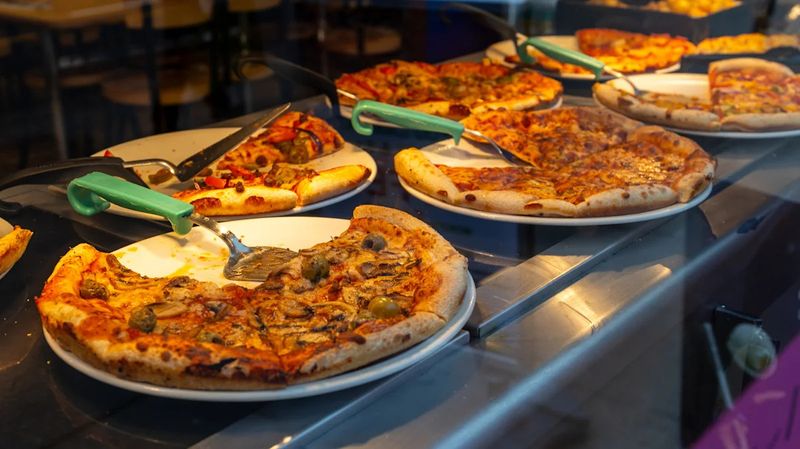
Pizza is one of those foods that is hard to mess up, yet buffet pizza somehow manages it every time. The cheese hardens into a rubbery sheet, the crust turns stiff, and the toppings lose all their moisture after sitting under a heat lamp for too long.
Beyond the quality problem, pizza is also quite heavy and greasy, which is not ideal when you are trying to keep your stomach happy at sea. Most cruise ships have a dedicated pizzeria on board where pies are made fresh and taste dramatically better than anything from the buffet tray.
12. Tap Water and Buffet Ice

Water seems like the most harmless thing you could consume, but tap water and ice at a cruise buffet deserve a second thought. When ships are docked at certain international ports, local water can make its way into the ice supply, bringing unfamiliar bacteria with it.
Even on the open sea, tap water quality varies from ship to ship. Bottled water is always the safest option, especially if you have a sensitive stomach.
Skipping the ice in your drink is a simple precaution that can save you from a very unpleasant few days.
13. Heavy Sauces and Cream-Based Dishes
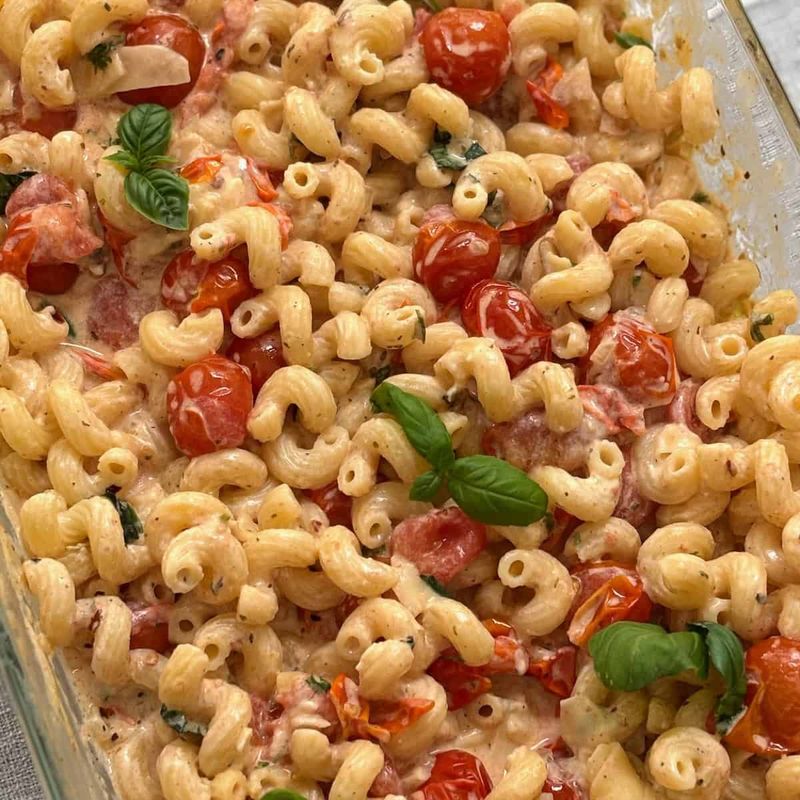
Rich cream sauces and heavy gravies might smell amazing, but they are a recipe for regret on a moving ship. These dishes sit in the temperature danger zone quickly and are notoriously hard to keep at safe serving temperatures in a buffet setup.
They also sit heavy in the stomach, slowing digestion and making you feel sluggish for hours. If the sea gets choppy after lunch, that creamy pasta will not feel like such a great idea anymore.
Lighter, broth-based dishes are a smarter pick when you want something warm and satisfying.
14. Buffet Coffee
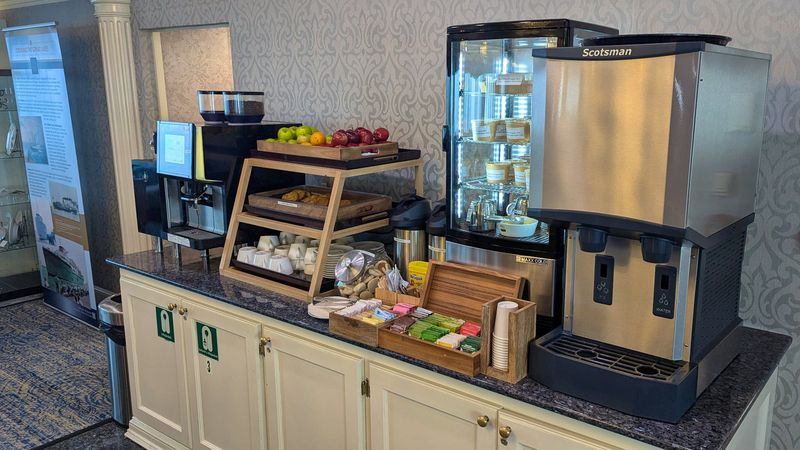
Coffee is the fuel that makes mornings survivable, but buffet coffee on a cruise ship is famously disappointing. It tends to be weak, over-extracted, and left sitting in large urns that keep it warm without keeping it fresh.
The result is a bitter, watery cup that barely resembles real coffee. Many cruise ships have specialty coffee shops on board where baristas make espresso drinks to order, and the difference is remarkable.
Spending a few extra dollars on a proper cup is almost always worth it to start your day right.
15. Anything That Looks Dried Out or Discolored
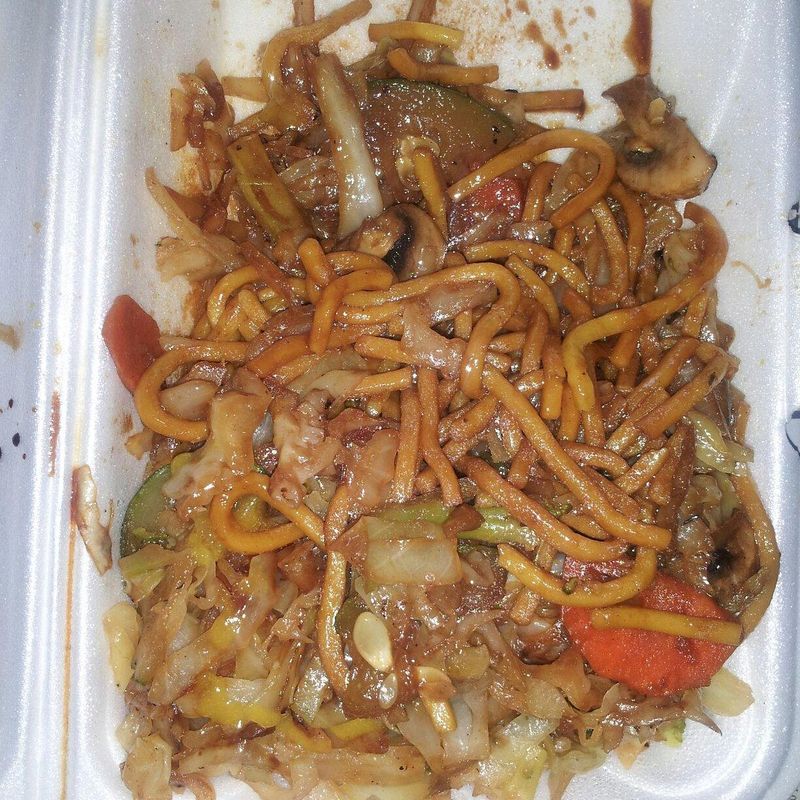
Your eyes are your best tool at any buffet, and they will usually tell you what your stomach needs to know. Dried edges on meat, discolored seafood, and wilted vegetables are all signs that food has been sitting out far too long.
Cruise buffets serve hundreds of guests continuously, and not every tray gets refreshed as quickly as it should. The bacterial danger zone is real, and food that looks tired is food that has likely been in that zone for a while.
When in doubt, wait for a fresh tray or choose something else entirely.