
A quiet town, a gifted child, or a lonely hotel can turn terrifying in Stephen King’s hands. His stories give Hollywood more than monsters: they turn everyday fears into scenes we remember for years.
King did not invent every idea he uses, but his books and their screen versions helped shape modern horror. Once you spot these patterns, familiar movies and shows start looking a little different.
1. Kids With Powers They Never Asked For
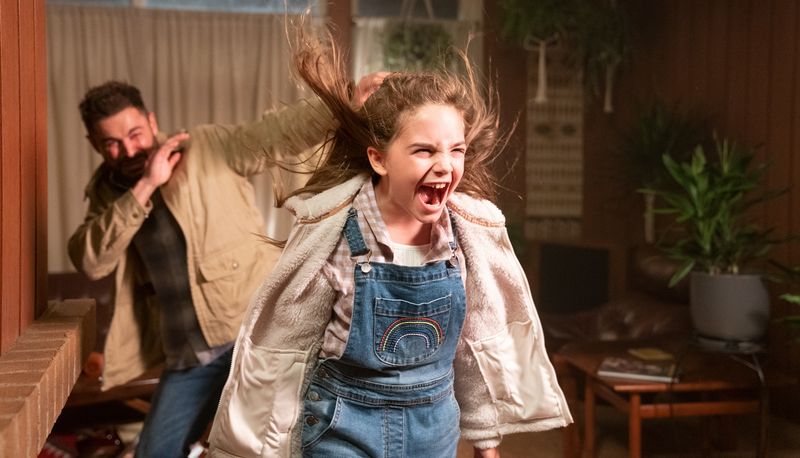
Growing up is hard enough without setting things on fire by accident. Carrie White, Charlie McGee, and Danny Torrance make supernatural gifts feel less like prizes and more like heavy burdens.
Their powers expose fears about bullying, controlling adults, and being different. Stranger Things draws on a similar mix of childhood danger and strange abilities.
Watch who tries to control the gifted child: that struggle often matters more than the powers themselves in these screen stories.
2. Pretty Towns With Rotten Secrets

Friendly neighbors can hide some very ugly secrets. In Derry, Jerusalem’s Lot, and Castle Rock, ordinary streets become places where cruelty and supernatural danger feed each other.
Hollywood keeps returning to this setup because a familiar town makes the threat feel close. Notice how often adults ignore warning signs or protect local reputations.
King’s towns suggest that evil grows stronger when a whole community decides looking away is easier than helping someone who desperately needs protection.
3. Writers Trapped Inside Their Own Nightmares
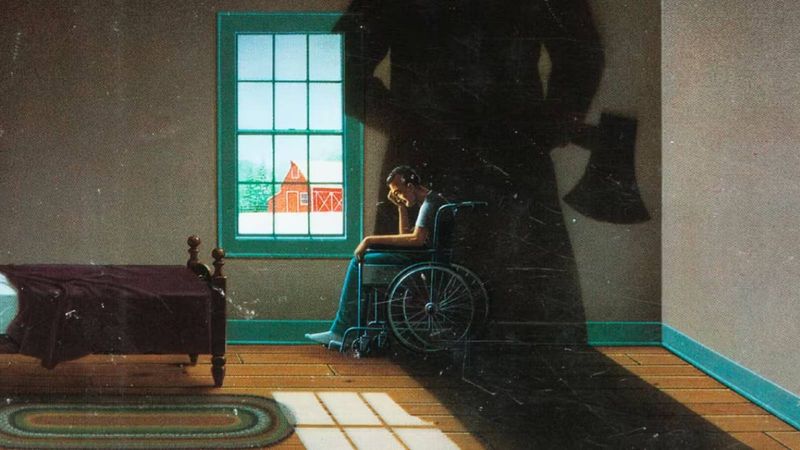
A blank page rarely looks dangerous until a King writer sits down before it. Jack Torrance, Paul Sheldon, and Mort Rainey face very different threats, but writing sits near the center of each nightmare.
The Shining explores a violent collapse, Misery turns reader devotion into captivity, and Secret Window plays with unstable perception. Together, they offer filmmakers flexible ways to blur invention and reality.
Being a storyteller never guarantees control over how the next chapter unfolds.
4. Machines That Decide Humans Are Optional
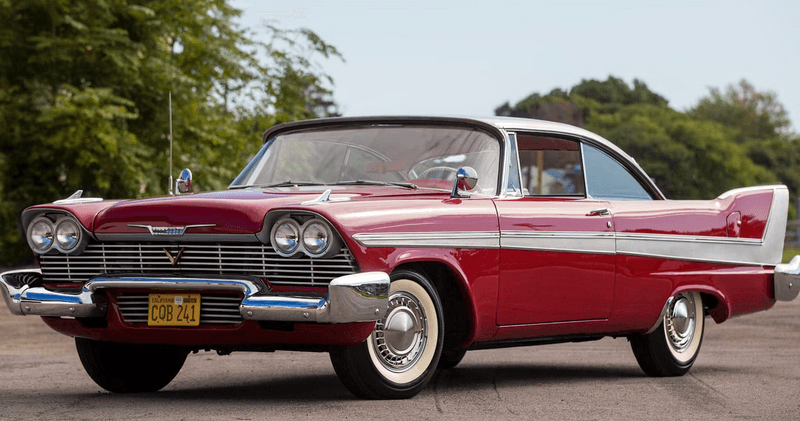
Your car should get you home, not hunt down your enemies. Christine twists teenage freedom into deadly obsession, while Maximum Overdrive sends trucks and other machines on a violent rampage.
Both turn useful objects into threats that refuse human control. That reversal remains handy for horror filmmakers because viewers already depend on machines every day.
The unsettling question is simple: what happens when something built to serve us starts making its own choices without asking permission?
5. Childhood Adventures With a Shadow
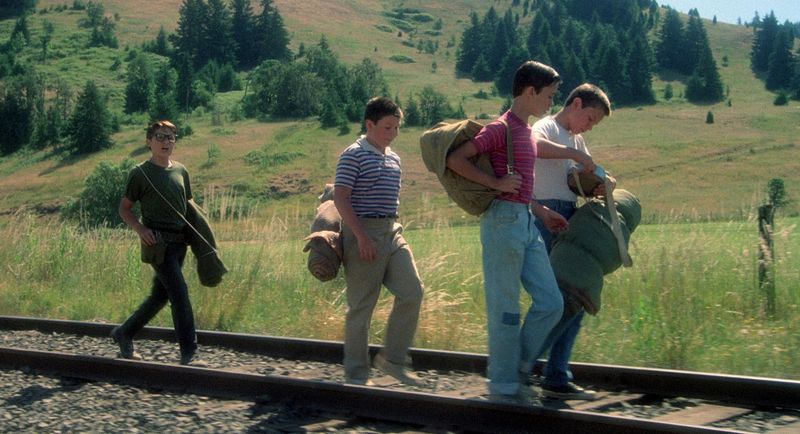
Summer freedom feels different when danger waits beyond the next bend. Stand by Me, adapted from The Body, follows friends toward a difficult discovery, while It pits childhood friendship against a hungry monster.
Only one needs a supernatural villain to make growing up frightening. Both understand how shared adventures can shape a person for life.
Hollywood often borrows that blend of warmth and dread because remembering childhood means recalling both its bright moments and its losses.
6. Faith Turned Into a Weapon
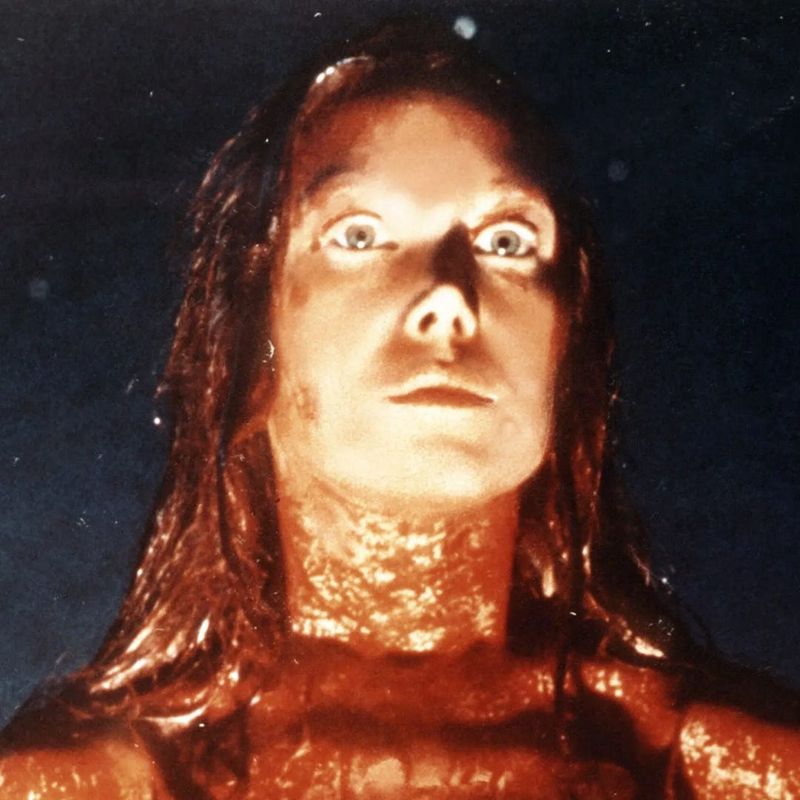
Certainty becomes frightening when nobody is allowed to question it. Margaret White in Carrie uses religious fear to control her daughter, while Children of the Corn builds terror around a deadly rural cult.
The target is not belief itself, but the harm caused by leaders who demand obedience and punish doubt. Screen stories reuse this conflict because human authority can be scarier than a monster.
Listen for the moment when promised protection becomes an excuse for cruelty.
7. Addiction That Gives Horror a Foothold
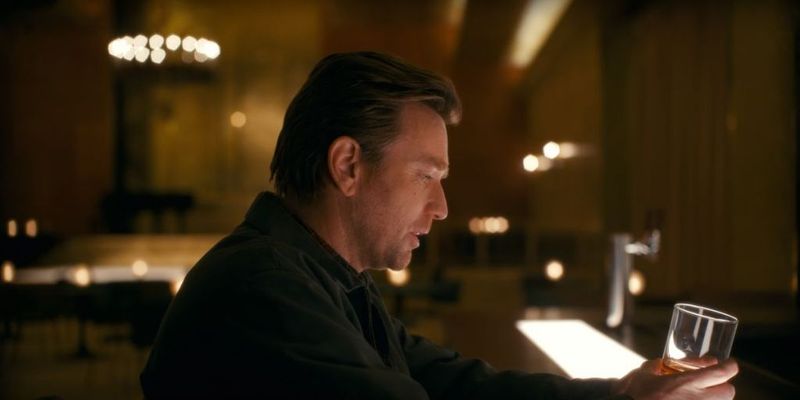
Some of King’s most frightening battles begin before anything supernatural appears. Jack Torrance’s drinking and violence shape The Shining, while Doctor Sleep follows Danny’s struggle with alcohol and his path toward recovery.
King has spoken openly about his own addiction, giving this theme a personal foundation. Adaptations use it to connect outside danger with inner pain.
The strongest readings avoid treating addiction as proof of evil and instead notice choices, support, responsibility, and the possibility of change.
8. Monsters Too Vast to Understand
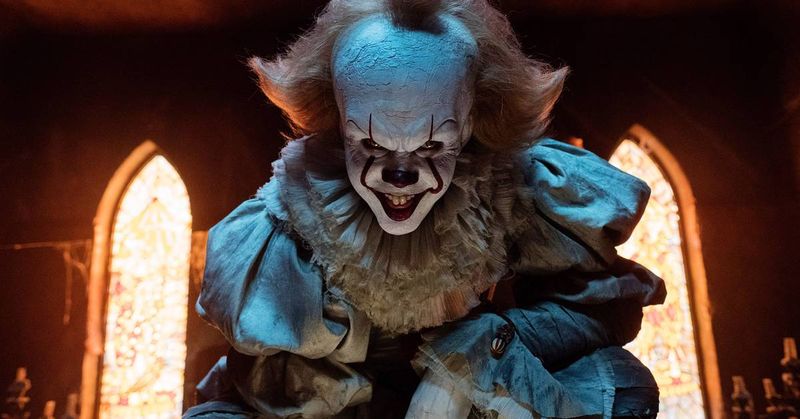
Forget a creature that fits neatly inside a cage. Pennywise has roots far stranger than its clown disguise, and The Mist fills an ordinary landscape with life beyond familiar understanding.
King uses limited human knowledge to make danger feel enormous. Film versions can show a terrifying glimpse while leaving bigger questions unanswered.
Although cosmic horror predates King, his stories bring it into homes and shops, where everyday people must act without ever understanding what they face.
9. Places Where Help Cannot Reach You
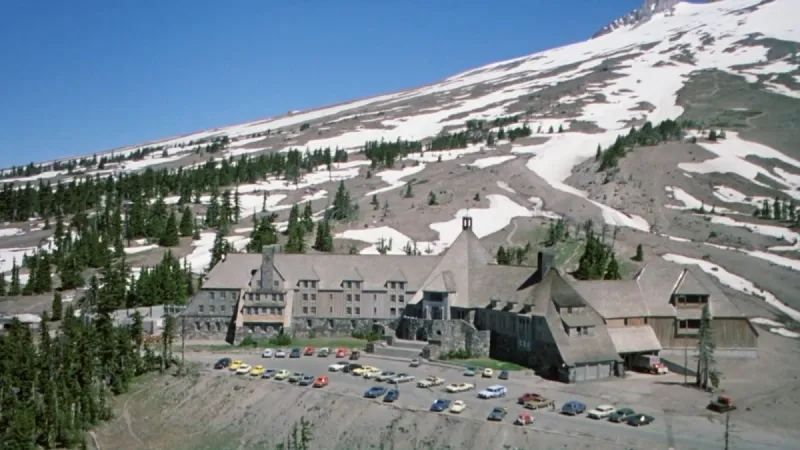
No signal, no neighbors, and no easy way out: isolation does half the work. The Overlook Hotel, Annie Wilkes’s remote home, and the bedroom in Gerald’s Game turn shelter into a trap.
Each setting removes ordinary routes to safety and forces attention onto small details. A locked door or distant telephone suddenly matters enormously.
Filmmakers favor this approach because tight spaces build pressure while keeping the story focused on what frightened people choose to do next together.
10. Children Who Become the Threat
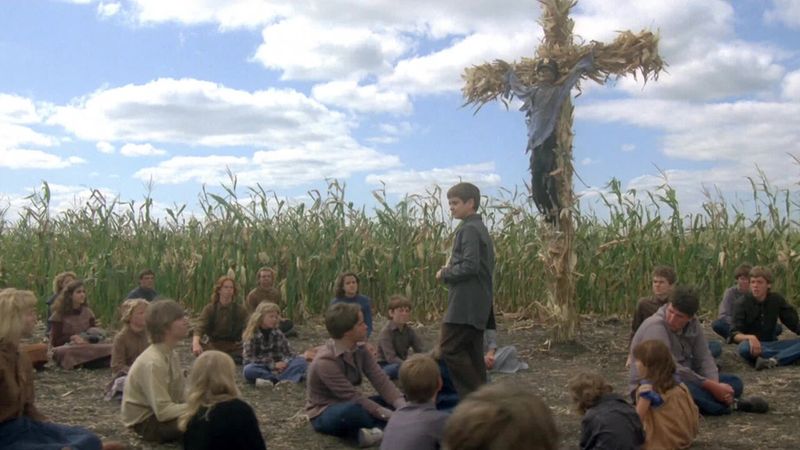
A group of silent children can unsettle an audience before anyone moves. Children of the Corn turns that unease into a nightmare about young followers who kill adults under a cruel religious order.
The fear comes from reversing a familiar duty: adults should protect children, not fear them. Its many screen versions show how durable the premise remains.
Unlike King’s gifted young heroes, these children reveal how belonging and blind obedience can be twisted toward terrible ends.
11. Stories Connected by Hidden Threads
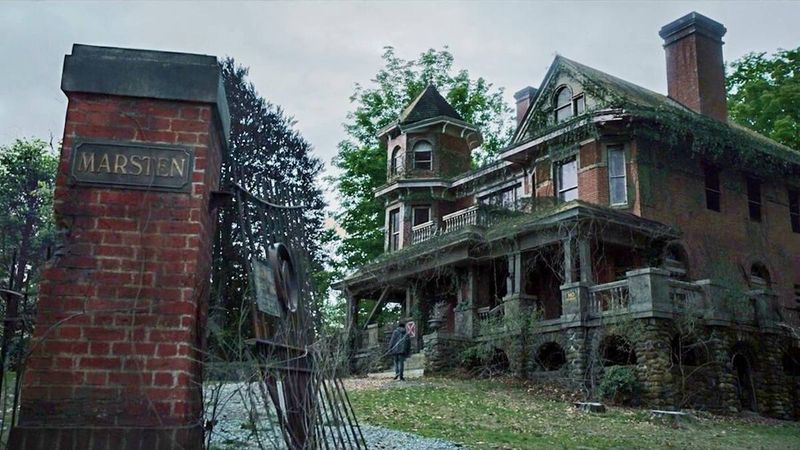
Spotting a familiar town name can feel like finding a secret passage. King links many stories through places, characters, and passing references, making separate nightmares seem part of a larger world.
He did not invent shared universes, but his network rewards careful readers and gives screen adaptations useful connections. Castle Rock built a television series around that appeal.
Enjoy the clues, but remember that adaptations may change details rather than follow one perfectly consistent screen timeline together.
12. Ordinary People in a Cosmic Showdown
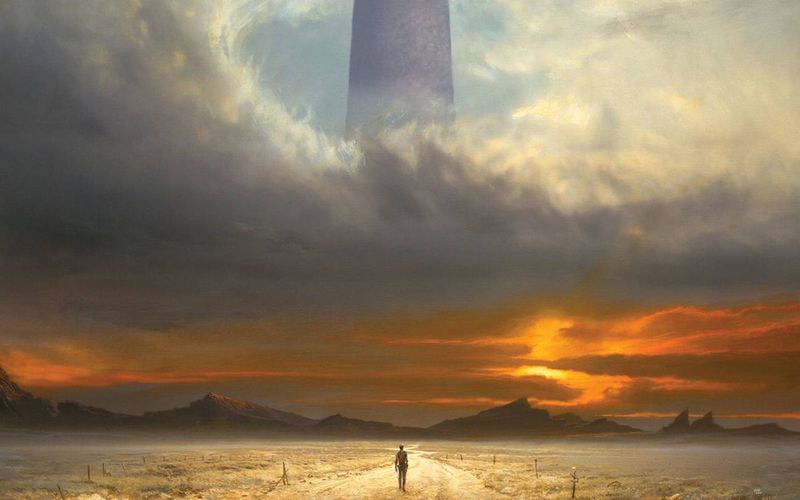
The fate of everything may rest on someone who never wanted an adventure. The Stand gathers survivors into opposing camps, while The Dark Tower places personal quests within a struggle that reaches across worlds.
King makes huge conflicts understandable through loyalty, temptation, sacrifice, and fear. Hollywood returns to those building blocks because cosmic stakes need human faces.
Pay attention to small acts of kindness: they often reveal what the fight is about better than any grand speech.
13. Hope Under Lock and Key
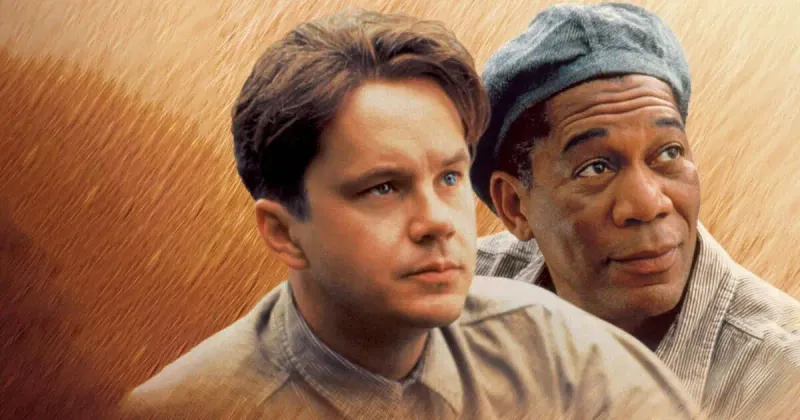
Even without a monster, a locked room can hold a powerful nightmare. The Shawshank Redemption and The Green Mile explore life inside prisons, while Gerald’s Game turns physical restraint into an urgent survival problem.
These stories differ sharply, but all ask what people can preserve when freedom disappears. Friendship, patience, memory, and resourcefulness become tools for endurance.
Their screen appeal comes from watching people seek dignity under pressure, rather than simply waiting for a rescue to arrive.
14. A Clown Smile You Cannot Trust
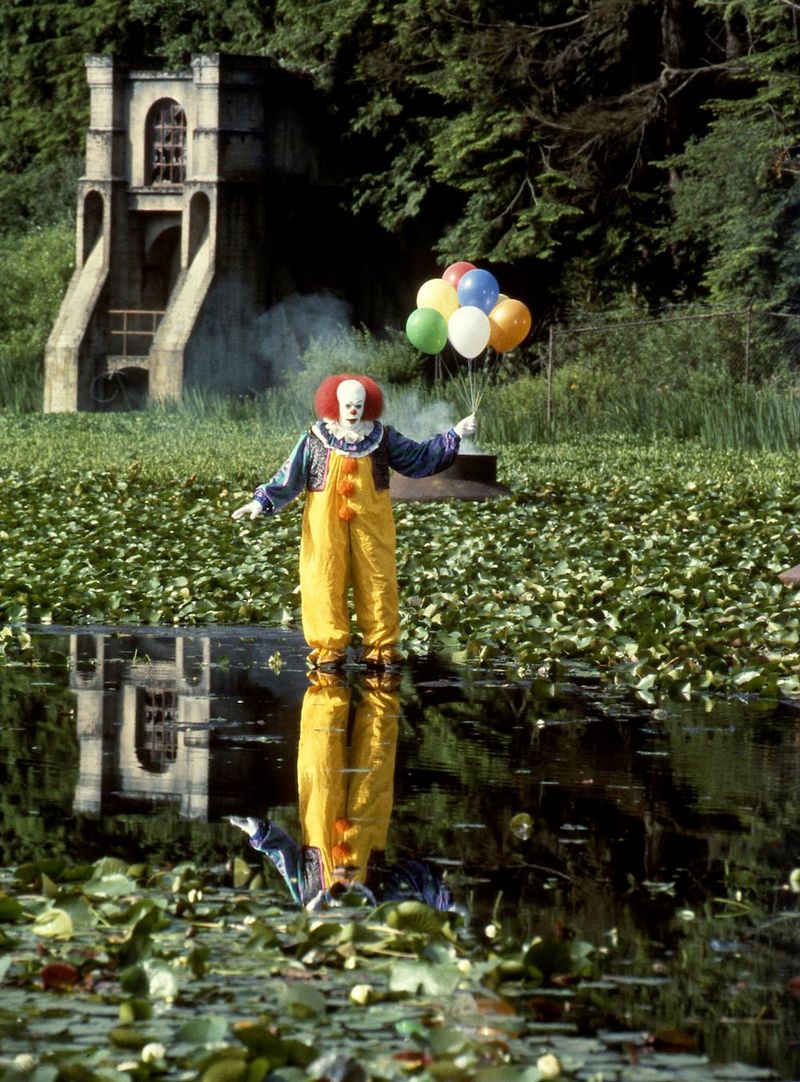
Bright makeup should promise a laugh, which makes Pennywise’s smile especially nasty. In It, the clown is a disguise used by an ancient predator that targets children and feeds on fear.
Scary clowns existed before King, but the novel and its adaptations helped make that image a modern horror fixture. The trick is contrast: something playful becomes unsafe.
Later screen clowns are not automatically King copies, though Pennywise remains a major reference point for audiences and filmmakers.
15. Old Wounds That Refuse to Stay Buried
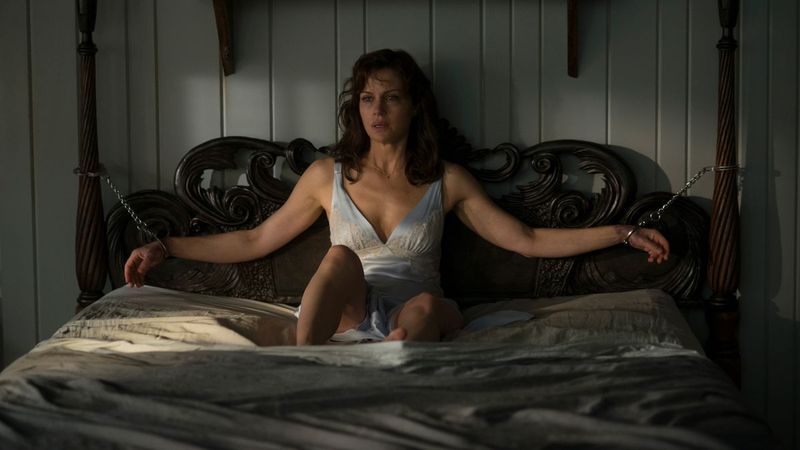
The past does not always stay quietly in the past. Gerald’s Game, Dolores Claiborne, Carrie, and The Shining connect present danger with abuse, painful memories, or harm within a family.
Sometimes the horror becomes supernatural; sometimes human behavior is frightening enough. What matters is how earlier suffering shapes trust, fear, and survival.
When watching, look beyond the shock scenes to whose experience gets heard. King’s strongest emotional moments often come when someone finally names what happened to them.