
Gregory Peck could make a quiet speech feel as powerful as a battle scene. His films brought courage, kindness, fear, and tough choices to the screen in ways that still connect with viewers.
From a sunny trip through Rome to a tense courtroom in Alabama, his greatest roles offer something for almost every mood. Here are some memorable places to start exploring his remarkable career.
1. To Kill a Mockingbird (1962): Courage Without a Raised Voice
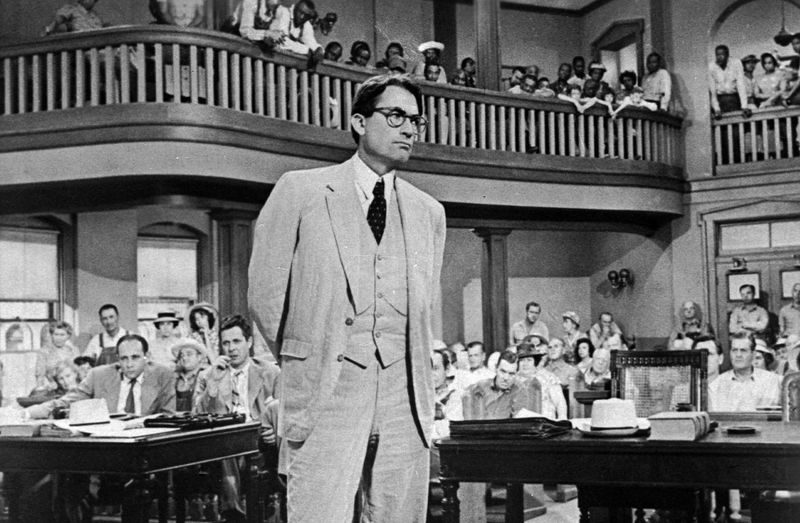
A quiet lawyer can leave a bigger mark than an action hero. Peck plays Atticus Finch, a father defending a Black man falsely accused of rape in Alabama during the 1930s.
His calm strength earned him the Academy Award for Best Actor.
Watch how he listens before he speaks, especially around his children. The film opens thoughtful conversations about fairness and courage, though its racism and painful subject matter call for guidance with younger viewers.
2. Roman Holiday (1953): A Day Worth Remembering
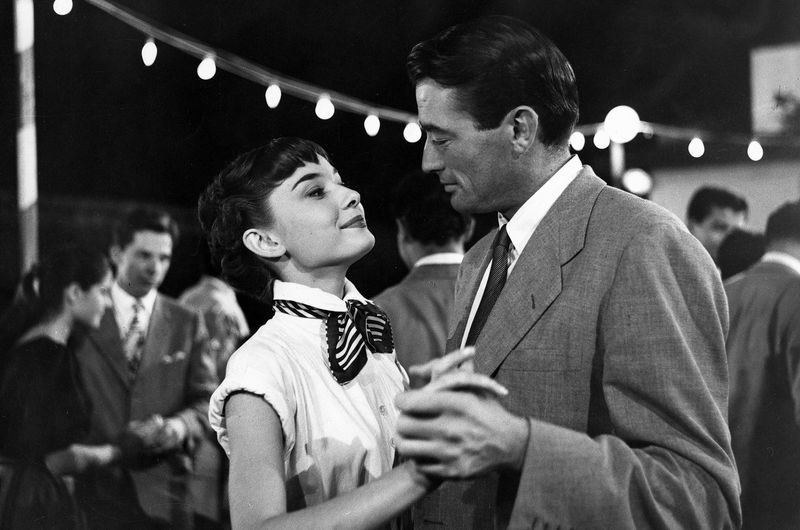
Sometimes the best adventure is simply taking a day off. An American reporter meets a princess escaping her duties, and their trip around Rome turns into something neither expected.
Peck’s relaxed charm pairs beautifully with Audrey Hepburn’s playful energy.
Enjoy the famous sights, but pay attention to the small looks between the leads. Beneath the comedy sits a moving story about freedom, responsibility, and knowing when a wonderful moment cannot last forever, even in Rome.
3. Cape Fear (1962): Danger Comes Home
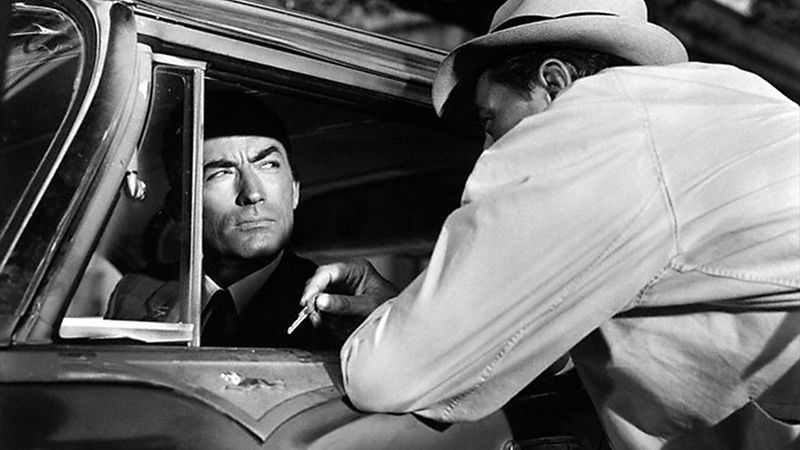
Home stops feeling safe when someone knows exactly how to frighten you. As lawyer Sam Bowden, Peck faces a former prisoner whose threats grow increasingly personal.
Robert Mitchum makes the enemy disturbingly calm, creating a sharp contrast with Peck’s rising worry.
Choose this for a tense evening rather than casual background viewing. Its menace includes sexual threats and violence, so adults should check suitability first.
Notice how ordinary places become frightening without constant action onscreen.
4. Spellbound (1945): Follow the Clues Inside a Troubled Mind
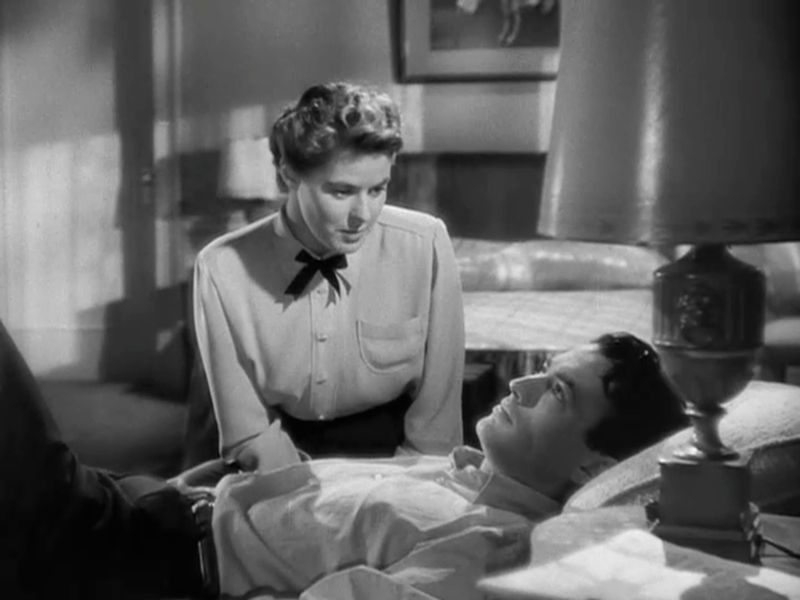
Memory becomes a mystery when a stranger cannot explain his own past. Alfred Hitchcock casts Peck opposite Ingrid Bergman in a thriller mixing romance, hidden identity, and fears buried deep in the mind.
A striking dream sequence features designs by Salvador Dalí.
Let the clues pull you along, but treat the psychology as old Hollywood storytelling rather than medical advice. Peck’s uncertain manner offers a fascinating change from the steady authority audiences often associate with him.
5. The Guns of Navarone (1961): An Impossible Mission
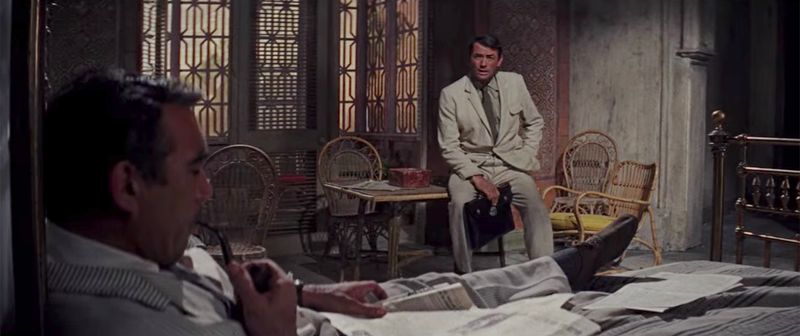
Cliffs, enemy patrols, and enormous guns make a simple plan almost impossible. Peck leads an Allied team sent to destroy a German fortress threatening a rescue operation near a Greek island.
David Niven and Anthony Quinn add wit and friction to the group.
Set aside time for a full adventure rather than quick thrills. The pleasure comes from watching different personalities solve problems together, while difficult choices remind us that wartime bravery rarely feels simple.
6. Twelve O’Clock High (1949): The Weight of Command
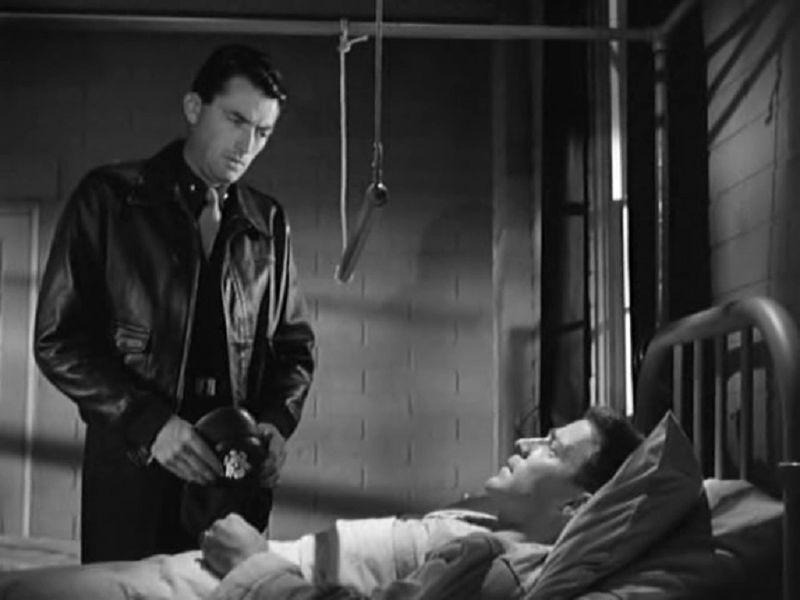
Giving orders looks very different when lives depend on every decision. Peck plays General Frank Savage, who takes charge of an exhausted American bomber group during World War II.
His demanding approach raises a hard question: how much pressure can people bear?
Rather than expecting nonstop combat, watch the faces after each mission. Peck earned an Oscar nomination for a performance that reveals both discipline and strain, making leadership feel deeply human instead of merely heroic.
7. The Omen (1976): Fear Behind a Perfect Family
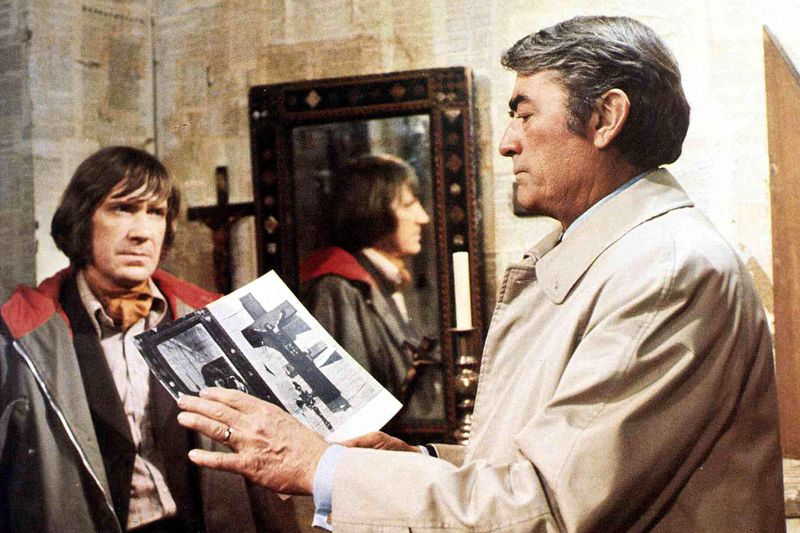
A child’s smile has rarely seemed so unsettling. Playing an American diplomat, Peck brings serious weight to a story about a boy who may be the Antichrist.
Strange deaths and alarming clues slowly tear apart the family’s comfortable world.
The frightening music does plenty of work, so good sound helps the experience. Expect disturbing deaths and religious horror, not a family mystery.
Peck’s believable concern keeps the wild premise grounded as doubt turns into dread.
8. Gentleman’s Agreement (1947): Prejudice in Polite Company
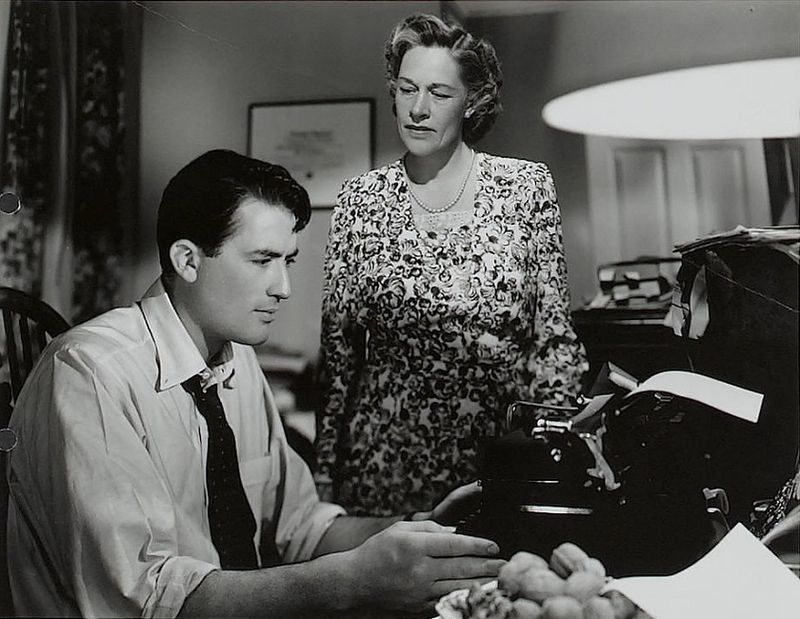
Polite words can hide ugly beliefs. A journalist pretends to be Jewish while researching antisemitism, discovering how prejudice shapes jobs, friendships, and daily life.
Peck earned an Oscar nomination for showing the anger and disappointment beneath his character’s controlled surface.
Some storytelling choices reflect the film’s era, making it useful to discuss whose voices receive attention. Look especially at people who claim tolerance but avoid speaking up.
Their silence gives the drama its lasting sting.
9. The Big Country (1958): Strength Beyond the Showdown
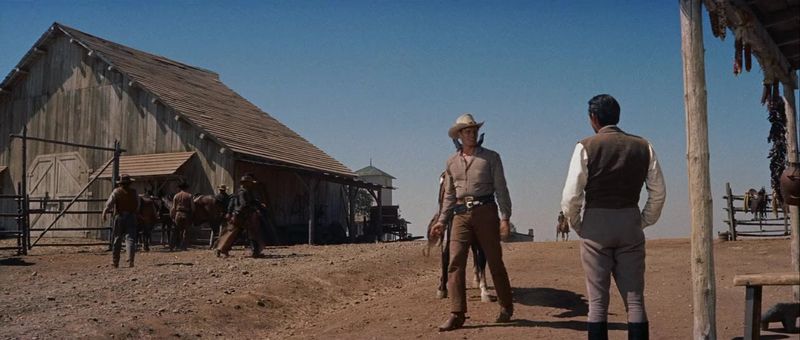
Refusing a fight can take more nerve than throwing a punch. Arriving in the West, a retired sea captain finds himself caught between feuding ranch families.
Peck makes his outsider thoughtful rather than weak, challenging the local rules about pride and manhood.
Watch on the largest screen available to appreciate the sweeping land and carefully staged confrontations. The story takes its time, but that space helps reveal how small personal grudges look against enormous landscapes.
10. Moby Dick (1956): Obsession Sets Sail
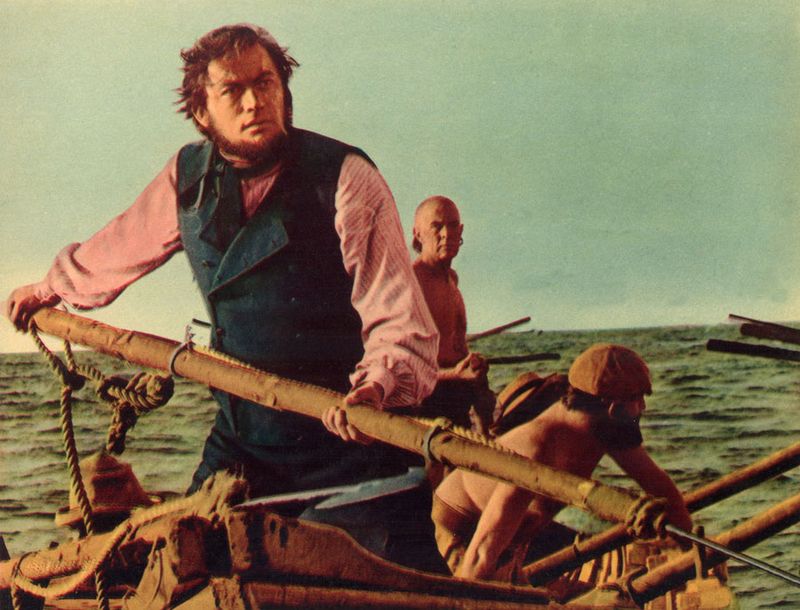
One man’s grudge becomes an entire crew’s nightmare at sea. Under John Huston’s direction, Peck transforms into Captain Ahab, whose hunt for a white whale consumes every sensible thought.
His harsh voice and fixed stare make this an unusually severe role.
You do not need to finish Herman Melville’s novel before watching. Follow the crew’s reactions as closely as Ahab’s speeches, and consider when determination stops being admirable and starts putting everyone nearby at risk.
11. The Keys of the Kingdom (1944): Kindness Across Cultures
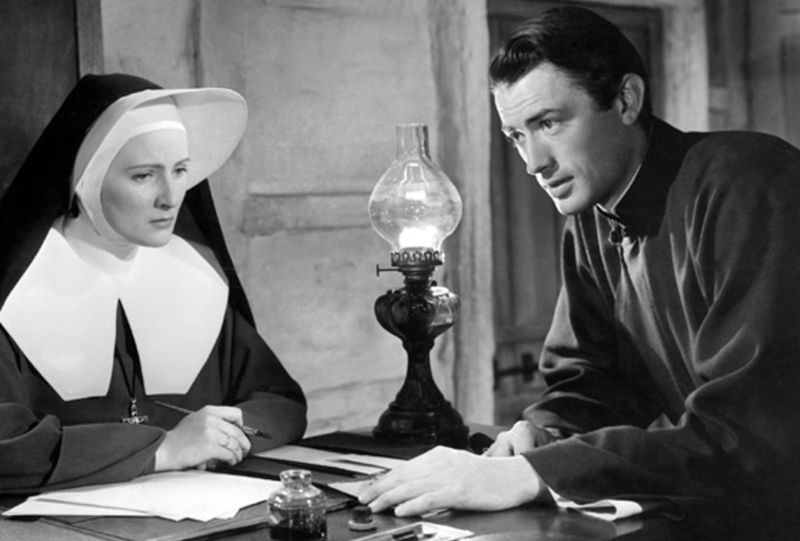
Kindness matters more than winning people over in this thoughtful early performance. Peck plays Father Francis Chisholm, a Scottish priest whose work in China tests his patience, faith, and understanding of others.
The role brought his first Academy Award nomination.
Approach the film as a product of its time, especially in its portrayal of China. Its strongest moments favor humble service over grand speeches, showing why Peck became so convincing as men guided by conscience.
12. The Gunfighter (1950): A Reputation That Will Not Let Go
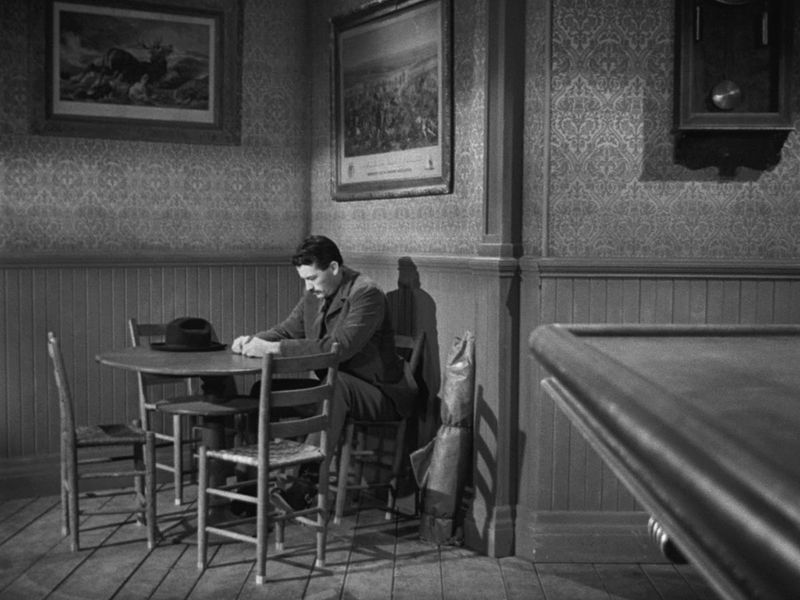
Being the fastest gun sounds exciting until strangers keep demanding proof. Jimmy Ringo wants to leave violence behind and reconnect with his family, but his reputation arrives everywhere before he does.
Peck gives the gunfighter a tired, watchful sadness.
Unlike sprawling Western adventures, much of the tension grows from waiting. Keep track of who watches the saloon and why.
The tight setting turns fame into a trap, offering a sharp warning about confusing attention with respect.
13. The Yearling (1946): Growing Up Is Not Always Gentle
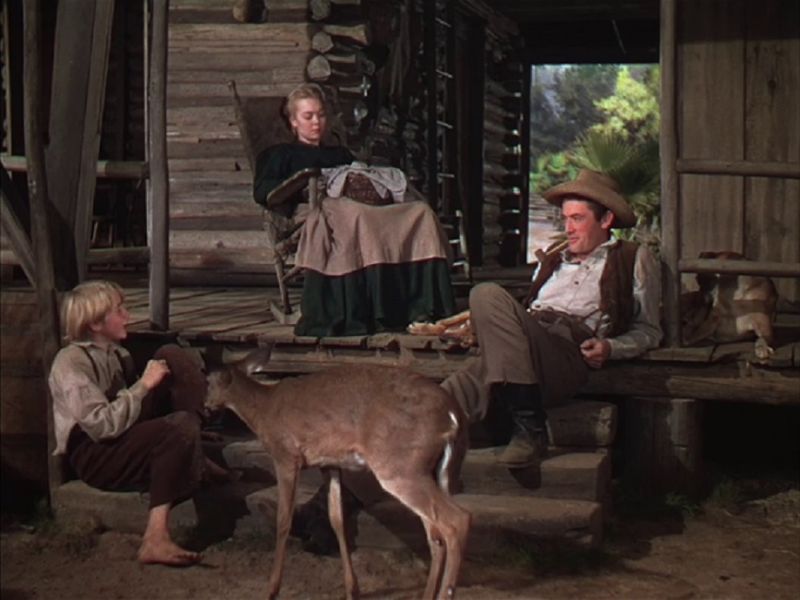
A pet deer brings joy, but love alone cannot solve every problem. Set in rural Florida after the Civil War, this family drama follows a boy whose bond with a fawn clashes with the demands of farm life.
Peck plays his patient father.
Beautiful scenery softens the setting without removing the hardship. Parents should know that animal suffering and loss are central.
Watch together when possible, leaving room afterward to discuss grief, responsibility, and growing up.
14. Duel in the Sun (1946): Peck Takes a Dark Turn
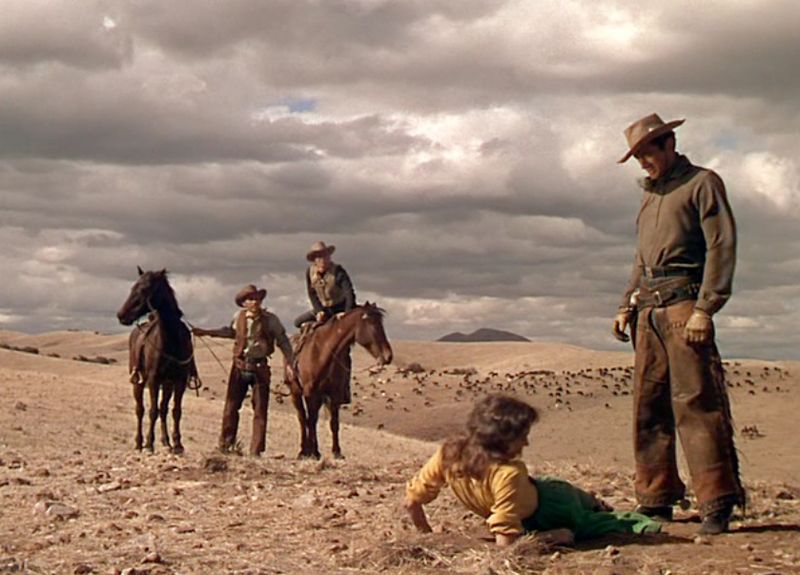
Forget the dependable gentleman for a moment. As Lewt McCanles, Peck plays a cruel, reckless rancher’s son whose desire helps drive a destructive romance.
Jennifer Jones and Joseph Cotten join him in a Western filled with jealousy and blazing color.
The heightened acting and emotions are part of its appeal, not signs of a quiet realistic drama. Be prepared for sexual coercion and racial stereotypes.
Watching Peck unsettle his familiar image makes this especially revealing viewing.
15. Captain Horatio Hornblower (1951): Adventure Under Full Sail
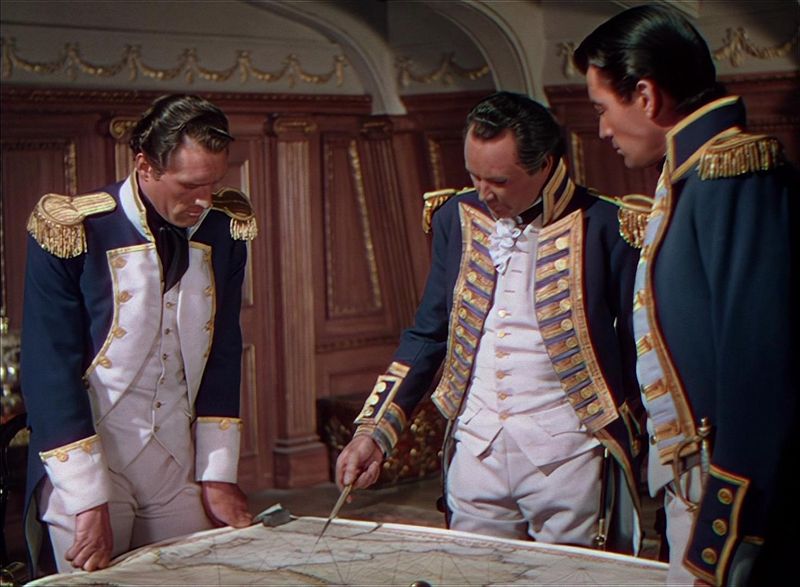
Raise the sails for a hero who thinks before he strikes. Peck plays a British naval captain during the Napoleonic Wars, balancing dangerous missions with private doubts and unexpected romance.
Battles matter, but clever planning often matters more.
Choose this when you want colorful adventure with a measured pace. The sailing terms become easier to follow through context, so there is no need to study beforehand.
Peck makes command feel like careful judgment rather than swagger.