
Some foods cost more than a car payment, and people still line up to buy them. From rare mushrooms dug up by dogs to fish that sell for millions at auction, the world of luxury eating is full of surprises.
Learning why these foods are so pricey teaches us about nature, hard work, and old traditions. Get ready to meet the snacks and treats that cost a small fortune.
1. Beluga Caviar
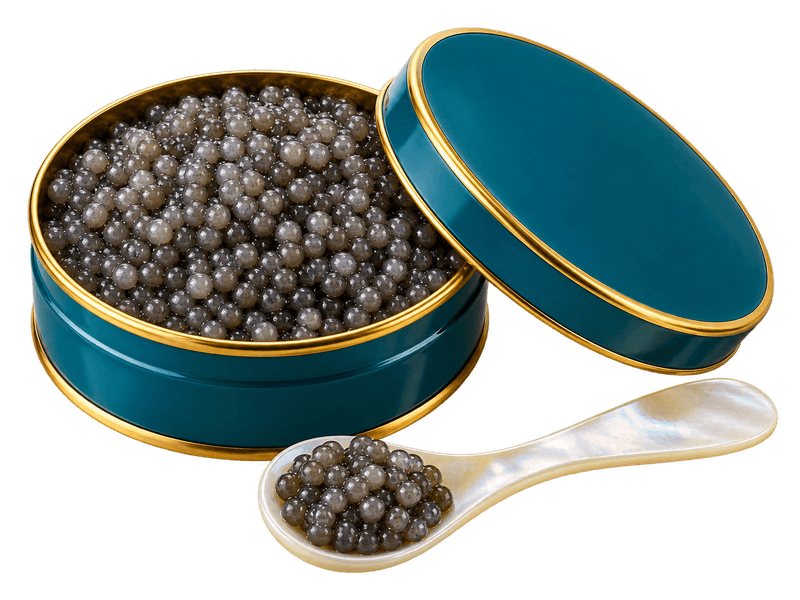
Picture tiny gray pearls that melt like butter on your tongue. Beluga caviar comes from the eggs of the beluga sturgeon, a giant fish that can live over 100 years.
A single pound can cost more than 10,000 dollars. Wild beluga is so endangered that most caviar sold today comes from fish farms.
Chefs serve it with a pearl or bone spoon, since metal can change the delicate taste.
2. White Alba Truffles
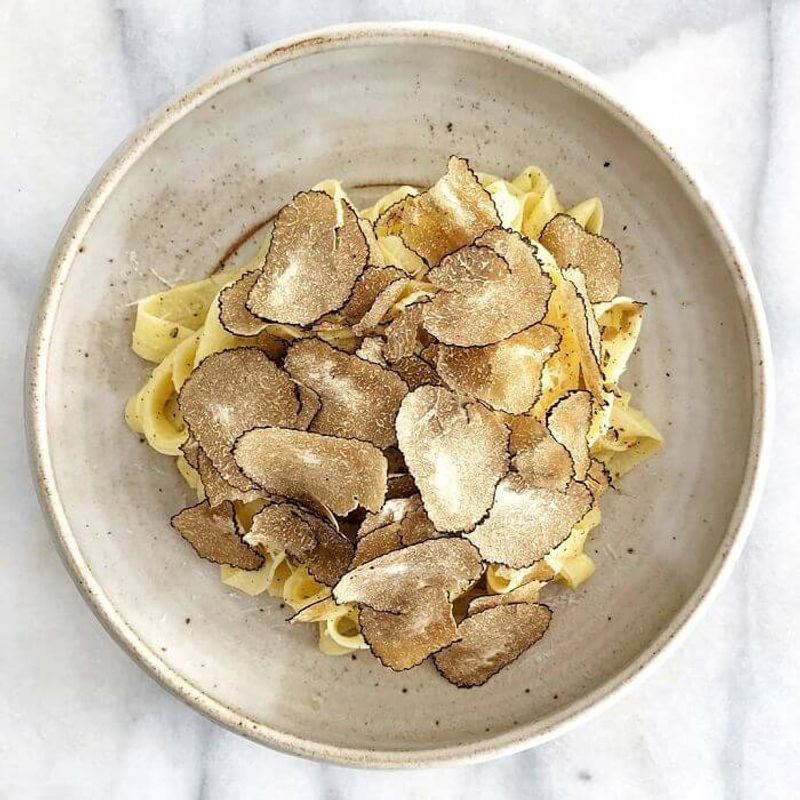
Dogs with super sniffers hunt these lumpy treasures in the forests of northern Italy. White truffles grow underground near tree roots, and nobody has figured out how to farm them.
Prices can top 4,000 dollars per pound in a good year. One giant truffle once sold for over 300,000 dollars!
A few thin shavings over warm pasta release an earthy, garlicky smell that food lovers dream about all year.
3. Bluefin Tuna
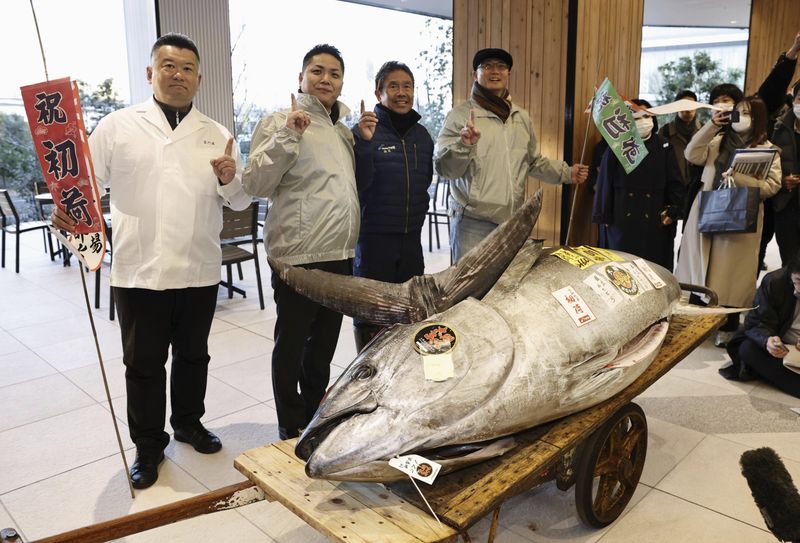
In 2019, a restaurant owner in Tokyo paid about 3 million dollars for one fish. Yes, a single bluefin tuna!
That price was partly for bragging rights at the first auction of the new year. Still, regular bluefin is costly because the fish is overfished and prized for sushi.
The fatty belly meat, called otoro, is pink, rich, and soft. Many sushi fans say one bite explains the hype.
4. Saffron
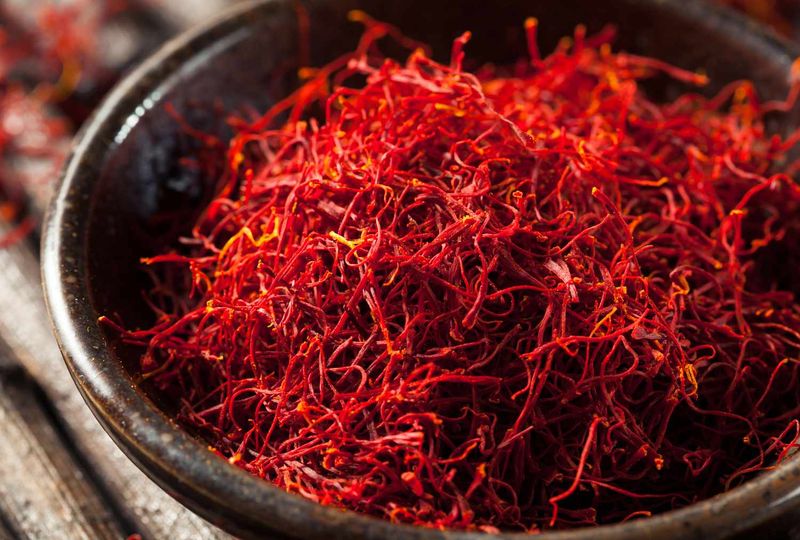
Ever wondered why a spice costs more than silver? Saffron threads are tiny red parts of the crocus flower, and every one must be picked by hand.
It takes around 75,000 flowers to make just one pound. That adds up to prices of 5,000 dollars or more.
Good news, though. A small pinch goes a long way, giving rice dishes like paella a golden color and a honey-like flavor.
5. Wagyu Beef
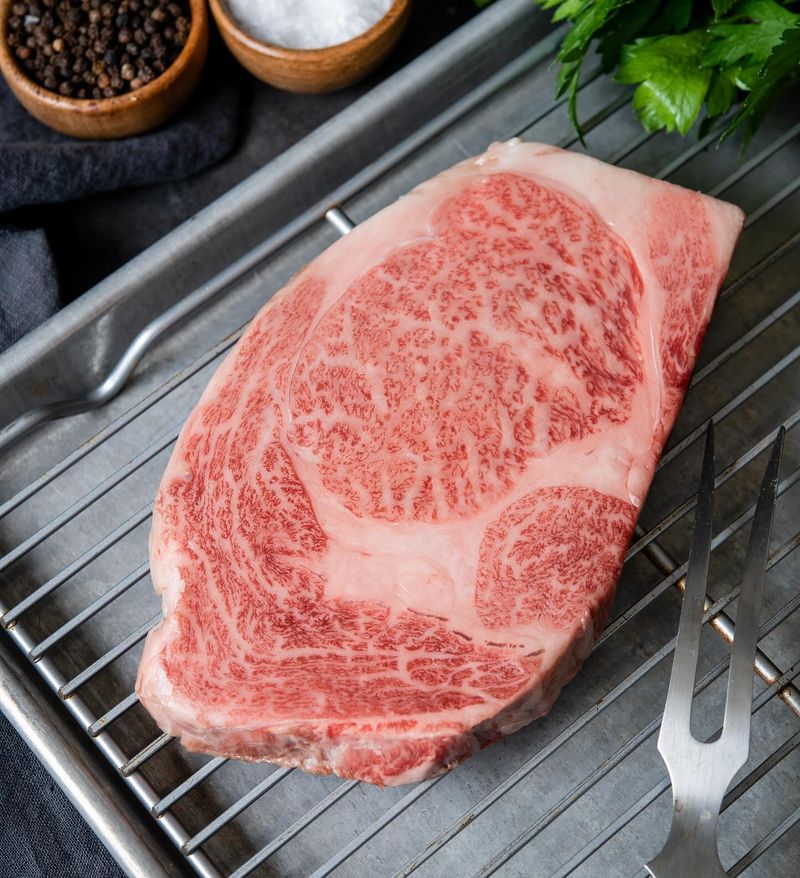
Japanese farmers treat their cattle like royalty. Some wagyu cows get massages, calm music, and special diets.
All that care creates beef with white streaks of fat that look like marble. When cooked, the fat melts and makes every bite incredibly juicy.
Top grade A5 wagyu, especially from Kobe, can cost 200 dollars or more per pound. Tip for beginners: eat small pieces, since it is super rich.
6. Matsutake Mushrooms
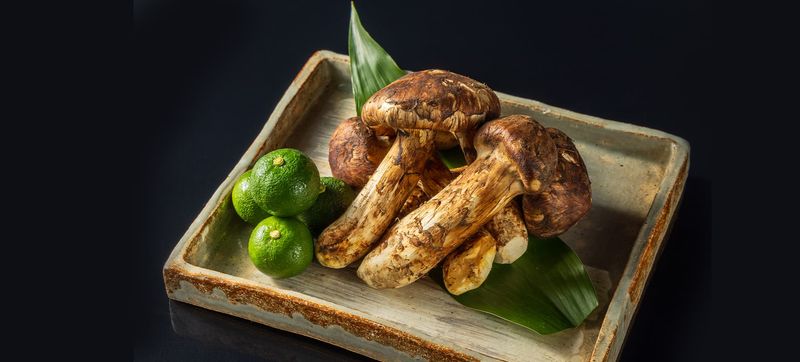
Spicy, piney, and a little cinnamon-like, matsutake mushrooms smell like an autumn forest. In Japan, they are given as fancy gifts in pretty boxes.
Pine forests where they grow have shrunk, so supply keeps dropping. Top quality ones can sell for over 1,000 dollars per pound.
Fun fact: matsutake were among the first living things to grow back after the Hiroshima bombing, making them a symbol of hope.
7. Yubari King Melons
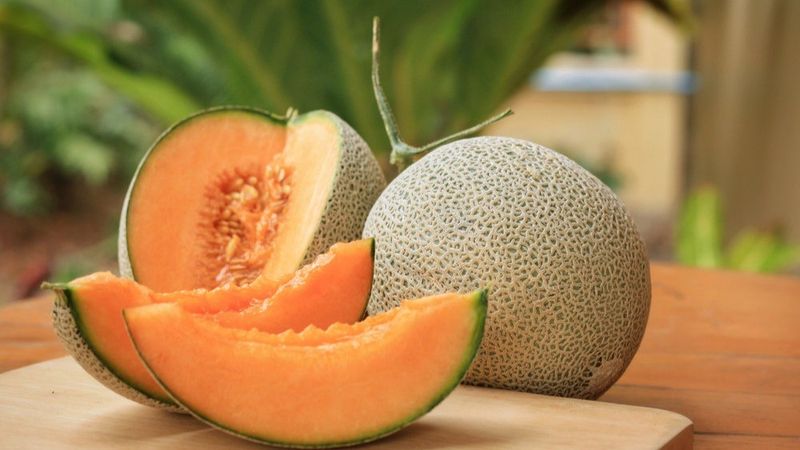
Two melons once sold for about 45,000 dollars at an auction in Japan. That is not a typo.
Yubari King melons grow only in one small Hokkaido town. Farmers raise them in greenhouses and check every detail, from the round shape to the perfect T-shaped stem.
The orange flesh is super sweet and juicy. In Japan, fruit is a classy gift, which helps explain these wild prices.
8. Densuke Watermelon
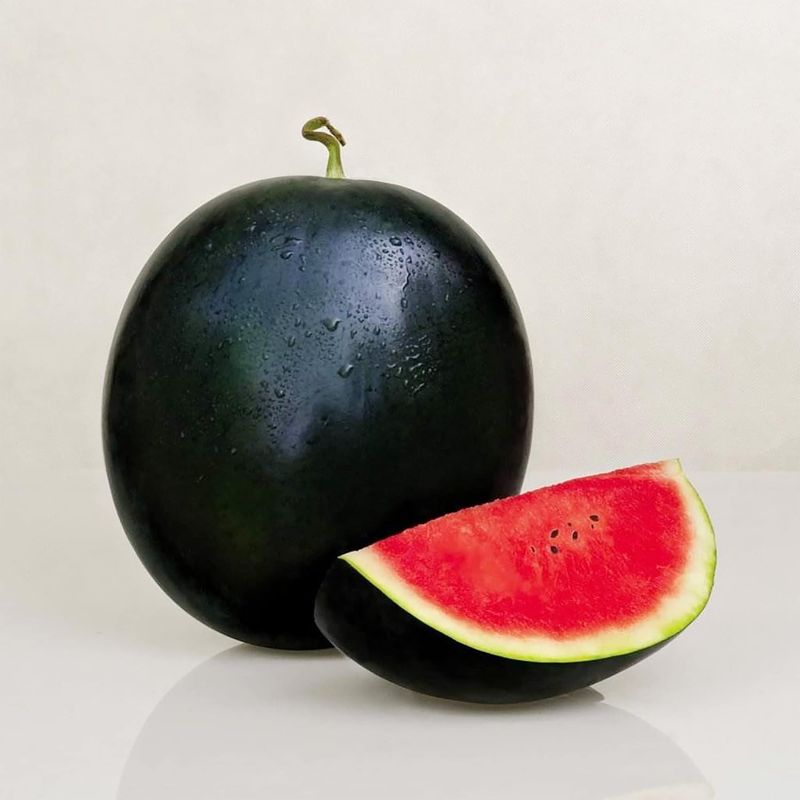
Forget green stripes. Densuke watermelons are shiny black, almost like a bowling ball.
Only a few thousand grow each year on Japan’s island of Hokkaido. One especially perfect melon once sold for around 6,000 dollars.
Inside, the red fruit is crisp and extra sweet. Most people will never taste one, but you can try growing black-skinned varieties at home for a fun garden project.
9. Kopi Luwak Coffee
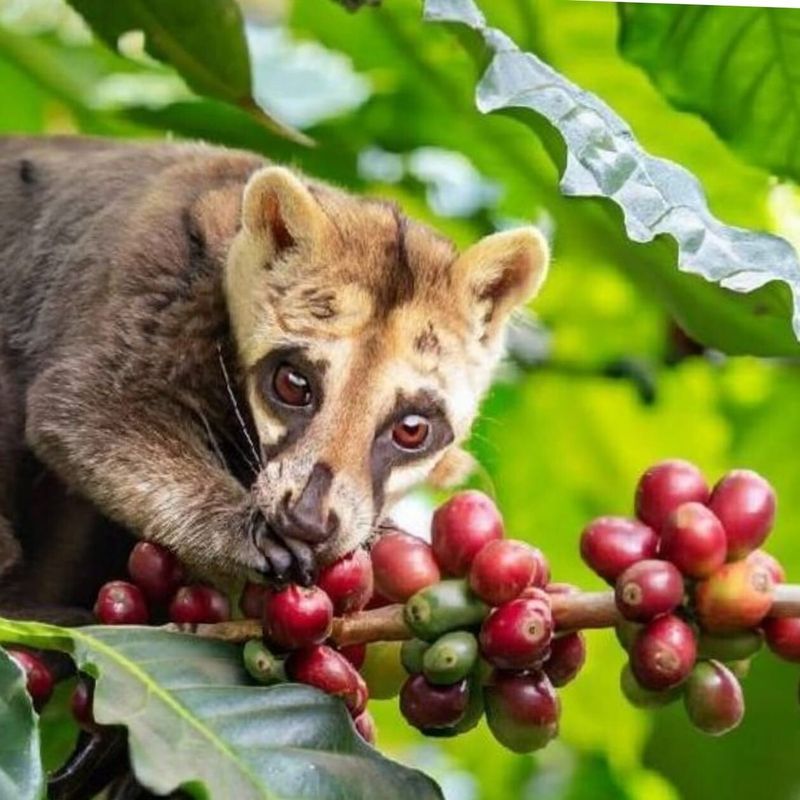
Brace yourself for a strange one. Kopi luwak coffee beans are eaten by a cat-like animal called a civet, then collected from its droppings.
The animal’s stomach changes the beans, making a smoother cup. Prices reach 600 dollars per pound.
Here is some honest advice, though. Many civets are kept in cruel cages, so if you are curious, look for wild-sourced brands or skip it entirely.
10. Iberico Ham
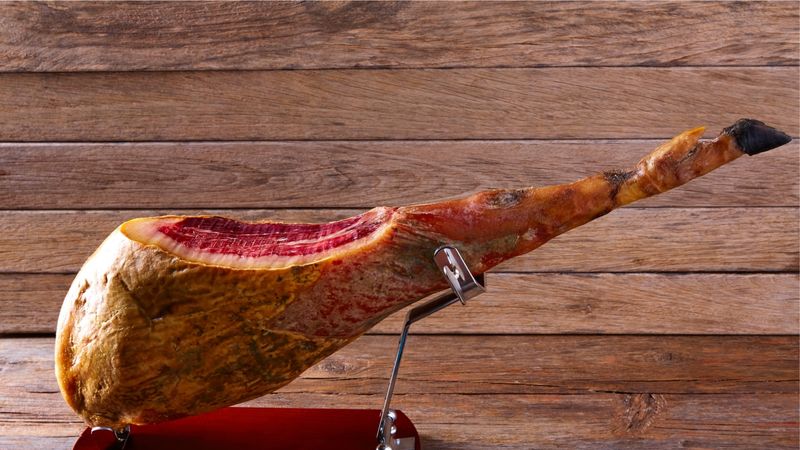
Black-hooved pigs wander Spanish oak forests, munching acorns all autumn long. Those nutty snacks give Iberico ham its special flavor.
After that, each leg is salted and dried for up to four years. A whole leg of the best kind, called bellota, can cost over 4,000 dollars.
Spaniards slice it paper thin by hand. Let it warm to room temperature so the fat turns glossy and sweet.
11. Edible Bird’s Nest
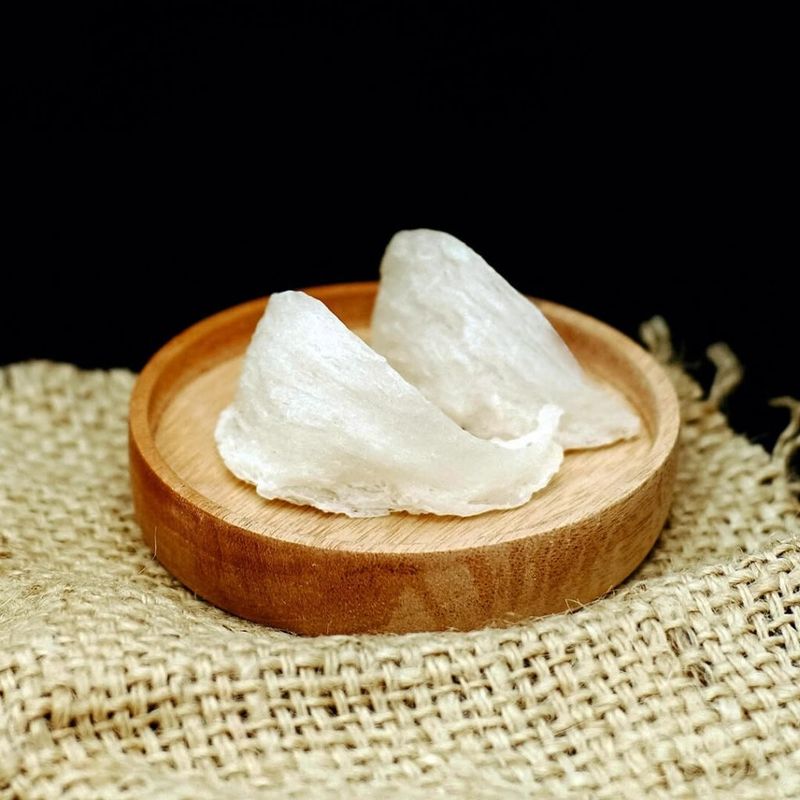
Swiftlet birds build their nests out of their own spit. Sounds gross?
In China, people have treasured these nests for centuries.
Workers climb dangerous cave walls to collect them, then clean out feathers by hand. Prices can hit 3,000 dollars per pound.
Cooked in bird’s nest soup, they turn soft and jelly-like. Many believe the soup is good for skin and health.
12. Almas Caviar
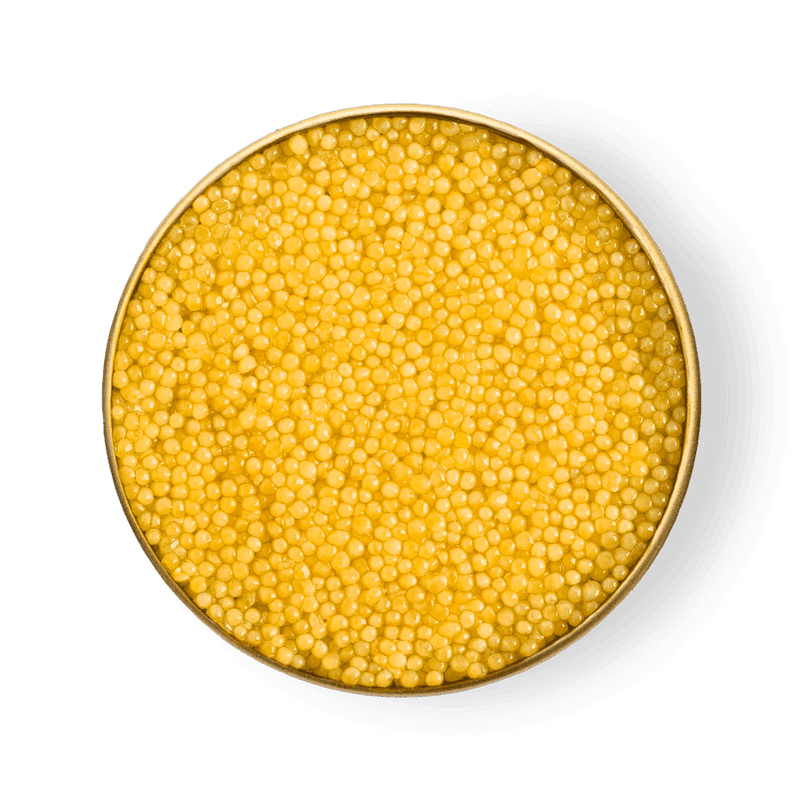
Golden eggs are not just in fairy tales. Almas caviar comes from rare albino beluga sturgeon, and its pale golden color makes it stand out.
Some fish are nearly 100 years old when harvested. A London shop once sold it in a gold tin for about 25,000 dollars per kilo.
Almas means diamond in Russian. Fitting name, right?
13. Moose Cheese
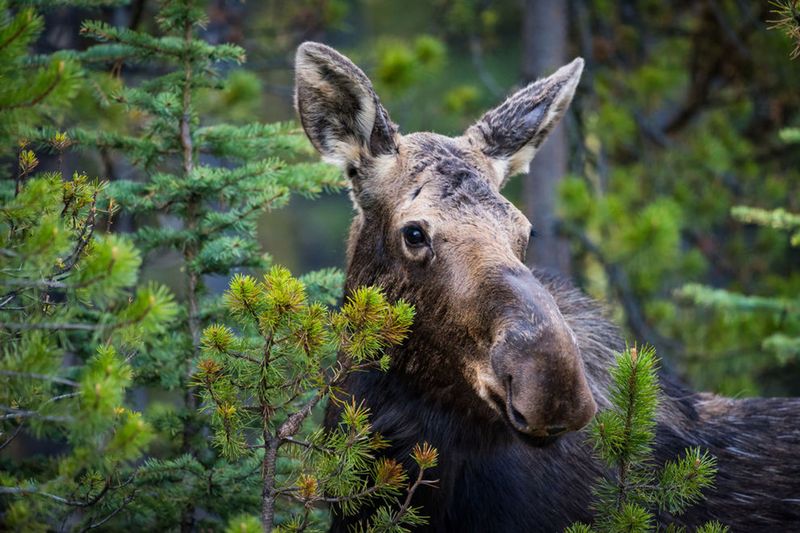
Milking a moose takes serious patience. At one farm in Sweden, a few moose are milked only during summer, and each session can last two hours.
That tiny supply makes moose cheese a rare treat costing around 500 dollars per pound.
The farm makes soft and crumbly types with a mild, creamy taste. Visiting in person is your best chance to try it.
14. Pule Donkey Cheese
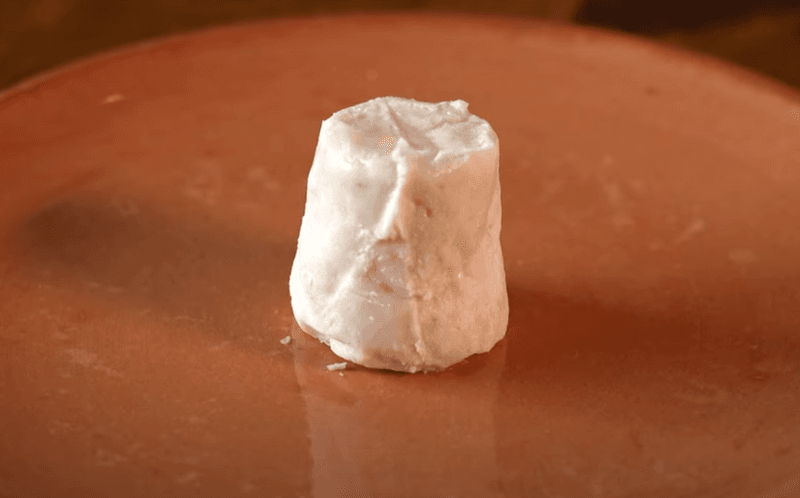
Down in a Serbian nature reserve, a special herd of Balkan donkeys produces milk for one of the rarest cheeses anywhere.
It takes about 25 liters of donkey milk to make one kilo of pule. Prices can climb past 1,000 dollars per kilo.
The flavor is smoky and crumbly, a bit like Spanish manchego. Fun fact: donkey milk was once used in beauty baths.
15. Ruby Roman Grapes
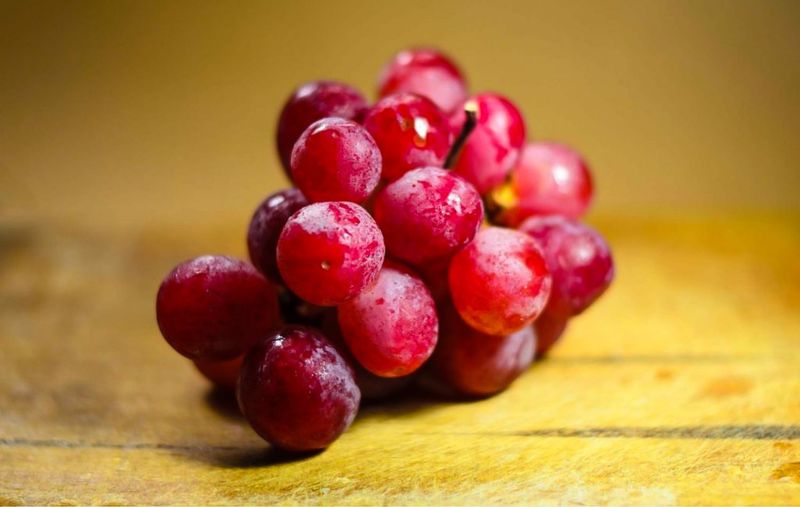
Each Ruby Roman grape is about the size of a ping pong ball. Bright red and bursting with juice, they look almost like jewels.
Grown in Japan’s Ishikawa area, every grape must pass strict tests for size, color, and sweetness. One bunch sold for around 12,000 dollars at auction.
Shoppers usually buy them as gifts, not snacks. Imagine eating one in a single bite!
16. Manuka Honey
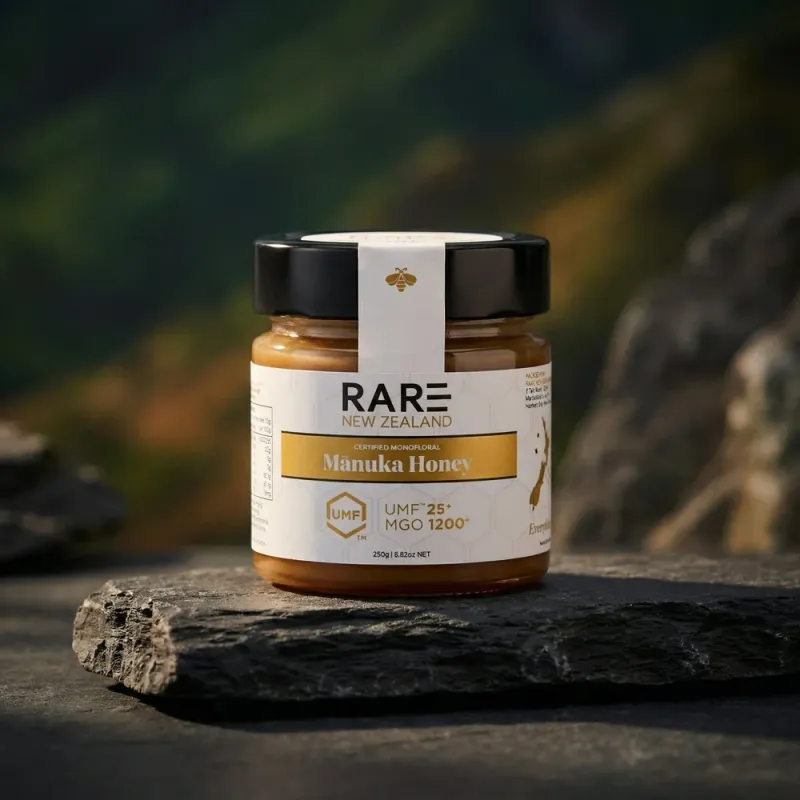
Bees in New Zealand collect nectar from the manuka bush, which blooms only a few weeks a year.
The honey has special germ-fighting powers, and some hospitals even use it on wounds. High-grade jars can cost hundreds of dollars.
Shopping tip: check the label for a UMF or MGO number. Higher numbers mean stronger honey, while cheap jars without them might be fake.
17. Gold Leaf Desserts
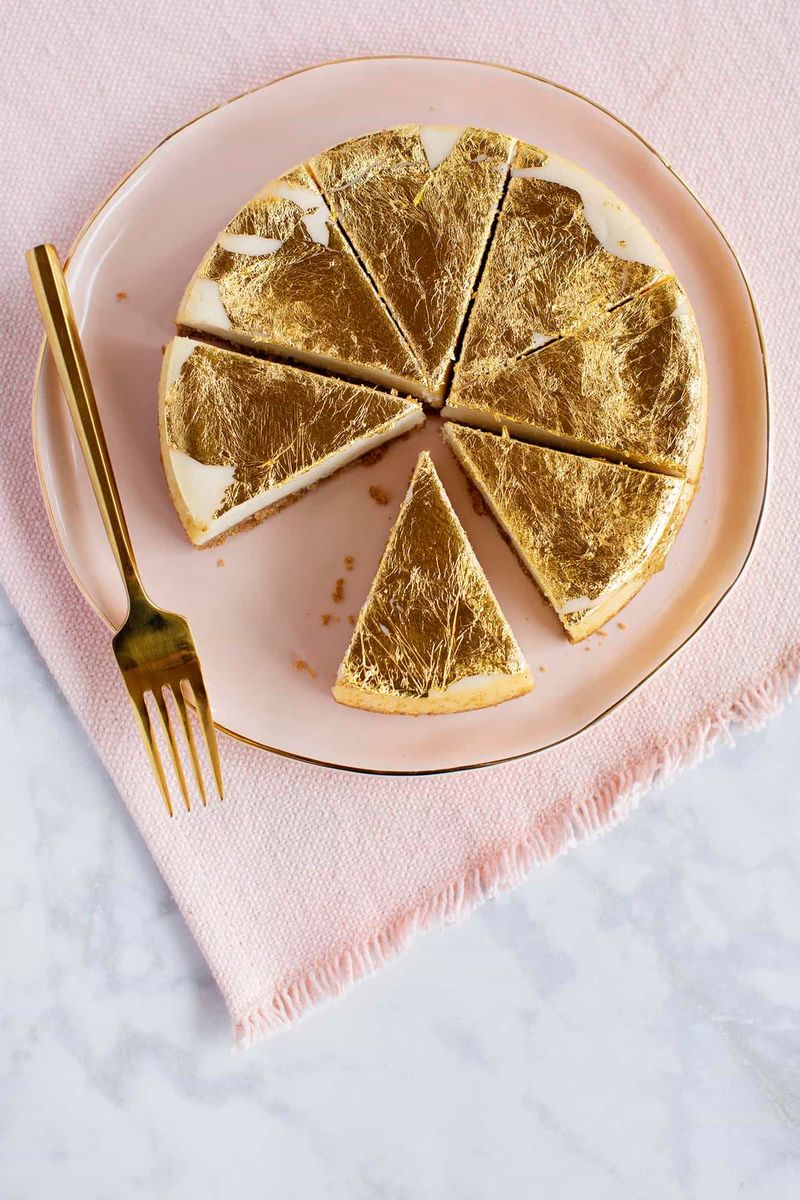
Can you actually eat gold? Surprisingly, yes.
Thin sheets of edible gold leaf decorate fancy cupcakes, ice cream, and even burgers.
Gold has no flavor and passes right through your body. People pay for the sparkle, and some sundaes covered in gold cost over 1,000 dollars.
Want to try it cheaply? Craft stores sell small packs of edible gold flakes for decorating homemade treats.
18. Fugu Pufferfish
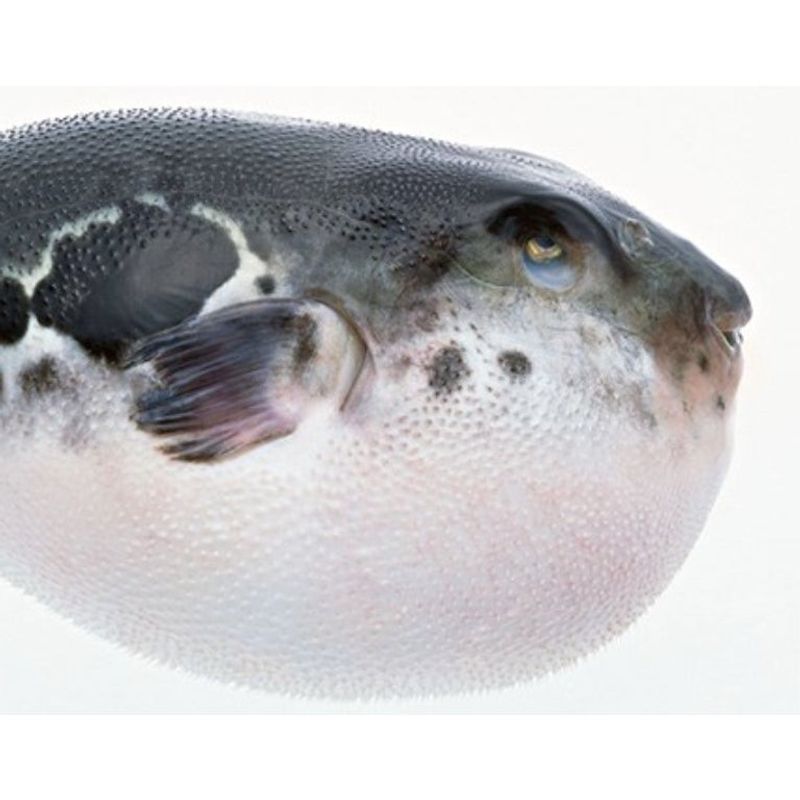
One wrong cut could be deadly. Fugu, or pufferfish, contains a poison far stronger than cyanide.
In Japan, chefs train for years and pass hard exams before serving it. A full fugu meal can cost a few hundred dollars per person.
Diners say the thin slices taste mild and chewy. Part of the price, of course, is the thrill of trusting a very skilled chef.
19. Foie Gras
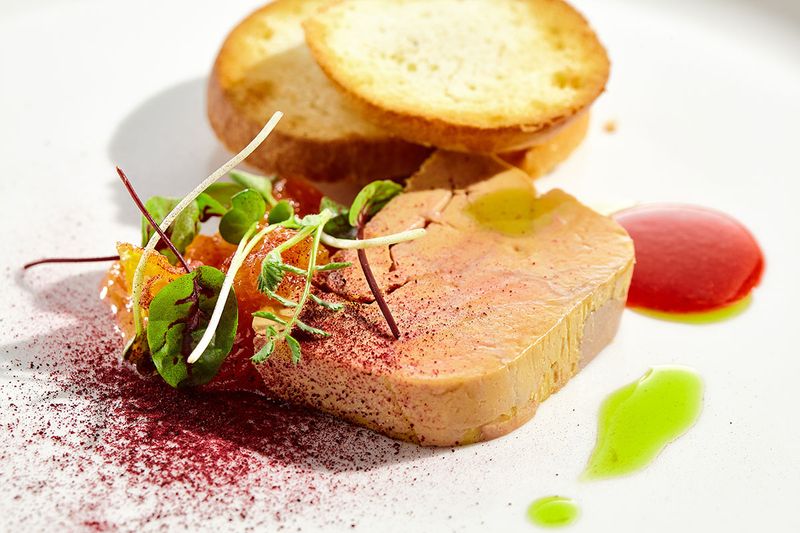
French chefs have praised foie gras for hundreds of years. Its name means fatty liver, and it comes from ducks or geese.
The texture is silky and buttery, often served with sweet fruit jams. Good quality costs around 100 dollars per pound.
It is also controversial, since birds are often force-fed. Some places, like California, have banned it, so many cooks now look for kinder options.