
Many of the food rules we grew up hearing sound smart, but a lot of them are simply wrong. Some started as old wives’ tales, while others came from bad science or clever advertising.
Knowing the truth can help you eat better, waste less food, and stop worrying about things that do not matter. Get ready to have a few of your favorite kitchen beliefs turned upside down.
1. Sugar Does Not Make Kids Hyper
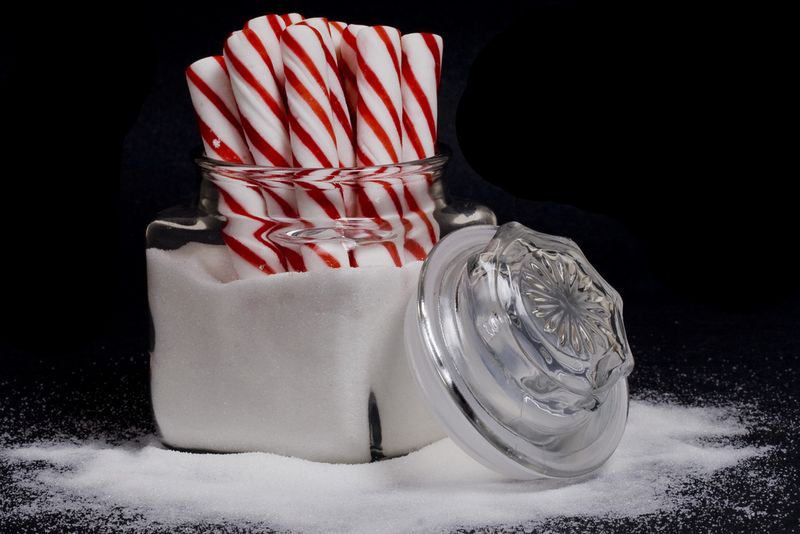
Picture a birthday party full of screaming kids. Most parents blame the cake, but science tells a different story.
Dozens of studies have found no link between sugar and hyper behavior in children.
In one experiment, parents who thought their kids had eaten sugar rated them as wilder, even though the kids got a sugar-free drink. The excitement usually comes from the party itself, not the frosting.
Still, too much sugar hurts teeth, so enjoy treats in moderation.
2. The Five-Second Rule Is a Fairy Tale

Dropped your cookie? Sorry, but germs do not wait politely for five seconds.
Researchers at Rutgers University found bacteria can jump onto food in less than one second.
Wet foods like watermelon pick up germs the fastest, while dry snacks collect fewer. Carpet actually transfers fewer bacteria than tile or stainless steel, which surprises many people.
So the real rule is simple. Think about how clean the floor is, and when in doubt, toss it.
3. Carrots Will Not Give You Night Vision
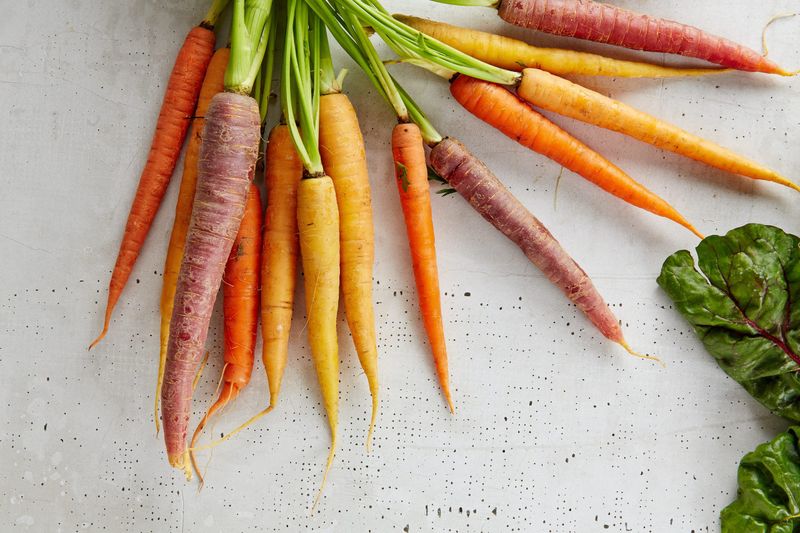
Here is a sneaky bit of history. During World War II, the British spread a rumor that their pilots ate tons of carrots to see in the dark.
The real secret was radar, and they wanted to hide it.
Carrots do contain vitamin A, which keeps your eyes healthy. However, eating extra will not give you superhero vision.
Munch them because they taste great and help your body, not because you hope to spot owls at midnight.
4. Swimming Right After Eating Is Fine

Remember waiting a full thirty minutes after lunch before jumping into the pool? Many of us spent summers staring at the water, counting down the clock.
Good news for your future beach days. There is no proof that eating before swimming causes dangerous cramps or drowning.
The Red Cross and doctors agree the old warning has little basis.
A huge meal might make you feel sluggish, so a light snack works best. Otherwise, cannonball away.
5. Spicy Food Does Not Cause Ulcers
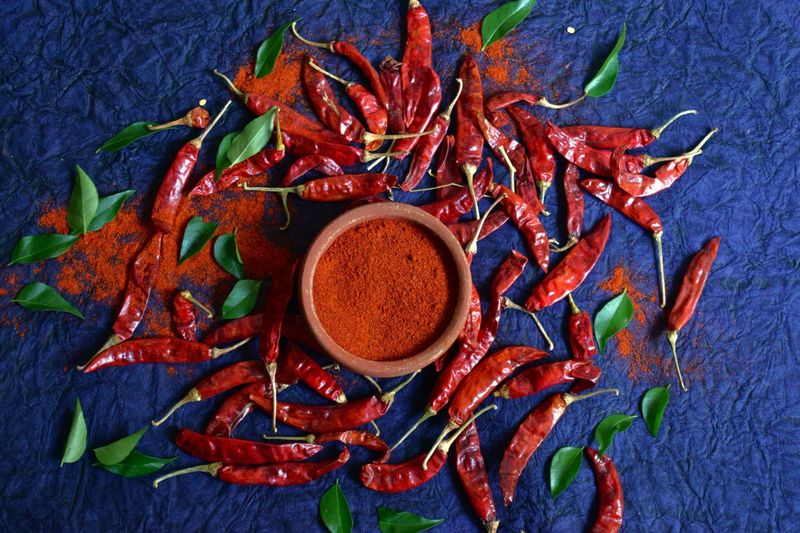
For decades, doctors told people with stomach ulcers to stay far away from hot sauce. Then two Australian scientists made a big discovery in the 1980s.
Most ulcers are caused by a bacteria called H. pylori or by overusing pain pills like aspirin. One researcher even drank the bacteria to prove his point, and he later won a Nobel Prize.
Spicy food can bother some sensitive stomachs, but it does not create ulcers. Pass the salsa.
6. Eating at Night Is Not a Fat Trap
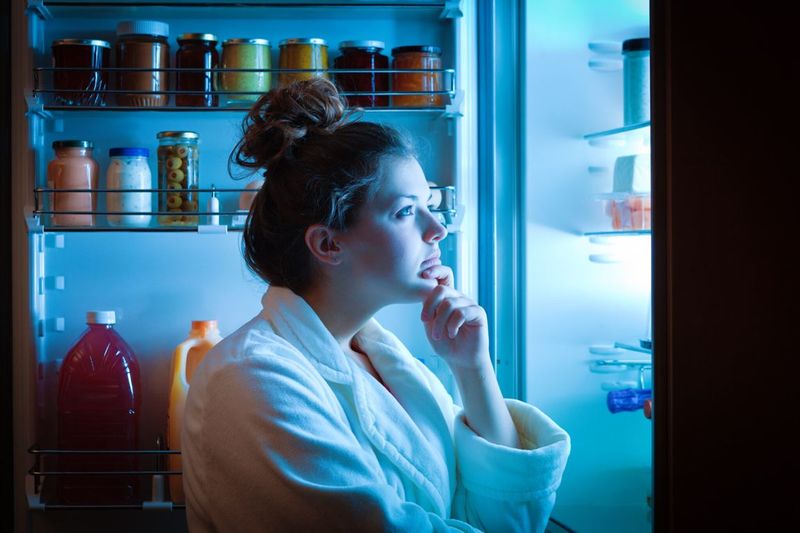
Your body does not flip a switch at 8 p.m. and start storing everything as fat. What matters most is how much you eat during the whole day.
Late-night eating gets a bad name because people often grab chips, ice cream, or other heavy snacks while watching TV. Those choices, not the clock, add up.
If you are truly hungry before bed, a small healthy snack like yogurt or fruit is perfectly okay.
7. Microwaves Do Not Zap Away Nutrients
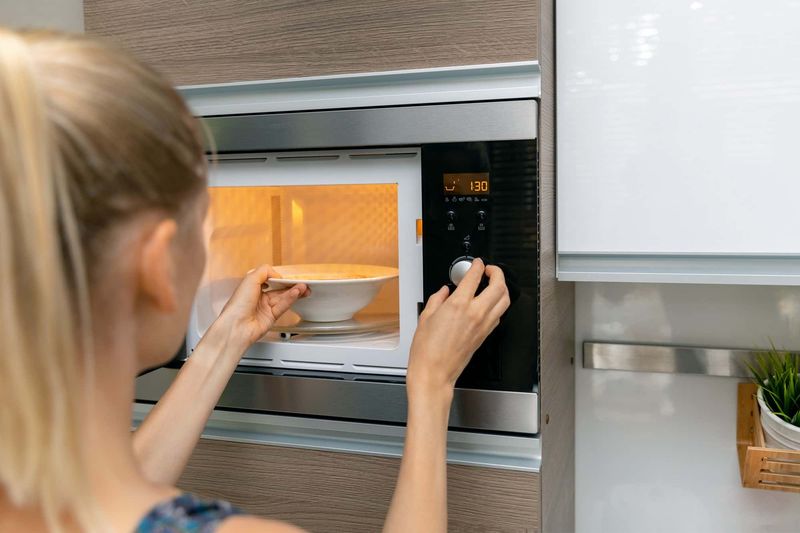
Some folks treat the microwave like a nutrient-destroying machine. Truthfully, it may be one of the best ways to keep vitamins in your veggies.
Boiling vegetables lets vitamins leak into the water you pour down the drain. Microwaving uses short cooking times and little water, so more goodness stays put.
Quick tip: add just a splash of water and cover the bowl. Your broccoli will stay bright green and full of flavor.
8. Brown Eggs Are Not Healthier
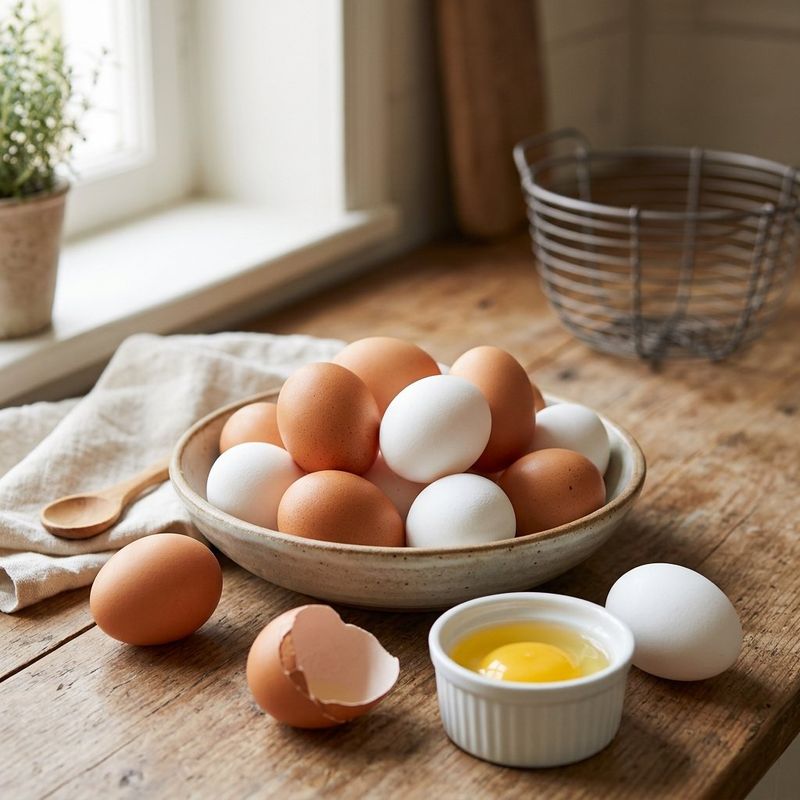
Walk down any grocery aisle and brown eggs often cost more. Many shoppers assume they must be more natural or nutritious.
Shell color actually depends on the breed of hen. Chickens with white feathers usually lay white eggs, while red or brown hens lay brown ones.
Some breeds even lay blue or green eggs!
Inside, the nutrition is nearly identical. A hen’s diet affects the yolk far more than the shell color does.
9. Salt in Water Barely Speeds Boiling
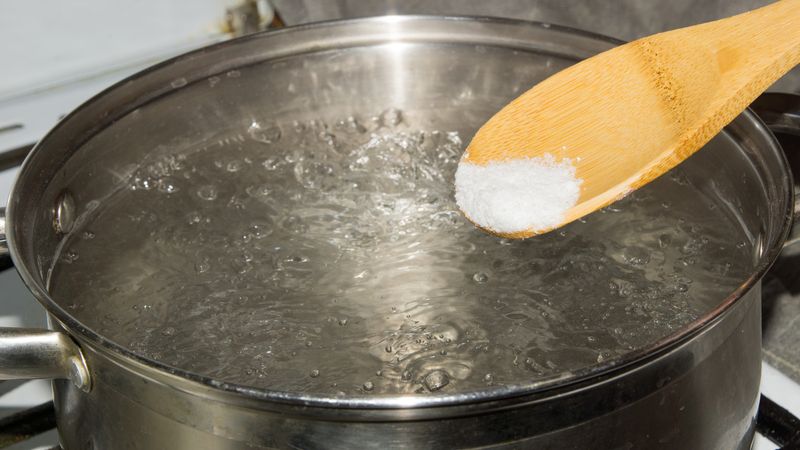
Grandma swore a pinch of salt made pasta water boil faster. Sweet idea, but physics disagrees.
Adding salt actually raises the boiling point slightly, meaning the water must get a tiny bit hotter. With the small amount most cooks use, the change is less than one degree and makes almost no difference.
So why bother salting? Flavor!
Salted water seasons pasta from the inside, making every bite taste better.
10. Searing Meat Does Not Seal in Juices
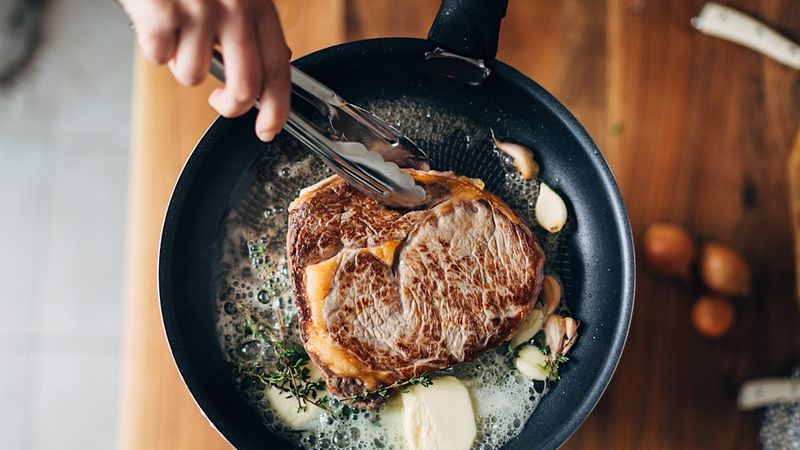
Chefs have repeated this one for over a hundred years. The sizzling crust looks like a protective seal, so it seems believable.
Tests show seared meat loses just as much moisture as unseared meat, sometimes even more. That crust forms from the Maillard reaction, a chemical process that creates rich, savory flavors.
Want a juicy steak? Let it rest for a few minutes after cooking.
The juices settle instead of spilling onto your plate.
11. Your Tongue Has No Taste Map
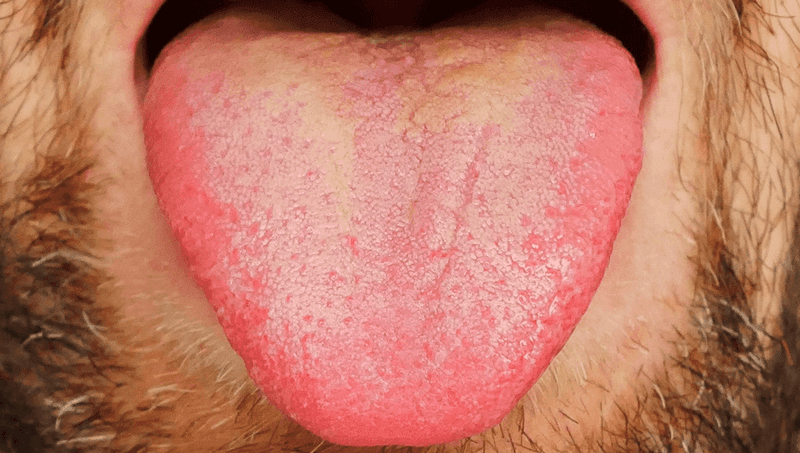
Did you color in a tongue map in science class? Sweet on the tip, bitter at the back, and so on.
That chart came from a mistranslated German paper from 1901.
In reality, taste buds all over your tongue can detect every flavor, including sweet, salty, sour, bitter, and umami.
Try it yourself. Place a little sugar on the side of your tongue.
You will taste the sweetness just fine.
12. Celery Is Not a Negative Calorie Food
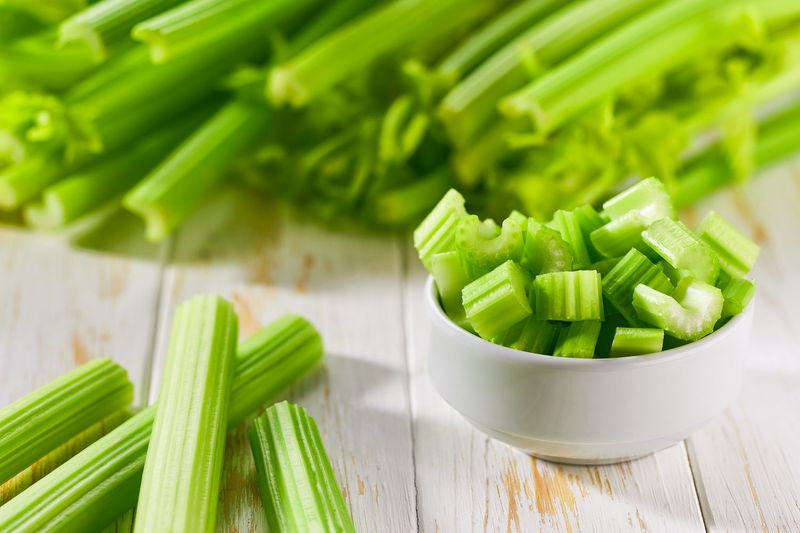
Wouldn’t it be amazing if chewing burned more calories than the food contained? Celery has carried that magical reputation for years.
A stalk has about six calories, and digesting it burns only a fraction of that. You still come out slightly ahead, so the negative calorie claim falls apart.
That said, celery is crunchy, filling, and full of water and fiber. It makes a smart snack, especially with a little peanut butter.
13. Gum Does Not Stay Inside for Seven Years
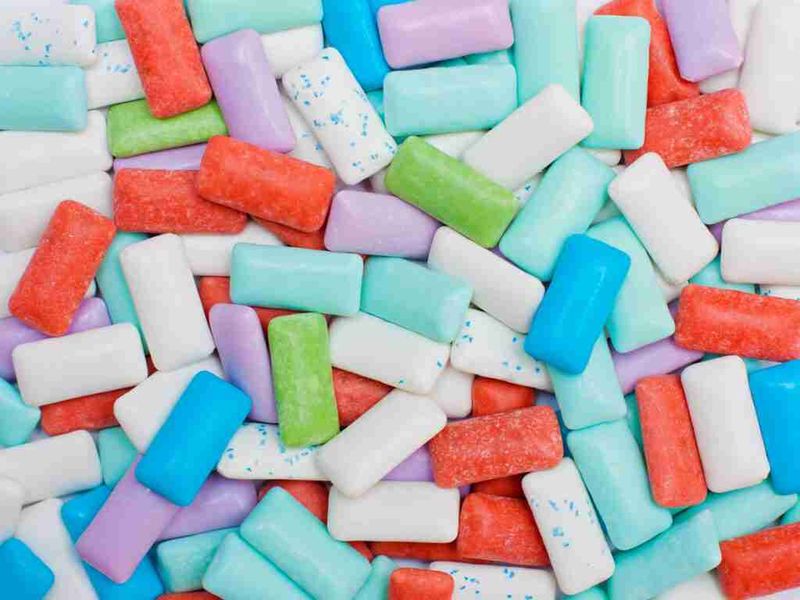
Plenty of kids panicked after accidentally swallowing gum, thanks to a spooky warning from friends. Relax, your stomach is not a gum museum.
Your body cannot fully break down gum base, but it does not get stuck. It simply moves through your digestive system and leaves within a few days, like other things your body cannot digest.
Swallowing large amounts often could cause blockages, though. Spitting it into the trash remains the best habit.
14. Fresh Produce Is Not Always Better Than Frozen
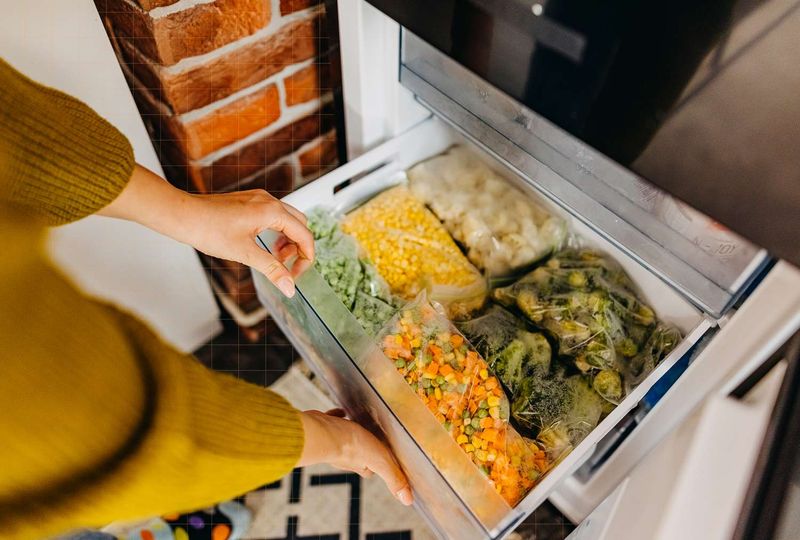
Fresh sounds healthier, right? Not necessarily.
Frozen fruits and veggies are usually picked at peak ripeness and frozen within hours, locking in vitamins.
Fresh produce often travels for days and sits on shelves before reaching your kitchen. During that time, it slowly loses nutrients.
Frozen options are also cheaper, last longer, and cut down on food waste. Stock your freezer with peas, berries, and spinach for quick, healthy meals any night of the week.
15. Turkey Is Not Why You Feel Sleepy

Every Thanksgiving, someone naps on the couch and blames the turkey. The usual culprit named is tryptophan, an amino acid in the meat.
Turkey actually has about the same amount of tryptophan as chicken or beef. The real sleepiness comes from eating a giant meal full of carbs, plus pie, plus a long busy day.
Want to stay awake? Take a family walk after dinner.
Fresh air beats a food coma every time.
16. MSG Is Not a Scary Villain
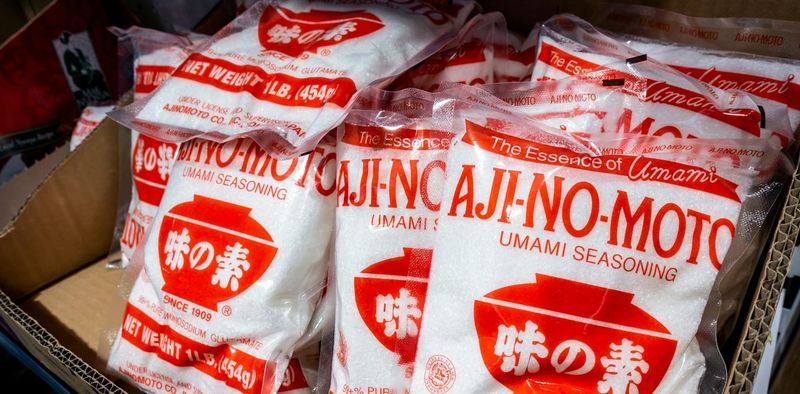
Back in 1968, a single letter to a medical journal sparked decades of fear about MSG. Restaurants even started posting no MSG signs.
Large studies have not found that normal amounts cause headaches or harm. Glutamate, the key part of MSG, occurs naturally in tomatoes, parmesan cheese, and mushrooms.
MSG adds a rich umami flavor and actually contains less sodium than table salt. A sprinkle can make soups and stir-fries taste amazing.
17. Alcohol Does Not Fully Cook Off

Many recipes call for wine or beer, and people assume all the alcohol disappears in the heat. Surprisingly, a good amount can stick around.
A study from the U.S. Department of Agriculture found that dishes baked or simmered for 15 minutes still hold about 40 percent of their alcohol.
Even after two hours, roughly 10 percent remains.
If you are cooking for kids or anyone avoiding alcohol, swap in broth or juice instead.