
Imagine waking up one day and finding out your favorite snack is gone for good. Climate change, disease, and shrinking natural resources are putting many well-loved foods at risk around the world.
Some of these foods are already getting harder to grow and more expensive to buy. Knowing which ones are in trouble can help you enjoy them more and make smarter choices to protect them.
1. Chocolate Under Pressure
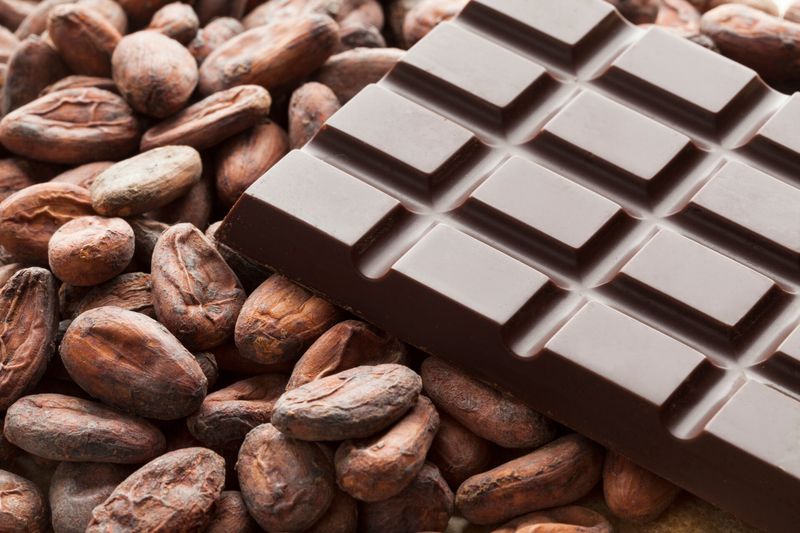
Picture a world where a chocolate bar costs as much as a fancy dinner. Cacao trees only grow in a narrow band near the equator, and rising heat is making that zone harder to farm.
Most cacao comes from small farms in Ghana and Ivory Coast. Disease, dry spells, and aging trees have already pushed prices to record highs.
Buying fair trade chocolate helps farmers earn more, so they can care for healthier trees.
2. Coffee Beans in Hot Water
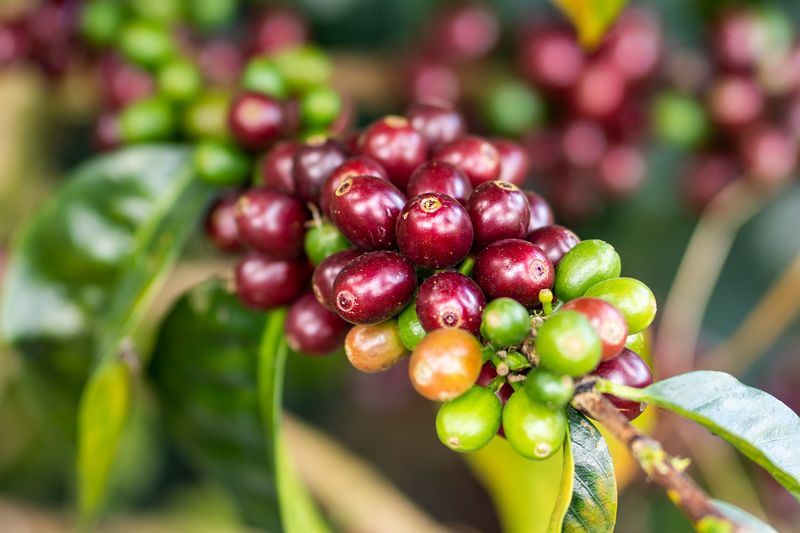
Millions of people start their mornings with a warm mug, but coffee plants are surprisingly picky. Arabica beans, the tasty kind found in most cafes, need cool temperatures and steady rain.
Scientists warn that about half of the land used for coffee could become unsuitable by 2050. A fungus called coffee rust has also wrecked harvests in Central America.
Researchers are now testing tougher wild coffee types that can handle heat better.
3. The Fragile Banana
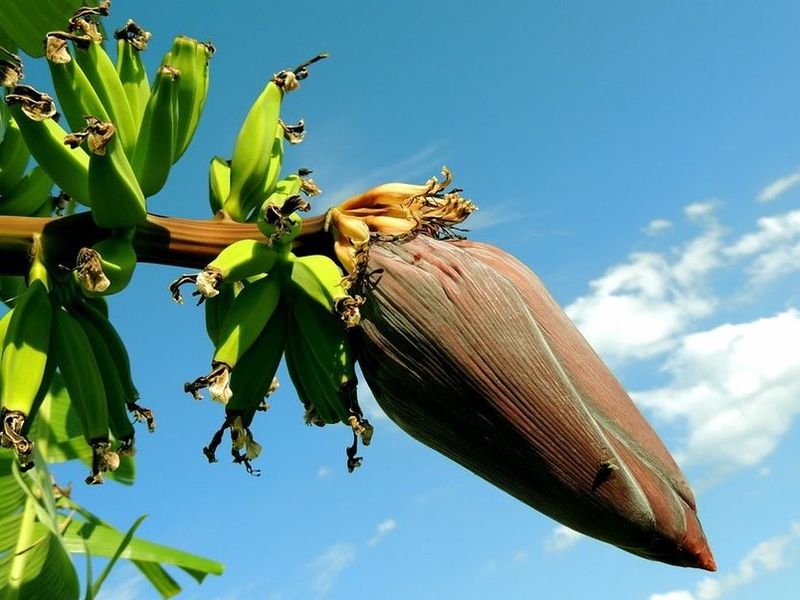
Here is a wild fact: the banana your grandparents ate tasted different. That variety, the Gros Michel, was wiped out by a soil fungus in the 1950s.
Today almost every store banana is a Cavendish, and they are all clones. Since they share the same genes, one disease can hit them all at once.
Sadly, a new strain called Tropical Race 4 is now spreading across farms worldwide, and growers are worried.
4. Sweet Trouble for Honey
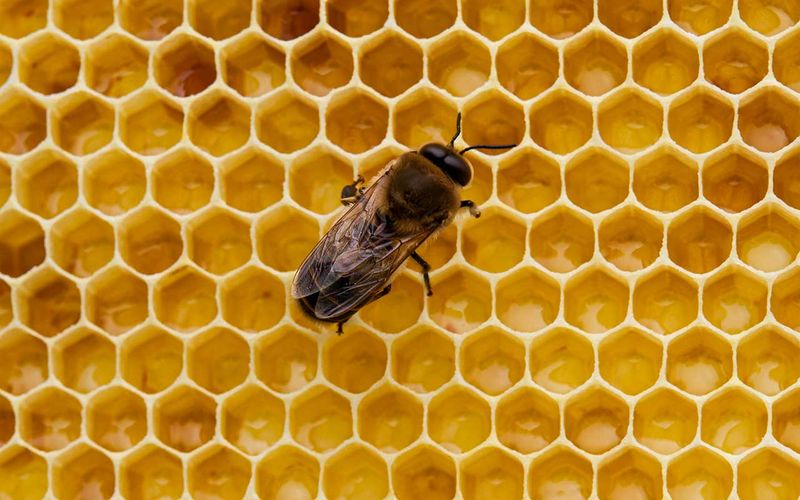
No bees, no honey. It sounds simple, yet bee populations have been dropping fast for years.
Pesticides, tiny mites, habitat loss, and wild weather all make life tough for hives. Beekeepers in the United States sometimes lose over 40 percent of their colonies in a single year.
Want to help? Plant flowers like lavender or sunflowers in your yard.
Even a small pot of blooms on a balcony gives hungry bees a welcome snack.
5. Avocados Running Dry
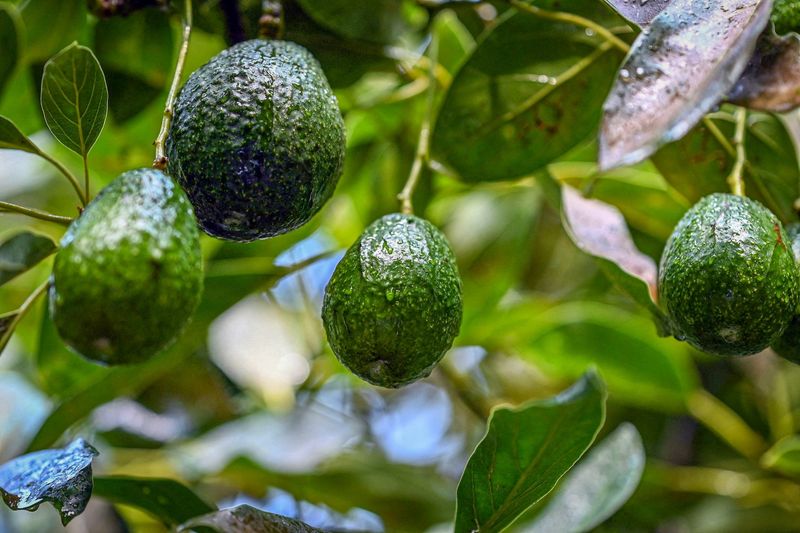
Avocado toast fans, listen up. Growing just one avocado takes around 60 gallons of water, which is a lot in dry places.
Major growing regions like California and parts of Mexico face long droughts and heat waves. When water runs short, farmers sometimes have to cut down whole orchards.
That means fewer avocados and higher prices at the store. Enjoy your guacamole, but try not to let ripe ones go to waste.
6. Disappearing Wild Salmon
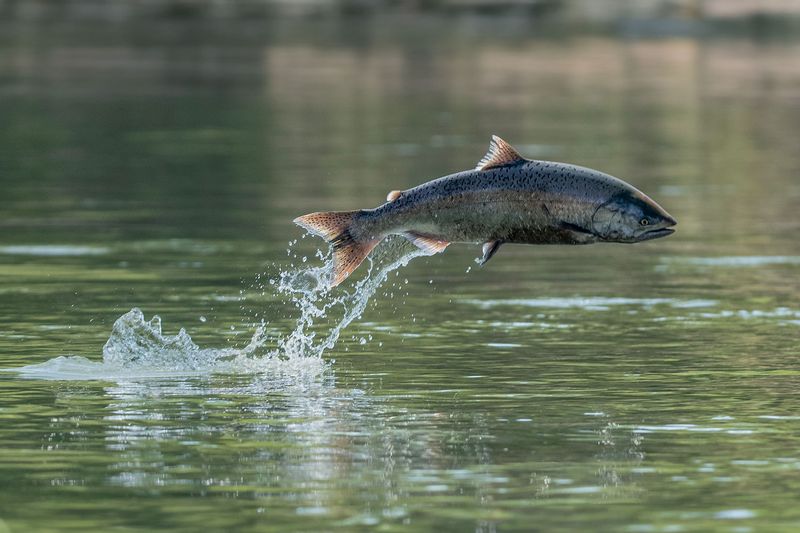
Every year, salmon swim upstream on an amazing journey back to the rivers where they hatched. That trip is getting much harder.
Warmer rivers stress the fish, while dams block their path and overfishing shrinks their numbers. Some wild salmon groups in the Pacific Northwest are now listed as endangered.
Fun fact: salmon can leap up to 12 feet high to clear waterfalls. Choosing responsibly caught seafood helps keep those leaps happening.
7. Peanuts Feeling the Heat
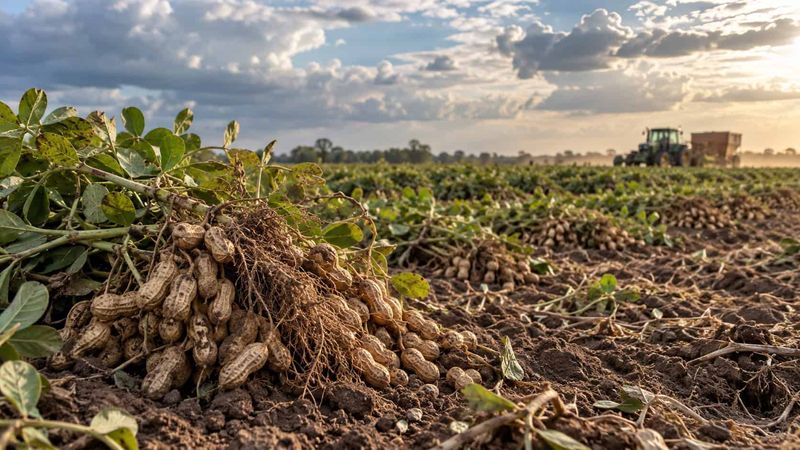
Your peanut butter sandwich depends on just the right weather. Peanut plants need about five months of steady warmth and rain to grow properly.
Back in 2011, a harsh drought in the southern United States caused peanut butter prices to jump by about 40 percent. Experts expect more droughts like that in the future.
Peanuts are also important in Africa and Asia, where they provide cheap protein for millions of families.
8. Maple Syrup’s Sticky Situation
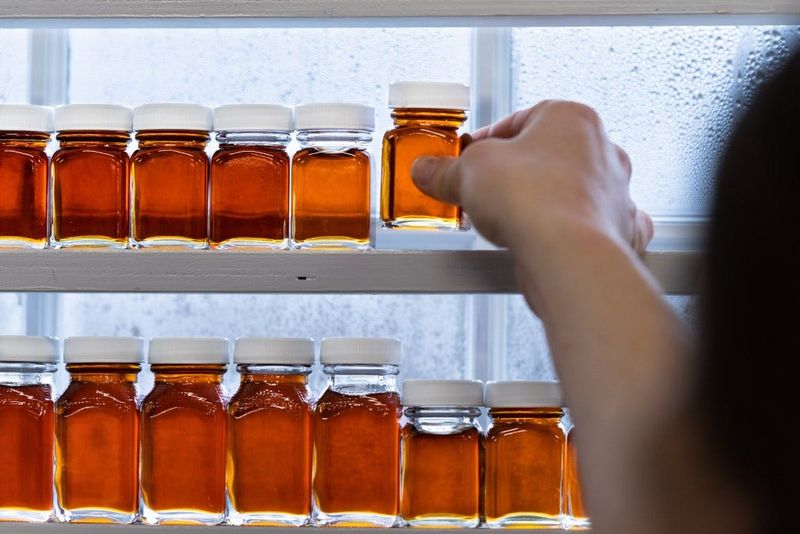
Pancakes just are not the same without real maple syrup. Making it depends on a special weather pattern of freezing nights and warm days in early spring.
That back and forth makes sap flow from maple trees. As winters get warmer, the sugaring season is starting earlier and getting shorter.
It takes about 40 gallons of sap to make one gallon of syrup, so every lost day really counts for farmers.
9. Wheat and Your Daily Bread
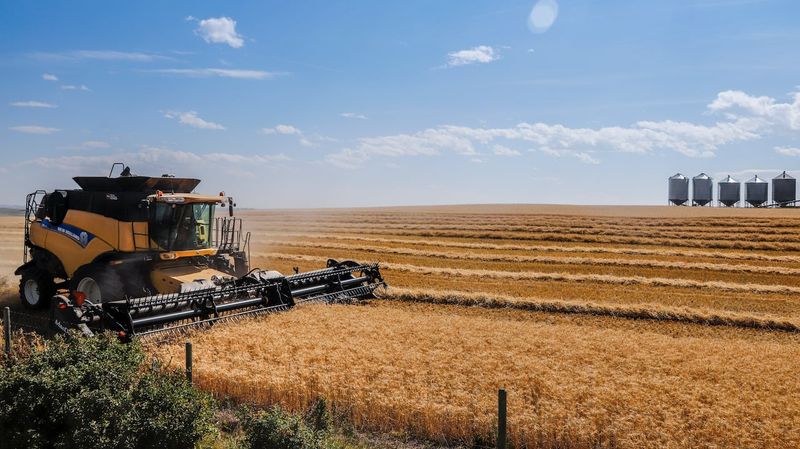
Bread, pasta, cereal, and cookies all start with one humble grain. Wheat feeds billions of people, making it one of the most important crops on Earth.
Heat waves during flowering season can slash harvests. Studies suggest each one degree Celsius of warming could cut global wheat yields by around six percent.
Scientists are breeding heat tough varieties, but farmers still face a tricky future. Wasting less bread at home is one easy way to help.
10. Rice in Rising Waters
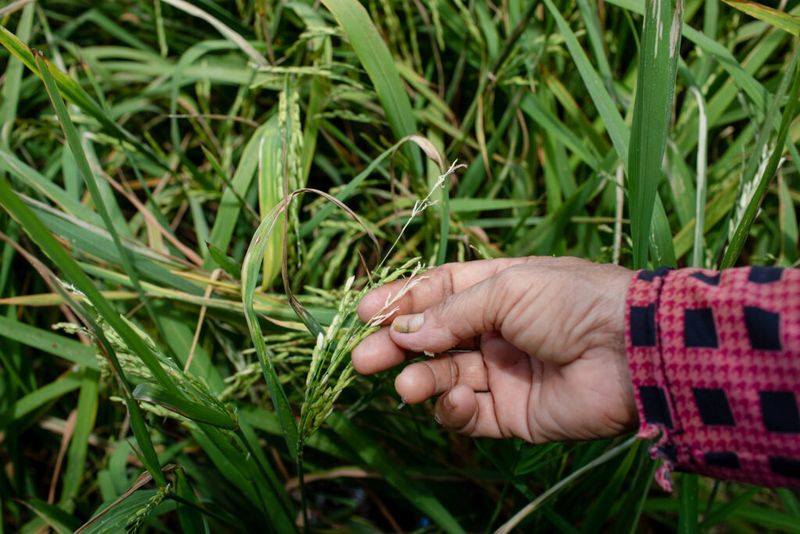
For more than half the world, a meal is not complete without rice. Most of it grows in low, flat areas near rivers and coastlines in Asia.
Rising seas are pushing salty water into these fields, which damages crops. Places like Vietnam’s Mekong Delta are already seeing harvests suffer.
Some farmers are switching to salt tolerant rice or even raising shrimp instead. Smart farming changes like these could save many rice fields.
11. Oysters on the Edge
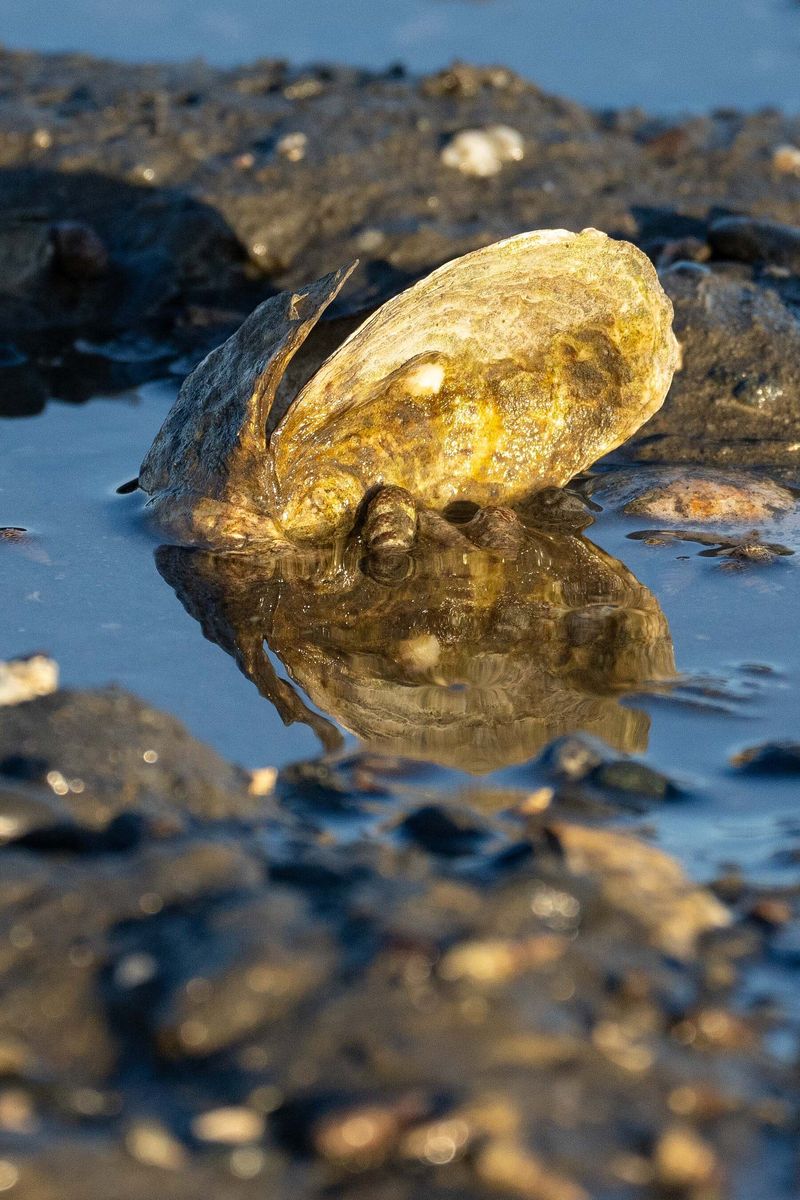
Oysters do a lot more than sit on ice at fancy restaurants. They clean ocean water, with one adult filtering up to 50 gallons a day.
Trouble is, the ocean is becoming more acidic as it soaks up carbon dioxide. That makes it harder for baby oysters to build their shells.
Some oyster farms in the Pacific Northwest have lost huge batches of young oysters. Restoration projects are now working to rebuild healthy reefs.
12. Vanilla’s Delicate Bloom
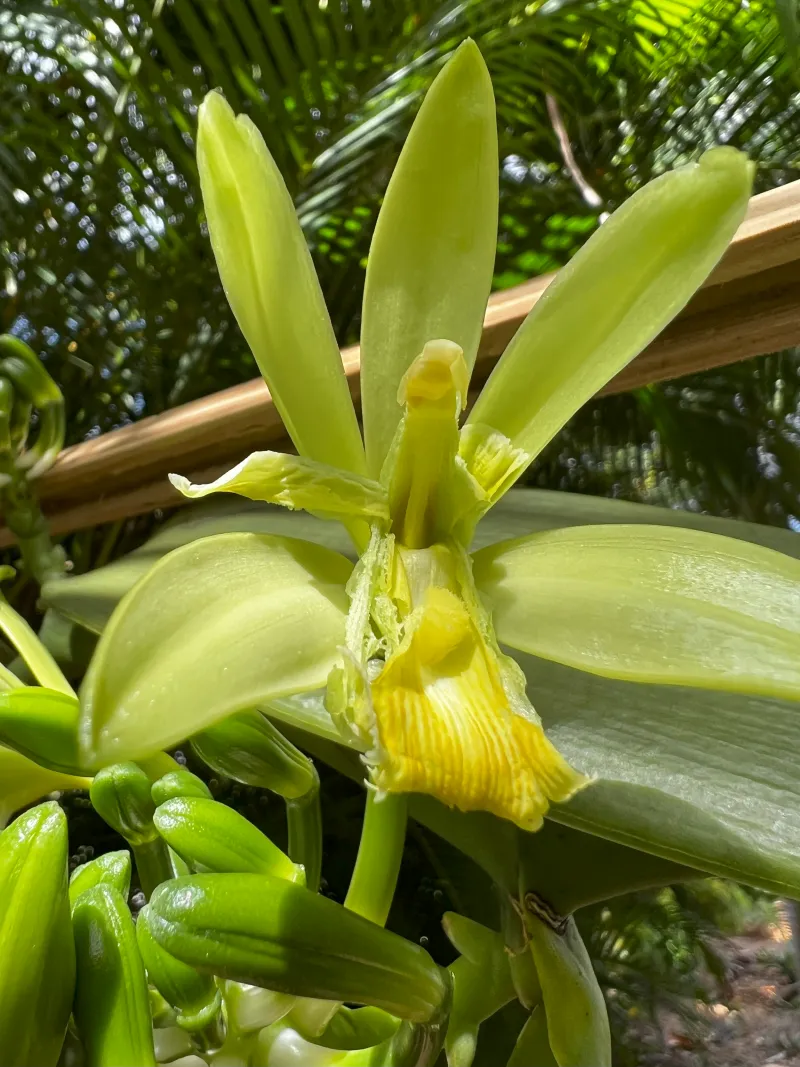
Ever wonder why real vanilla costs so much? Each vanilla orchid flower blooms for just one day and must be pollinated by hand.
Around 80 percent of the world’s vanilla comes from Madagascar, an island often hit by strong cyclones. One bad storm can wipe out a big part of the crop.
Most vanilla flavor in snacks is actually artificial. If you taste the real stuff, you will notice a richer, deeper flavor.
13. Juicy Oranges at Risk
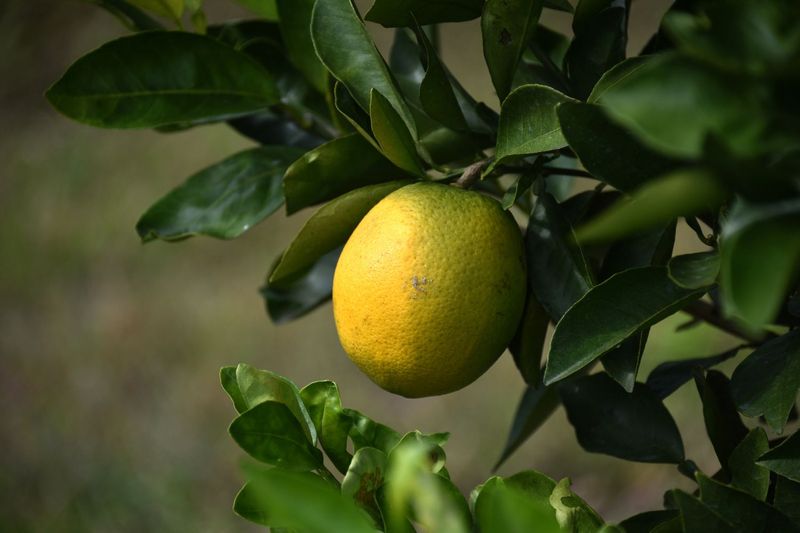
Florida has long been famous for its sunny orange groves. These days, a tiny insect is causing big problems.
The Asian citrus psyllid spreads a disease called citrus greening. Infected fruit turns small, bitter, and green, and the trees eventually die.
Florida’s orange harvest has fallen by more than 80 percent since the early 2000s.
So that pricey orange juice carton is telling a real story about a struggling crop.
14. Potatoes Facing Change
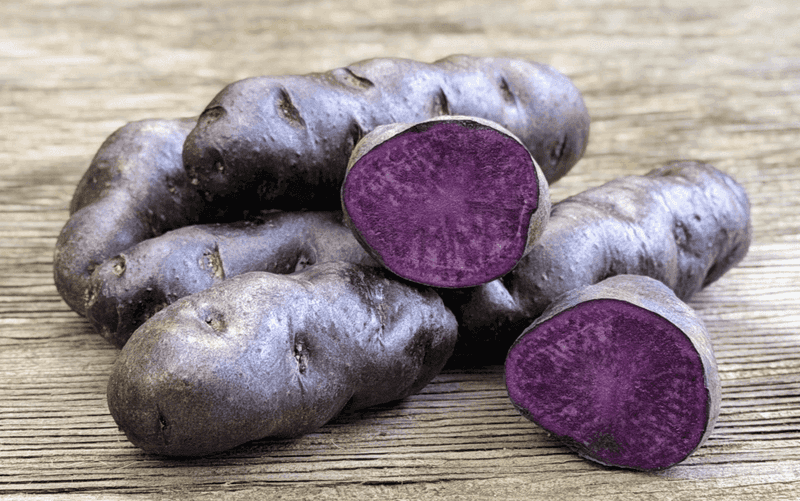
French fries, mashed potatoes, chips. It is hard to imagine life without spuds, and history shows what happens when they fail.
The Irish Potato Famine of the 1840s was caused by a plant disease called blight. Warmer, wetter weather today could help blight and pests spread again.
Luckily, Peru grows thousands of potato varieties. Scientists store those seeds in gene banks to breed stronger potatoes for the future.
15. Bitter News for Wine Grapes
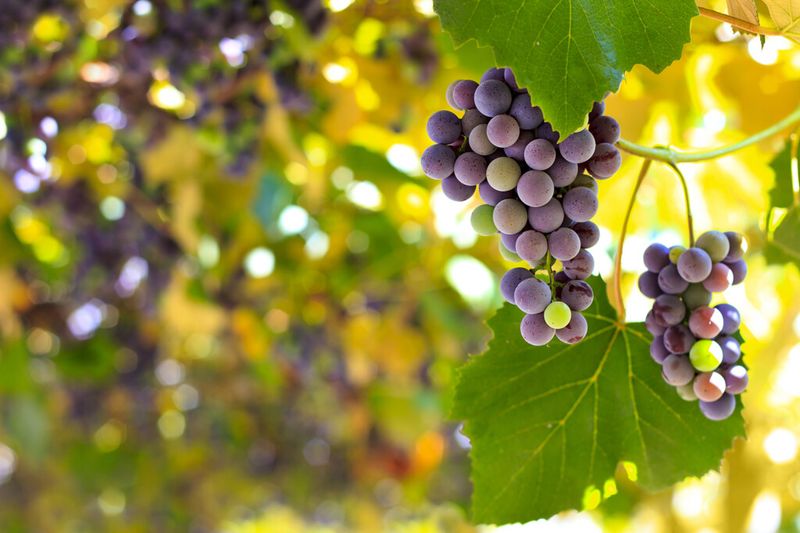
Grapes are like the Goldilocks of crops. They need weather that is not too hot and not too cold.
Famous wine regions in France, Italy, and California are getting warmer, which changes how grapes taste. Some growers are already moving vineyards higher up hills or even to cooler countries like England.
Grape juice and raisins come from the same plants, so these changes could reach your lunchbox too.
16. Chickpeas and Hummus Worries

Hummus has become a favorite dip for veggies and pita chips. It all starts with chickpeas, a crop that grows mainly in India, Turkey, and Australia.
Chickpeas handle dry weather fairly well, but extreme heat during flowering can ruin harvests. Poor growing years have caused big price spikes before.
Here is a cool bonus: chickpeas add nitrogen back into soil, which helps other crops grow better later on.
17. Bluefin Tuna in Danger
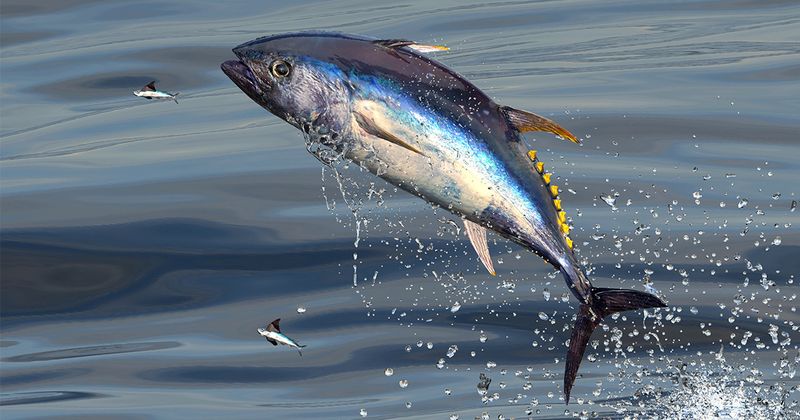
Sushi lovers know bluefin tuna as a prized treat. These giant fish can weigh over 1,000 pounds and swim faster than a car on a city street.
Heavy fishing caused their numbers to crash in past decades. Stricter rules have helped some groups recover, but they are still at risk.
When ordering sushi, ask about other options like skipjack or farmed fish. Small choices add up to protect ocean giants.