
Food is one of the best ways to learn about a new place and its people. Every country has special meals that tell stories about history, weather, and family traditions.
Trying these dishes can turn an ordinary trip, or even a dinner at home, into a fun adventure. Grab a fork and get ready to explore some of the most amazing flavors on the planet.
1. Sushi From Japan
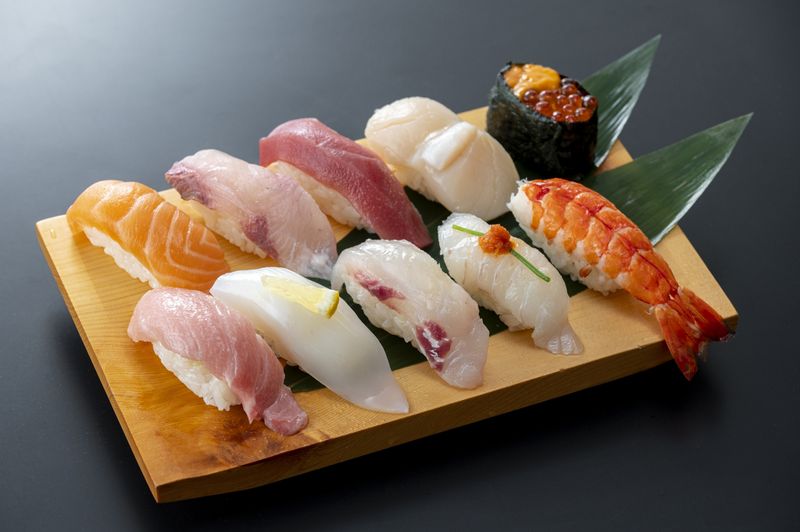
Picture a chef in Tokyo pressing rice by hand, the way his grandfather taught him. Sushi started long ago as a way to keep fish fresh, and it grew into an art form.
Real sushi is all about balance. The rice is lightly seasoned with vinegar, and the fish is sliced with great care.
Try eating nigiri in one bite. Dip the fish side, not the rice, into soy sauce so it does not fall apart.
2. Neapolitan Pizza From Italy
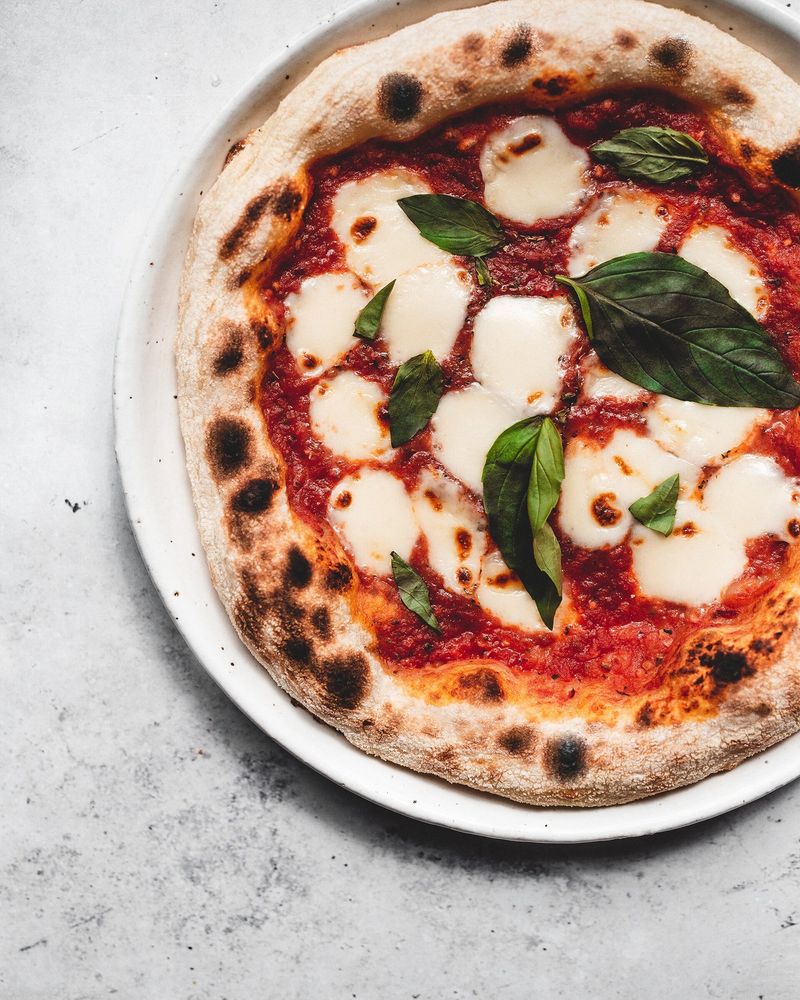
Forget the thick, cheesy slices from the mall. Naples, Italy, is the birthplace of pizza, and its version is simple and soft.
Bakers use only a few ingredients: tomato, mozzarella, basil, and olive oil. The pizza bakes in a super hot wood oven for about 90 seconds.
Here is a fun fact. The Margherita pizza was supposedly named after an Italian queen in 1889, and its colors match the Italian flag.
3. Tacos al Pastor From Mexico
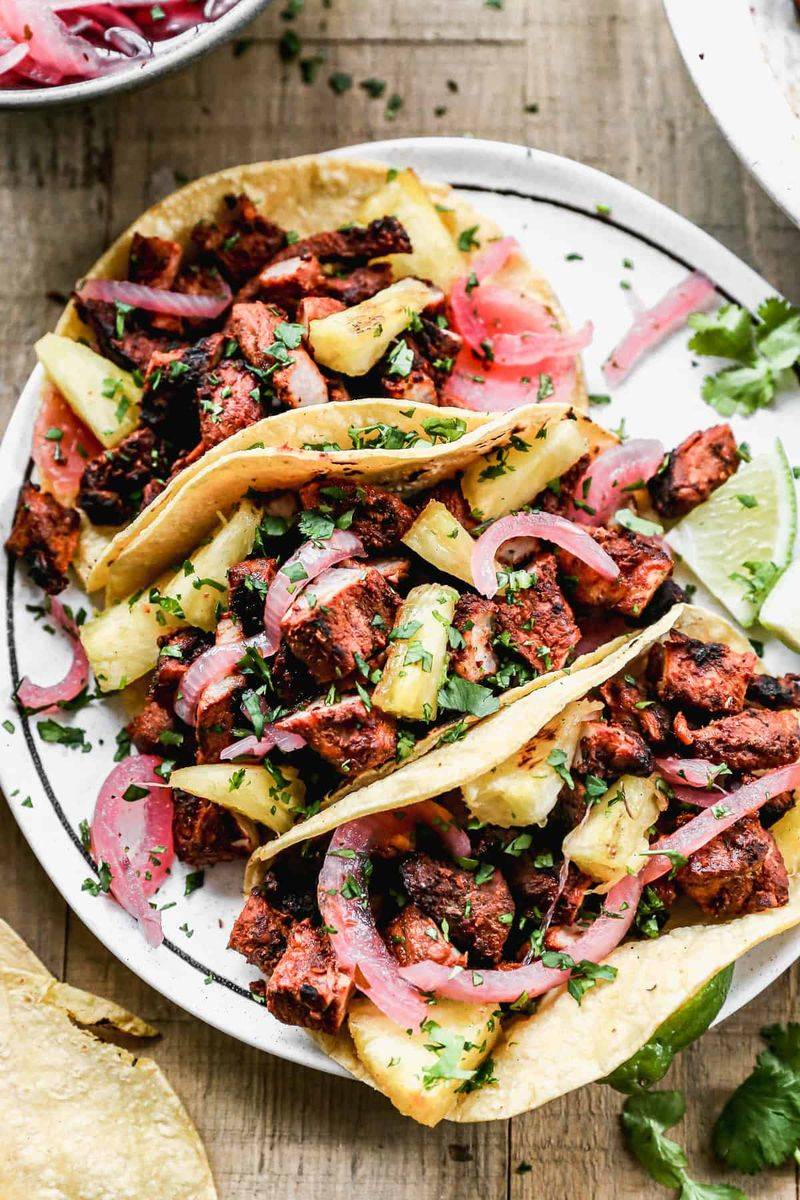
Spinning meat, sizzling pineapple, and a street vendor moving lightning fast. Welcome to a Mexico City taco stand at midnight.
Tacos al pastor came from Lebanese immigrants who brought their style of cooking meat on a spit. Mexican cooks added chili spices and pineapple, creating something new.
Order a few at once since they are small. Squeeze lime on top, add salsa carefully, and enjoy the mix of sweet and smoky.
4. Pho From Vietnam
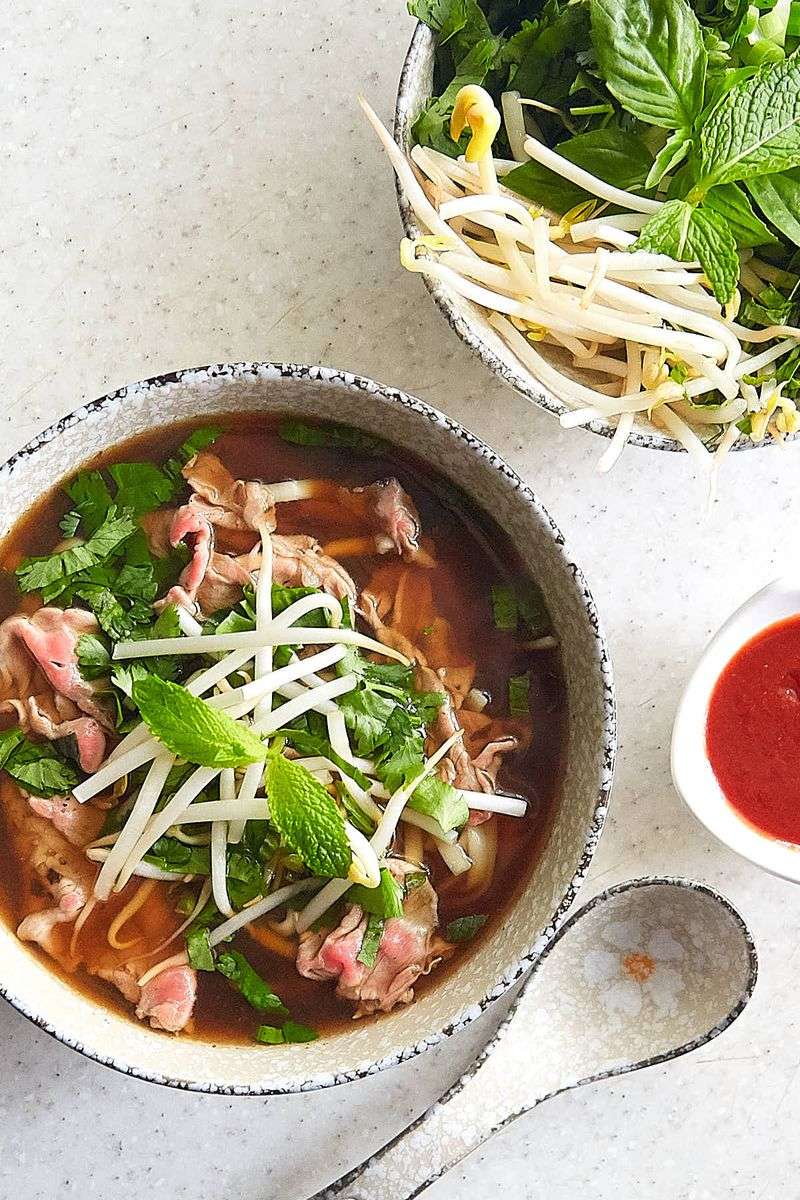
Breakfast in Hanoi often means a giant bowl of hot soup. Locals sit on tiny plastic stools and slurp pho before work or school.
The broth simmers for hours with beef bones, star anise, cinnamon, and ginger. That slow cooking gives it a deep, cozy flavor.
You get to customize your bowl with basil, lime, chili, and bean sprouts. Taste the broth first, then add extras a little at a time.
5. Paella From Spain
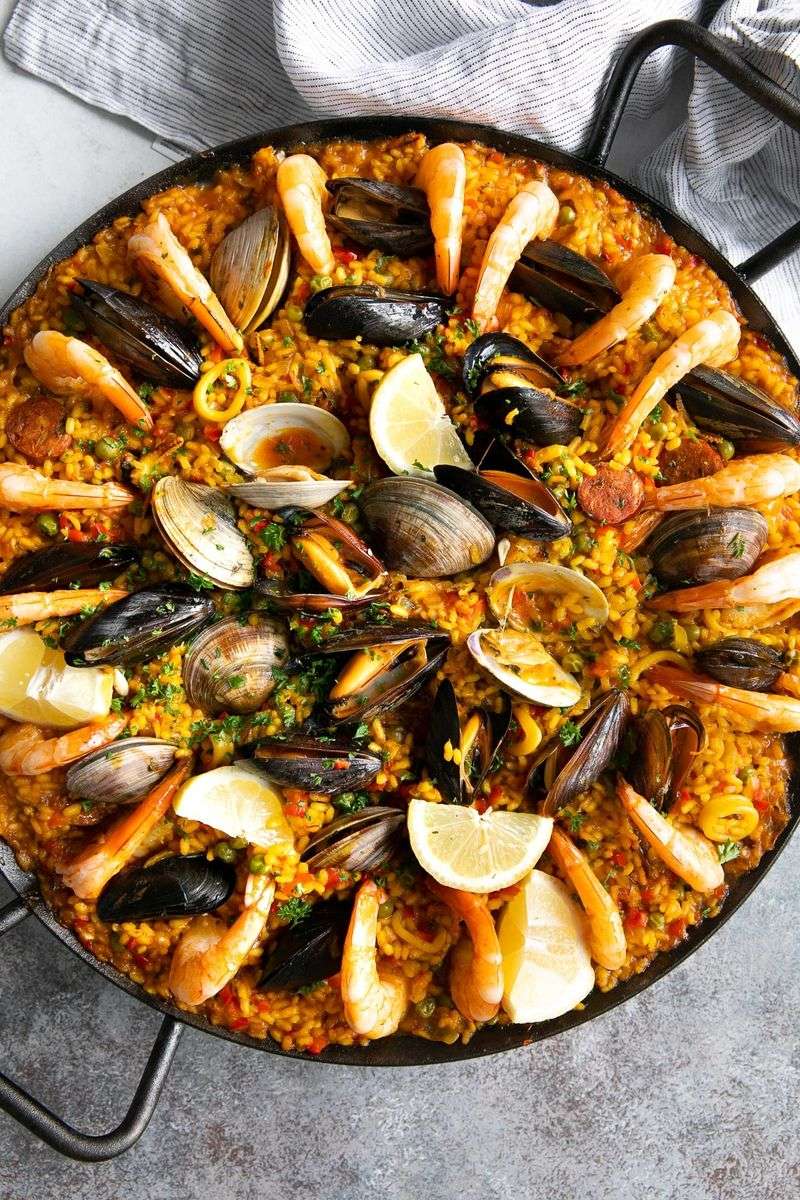
Did you know paella is named after the pan, not the food inside? The wide, shallow pan helps the rice cook evenly.
Valencia is where it all began. Farmers cooked rice with chicken, rabbit, beans, and golden saffron over open fires.
The best part might surprise you. A crispy layer of rice at the bottom, called socarrat, is considered a treasure, so scrape the pan and enjoy every crunchy bit.
6. Croissants From France
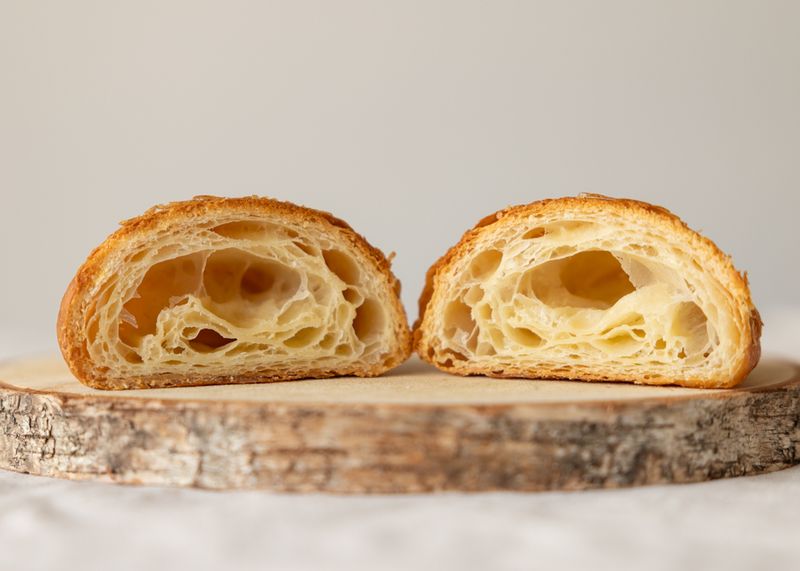
Flaky, buttery, and loud when you bite in, a fresh croissant from a Paris bakery is pure happiness.
Bakers fold butter into dough again and again, making dozens of thin layers. When it bakes, steam puffs those layers apart.
Fun history bit: the croissant actually has roots in Austria, where a similar bread called the kipferl existed. Head to a local bakery early in the morning, when the batch is still warm.
7. Butter Chicken From India
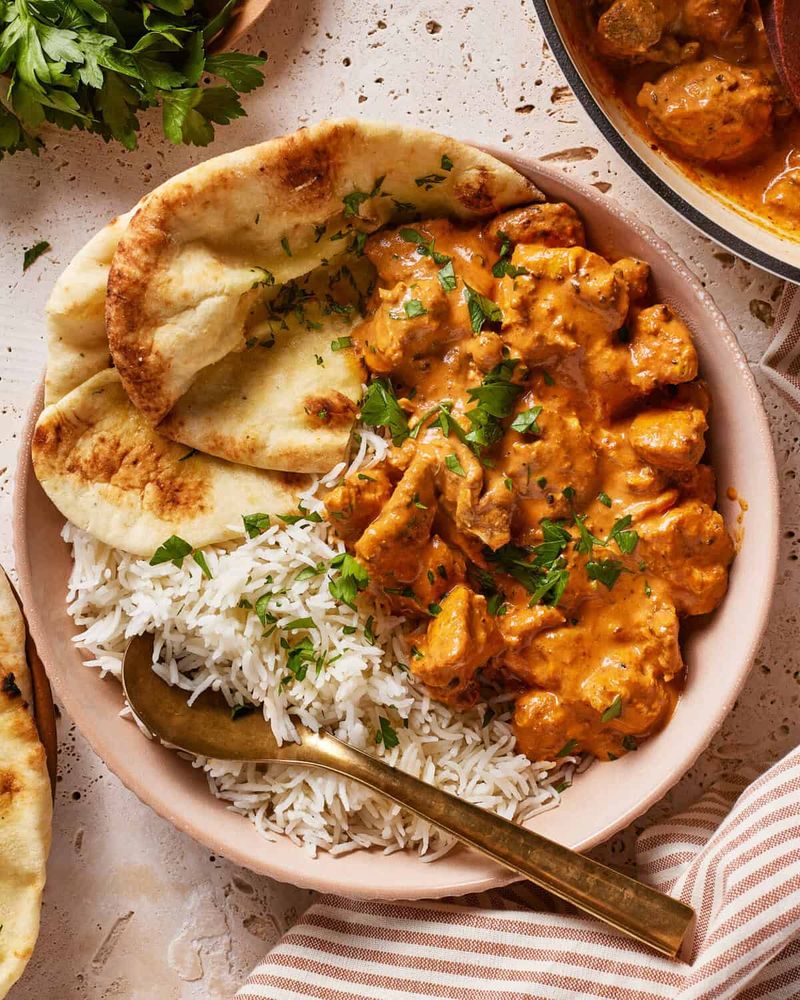
Some of the best dishes are happy accidents. Butter chicken was reportedly created in Delhi when cooks mixed leftover tandoori chicken with a rich tomato and butter sauce.
The result is creamy, mildly spiced, and perfect for beginners nervous about spicy food.
Tear off a piece of warm naan bread and scoop up the sauce. Many people say the bread is just an excuse to eat more of that orange gravy.
8. Peking Duck From China
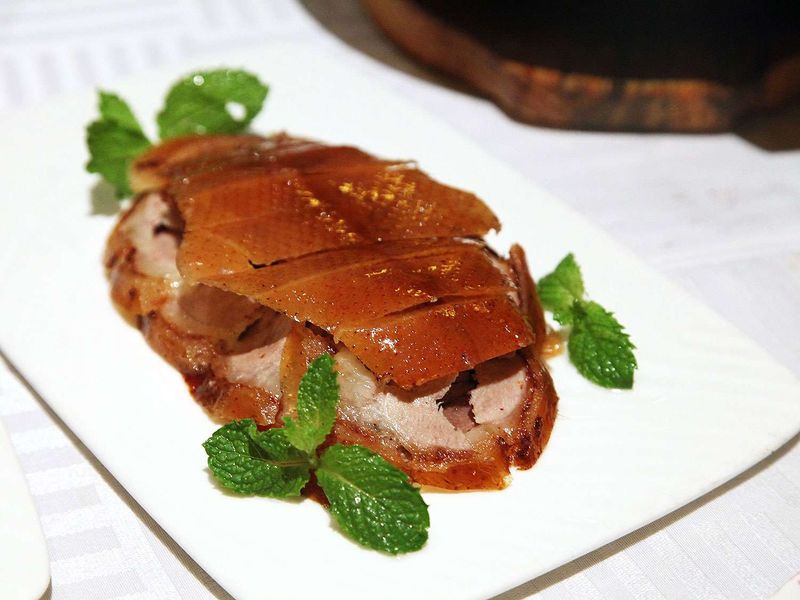
Watching a chef carve Peking duck is like watching a show. In Beijing, cooks slice the shiny, crispy skin right at your table.
This dish dates back hundreds of years to the emperors’ kitchens. The duck is air-dried and roasted until the skin crackles.
To eat it, wrap slices in a thin pancake with cucumber, green onion, and sweet hoisin sauce. Roll it up like a tiny burrito.
9. Pad Thai From Thailand
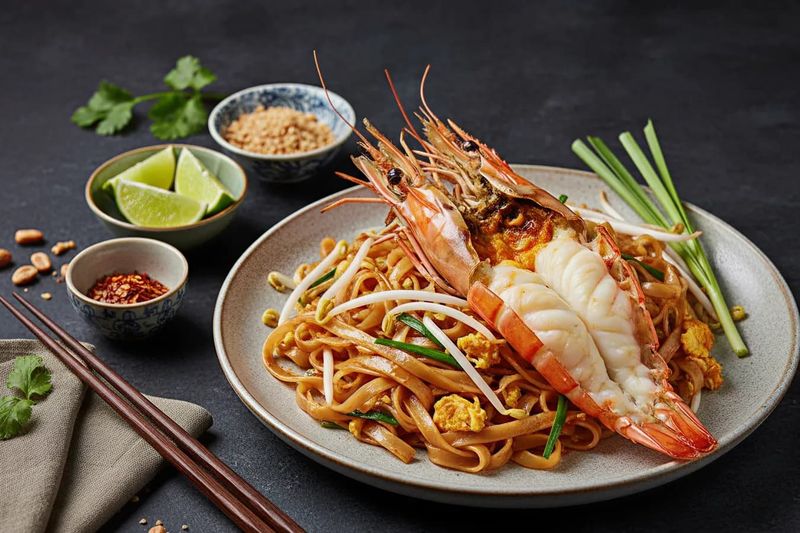
Sweet, sour, salty, and a little nutty all at once. Pad Thai hits every flavor in one plate.
Street cooks in Bangkok toss rice noodles in a hot wok with eggs, tamarind sauce, tofu or shrimp, and crushed peanuts. It takes only minutes.
In the 1930s and 1940s, the Thai government promoted this dish to build national pride. Today, a plate from a street cart often costs just a couple of dollars.
10. Moussaka From Greece
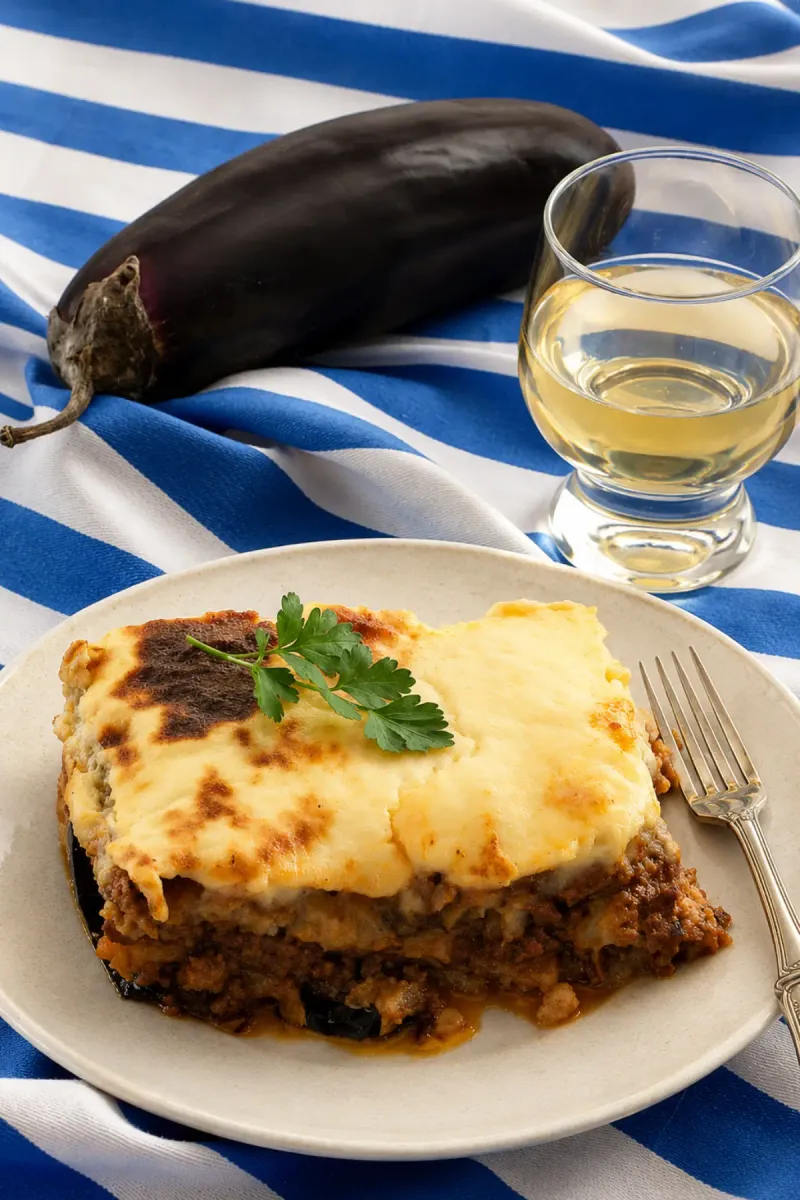
Think of moussaka as a Greek cousin of lasagna. Instead of pasta, it uses layers of soft eggplant.
Between those layers sits ground meat cooked with tomato and cinnamon. A thick, creamy topping called bechamel bakes into a golden crust.
Greek families often make a big pan for Sunday lunch. Give it a few minutes to cool before cutting, or the layers will slide apart into a delicious mess.
11. Poutine From Canada
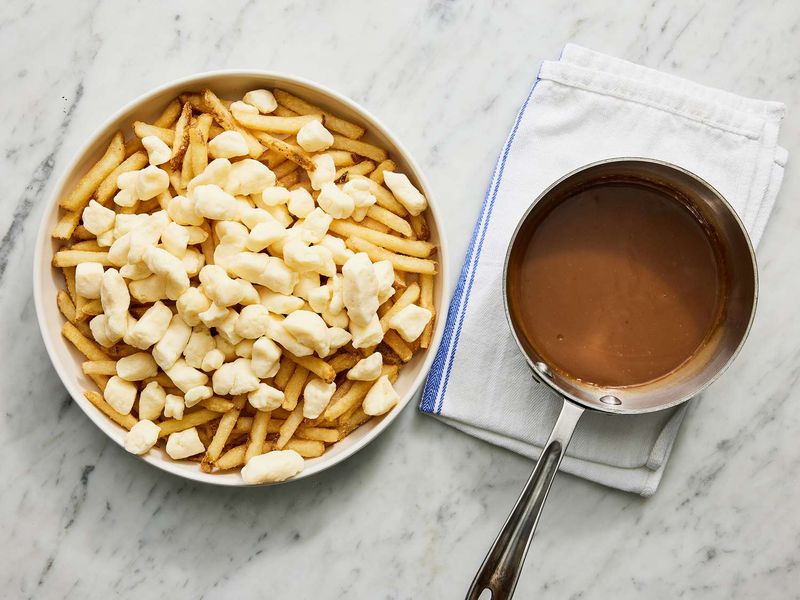
Fries, gravy, and squeaky cheese. Sounds silly, right?
Canadians from Quebec would happily prove you wrong.
Poutine appeared in the 1950s in small Quebec diners. The secret is fresh cheese curds, which actually squeak against your teeth when you chew.
Hot gravy softens the curds just a little without fully melting them. It is heavy, messy, and comforting, especially after a cold winter day of sledding or skating.
12. Jollof Rice From West Africa
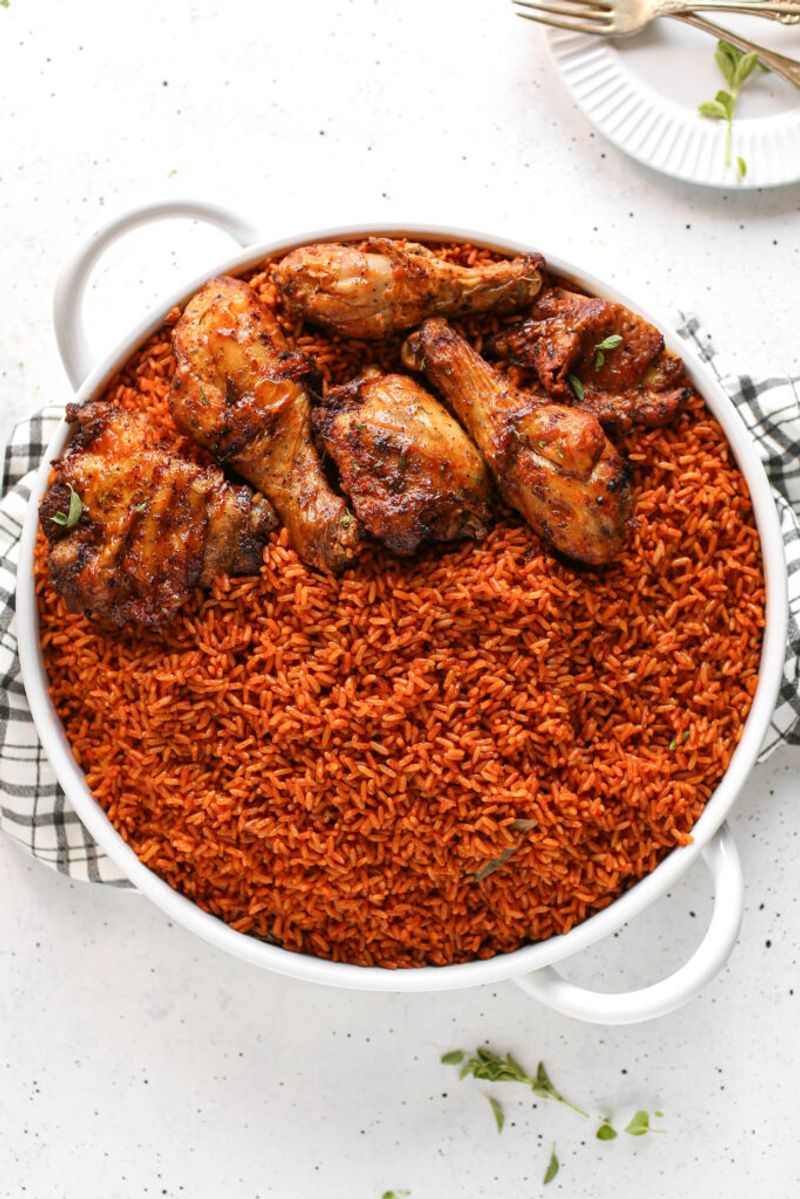
Few dishes start friendly arguments like jollof rice. Nigeria and Ghana both claim to make the best version, and people debate it online all the time.
The rice cooks in a spicy tomato, pepper, and onion sauce, turning a bright orange-red. Smoky rice from the bottom of the pot is a favorite.
You will find it at almost every West African party. Pair it with fried plantains for a sweet, salty combo.
13. Ramen From Japan
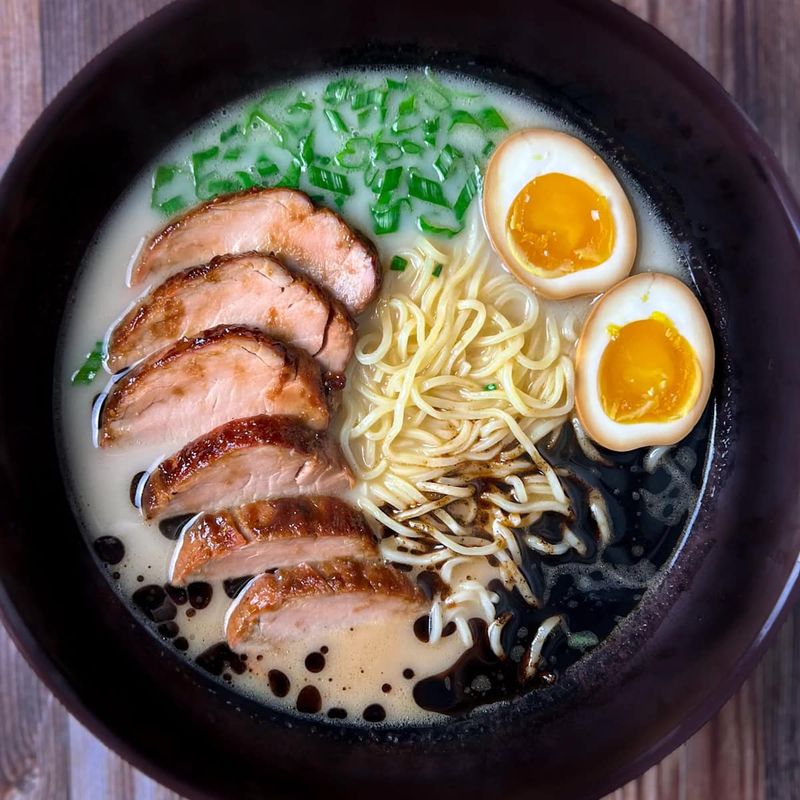
Forget the instant noodles from your pantry. Real ramen in Japan is a whole different world.
Shops may simmer pork bones for twelve hours or more to make creamy tonkotsu broth. Toppings include tender pork, a soft egg, and seaweed.
Slurping loudly is totally polite there. It cools the noodles and shows you love the meal.
Some shops even let you order by vending machine before you sit down.
14. Ceviche From Peru
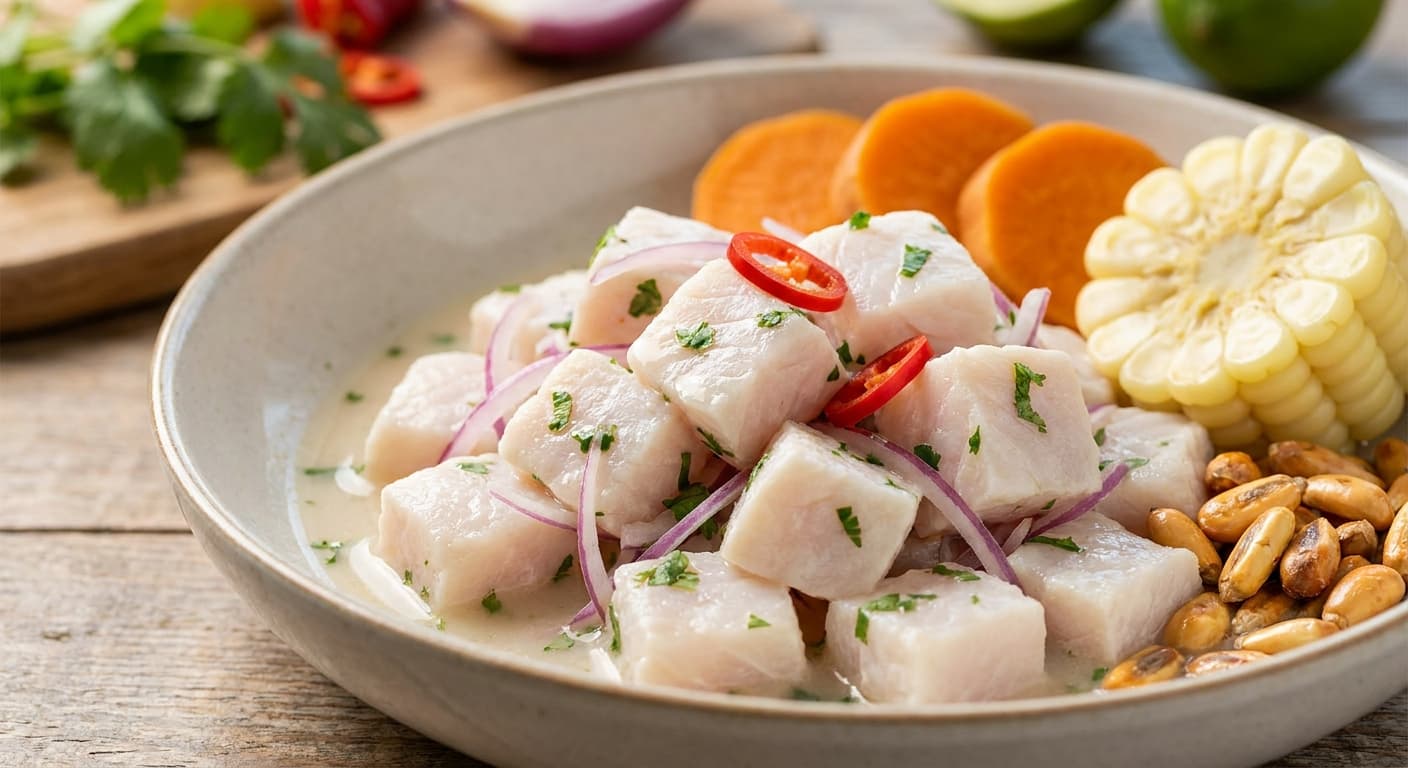
Can fish be cooked without heat? In Peru, lime juice does the job.
Fresh raw fish soaks in lime with red onion, chili, and cilantro. The acid firms up the fish and turns it white, almost like cooking.
Peruvians usually eat ceviche at lunch, when the morning catch is freshest. It comes with sweet potato and big corn kernels.
Sip the leftover juice, called tiger’s milk, if you feel brave.
15. Bibimbap From South Korea
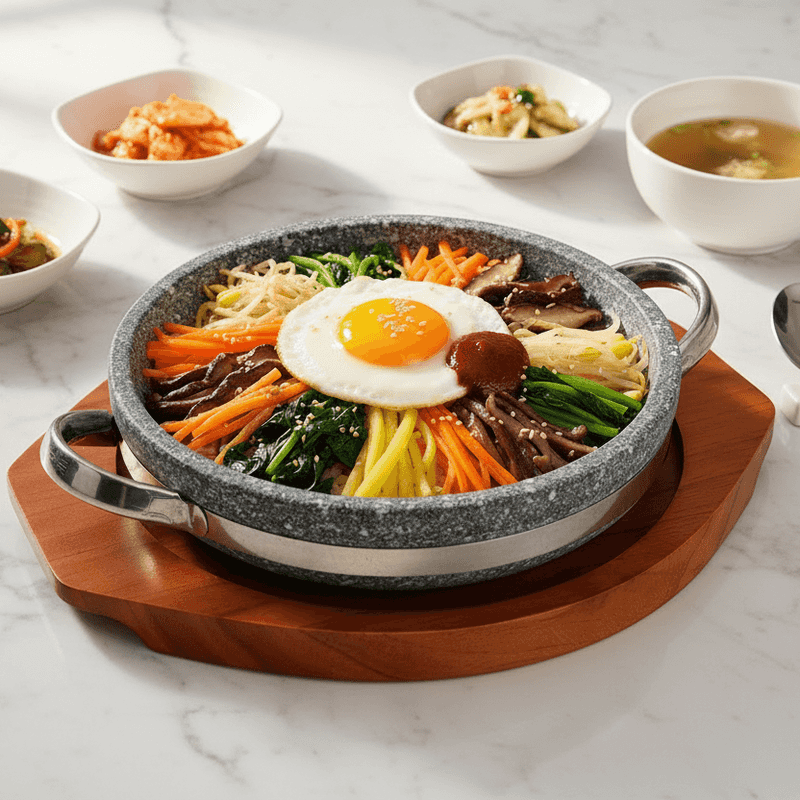
A rainbow in a bowl is the easiest way to describe bibimbap. Its name simply means mixed rice in Korean.
Rice sits under neat piles of spinach, carrots, mushrooms, beef, and a fried egg. A spoonful of red chili paste called gochujang ties everything together.
Order it in a hot stone bowl if you can. The rice crisps up on the sides.
Stir it all quickly before eating.
16. Fish and Chips From England
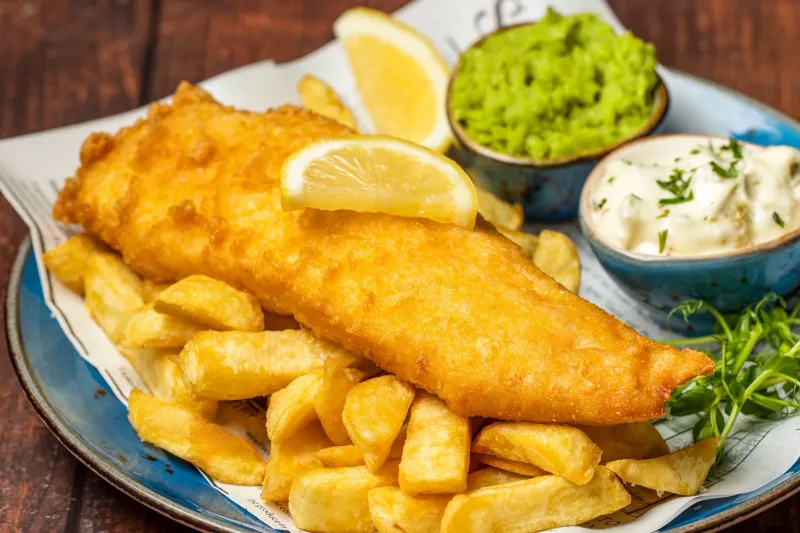
Seagulls squawking, waves crashing, and a paper parcel of hot food in your hands. That is the classic English seaside experience.
White fish like cod gets dipped in batter and fried until crunchy. Thick-cut chips, which Americans call fries, come alongside.
During World War II, fish and chips were one of the few foods not rationed. Try them with a splash of malt vinegar and a side of mushy peas.
17. Feijoada From Brazil
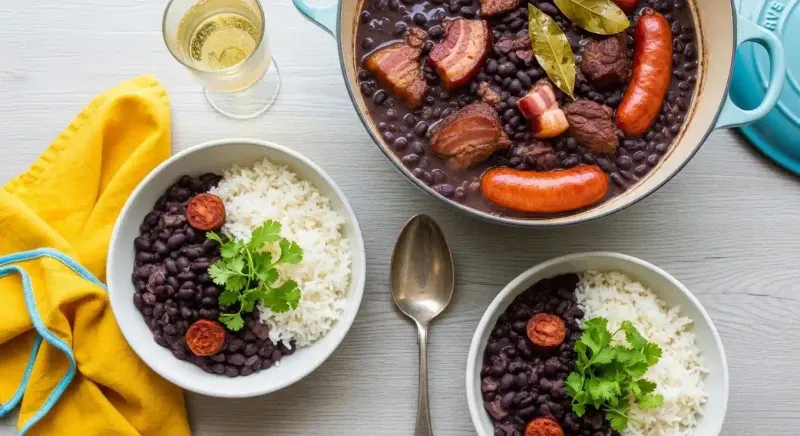
Saturday afternoons in Rio often mean one thing: a long, lazy feijoada lunch with friends and family.
This hearty stew mixes black beans with different cuts of pork and sausage. It cooks slowly until thick and rich.
Brazilians serve it with white rice, garlicky greens, toasted cassava flour called farofa, and orange slices. The oranges help cut through the heavy flavors, so do not skip them.
18. Falafel From the Middle East
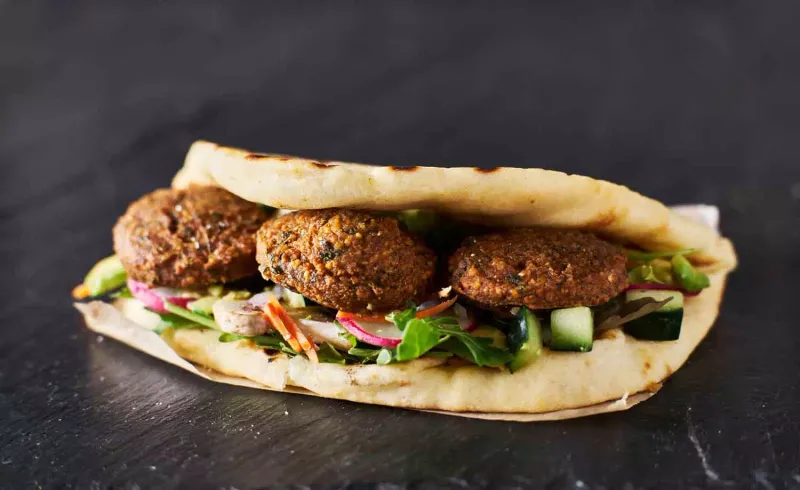
Crunchy on the outside and bright green inside, falafel is street food that happens to be vegetarian.
Cooks grind chickpeas or fava beans with herbs, onion, and spices. Then they shape small balls and fry them until golden.
Countries like Egypt, Lebanon, and Israel all have their own style. Stuff a few into pita bread with tahini sauce, pickles, and salad for a filling meal you can eat walking.
19. Pierogi From Poland
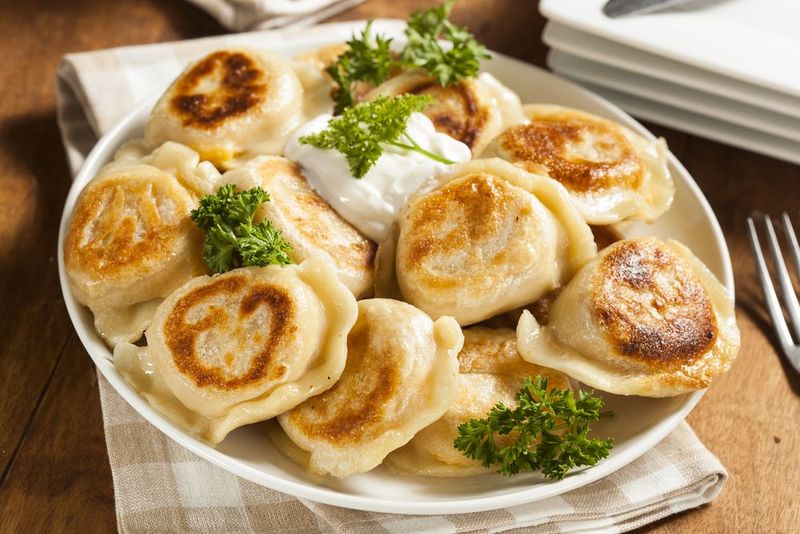
Grandmothers in Poland often gather the whole family around the kitchen table to pinch hundreds of pierogi by hand.
These soft dumplings hold fillings like potato and cheese, sauerkraut, meat, or even sweet berries. They are boiled, then sometimes fried in butter.
Top savory ones with crispy onions and sour cream. Krakow even hosts a yearly pierogi festival where you can sample dozens of flavors in one afternoon.
20. Goulash From Hungary
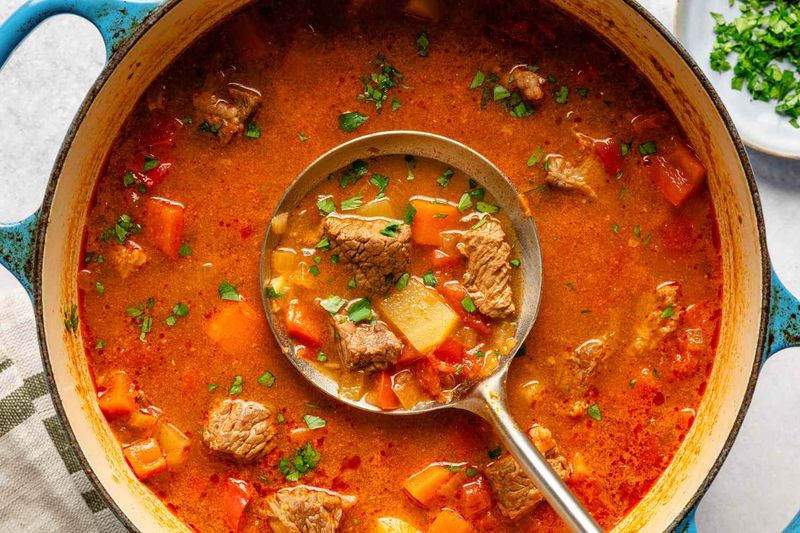
Long ago, Hungarian cattle herders cooked stew in big kettles over open fires. That simple meal became goulash.
Beef, onions, potatoes, and lots of sweet paprika give it a deep red color. In Hungary, it is more of a soup than the thick stew many Americans know.
Pair it with crusty bread for dunking. On a chilly evening in Budapest, few things warm you up faster than a steaming bowl.
21. Bunny Chow From South Africa
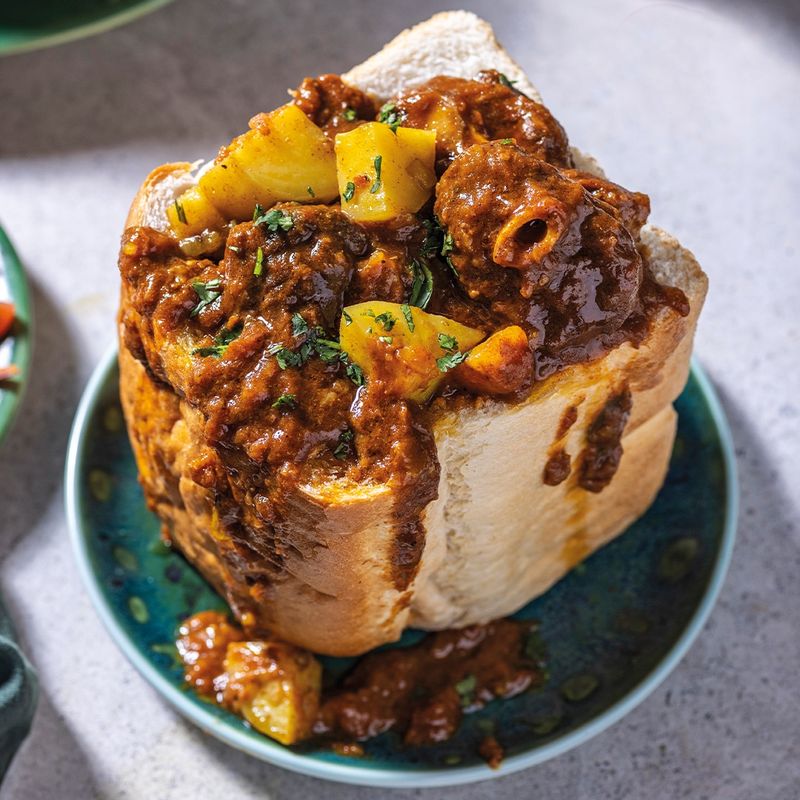
No rabbits here, promise! Bunny chow is a hollowed-out loaf of bread filled with spicy curry.
It comes from Durban, South Africa, home to a large Indian community. Workers needed a meal they could carry, so the bread became a bowl you can eat.
Use the scooped-out piece of bread, called the virgin, to mop up sauce. Skip the fork and use your hands, like locals do.
22. Baklava From Turkey
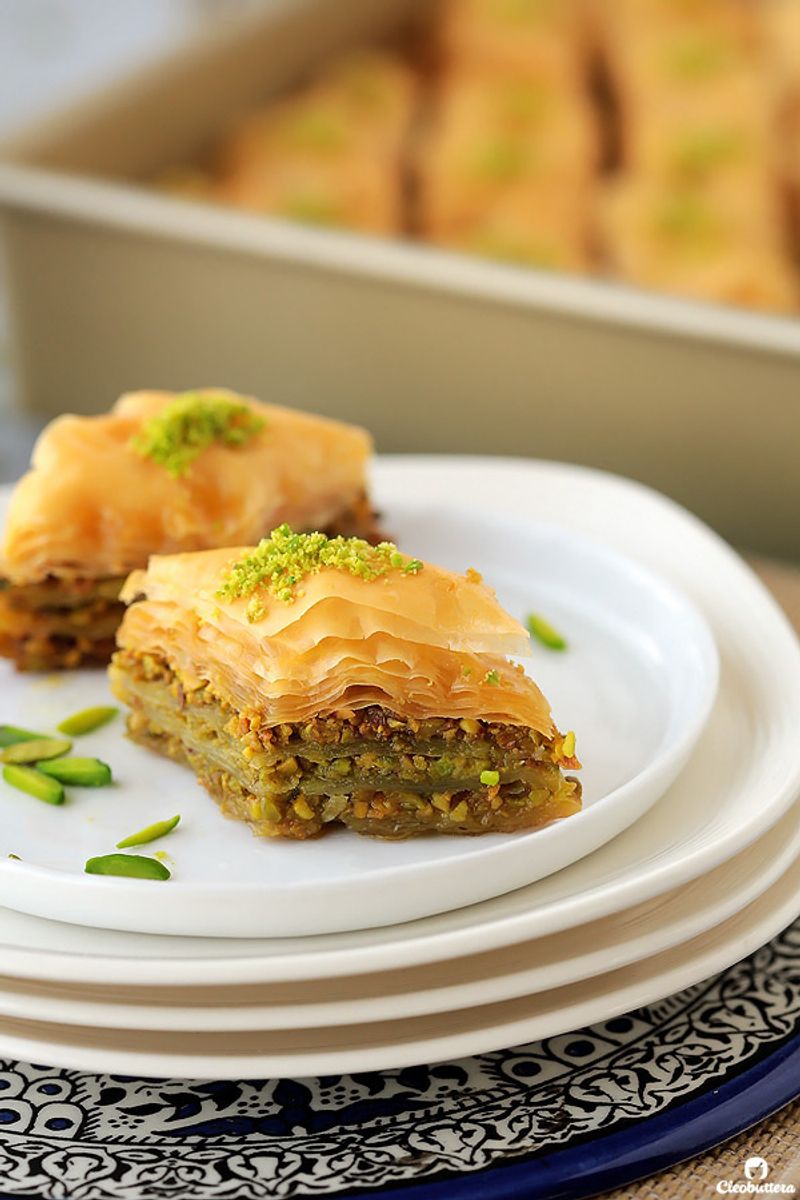
Sticky fingers are guaranteed. Baklava is a sweet treat made from paper-thin layers of dough, chopped nuts, and syrup.
Turkish bakers in cities like Gaziantep are famous for pistachio baklava. Some use forty layers of dough in one tray.
Each piece is small, but it is rich, so one or two will satisfy your sweet tooth. Enjoy it with a glass of Turkish tea to balance the sugary crunch.
23. Pavlova From Australia and New Zealand
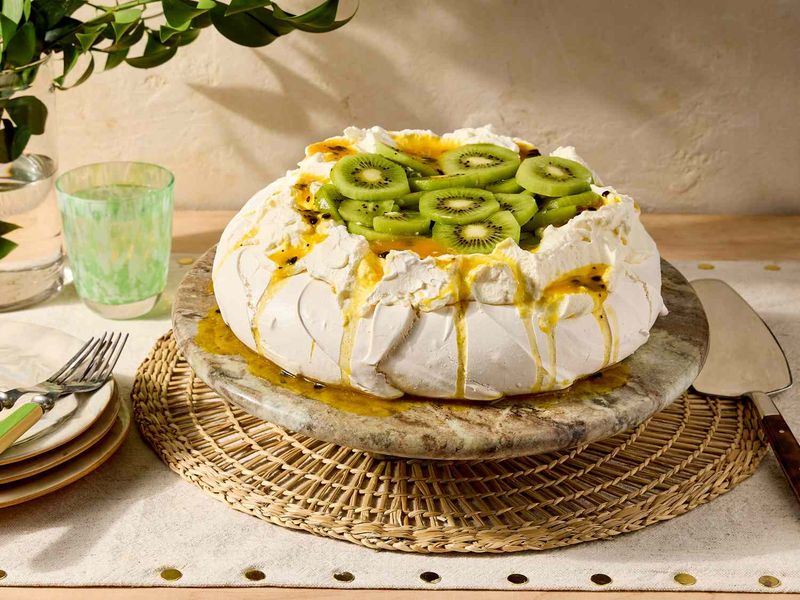
Australia and New Zealand have argued for decades about who invented pavlova. Both agree it is delicious.
The dessert was named after Russian ballerina Anna Pavlova, who toured both countries in the 1920s. Its light shape is said to look like her tutu.
A crisp meringue shell hides a soft, marshmallow middle. Piled with whipped cream and kiwi, strawberries, or passionfruit, it is a favorite at holiday gatherings.