
Some of the foods on your plate today were also eaten by kings, farmers, and travelers hundreds of years ago. These recipes lasted because they tasted great, used simple ingredients, and brought families together.
Learning about them is like opening a delicious time capsule. Get ready to meet the meals that refused to fade away.
1. Pizza From the Streets of Naples

Long before delivery apps, poor families in 1700s Naples bought cheap flatbreads topped with tomatoes from street sellers. Rich visitors thought it was peasant food.
Legend says the Margherita was named in 1889 for Queen Margherita, using red, white, and green to match the Italian flag.
Want the real deal at home? Use a very hot oven, a thin crust, and just a few fresh toppings.
Less really is more here.
2. Hummus, the Ancient Chickpea Spread
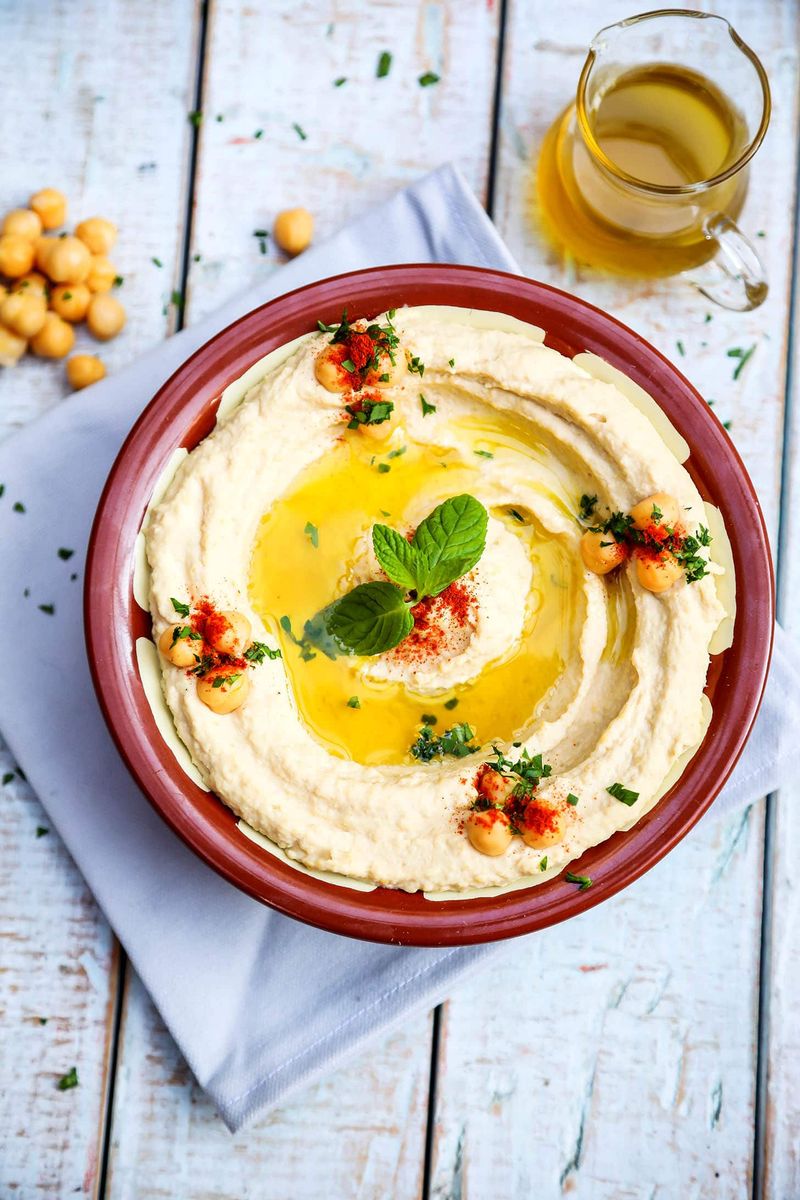
Chickpeas were grown in the Middle East over 7,000 years ago, making them one of the oldest crops people farmed.
The creamy dip we love mixes mashed chickpeas, tahini, lemon, and garlic. Written recipes appear in Cairo cookbooks from the 1200s.
Here is a handy tip: peel the chickpea skins for a super smooth texture. It takes a few minutes, but your dip will taste restaurant fancy.
3. Dumplings That Warmed Chinese Winters
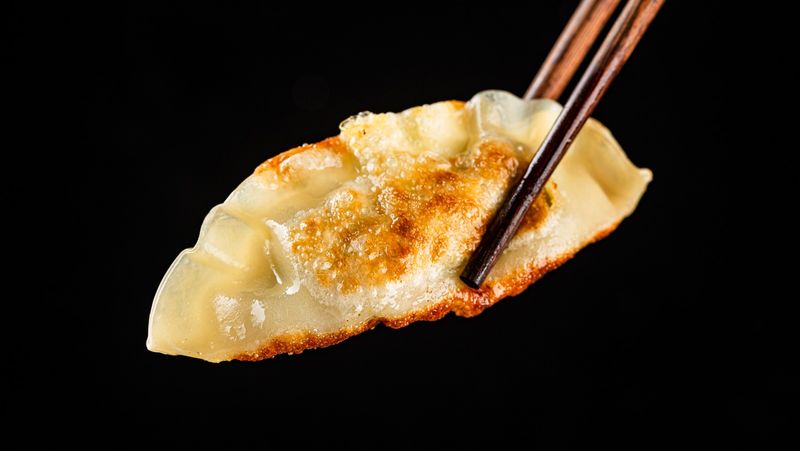
A kind doctor named Zhang Zhongjing is said to have invented jiaozi about 1,800 years ago. He wrapped warming herbs and meat in dough to help villagers with frostbitten ears.
Today, families in China fold dumplings together on Lunar New Year. Some shapes even look like old gold coins, meant to bring good luck.
Try making them with friends. Folding is half the fun, and messy ones still taste amazing.
4. Haggis, Scotland’s Bold Pudding
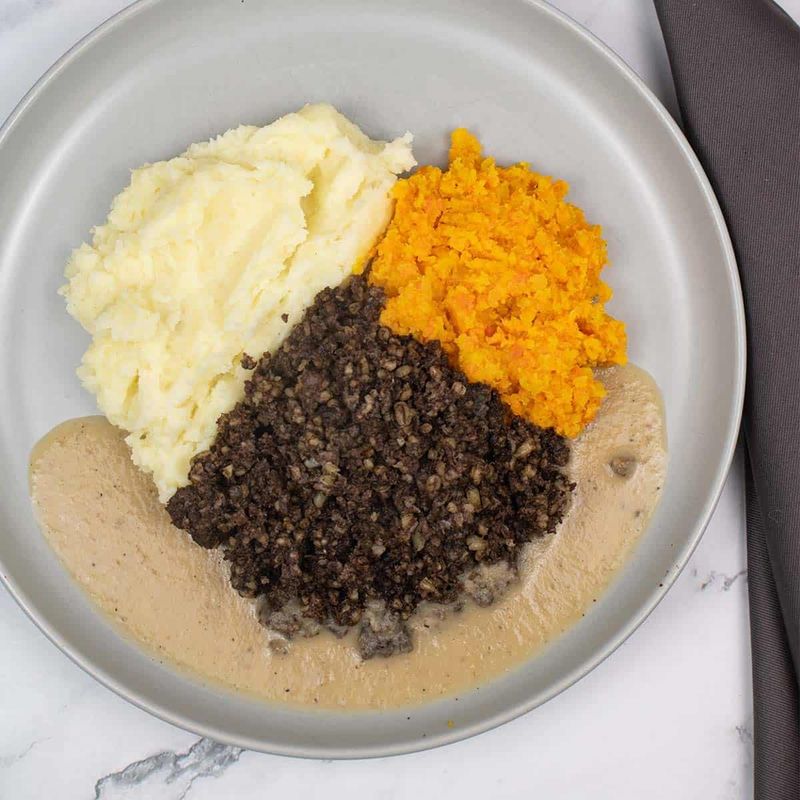
Brave eaters only! Haggis is made from sheep heart, liver, and lungs mixed with oats, onions, and spices, then cooked inside a casing.
Hunters and farmers made it centuries ago so no part of the animal went to waste. Poet Robert Burns even wrote a famous poem praising it.
Every January 25, Scots celebrate Burns Night with haggis, mashed turnips, and potatoes. The taste is peppery, nutty, and surprisingly cozy.
5. Paella From Valencia’s Rice Fields
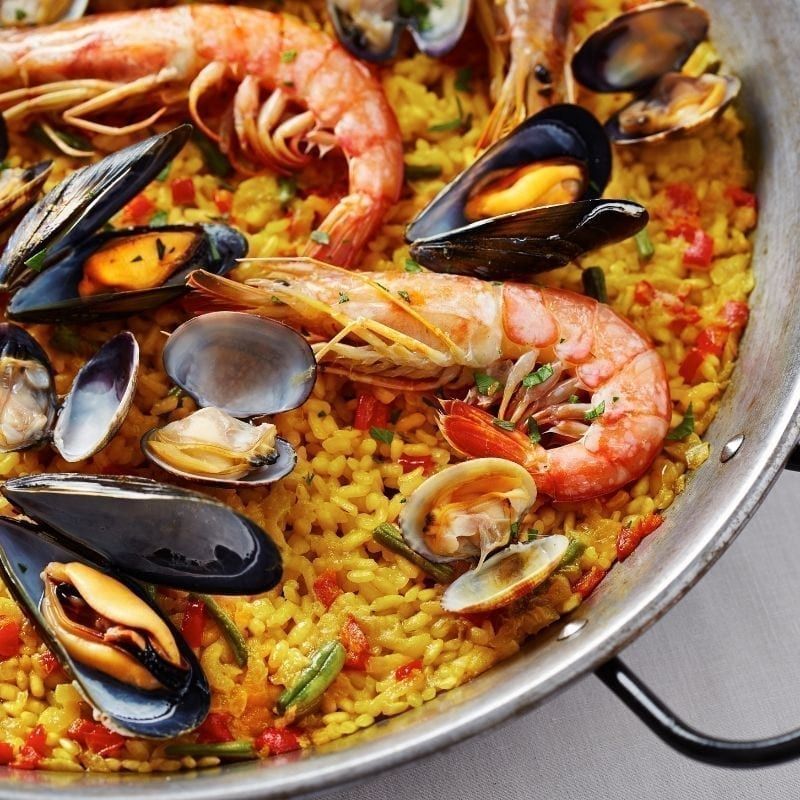
Picture farm workers in 1800s Valencia cooking rice over an open fire with whatever they found nearby, like rabbit, snails, and beans.
That humble lunch became Spain’s most famous dish. The wide, flat pan gives it its name, since paella means pan in the local language.
Secret goal for cooks? The crispy, toasted layer at the bottom called socarrat.
Locals fight over it, so grab your spoon quickly.
6. Tamales, a Gift From the Aztecs
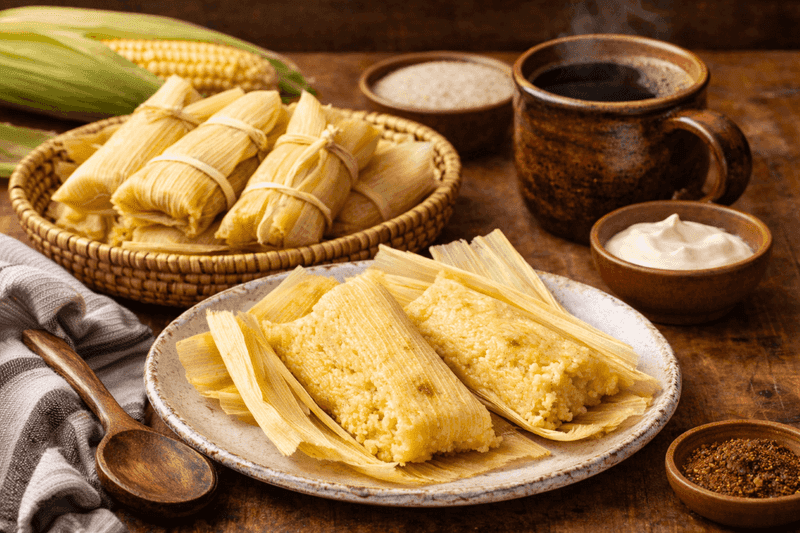
Aztec and Maya warriors carried tamales into battle as early as 8000 BC. Wrapped in corn husks, they made the perfect portable snack.
Corn dough called masa gets stuffed with meats, cheese, or chiles, then steamed until soft.
In many Mexican families, making tamales is a holiday party called a tamalada. Grandmas, cousins, and kids line up like a factory.
Join one if invited; you will learn plenty.
7. Sushi’s Fishy Beginnings
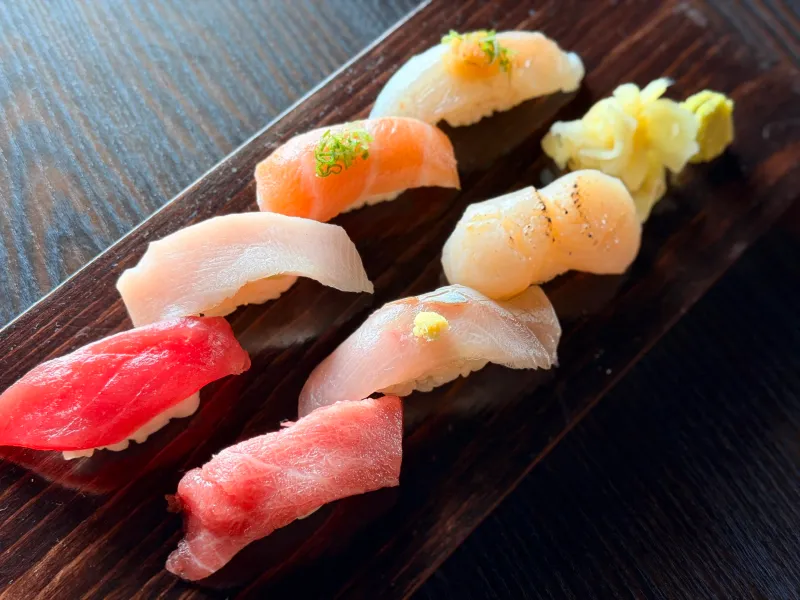
Here is a surprise: the first sushi was not fresh at all. Around the 700s, people packed fish in rice to preserve it, and threw the sour rice away.
By the 1800s, Tokyo street stands sold quick bites of fresh fish on vinegar rice. Fast food, Edo style!
Newbie tip: dip the fish side, not the rice, into soy sauce. Your sushi stays together and tastes better.
8. Borscht, Eastern Europe’s Ruby Soup
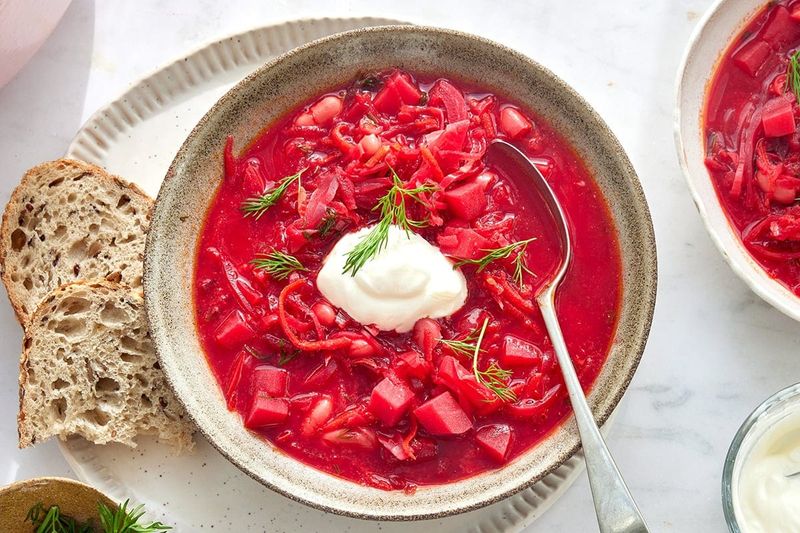
Its color alone could stop traffic. Borscht gets its bright red glow from beets, simmered with cabbage, carrots, and sometimes meat.
Ukrainians have cooked it for centuries, and in 2022 UNESCO recognized Ukrainian borscht culture as heritage needing protection.
Every family swears their version is best. Serve it hot with sour cream and garlic bread, or chilled in summer.
Beets are also packed with vitamins, so it is healthy too.
9. Curry Across the Indian Subcontinent
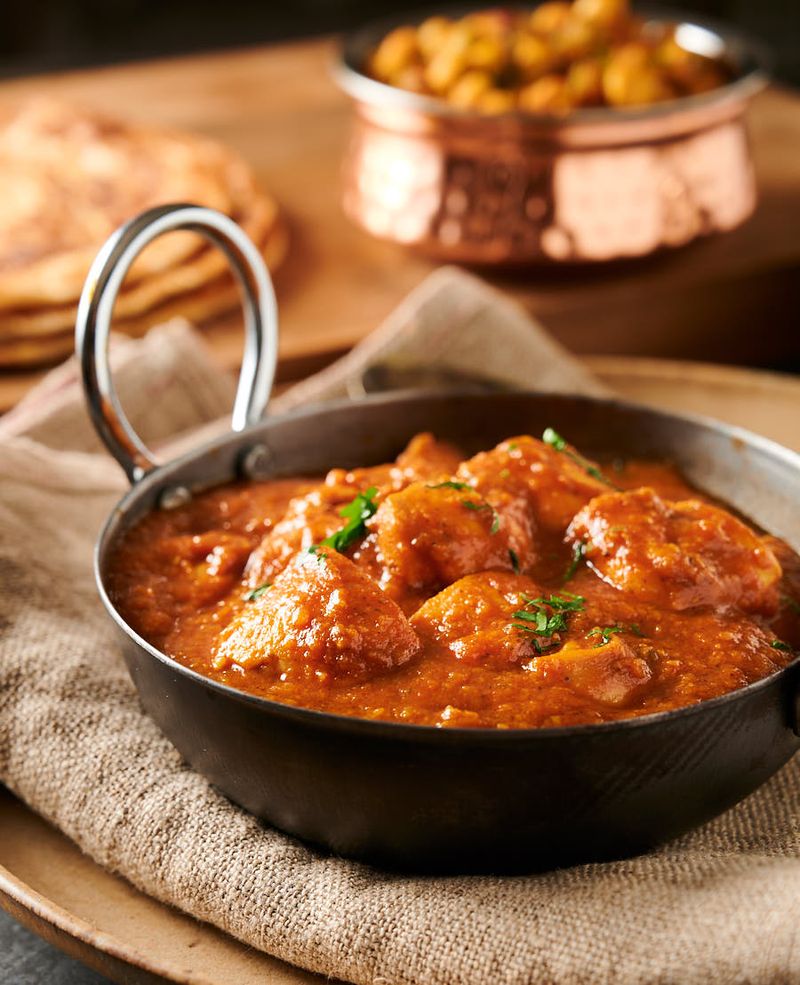
Scientists found traces of turmeric and ginger in 4,500-year-old cooking pots from the Indus Valley. That makes curry one of the oldest flavors around.
Spices, sauces, and slow cooking turned simple vegetables and lentils into something magical. Each region in India has its own style.
Starting out? Toast your spices in oil first.
This small step wakes up their smell and gives your curry far deeper flavor.
10. Pho, Vietnam’s Comforting Bowl
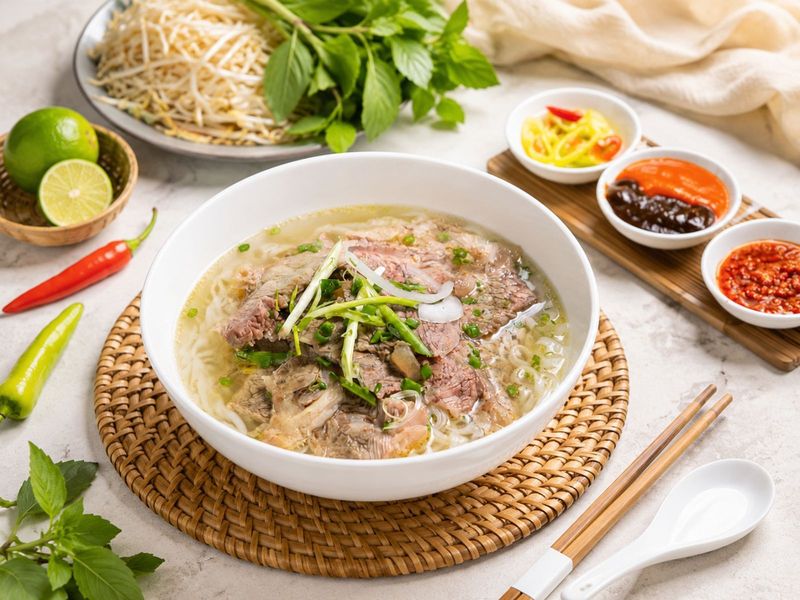
Early mornings in Hanoi smell like simmering beef bones, star anise, and cinnamon. Pho began in northern Vietnam around the early 1900s and spread worldwide.
Cooks boil the broth for many hours to pull out rich flavor. Thin rice noodles and fresh herbs finish it off.
Breakfast soup might sound odd, yet millions start their day this way. Add lime, basil, and chili to make each bowl yours.
11. Cassoulet, a French Bean Feast
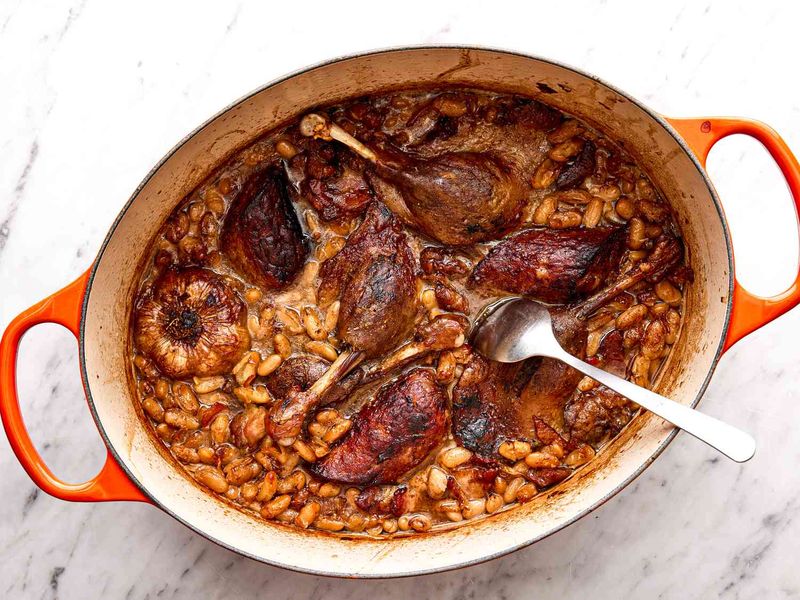
According to local legend, townspeople in Castelnaudary pooled their beans and meat during a siege in the 1300s, creating a giant stew to feed soldiers.
Cassoulet mixes white beans, sausage, pork, and duck, slowly baked in a clay pot called a cassole.
Patience is the key ingredient. Some cooks take three days to make it.
Save it for a chilly weekend when everyone is home to share.
12. Injera With Ethiopian Stews
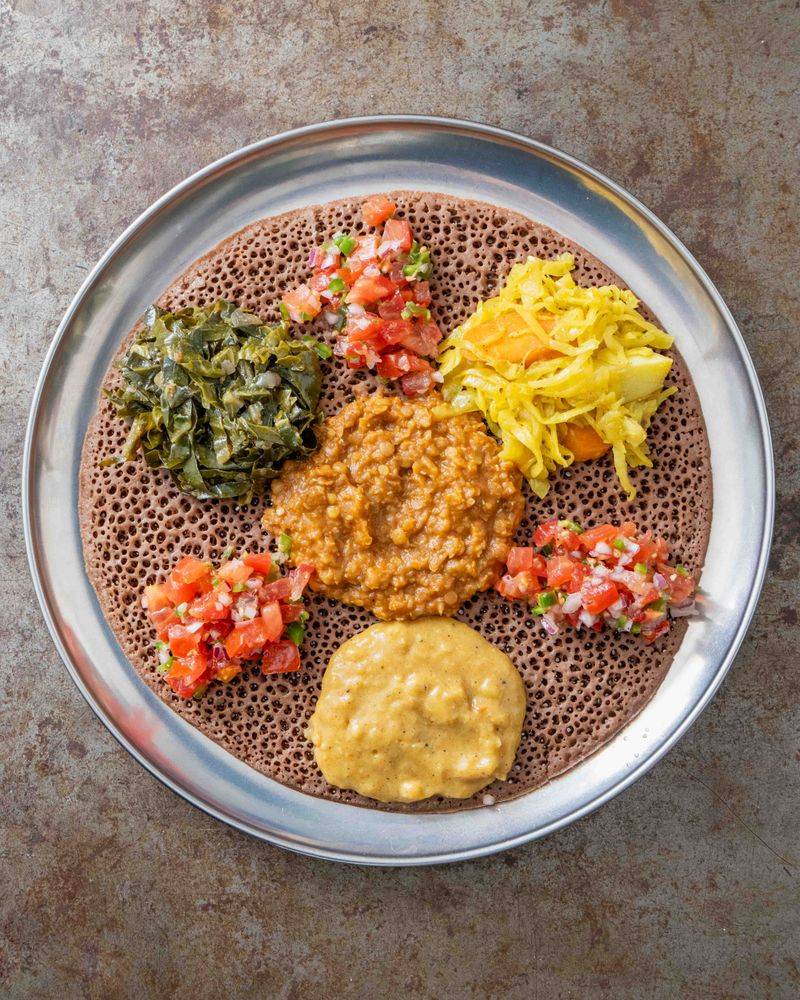
No forks needed! Ethiopians tear off pieces of spongy injera and use them to scoop up spicy stews.
The bread is made from teff, a tiny grain grown in Ethiopia for thousands of years. It ferments for days, giving a tangy, sour taste.
Eating from one shared plate shows friendship. Sometimes people even feed each other a bite, a sweet gesture called gursha.
Try it with someone you love.
13. Goulash From Hungarian Herdsmen
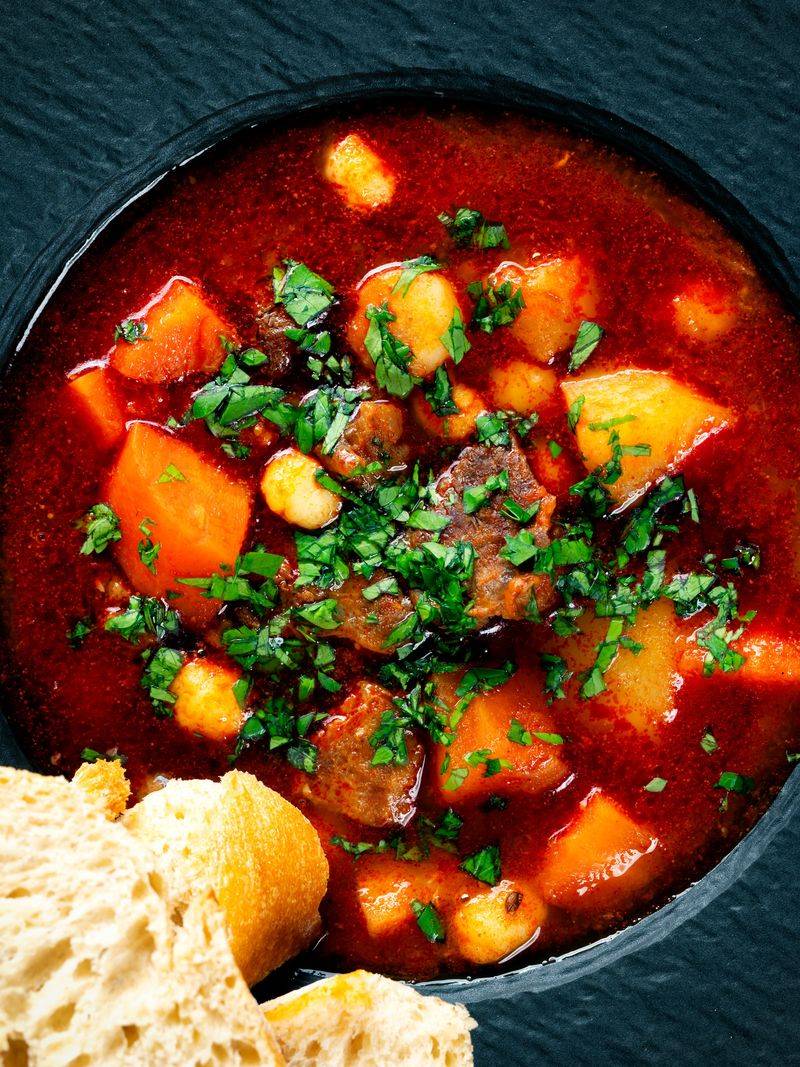
Cattle herders on the Hungarian plains in the 800s cooked beef stew in iron kettles over campfires. Gulyás actually means herdsman.
Paprika arrived later, in the 1500s, and gave the dish its famous red color and smoky kick.
Real Hungarian goulash is more like a soup than a thick stew. Pair it with crusty bread, and you have a meal fit for a hungry cowboy.
14. Fish and Chips, Britain’s Favorite Wrap
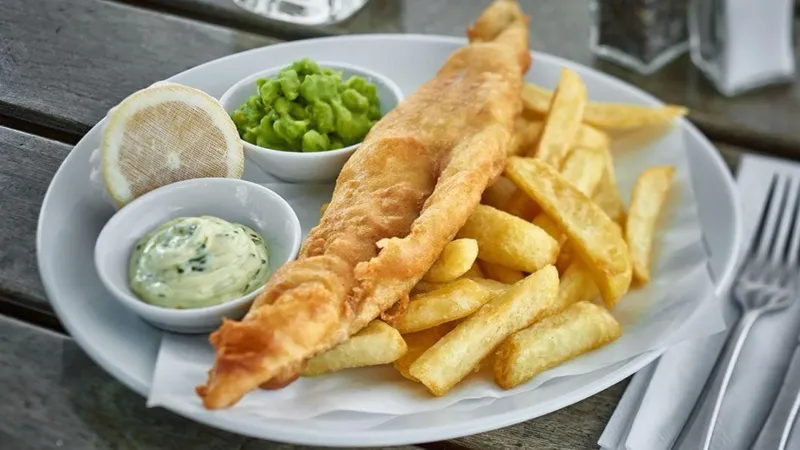
Did you know fried fish came to England with Jewish immigrants from Portugal and Spain? Combined with chips, it hit London around the 1860s.
During World War II, fish and chips was one of the few foods never rationed, keeping spirits high.
For the classic experience, eat it from paper by the sea. Sprinkle salt and malt vinegar, then watch out for sneaky seagulls hoping for a bite.
15. Pierogi, Poland’s Pocket Treasures
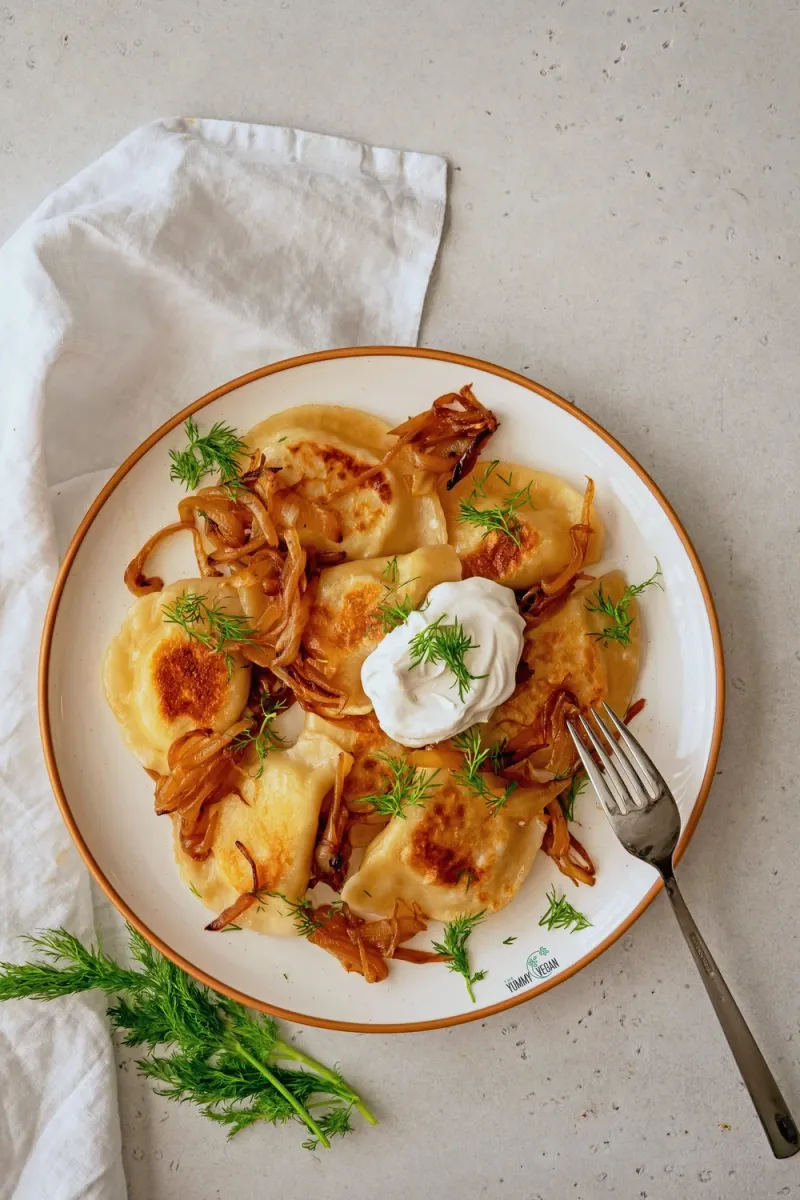
Grandmothers across Poland have pinched pierogi edges shut for at least 800 years. These half-moon dumplings hold potatoes, cheese, cabbage, or even sweet berries.
One old story says a saint named Hyacinth fed hungry people with pierogi during a famine.
Boil them first, then fry in butter with onions for a crispy finish. Make a big batch and freeze extras.
Future you will be very thankful.
16. Kimchi, Korea’s Fermented Superstar
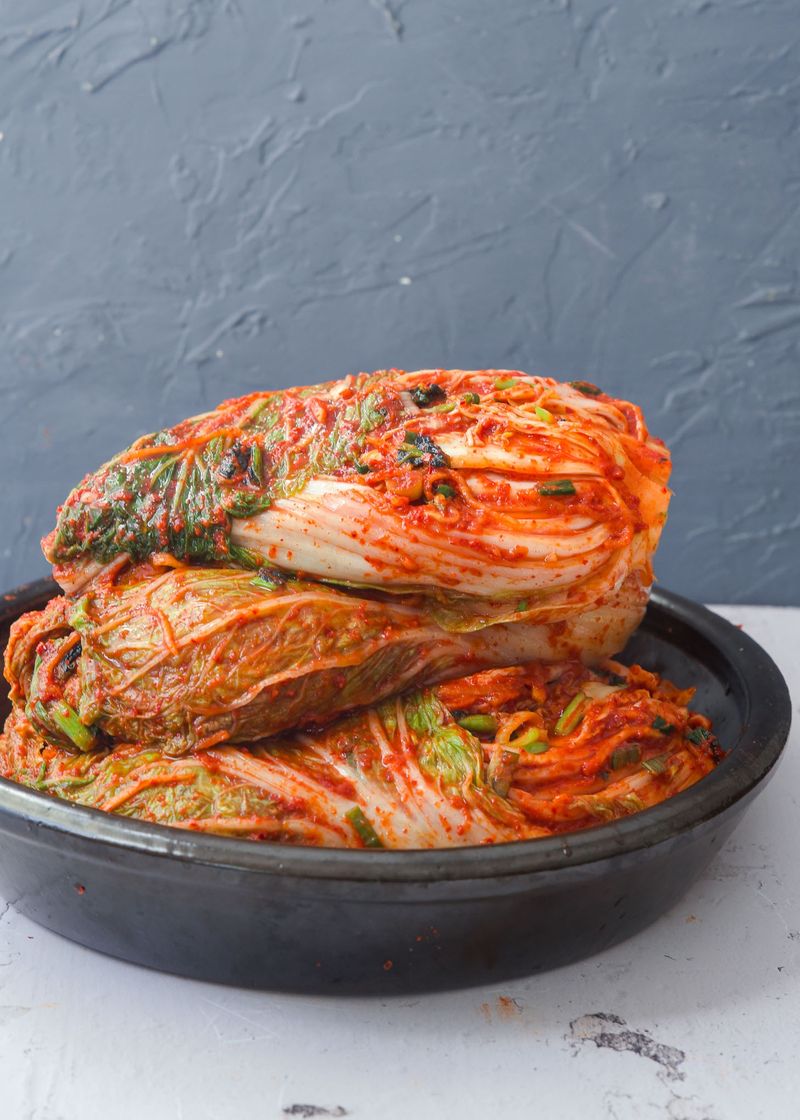
Spicy, sour, and crunchy all at once, kimchi has been a Korean staple for over 2,000 years. Early versions were just salted vegetables stored for winter.
Chili peppers joined the recipe in the 1600s. Families still gather each autumn for kimjang, making huge batches together.
Bonus: fermenting creates good bacteria that help your stomach. Start with a little on rice if you are new to the heat.
17. Falafel, Crispy Street Food Classic
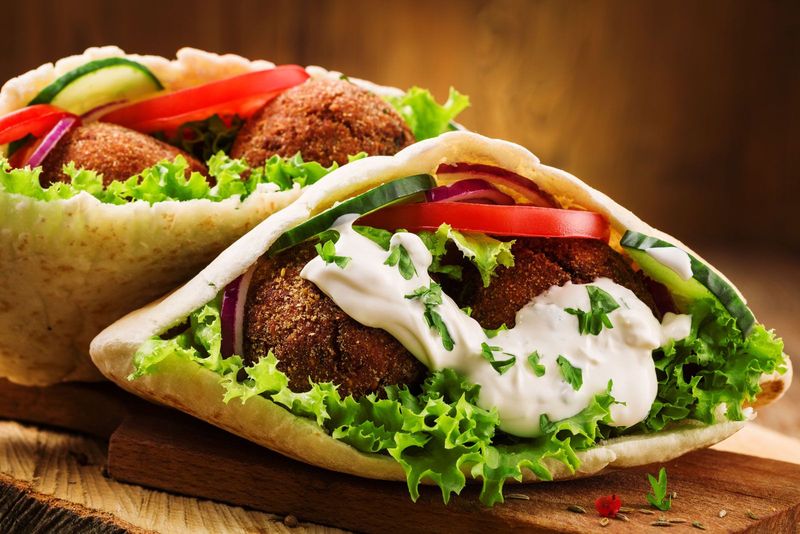
Grab one from a street cart and you are eating history. Many believe Coptic Christians in Egypt created falafel long ago as a meatless meal during fasting.
Egyptians use fava beans, while other countries use chickpeas. Both fry up golden outside and fluffy green inside.
Quick trick: use soaked raw beans, not canned ones. Canned beans make falafel fall apart in hot oil, which is a soggy disappointment.
18. Risotto From Northern Italy
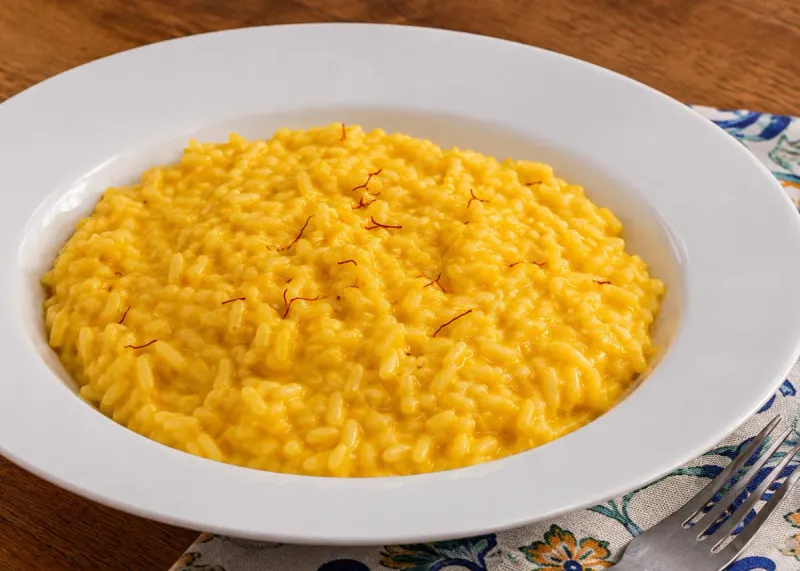
Golden saffron risotto from Milan has a fun legend. In 1574, a glassmaker’s helper supposedly added saffron to rice as a wedding prank, and guests loved it.
Short-grain rice releases starch as you stir, making it creamy without any cream.
Patience pays off here. Add warm broth slowly, one ladle at a time, and keep stirring.
Twenty minutes later, you will have pure Italian comfort.
19. Baklava, Sweet Layers of Empire
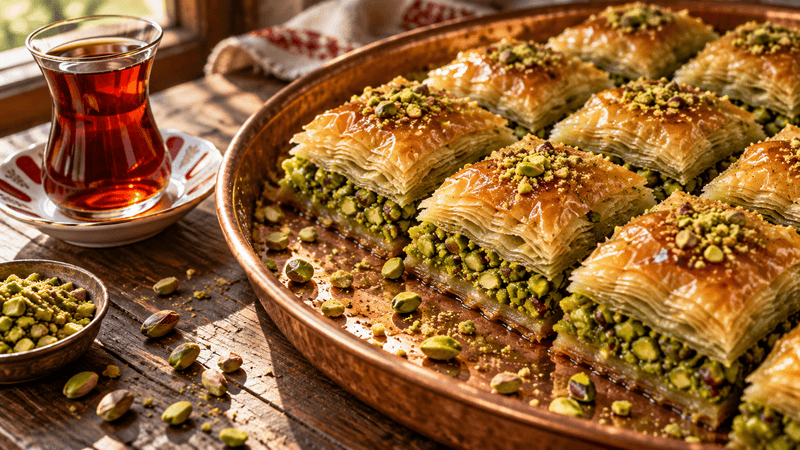
Ottoman sultans in Istanbul’s Topkapi Palace loved baklava so much that they served it to soldiers during a special parade every Ramadan.
Paper-thin layers of dough, chopped nuts, and honey syrup create a crunchy, sticky treat. Bakers in Turkey and Greece both claim it proudly.
A small piece goes a long way because it is very sweet. Enjoy it with strong tea or coffee to balance the sugar.
20. Ceviche, Peru’s Zesty Seafood
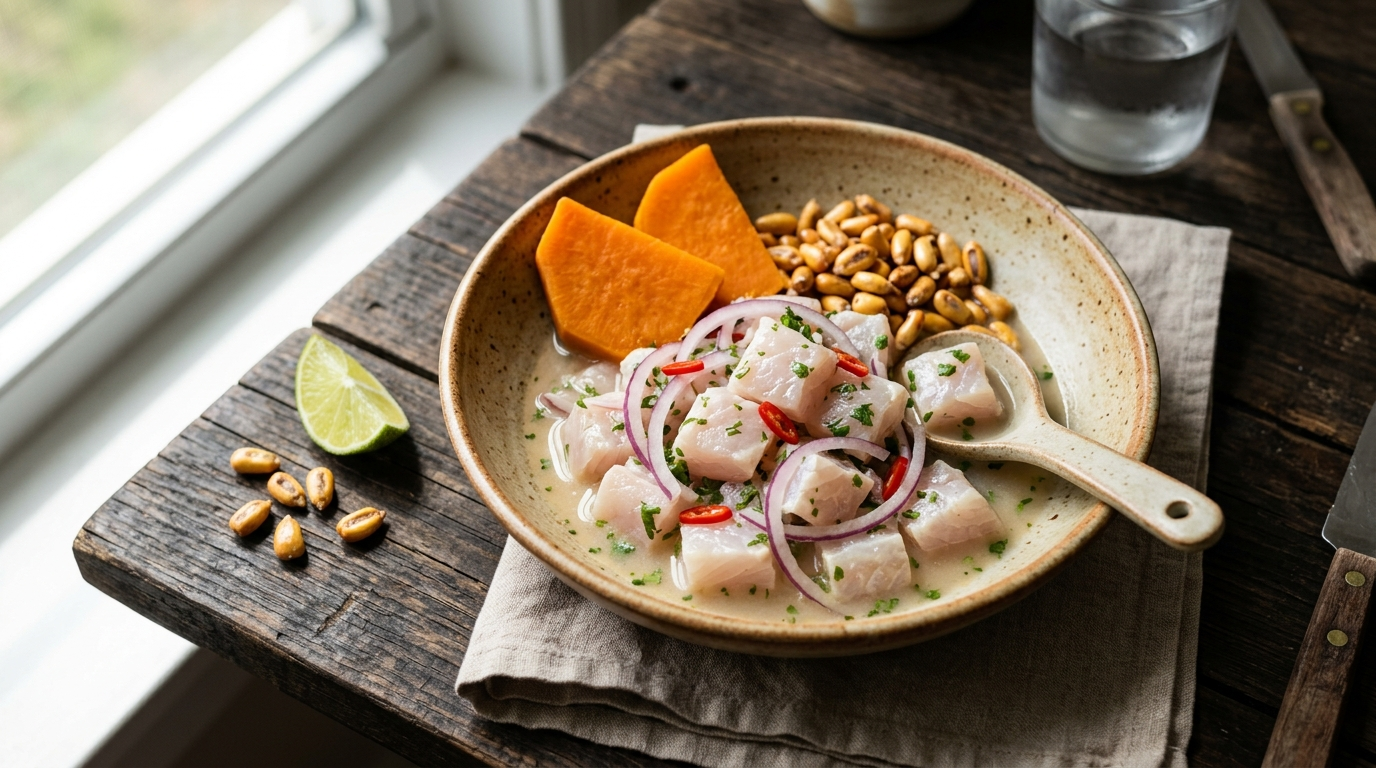
What if you could cook fish without fire? Peruvians have done it for about 2,000 years, letting sour juice firm up raw seafood.
Today, cooks soak fresh fish in lime juice with red onions, chili, and cilantro. Sweet potato and corn come on the side.
The leftover juice even has a nickname, leche de tigre, or tiger’s milk. Locals sip it as a tangy energy boost.
21. Porridge, Humble Bowl of History
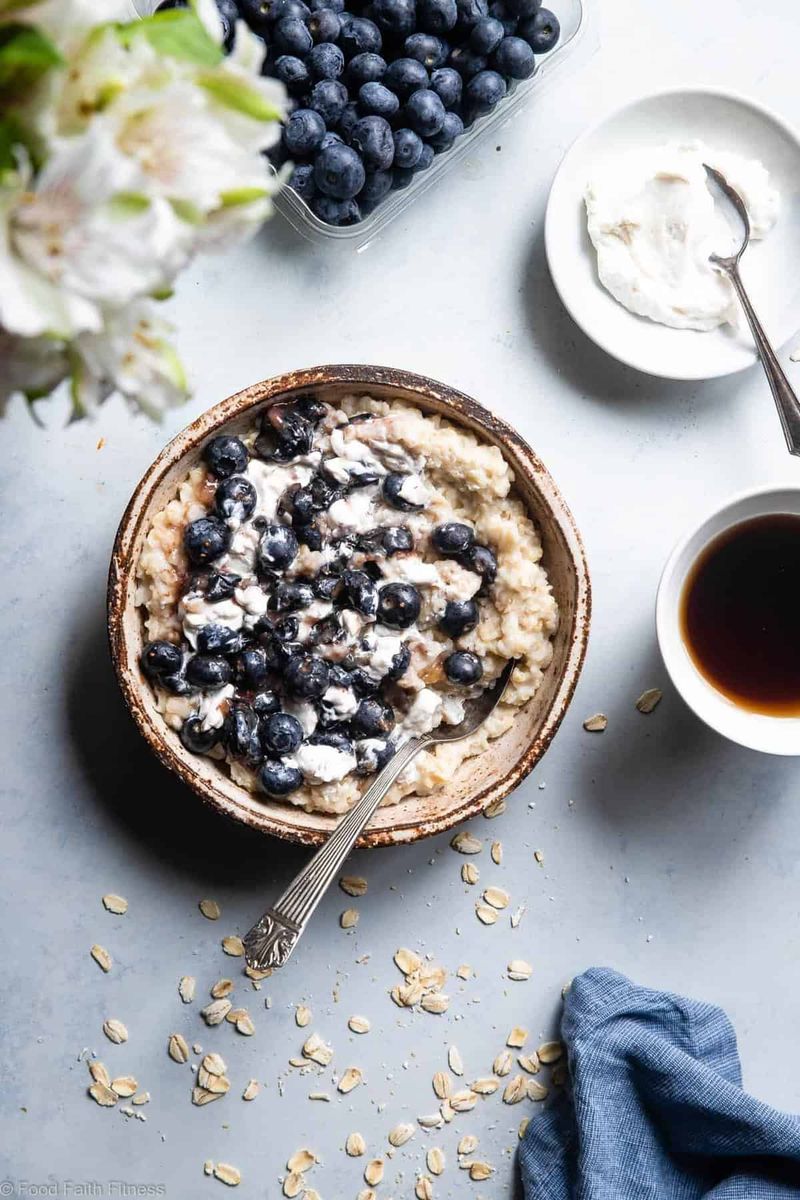
Few meals are as old or as simple. People have boiled grains in water since the Stone Age, and porridge fed farmers, sailors, and soldiers for centuries.
Scotland even holds a World Porridge Making Championship, where winners earn a golden spurtle, a wooden stirring stick.
Make breakfast exciting by adding fruit, nuts, cinnamon, or a spoon of peanut butter. Cheap, filling, and warm, it never goes out of style.