
A few notes can bring back a movie scene, a sports game, or a favorite childhood memory. Yet naming the song behind that moment can be surprisingly hard.
Sometimes the title never appears in the lyrics, and sometimes there are no lyrics at all. Here are the names behind familiar tunes, plus clues to help you remember them.
1. Bitter Sweet Symphony by The Verve
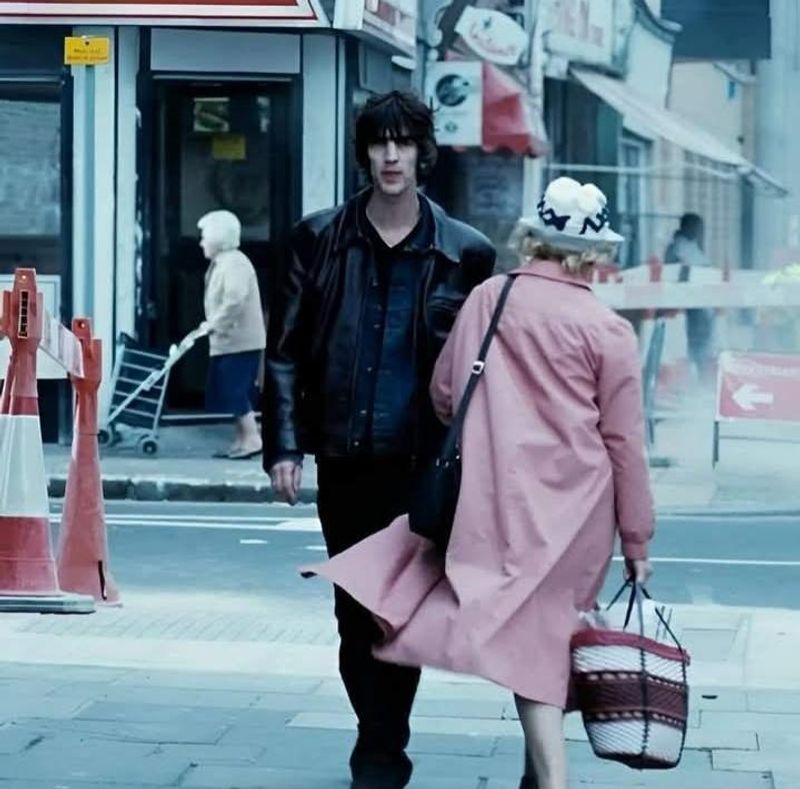
Those sweeping strings can make an ordinary walk feel like a movie scene. Released in 1997, The Verve’s hit builds around an orchestral sample, giving its rock sound a grand, looping backdrop.
The video follows singer Richard Ashcroft walking down a busy street, another strong memory clue. If you remember violins but cannot place the name, search for the opening instrumental.
Pairing that sound with the street scene makes the title much easier to remember later.
2. A Thousand Miles by Vanessa Carlton

One bright piano pattern is often all it takes to bring this tune rushing back. Vanessa Carlton released her breakthrough single in 2002, and its opening remains the easiest part to recognize.
Many listeners also connect it with Terry Crews singing along in White Chicks. The original video offers another clue: Carlton plays a piano that travels through different settings.
Remember the moving piano and the movie moment, and you have two useful paths to identification.
3. Tubthumping by Chumbawamba

Getting knocked down has rarely sounded so cheerful. Chumbawamba’s 1997 hit turns a simple message about getting back up into a chorus that crowds can shout together.
The tricky part is its title, which never serves as the big singalong hook. Tubthumping means loudly expressing opinions or promoting a cause.
Save the song under its real name rather than a remembered lyric, and you will finally have an answer when it starts at a party again.
4. No Rain by Blind Melon
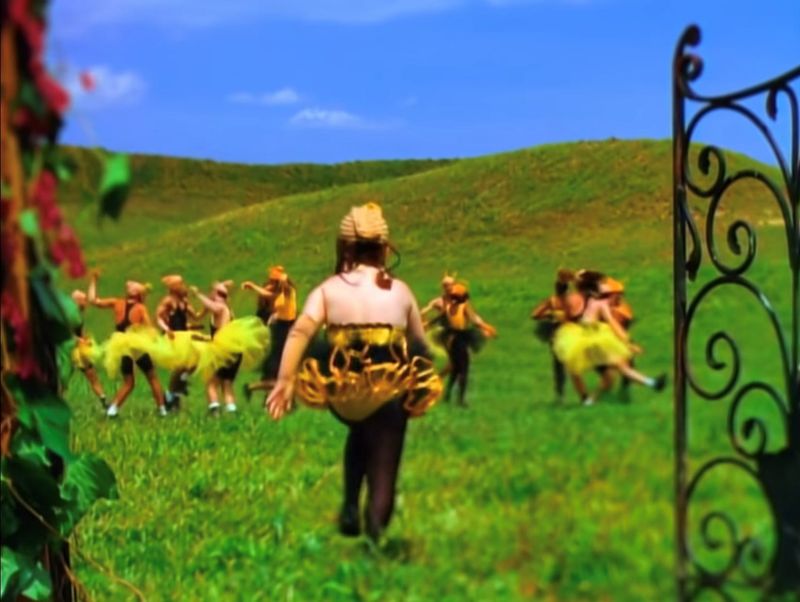
A bee costume may be your strongest clue here. Blind Melon’s familiar hit appeared on the band’s 1992 debut album, then reached a wider audience with its memorable music video.
The story follows a young dancer dressed as a bee who searches for a place to belong. Beneath the sunny guitar sound, the lyrics carry feelings of loneliness.
Try remembering both sides: a bright melody and an outsider’s story lead straight to the name No Rain.
5. Classical Gas by Mason Williams
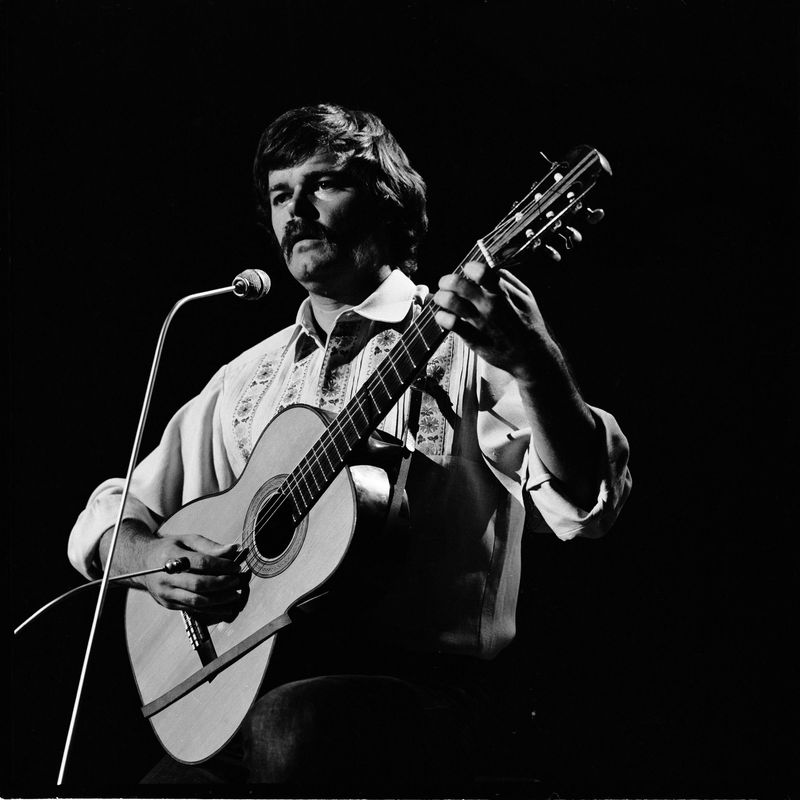
Fast fingers and a bold orchestra make this instrumental feel much bigger than a simple guitar tune. Mason Williams released the famous recording in 1968, combining acoustic guitar with a lively arrangement.
Because there is no sung chorus, listeners have no obvious phrase to search. Focus on the crisp opening guitar notes before the fuller backing arrives.
Also check the performer when browsing versions, since covers can sound different from the original recording you actually remember.
6. Gymnopédie No. 1 by Erik Satie
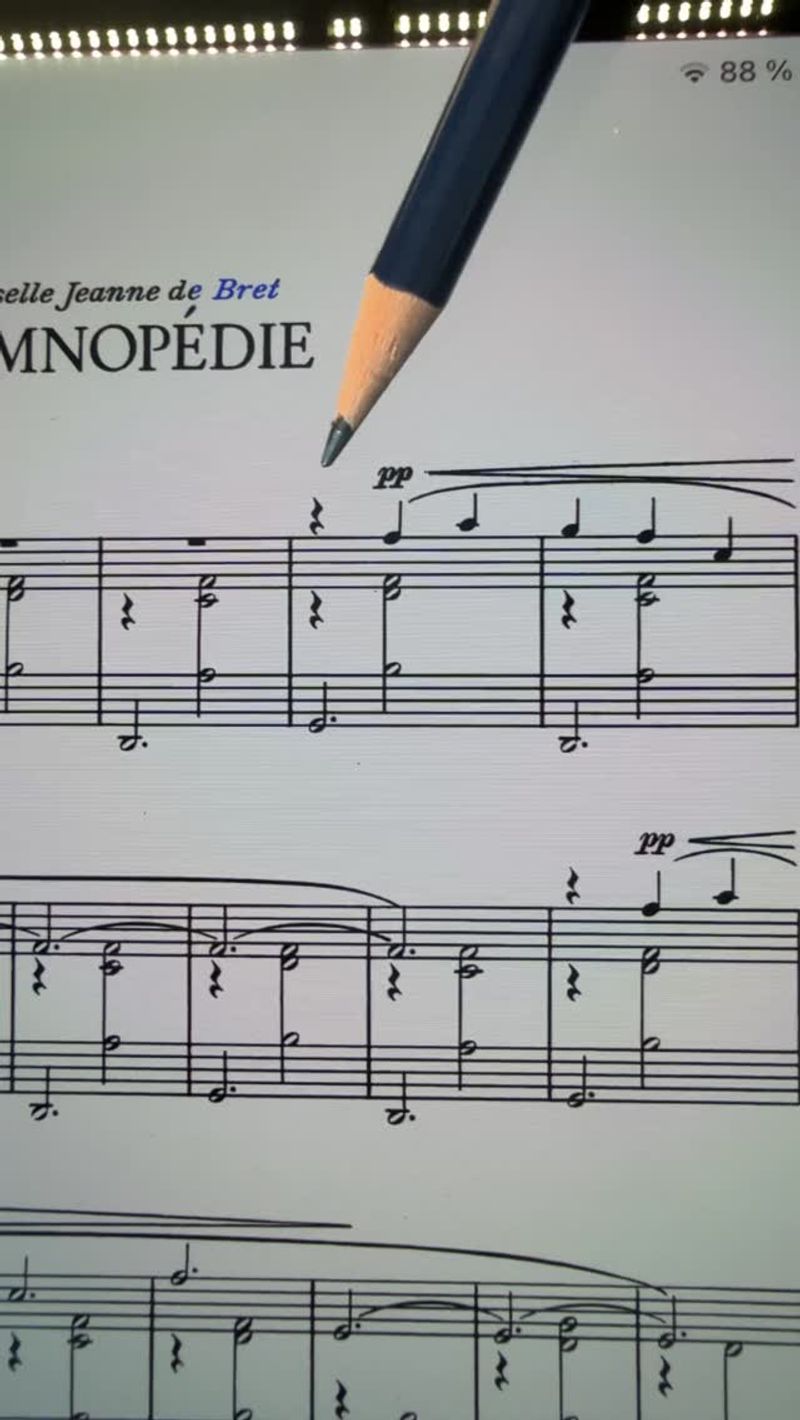
Quiet rooms seem to have their own soundtrack, and this piano piece often supplies it. Erik Satie wrote Gymnopédie No. 1 in 1888, using a slow melody and widely spaced chords.
You may recognize its dreamy mood from films or background playlists without knowing anything about the composer. Listen for the steady, swaying accompaniment beneath the tune.
When searching, adding Satie and piano will help separate the original composition from the many modern recordings and arrangements.
7. Entry of the Gladiators by Julius Fučík
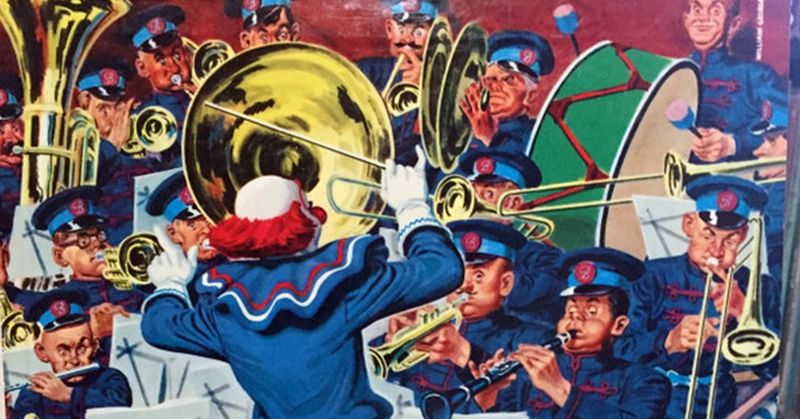
Picture clowns tumbling into a circus ring, and you may already hear the melody. Surprisingly, Julius Fučík originally wrote this piece as a military march in 1897, not as comedy music.
Its quick, winding brass lines later became closely linked with circus performances. Searching for circus song will often find it, but learning the proper title reveals its unexpected background.
Keep the gladiators in mind as a funny contrast to the clowns most listeners picture today.
8. Morning Mood by Edvard Grieg

Sunrise scenes practically come with this melody attached. Edvard Grieg wrote Morning Mood for the play Peer Gynt, and it later became part of his first suite drawn from that music.
The opening passes between flute and oboe, creating a fresh, peaceful feeling. Although many people imagine Norway while hearing it, the play places this scene in North Africa.
Use the woodwind opening as your listening clue, rather than relying only on familiar cartoon sunrise scenes.
9. Rock & Roll, Part 2 by Gary Glitter
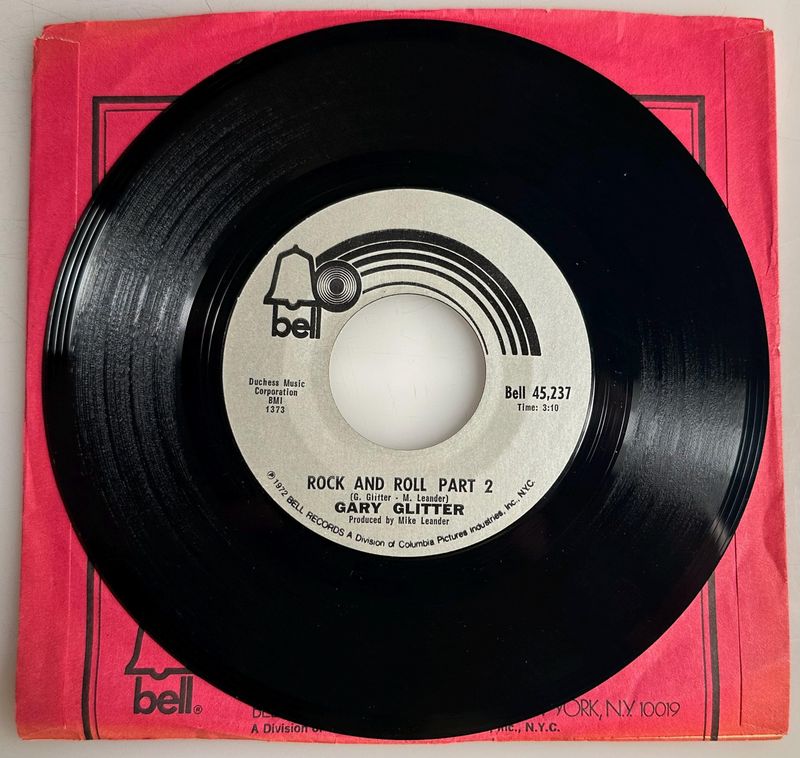
At a stadium, a single shouted word can make thousands join in. Released in 1972, this recording became widely known as the Hey Song because its chant is easier to remember than its title.
The heavy beat and repeated guitar figure make it easy to spot. Gary Glitter’s criminal convictions have also affected its public use and reputation.
If you hear a version at a game, check whether it is the original or a separate recording.
10. Sirius by The Alan Parsons Project
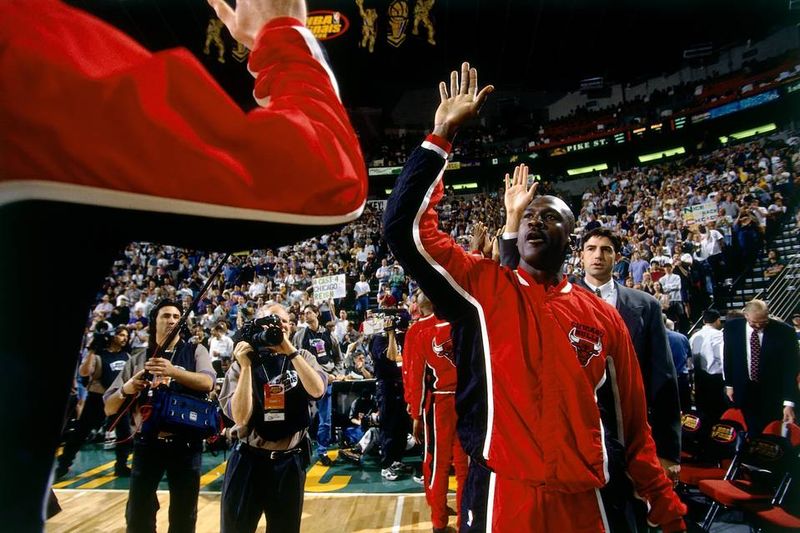
The lights drop, the crowd builds, and a pulsing keyboard pattern signals something big. Basketball fans often know this instrumental from Chicago Bulls player introductions, especially during the Michael Jordan years.
The Alan Parsons Project released Sirius on the 1982 album Eye in the Sky. On that album, it leads into the title track.
Play those two songs together to hear the original transition and understand why a short instrumental has such a powerful, expectant feel.
11. For What It’s Worth by Buffalo Springfield
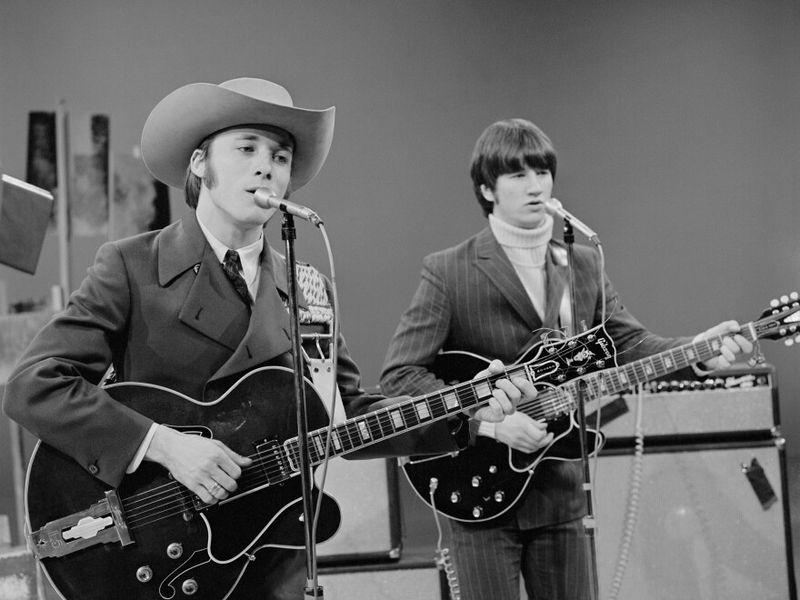
A few spare guitar notes can instantly suggest a tense moment from the 1960s. Buffalo Springfield’s familiar recording appears in many scenes about unrest, which helps explain its lasting place in popular culture.
Stephen Stills wrote it after clashes connected to Sunset Strip demonstrations in Los Angeles. Its title never appears in the lyrics, making identification harder.
Remember the opening warning about something happening nearby, then connect that uneasy feeling with the band’s name when searching online.
12. Axel F by Harold Faltermeyer
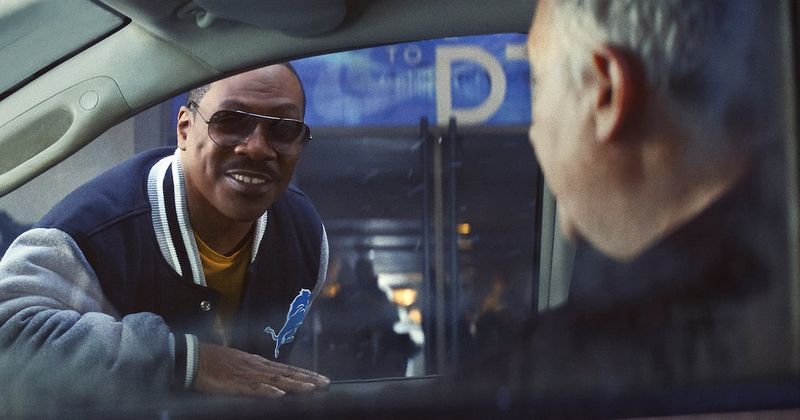
Neon keyboards and a bouncy beat point straight toward an eighties movie chase. Harold Faltermeyer created this instrumental for Beverly Hills Cop, naming it after Eddie Murphy’s character, Axel Foley.
The tune also reached younger listeners through the later Crazy Frog version. If that version is all you know, try the original for a cleaner electronic sound without the added vocal effects.
Linking Axel to the main character provides a simple memory trick for the short title.
13. Chariots of Fire by Vangelis
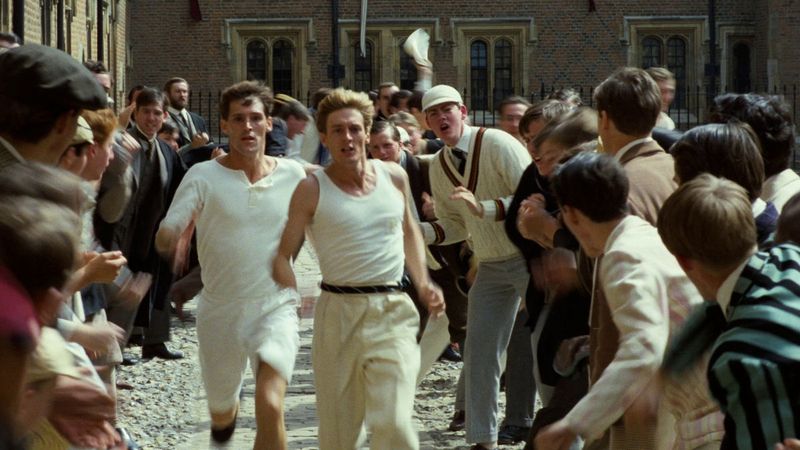
Slow motion running owes a lot to this sweeping theme. Vangelis composed the music for the 1981 film Chariots of Fire, pairing electronic sounds with a story set decades before synthesizers became common.
Its steady pulse and rising piano melody have since fueled both inspiring scenes and playful spoofs. Some releases label the opening track Titles, which can add confusion.
Search the film name alongside Vangelis to find the familiar recording rather than an unrelated sports montage.
14. Song 2 by Blur
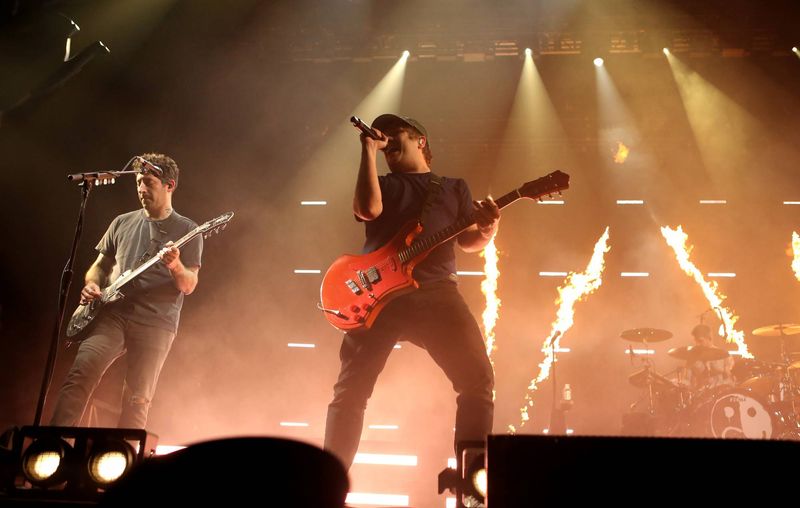
Woo hoo is a great crowd shout, but it is not the title. Blur released this noisy burst of rock in 1997, and its huge chorus quickly found a home in sports and games.
The recording lasts about two minutes and was the second track on the band’s self titled album. Those little details make its plain name easier to remember.
For a quick identification check, listen for the jump from restrained verses to the explosive chorus.
15. Baba O’Riley by The Who
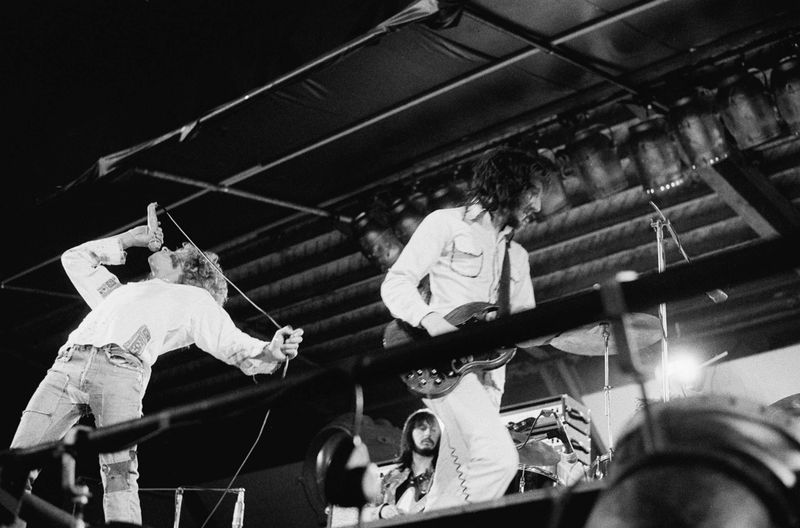
Teenage Wasteland sounds like the obvious title, but that familiar phrase sends many listeners down the wrong path. The Who released Baba O’Riley in 1971, opening with a repeating keyboard pattern before the full band enters.
Its title combines references to Meher Baba and composer Terry Riley. Television viewers may recognize it as the theme for CSI: NY, not the original CSI series.
Remembering that distinction helps when searching through the franchise’s several famous Who theme songs.
16. O Fortuna by Carl Orff
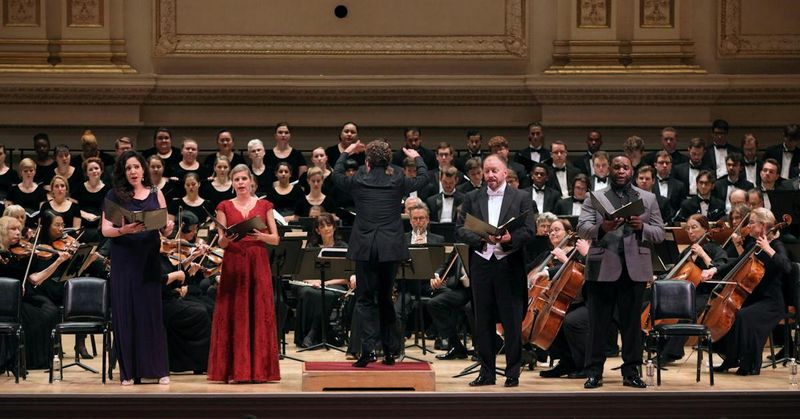
When a scene needs instant doom, a roaring choir often does the job. Carl Orff’s O Fortuna opens and closes Carmina Burana, a larger work first performed in 1937.
The words come from a medieval Latin poem about fortune and its changing wheel. After a forceful opening, the music grows quieter before building toward another huge finish.
Search for the choir piece by name to hear the whole arc, rather than just the dramatic seconds used onscreen.