
A great voice can turn a simple song into a moment you never forget. Some singers amaze us with soaring notes, while others make a quiet line feel deeply personal.
From soul and opera to rock and pop, these artists show how skill and feeling work together. Listen closely, and you may discover something new in songs you already love.
1. Aretha Franklin: Soul With Something to Say
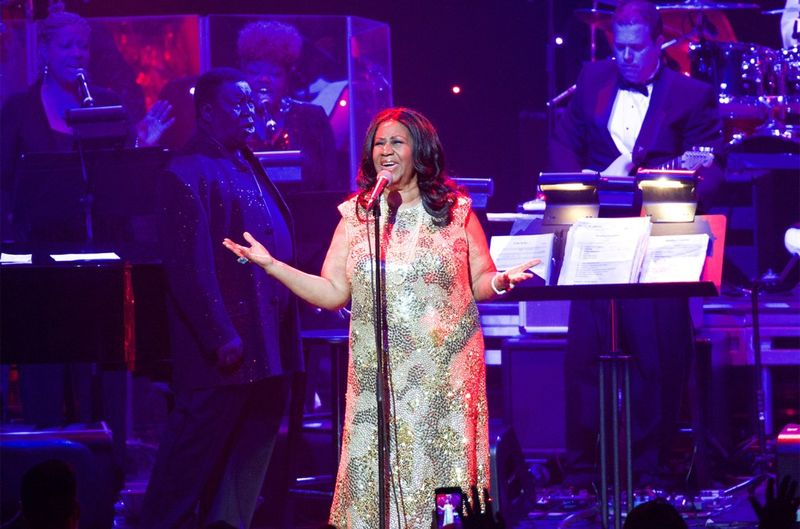
One ringing phrase could make a whole room stop and listen. Aretha Franklin brought the spirit of gospel into soul and pop, pairing a commanding voice with remarkable musical freedom.
Her singing could sound tender, proud, joyful, or heartbroken.
Play Respect and notice how she shapes short phrases into bold statements. Then try Amazing Grace for a different setting.
Her lesson for listeners is simple: vocal greatness means making every word carry meaning, not volume alone.
2. Freddie Mercury: Rock’s Fearless Showman
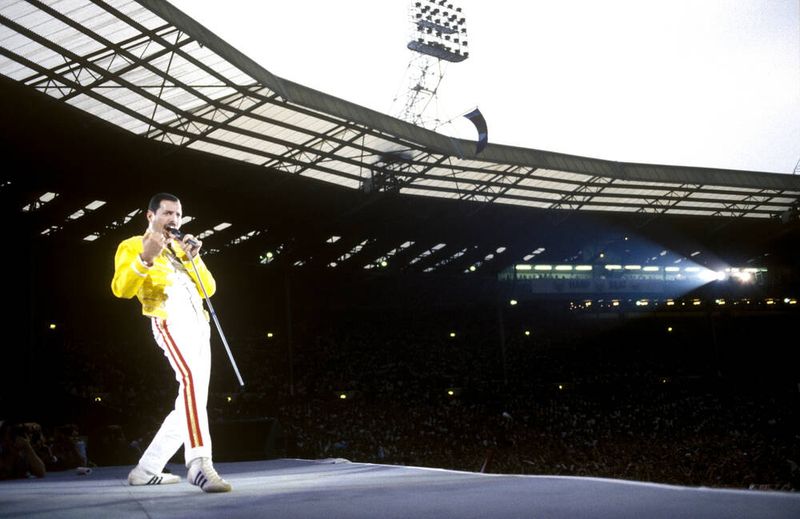
A stadium could become his singing partner within seconds. Freddie Mercury combined a striking voice with playful confidence, leading Queen through thunderous rock songs and delicate ballads.
His sound could shift from rich and rounded to sharp and thrilling.
Watch Queen’s Live Aid performance to hear how clearly he connects with a huge crowd. Compare that energy with Love of My Life.
The contrast shows that commanding attention can come from tenderness as easily as power.
3. Whitney Houston: Power With Precision
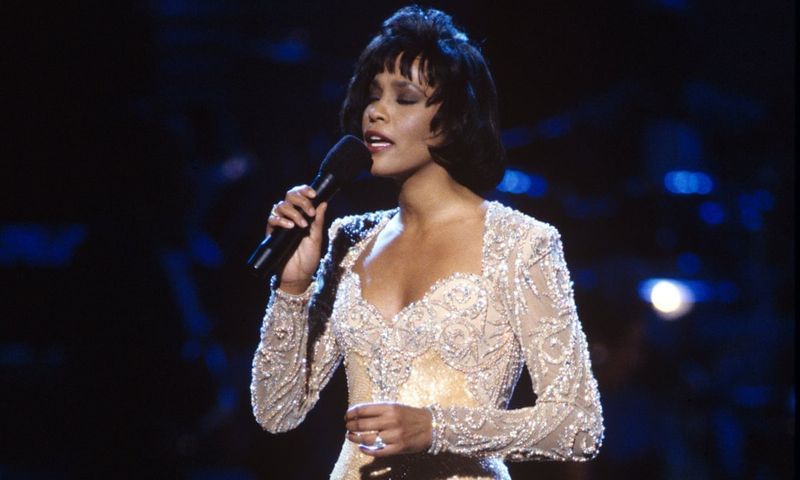
Before the biggest note arrives, the quiet opening already holds you. Whitney Houston understood that balance beautifully, building songs from gentle beginnings toward powerful peaks.
Her clear tone, steady pitch, and smooth shifts between lighter and fuller sounds made difficult singing seem natural.
Start with I Will Always Love You and follow its changing volume. Notice how patient the early lines feel.
The famous climax matters because she gives the story room to grow before releasing it.
4. Mariah Carey: A Voice That Takes Flight
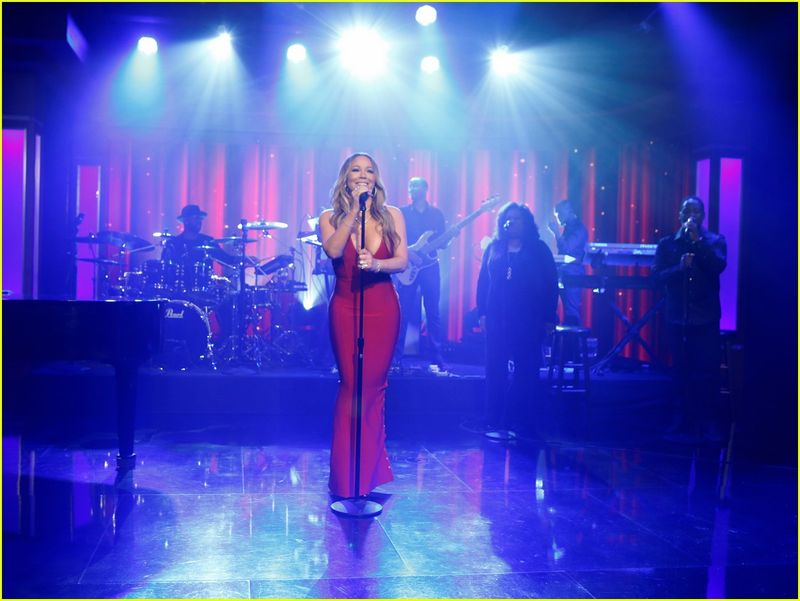
Those tiny, soaring notes are only part of the story. Mariah Carey is famous for her whistle register, but her appeal also rests on rich lower tones, flexible phrasing, and detailed vocal runs.
A run carries several notes across one syllable.
Listen to Vision of Love for a clear introduction to her style. Follow the melody before focusing on the decorations.
That approach makes it easier to hear how her choices support the song’s emotional shape.
5. Luciano Pavarotti: Opera’s Ringing High Notes
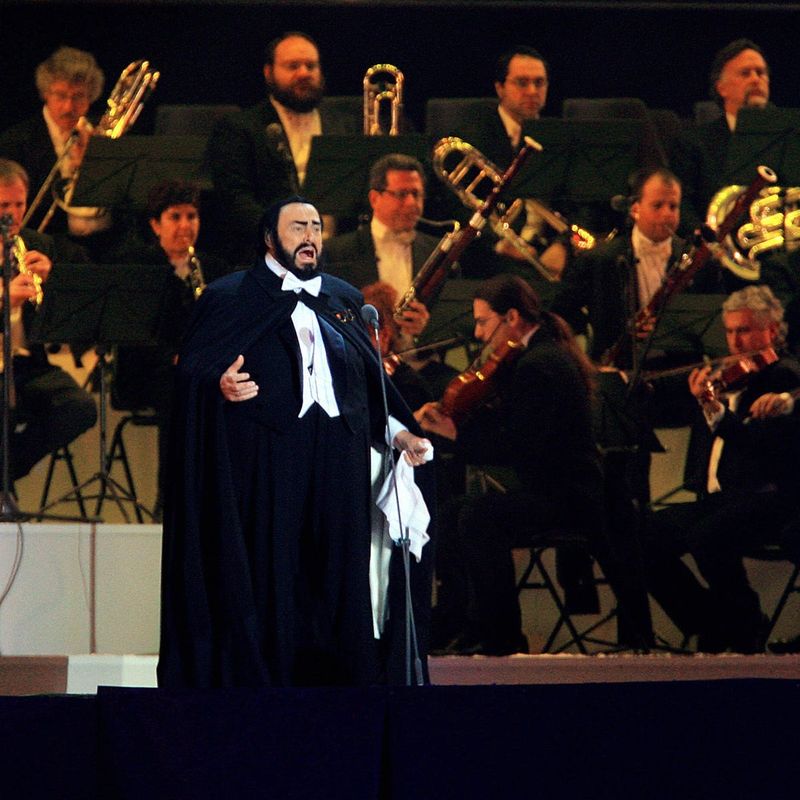
Even newcomers to opera can recognize that bright, ringing sound. Luciano Pavarotti made demanding tenor music feel welcoming through clear vowels, flowing phrases, and thrilling high notes.
His voice carried beautifully, yet its warmth mattered as much as its strength.
Try Nessun dorma and listen beyond the famous ending. Hear how he builds each line before the final release.
For curious beginners, following a translation can reveal how closely the music matches the character’s growing hope.
6. Stevie Wonder: Joy in Every Turn
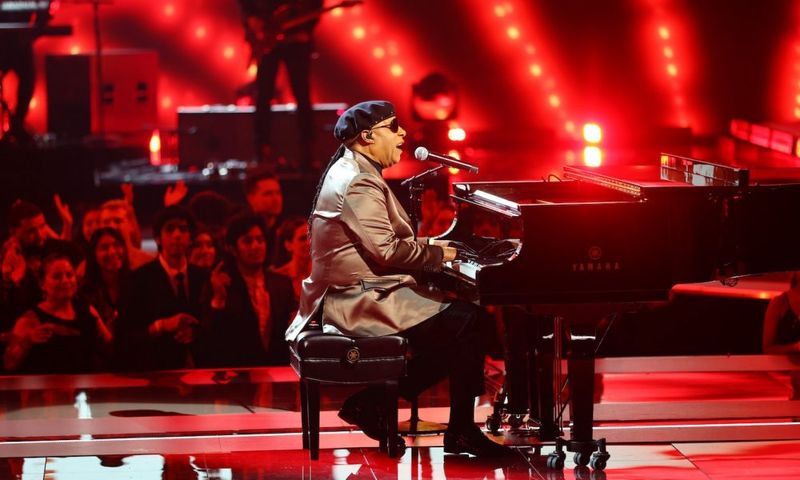
Rhythm seems to dance inside every phrase he sings. Stevie Wonder brings a musician’s ear to his vocals, bending melodies and placing notes in surprising spots without losing the song’s pulse.
Warmth, grit, and sweetness all belong in his toolkit.
Put on Superstition, then switch to Overjoyed. One highlights his rhythmic bite; the other reveals a softer touch.
Tapping along while listening helps you catch how freely his voice moves around the beat with remarkable ease.
7. Adele: Honest Emotion, Clearly Heard
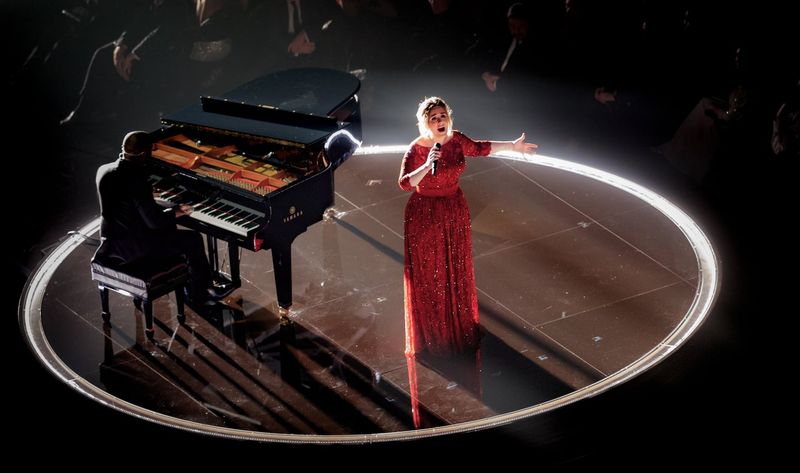
Sometimes a plainspoken lyric hits harder than a vocal trick. Adele makes that happen with a smoky tone, careful timing, and a strong sense of when to hold back.
Her performances often feel like a private conversation that suddenly fills a concert hall.
Choose Someone Like You and follow where she pauses. Those spaces help the words settle before the next thought begins.
Her singing offers a useful reminder: clear storytelling can be as impressive as range.
8. Frank Sinatra: The Art of Telling a Song
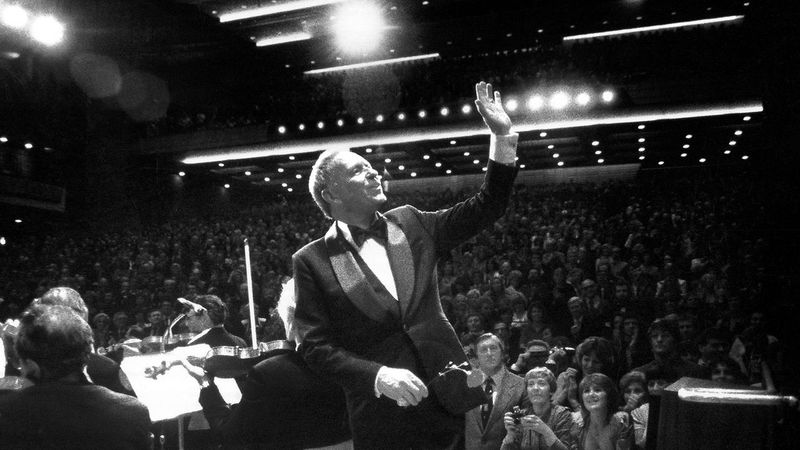
A familiar tune could sound like a fresh confession in his hands. Frank Sinatra shaped lyrics with the ease of natural speech, stretching a phrase or delaying a word to sharpen its meaning.
His smooth delivery rested on careful breath control.
Hear I’ve Got You Under My Skin and notice his relationship with the band. He does not simply follow the rhythm.
Instead, he leans against it, creating a relaxed swing that still feels precise and purposeful.
9. Beyoncé: Control in Full Motion
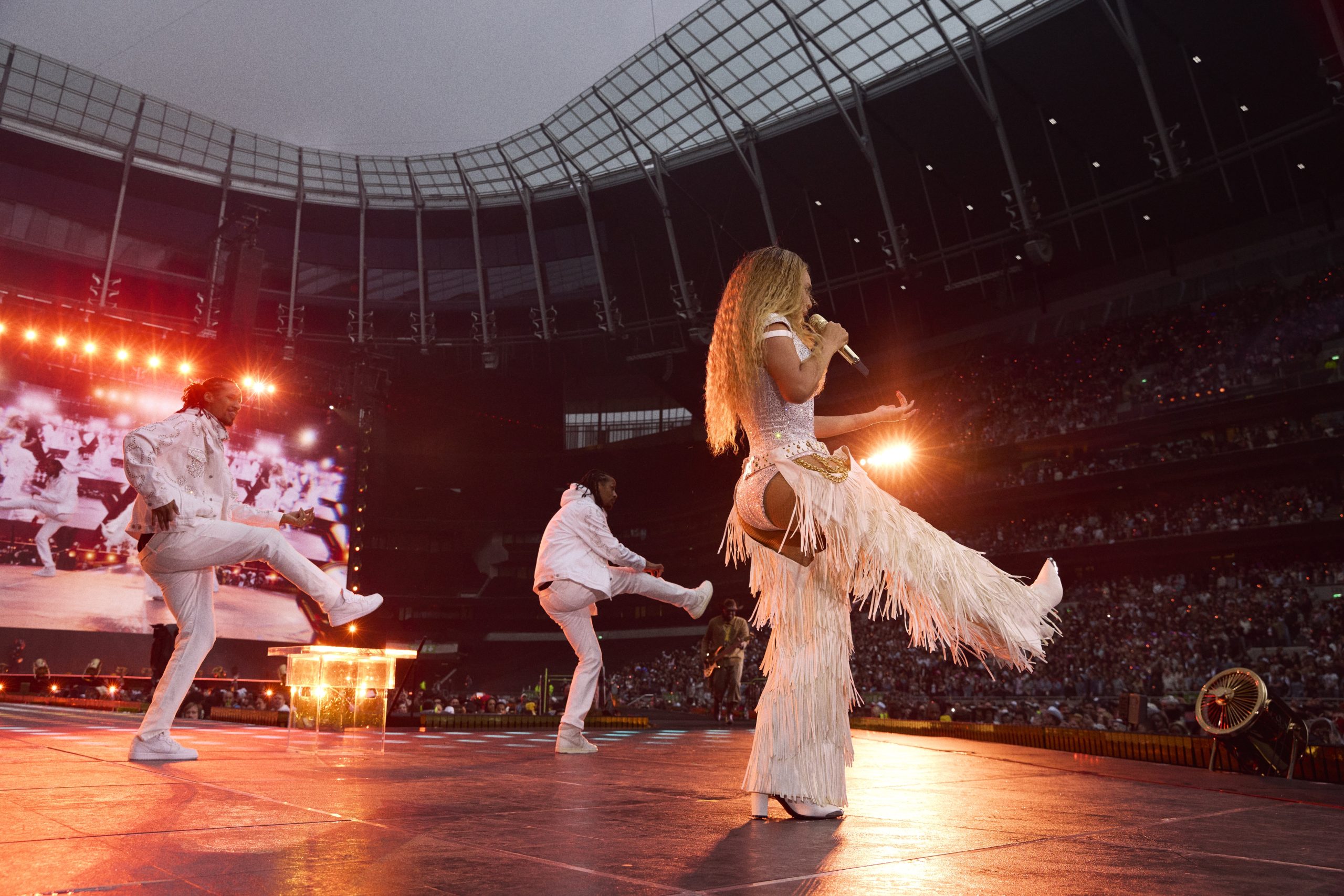
Singing beautifully while dancing takes more than stamina. Beyoncé pairs athletic stage work with accurate pitch, quick vocal runs, and sharp control over volume and tone.
She can move from a light phrase to a forceful belt without losing musical focus.
Compare Love on Top with a live performance of Halo. Pay attention to how she handles repeated phrases and rising intensity.
Her example shows how preparation supports freedom, letting a demanding performance still feel spontaneous and alive.
10. Robert Plant: The Wild Edge of Rock
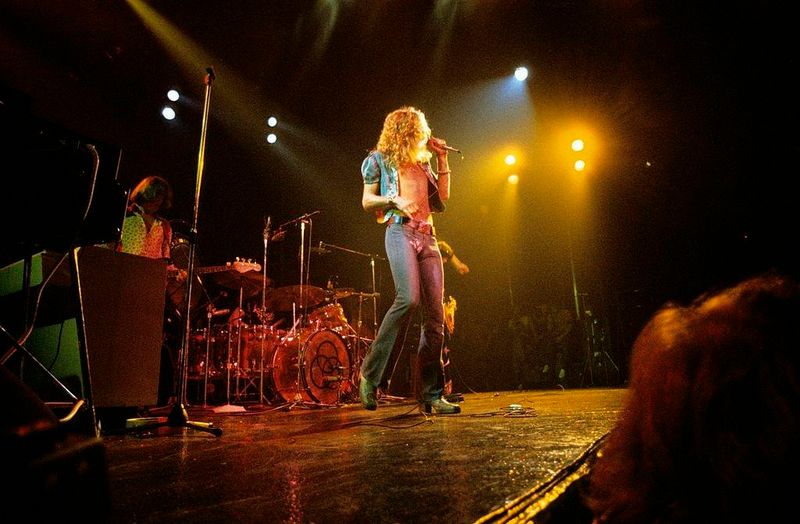
Blues roots gave his soaring rock voice its bite. Robert Plant helped define Led Zeppelin’s sound with piercing calls, earthy lower phrases, and a fearless approach to musical drama.
His singing often answers the guitar like another lead instrument.
Try Black Dog, then the quieter Going to California. The difference reveals more color than his loudest moments alone suggest.
Enjoy that rough texture as an artistic choice, but avoid forcing your own throat to copy it directly.
11. Ella Fitzgerald: Playful Precision
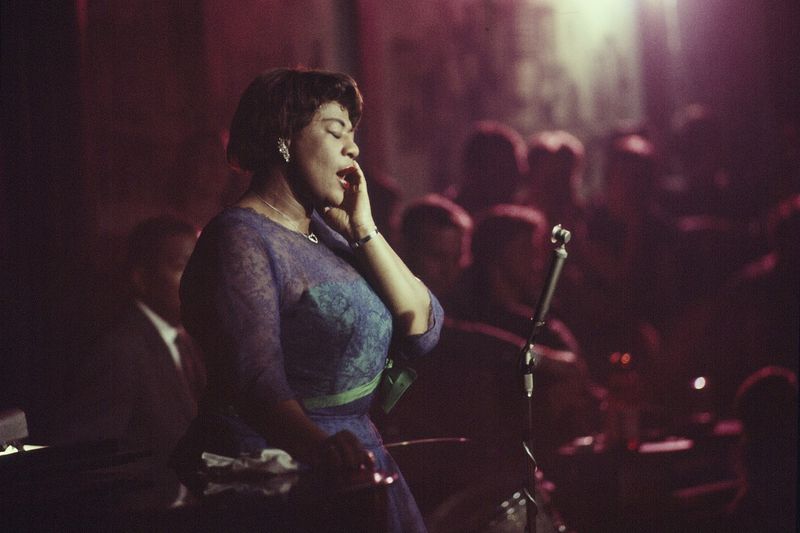
Wordless syllables became dazzling musical stories when she sang them. Ella Fitzgerald excelled at scat, a style of jazz singing that uses invented sounds for improvisation.
Her clear tone, accurate pitch, and easy swing made complex ideas sound wonderfully playful.
Begin with How High the Moon to hear that imagination at work. Then explore her songbook recordings for graceful lyric singing.
Listening to both sides reveals a rare balance: technical precision that never crowds out warmth or fun.
12. Marvin Gaye: Warmth With a Deeper Message
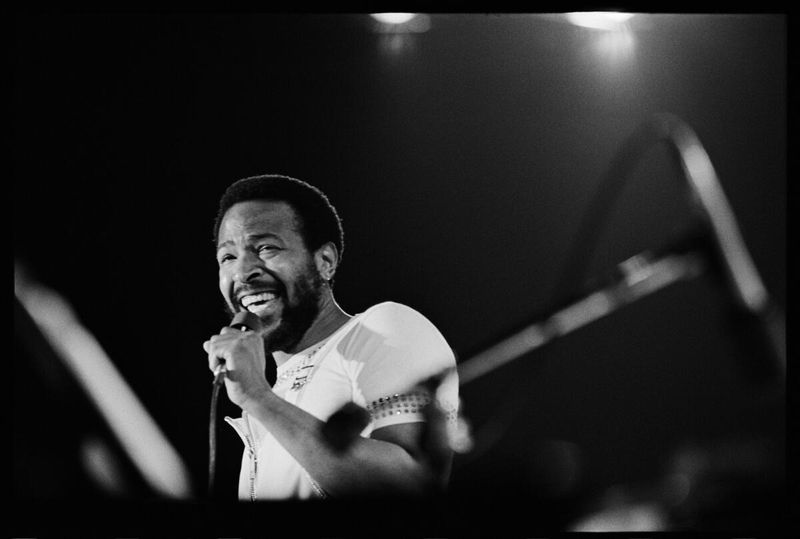
Softness can carry enormous strength, especially in the right voice. Marvin Gaye blended a warm tone with airy high notes and deeply thoughtful phrasing.
He could make romantic songs feel intimate while bringing urgency and compassion to songs about society.
Spend time with What’s Going On and notice the layers of singing around the main melody. They create the feeling of a living conversation.
His work rewards headphones, which help separate those overlapping lines and subtle emotional shifts.
13. Prince: A Whole Cast of Vocal Colors
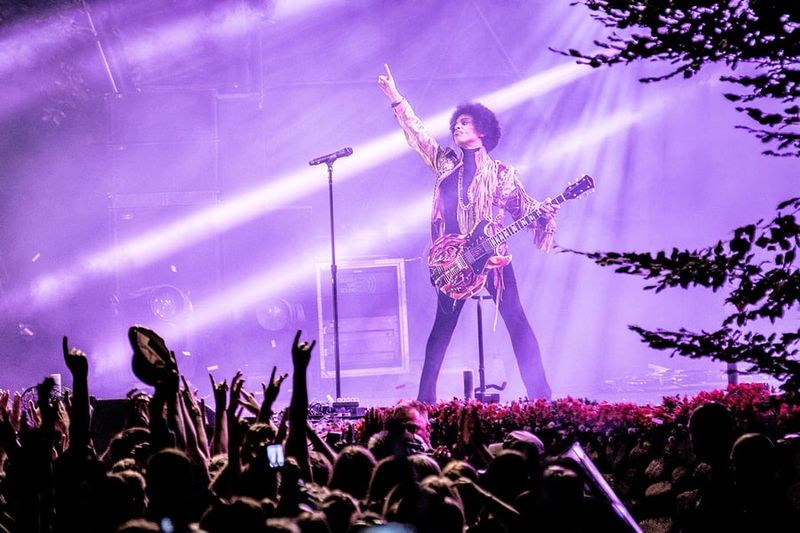
One song could contain a whisper, a cry, and a startling falsetto. Prince treated his voice like a box of vivid colors, moving between sounds to serve the mood.
His singing drew freely from funk, rock, soul, and gospel.
Compare Kiss with Purple Rain rather than judging him by a single track. The first favors a lean, high delivery; the second builds toward emotional release.
Together, they show how vocal identity can stay strong through dramatic changes.
14. Christina Aguilera: Big Notes, Bold Personality

Restraint is not always the goal, and that is part of the excitement. Christina Aguilera became known for explosive belts, husky textures, and fast strings of notes.
Her performances often turn a melody into a bold statement of confidence.
Play Beautiful to hear how she mixes softer passages with stronger peaks. Focus on the emotional arc rather than counting decorations.
Anyone learning to sing can borrow that sense of commitment without trying to match her intensity or volume.
15. Céline Dion: Long Lines, Lasting Impact
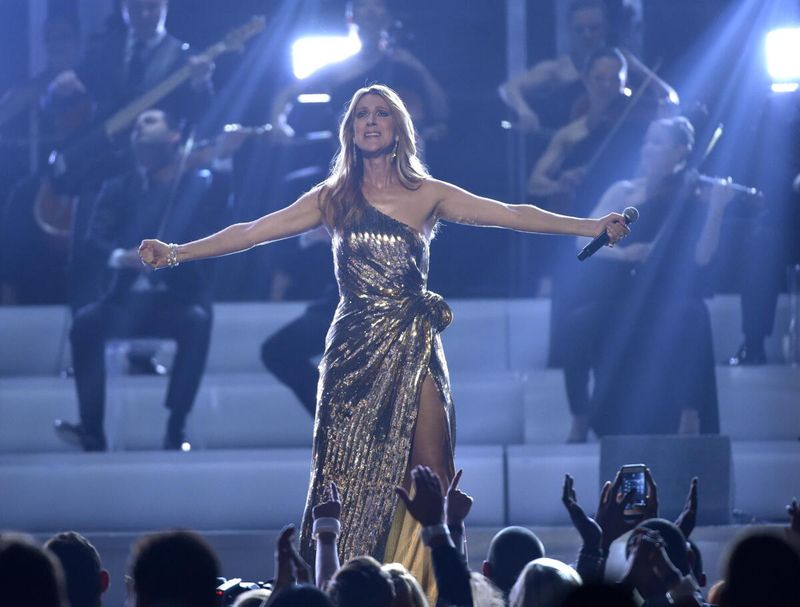
Holding a note is impressive; keeping it expressive is harder. Céline Dion combines sustained power with clear words and carefully shaped musical lines.
Singing in French and English, she brings close attention to the sound and meaning of each phrase.
Listen to My Heart Will Go On, following how the melody grows across the song. Her breathing supports that gradual rise without making every line equally loud.
The result shows why pacing matters as much as a spectacular finish.
16. Axl Rose: Dramatic Contrasts in Hard Rock
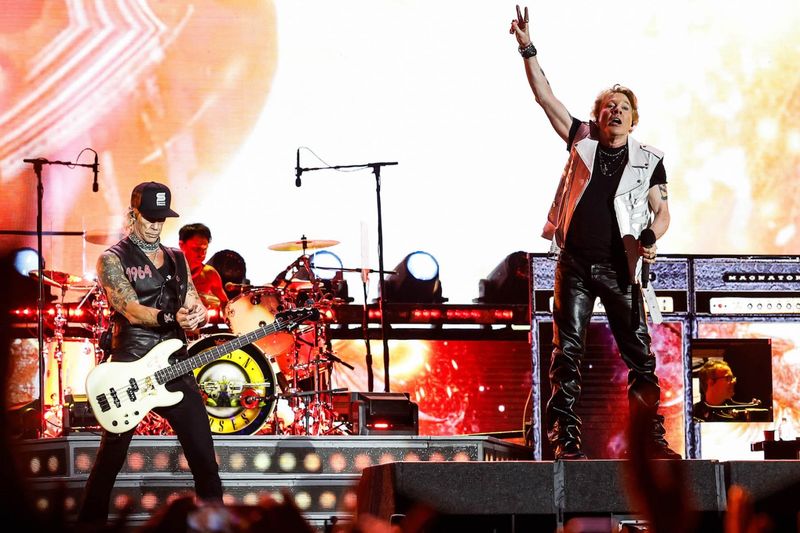
A low growl and a piercing cry can sound like different characters. Axl Rose uses that contrast to give Guns N’ Roses songs their restless drama.
His recognizable rasp and shifts in vocal color help cut through loud guitars.
Compare the opening of Sweet Child O’ Mine with passages from November Rain. Notice how the mood changes with his delivery, not just the instruments.
Treat extreme range claims cautiously, since recorded notes do not always show comfortable singing range.
17. Kelly Clarkson: Versatility Without Pretending
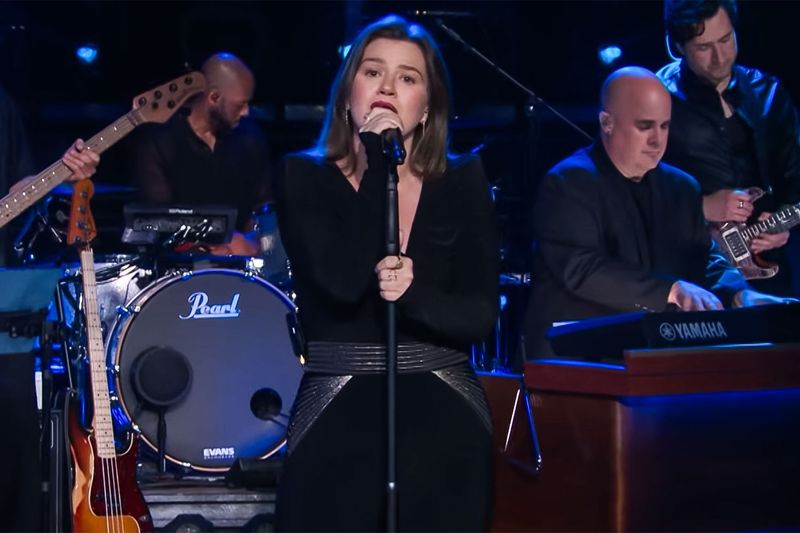
Give her a pop hit, a country ballad, or a rock anthem. Kelly Clarkson has shown a gift for finding her place in many styles while keeping her direct, recognizable sound.
Strong belts are part of the appeal, but quieter passages reveal equal care.
Start with Because of You, then sample her televised cover performances. Compare how she changes tone and emphasis for different songs.
Versatility means understanding what each piece needs, not simply singing everything with maximum force.
18. Minnie Riperton: High Notes With a Human Touch
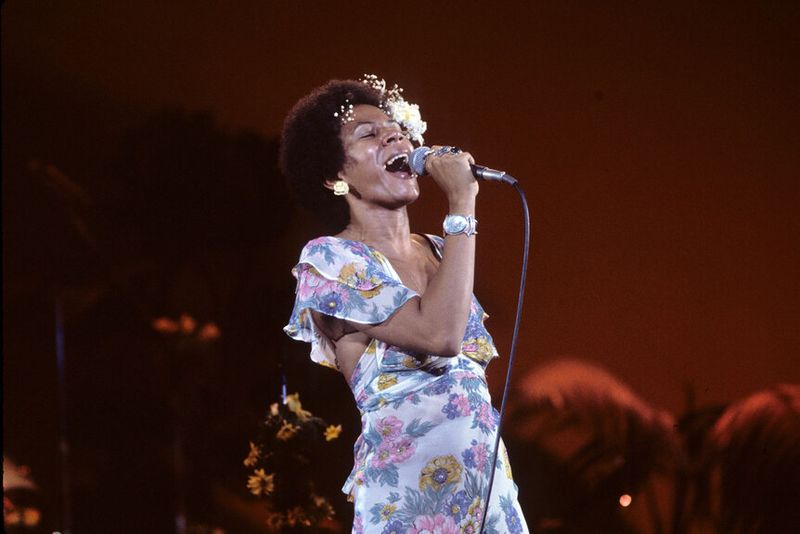
Birdlike high notes float above the melody, yet the feeling stays personal. Minnie Riperton brought unusual ease and beauty to the whistle register, the extremely high part of the voice.
Her gentle tone made those moments feel connected to the song.
Lovin’ You is the natural starting point, followed by other tracks from Perfect Angel. Listen for her warmth below the highest notes, too.
That fuller picture explains why her artistry deserves attention beyond a single remarkable vocal skill.