
Every culture has its own special way of sharing a meal. Some customs might seem strange at first, but each one tells a story about family, respect, and history.
Learning about them can help you become a better guest and a more curious traveler. Get ready to discover table manners that may change how you think about dinner.
1. Slurping Noodles Loudly in Japan
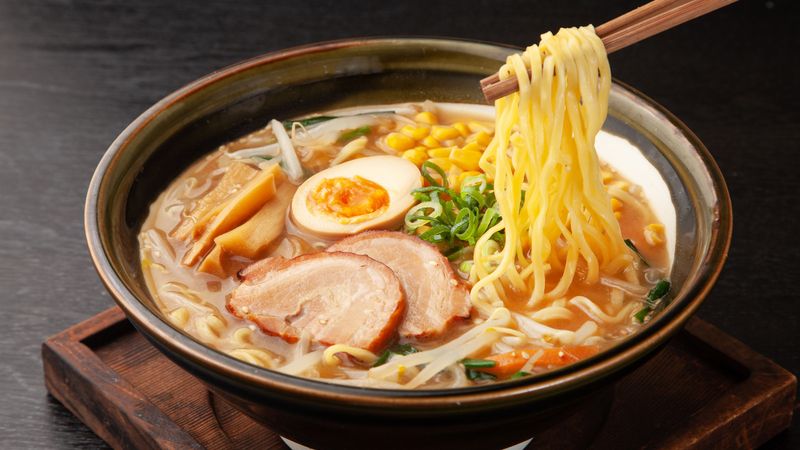
Picture a quiet ramen shop in Tokyo suddenly filled with loud slurps. Nobody is being rude.
In Japan, slurping noodles shows the cook that you love the food.
Slurping also cools hot noodles as they reach your mouth, and many people say it makes the broth taste better. Chefs often feel proud when they hear it.
So if you visit, go ahead and make some noise. Just keep the splashing to a minimum.
2. Eating With Your Right Hand in India
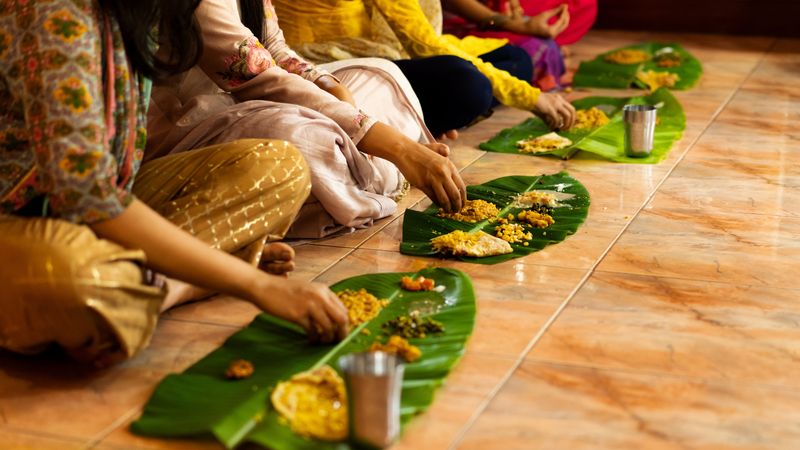
Forks and spoons often stay in the drawer in many Indian homes. People eat with their right hand, using their fingers to mix rice, dal, and curry.
Many believe that touching food connects you to it and helps you enjoy every bite. The left hand is usually kept away from the meal because it is linked to cleaning.
Trying it yourself? Wash up first, and use only your fingertips for neat scooping.
3. Leaving a Little Food in China
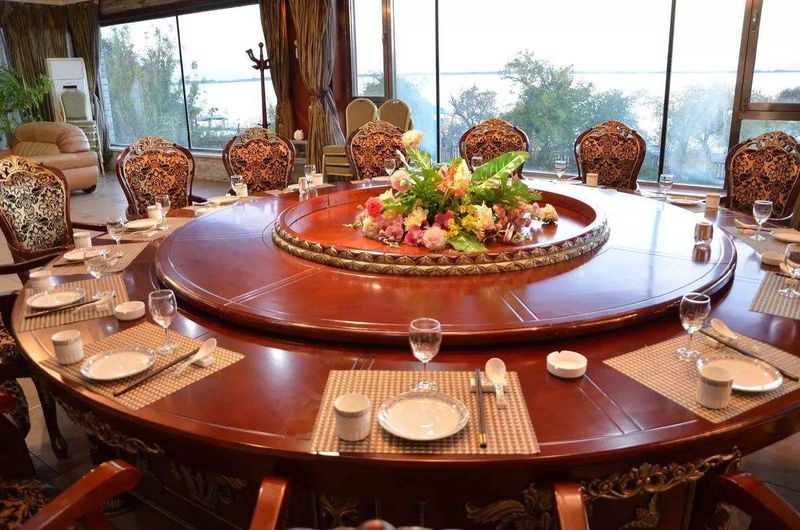
Clean your plate, and your Chinese host might rush to bring more food. Leaving a small amount behind sends a happy message that you were given plenty.
Hosts take great pride in being generous. An empty plate can suggest they did not serve enough, which may embarrass them.
Fun fact: meals in China are often shared from a spinning tray called a lazy Susan. Everyone grabs a bit from each dish.
4. Sharing One Big Plate in Ethiopia
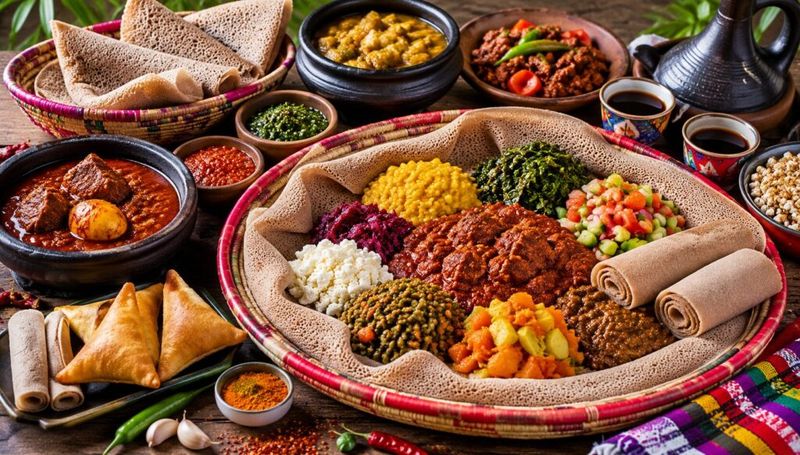
Imagine a giant, spongy pancake covered with colorful stews, and everyone eating from it together. That is injera, the heart of an Ethiopian meal.
Diners tear off pieces and scoop up food with their hands. There is even a sweet custom called gursha, where someone hand-feeds a bite to a friend as a sign of love and respect.
Sharing one plate builds trust. It turns dinner into a real bonding moment.
5. Never Cutting Lettuce in France
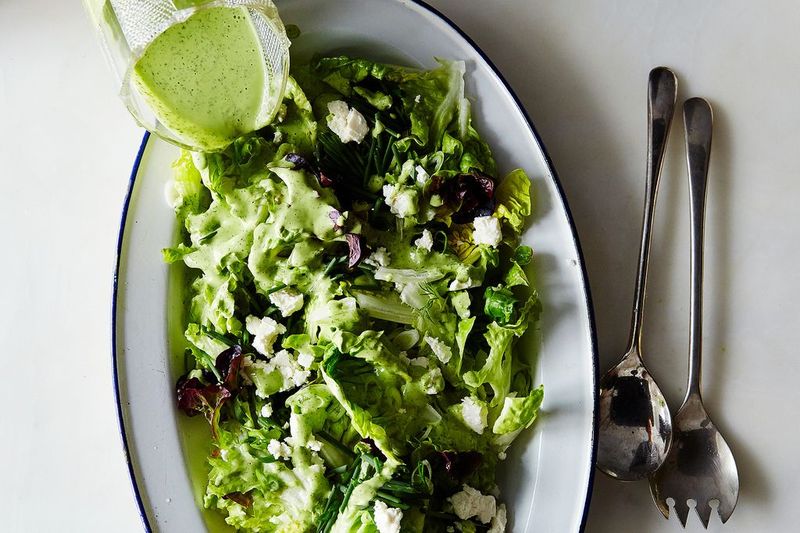
Grab a knife for your salad in France, and you might get a puzzled look. Polite diners fold lettuce leaves with their fork instead of slicing them.
Long ago, silver knives turned dark when they touched vinegar in salad dressing. Cutting lettuce became a no-no, and the habit stuck around.
Also, keep both hands on the table, not in your lap. French folks think hidden hands look a bit suspicious.
6. Asking for the Bill in Spain
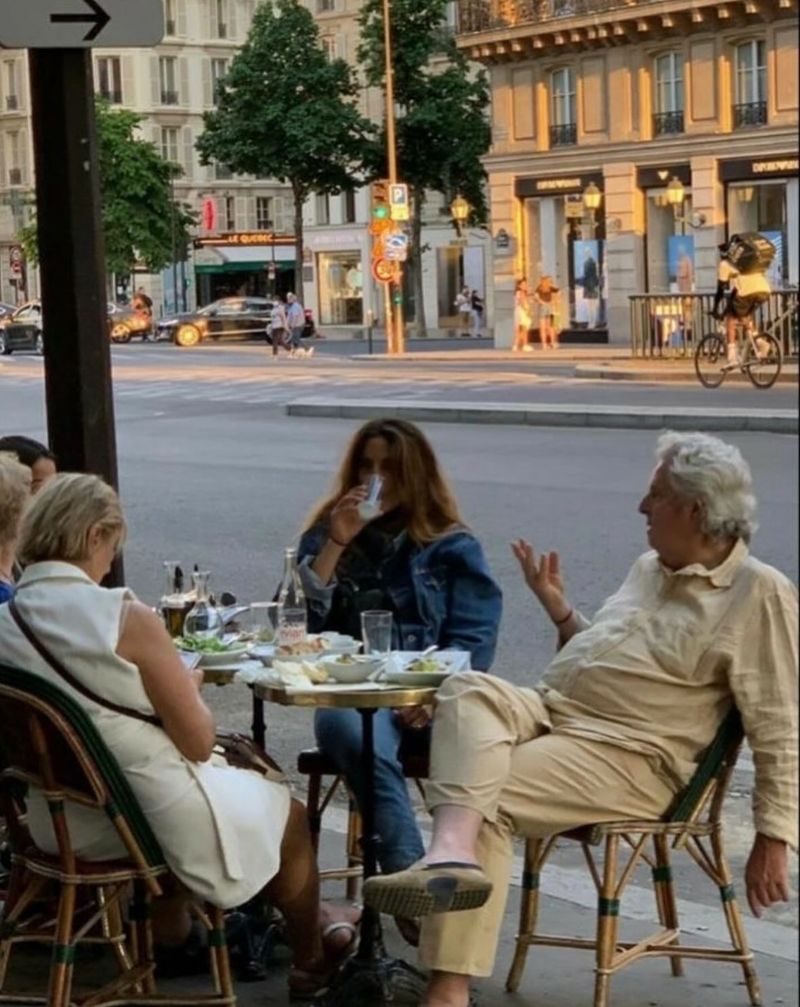
Waiting forever for your check in Madrid? Relax, your server is not ignoring you.
In Spain, bringing the bill early is seen as pushing guests out the door.
Meals are meant to be slow and social. Spaniards love the sobremesa, the long chat that happens after eating ends.
When you are truly ready to leave, simply wave politely and say, la cuenta, por favor. Then enjoy those last few laughs.
7. Burping to Say Thanks in Parts of Asia

Yes, really. In some parts of China and other areas of Asia, a burp after a meal can be a compliment to the cook.
The sound suggests you are full and satisfied. Hosts may feel happy knowing their food hit the spot.
Still, this custom is fading in big cities, and plenty of families find it rude today. Watch what the locals do before you let one loose.
8. Tapping Fingers for Tea in Hong Kong
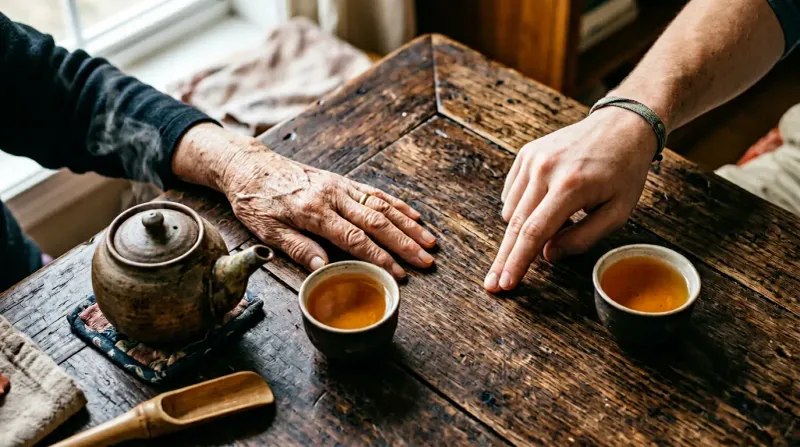
Legend says an emperor once traveled in disguise and poured tea for his servants. They could not bow without revealing him, so they tapped their fingers on the table instead.
Today in Hong Kong and southern China, people still tap two fingers when someone refills their cup. It is a silent thank you.
Next time you enjoy dim sum, give it a try. Your friends will be impressed.
9. Keeping Your Thumb Out of the Bread in Georgia
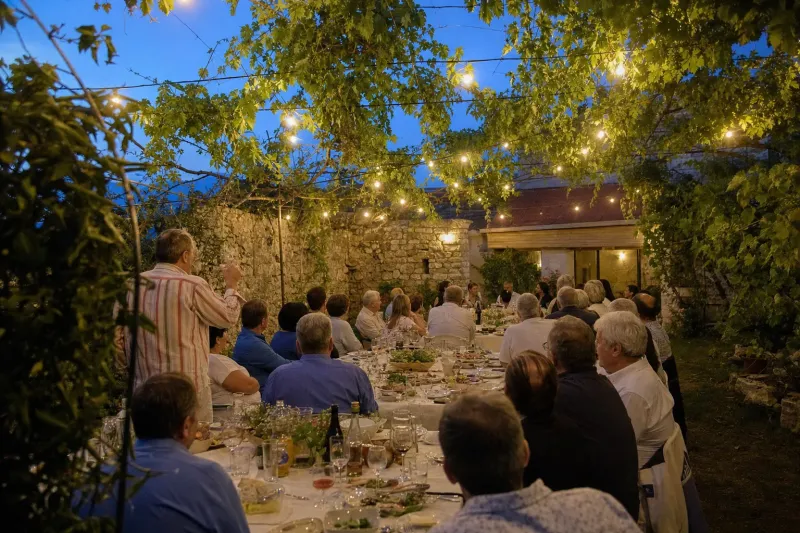
Feasts in the country of Georgia come with a leader called the tamada. This toastmaster gives speeches all night, honoring family, friends, and peace.
Guests listen closely and only drink after each toast. Some toasts are funny, while others are deeply touching.
A Georgian supra can last for hours, with table after table of food. Bring your appetite and a good attention span, because the stories keep coming.
10. Not Passing Salt Hand to Hand in Egypt
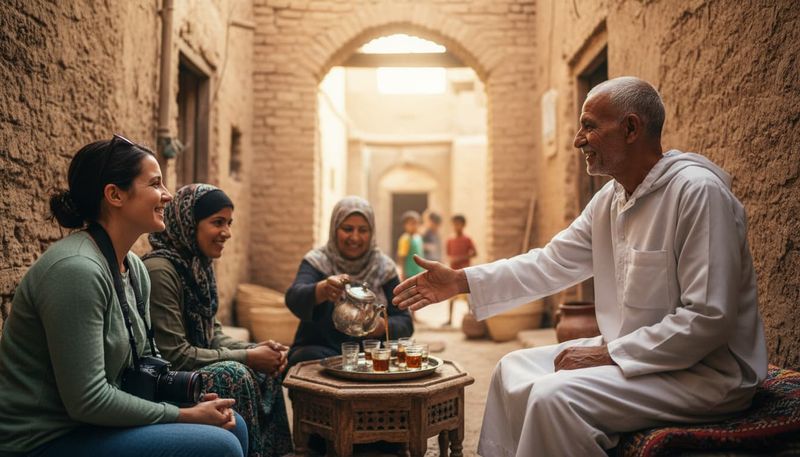
Adding salt to your food in Egypt might accidentally hurt your host’s feelings. It can suggest that the meal was not tasty enough.
Many Egyptian cooks work hard to season dishes just right. Reaching for the shaker right away can feel like a small insult.
A better plan is to taste everything first. If you truly need more flavor, add it quietly and keep smiling about the delicious meal.
11. Chopsticks Never Standing Upright in Japan
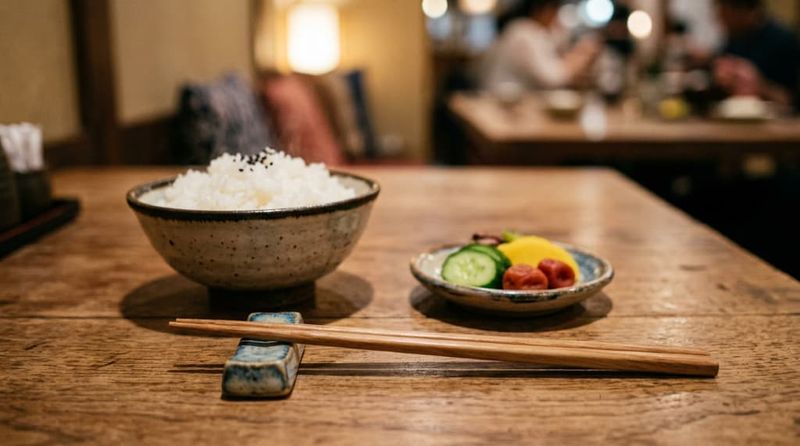
Sticking chopsticks straight up in a bowl of rice is a big mistake in Japan. It looks like incense at a funeral, where rice is offered to people who have passed away.
Passing food from chopstick to chopstick is also avoided for similar reasons.
Instead, rest your chopsticks on a small holder or across your bowl. Simple habits like this show respect and help you fit right in.
12. Cutting Tamales Without Rushing in Mexico
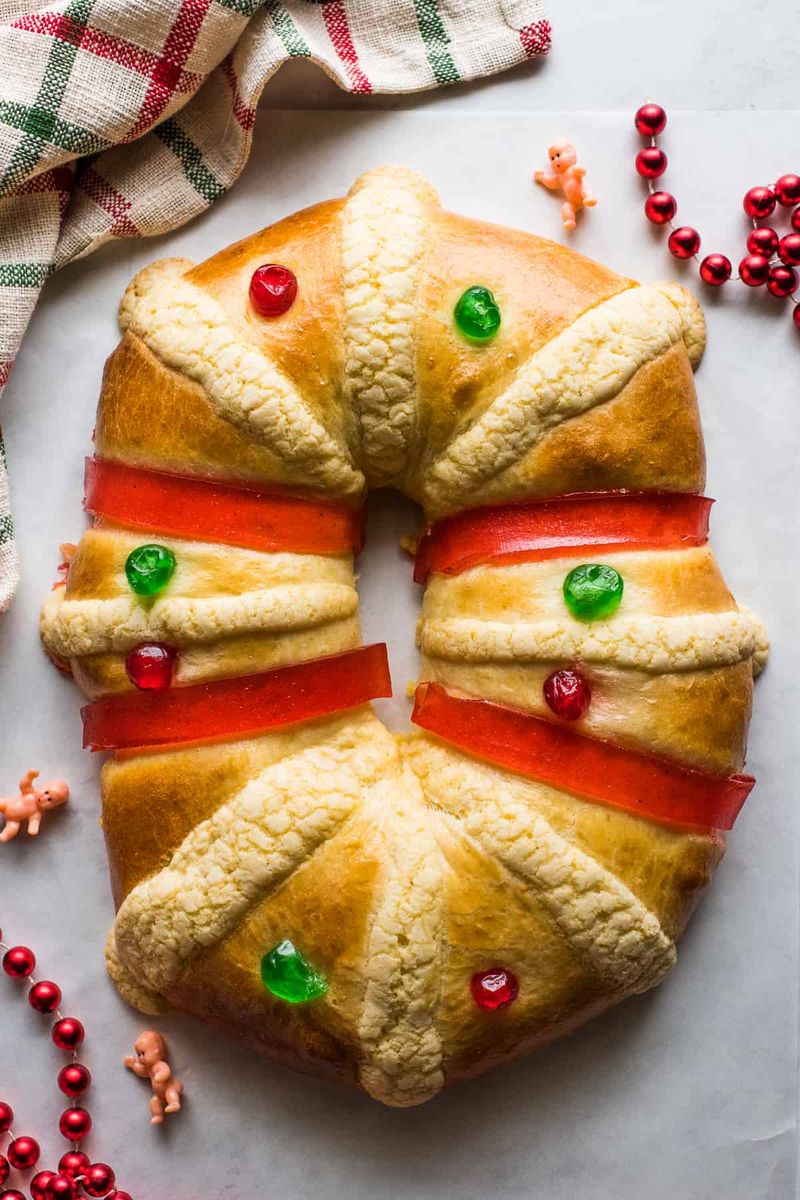
Every January 6, Mexican families slice into a sweet ring cake called Rosca de Reyes. Hidden inside is a tiny baby figurine.
Whoever finds it gets a fun job. They must host a tamale party on February 2, known as Candelaria Day.
Kids cut their slices with excitement and a little nervousness. The tradition keeps families gathering through winter, one tasty surprise at a time.
13. Toasting With Eye Contact in Germany

Prost! When Germans raise their glasses, they look each other straight in the eye.
Skipping this step is said to bring seven years of bad luck.
The custom shows honesty and trust between friends. Some say it dates back to times when people worried about poisoned drinks.
Try it at your next family dinner with juice or water. Clink, smile, and hold that gaze for good fortune.
14. Bread Is Sacred in Russia
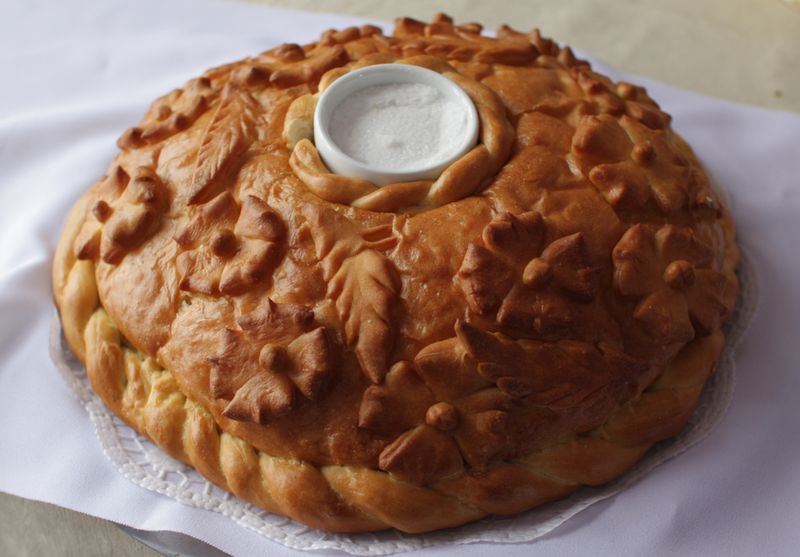
Guests in Russia are sometimes welcomed with a round loaf of bread topped with a small dish of salt. Bread stands for wealth, and salt stands for long friendship.
Visitors break off a piece, dip it in the salt, and eat it. It is a warm way to say, you are welcome here.
Throwing bread away is also seen as disrespectful. Families often reuse old bread in soups or crumbs.
15. Eating the Twelve Grapes in Spain
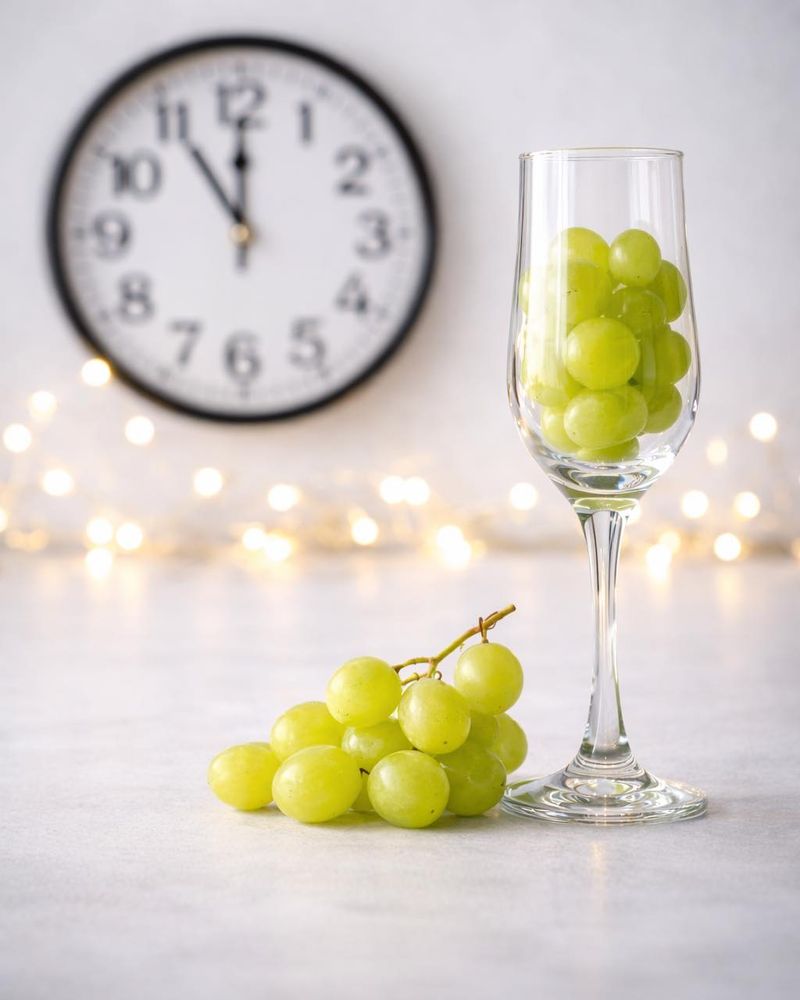
Ding, ding, ding! At midnight on New Year’s Eve, Spaniards pop one grape into their mouth with each of the twelve clock chimes.
Finishing all twelve in time is said to bring good luck for each month ahead. It sounds easy, but trust us, it gets messy fast.
Pro tip: pick small, seedless grapes. Your cheeks will thank you while everyone around you laughs and cheers.
16. Sitting on the Floor in Korea

Shoes off, cushions down. In many traditional Korean homes and restaurants, meals are served on low tables while everyone sits on the floor.
Elders matter a lot here. Younger people wait for the oldest person to pick up their spoon before they start eating.
Look for the tiny side dishes called banchan too. Kimchi, veggies, and more fill the table, and refills are often free.
Talk about a tasty bonus.