
Most of us wash dishes every single day without giving it much thought. But some simple habits can slowly ruin your pans, dull your knives, and even spread germs around your kitchen.
The good news is that fixing these mistakes is easy once you know what to look for. Read on to find out which cleaning habits might be costing you money and keeping your kitchen less clean than you think.
1. Soaking Cast Iron Overnight
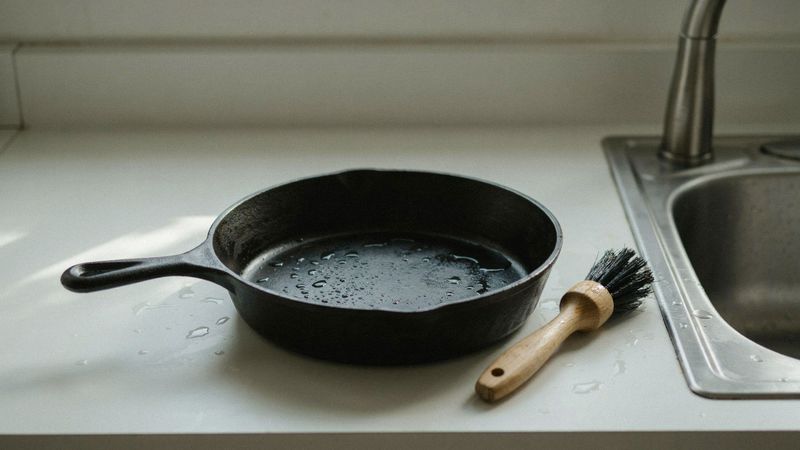
Grandma’s old skillet survived decades of cooking, but one long soak can undo all that history. Cast iron hates sitting in water.
Leave it overnight and you’ll wake up to orange rust spots.
Instead, rinse it while it’s still warm and scrub with a stiff brush or coarse salt. Dry it right away on the stove.
Finish with a thin layer of cooking oil. That quick step keeps the seasoning slick and strong.
2. Tossing Sharp Knives in the Dishwasher
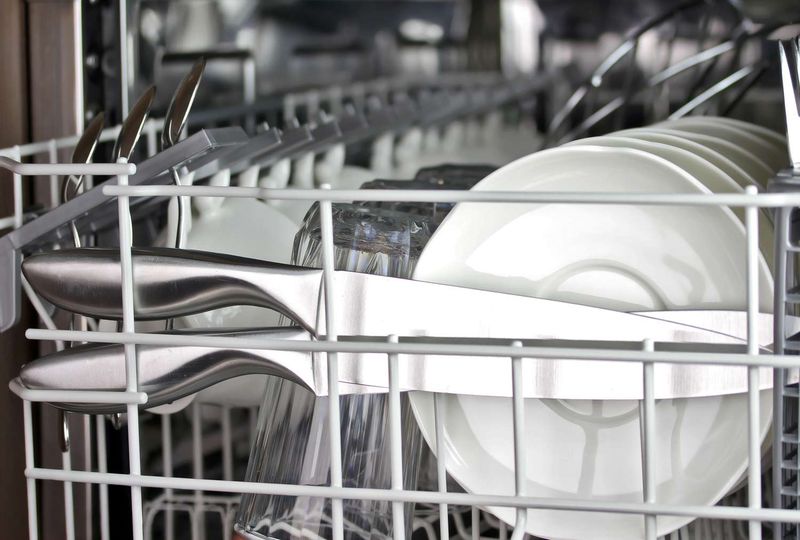
Picture your best chef’s knife rattling around next to forks and plates. Ouch.
The dishwasher bangs blades against other items, which dulls the edge fast.
Hot water and harsh detergent can also crack wooden handles and loosen rivets over time. That’s a sad ending for a tool you paid good money for.
Hand wash knives with warm, soapy water, then dry them immediately. Your tomatoes will thank you with clean, easy slices.
3. Scrubbing Nonstick Pans with Steel Wool
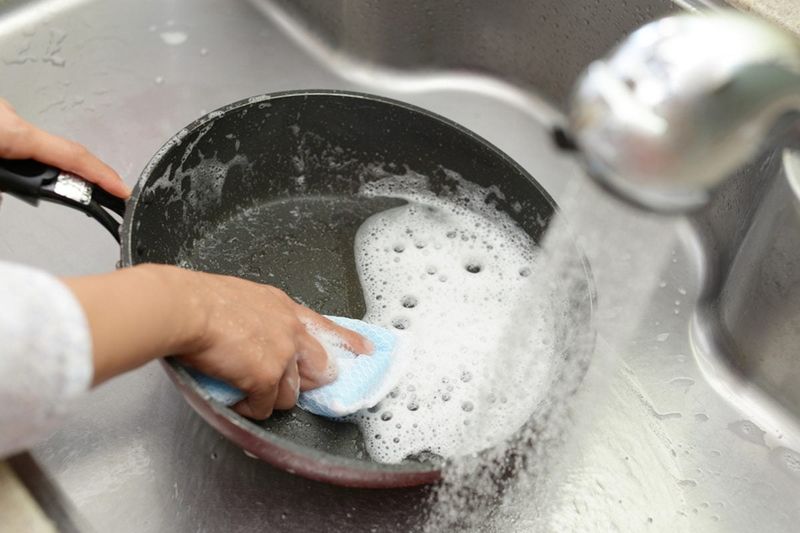
Did you know that nonstick coatings are only a few thin layers deep? One aggressive scrub with steel wool can scratch right through them.
Once the coating is damaged, food starts sticking, and tiny flakes might end up in your eggs. Nobody wants that for breakfast.
Use a soft sponge or a nylon scrubber instead. For stuck-on gunk, soak the pan in warm, soapy water for ten minutes, then wipe gently.
4. Forgetting to Replace Old Sponges
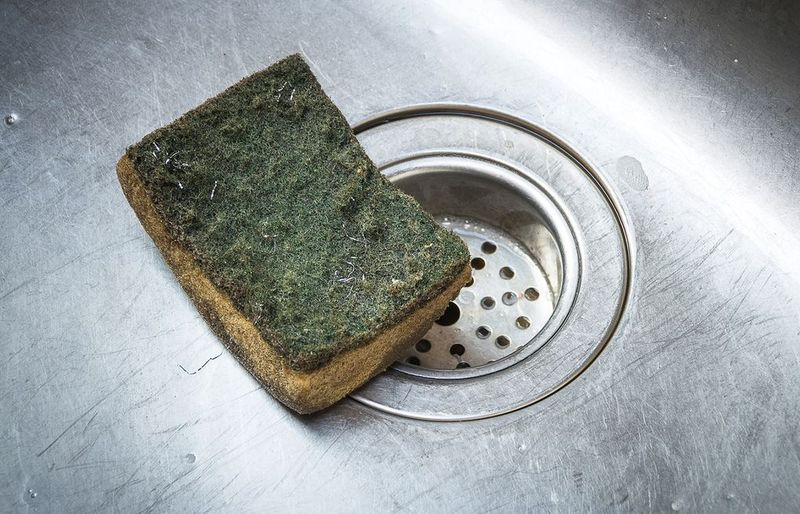
Here’s a gross truth: your kitchen sponge may hold more bacteria than a toilet seat. Warm, damp, and full of food bits, it’s basically a germ hotel.
Wiping counters with a dirty sponge just spreads those germs around.
Swap sponges every one to two weeks. Between changes, microwave a damp sponge for one minute or run it through the dishwasher.
Let it dry fully between uses, too. Fresh sponges mean cleaner dishes.
5. Putting Wooden Cutting Boards in Water Too Long
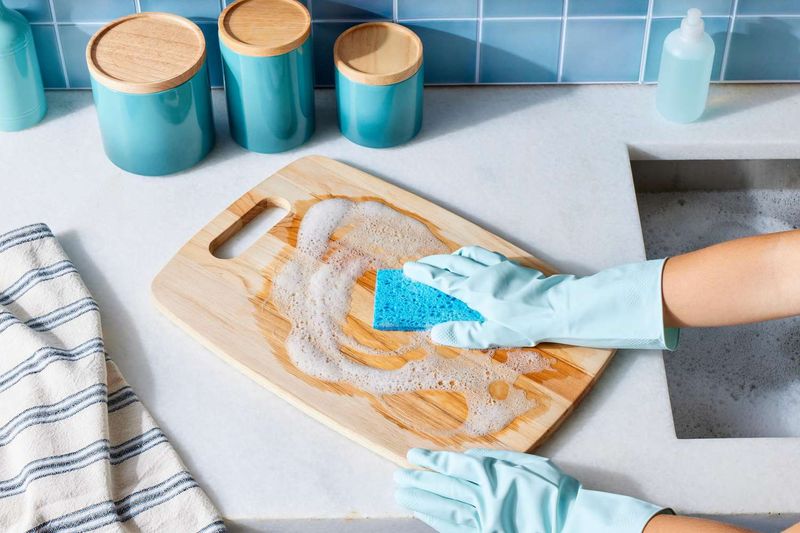
Wood is thirsty, and that’s exactly the problem. Leave a wooden cutting board in the sink and it soaks up water, swells, and eventually warps or cracks.
The dishwasher is even worse, with heat that dries the wood out completely afterward.
Wash your board quickly with hot, soapy water and stand it upright to dry. Rub it with food-safe mineral oil once a month.
A well-loved board can last for many years.
6. Using Too Much Dish Soap
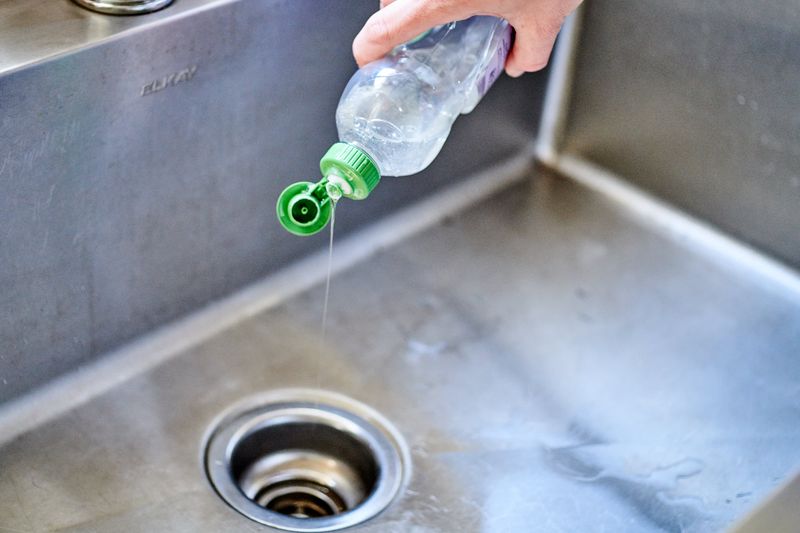
More bubbles must mean cleaner dishes, right? Not really.
Extra soap is hard to rinse away and can leave a slippery film on plates and glasses.
That leftover residue might even give your food a weird soapy taste. Plus, you’re pouring money down the drain.
A small squirt in a sink of warm water is usually plenty. Modern dish soaps are very concentrated, so a little goes a surprisingly long way.
7. Overloading the Dishwasher
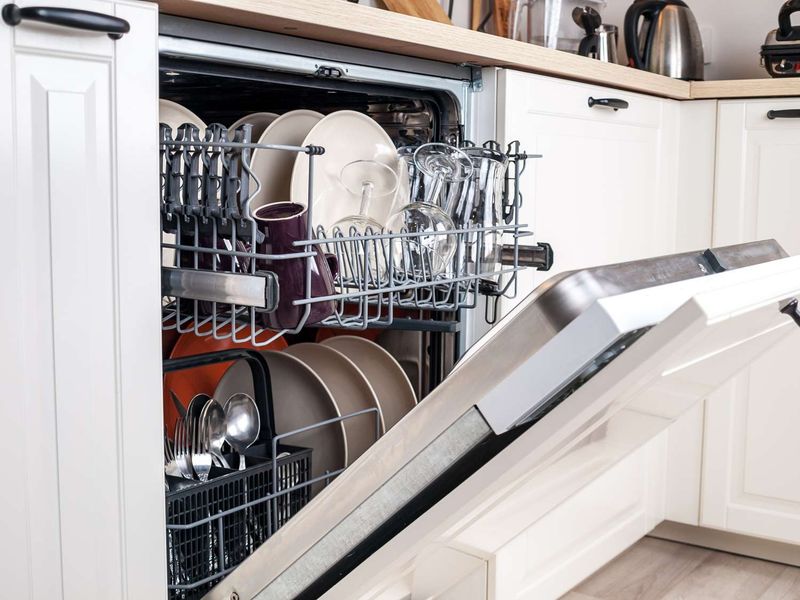
We’ve all played dishwasher Tetris, cramming in one more bowl. Unfortunately, packing it too tight blocks the water spray from reaching every dish.
The result? Dried food stuck on plates and cups that need washing all over again.
That wastes water, energy, and time.
Leave space between items and face dirty sides toward the center. Running two smaller loads often beats one stuffed load that only half works.
8. Ignoring the Dishwasher Filter
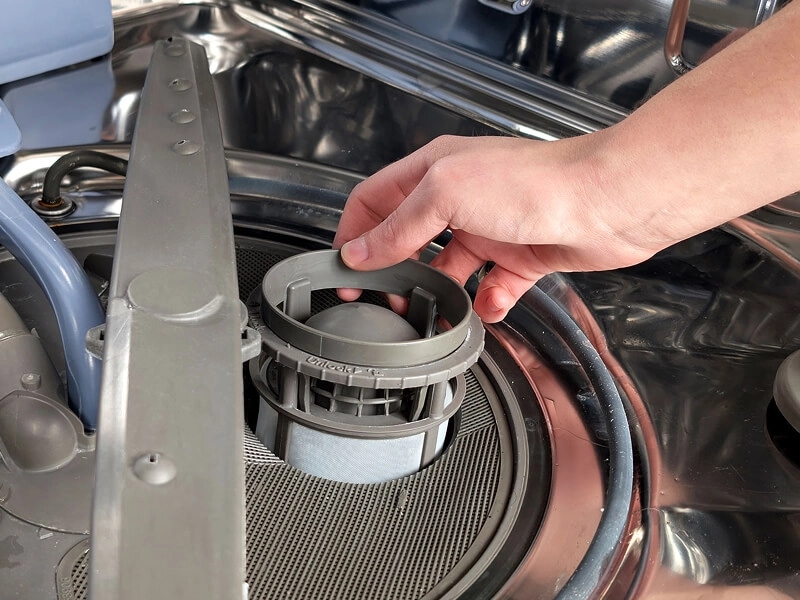
Funky smell coming from your dishwasher? The filter is probably to blame.
Many people don’t even know their machine has one.
Food scraps collect there, rot, and then get sprayed back onto your clean dishes. Yuck!
Check your manual, twist out the filter, and rinse it under hot water with a soft brush. Doing this once a month keeps your dishwasher smelling fresh and cleaning much better.
9. Plunging Hot Pans into Cold Water
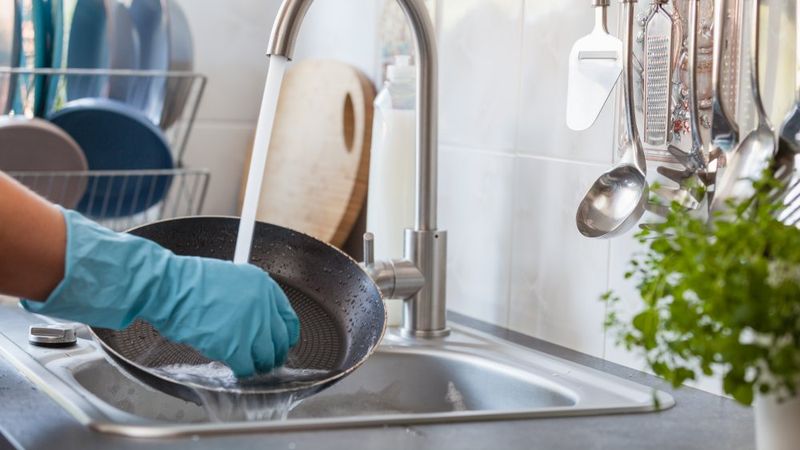
That loud sizzle feels satisfying, but your pan is secretly suffering. Sudden temperature changes cause metal to warp, a problem called thermal shock.
A warped pan won’t sit flat on the burner, so food cooks unevenly. Glass bakeware can even shatter.
Let cookware cool for a few minutes before rinsing. If something is really stuck, add warm water once the pan is just slightly warm to the touch.
10. Using Bleach on Stainless Steel
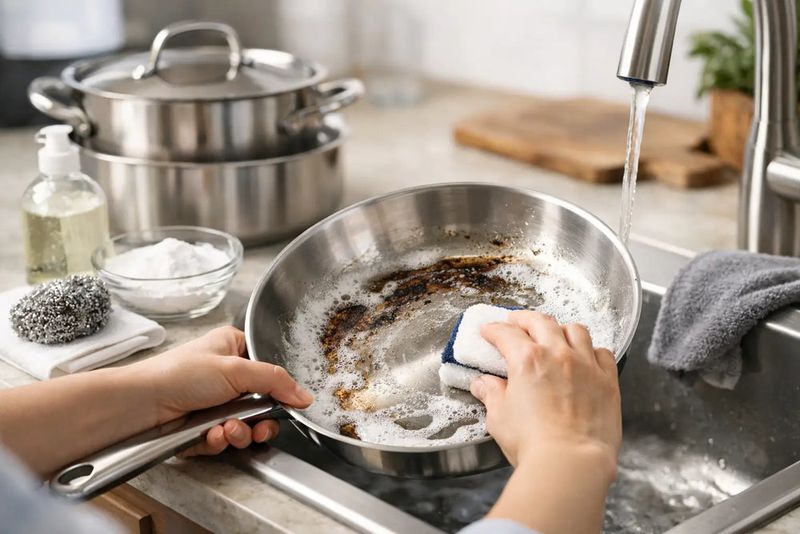
Stainless steel sounds tough, yet bleach is one of its biggest enemies. Chlorine can cause pitting, dark spots, and even rust on shiny surfaces.
Many people grab bleach thinking it cleans everything best. Sadly, it can ruin pots and sinks.
Try baking soda paste for stains or a splash of white vinegar for cloudy spots. Wipe in the direction of the metal grain, then dry with a soft cloth for a gleaming finish.
11. Letting Dishes Air Dry with a Dirty Towel Nearby
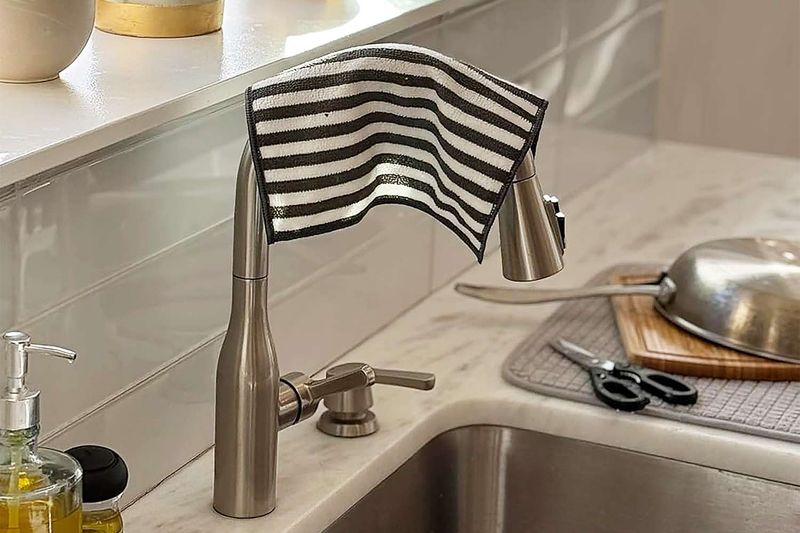
Think about everything that dish towel touched today. Wet hands, spills, maybe raw chicken juice.
Now it’s drying your clean plates.
Reusing one towel for days spreads bacteria straight onto dishes you just washed.
Keep separate towels for hands and dishes, and toss them in the laundry every few days. Better yet, let dishes air dry in a clean rack.
It’s easier and honestly more sanitary.
12. Dishwashing Copper Cookware
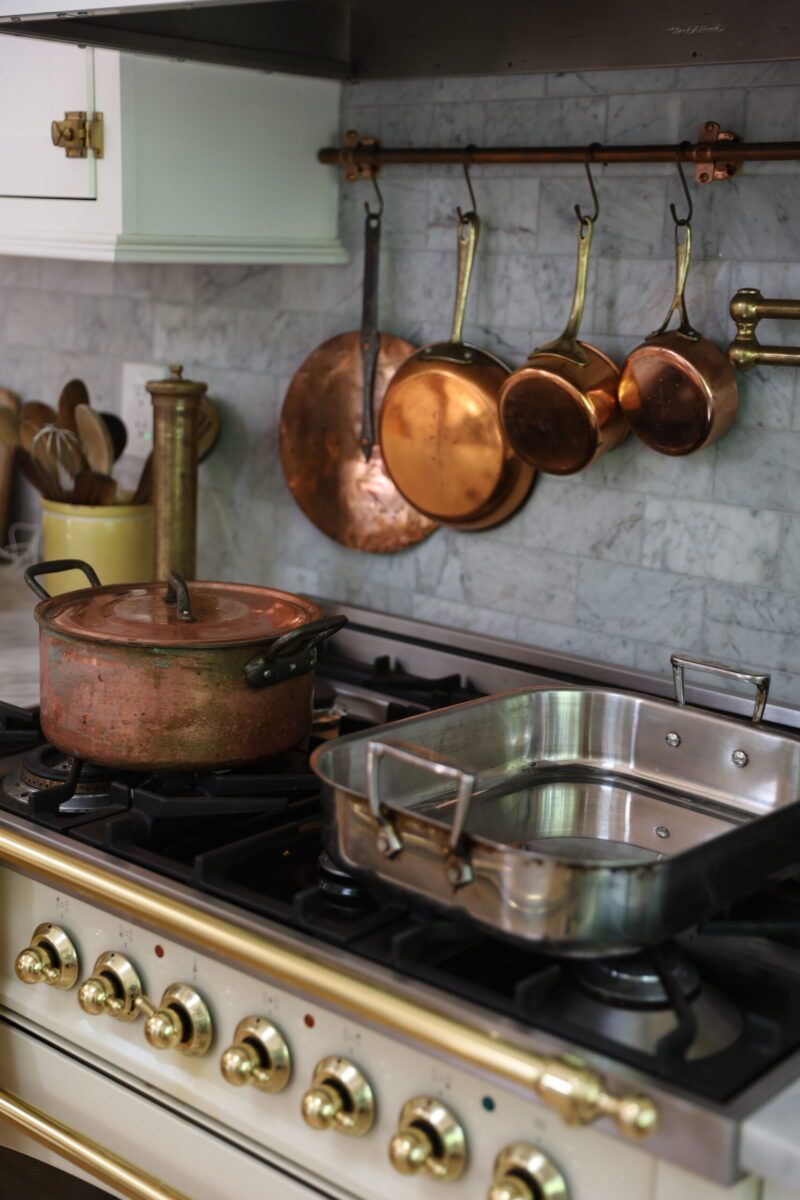
Copper pots look like something from a fancy French bistro. Keeping that rosy glow, though, takes a little care.
Dishwasher detergents quickly tarnish copper, turning it dull and blotchy. Some pots also have tin linings that wear away.
Wash copper by hand with mild soap. To restore shine, sprinkle salt on half a lemon and rub the outside.
Fun fact: people have polished copper this way for hundreds of years.
13. Skipping the Blender Base and Gasket
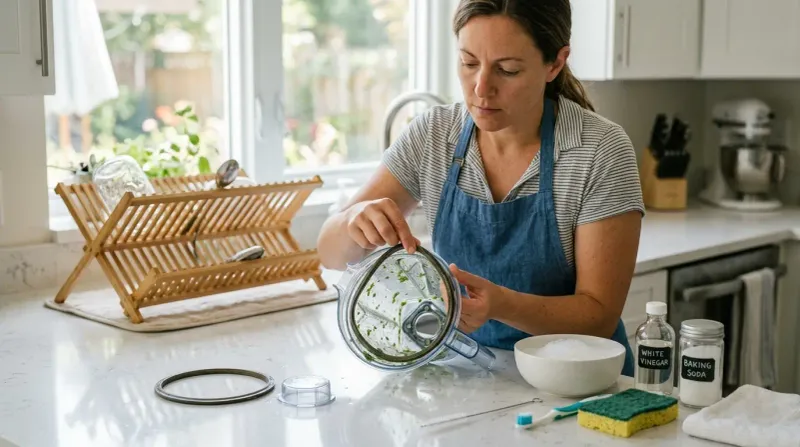
Smoothie lovers, listen up. Rinsing the blender jar isn’t enough to keep it clean.
Under the blade sits a rubber ring called a gasket. Bits of fruit and milk sneak underneath and start to grow mold.
Take the blade apart regularly and wash every piece. For a quick daily clean, blend warm water and a drop of soap for thirty seconds.
Then rinse well and let everything dry separately.
14. Storing Dishes While Still Damp
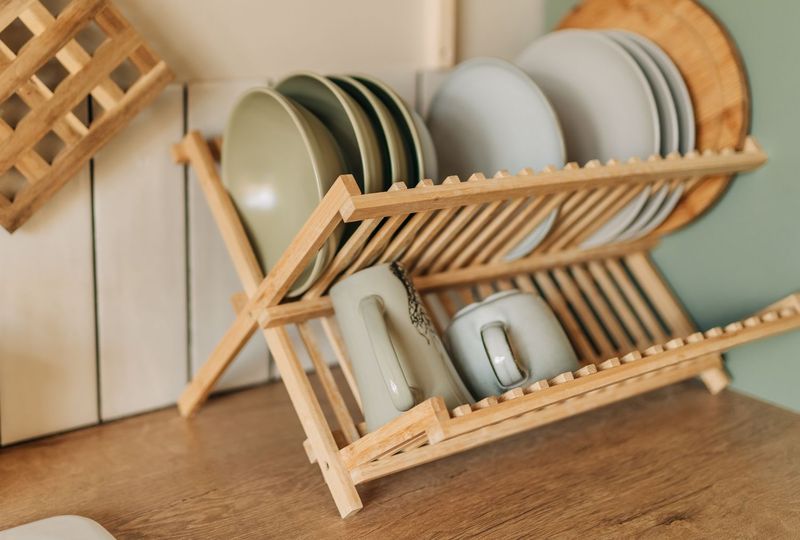
In a hurry, it’s tempting to stack slightly wet bowls straight into the cupboard. That trapped moisture creates a perfect home for mildew.
Wet pots can also leave water rings and musty smells inside cabinets. Metal items might even develop rust spots.
Give everything a final wipe or let it dry completely first. A dish rack near a sunny window speeds things up nicely without extra work from you.
15. Neglecting Can Openers
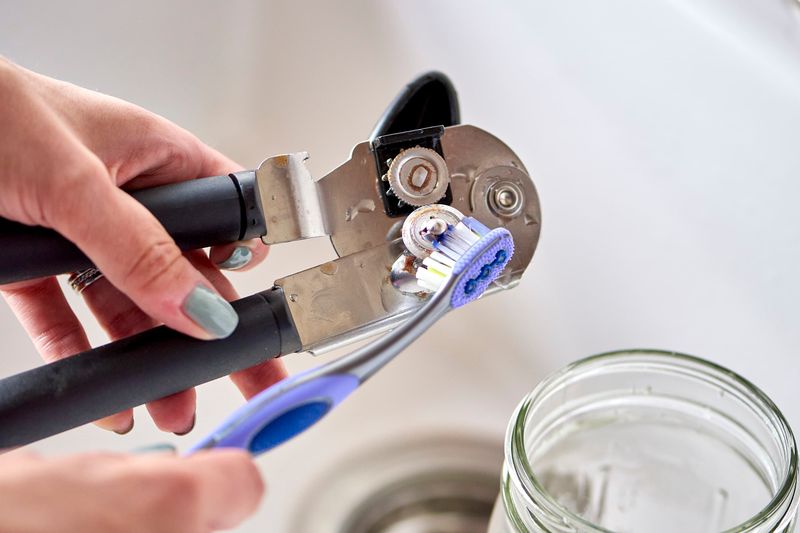
Quick question: when did you last wash your can opener? If you can’t remember, you’re not alone.
That little cutting wheel touches tuna, beans, and soup, then sits in a drawer collecting gunk. Over time, it gets sticky and even rusty.
Scrub the wheel with an old toothbrush and hot, soapy water after each use. Dry it well.
Small effort, big difference in kitchen hygiene.
16. Using Harsh Cleaners on Enameled Cookware
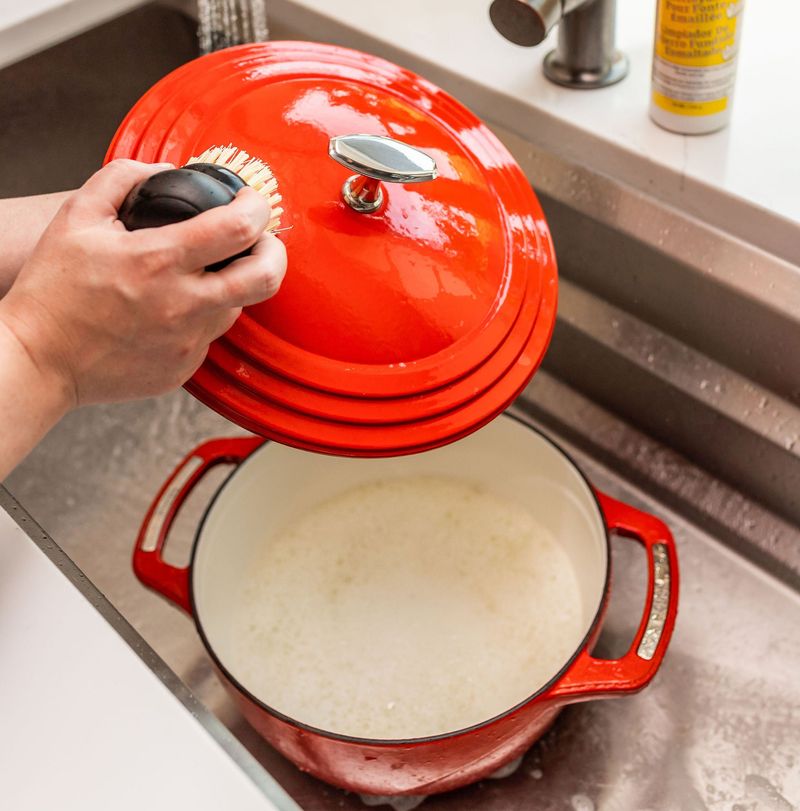
Enameled Dutch ovens come in gorgeous colors and can cost a small fortune. Treat them like everyday pots, and you risk chipping that glossy surface.
Abrasive powders and metal scrapers scratch the enamel, making stains worse over time.
Simmer water with two spoonfuls of baking soda for a few minutes to lift stubborn marks. Then wipe with a soft sponge.
Your pot will look ready for its close-up again.
17. Leaving Dirty Dishes Overnight
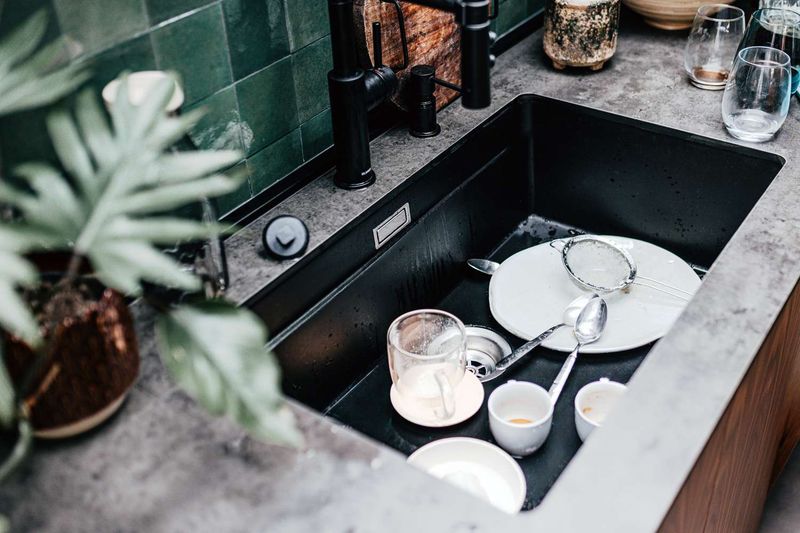
Tired after dinner? Leaving the mess for tomorrow feels great until morning arrives.
Dried food sticks like glue, turning a five-minute job into a scrubbing workout.
A full sink also attracts ants, fruit flies, and unpleasant smells.
Try a quick rinse right after eating, even if you wash later. Some families even make it a team game, racing to clear the sink before dessert.
Teamwork makes cleanup fly by.