
Canada’s past lives on in seaside villages, stone forts, sacred places, and grand old hotels. Visiting them helps us understand the people and events that shaped the country.
Some offer sweeping ocean views, while others bring you close to stories that reach back thousands of years. Pack your curiosity and discover places where history feels much closer than a textbook.
1. L’Anse aux Meadows, Newfoundland and Labrador
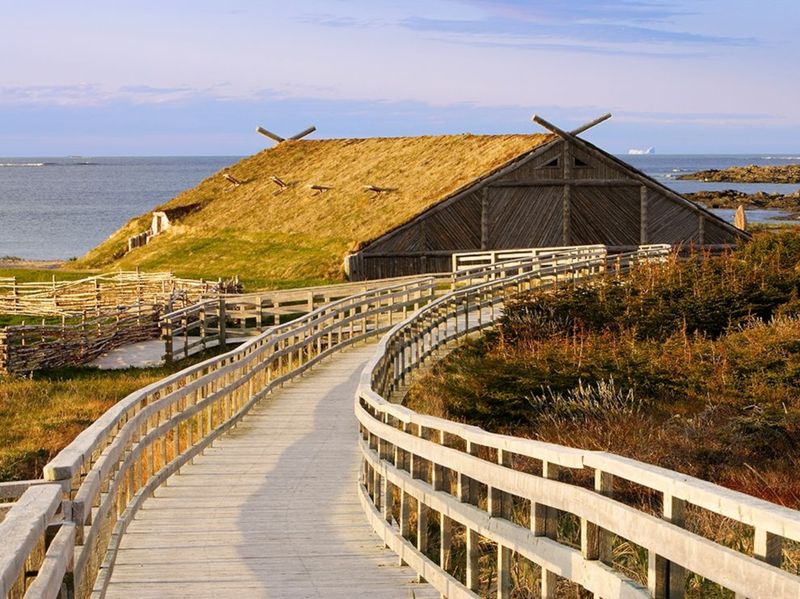
A thousand years ago, Norse sailors built a small settlement on Newfoundland’s northern tip. Today, grassy building outlines and reconstructed sod houses reveal the first confirmed European presence in North America, centuries before Columbus.
Watch costumed interpreters demonstrate daily tasks, then follow the paths toward the rugged shore. Bring a windproof jacket, even in summer.
Allow time for the visitor centre, where archaeological finds help explain how researchers uncovered this remarkable chapter of Atlantic travel.
2. SGang Gwaay, British Columbia
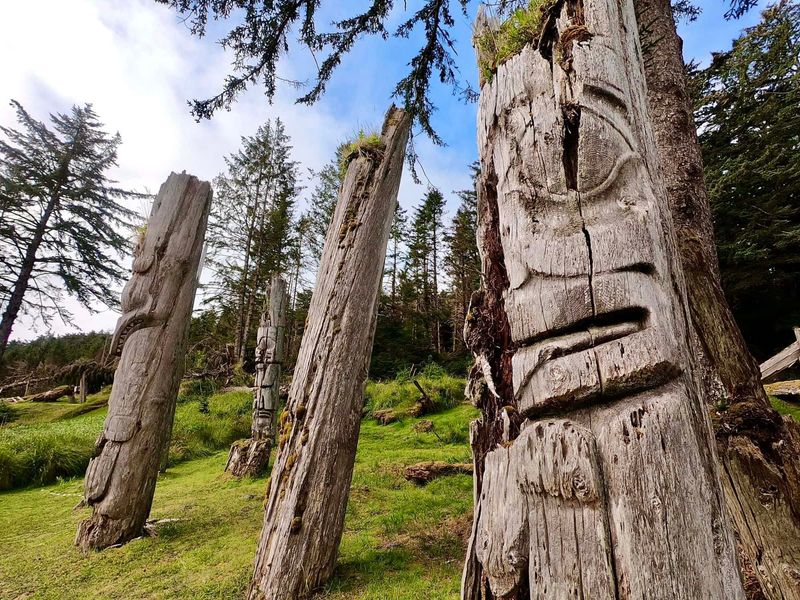
Weathered poles stand beside the forest at a Haida village where history remains deeply connected to living culture. On SGang Gwaay, surviving house remains and carved mortuary poles speak of family, community, and remembrance.
Reaching this remote island usually requires a guided boat or seaplane trip into Gwaii Haanas. Plan well ahead and follow Haida Watchmen guidance.
Keep to permitted areas, avoid touching poles, and approach the visit as a privilege rather than another sightseeing stop.
3. Head-Smashed-In Buffalo Jump, Alberta
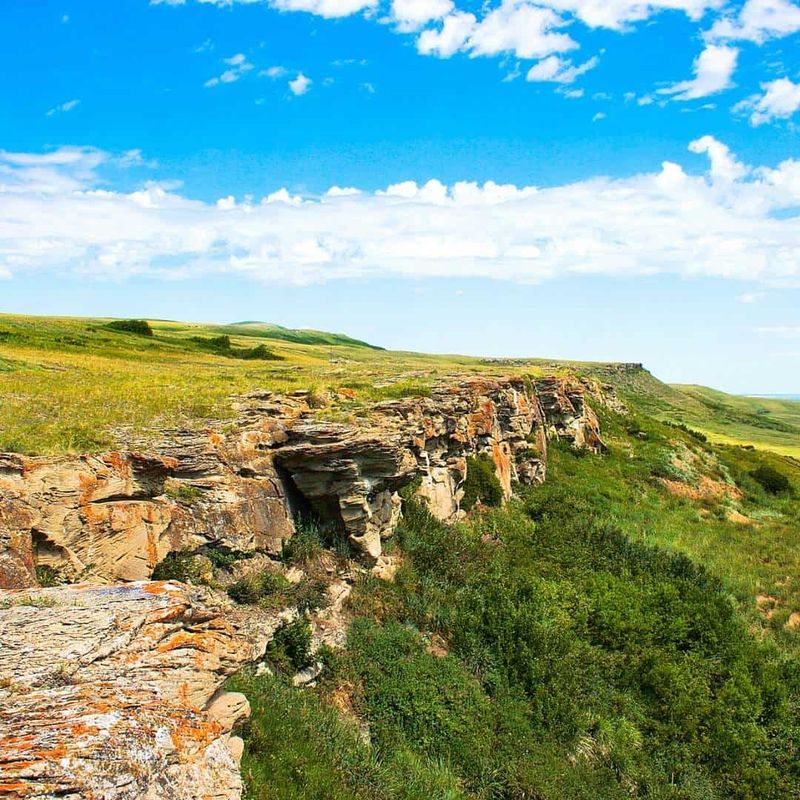
One cliff tells a story stretching back nearly 6,000 years. Here, Indigenous hunters, especially ancestors of the Blackfoot, used knowledge of bison behavior and the land to help feed their communities.
The interpretive centre explains the teamwork behind the hunts and the many uses of each animal. Walk the marked trails to understand the landscape, not just the cliff edge.
Sturdy shoes, drinking water, and protection from prairie sun will make exploring far more comfortable.
4. The Fortifications of Québec, Quebec
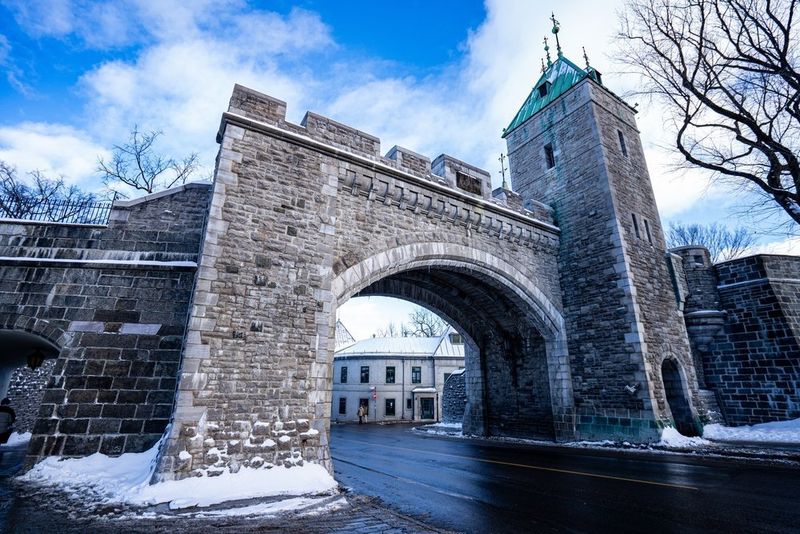
Stone gates turn an ordinary city stroll into a walk through military history. Old Québec’s surviving defenses reflect centuries of French and British efforts to protect this important settlement above the St. Lawrence River.
Follow public paths beside the walls, then explore nearby streets for a closer look at their setting. Guided tours add useful context about changing defenses.
Expect slopes, steps, and uneven surfaces, and wear comfortable shoes rather than treating this as a drive.
5. Fortress of Louisbourg, Nova Scotia

Footsteps on gravel and the smell of cooking fires make the eighteenth century feel surprisingly close. At this partly reconstructed French fortress, streets, homes, and workshops reveal life in a busy Atlantic seaport.
Summer generally offers the fullest range of costumed interpretation, though activities vary. Check the schedule before traveling and leave several hours for exploring.
Coastal fog and wind can arrive quickly, so carry an extra layer even when nearby towns feel pleasantly warm.
6. Old Town Lunenburg, Nova Scotia
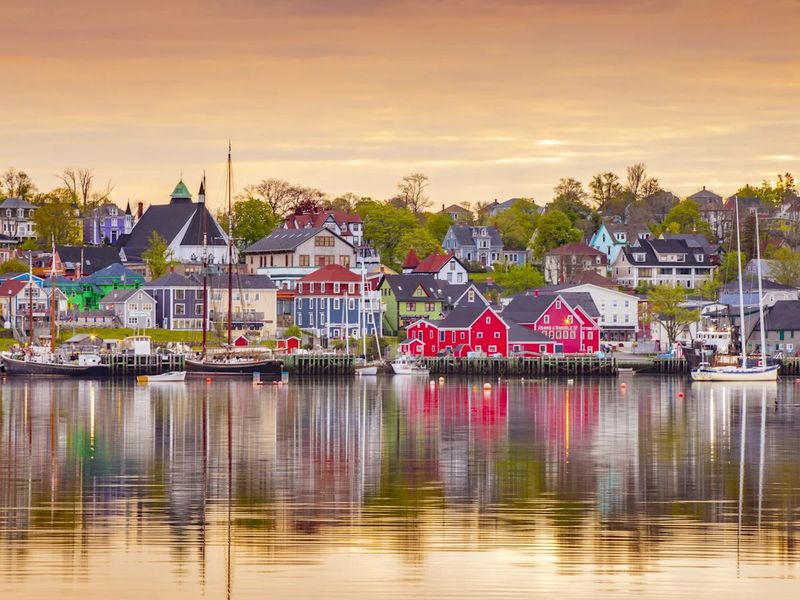
Bright wooden buildings climb the hillside above a harbor shaped by fishing and shipbuilding. Founded in 1753, Lunenburg still follows its early planned street layout, making the town itself part of the attraction.
Start along the waterfront, then wander uphill to appreciate the houses and harbor views. A walking tour can explain details you might otherwise miss.
Choose supportive footwear for steep streets, and remember that many lovely heritage buildings remain private homes and businesses.
7. Bar U Ranch, Alberta
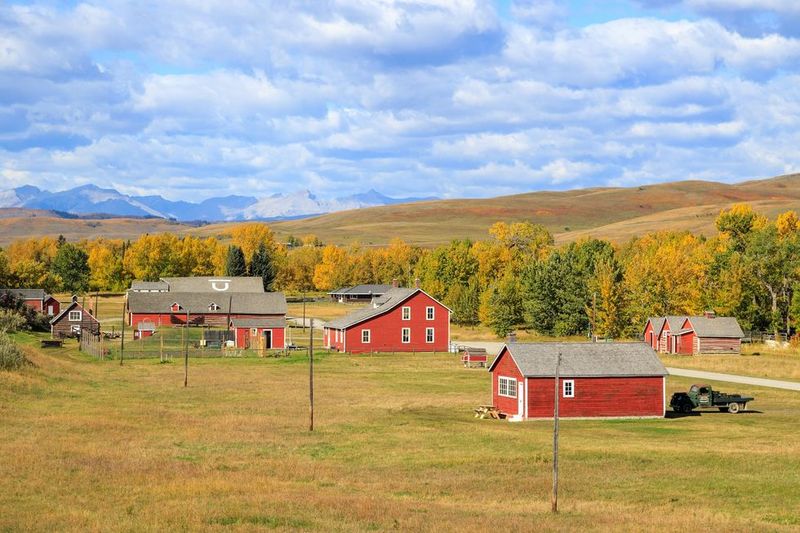
Cowboy history feels grounded and practical at this working landscape beneath Alberta’s foothills. Established in 1882, Bar U became a major ranching operation, known for cattle and its respected Percheron horse breeding program.
Explore heritage buildings and ask interpreters how ranch families handled hard winters and demanding work. Wagon rides and demonstrations depend on conditions and scheduling.
Bring a hat for the open grounds, and check seasonal opening dates before making the trip from Calgary.
8. Banff Springs Hotel, Alberta
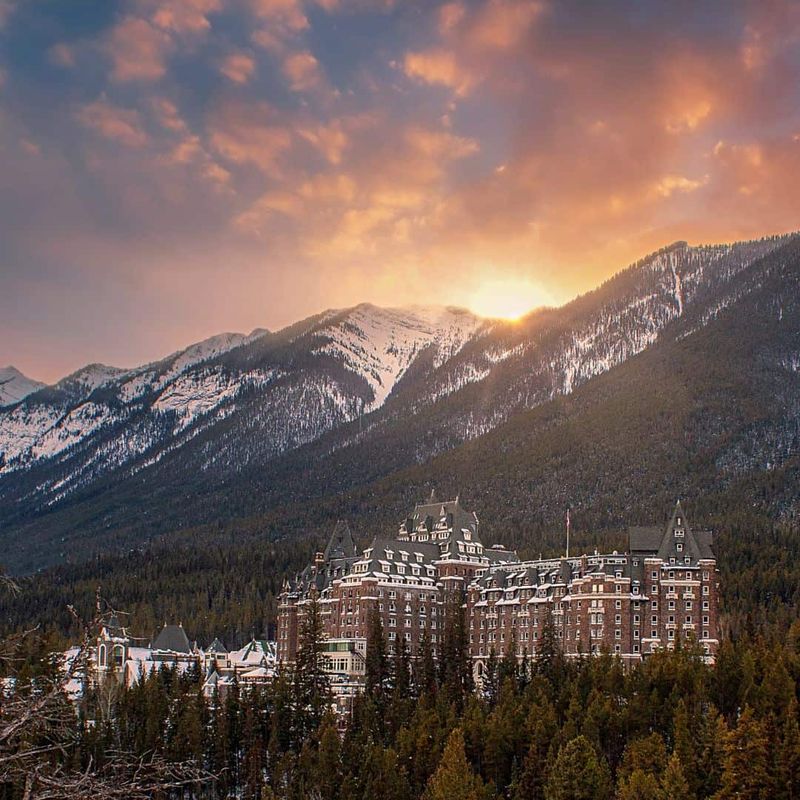
A castle among mountain peaks sounds like a storybook idea, yet Banff’s famous hotel makes it real. First opened in 1888, the property helped turn railway travel into a grand Rocky Mountain holiday.
Much of its present stone appearance came through later rebuilding and expansion. You need not book a room to admire the exterior and surrounding views.
Respect guest areas, check dining reservations ahead, and use designated public routes when exploring the hotel grounds.
9. Cape Spear Lighthouse, Newfoundland and Labrador
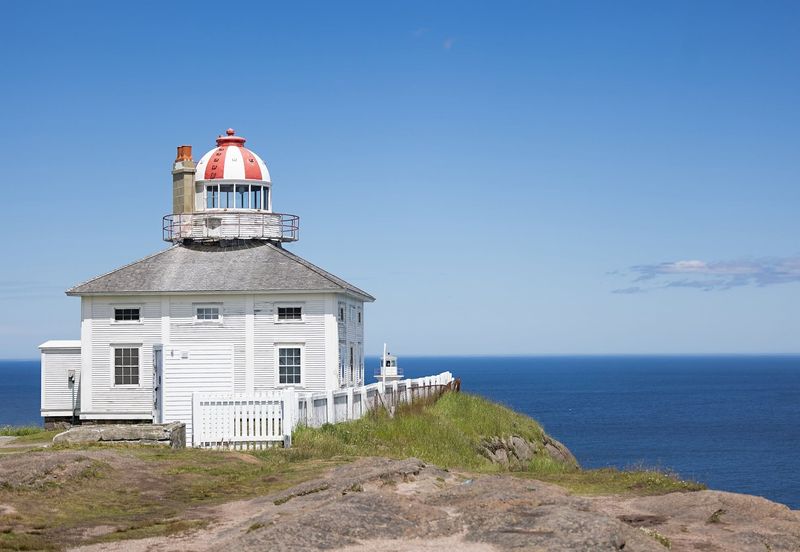
Atlantic waves crash below a lighthouse that has watched this coast since 1836. Near St. John’s, Cape Spear combines Newfoundland’s oldest surviving lighthouse with sweeping views from North America’s easternmost point, excluding Greenland.
Visit the restored keeper’s residence when open to learn about the families behind the light. Outside, stay well back from cliffs and obey barriers.
Wind can be fierce, so pack warm layers and choose safe viewpoints rather than chasing a dramatic photograph.
10. Wanuskewin Heritage Park, Saskatchewan
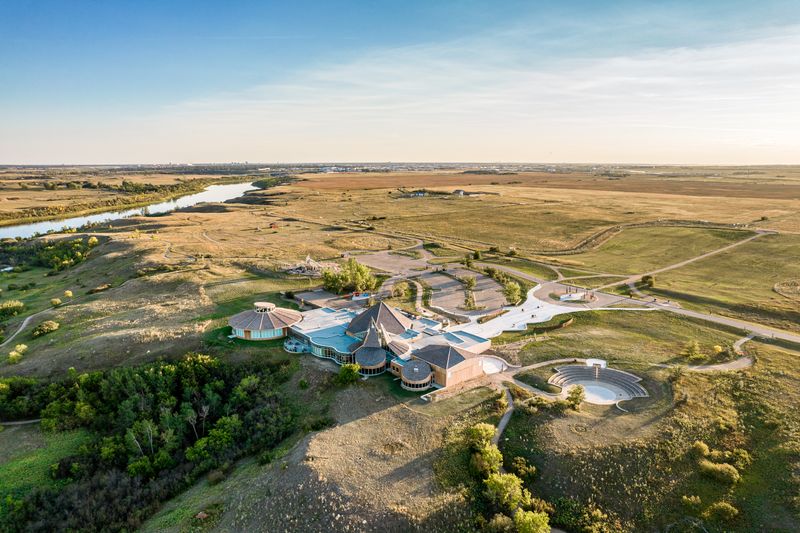
Long before Saskatoon existed, Northern Plains peoples gathered in this sheltered landscape. Archaeological evidence at Wanuskewin reaches back more than 6,400 years, connecting trails, gathering places, and bison hunting traditions.
Begin with the exhibits, then head outside to explore paths and look for the park’s bison from designated areas. Indigenous art and cultural programming add living voices to the experience.
Check daily offerings, carry water, and give yourself time to listen rather than simply passing through.
11. The Forks National Historic Site, Manitoba
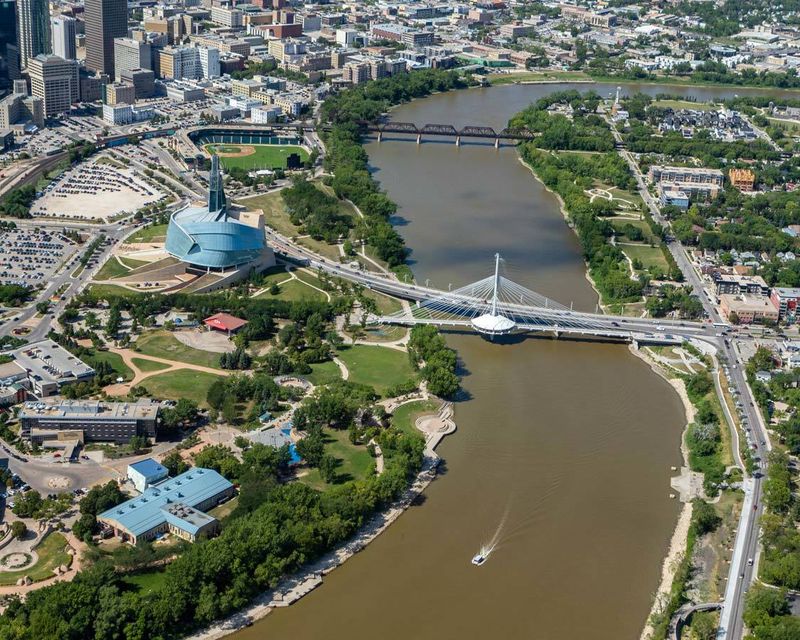
Where two rivers meet, people have gathered for about 6,000 years. The junction of the Red and Assiniboine rivers became a place for Indigenous trade, travel, and meetings long before Winnipeg grew around it.
Walk the riverside paths and read outdoor displays before stopping at nearby markets for lunch. The wider district blends historic interpretation with busy modern gathering spaces.
River levels and weather can affect access, so check conditions before planning a waterside walk.
12. Halifax Citadel, Nova Scotia
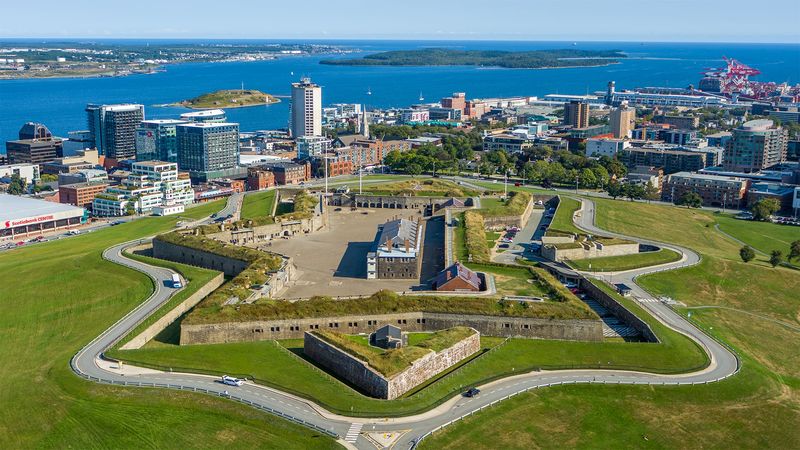
A booming noon gun gives Halifax’s hilltop fort a memorable voice. The current star shaped citadel is the fourth fort built on this site, overlooking a harbor that mattered greatly to British defense.
Explore the ramparts and exhibits to see how soldiers lived and worked. Seasonal demonstrations may include marching and sentry duties, so review the timetable first.
Anyone sensitive to loud sounds should ask staff about the gun firing and choose a suitable viewing spot.
13. Grosse Île and the Irish Memorial, Quebec
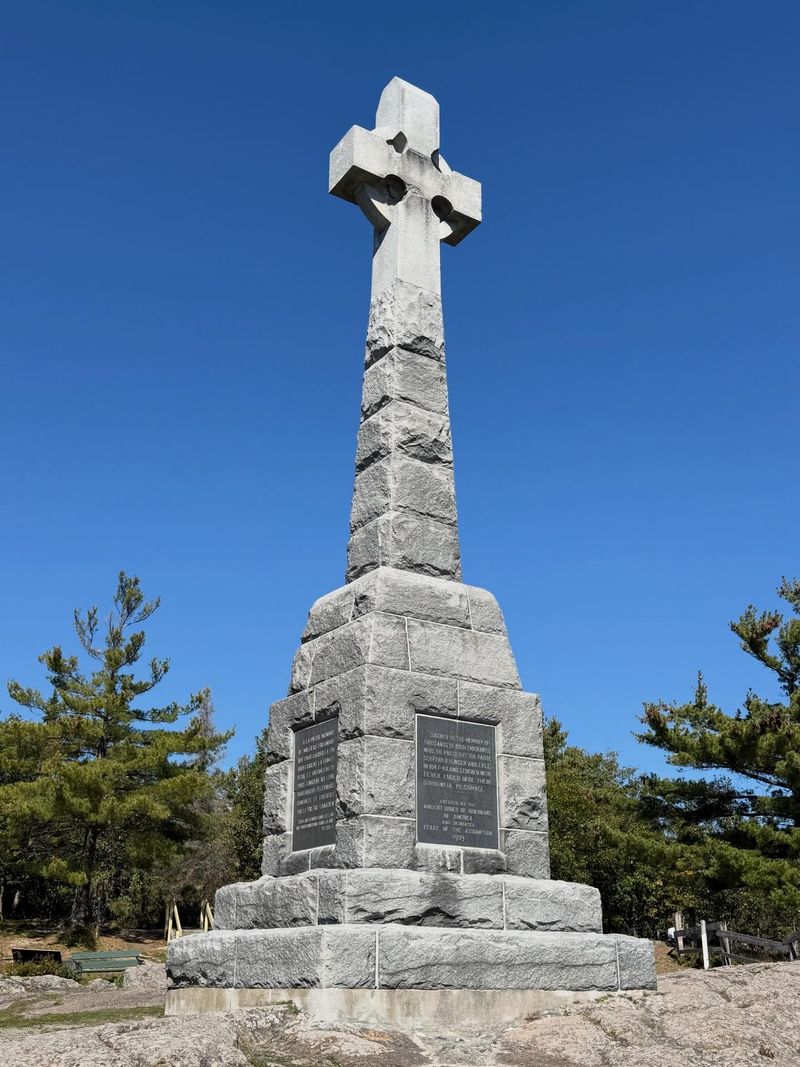
Quiet paths lead through a place where hope and heartbreak met. From 1832 to 1937, Grosse Île served as a quarantine station for immigrants arriving through Québec, including Irish families fleeing the Great Famine.
Memorials and surviving buildings help explain the devastating epidemic of 1847 without reducing people to numbers. Access is seasonal and generally involves an authorized boat excursion.
Reserve ahead, confirm walking demands, and allow space for reflection during this deeply moving visit.
14. Dawson Historical Complex, Yukon
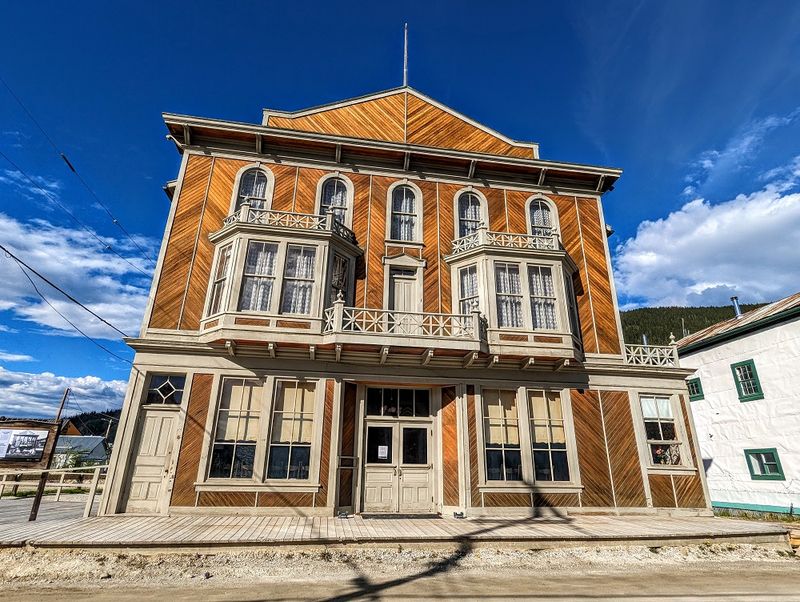
Wooden sidewalks and colorful storefronts bring the Klondike Gold Rush down to street level. Dawson City grew rapidly after gold discoveries in 1896, drawing fortune seekers into a place already home to the Tr’ondëk Hwëch’in.
Parks Canada’s historic buildings reveal business, entertainment, and daily life behind the rush. Join a guided program when available rather than judging everything from outside.
Summer offers long daylight hours, but book lodging early and check which interiors are actually open.
15. Rideau Canal, Ontario
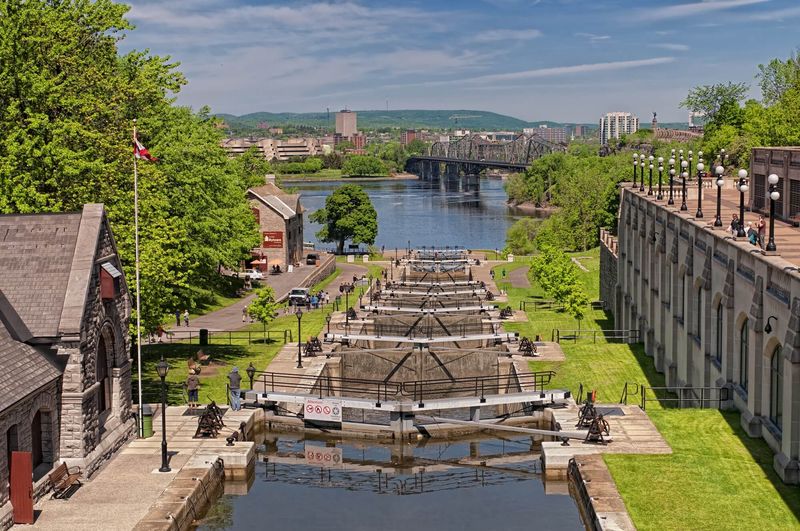
Boats rising through stone locks make engineering history easy to understand. Completed in 1832, the Rideau Canal links Ottawa and Kingston through waterways built as a protected military supply route after the War of 1812.
Watch lock operations during the navigation season or explore paths beside the water. In suitable winters, part of the Ottawa section becomes the famous skateway.
Never assume skating is available: opening depends on ice conditions, so check official updates first.
16. L.M. Montgomery’s Cavendish and Green Gables, Prince Edward Island
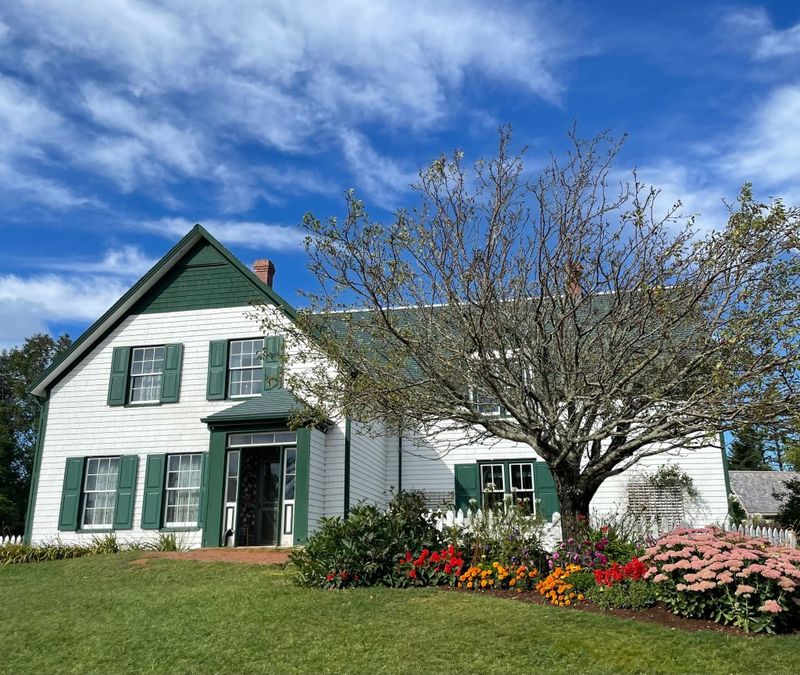
Fans of Anne Shirley will recognize the charm of green gables and wooded paths. The farmhouse inspired Lucy Maud Montgomery’s fictional setting, while nearby remains of her grandparents’ home mark where she lived and wrote.
Visit both places to separate the author’s real life from Anne’s imagined world. Follow designated woodland trails and explore exhibits about Montgomery’s work.
Summer can be busy, so arrive early and check separate admission arrangements before planning your literary day out.
17. Fairmont Le Château Frontenac, Quebec
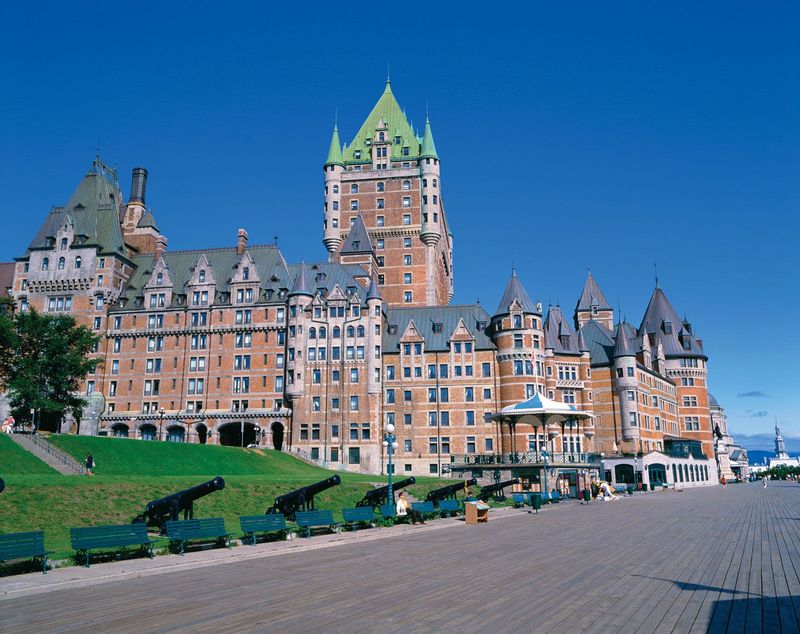
Copper roofs and soaring towers give Québec City its most famous silhouette. Opened in 1893, this railway hotel stands near the former site of Château Saint-Louis, where colonial governors once lived, not inside their residence.
Admire the building from Dufferin Terrace for a rewarding view without a hotel stay. Guided hotel tours may offer a closer look at its history and architecture.
Book ahead when needed, and remember that public access does not include guest areas.
18. Dinosaur Provincial Park, Alberta
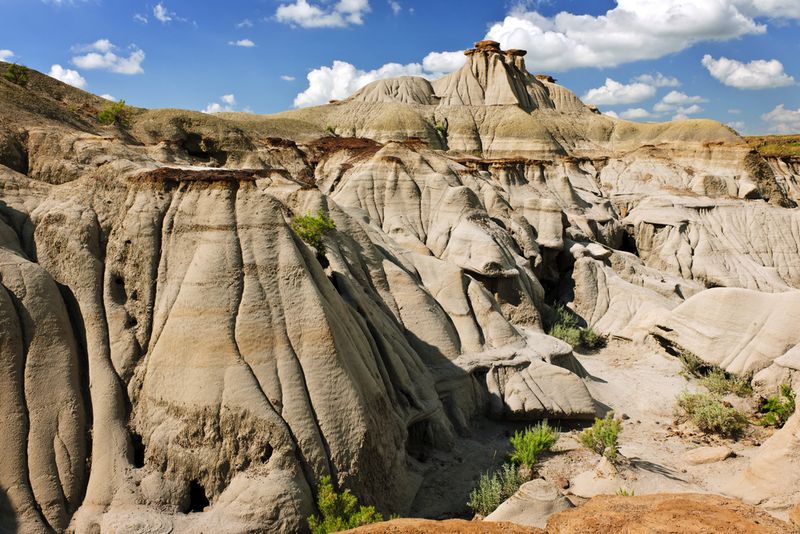
Striped hills and twisted rock shapes hold a story far older than human history. Around 75 million years ago, dinosaurs lived in a warm coastal landscape here, leaving fossils that make this park globally important.
Although it is a natural heritage site rather than a human historic landmark, the badlands deserve attention. Book guided programs for access to restricted areas.
Carry plenty of water, prepare for intense summer heat, and leave every fossil where it lies.