
A cup of tea or a slice of bread can tell a surprising story about America’s past. Everyday foods helped spark protests, feed soldiers, and bring families through hard times.
Some even traveled into space. Following their stories gives us a fresh way to understand the people and choices that shaped the country.
1. Corn: A Harvest Shared at Plymouth

Long before Plymouth existed, Native communities grew corn for countless generations. Wampanoag knowledge helped English settlers learn to raise it in local conditions, making the crop vital to their survival.
Corn was part of the harvest behind the 1621 gathering now associated with Thanksgiving, although its exact dishes remain uncertain. Think cornmeal or porridge rather than modern buttered corn.
Its story also reminds us that Native farming knowledge helped shape America’s food supply from the beginning.
2. Tea: The Drink That Sparked a Harbor Protest
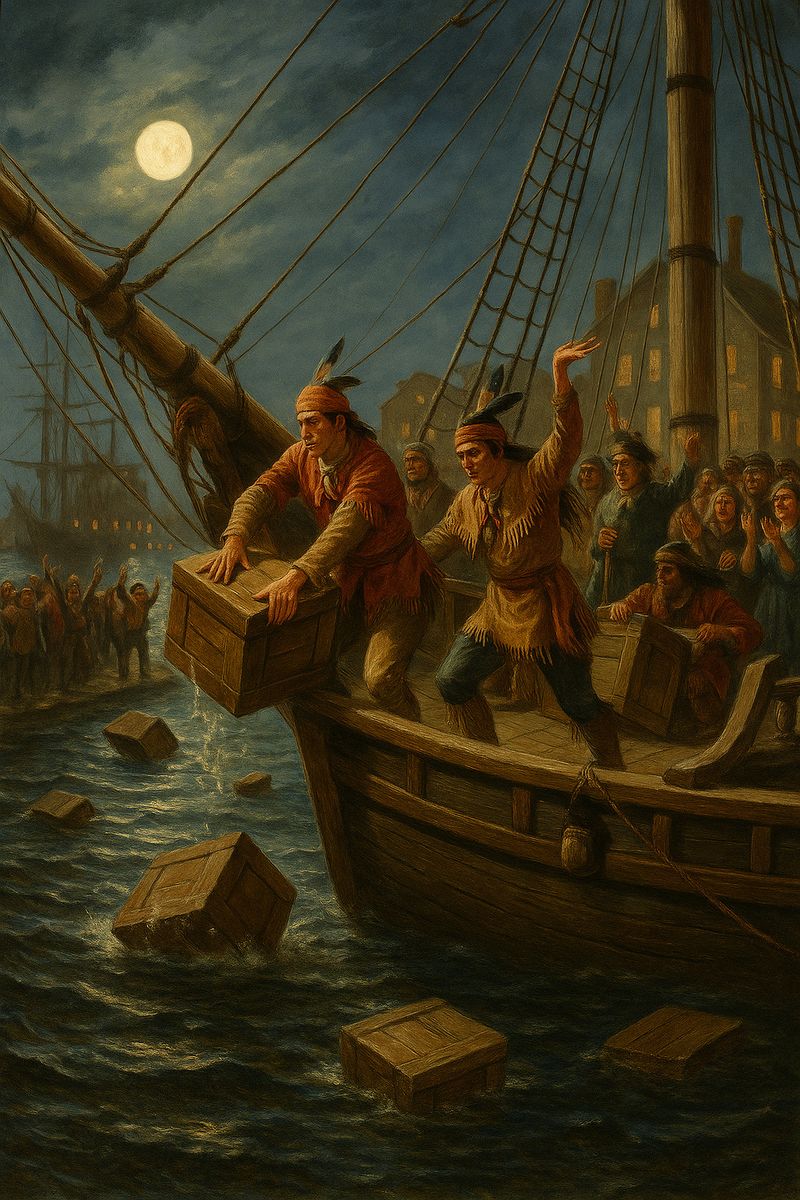
A familiar drink became the center of a dramatic protest on December 16, 1773. In Boston, colonists dumped 342 chests of British East India Company tea into the harbor.
They opposed Parliament’s power to tax them without elected colonial representatives, along with the company’s special advantages. Britain’s harsh response deepened the crisis that led toward revolution.
When you brew tea today, remember that an everyday purchase once raised huge questions about political rights and government power.
3. Coffee: A Patriotic Cup and a Soldier’s Comfort
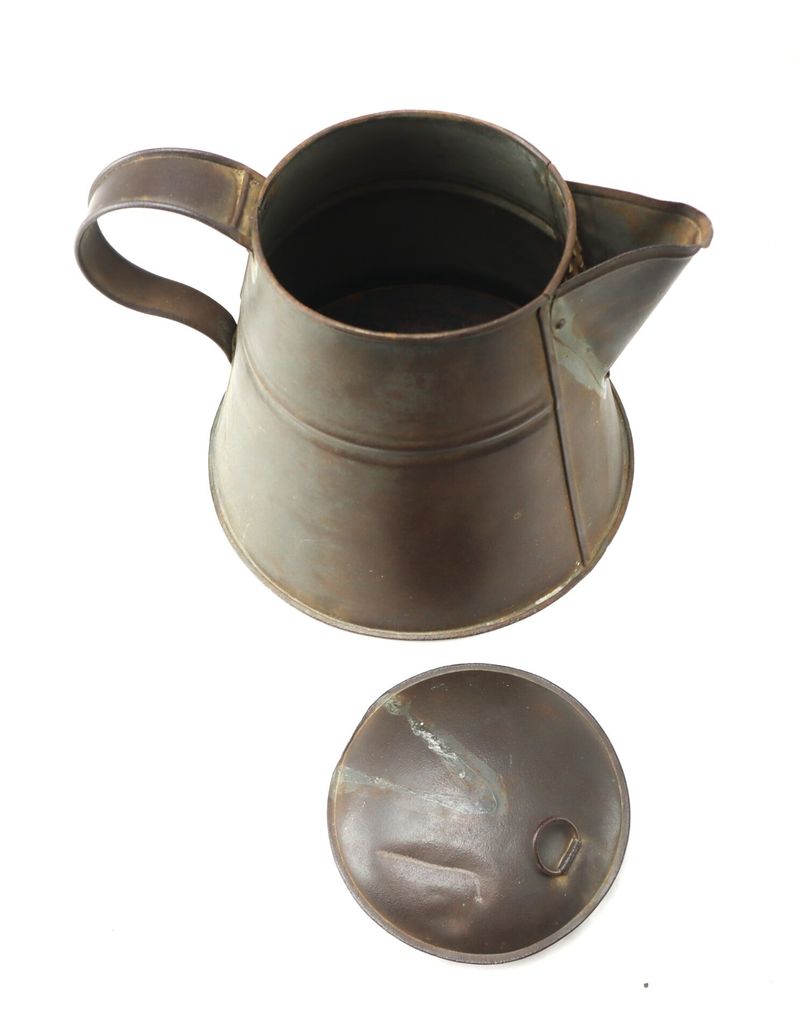
Choosing a morning drink could send a political message during the American Revolution. As colonists boycotted British tea, coffee offered a patriotic alternative, though tea never disappeared from American tables.
Decades later, Union soldiers depended on coffee for warmth, energy, and a welcome break from camp life. They often ground and brewed their own beans.
Across both periods, the humble cup connected public events with private routines, showing how national struggles can change familiar daily habits.
4. Whiskey: A Tax That Tested the New Government
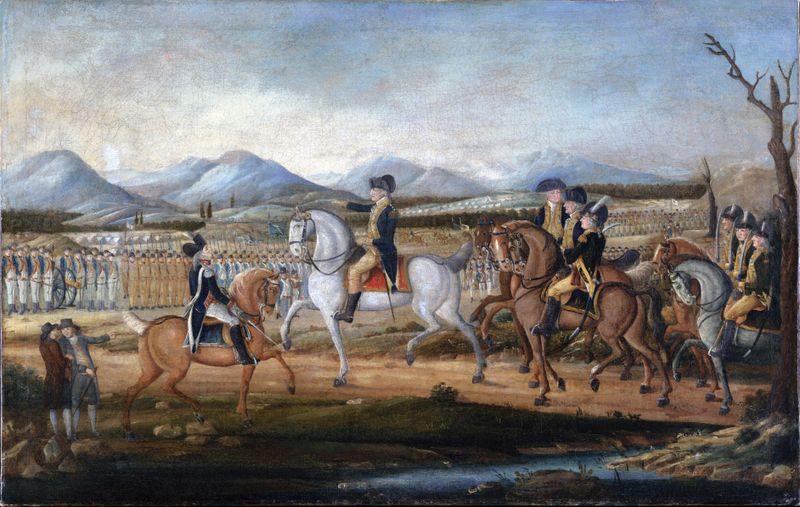
For farmers in western Pennsylvania, turning grain into whiskey made crops easier to transport and sell. A federal tax passed in 1791 therefore felt like a direct threat to their earnings.
Resistance grew into the Whiskey Rebellion, with intimidation and violence against tax collectors. In 1794, President George Washington called out militia forces to restore order.
The confrontation tested whether the young federal government could enforce its laws, making a farm product central to national authority.
5. Bread: Boston’s Early Fight Over Food Prices
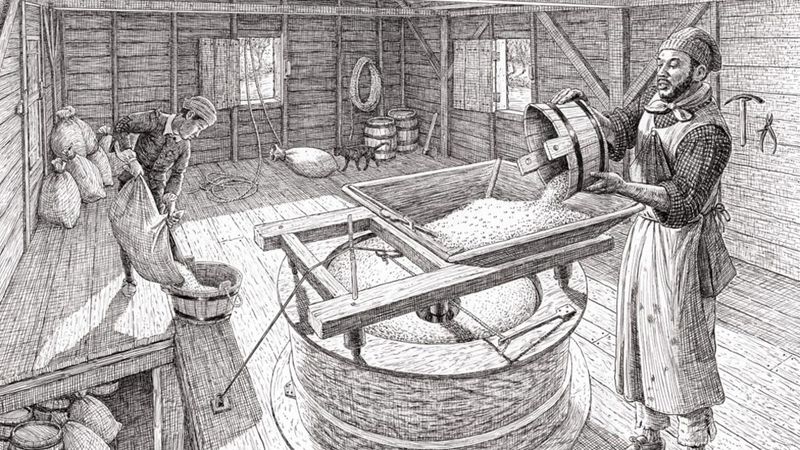
An expensive loaf can become more than a household problem. Between 1710 and 1713, Boston saw unrest over grain supplies, bread prices, and merchants shipping food away while local families struggled.
Protesters wanted officials to protect access to basic food. Authorities responded with measures aimed at grain exports and prices, though hardship did not simply vanish.
The episode offers a useful lesson: debates over grocery bills, fair trade, and government action have deep roots in America.
6. Hardtack: The Civil War Cracker Built to Last
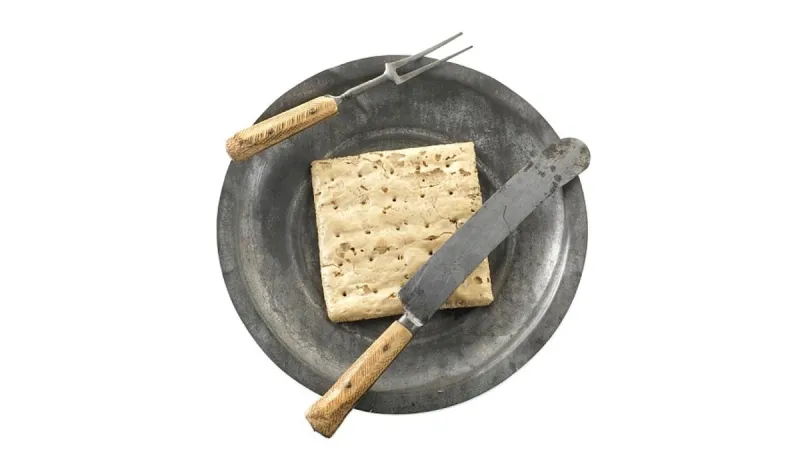
Imagine a cracker so tough that soaking it becomes part of the meal. Hardtack, usually made from flour and water, sometimes with salt, supplied Union soldiers during the Civil War.
Its biggest strength was shelf life, not flavor. Soldiers dipped the crackers in coffee or broke them into other foods to make eating easier.
Poor storage could bring mold or insects. Looking at hardtack helps explain why feeding an army required durability as much as nutrition.
7. Johnny Cakes: Cornmeal on the Confederate Menu
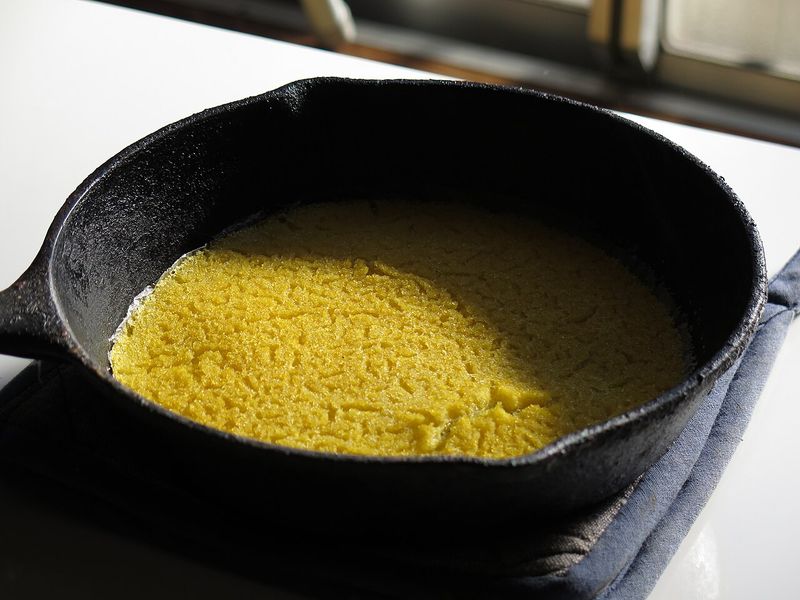
A handful of cornmeal could become supper when supplies ran low. Confederate soldiers often relied on corn bread and simple cornmeal cakes, including versions known as johnny cakes.
Recipes varied with available ingredients, so some meals were far rougher than today’s soft breakfast cakes. Cornmeal mixed with water and cooked near a fire offered basic fuel.
Their place in wartime eating shows how regional crops, shortages, and cooking equipment shaped what soldiers could actually put together.
8. Salt Pork: Meat That Could Travel
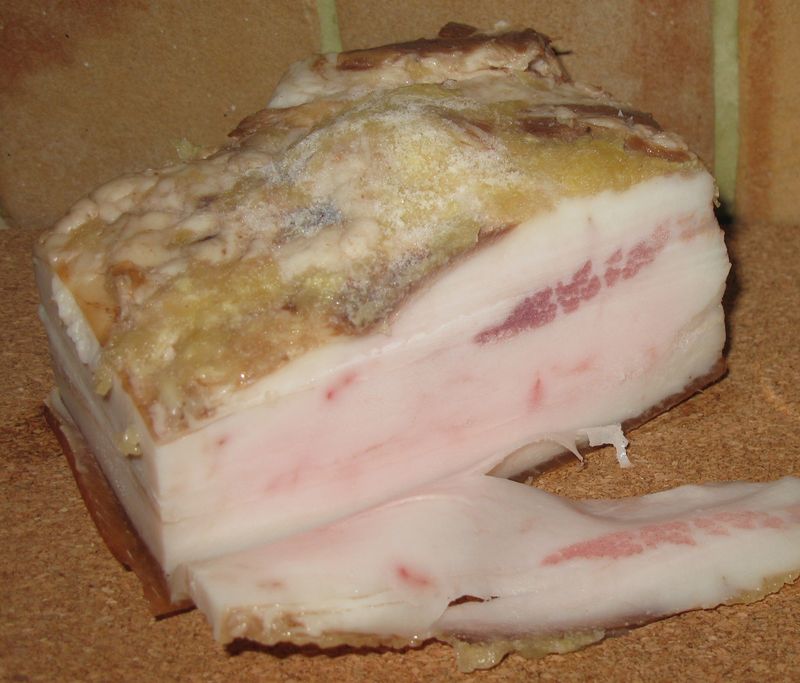
Before reliable refrigeration, salt did a job that modern kitchens often leave to electricity. Heavily salted pork could last far longer than fresh meat, making it useful for armies on the move.
Both Union and Confederate troops received pork when supply lines allowed. Cooks might soak or boil it to reduce the salt before serving.
The tradeoff was clear: preserved meat traveled well, but taste and variety suffered. Wartime menus often favored survival over enjoyable meals.
9. Apple Pie: A Slice of Wartime Home
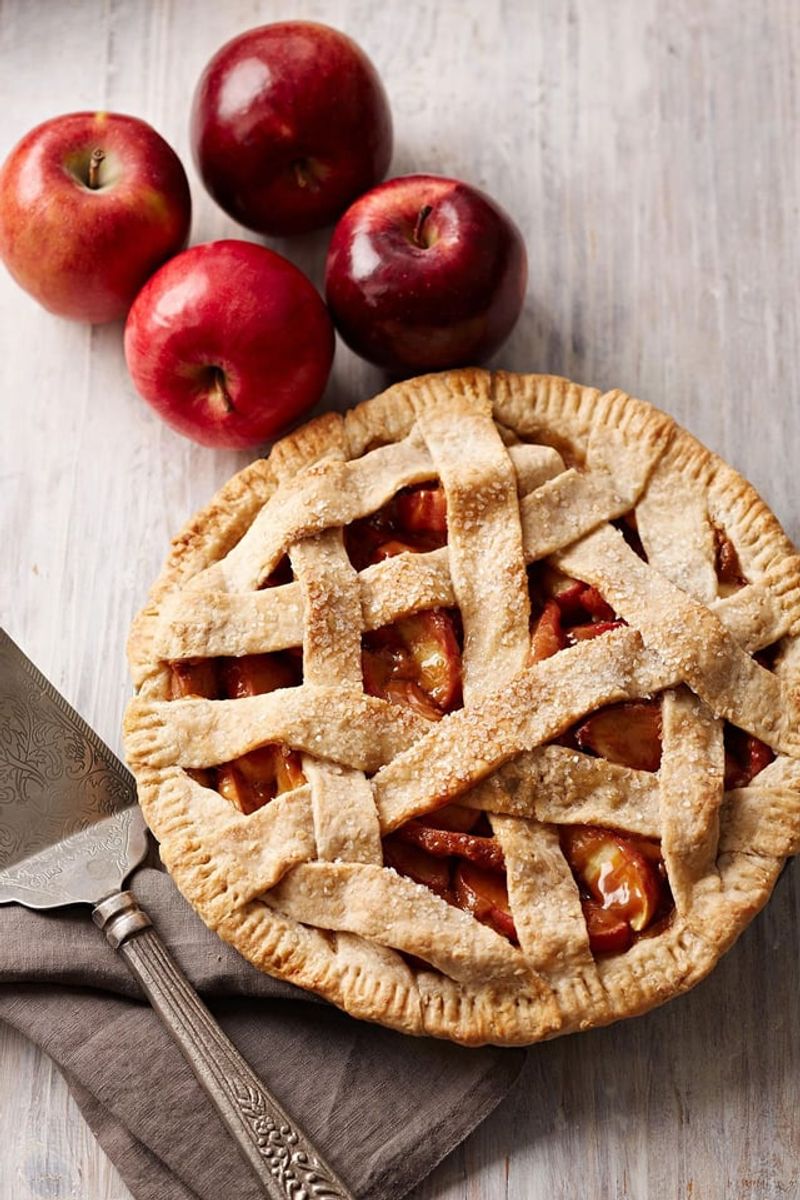
Few desserts carry a stronger feeling of home than a warm slice of pie. Although apple pies have European roots, Americans made the dish a lasting symbol of national identity.
During World War II, the phrase about fighting for mom and apple pie captured the comforts soldiers hoped to protect. It was a patriotic image, not proof that the recipe began here.
That distinction makes the story richer: borrowed food traditions can become deeply meaningful national symbols.
10. Sugar: Sweetness Measured by Ration Stamps
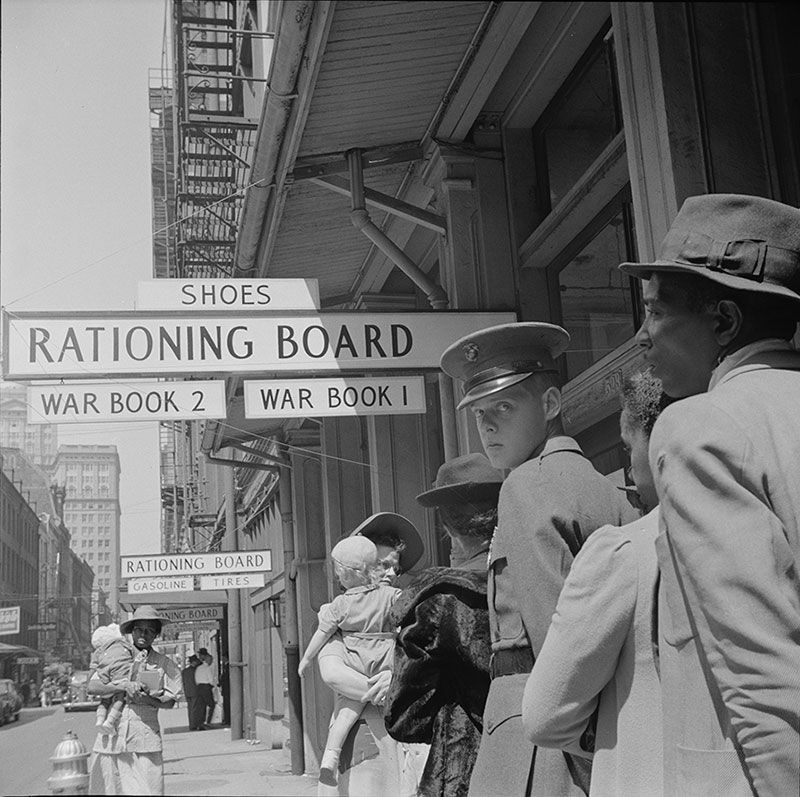
Baking a cake required extra planning once sugar rationing began in May 1942. Sugar became the first food rationed nationwide during World War II, with purchases controlled through ration books.
Wartime shipping problems and military needs helped drive the limits. Families stretched supplies by choosing less sugary recipes or saving portions for special occasions.
Old cookbooks from this period reveal clever substitutions, but they also show the daily work behind sharing scarce goods across a nation.
11. Meat and Fats: Shopping With Points
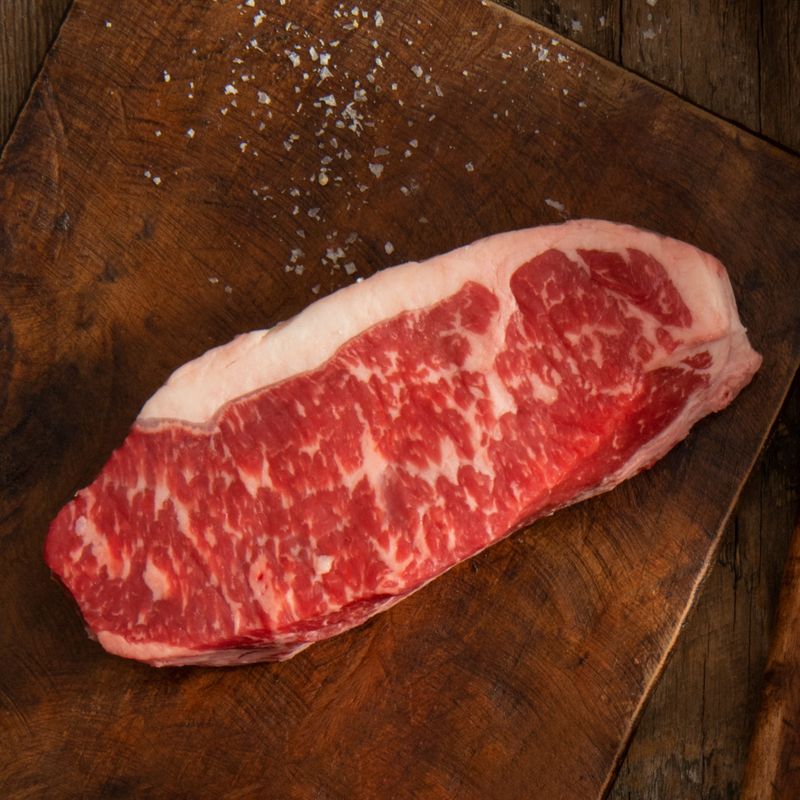
Money alone could not fill a shopping basket during World War II. Beginning in 1943, many meats, cheeses, and fats required ration points as well as payment.
Red stamps helped control purchases and spread limited supplies more fairly. Families planned meals around changing point values, using beans or other substitutes when meat was hard to obtain.
Reading a wartime menu becomes more interesting when you realize that every ingredient could involve both a budget and points.
12. Victory Garden Vegetables: Backyard Help for the War
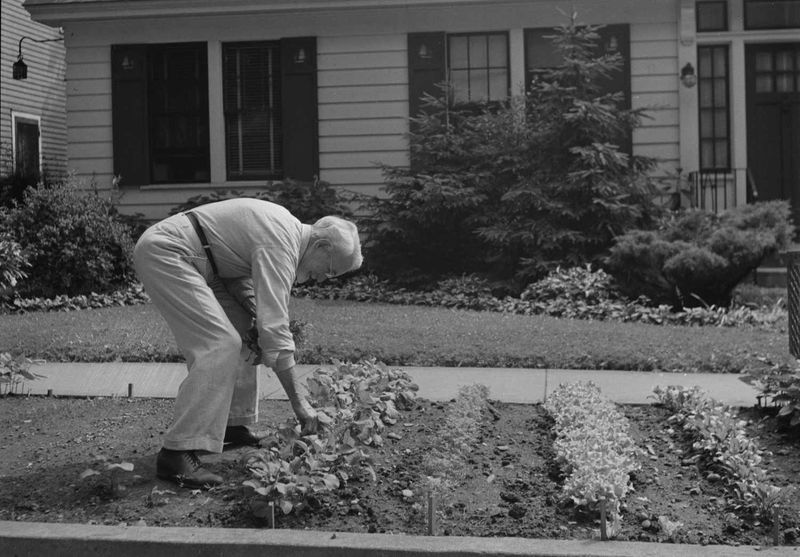
Backyards, school grounds, and empty lots became useful growing spaces during both world wars. Americans planted vegetables to support household food supplies and ease pressure on commercial farming and transportation.
Known especially as victory gardens during World War II, these plots also gave civilians a direct way to contribute. Beans, carrots, tomatoes, and greens brought fresh food closer to home.
Even a small garden today can help you understand the patience and effort behind that shared work.
13. Tang: An Orange Drink Joins the Space Race

Space travel gave an ordinary supermarket powder an extraordinary reputation. Tang was already sold before NASA used it, but its connection with astronaut John Glenn’s 1962 orbital flight made it famous.
The orange drink later appeared on other missions and became closely tied to the Space Race. Contrary to a common story, NASA did not invent it, and early astronauts were not drinking recycled urine.
Its history shows how a real achievement can reshape a product’s image.
14. Moonshine: Hidden Stills During Prohibition
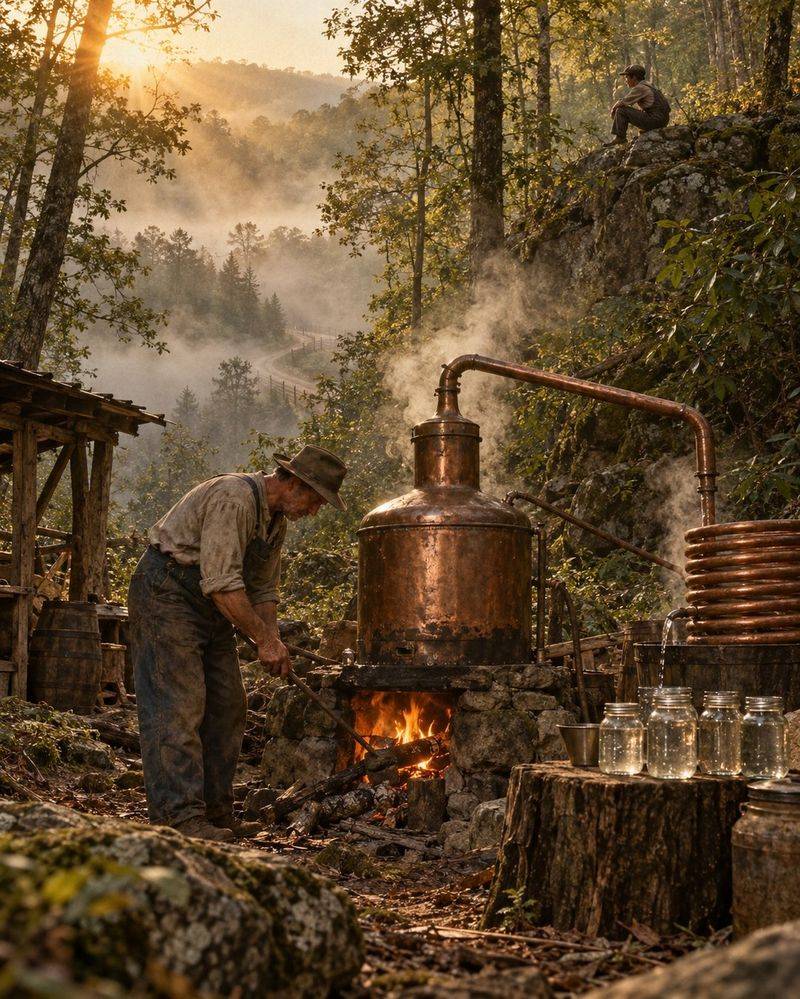
Hidden stills became part of America’s underground economy when Prohibition took effect in 1920. Federal law generally banned making, selling, and transporting alcoholic drinks, though some exceptions existed.
Illegal liquor production was older than Prohibition, but the national ban expanded its market. Moonshine supplied some drinkers while bootleggers risked arrest and buyers faced uncertain quality.
The era ended with repeal in 1933, leaving a sharp reminder that banning a popular product does not automatically erase demand.
15. Graham Bread: Reform Served by the Slice
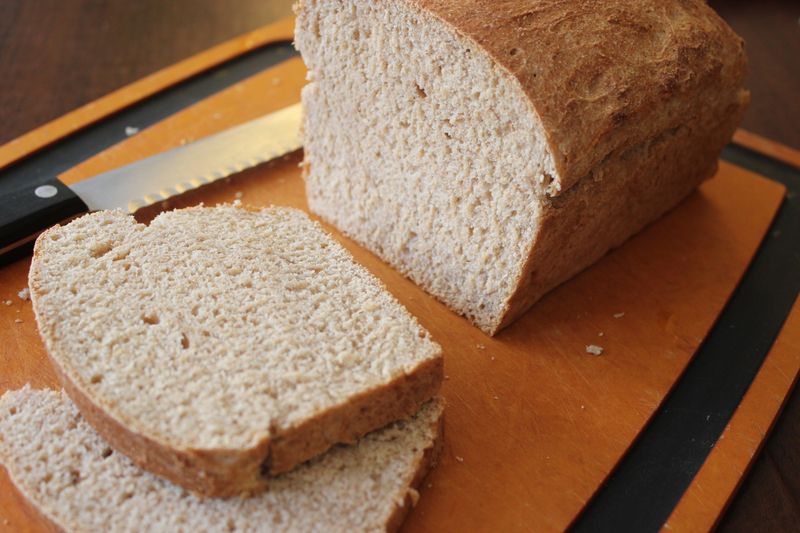
Could a loaf help improve society? In the 1830s, reformer Sylvester Graham promoted bread made from whole wheat flour as part of a plain, disciplined way of living.
He believed food choices affected health and moral behavior, joining diet to broader reform debates. Many of his claims went beyond modern evidence, so his advice should not be treated as medical guidance.
Still, graham bread marks an early chapter in America’s long argument over healthy eating and industry.
16. Lobster: From Shoreline Plenty to Luxury
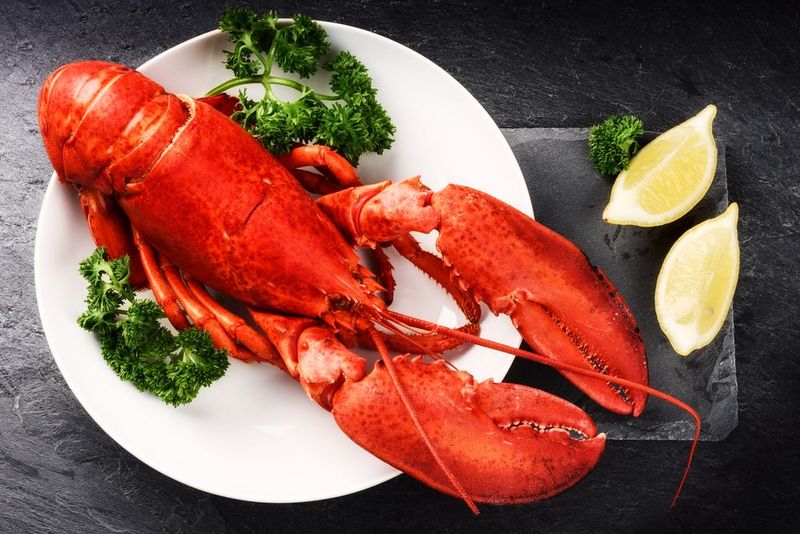
Today’s expensive seafood dinner once had a much humbler reputation. Along parts of colonial New England, lobsters were plentiful and could be gathered near shore, making them available to ordinary households.
They did not carry the same luxury status they hold now. Later changes in transport, canning, restaurants, and tourism helped build wider demand.
Be cautious with dramatic stories about laws limiting lobster meals for servants, since many lack solid evidence. Abundance alone tells a fascinating story.
17. Potatoes: A Useful Crop for Backcountry Homes
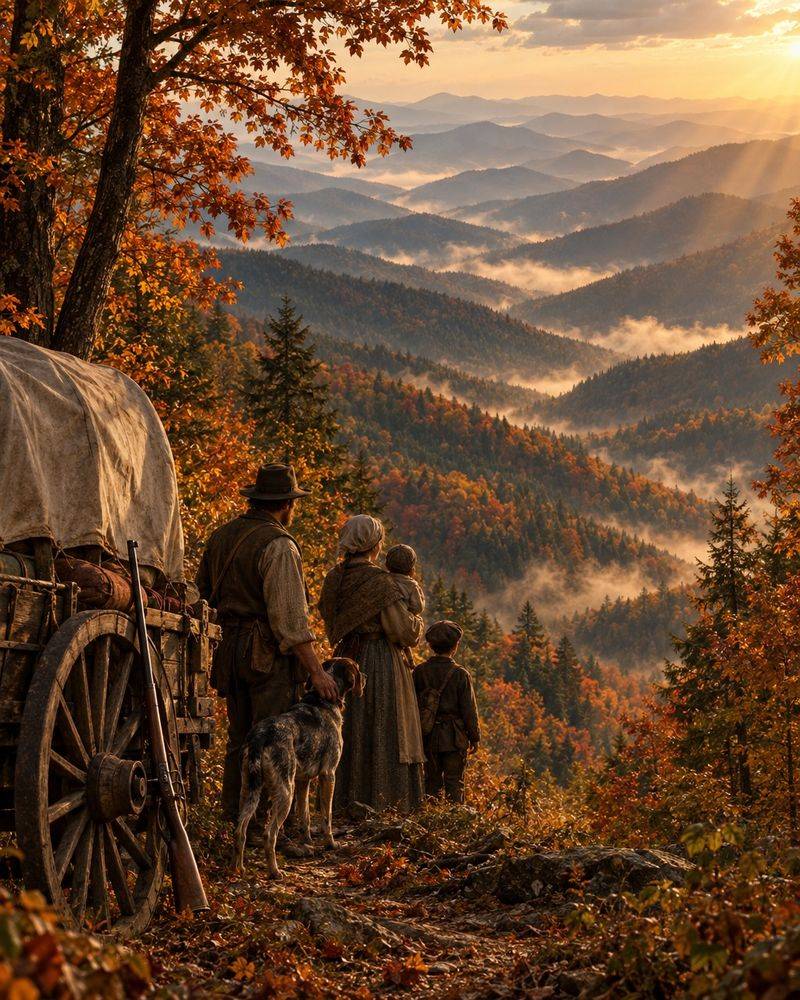
Growing underground gave this crop a practical advantage: a modest plot could provide filling food. Potatoes originated in South America and reached Britain’s colonies through Atlantic exchanges and migration.
During the eighteenth century, settlers from Ireland and other parts of the British Isles helped spread their cultivation, including in backcountry areas. Adoption varied by place and community.
Their rise shows that colonial foodways were never fixed; people carried crops, habits, and farming knowledge into new American homes.
18. Condensed Milk: Dairy Made Ready for Army Life
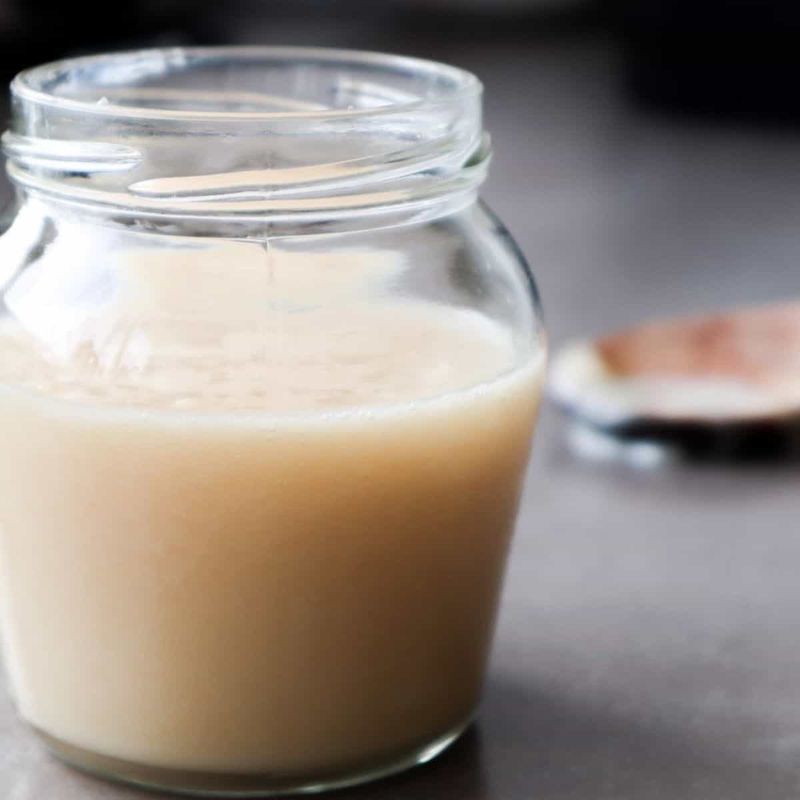
Fresh milk was difficult to keep safe before modern refrigeration. Gail Borden’s successful condensed milk process, patented in 1856, helped offer a product that could survive storage and travel.
During the Civil War, Union purchases helped expand the market for sweetened condensed milk. Its sealed containers and concentrated calories suited military needs, although it was not the same as fresh milk.
A familiar baking ingredient thus carries a story about food preservation, industrial growth, and wartime supply.