
When the weather turns cold, sniffles and coughs seem to pop up everywhere. The good news is that what you put on your plate can help your body stay strong.
Many tasty, everyday foods are packed with vitamins and minerals that help your immune system do its job. Here are some delicious picks to add to your meals this winter.
1. Juicy Oranges
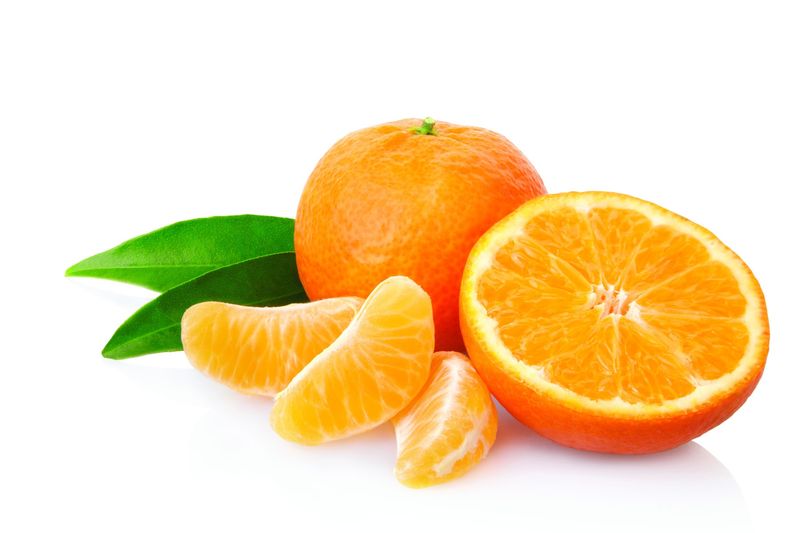
Ever notice how oranges show up in stores right when winter hits? Citrus season peaks in the cold months, which is lucky timing for us.
One medium orange gives you most of the vitamin C you need in a day. Vitamin C helps your white blood cells fight germs.
Toss orange slices into your lunchbox or squeeze fresh juice for breakfast. Peeling one is also a fun, sweet snack during homework time.
2. Garlic Cloves
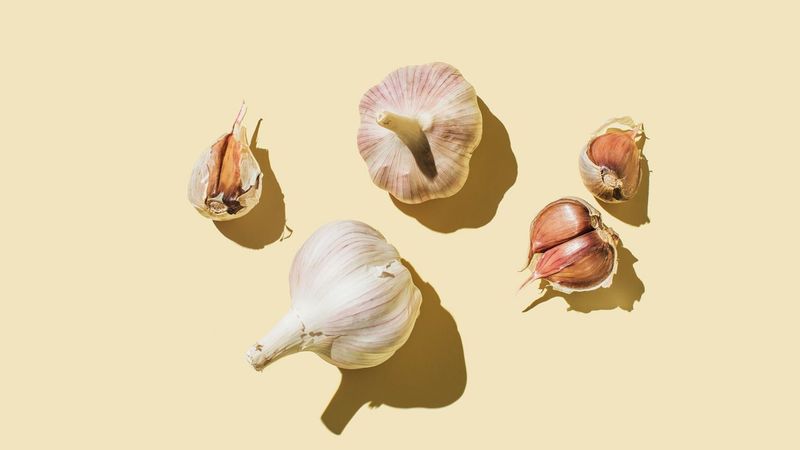
Long ago, people hung garlic in doorways to keep away sickness. While that trick might not work, eating garlic just might help.
Garlic contains a natural compound called allicin, which forms when you chop or crush it. Scientists think allicin may help your body battle germs.
For the best results, chop garlic and let it sit for ten minutes before cooking. Add it to soups, pasta, or roasted veggies.
3. Fresh Ginger Root
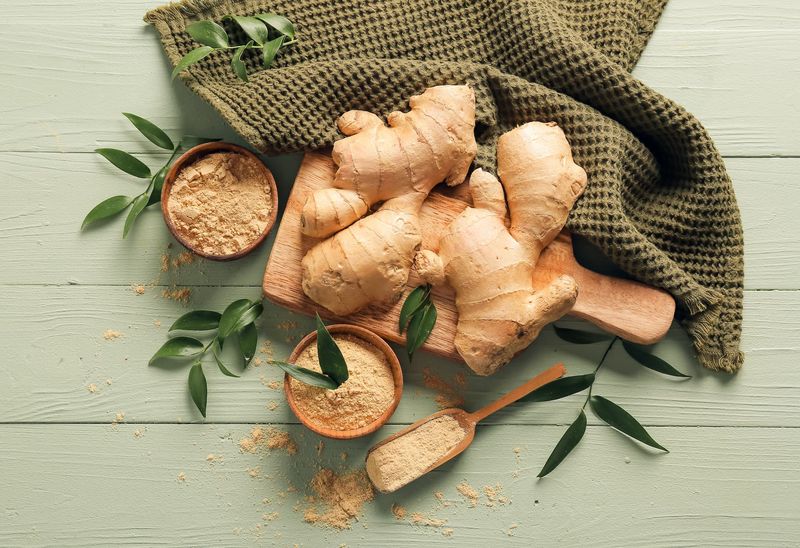
Knobby, bumpy, and a little spicy, ginger root does not look like much. But inside, it carries a zingy punch your body loves.
Ginger has natural chemicals that calm swelling and may soothe an upset stomach or scratchy throat. Many families have trusted it for generations.
Try slicing a few thin pieces into hot water with honey and lemon. Sipping this warm drink on a chilly evening feels like a cozy hug.
4. Creamy Yogurt
Your belly is home to trillions of tiny helpers called good bacteria. Believe it or not, a huge part of your immune system lives in your gut.
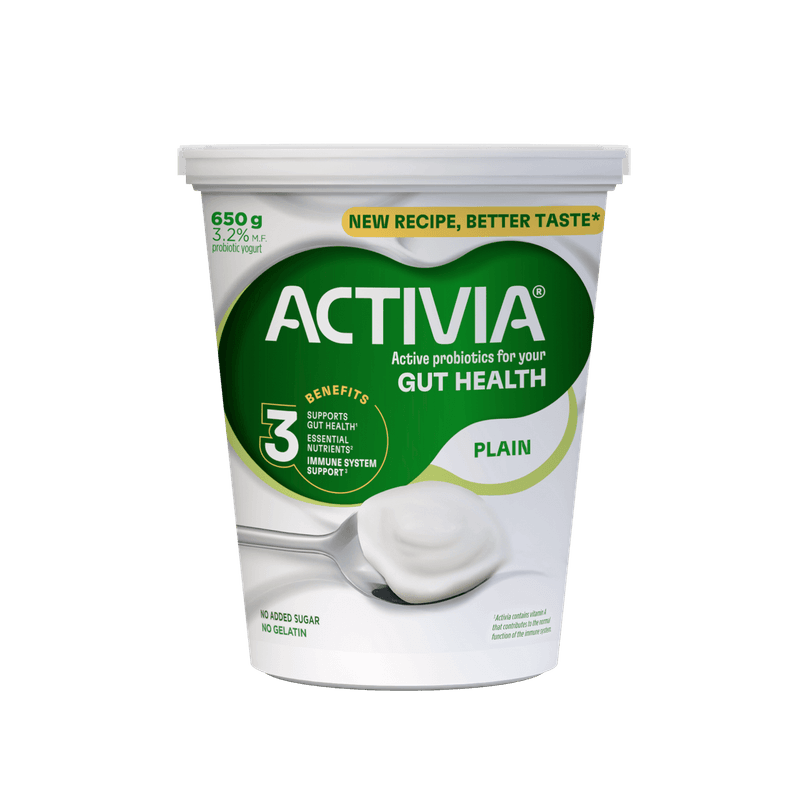
Yogurt with live and active cultures adds more of those friendly bacteria. They help keep harmful germs in check.
Pick plain yogurt with little added sugar, then sweeten it yourself with fruit or a drizzle of honey. It makes a quick breakfast or after-school snack.
5. Leafy Spinach
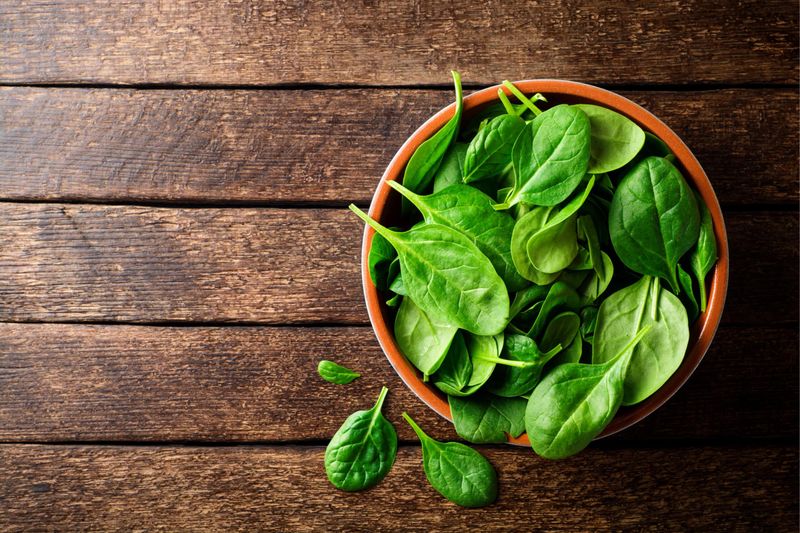
Popeye had the right idea! Spinach really is one of the most powerful greens you can eat.
Those dark leaves are loaded with vitamin C, vitamin A, and antioxidants that help your body defend itself. Spinach also gives you iron, which keeps your energy up on gloomy winter days.
Cook it lightly so it keeps more nutrients. Stir a handful into scrambled eggs, smoothies, or soup, and you will barely notice it.
6. Red Bell Peppers
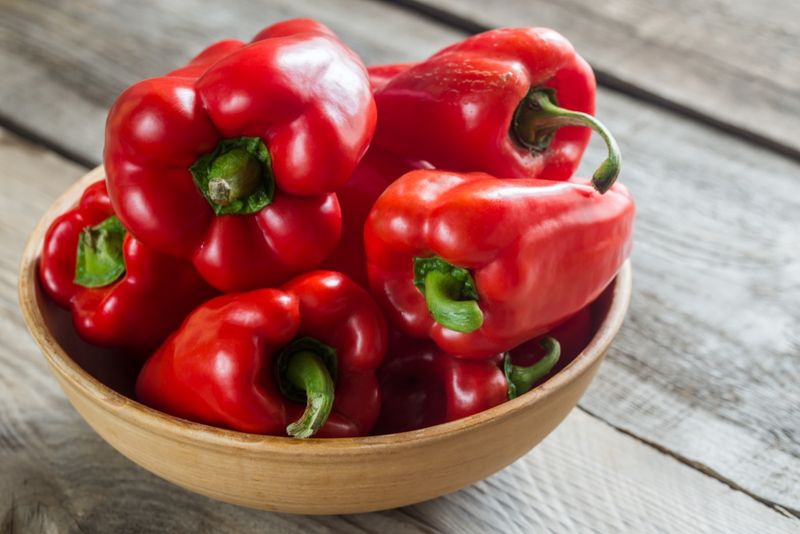
Here is a surprise: red bell peppers have almost three times more vitamin C than an orange. Pretty impressive for a crunchy veggie!
They also contain beta carotene, which your body turns into vitamin A. That helps keep your skin and eyes healthy, too.
Slice them into sticks and dip them in hummus or ranch. They add bright color and sweet crunch to stir-fries, tacos, and pizzas any night of the week.
7. Crunchy Broccoli
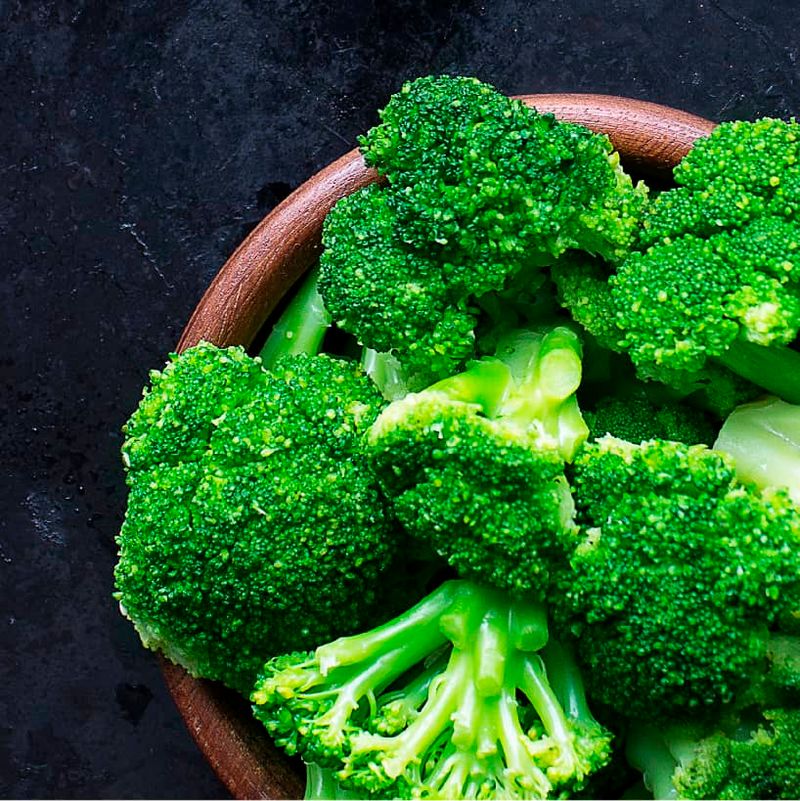
Picture tiny green trees on your dinner plate. Kids may groan, but broccoli is a true nutrition superstar.
It packs vitamins A, C, and E, plus fiber and antioxidants. All of these work together to keep your defenses ready.
The secret is to avoid overcooking it. Steam broccoli for just a few minutes until it turns bright green.
A sprinkle of cheese or lemon juice makes it extra tasty for picky eaters.
8. Sweet Potatoes
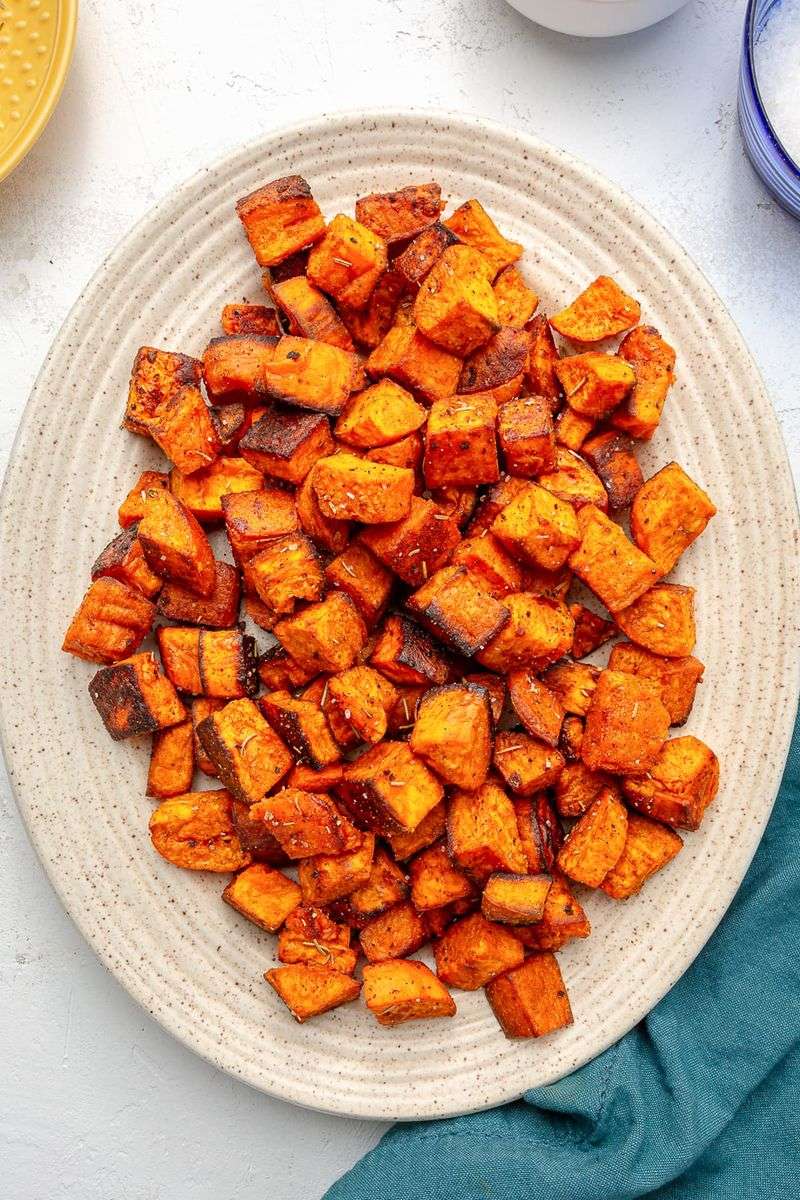
Warm, soft, and naturally sweet, a baked sweet potato feels like comfort food on a frosty night.
That orange color comes from beta carotene. Your body changes it into vitamin A, which helps protect the linings of your nose and lungs, the first barriers germs try to cross.
Roast wedges with olive oil and a pinch of salt for homemade fries. You can also mash them with a little cinnamon for a cozy side dish.
9. Chicken Soup

Grandma was onto something when she served chicken soup to anyone with a cold. Research suggests it may truly help.
Warm broth keeps you hydrated and can loosen a stuffy nose. Chicken gives you protein, which your body needs to build germ-fighting cells.
Veggies like carrots and celery add extra vitamins.
Make a big pot on the weekend and freeze some. Then you will have a healing meal ready whenever someone feels under the weather.
10. Almonds
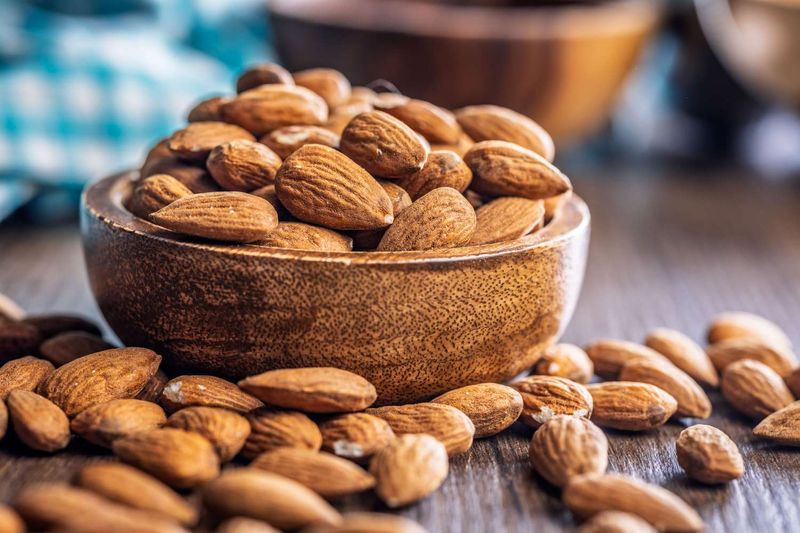
Small enough to fit in your pocket, almonds are the perfect grab-and-go snack.
Just a quarter cup gives you almost half the vitamin E you need each day. Vitamin E is an antioxidant that helps your immune system work smoothly.
Almonds also have healthy fats, which your body needs to absorb that vitamin.
Pack a small handful in your backpack. You can also sprinkle sliced almonds over oatmeal or salads for extra crunch.
11. Sunflower Seeds
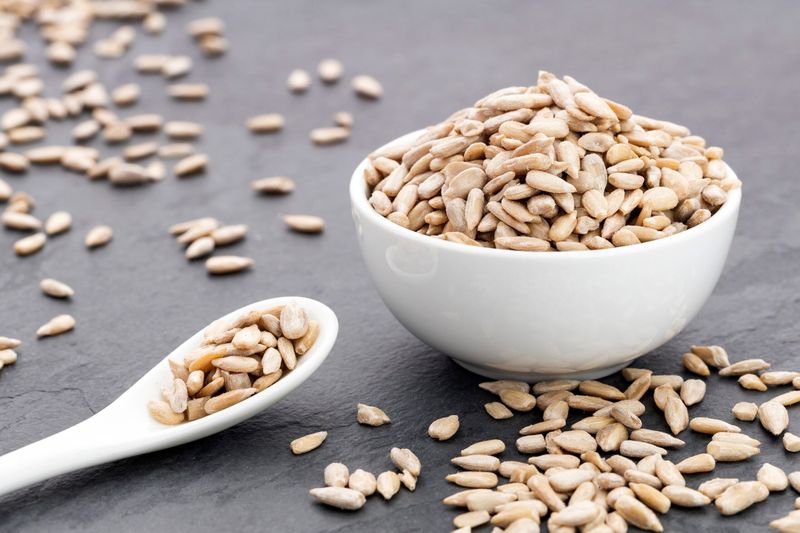
Baseball players love cracking them in the dugout, but sunflower seeds deserve a spot in your kitchen, too.
These tiny seeds are full of vitamin E, vitamin B6, and selenium. Selenium is a mineral that helps your body fight off infections.
Choose unsalted kinds when you can. Sprinkle them on salads, mix them into trail mix, or blend them into homemade granola bars for a nutty, satisfying bite.
12. Fresh Blueberries
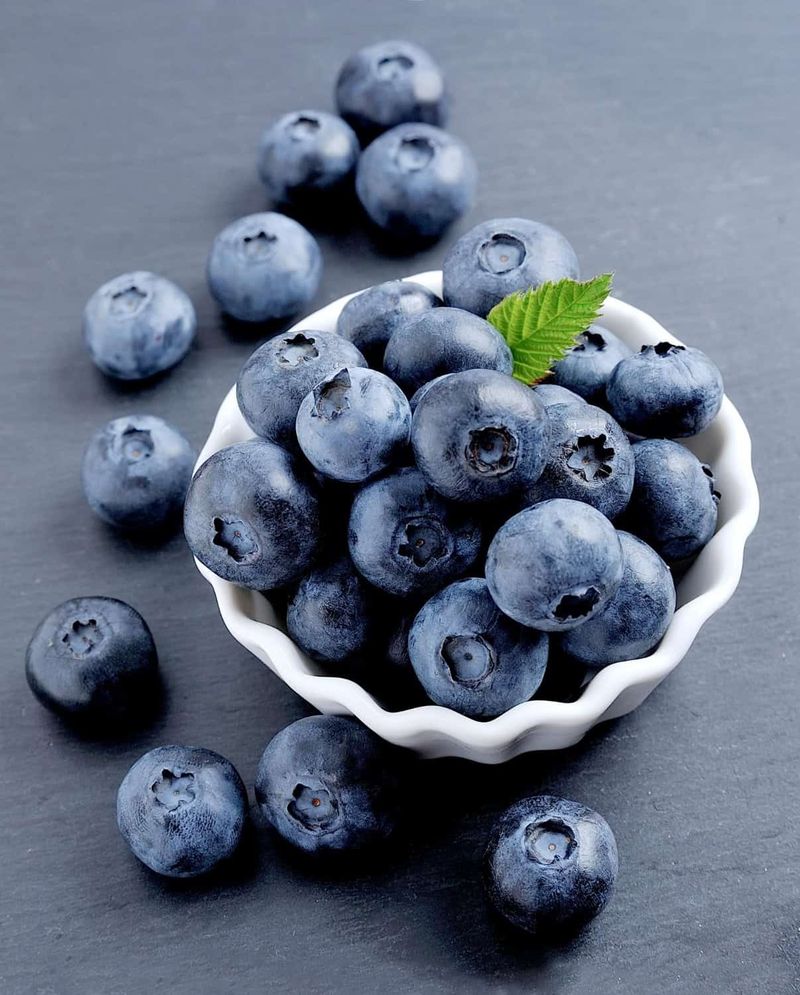
Did you know blueberries are one of the few naturally blue foods on Earth? Their color is a clue to their power.
That deep blue comes from antioxidants called anthocyanins. They help protect your cells and may support your body when it fights germs.
Fresh berries can be pricey in winter, so grab frozen ones instead. They are just as healthy and taste amazing in smoothies, pancakes, or stirred into warm oatmeal.
13. Green Tea

For thousands of years, people in China and Japan have sipped green tea for good health. Today, scientists understand why.
Green tea contains powerful antioxidants called catechins. It also has an amino acid that may help your body make germ-fighting compounds.
Steep it in hot, not boiling, water for about three minutes to avoid bitterness. Add lemon or honey for flavor.
Decaf versions are a great choice for younger tea drinkers.
14. Mushrooms
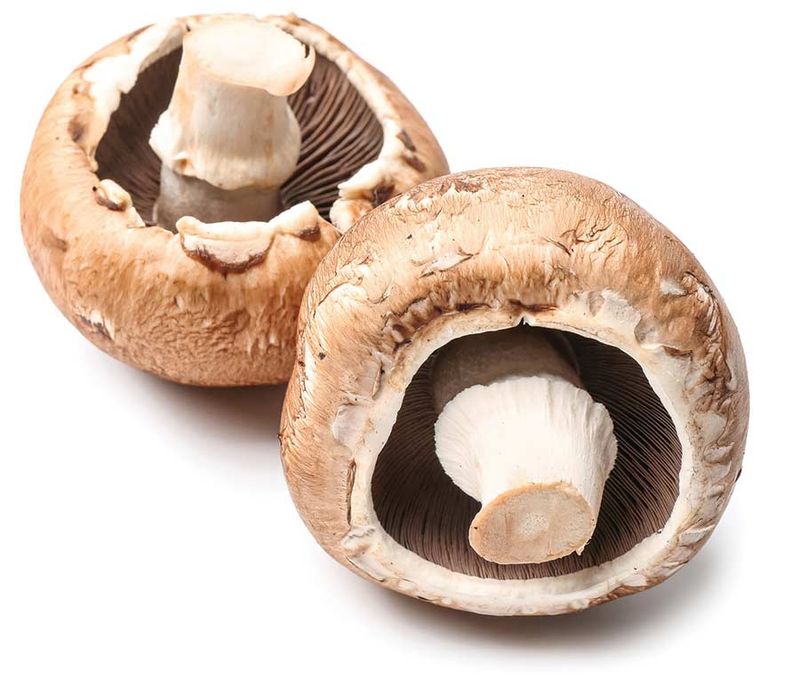
Mushrooms are not plants at all. They belong to their own special group called fungi!
Many types, like shiitake and button mushrooms, contain vitamin D, selenium, and natural compounds that help your immune cells stay active. Vitamin D is extra useful in winter when we get less sunshine.
Saute sliced mushrooms with butter and garlic for a savory side. They also make soups, omelets, and pasta sauces taste rich and hearty.
15. Salmon
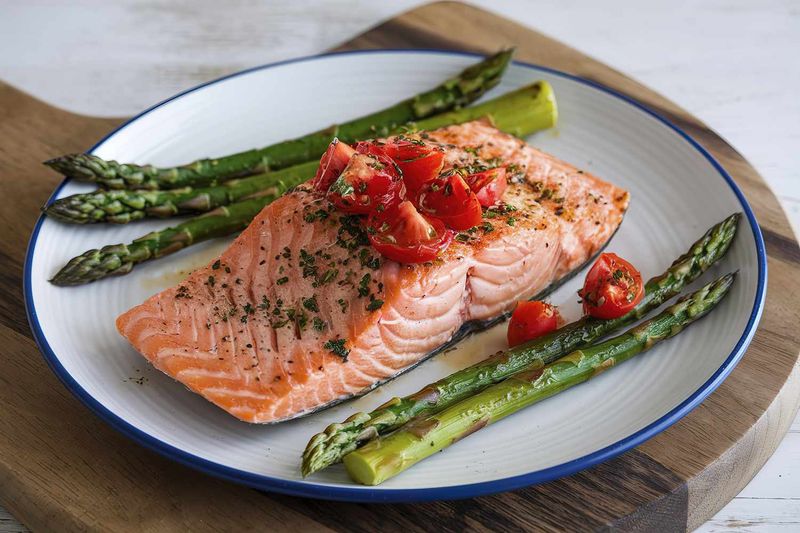
Short days and gray skies mean many people run low on vitamin D during winter. Salmon is a delicious way to fix that.
This pink fish is one of the best food sources of vitamin D. It also gives you omega-3 fats, which help calm inflammation in your body.
Bake salmon with lemon and herbs for an easy dinner. Canned salmon works, too, and makes great salmon patties or sandwiches.
16. Kiwi Fruit
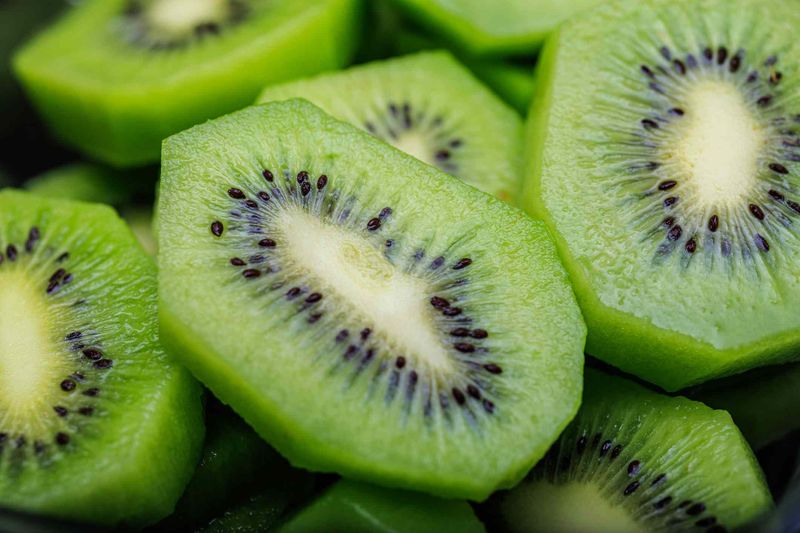
Fuzzy on the outside and bright green inside, kiwi looks like a little surprise package.
One kiwi has more vitamin C than you need in a whole day. It also brings vitamin K, folate, and fiber to help your body stay balanced.
Here is a fun tip: you can actually eat the skin after washing it well! Or simply slice one in half and scoop it out with a spoon like a tiny cup.
17. Turmeric
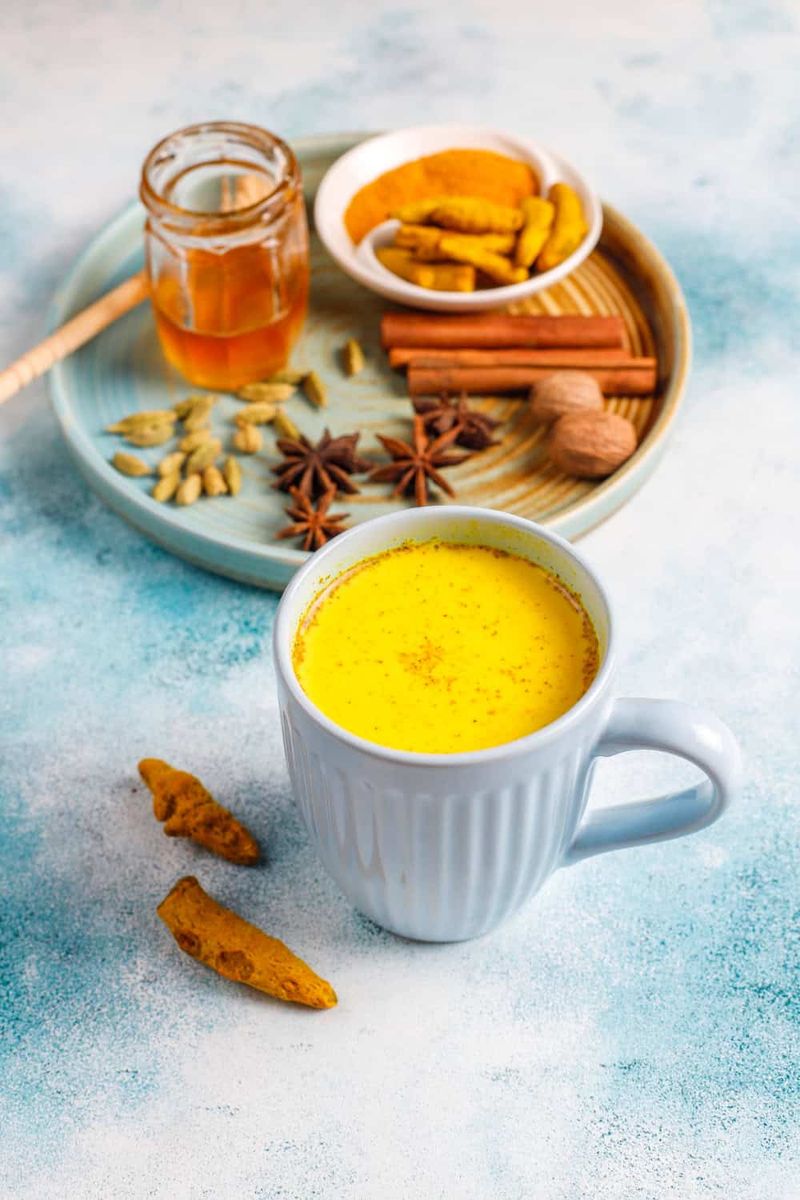
Golden and glowing, turmeric has colored curries in India for centuries. That bright yellow shade comes from a compound called curcumin.
Curcumin may help reduce swelling and support how your immune system responds to germs. Mixing turmeric with black pepper helps your body absorb it much better.
Try a warm mug of golden milk made with milk, turmeric, cinnamon, and honey. You can also sprinkle it on roasted veggies or rice.
18. Raw Honey

Bees visit around two million flowers to make just one pound of honey. All that hard work creates something truly special.
Honey has natural germ-fighting properties and can soothe a sore throat. Some studies show a spoonful may calm nighttime coughs better than certain medicines.
Stir it into tea or drizzle it over toast. Just remember one rule: never give honey to babies under one year old, since it is unsafe for them.
19. Eggs
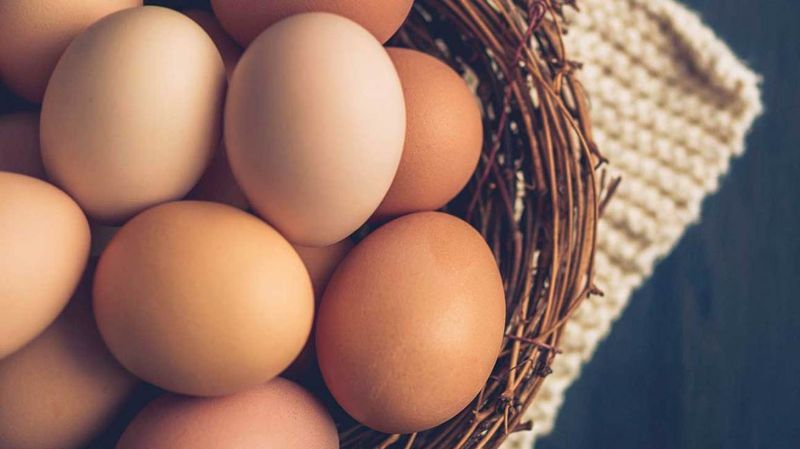
Cheap, quick, and super flexible, eggs might be the busiest food in your fridge.
That sunny yolk holds vitamin D, zinc, and selenium, all of which help your immune system run well. The protein in eggs also gives your body building blocks for healthy cells.
Scramble them for breakfast, hard-boil a batch for snacks, or fry one on top of rice. Few foods give you so much nutrition in so little time.