
Chuck Norris built a movie career on sharp kicks, quiet confidence, and heroes who refused to quit. His biggest films helped shape action movies, while a few small roles carried his fame to new audiences.
This ranking weighs career breakthroughs, lasting influence, audience reach, and cultural staying power, not just ticket sales. The countdown starts with his smaller milestones and ends with the film that changed everything.
1. Breaker! Breaker! (1977): An Early Leading Role
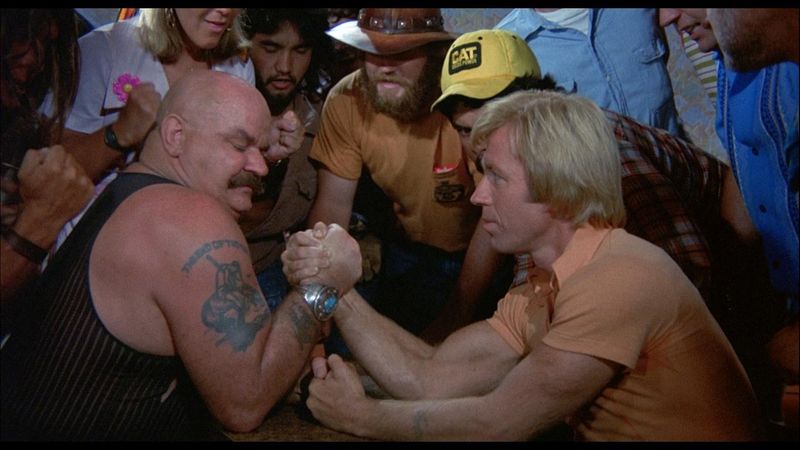
Before the military missions and famous beard, Norris climbed into a truck cab. Playing a driver searching for his missing brother, he brought martial arts into a dusty story about small town corruption.
The movie matters mainly as his first starring vehicle, rather than a lasting action classic. Start here if you enjoy tracing a star’s beginnings.
Its rough edges show how much his screen presence would grow over the following decade.
2. A Force of One (1979): Karate Meets Police Work
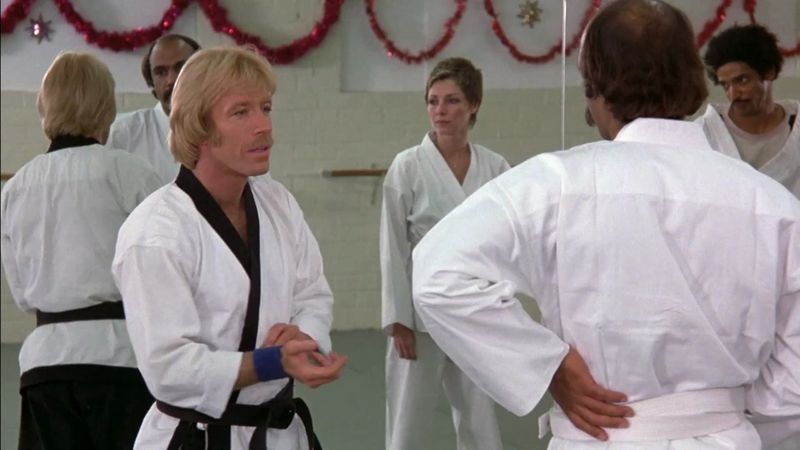
A karate teacher helping police sounds like a natural Norris setup, and this early thriller helped make it one. His character trains officers while a killer targets members of their team.
More grounded than his later battlefield adventures, the story places his real fighting skills at the center. Its impact comes from building his credibility as a leading man.
Watch for the growing balance between calm instruction and sudden bursts of action.
3. Hero and the Terror (1988): A Tough Guy Shows Fear
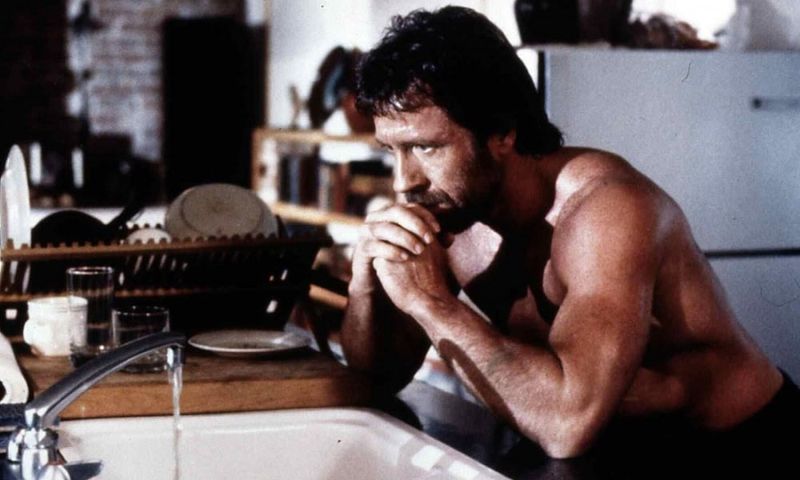
Even an action hero can carry fear home after the fight ends. As detective Danny O’Brien, Norris faces both an escaped killer and the emotional damage left by their earlier encounter.
That focus gives the movie a different flavor from his usual rescue missions. It never reshaped his career, but it deserves attention for trying a more troubled hero.
Choose it when you want suspense and personal stakes alongside the expected physical showdown.
4. Silent Rage (1982): Action Crosses Into Horror
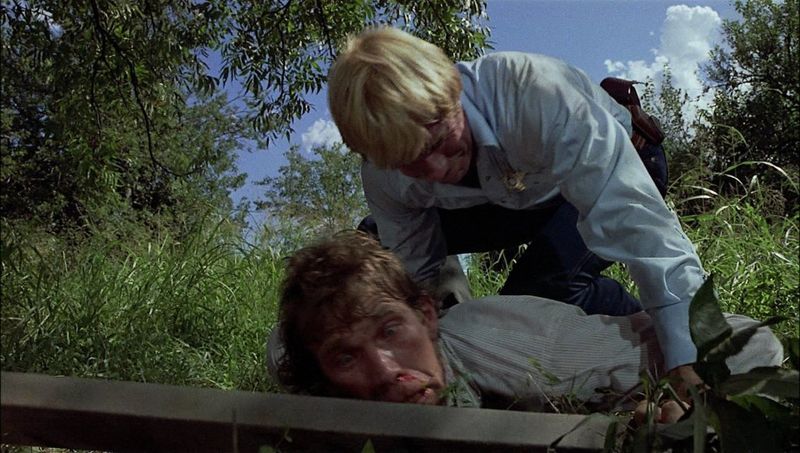
Something stranger than an ordinary outlaw stalks this Texas sheriff. A medical experiment creates a killer who is unusually hard to stop, pushing Norris into territory closer to horror than a standard police adventure.
The blend makes the film stand apart in his catalog, even without the reach of his biggest hits. Horror fans may find this a useful entry point.
Expect an uneasy mix of martial arts, small town danger, and science.
5. An Eye for an Eye (1981): Revenge With a Strong Supporting Cast
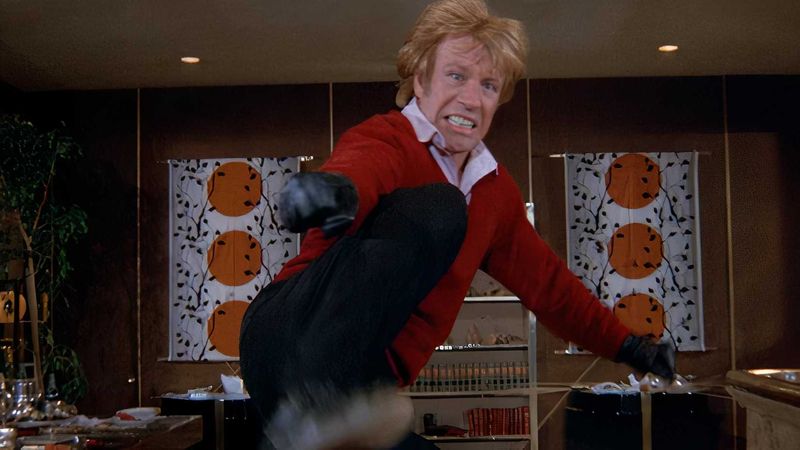
San Francisco provides a fresh backdrop for a familiar revenge mission. Norris plays a former officer investigating deaths tied to a drug operation, with Christopher Lee and Richard Roundtree adding weight to the cast.
Rather than changing action cinema, the film strengthened his place within it. The mix of investigation and fighting helped bridge his early karate pictures and later star vehicles.
Look for the waterfront setting and supporting performances, not just kicks.
6. Good Guys Wear Black (1978): Building the Screen Hero
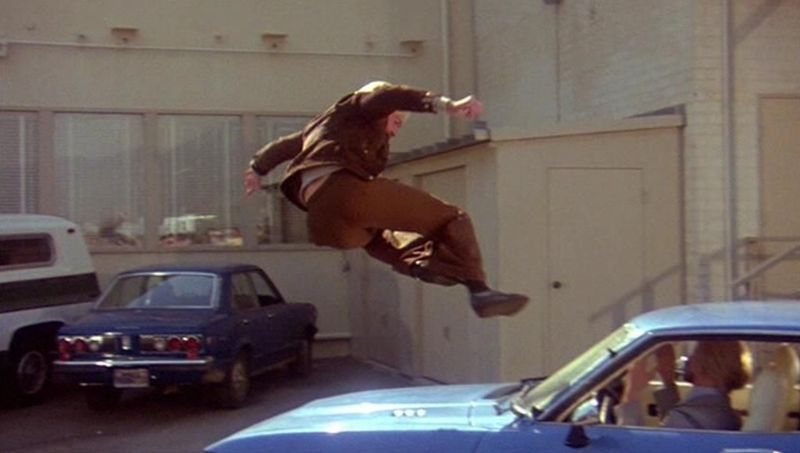
The famous car windshield kick gives this early thriller a memorable calling card. Norris plays a former military operative whose old teammates become targets, drawing him into a dangerous coverup.
Its importance lies in helping turn a karate champion into a recognizable movie lead. The political plot also points toward the military themes that later defined his career.
For viewers following his rise, it offers a clearer stepping stone than its modest scale suggests.
7. The Octagon (1980): An Early Ninja Showcase
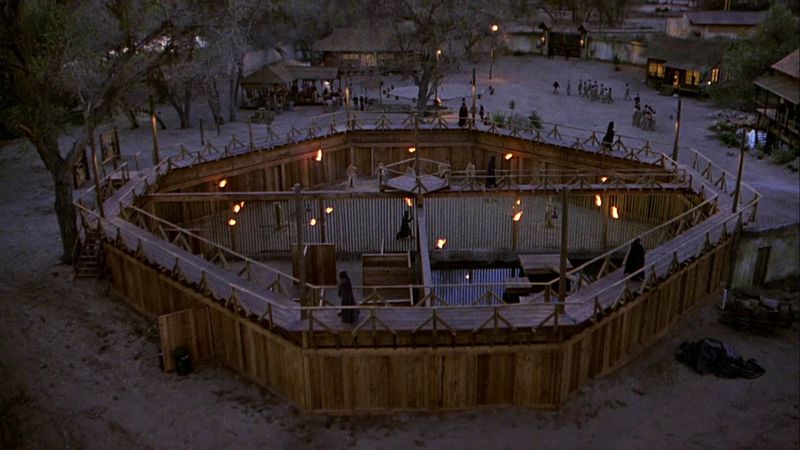
Ninjas, secret training grounds, and whispered thoughts give this adventure an unusual rhythm. Norris plays a martial artist confronting a dangerous network linked to his past, with the final compound providing its main attraction.
Released before Hollywood’s ninja craze reached full speed, it helped connect his name with that growing screen trend. Some storytelling choices feel odd today, but the combat remains the draw.
Try it for atmosphere rather than a polished spy plot.
8. Dodgeball: A True Underdog Story (2004): A Small Cameo With Staying Power
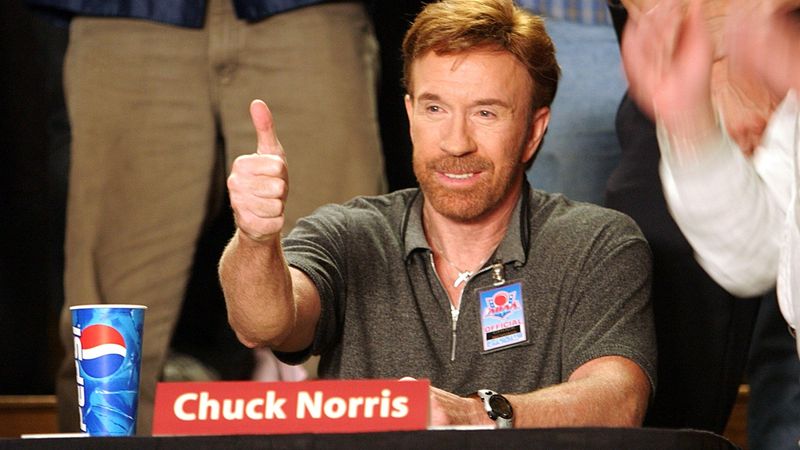
One approving gesture can be enough when everyone already knows your reputation. Appearing as himself during the tournament, Norris turns a brief judging moment into one of the comedy’s most memorable surprises.
The cameo showed that his image worked outside action movies and could delight viewers through recognition alone. It also preceded the major wave of Chuck Norris internet jokes.
Watch how little screen time he needs to make the joke land so cleanly.
9. The Expendables 2 (2012): A Legend Joins the Reunion
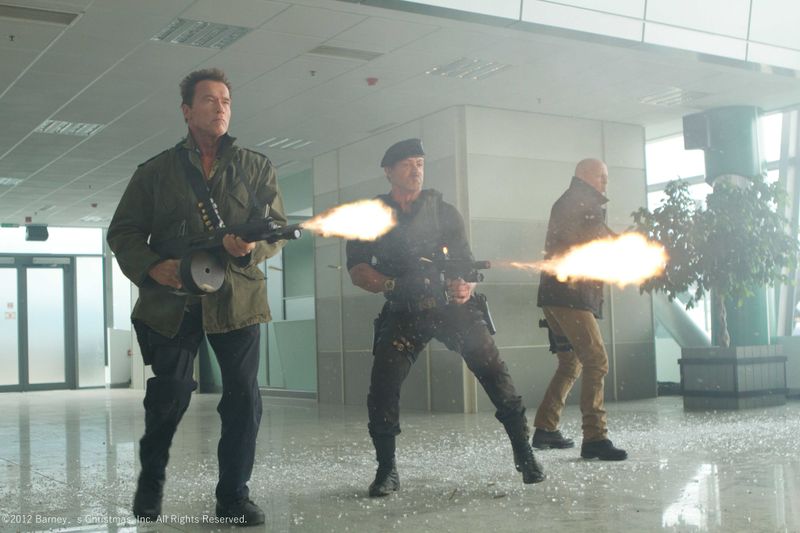
By the time Booker arrives, the movie treats Norris like a walking legend. His brief role joins a gathering of action stars and even folds a famous internet joke into the dialogue.
With more than $300 million earned worldwide, this ensemble release reached far beyond his usual solo vehicles. That total belongs to the whole cast, not Norris alone.
Still, the appearance introduced his screen persona to younger viewers while rewarding longtime action fans.
10. Invasion U.S.A. (1985): Maximum Eighties Excess
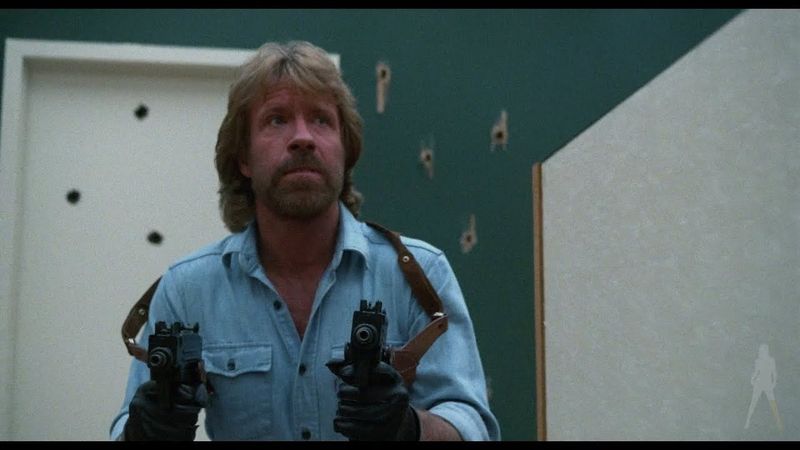
Christmas decorations rarely share the screen with this much destruction. A retired agent returns to action when terrorists attack American communities, setting up one of Norris’s loudest and most exaggerated adventures.
Its lasting influence rests less on realism than on the image of one unstoppable defender facing an invading force. That makes it a revealing snapshot of eighties action tastes.
Approach it as oversized movie spectacle, while recognizing its blunt politics and heavy civilian danger.
11. The Delta Force (1986): The Patriotic Action Image Grows
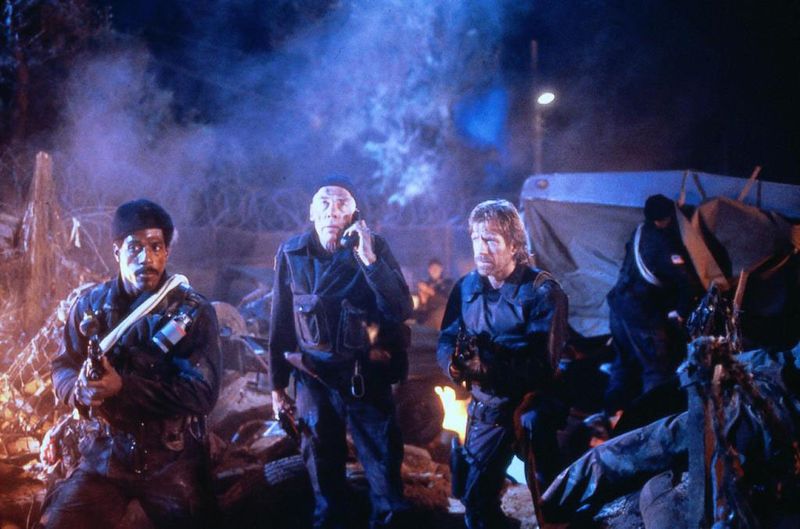
Pairing Norris with veteran star Lee Marvin gave this rescue adventure extra screen authority. Inspired loosely by a real hijacking, the story shifts from tense hostage drama toward a sweeping military response.
The result helped lock in his image as a dependable American rescuer. Its memorable music and motorcycle action also gave fans lasting highlights.
Viewers should remember that the film uses broad stereotypes and turns a serious subject into increasingly heightened entertainment for audiences.
12. Code of Silence (1985): The Strongest All-Around Showcase
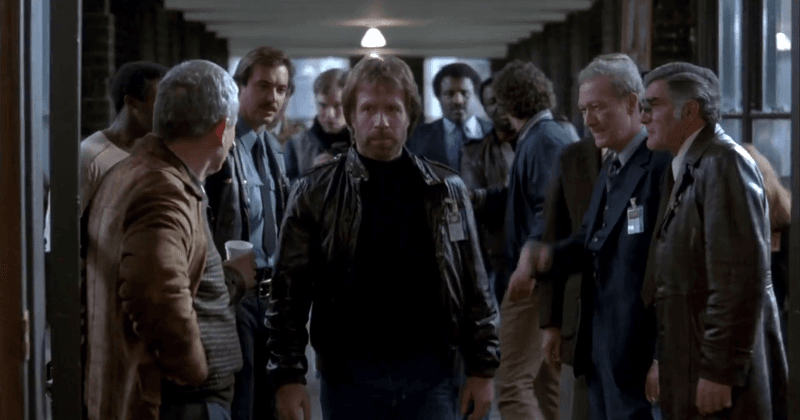
Chicago grit gives Norris something stronger than another excuse to kick villains. As officer Eddie Cusack, he faces gang violence and police misconduct in a story with more weight than many expected.
Roger Ebert awarded the film three and a half stars, making it a standout in Norris’s critical reputation. It ranks highly because it proves his quiet style could serve a solid crime thriller.
Start here if story matters as much as action.
13. Missing in Action (1984): A Franchise Is Born
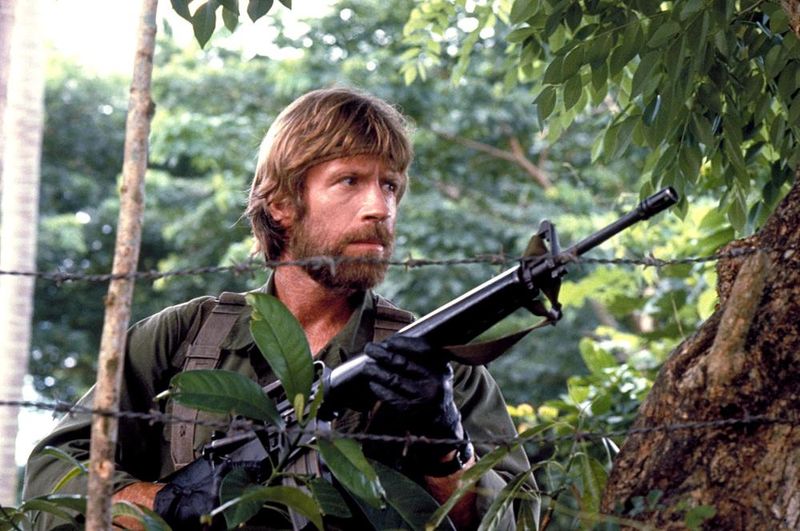
Colonel James Braddock became one of Norris’s defining characters by refusing to leave prisoners behind. The rescue story tapped into American concerns about Vietnam and delivered a major commercial breakthrough for its star.
Its success produced a prequel and a sequel, proving his appeal could support a film series. The politics deserve a thoughtful eye, since fiction is not history.
As a career milestone, though, few Norris vehicles did more to establish his action stardom.
14. Lone Wolf McQuade (1983): The Ranger Persona Takes Shape
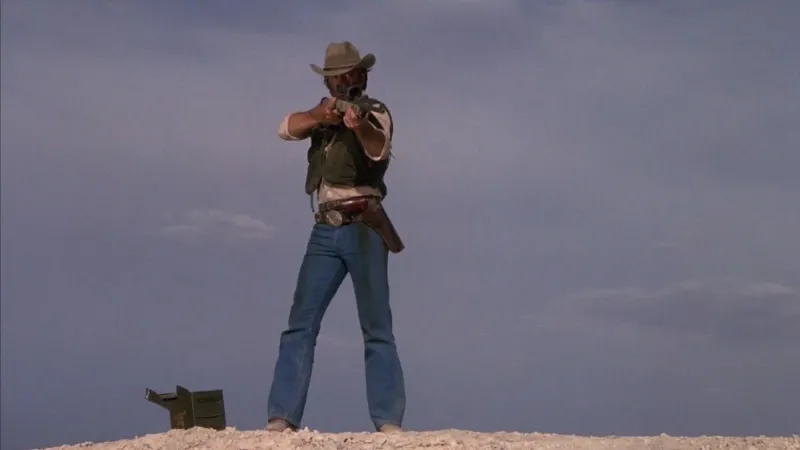
A dusty Texas Ranger, a stubborn streak, and a showdown with David Carradine make a powerful combination. Here, Norris found a screen identity that felt bigger than any single fight scene.
The western mood and lawman role helped establish the template later associated with Walker, Texas Ranger. That connection gives the film influence beyond its theatrical run.
For the clearest bridge between his movie career and television fame, this rugged adventure is the essential stop.
15. The Way of the Dragon (1972): The Fight That Changed Everything
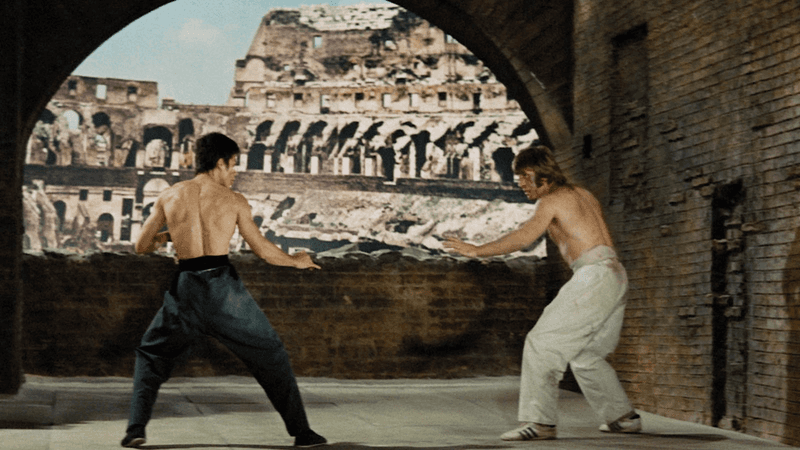
Facing Bruce Lee in the Colosseum setting gave Norris a place in movie history. As Colt, he was the opponent rather than the hero, yet the encounter made his skill impossible to overlook.
The fight remains celebrated for its pacing, clear movement, and shifting tactics. More importantly, it introduced Norris to a worldwide audience before his starring career took hold.
No later hit matches that combination of personal breakthrough and lasting influence on martial arts cinema.