
Mental strength does not mean staying happy all the time or handling everything alone. It grows through small choices that help you face stress, recover from setbacks, and treat yourself with respect.
You can build these skills without changing your whole life overnight. Start with one habit that fits your day, then give yourself time to practice.
1. Protect Your Everyday Basics

A tired brain can make small problems feel huge. Caring for your body gives you a steadier base for handling stress, even when life gets messy.
Choose one simple action today: take a short walk, eat a filling meal, or keep a regular bedtime. You do not need a perfect routine.
The goal is to meet your basic needs often enough that you have more energy for decisions, relationships, and the challenges ahead of you.
2. Name Feelings Before Reacting
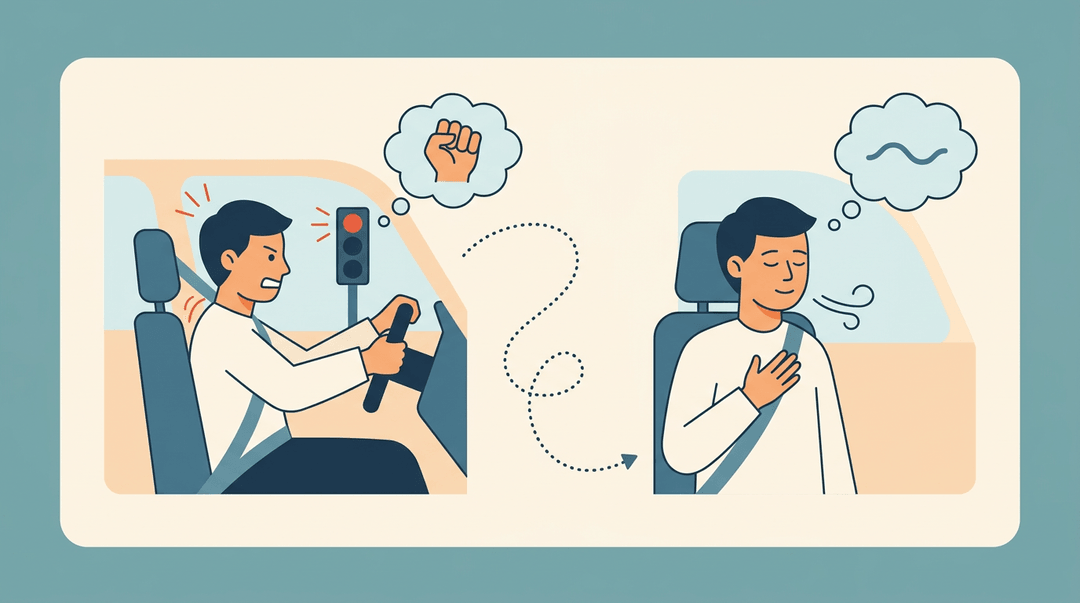
That sharp reply can wait a minute. When anger, worry, or sadness shows up, naming the feeling can help you understand what is happening before you act.
Try saying that you feel disappointed, nervous, or left out. Then notice what triggered the feeling and what you need next.
A pause will not erase strong emotions, but it creates room to choose a response instead of letting the first impulse take charge of your next move.
3. Put Energy Where It Counts

Rain may ruin your plans, but arguing with the sky will not help. Mental strength includes spotting the difference between what you can influence and what you cannot.
When worry grows, make two short lists: things you can act on and things outside your control. Pick one useful step from the first list.
You might prepare, ask for help, or change your schedule. Let the second list remind you where extra effort cannot solve everything.
4. Make Room for Hard Moments

Some days hurt, even when you do everything right. Accepting that truth can save you from a second struggle: blaming yourself for having a difficult time.
Give the moment an honest name without deciding it will last forever. You can dislike a situation and still face it clearly.
Acceptance does not mean approving of harm or giving up on change. It means starting with what is real, then choosing the next safe and helpful step.
5. Treat Challenges as Practice

A tricky task can be a classroom in disguise. Instead of deciding that difficulty proves you lack talent, look for the skill the situation asks you to practice.
Maybe you need patience, clearer questions, or another attempt. Break the challenge into a first step small enough to try today.
You do not have to enjoy every obstacle or find a hidden gift in pain. Simply asking what you can learn makes room for steady growth.
6. Look for Realistic Hope

Hope works best when it keeps its feet on the ground. You can admit that something is hard while still believing a useful next step may exist.
When your mind predicts disaster, check the evidence. Consider a more balanced outcome and decide how you would handle it.
This is not about forcing a smile or ignoring problems. It is about giving possible solutions as much attention as your fears, especially when the future feels unclear.
7. Restart After a Rough Day

Yesterday’s setback does not have to run today’s schedule. Resilience often looks less like a dramatic comeback and more like quietly trying again after a difficult stretch.
Start with something familiar: shower, eat breakfast, send one message, or return to a paused task. Rest and support can be part of that restart.
If distress keeps disrupting daily life, seek professional help. Strength includes using resources, not proving you can recover from everything on your own.
8. Choose One Reachable Goal

Big dreams become less scary when today’s job is clear. A small goal gives your effort a direction without asking you to solve your whole future at once.
Make the task specific enough to finish, such as reading five pages or walking for ten minutes. Connect it to something that matters to you.
Afterward, notice what helped you follow through. Useful goals guide your choices; they should not become another reason to judge your worth.
9. Notice What Went Right

A kind message or a warm meal can slip past unnoticed on a busy day. Taking a moment to appreciate ordinary good things helps widen your view beyond problems.
Write down one specific thing you valued and why it mattered. Perhaps a neighbor checked in, or you had time to breathe outside.
Gratitude does not cancel grief, unfairness, or stress. It simply lets helpful moments share space with the hard ones already getting your attention.
10. Reach Out Before You Feel Alone

Nobody gets extra points for carrying every worry alone. Supportive relationships offer a place to talk honestly, hear another view, and remember that your struggles do not define you.
Send a brief message, arrange a walk, or ask someone how they are doing. Build connection during ordinary weeks, not only during emergencies.
Choose people who respect your limits and listen with care. Offering that same respect helps trust grow in both directions over time together.
11. Return to the Present

Your thoughts can race ahead while your body stays at the kitchen table. A short mindful pause brings attention back to what is happening here, rather than every possible tomorrow.
Feel your feet on the floor, notice nearby sounds, or follow a few comfortable breaths. Wandering thoughts are normal; gently return your attention when you notice them.
You can also write a few lines afterward to understand what has been taking up space in your mind.
12. Save Lessons and Small Wins

Memory can be unfair: one mistake gets a spotlight while five successes disappear backstage. Keeping a simple record helps you see your efforts with a more balanced eye.
After a challenge, note what worked, what did not, and one change to test next time. Include small wins, such as asking a clear question or staying patient.
Review these notes when confidence drops. Evidence from your own experience can be more convincing than an empty pep talk.
13. Say No With Respect
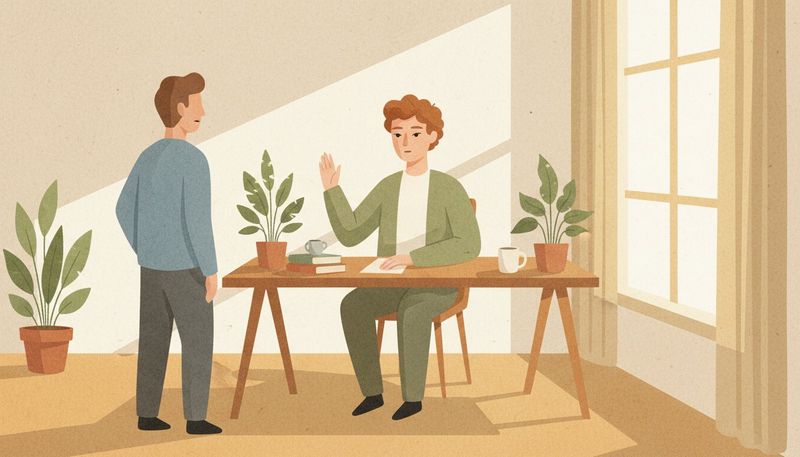
A packed calendar is not proof that you care more. Knowing your limits helps protect the time and energy you need for health, responsibilities, and relationships.
Practice a short, clear response when a request is too much. You might explain that you cannot help today but can suggest another option.
Long excuses are not always needed. Other people may feel disappointed, and you can acknowledge that without agreeing to something you cannot reasonably manage right now.
14. Try Something Slightly Uncomfortable

Nerves are not always a stop sign. Sometimes they show up because you are doing something unfamiliar, like speaking in a meeting or joining a new class.
Choose a safe challenge that stretches you a little, then give yourself permission to be a beginner. Increase the difficulty slowly as confidence grows.
Discomfort is different from danger, exhaustion, or harm. You can step back, seek support, and respect your limits while still making room for new experiences.
15. Remember Why It Matters

Getting started feels different when you know what your effort serves. A clear reason can help you keep going when a task becomes boring, slow, or frustrating.
Ask which values you want your day to reflect: kindness, learning, family, service, or something else. Then connect one ordinary action to that value.
Your purpose does not need to sound grand. Helping a neighbor, keeping a promise, or learning a useful skill can all give daily life meaning.
16. Change the Plan When Needed

The route can change without the destination becoming worthless. Flexible thinking helps you respond when plans fall apart, new facts appear, or an old method stops working.
Pause before calling a change a failure. Ask what still matters and which parts of your approach can shift.
You might adjust a deadline, try another tool, or accept useful feedback. Staying open does not mean dropping every commitment.
It means choosing a method that fits the situation now.
17. Count Progress Instead of Perfection

One missed day does not erase a month of effort. Looking for progress helps you keep a useful habit alive without demanding a flawless record.
Notice whether you are recovering sooner, asking for help earlier, or making a task slightly easier. Compare your choices with your own starting point rather than someone else’s best moment.
When you slip, choose the next reasonable action. Lasting growth usually comes from repeated returns, not from never getting off track.
18. Check the Story You Tell Yourself

Your brain can turn one awkward moment into a whole disaster story. Mentally strong people practice checking that story before accepting it as fact.
When you think everyone is upset with you, pause and ask what you actually know. A short reply might mean someone is busy, not angry.
Picture a tiny courtroom where worried thoughts need evidence, not just loud voices.
Write down one fact and one other possible explanation. You are not forcing yourself to feel cheerful.
You are giving yourself a fairer view, so your next step comes from clear thinking rather than a scary first guess.