
Almost every culture on Earth has found a way to wrap tasty fillings inside dough. Dumplings can be steamed, boiled, fried, or baked, and each one tells a story about the people who make it.
Learning about them is a fun way to explore new places without leaving your kitchen table. Get ready to meet some delicious little bundles that families have loved for hundreds of years.
1. Xiaolongbao from Shanghai
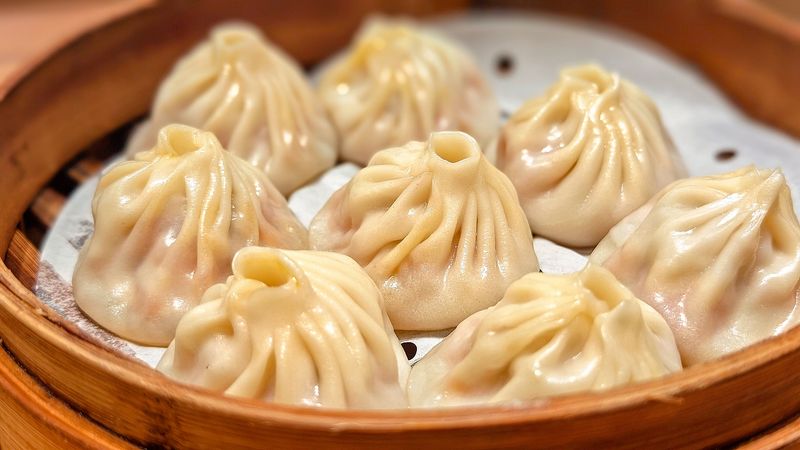
Bite too fast and you will learn a hot lesson. Xiaolongbao hide a pool of rich broth inside a thin, twisted wrapper, and that soup can burn an eager tongue.
Cooks add chilled jelly made from pork stock to the filling. When the dumplings steam, the jelly melts into liquid.
Here is the trick: set one on a spoon, poke a tiny hole, sip the soup, then eat the rest with a dab of vinegar and ginger.
2. Japanese Gyoza
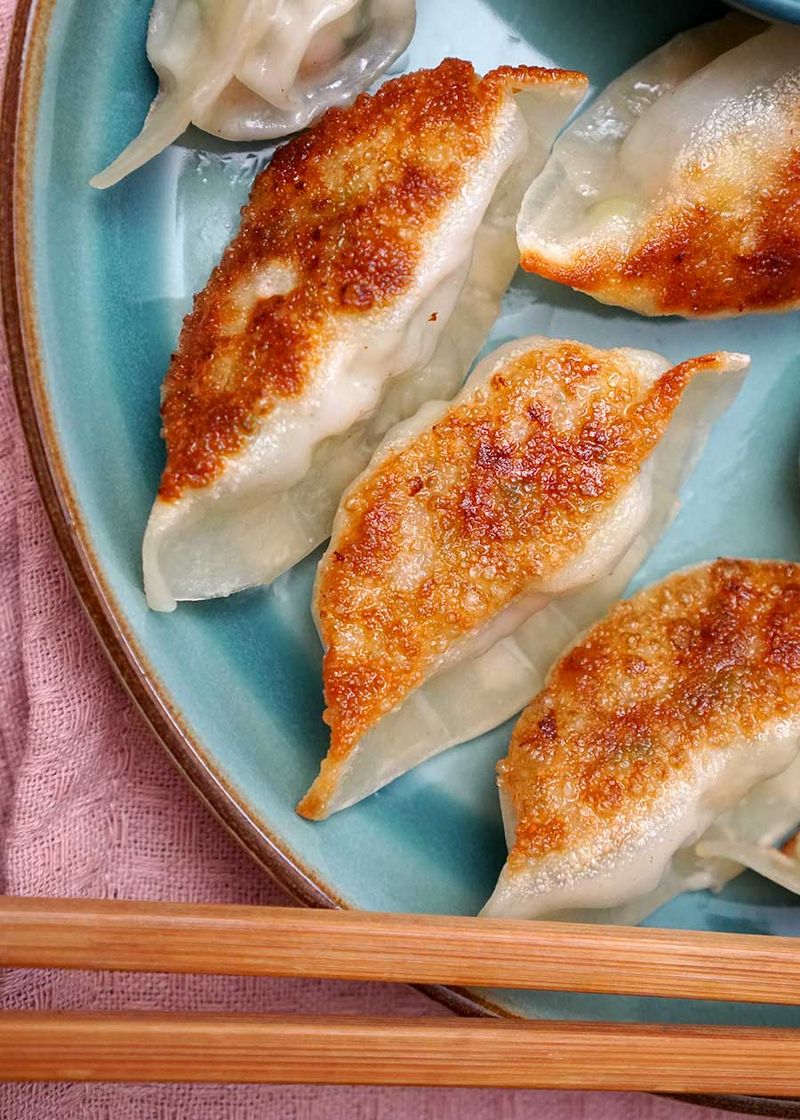
Crunchy on the bottom and soft on top, gyoza give you two textures in every bite. Japanese cooks borrowed the idea from Chinese jiaozi after World War II and made it their own.
The secret is a method called fry-steam. Dumplings sizzle in oil, then a splash of water gets covered with a lid.
At home, try adding a little cornstarch slurry to the pan. You will get a lacy, crispy skirt that looks amazing.
3. Polish Pierogi
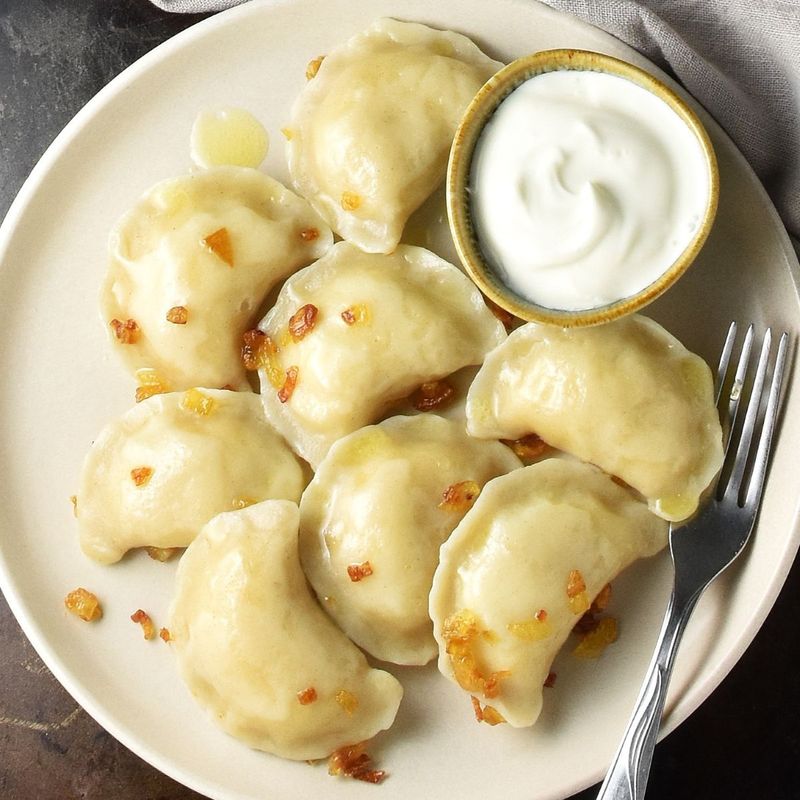
Grandmothers across Poland have a saying that pierogi taste best when made with love and plenty of butter. They might be right.
These half-moon pockets come stuffed with potato and cheese, sauerkraut, meat, or even sweet berries in summer. After boiling, many families fry them until golden.
Poland even celebrates a pierogi festival in Krakow each August. Top yours with crispy onions and a spoonful of sour cream for the classic experience.
4. Nepali Momos
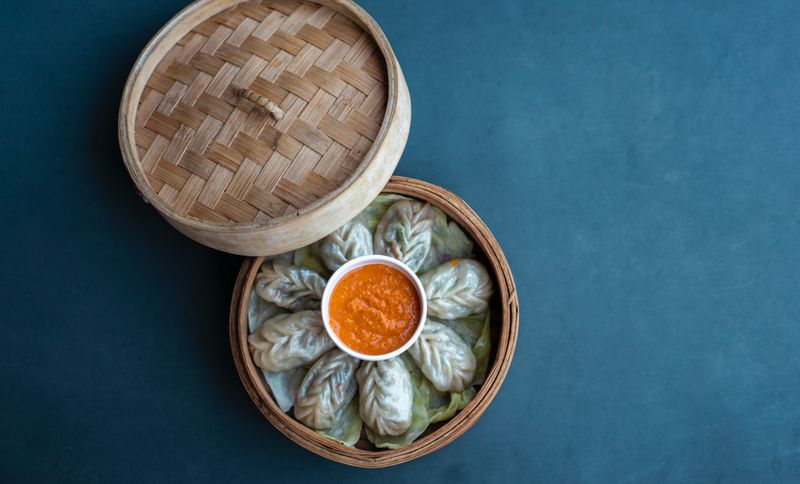
Walk down any street in Kathmandu and you will smell momos steaming in giant stacked pots. They are the snack of choice for students, workers, and tourists alike.
Fillings range from spiced buffalo and chicken to cabbage and paneer cheese. What truly makes them shine is the fiery tomato and sesame chutney served alongside.
Fun fact: momos traveled from Tibet to Nepal with traders. Now they are beloved all across the Himalayas.
5. Russian Pelmeni
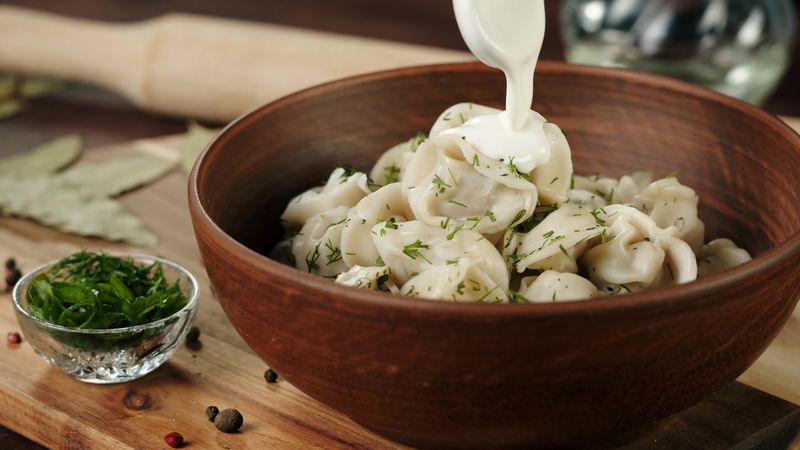
Long ago in snowy Siberia, families made hundreds of pelmeni at once and froze them outside. Nature acted as their freezer all winter.
Tiny and round, these dumplings usually hold a mix of ground beef and pork with onion. They cook in just a few minutes of boiling.
Russians often eat them with butter, sour cream, or a splash of vinegar. Keep a bag in your freezer for an easy, cozy dinner.
6. Korean Mandu
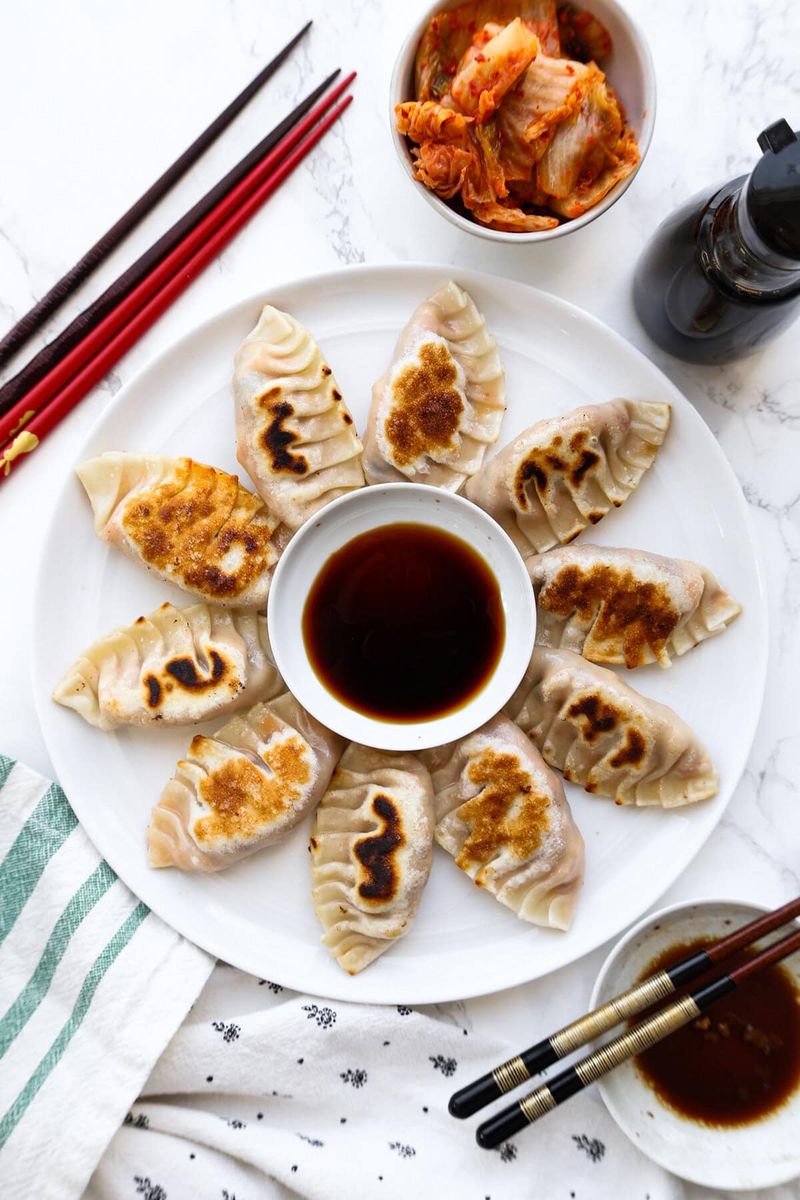
Ask a Korean family about Lunar New Year, and many will mention folding mandu together around the table. Shaping them is a cherished group activity.
Fillings often include tofu, glass noodles, pork, and chopped kimchi for a tangy kick. You can steam them, fry them, or drop them into soup called manduguk.
Tip: squeeze the water out of your kimchi and tofu first. Dry filling keeps wrappers from tearing.
7. Italian Ravioli
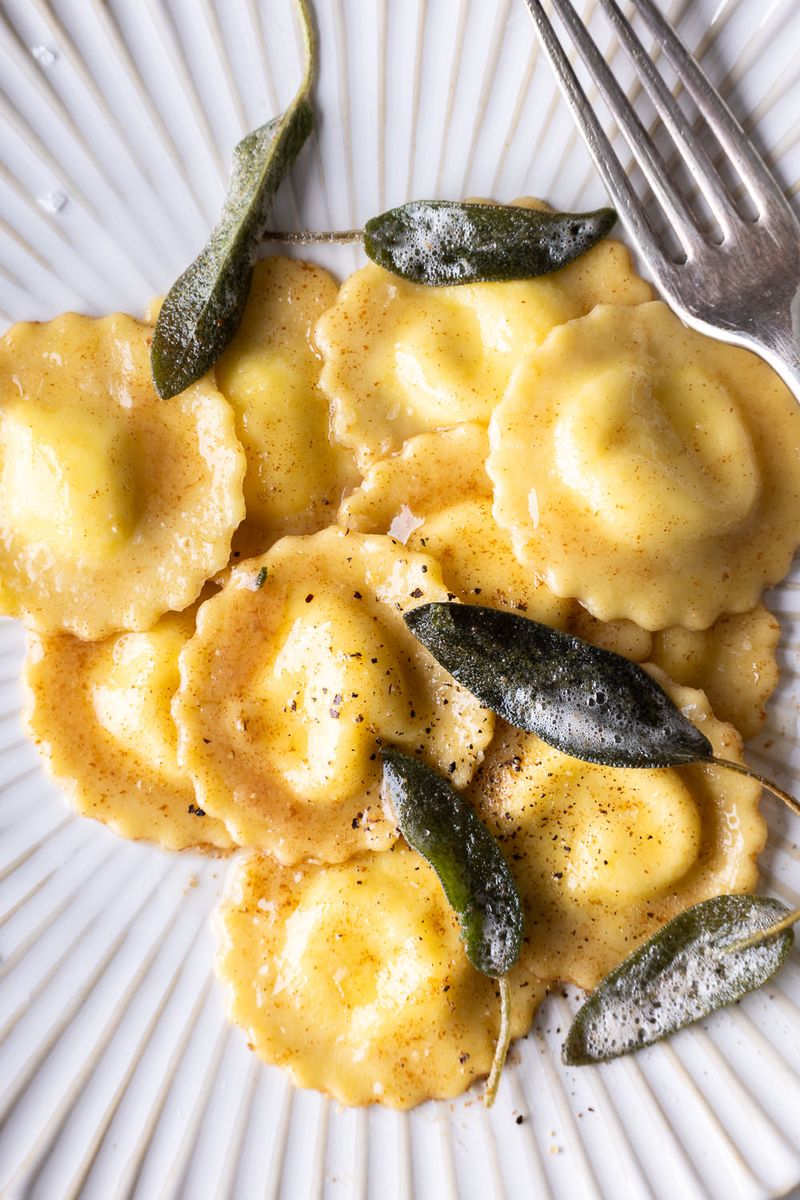
Yes, ravioli count as dumplings. They are simply pasta pockets wrapped around something delicious.
Italian regions each have favorites. Ricotta and spinach is a classic, while some northern towns use pumpkin or meat.
A simple sauce of brown butter and sage lets the filling shine.
Making them at home is easier than it sounds. Use a fork to seal the edges well, and they will hold together nicely in boiling water.
8. Turkish Manti
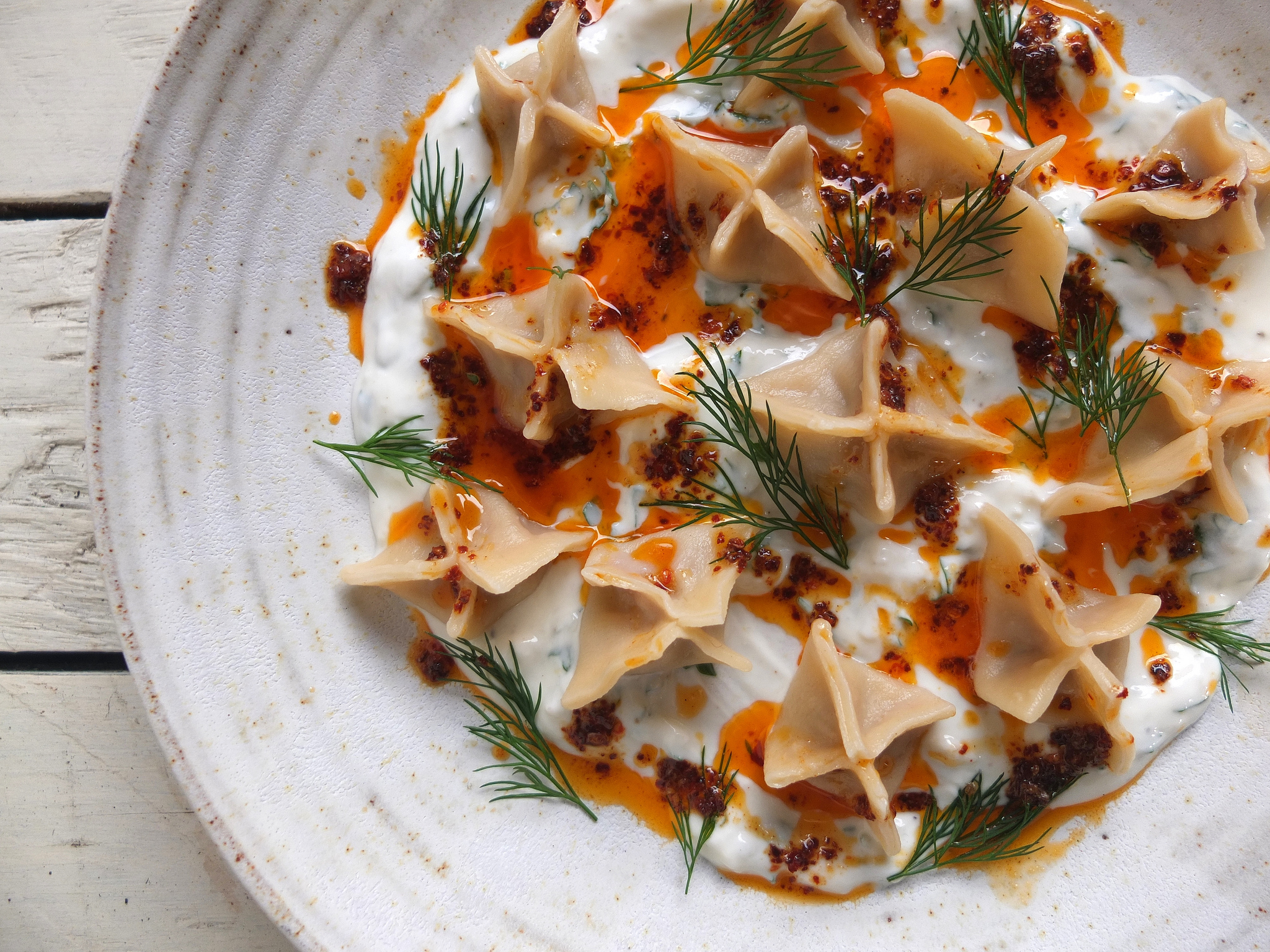
In the Turkish city of Kayseri, legend says a good bride could fit 40 manti on a single spoon. That is how tiny they are!
These bite-sized beef dumplings get boiled, then smothered in cool garlic yogurt. A drizzle of melted butter with red pepper flakes finishes the dish.
The mix of hot and cold, creamy and spicy, makes every forkful exciting. Sprinkle dried mint on top for extra freshness.
9. Chinese Jiaozi
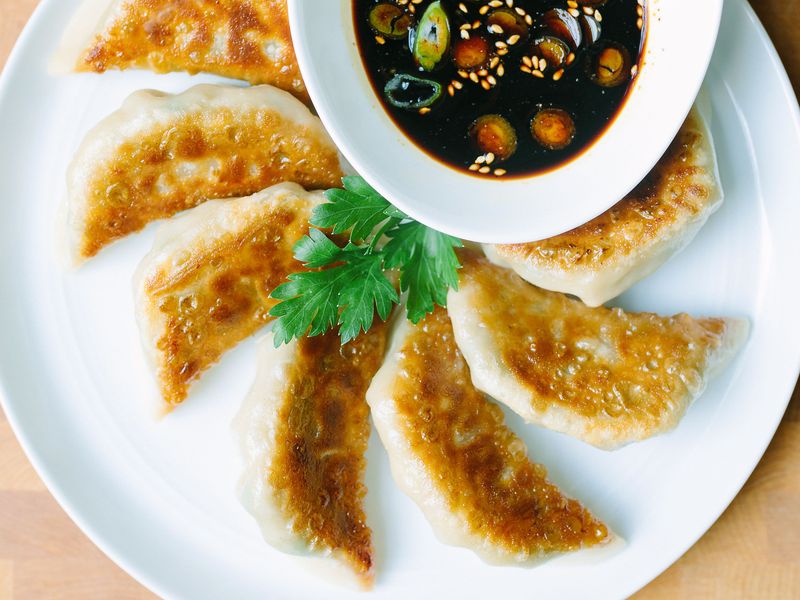
Shaped like old Chinese gold ingots, jiaozi are said to bring wealth during Spring Festival. Some families even hide a coin in one for good luck.
Pork and cabbage or chive and egg are popular fillings. Most are boiled, though leftovers get fried the next morning.
Want to join the tradition? Make a big batch with friends.
Dip them in black vinegar mixed with chili oil for a simple, tasty sauce.
10. Cantonese Har Gow
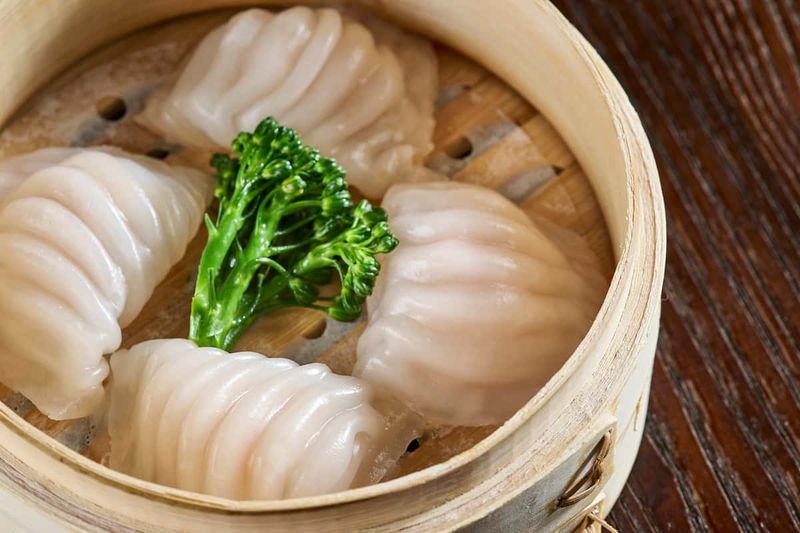
Dim sum chefs in Hong Kong are often judged by one thing: their har gow. A great one should have at least seven pleats.
The see-through wrapper is made with wheat starch and tapioca, letting pink shrimp peek through. It feels slightly chewy and very delicate.
These are tricky to make at home, so try them at a dim sum restaurant first. Watching the carts roll by is half the fun.
11. Georgian Khinkali
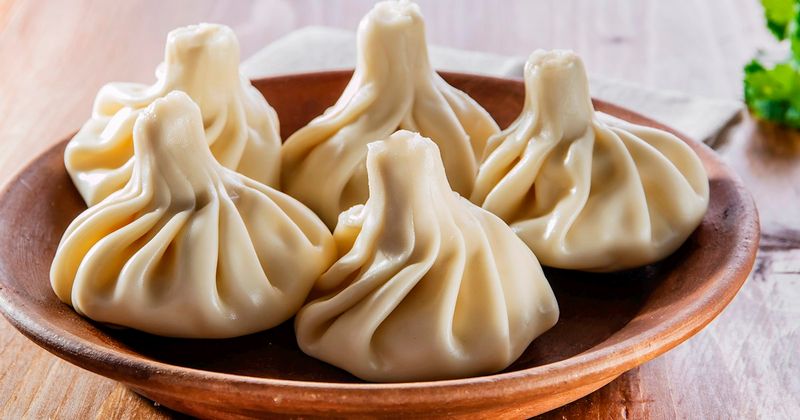
Grab it by the knot, flip it upside down, and slurp. That is the proper way to eat khinkali in the country of Georgia.
These big, twisted dumplings hold spiced meat and juicy broth. Locals never eat the doughy top knot.
Instead, they pile the knots on their plate to count how many they finished.
A sprinkle of black pepper is the only topping needed. Forks are considered a little silly here.
12. Indian Modak
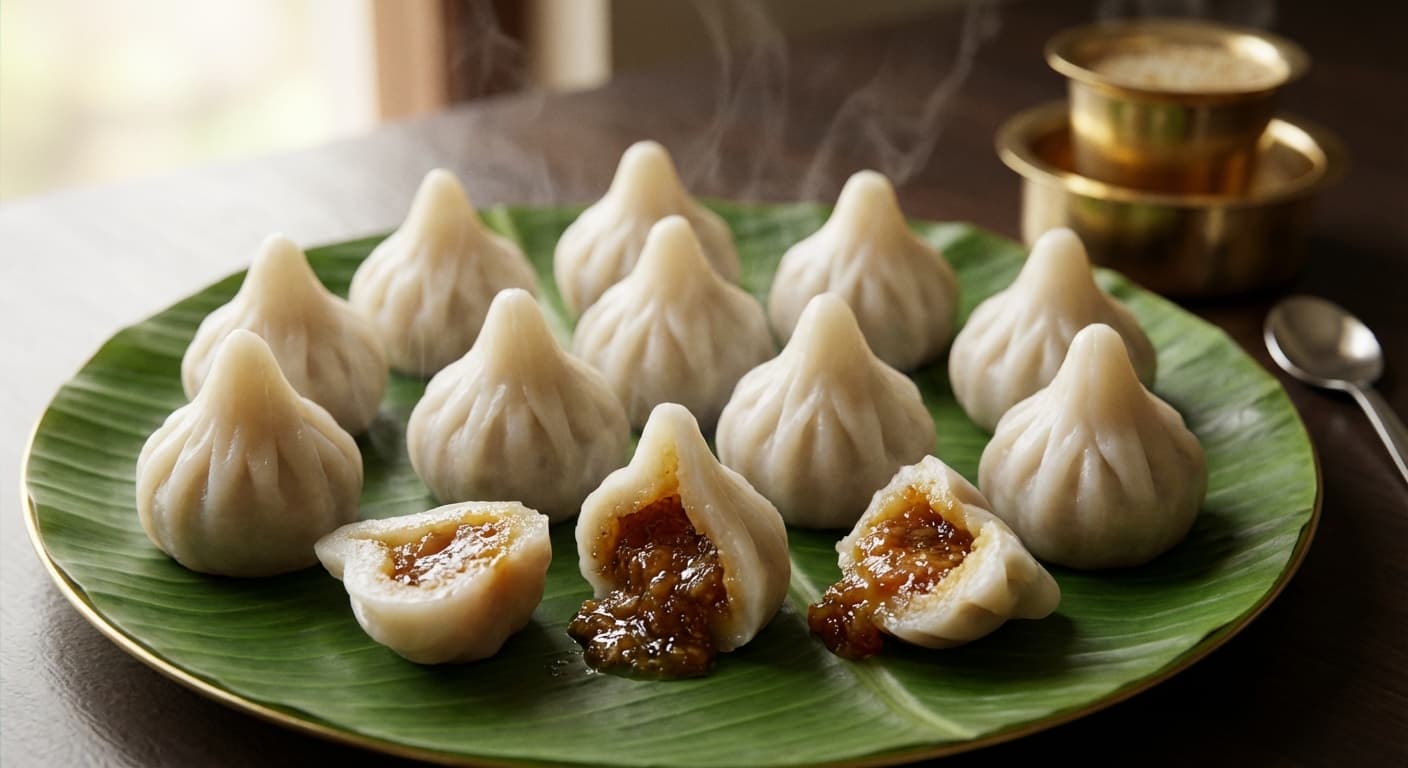
Lord Ganesha, the elephant-headed Hindu god, is said to love modak more than any other treat. During Ganesh Chaturthi, families prepare them as offerings.
The rice flour shell is shaped into a teardrop with pretty pleats. Inside sits a sweet mix of grated coconut and jaggery, a type of raw sugar.
Steamed versions are most traditional in Maharashtra. Serve them warm with a drizzle of ghee for a special dessert.
13. Czech Knedliky
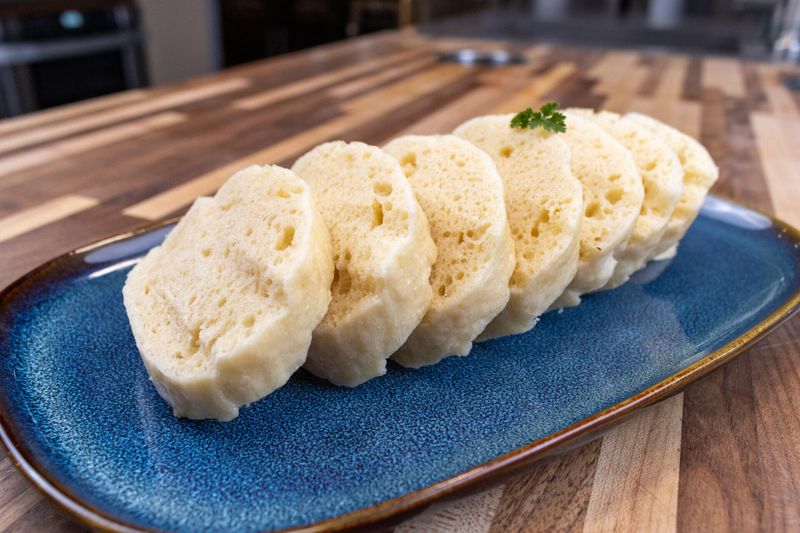
Picture a dumpling shaped like a loaf of bread, then sliced into fluffy rounds. That is Czech knedlíky.
Instead of holding a filling, these soak up gravy. They show up beside roast pork, sauerkraut, or creamy beef sirloin called svíčková.
Leftover slices are great fried with eggs the next day. Cooks often slice them with a thread instead of a knife to keep them light and airy.
14. German Maultaschen
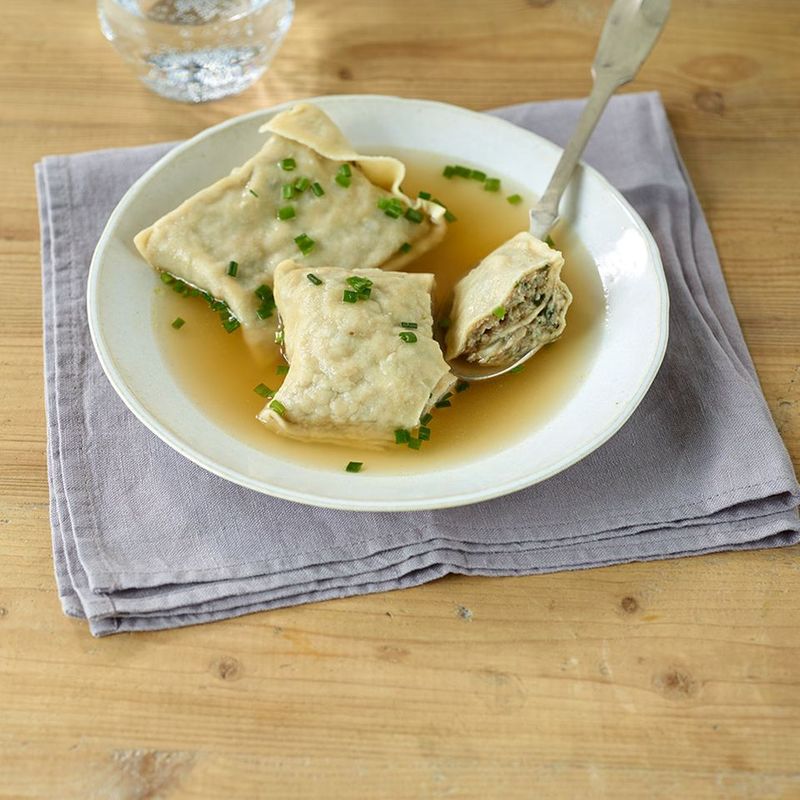
Some monks supposedly invented Maultaschen to hide meat from God during Lent. Locals still jokingly call them little God cheaters.
Hailing from the Swabia region, these large pasta squares are filled with meat, spinach, bread, and herbs. People enjoy them in broth or pan-fried with onions and eggs.
They are hearty enough for a full meal. Look for them in German grocery stores if you want an easy shortcut.
15. Latin American Empanadas
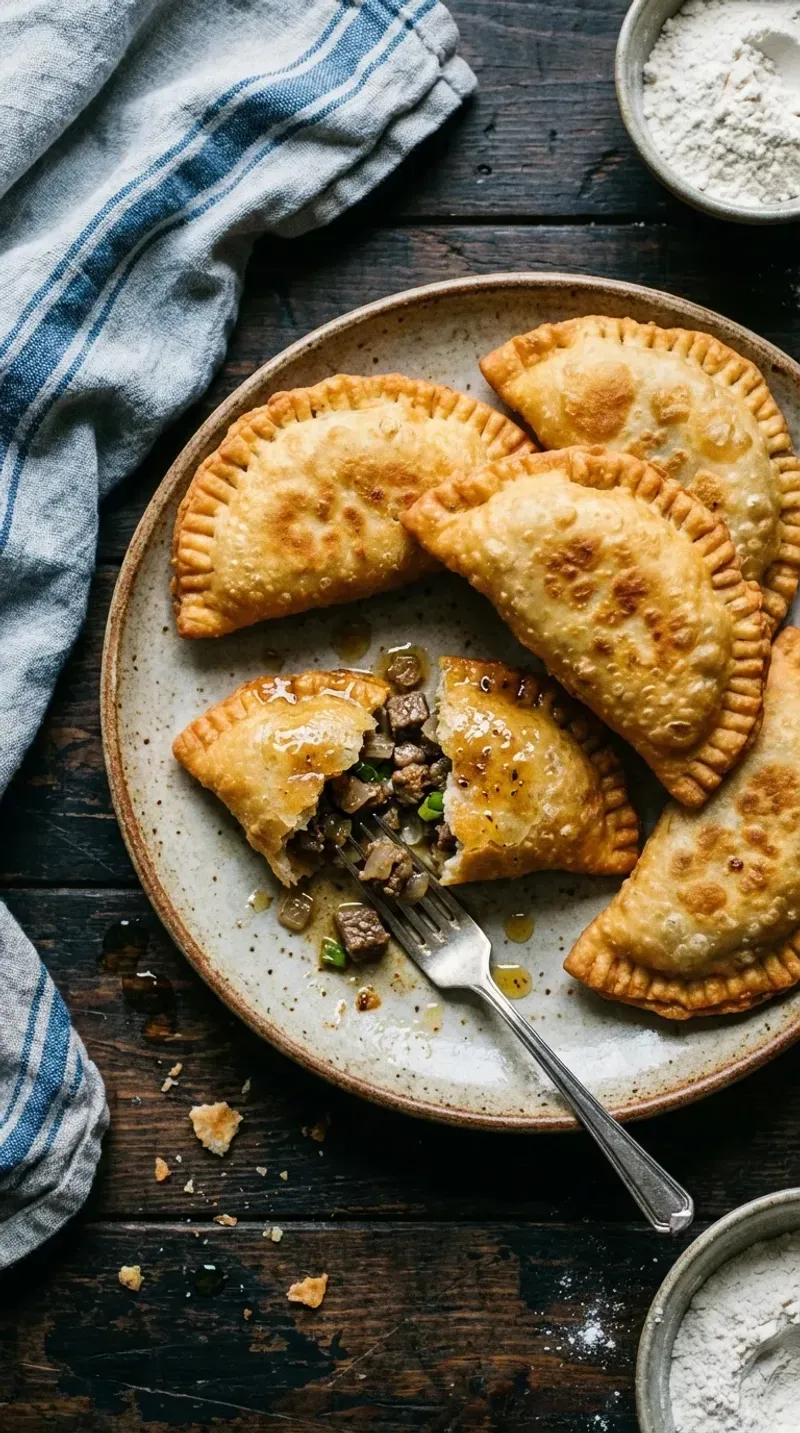
From Argentina to Colombia, empanadas are the ultimate grab-and-go snack. Each country gives them a unique twist.
Argentine versions are baked and filled with beef, olives, and egg. Colombian ones use cornmeal dough and get fried until crunchy.
Here is a cool detail: the crimped edge pattern, called repulgue, often shows the filling inside. Bakers use different folds so customers can tell beef from cheese without taking a bite.
16. Ukrainian Varenyky
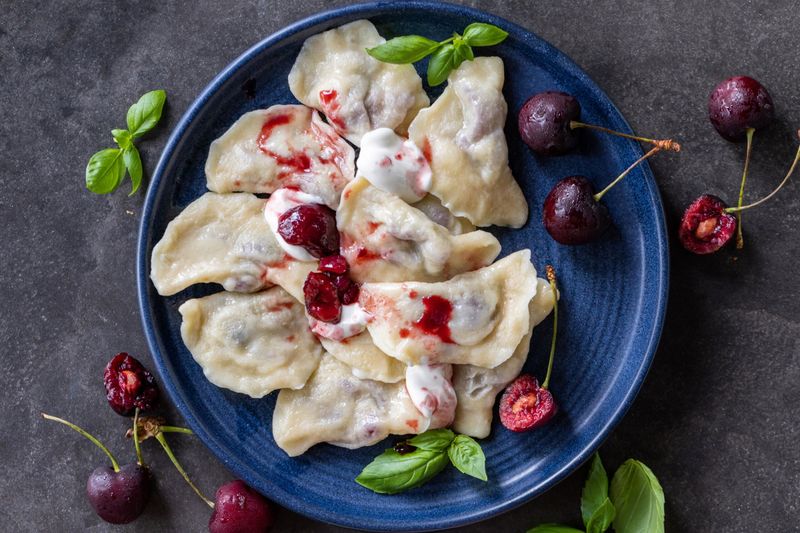
Summer in Ukraine means sour cherry varenyky, bursting with tart, juicy fruit. Kids often end up with red-stained fingers and big smiles.
Cousins of Polish pierogi, varenyky also come savory with potato, cabbage, or farmer cheese. Boiled and buttered, they are pure comfort food.
On Christmas Eve, many Ukrainian families serve them as part of a twelve-dish meatless supper. Try both sweet and savory to pick your favorite.
17. Tibetan Shapale
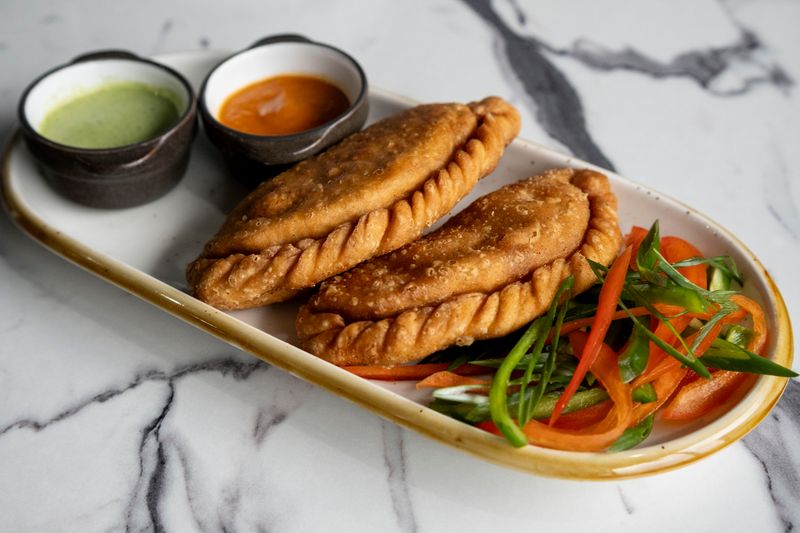
Think of shapale as a crunchy relative of the momo. Instead of steaming, cooks deep-fry these flat, stuffed breads until golden.
The filling is usually seasoned beef or yak with onion and garlic. Each one is pressed into a half-moon or round disk.
Tibetan families enjoy them with spicy chili sauce and butter tea. They make a fantastic snack for chilly days, warming you up from the inside out.
18. Southern Chicken and Dumplings
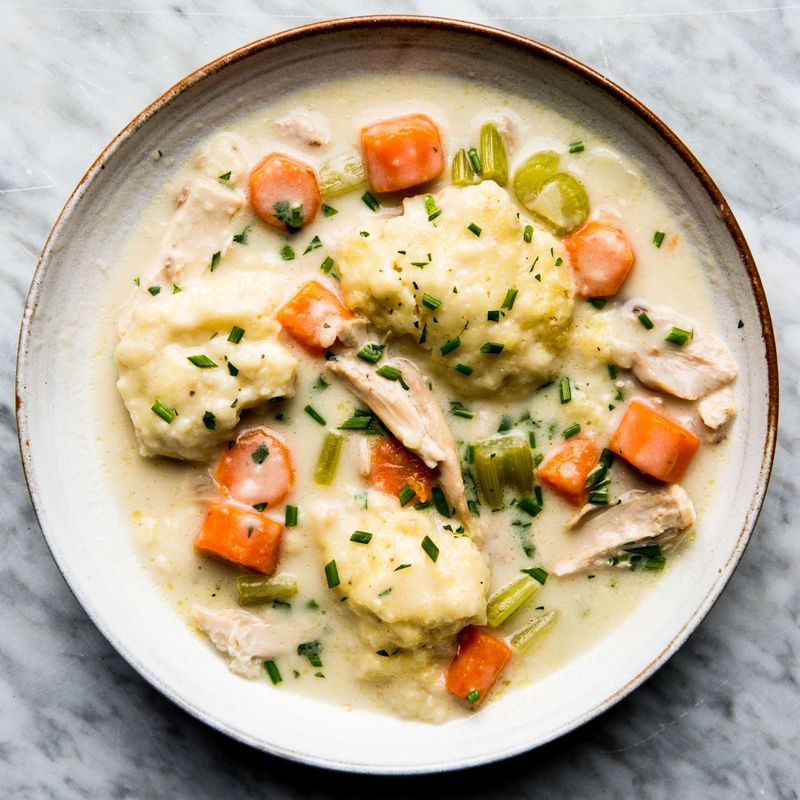
Nothing says Sunday supper in the American South quite like a pot of chicken and dumplings bubbling on the stove.
Some cooks drop spoonfuls of biscuit dough into the broth for puffy dumplings. Others roll thin flat strips.
Families argue happily over which style is better.
During hard times, this dish stretched one chicken to feed a whole family. A little black pepper and fresh parsley make it even cozier.
19. Austrian Marillenknödel
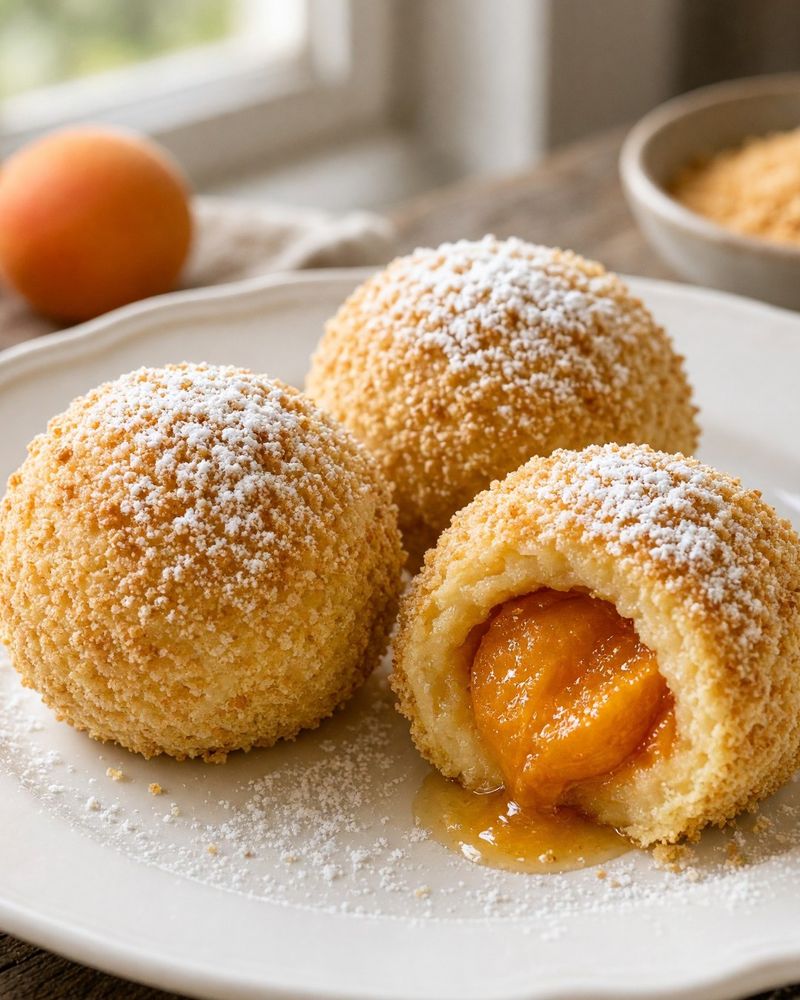
Imagine biting into a soft dumpling and finding a whole juicy apricot inside. Austrians do this every summer with Marillenknödel.
The dough is often made from quark cheese or potato. After boiling, the dumplings roll through buttery toasted breadcrumbs and get a snowfall of powdered sugar.
The Wachau Valley is famous for its apricots, making it the perfect place to try them. Some cooks swap the pit for a sugar cube.
20. Japanese Dango
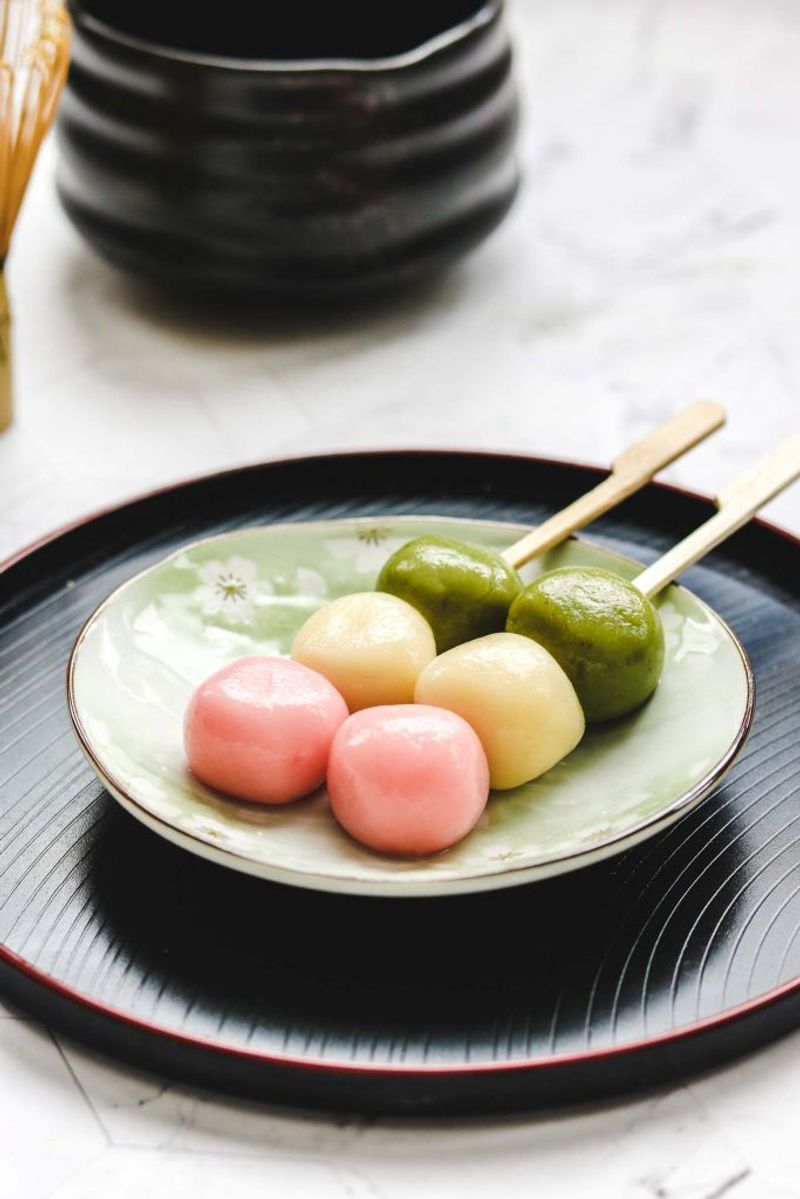
Under blooming cherry trees in spring, Japanese picnickers snack on pink, white, and green dango skewers. Some joke that people care more about dango than flowers.
These chewy balls are made from rice flour and water. They can be grilled with sweet soy glaze, called mitarashi, or topped with red bean paste.
Making them only takes a few ingredients. Kids especially love rolling the dough into little balls.
21. Senegalese Fataya
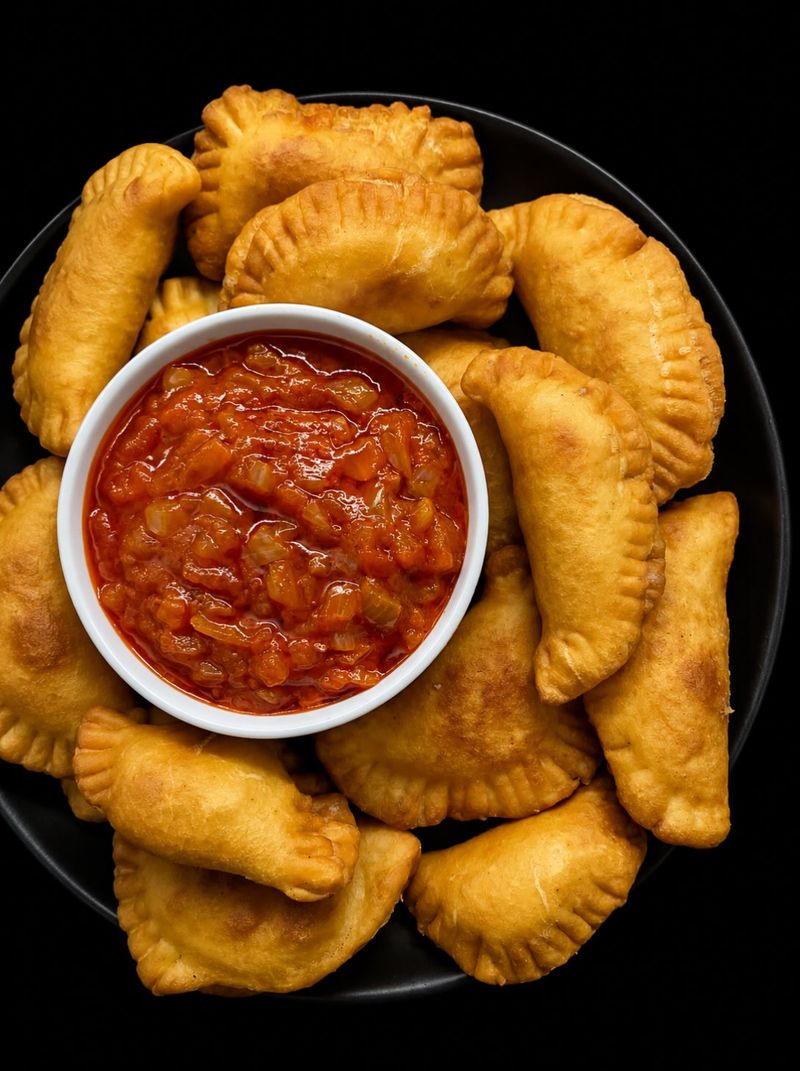
Street vendors in Dakar call out to hungry crowds selling hot fataya straight from the fryer. They are crispy, spicy, and hard to resist.
Often filled with fish or beef cooked with onions and chili, fataya show a mix of West African and Lebanese influences. A tangy onion sauce usually comes on the side.
Pair them with a cold hibiscus drink called bissap. The sweet, tart flavor balances the heat perfectly.