
Someone can have a busy life and still miss having a close friend to call. Some women notice small changes in how they talk, make plans, or handle hard days when close friendships are missing.
The behaviors below are possible patterns, not proof of loneliness, and they can happen to people of any gender. Understanding them can help us respond with kindness instead of making quick judgments.
1. Keeping Conversations on Safe Ground

Weather, work, and weekend errands can fill a whole conversation without revealing much. A woman who lacks close friends might stick to these safe topics because deeper sharing feels unfamiliar or risky.
Privacy is not a flaw, and small talk often helps new connections begin. If she wants more closeness, sharing one small opinion or personal detail can open a door.
Trust usually grows through steady exchanges, not a sudden rush of deeply personal secrets.
2. Answering With a Quick ‘I’m Fine’

A quick smile can hide a complicated day. Saying she is fine may feel easier than explaining sadness, stress, or disappointment, especially when she is unsure who will truly listen.
That answer alone tells you very little, so avoid pushing for details. A calm invitation, such as offering time to talk later, leaves room without pressure.
For someone practicing openness, naming one feeling can be a manageable first step toward feeling heard by another person.
3. Making Solo Plans by Default

One ticket, one coffee, one familiar walking route. Doing things alone can become the easiest choice when there is no regular friend to invite, even when company might be welcome.
Enjoying solitude is healthy and does not mean someone feels lonely. The useful question is whether being alone feels chosen or limiting.
If more company sounds appealing, inviting an acquaintance to one simple activity can feel easier than trying to build an entire social circle.
4. Filling Every Gap With Tasks

The calendar looks full, but meaningful company is missing. Work, chores, and extra projects may leave little space to notice that need, though a packed schedule can also reflect real demands.
Rather than calling busyness an excuse, look at what feels possible. A short walk together or a ten minute call may fit better than dinner.
Leaving one small opening each week can make connection easier without turning friendship into another exhausting task to finish.
5. Letting Check-Ins Drift

Weeks can pass before she realizes she has not messaged anyone just to chat. Without regular friendship habits, reaching out may slip behind daily duties or feel awkward after a long silence.
A delayed message does not always mean a lack of care. Starting again can be as simple as mentioning something that brought the other person to mind.
Setting a light reminder may help, but connection should feel like an invitation rather than homework.
6. Turning Down Invitations She Might Enjoy

Part of her wants to go; another part imagines feeling awkward all evening. Invitations can stir up nerves when someone is out of practice socially or unsure whether she really belongs.
Money, health, and tiredness can also explain a refusal, so avoid guessing. If fear is the barrier, a smaller plan may help.
Agreeing to stay briefly, meeting one person first, or choosing a familiar setting can make saying yes feel safer and more manageable.
7. Staying Near the Edge of Groups
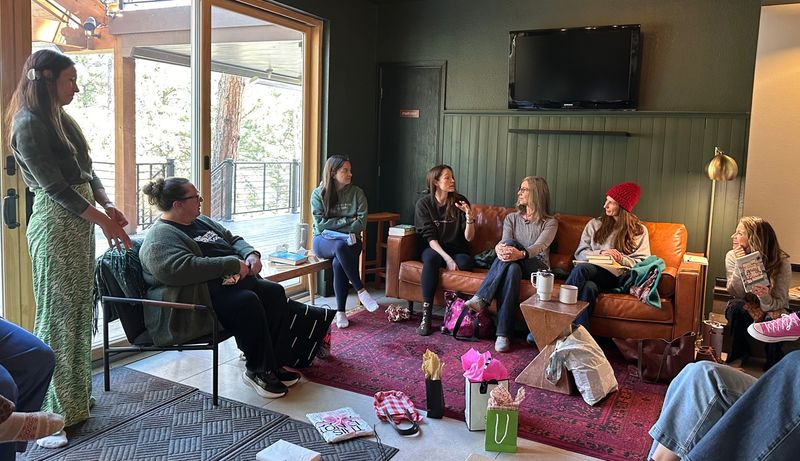
At a gathering, she listens closely but rarely jumps into the chatter. Joining an established group can be hard when shared stories and familiar jokes make everyone else seem connected already.
Quietness may simply reflect personality, not loneliness. Still, anyone hoping to join in can start with one nearby person instead of addressing the whole room.
Hosts can help by making introductions and offering context, rather than drawing unwanted attention to someone being quiet there.
8. Having Plans Without Regular Traditions

A birthday dinner here, a work event there, but nothing repeats. Someone may have social contact without the steady routines that help casual connections turn into friendships over time.
Regular contact gives people chances to remember details and feel more comfortable together. A monthly coffee, shared class, or weekly walk can offer that rhythm.
The goal is not a packed calendar. It is a small, repeatable plan that both people genuinely want to keep making.
9. Leaning on One Person for Everything

Every big update goes to a partner, sister, or parent. Those bonds can be loving and strong, yet having only one main source of support may leave both people feeling stretched.
Broader support does not require replacing family or sharing every secret. Different people can offer different kinds of company, from hobby chats to thoughtful listening.
Building one additional connection slowly can create more breathing room while keeping those existing relationships close and valued too.
10. Handling Every Problem Alone

Even a simple favor can feel surprisingly hard to request. A woman used to managing alone may avoid asking because she fears being a burden or remembers times when help never came.
Being capable is a strength, but support and independence can exist together. Start with something small, like asking for a recommendation or help carrying bags.
Notice who responds kindly and respects limits. Reliable friendship often develops through ordinary moments of giving and receiving.
11. Replaying Small Social Moments

Was that joke strange? Did her message sound cold?
After an ordinary exchange, she may spend far longer reviewing her words than the other person spends remembering them.
Overthinking can make another conversation feel harder to start, but it does not prove anything went wrong. Try separating facts from guesses: a short reply is a fact; assuming dislike is a guess.
Turning attention toward another activity can help interrupt the replay and restore some perspective.
12. Being Harder on Herself Than Others

One missed call becomes proof that she is a bad friend. Harsh self talk can turn normal mistakes into reasons to pull back, especially when few close relationships offer a kinder view.
Try using the same fair language you would offer someone you care about. Missing a message means you missed a message, not that you are unworthy of friendship.
If criticism feels constant or overwhelming, talking with a counselor may provide useful support too.
13. Giving More Than She Receives

She remembers birthdays, handles favors, and listens for hours. Yet when she needs company, the same care may not come back, leaving her helpful but not truly supported.
Generosity can be sincere while also becoming tiring. Notice whether a connection allows room for your needs, opinions, and limits.
Try making one clear request or declining one favor you cannot manage. A friendship worth growing should not depend on always being useful to the other person.
14. Saying Yes When She Means No

Keeping everyone happy can become a quiet rule. She may agree with opinions she does not share or accept plans she dislikes because disagreement feels like a threat to connection.
Closeness needs room for two real people, not one person hiding every preference. Practice with a small choice, such as suggesting a different meeting time.
Someone who respects a reasonable boundary offers useful evidence that honesty can belong in the relationship without ending it altogether.
15. Scrolling When She Wants Company

The feed keeps moving, but the evening still feels empty. Scrolling or watching videos may offer a welcome break, yet sometimes it fills time that someone wishes she could spend connecting.
Online friendships can be real and meaningful, so the issue is not simply screen time. Notice how an activity leaves you feeling afterward.
If passive browsing feels draining, try sending a personal message, joining a moderated interest group, or arranging a short voice call.
16. Taking a Long Time to Trust

Past gossip or broken promises can make new closeness feel risky. Someone may stay polite and friendly while keeping personal details firmly private until another person proves reliable.
Caution can protect boundaries, but each new person deserves to be judged by their own actions. Watch for steady behavior: keeping plans, respecting privacy, and accepting no. Sharing gradually lets trust grow at a comfortable pace without demanding instant openness or assuming every friendship will repeat old hurts.
17. Struggling to Name a Confidante

Good news arrives, or a hard day hits, and no clear person comes to mind. That pause may reveal a gap between knowing many people and having someone who feels emotionally safe.
There is no shame in noticing that gap, and it does not have to stay permanent. Consider who already shows warmth and respect, then suggest a simple conversation.
If loneliness persists or affects daily life, a counselor can help you explore support options.