
Mexico’s landmarks tell stories through ancient stone, colorful streets, and wild landscapes. Some reveal how people lived centuries ago, while others show what water, wind, and time can create.
From Maya cities to deep canyons, these places offer plenty of reasons to explore beyond the beach.
1. Chichén Itzá: A Pyramid Built Around the Sky
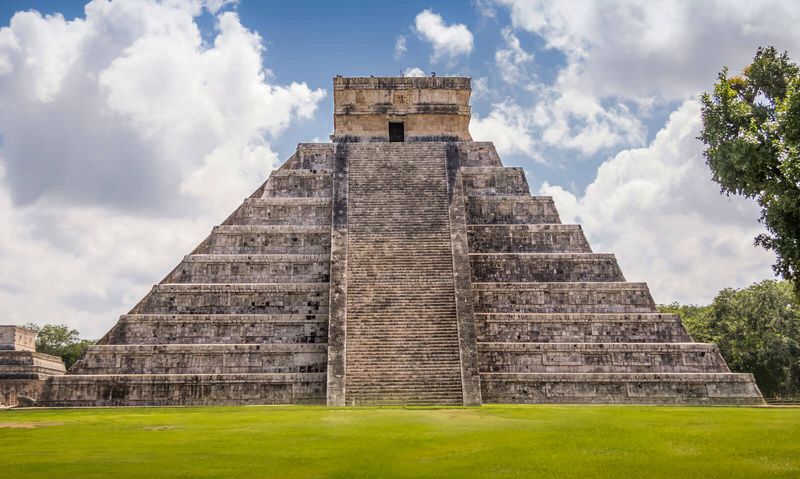
A stone serpent seems to slide down a staircase when sunlight hits El Castillo near the equinoxes. That famous effect hints at the Maya knowledge behind Chichén Itzá, a UNESCO World Heritage Site in Yucatán.
Allow time for the Great Ball Court and Sacred Cenote, not just the main pyramid. Arrive early, carry water, and wear a hat because shade is limited.
Visitors cannot climb El Castillo, but its scale is impressive from the ground alone.
2. Teotihuacán: Walk an Ancient City’s Main Avenue
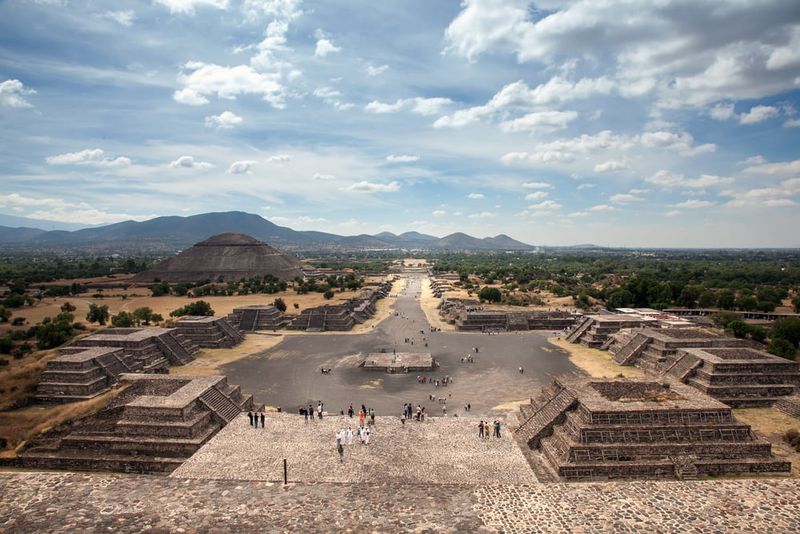
Imagine a city of roughly 100,000 people thriving here long before the Aztec Empire rose. Teotihuacán’s broad Avenue of the Dead connects huge monuments, including the Pyramid of the Sun and Pyramid of the Moon.
Much about its founders remains uncertain, which makes a guided visit especially rewarding. Wear comfortable shoes for the uneven ground and bring sun protection.
Check current access rules before visiting, since climbing permissions and open areas can change over time too.
3. Mexico City’s Historic Center: Layers Beneath Your Feet
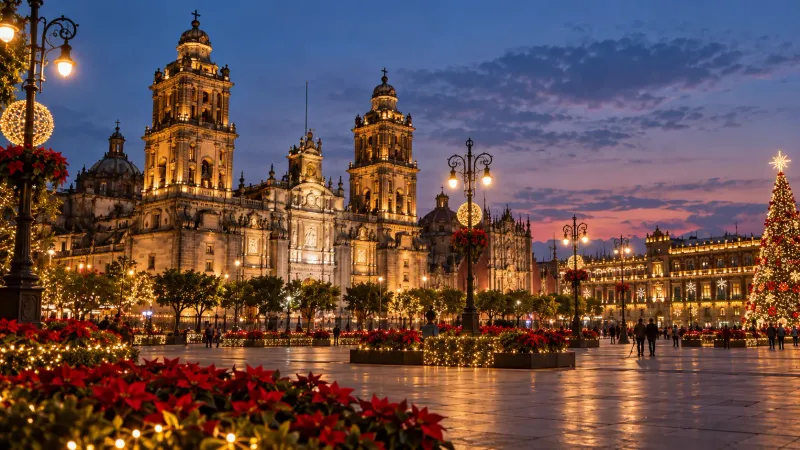
Beneath the busy streets lie pieces of Tenochtitlan, the former Aztec capital. Around the Zócalo, Mexico City’s historic center brings ancient ruins, grand churches, and everyday city life into one walkable area.
Start with the Metropolitan Cathedral, then visit the nearby Templo Mayor site and museum. Building access and opening hours vary, especially around official events.
Keep valuables secure in crowded streets, and leave room in your schedule for a relaxed meal at a local restaurant.
4. Palacio de Bellas Artes: Art Behind the Marble

White marble and a glowing orange dome make this palace hard to miss. Inside, murals by major Mexican artists turn a beautiful building into a rich introduction to the country’s creative history.
Construction began in 1904, but political unrest helped delay completion until 1934. Visit the museum spaces for art, or check the performance schedule for an evening outing.
Museum admission does not automatically include a show, so plan and buy the right tickets ahead.
5. Tulum Ruins: Maya History Above the Caribbean
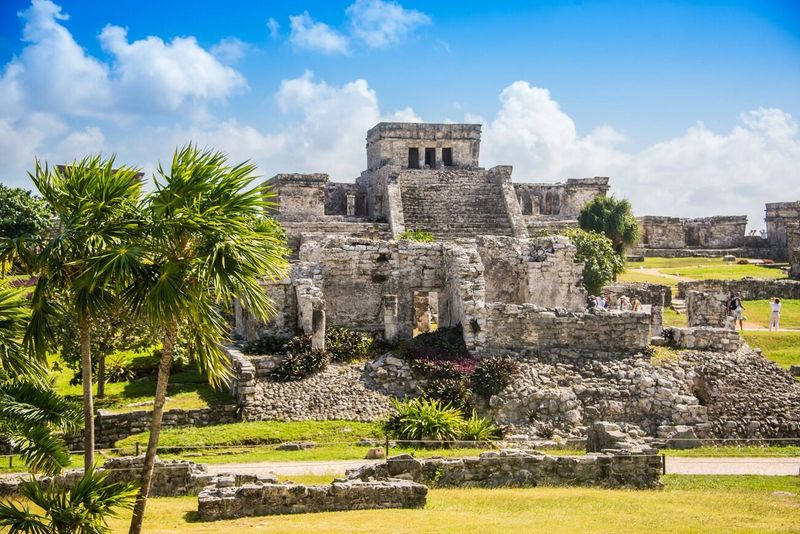
Turquoise water stretches beyond stone temples at this former Maya trading port. Its cliffside setting explains much of Tulum’s appeal, but the surrounding walls also reveal a city built with defense in mind.
Follow the marked route and pause to imagine goods arriving by sea. Early visits usually mean cooler conditions and softer light for photographs.
Bring drinking water and check official entry requirements beforehand, as access arrangements within the wider park may change over time.
6. El Arco: Cabo’s Ocean-Carved Gateway
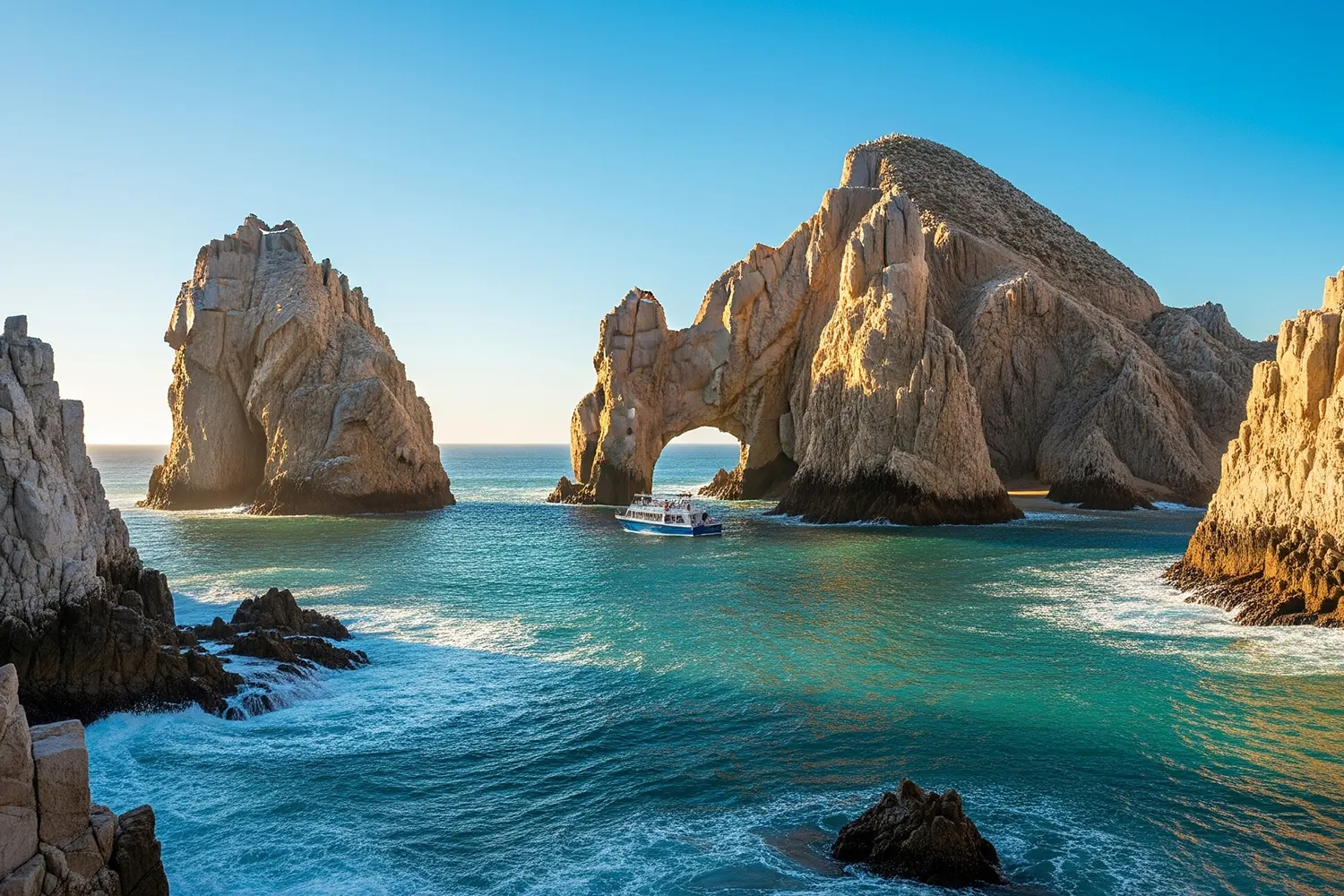
Waves have carved a dramatic doorway through the rock at Baja California’s southern tip. Known as El Arco, this natural landmark stands near the meeting of the Pacific Ocean and the Sea of Cortez.
A boat trip offers the clearest view, with options ranging from small sightseeing boats to larger cruises. Choose an operator that provides life jackets and follows marine safety rules.
Rough water can alter plans, and nearby Pacific beaches are unsafe for swimming.
7. Copper Canyon: A Landscape Best Taken Slowly
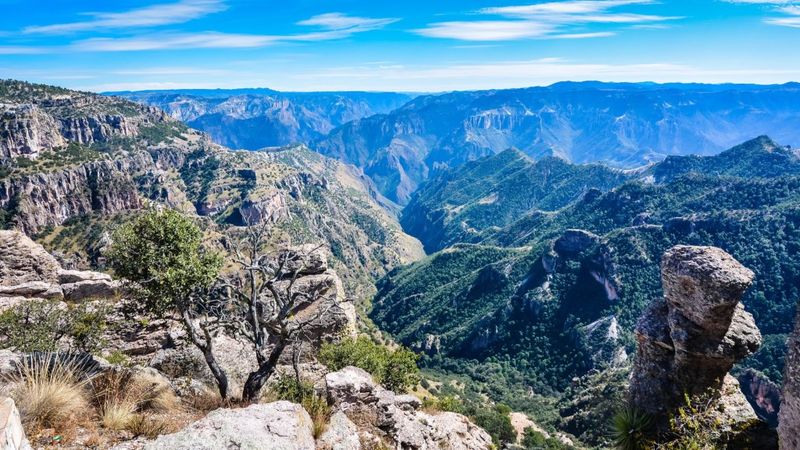
The view keeps unfolding: another ridge, another deep valley, another distant mountain. Copper Canyon is a vast canyon system in Chihuahua, where the Sierra Madre landscape rewards travelers who avoid rushing between stops.
El Chepe provides a memorable rail journey through parts of the region. Check routes, departure days, and seat availability before booking accommodations.
Build time around scenic viewpoints and local communities, and treat Rarámuri culture with respect by asking permission before taking personal photographs.
8. Hierve el Agua: Waterfalls That Stand Still
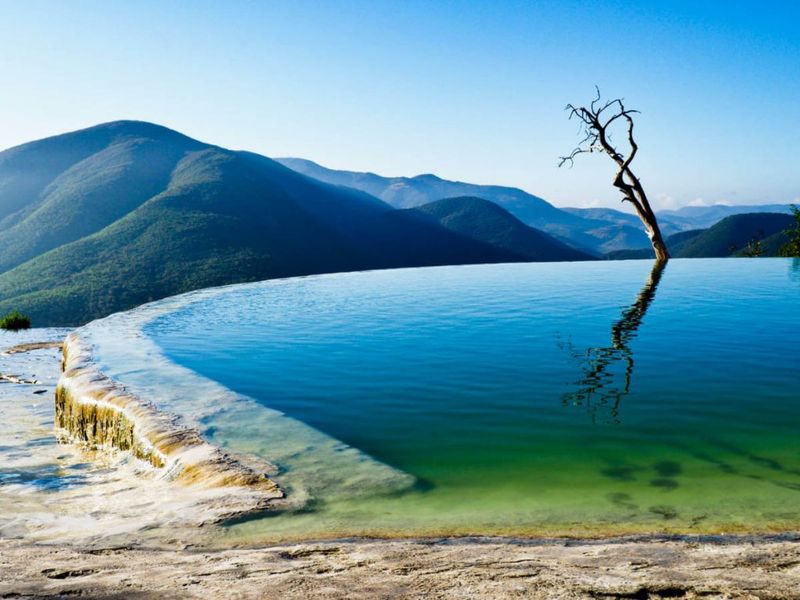
From a distance, the white cliffs look like waterfalls frozen in place. Their flowing shapes actually come from mineral deposits left by spring water over thousands of years, not ice or rushing cascades.
Natural pools and mountain views add to the appeal of this Oaxaca landmark. Paths can be steep or slippery, so sturdy footwear helps.
Confirm local access before traveling, follow community rules, and stay away from cliff edges even when other visitors approach.
9. San Miguel de Allende: Follow the Pink Towers
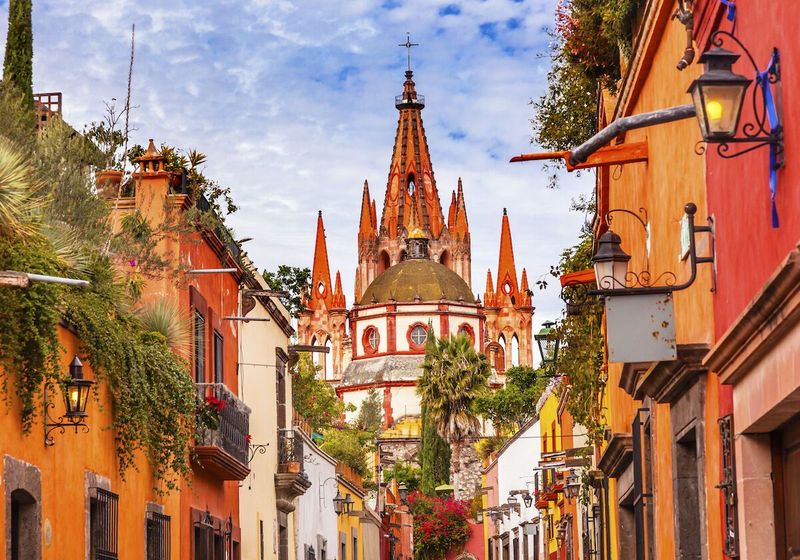
Pink church towers rise above rooftops like something from a storybook. Around the Parroquia de San Miguel Arcángel, cobbled lanes and colorful buildings help make San Miguel de Allende a favorite for unhurried wandering.
The UNESCO city also supports a lively arts scene, with galleries and workshops tucked along its streets. Wear shoes with good grip, since slopes and stones can challenge tired feet.
Explore beyond the main square to find quieter corners and neighborhood cafés.
10. Guanajuato City: Color Around Every Corner
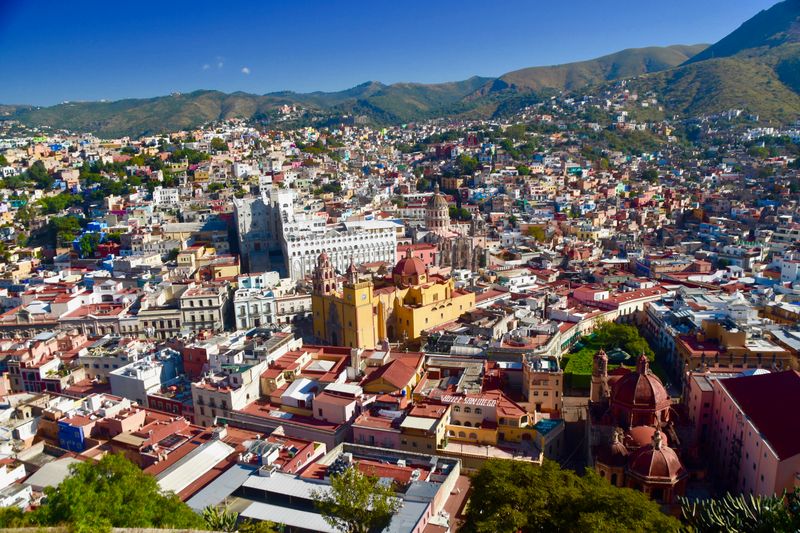
Getting pleasantly turned around is part of the fun here. Guanajuato’s narrow lanes, small squares, and bright hillside houses grew around the wealth of silver mining, giving the city its distinctive shape and grand buildings.
Explore the UNESCO historic center on foot, then seek a higher viewpoint to understand its layout. Expect stairs and slopes rather than an easy grid.
A local guide can explain the mining story and help connect landmarks that otherwise seem scattered.
11. Monte Albán: A Capital Above the Valley
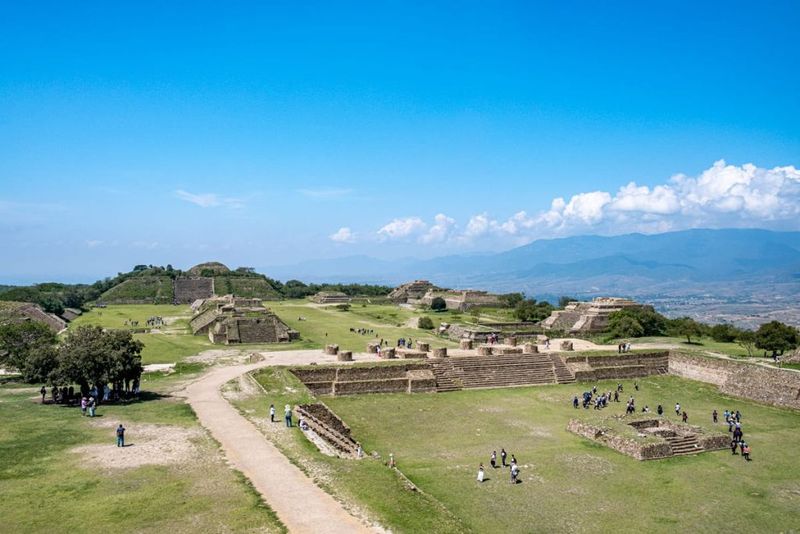
High above Oaxaca’s valleys, a broad plaza opens between ancient stone platforms. Monte Albán became a major Zapotec capital, and its hilltop position still gives visitors a powerful sense of the city’s reach.
Walk slowly through the ceremonial spaces, ball court, and carved monuments. A guide can explain details that are easy to overlook without context.
Shade is scarce across much of the site, so bring water and sun protection, especially for a late morning visit.
12. Uxmal: Stonework Worth a Closer Look
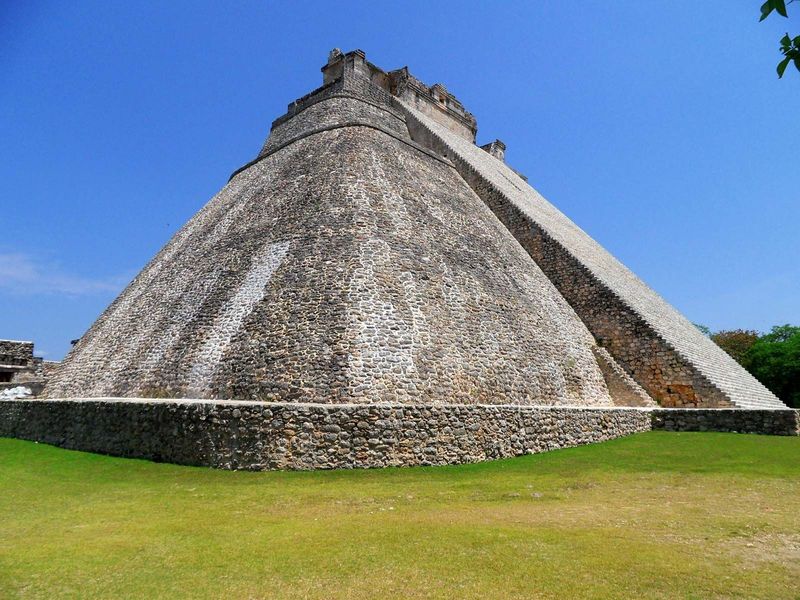
Look past the pyramid’s height and notice the patterned stone walls. Uxmal is celebrated for Puuc architecture, with detailed designs and masks that reveal the skill of the Maya builders who shaped this city.
The rounded Pyramid of the Magician is its best known landmark, but nearby courtyards deserve attention too. Allow several hours rather than making a quick photo stop.
Comfortable shoes, drinking water, and an early arrival make exploring the exposed grounds more enjoyable.
13. Popocatépetl: Admire an Active Giant Safely
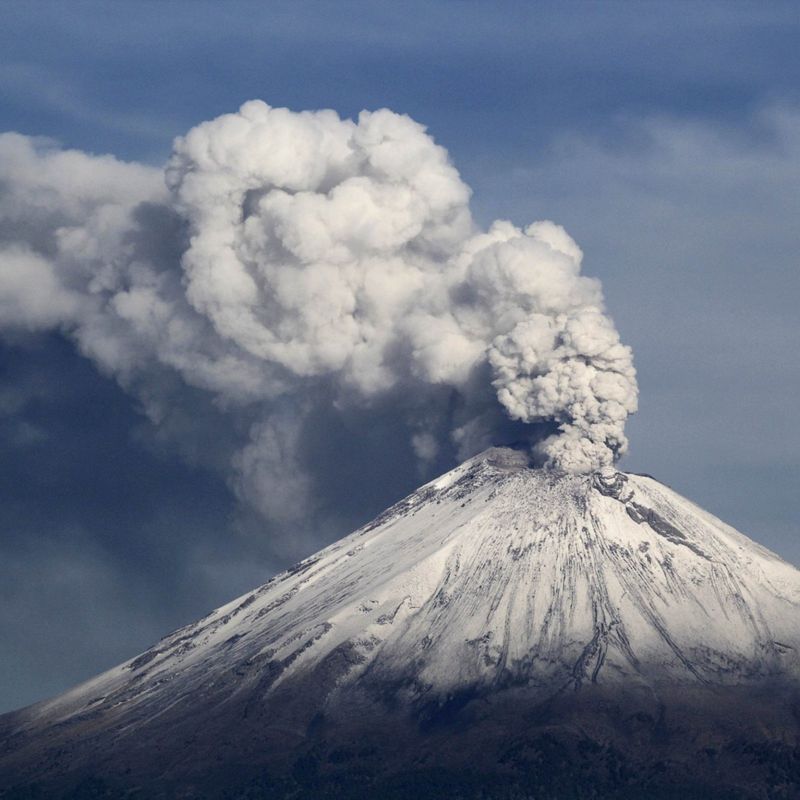
A plume above the summit is a reminder that this mountain is very much alive. Popocatépetl, Mexico’s second highest peak, is an active volcano whose beauty must always be viewed with safety in mind.
Do not attempt to approach the crater or enter restricted areas. Check official volcanic alerts and local advice before planning nearby travel.
On clear days, distant viewpoints offer striking views, while historic monasteries in the surrounding region add another reason to explore.
14. Sumidero Canyon: A River Between Towering Walls
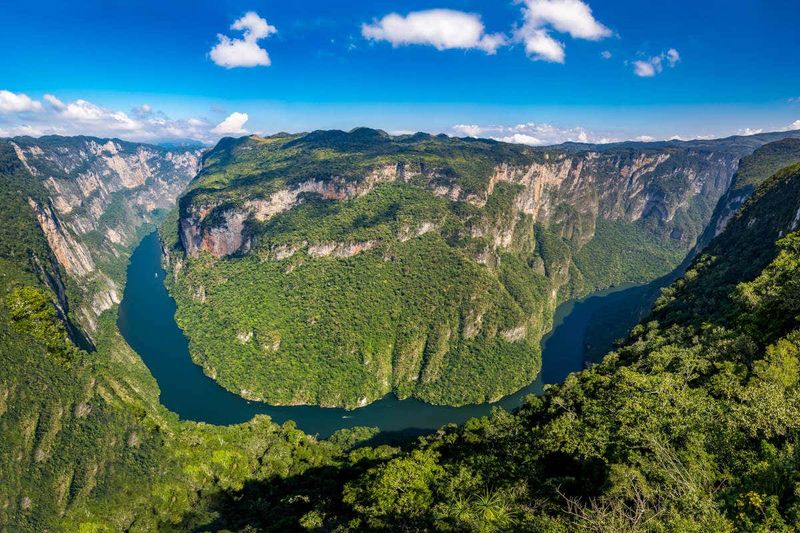
From a small boat, the canyon walls can make everything else feel tiny. The Grijalva River runs through Sumidero Canyon, where cliffs rise as much as 1,000 meters above the water in places.
Boat tours offer chances to spot birds, crocodiles, and sometimes monkeys, though wildlife sightings are never guaranteed. Wear the provided life jacket and bring protection from the sun.
Seasonal water conditions affect features such as the Christmas Tree formation, so keep expectations flexible.
15. Peña de Bernal: A Giant Above the Village
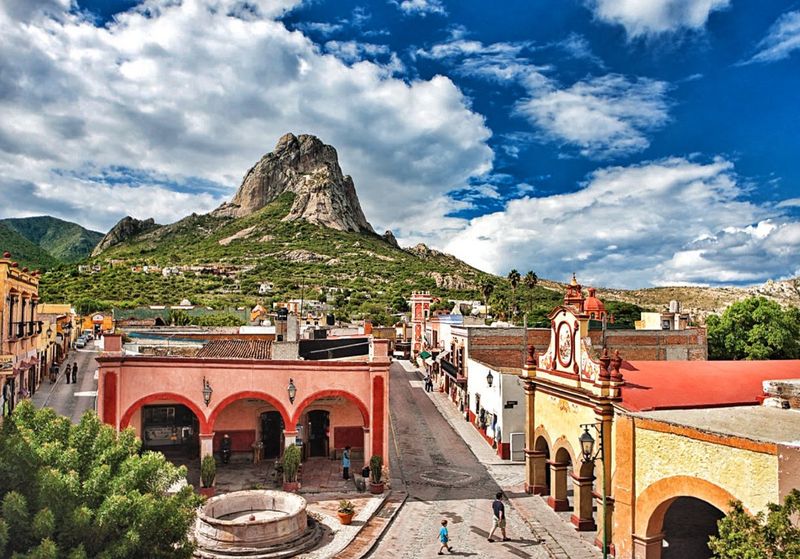
One enormous rock gives this small town an unforgettable skyline. Peña de Bernal rises above San Sebastián Bernal in Querétaro, drawing walkers, photographers, and climbers to its rugged volcanic slopes.
The public walking route reaches only partway up, and the summit requires technical climbing skills and proper equipment. Start before the day gets hot, wear shoes with traction, and respect barriers.
Back in the village, a meal offers a welcome reward after the dusty uphill effort.
16. Las Coloradas: Pink Ponds With a Purpose
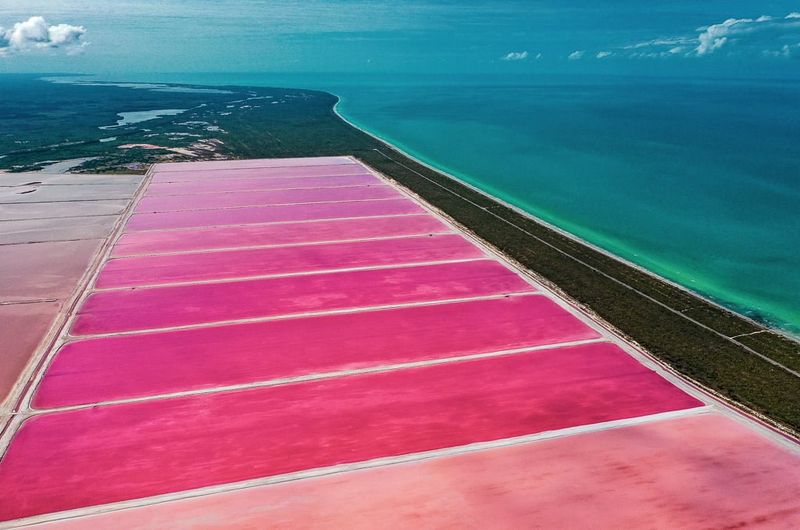
That pink water belongs to working salt ponds, not a swimming spot. At Las Coloradas, salt loving microorganisms help create shades that can range from pale rose to bright pink under the right conditions.
The ponds sit near the Río Lagartos Biosphere Reserve in northern Yucatán. Use authorized visitor routes and follow guide instructions around the salt operation.
Color varies with weather, sunlight, and production stages, so photographs online cannot promise exactly what you will see.
17. Yucatán’s Cenotes: Windows Into an Underground World
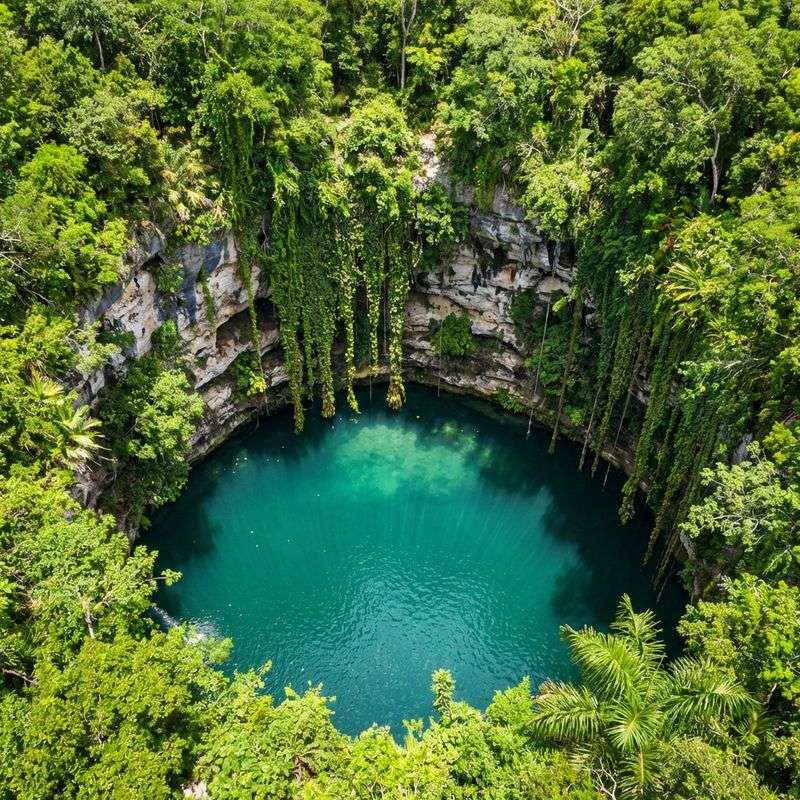
Sunlight falling through a rocky opening can turn clear water into a glowing pool. Cenotes are natural sinkholes connected to the Yucatán Peninsula’s underground water systems, and many held deep meaning for the ancient Maya.
Ik Kil, near Chichén Itzá, is one well known example. Choose a managed site with clear safety rules, shower before entering, and wear a life jacket when required.
Never touch delicate formations or leave litter, since these waters support a fragile environment.
18. Basílica de Guadalupe: A Place of Living Faith
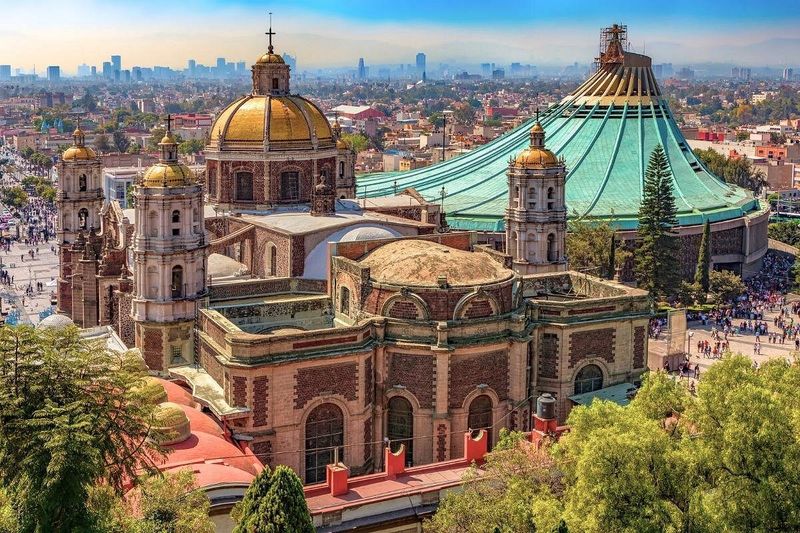
Faith, rather than age alone, gives this landmark its powerful presence. The Basílica de Guadalupe houses the revered image of the Virgin of Guadalupe on a cloak traditionally associated with Juan Diego.
Pilgrims visit throughout the year, with especially large gatherings around December 12. Dress respectfully, keep your voice low, and follow photography rules during services.
Allow time for the surrounding religious complex, and remember that many people are here to worship rather than simply sightsee.