
A book can open minds and still start a fierce argument. Across America, families, teachers, and school boards have debated stories about race, identity, violence, and growing up.
Some disputes have led to books being removed or restricted in certain schools and libraries, not banned nationwide. The stories below show why these debates matter and what readers can learn from them.
1. Gender Queer: A Memoir by Maia Kobabe
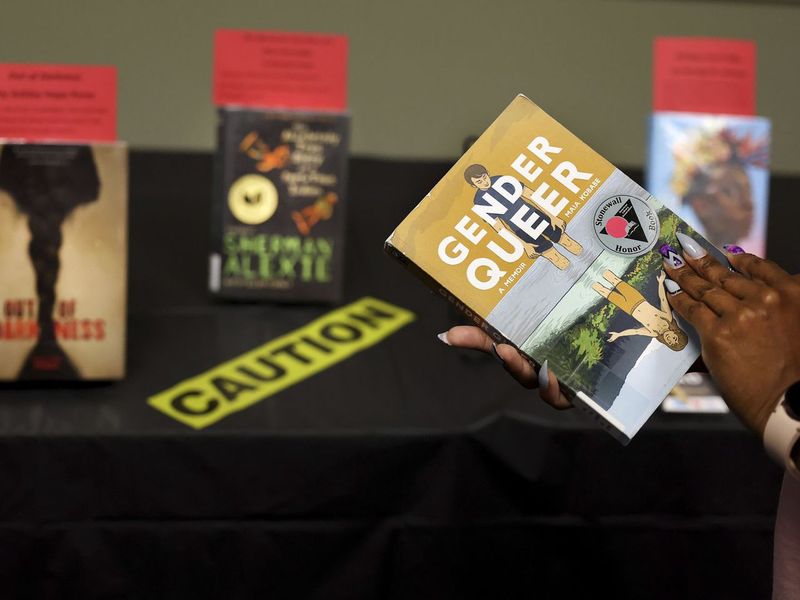
Pictures can make a personal story feel especially close. Maia Kobabe uses comic panels to explore growing up, gender identity, and the search for words that fit.
Challenges often focus on sexual illustrations and whether the memoir belongs in school libraries. Supporters say it helps readers understand experiences that are rarely discussed openly.
Before choosing it, check an age guide and consider how images affect your reading experience differently from words on a page alone.
2. All Boys Aren’t Blue by George M. Johnson
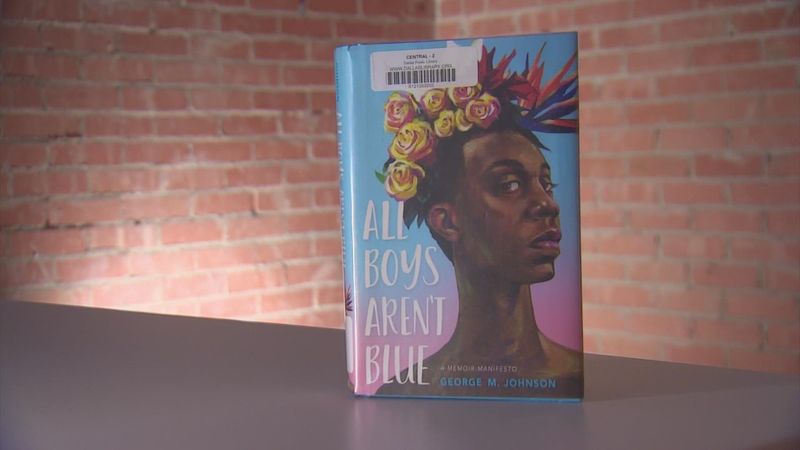
Growing up can mean sorting through rules nobody explains. George M.
Johnson shares memories of family, bullying, love, and life as a queer Black person in this collection of personal essays.
Opponents have objected to sexual passages and LGBTQ content, while defenders value its honesty and representation. Readers should expect mature experiences rather than a simple childhood story.
Notice how family support shapes the memoir, even when the outside world feels harsh or deeply unfair.
3. The Bluest Eye by Toni Morrison
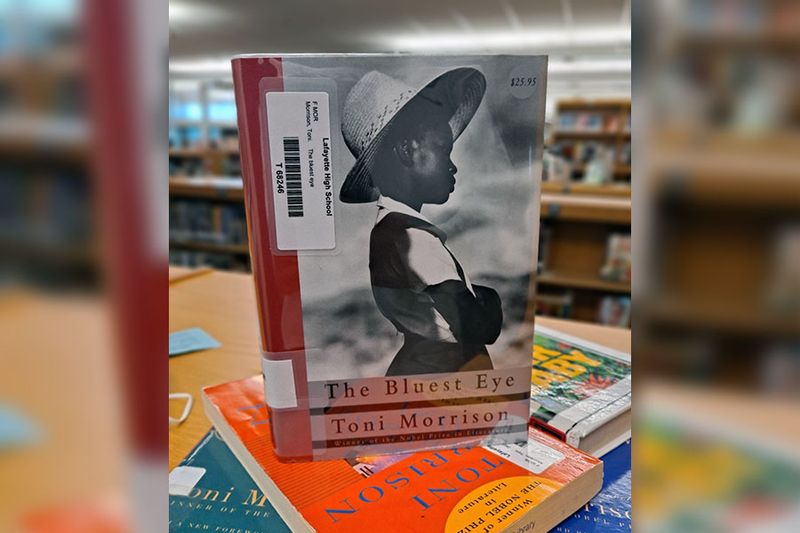
A child’s wish for blue eyes becomes a painful lesson about beauty and belonging. Toni Morrison follows Pecola Breedlove, a Black girl harmed by racism, poverty, and abuse.
Sexual violence and strong language have prompted challenges and removals. The novel portrays racism rather than supporting it, an important difference when discussing complaints.
Because its subject matter is distressing, readers may benefit from historical background and a trusted person to talk with afterward about difficult feelings.
4. The Perks of Being a Wallflower by Stephen Chbosky
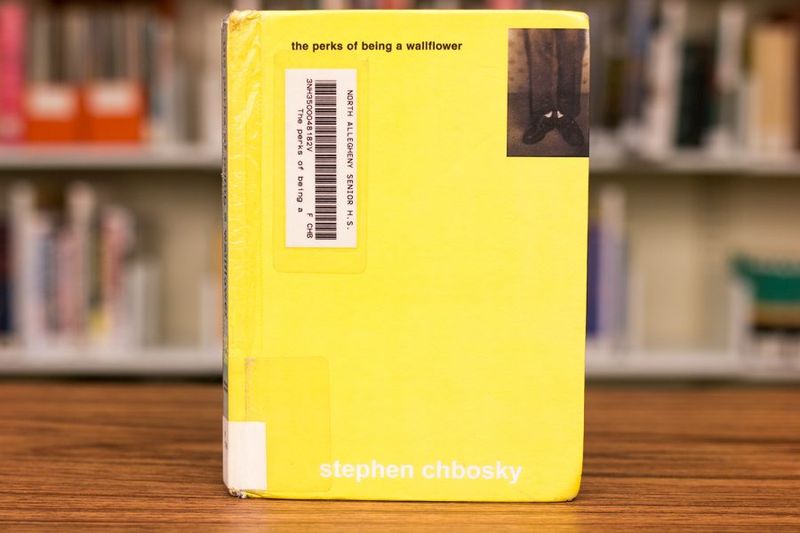
Letters to an unnamed friend pull readers into Charlie’s lonely first year of high school. Friendship and music offer comfort, but the story also explores trauma and mental health.
Challenges have cited sexual content, drug use, and material involving suicide. Fans argue that difficult experiences should not make a teenager’s story disappear.
If you read it with a group, agree on respectful discussion rules and allow anyone to step away from upsetting topics without pressure.
5. Looking for Alaska by John Green
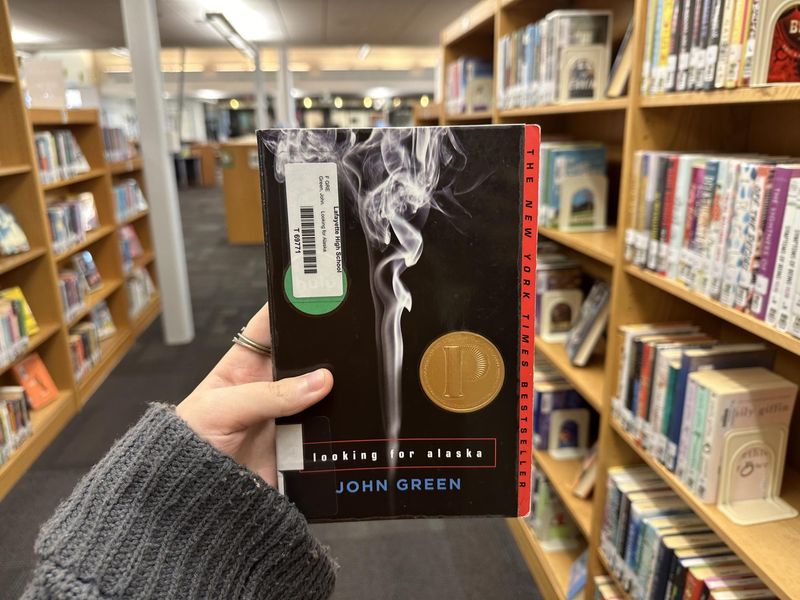
Boarding school promises Miles a fresh start, but friendship soon brings questions he cannot easily answer. John Green’s novel mixes humor with grief, risk, and the search for meaning.
A sexual scene has been a major reason for challenges, alongside concerns about language and substance use. Supporters point to the larger story about loss and responsibility.
Consider why a disputed passage appears, then ask whether removing it changes your understanding of the characters and events.
6. The Absolutely True Diary of a Part-Time Indian by Sherman Alexie
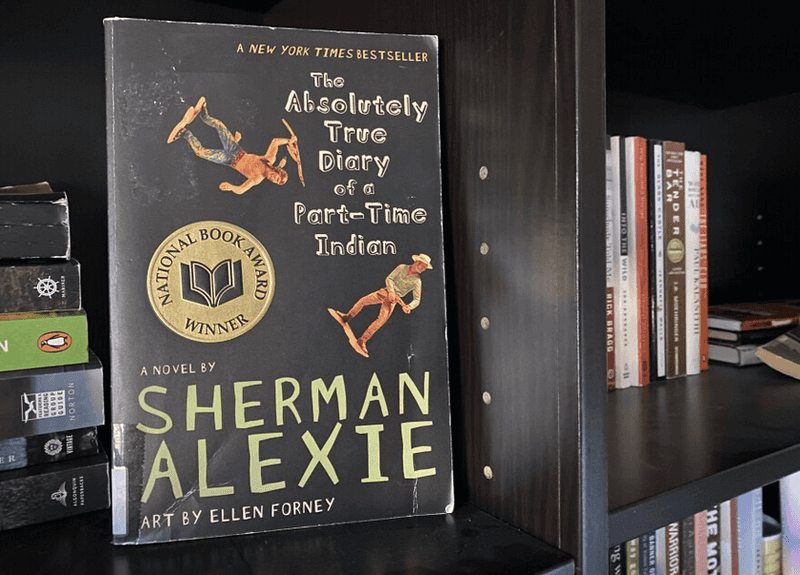
Humor and cartoons help Junior describe a life pulled between two communities. Sherman Alexie’s novel follows a Spokane teenager who leaves his reservation school to attend a mostly white school.
Complaints have targeted sexual references, profanity, and racial language. Admirers praise its frank look at poverty, friendship, and belonging.
While discussing it, avoid treating one fictional character as a voice for every Native person. Pair the novel with books by other Native writers for perspective.
7. To Kill a Mockingbird by Harper Lee
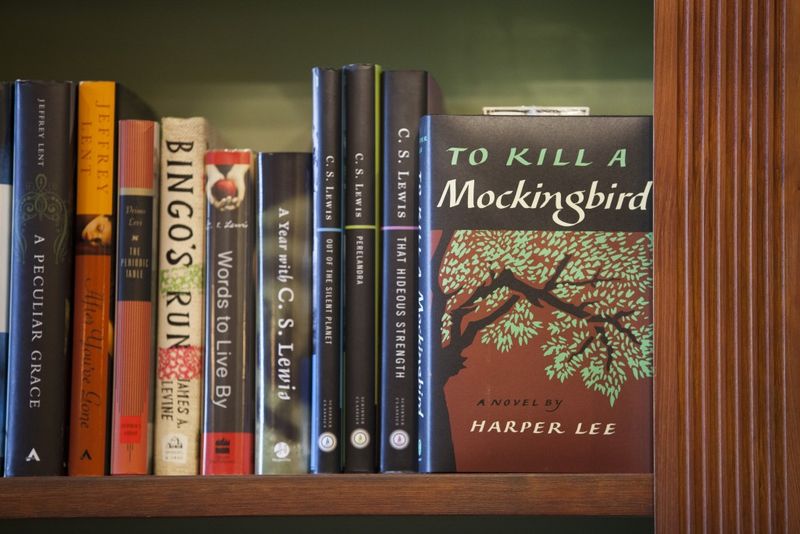
Through Scout Finch’s eyes, a Southern town’s unfair rules become impossible to ignore. Harper Lee builds her novel around childhood, a criminal trial, and the damage caused by racial prejudice.
Disputes have centered on racial slurs, portrayals of Black characters, and classroom teaching choices. Some schools have removed it from required reading rather than library shelves.
Ask which action actually occurred before calling it a ban, and seek stories that center Black voices alongside this novel.
8. Of Mice and Men by John Steinbeck
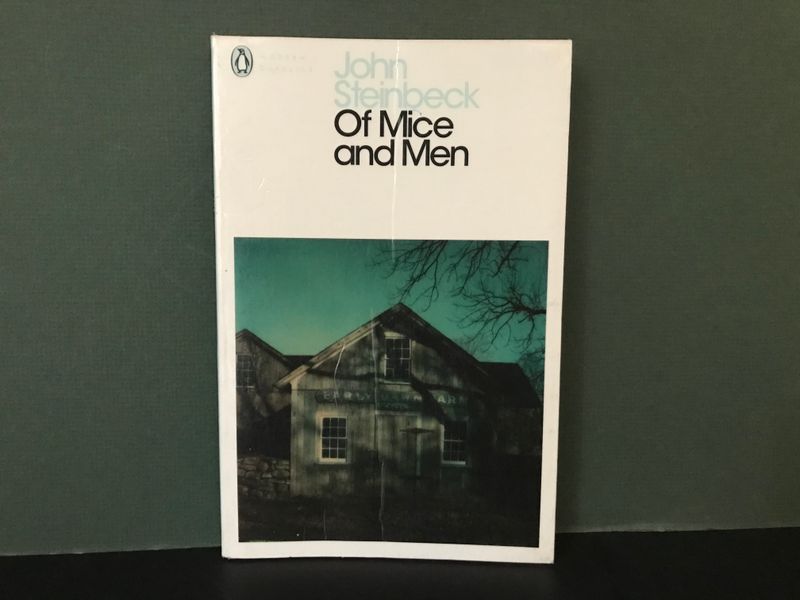
A small farm and a safer future keep George and Lennie moving forward. Set during the Great Depression, John Steinbeck’s short novel examines friendship, disability, loneliness, and the limits of dreams.
Objections have included profanity, racial slurs, and violence. Its brief length can hide how emotionally heavy the story becomes.
Read slowly near the ending, and discuss how workers with little money or power are treated. Historical context helps explain the setting without excusing harmful behavior.
9. Sold by Patricia McCormick
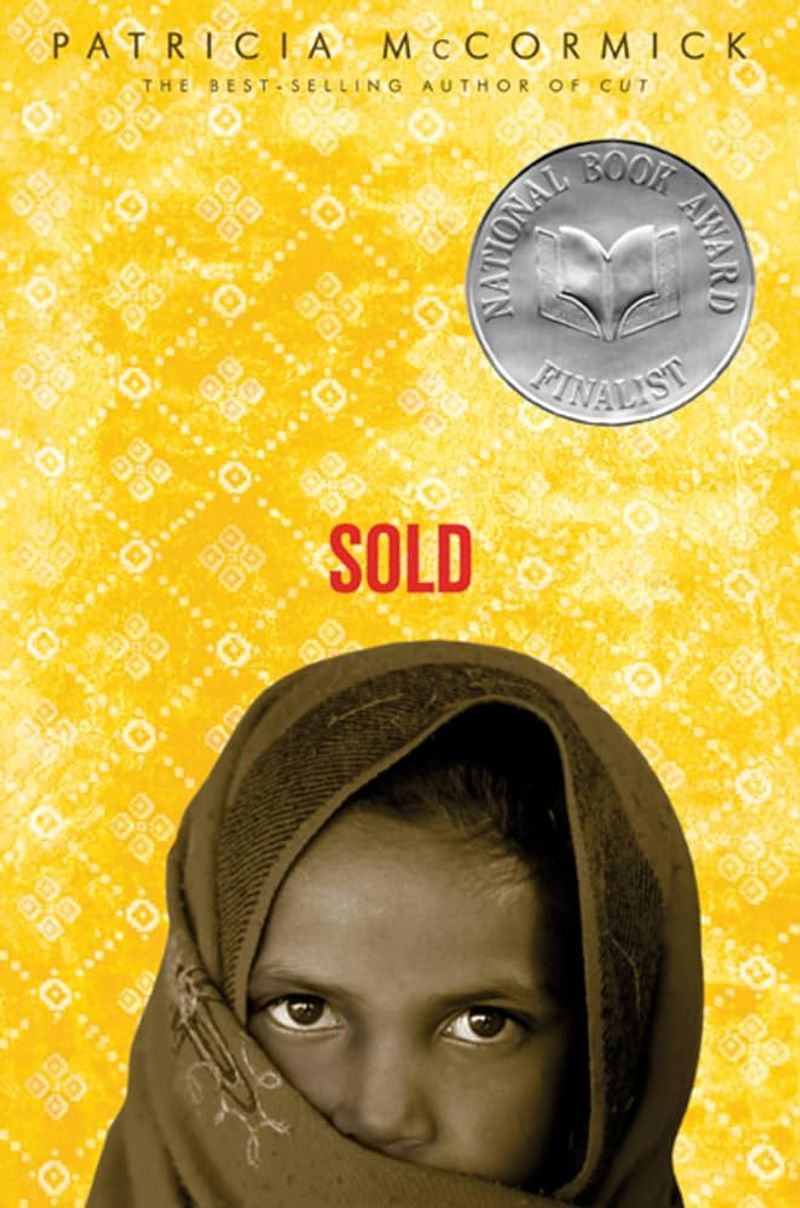
Short passages tell a story with a heavy emotional weight. Patricia McCormick follows Lakshmi, a Nepali girl who is trafficked into sexual slavery after being promised work.
Its depiction of exploitation has led to challenges over sexual content and suitability for students. Supporters argue that the book raises awareness of abuse often kept hidden.
Approach it with care, not curiosity about shocking details. A content guide can help readers decide whether they feel ready for it.
10. Flamer by Mike Curato
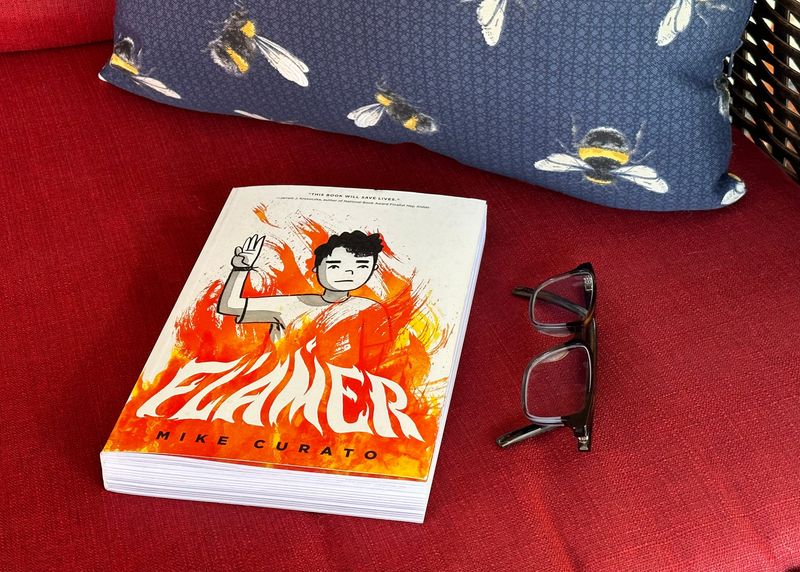
Summer camp is not an escape when bullying follows you there. Mike Curato’s graphic novel follows Aiden as he struggles with body image, faith, identity, and fear of rejection.
Challenges have focused on LGBTQ themes, sexual references, and concerns about age suitability. The story also addresses suicidal thoughts, so readers should know its emotional stakes beforehand.
Pay attention to how artwork conveys feelings that Aiden cannot easily say aloud, including moments when support breaks through isolation.
11. A Clockwork Orange by Anthony Burgess
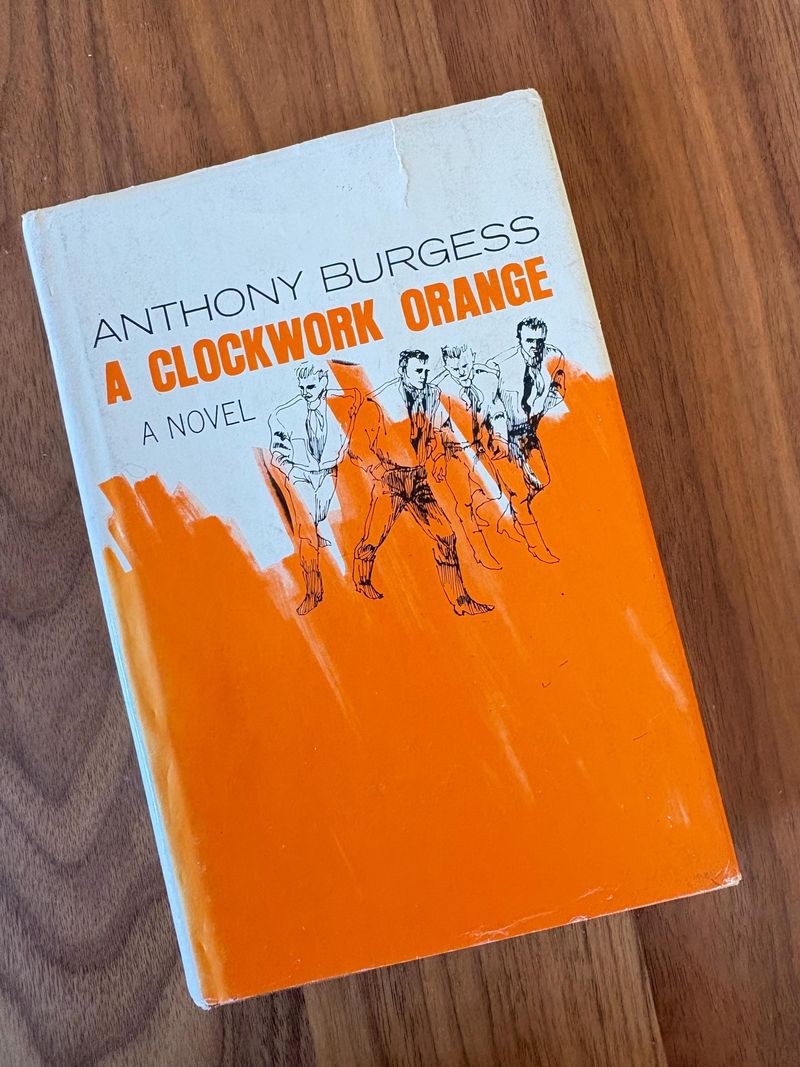
Invented slang makes this unsettling future sound strange from the opening pages. Anthony Burgess follows a violent teenager and asks whether forced good behavior can replace genuine moral choice.
Sexual violence, brutality, and language have fueled objections and school removals. Despite its young narrator, the novel contains material intended for mature readers.
Different editions have also included different endings. Check your edition before a discussion, because the final chapter can change how readers understand personal growth.
12. The Handmaid’s Tale by Margaret Atwood
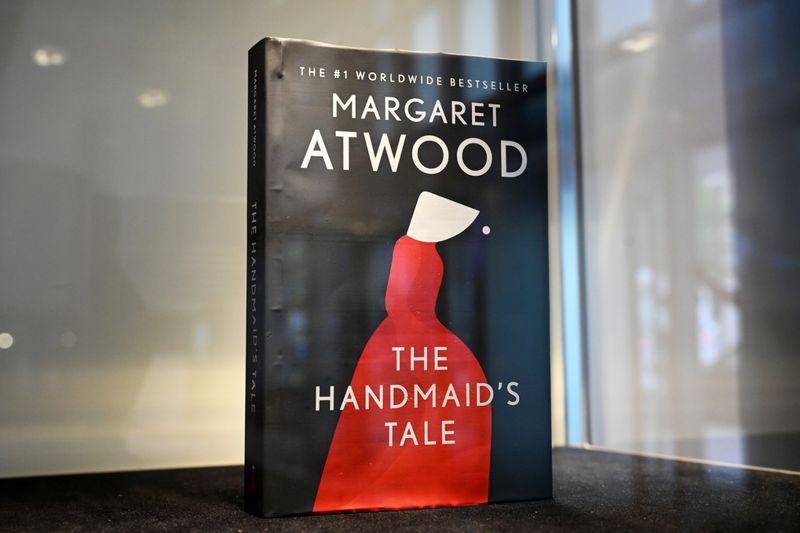
Imagine a government deciding nearly every detail of a woman’s life. Margaret Atwood’s dystopian novel follows Offred under a harsh regime that controls women through fear and religious rules.
Challenges have cited sexual content, violence, and objections to its treatment of religion. Defenders see a warning about lost rights, not a prediction of one exact future.
Separate the book from its television adaptation when discussing complaints, since scenes and details differ between the two versions considerably.
13. Maus by Art Spiegelman

Cartoon animals tell a history that is anything but childish. Art Spiegelman records his father’s Holocaust experiences while showing the difficult relationship between a survivor and his son.
In 2022, a Tennessee school board removed Maus from its eighth grade curriculum, citing language and nudity. That decision was not a nationwide ban.
The debate highlights a useful question: how can schools teach terrible events honestly while providing students with age appropriate support and necessary historical background?
14. I Know Why the Caged Bird Sings by Maya Angelou
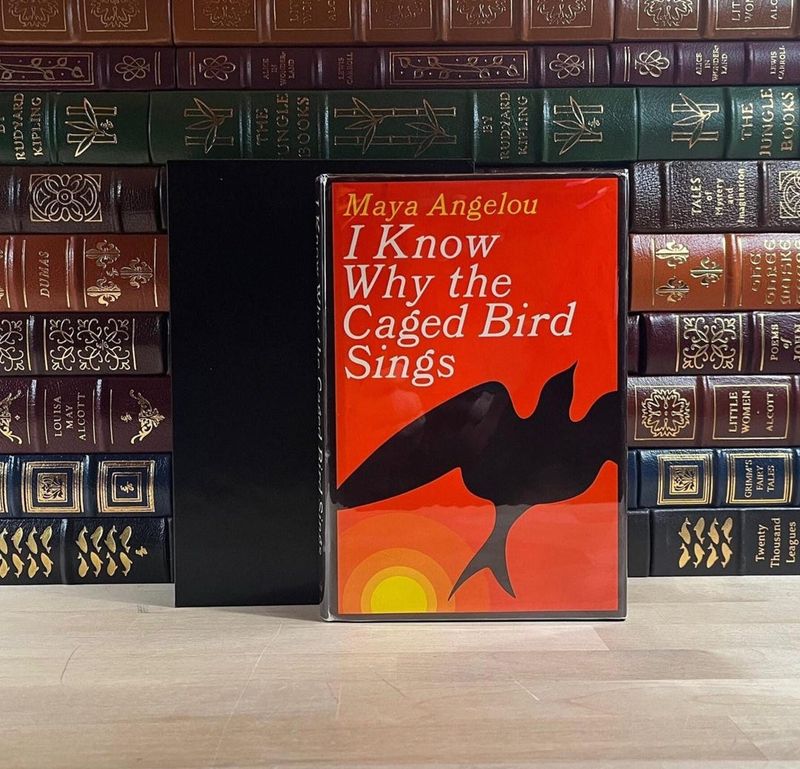
Finding a voice becomes an act of courage in Maya Angelou’s account of childhood. Her memoir describes racism, family bonds, sexual abuse, and the power of books during difficult years.
Challenges have often focused on the assault she survived and other mature material. Supporters argue that silencing such accounts can leave survivors feeling alone.
Readers should have room to pause or choose another text. Discussing strength does not require anyone to share private experiences with others.
15. Adventures of Huckleberry Finn by Mark Twain
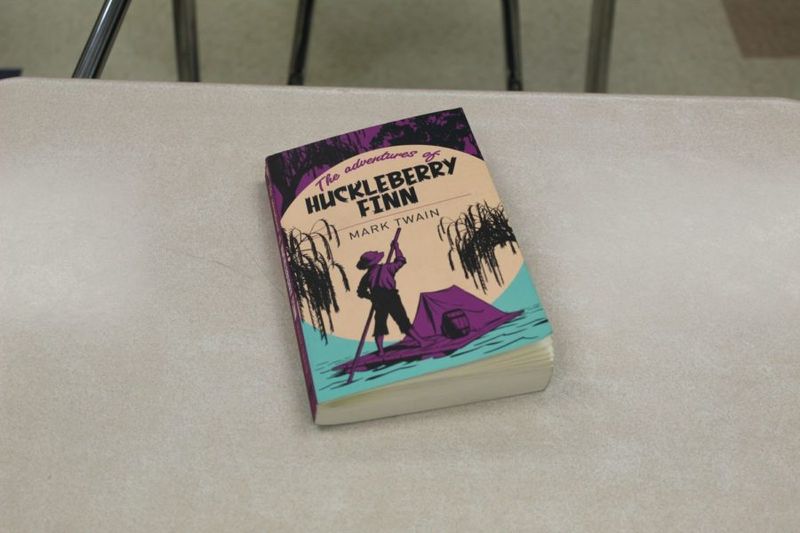
A raft ride down the Mississippi becomes a test of conscience. Mark Twain pairs Huck with Jim, a man escaping slavery, and exposes the cruelty behind accepted social rules.
Early critics objected to its manners and language; later challenges have often centered on racial slurs and representation. Readers disagree about whether its satire succeeds.
An annotated edition can explain unfamiliar terms and history. Consider both the author’s criticism of slavery and the impact of racist language.