
Some movies feel like old friends, no matter how many times you watch them. Disney’s animated classics have filled family movie nights with unforgettable songs, brave heroes, and a little wonder.
Their stories still give us reasons to laugh, care, and see things differently. From enchanted forests to a Hawaiian beach, these favorites show why great animation never grows old.
1. Snow White and the Seven Dwarfs (1937): Where the Wonder Began
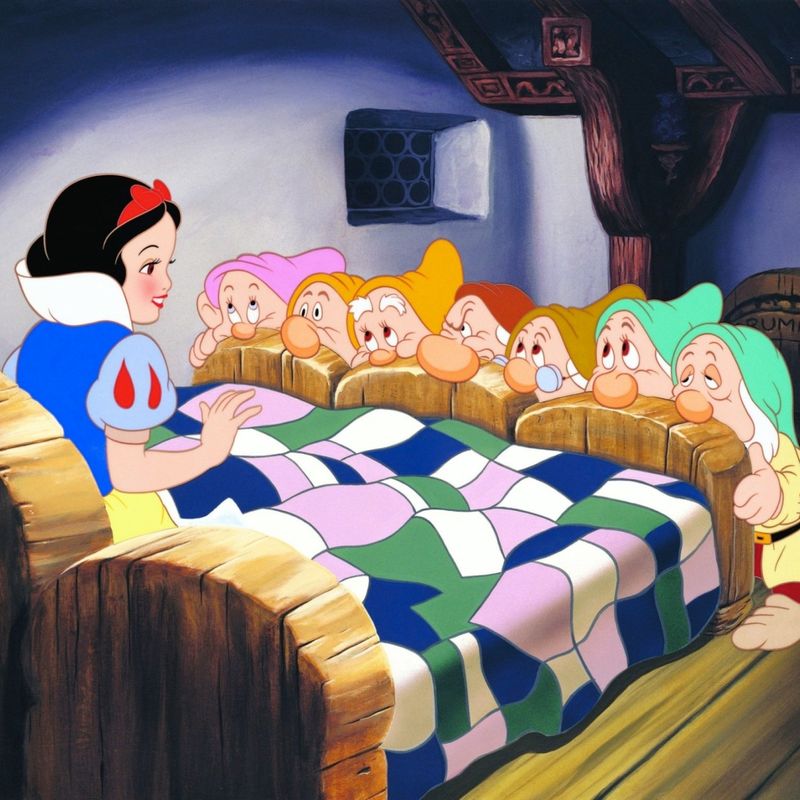
A poisoned apple still has the power to make a room go quiet. Disney’s first animated feature pairs a kind heroine with seven wonderfully different companions, building a world that feels both cozy and dangerous.
Look closely at the forest animals and expressive faces to appreciate the artists’ careful work. Some frightening scenes may trouble younger viewers, so watch together.
Beneath the fairy tale lies a lasting reminder that kindness matters more than outward beauty.
2. Pinocchio (1940): A Small Puppet With Big Choices
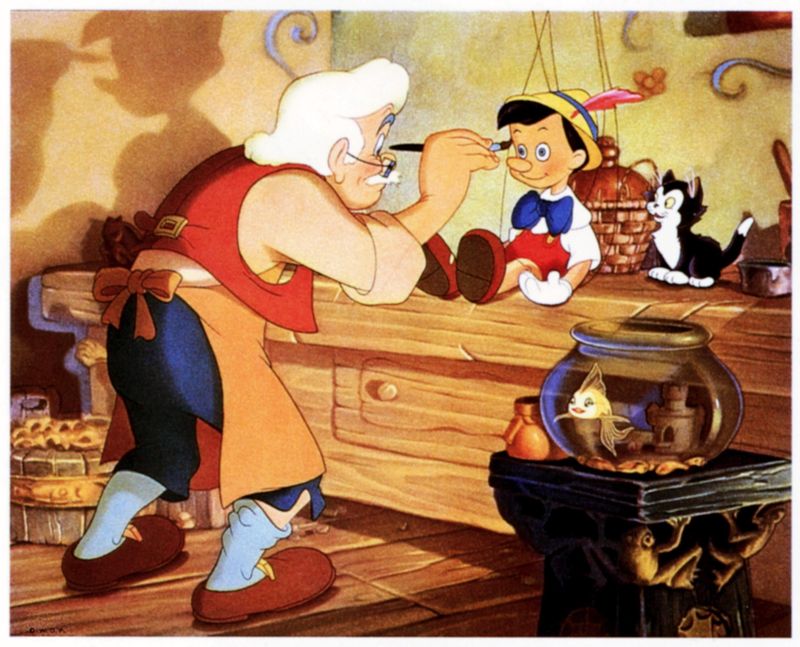
Growing up is tricky when every tempting shortcut leads somewhere worse. A wooden puppet’s wish to become a real boy turns into a moving adventure about honesty, courage, and listening to your conscience.
Jiminy Cricket adds humor, while Geppetto gives the story its loving center. Listen for When You Wish Upon a Star, which became closely linked with Disney itself.
Be ready for dark moments, especially during the unsettling trip to Pleasure Island with Pinocchio.
3. Fantasia (1940): Music Takes the Lead
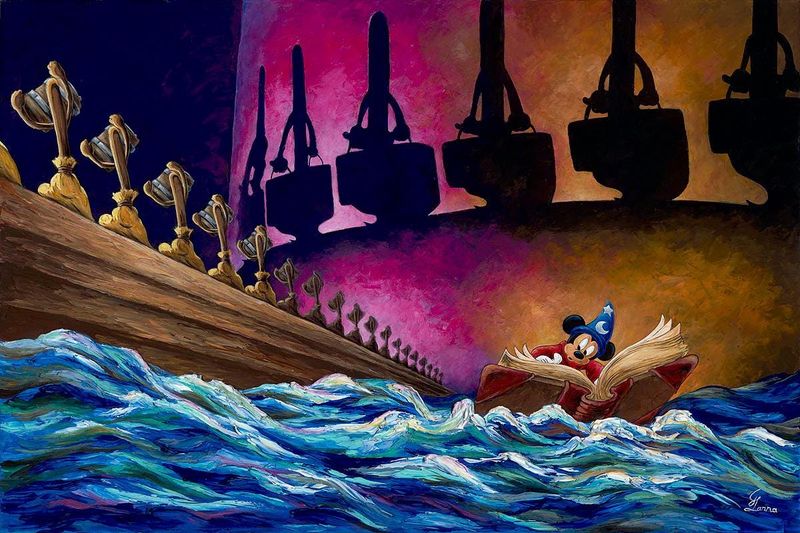
Forget a single hero or a familiar story path. Here, classical music shapes dancing mushrooms, swirling colors, mighty creatures, and Mickey Mouse’s famously troublesome attempt at magic.
The changing segments make this a lovely choice for viewers who enjoy drawing or music. Try asking children what pictures a musical passage brings to mind before showing its animation.
Some sequences are intense, so choosing a few lighter sections can make a first viewing much more welcoming.
4. Dumbo (1941): Finding Strength in Difference
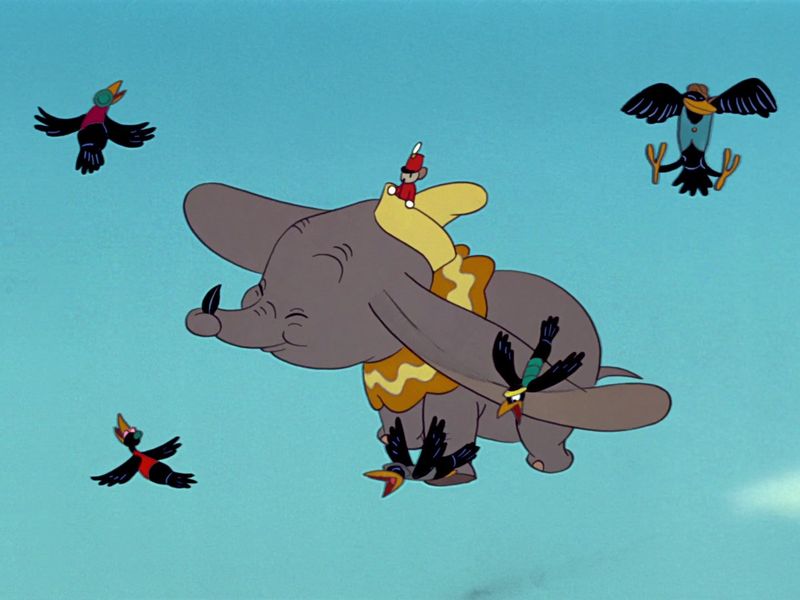
Those enormous ears begin as a target for teasing and become something wonderful. The little elephant’s journey speaks to anyone who has ever felt awkward, overlooked, or different from the crowd.
Timothy Mouse offers the kind of friendship that helps confidence grow. Keep tissues nearby for Baby Mine, and leave room to discuss bullying afterward.
Adults should also explain that some racial stereotypes reflect harmful attitudes from the period rather than values worth passing along.
5. Bambi (1942): Growing Up in the Forest
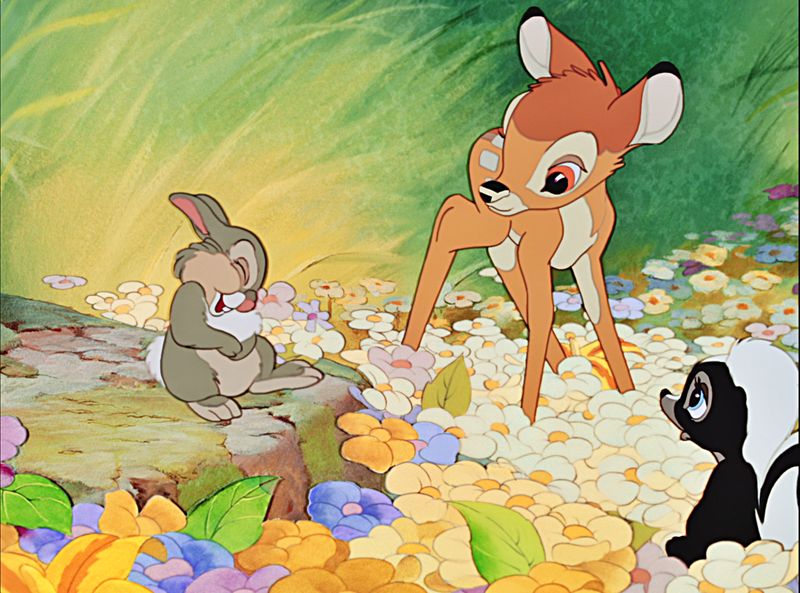
A wobbling fawn learning to walk can tell us plenty without saying much. Life in the woods unfolds through friendship, changing seasons, and small discoveries that make the natural world feel full of personality.
Watch how rain, snow, and light help set the mood. Families can follow the movie with a walk outdoors to notice local wildlife.
Because the story includes a parent’s death, younger children may need comfort and a calm conversation about loss.
6. Cinderella (1950): Hope Before Midnight
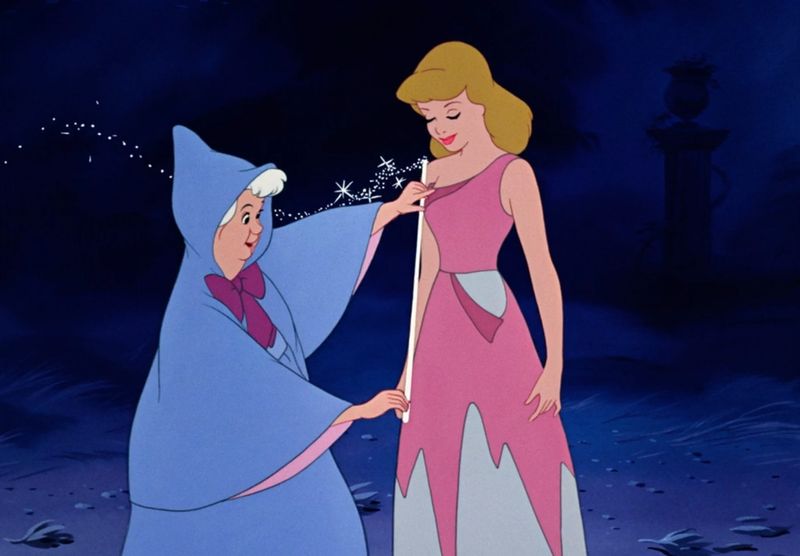
One sparkling dress transformation can still stop viewers in their tracks. Yet the real pull comes from a young woman who holds onto hope while living with people determined to wear her down.
The mice bring busy comedy, and Lady Tremaine makes quiet cruelty feel chilling. Notice how the clock turns a lovely evening into a race.
Afterward, talk about the difference between being kind and accepting mistreatment, a useful lesson beyond the palace gates.
7. Sleeping Beauty (1959): A Fairy Tale Painted in Bold Colors
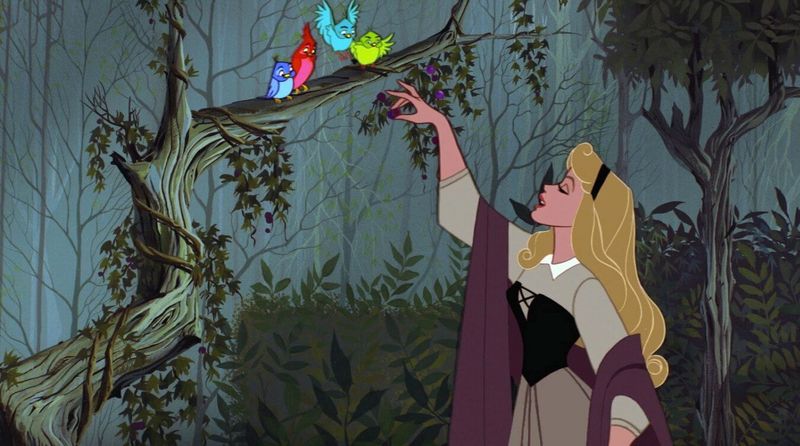
Every forest seems ready to hang in an art museum. Sharp shapes, rich colors, and carefully arranged backgrounds give this fairy tale a look unlike the softer worlds of earlier Disney films.
Maleficent supplies grand menace, while the three good fairies add warmth and squabbling humor. Pay attention to the music, adapted from Tchaikovsky’s ballet.
The dragon battle remains thrilling, but its fire and danger may be too much for children who scare very easily.
8. 101 Dalmatians (1961): Spots, Suspense, and London Charm
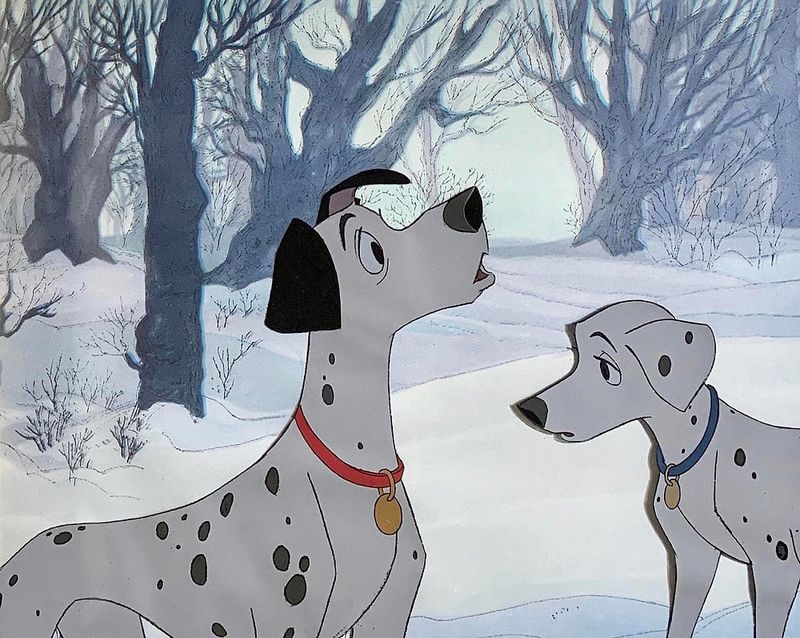
Keeping track of puppies has never looked so wonderfully chaotic. Pongo and Perdita lead a rescue adventure through London and the countryside, with Cruella De Vil turning every entrance into a burst of trouble.
The loose drawing style gives streets and living rooms a lively, sketchbook feel. Unlike many Disney favorites, the movie relies less on songs and more on suspense.
Watch for the dogs’ clever communication network, which makes teamwork feel exciting rather than preachy.
9. The Jungle Book (1967): Friendship With a Swinging Beat

Sometimes a bear with a catchy tune steals the whole afternoon. Baloo’s easygoing attitude brings playful energy to Mowgli’s journey, while Bagheera provides the steady guidance every reckless adventure seems to need.
The Bare Necessities makes a cheerful singalong, but Shere Khan keeps danger close. Released after Walt Disney’s death, the film carries his influence in its character work.
Compare the friends’ advice with children afterward: enjoying life and making safe choices can belong together nicely.
10. The Little Mermaid (1989): A Voice That Changed Disney
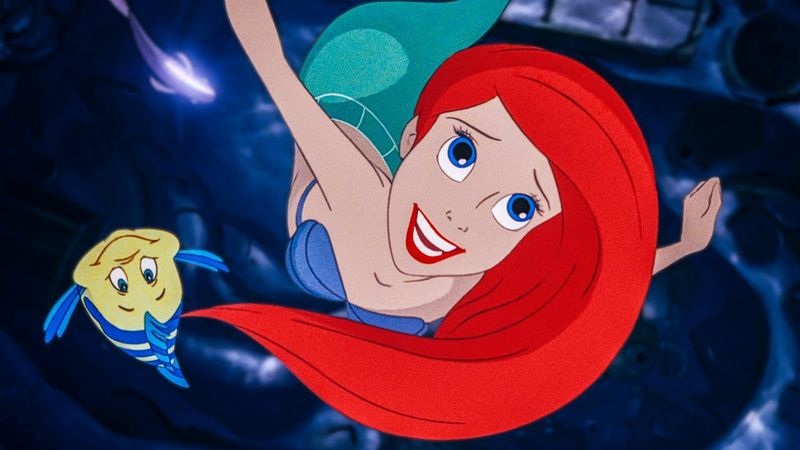
Longing for somewhere new has rarely sounded so memorable. Ariel’s curiosity, paired with songs by Alan Menken and Howard Ashman, helped launch the period often called the Disney Renaissance.
Under the Sea delivers joyful movement, while Part of Your World gives her dream emotional weight. Ursula’s bargain also offers a useful conversation starter about risky promises.
Ask younger viewers what Ariel gains and loses through her choices, rather than treating every bold decision as wise.
11. Beauty and the Beast (1991): Looking Beyond First Impressions
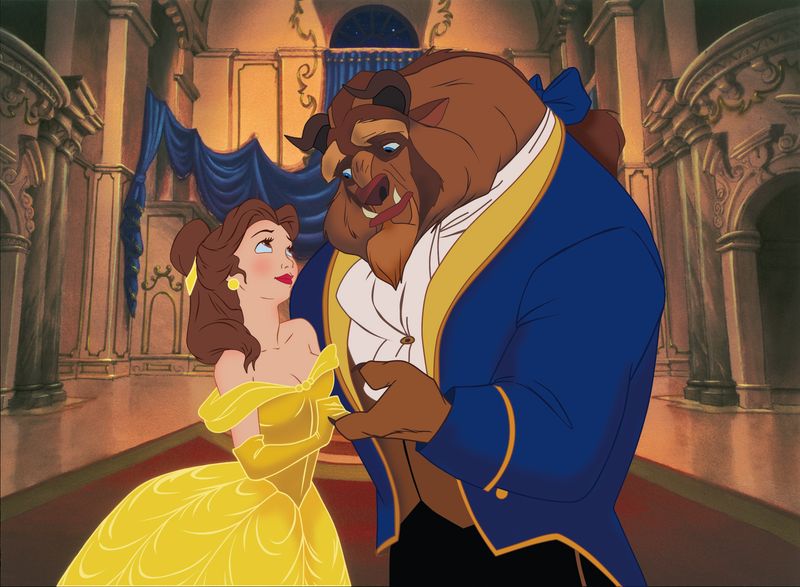
A castle full of talking objects somehow feels deeply human. Belle’s love of books, the Beast’s struggle with anger, and the servants’ hopes give the enchanted setting real emotional stakes.
The movie became the first animated feature nominated for the Academy Award for Best Picture. Beyond that milestone, its songs remain wonderfully inviting.
Discuss how trust grows through changed behavior, not appearances alone, and point out that cruelty never becomes acceptable simply because someone suffers.
12. Aladdin (1992): Wishes Meet Fast-Talking Fun
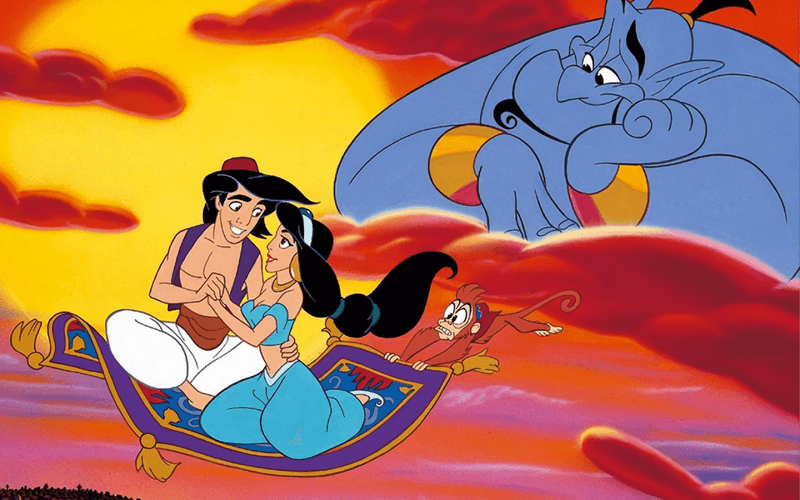
Give a genie a microphone and almost anything can happen. Robin Williams fills the blue wish maker with wild comic energy, adding a playful spark to an adventure about identity and freedom.
Aladdin and Jasmine both push against roles others choose for them. Enjoy the carpet ride, then talk about why pretending to be someone else creates problems.
Some cultural portrayals deserve discussion, too, making shared viewing a chance to question stereotypes without losing the fun.
13. The Lion King (1994): The Courage to Return
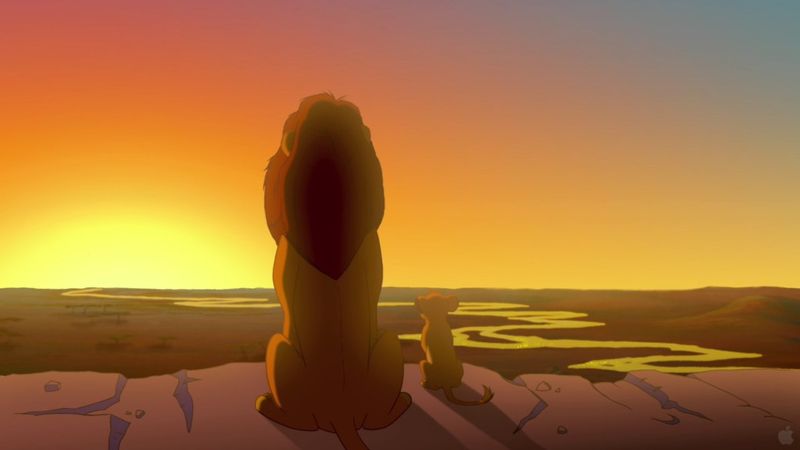
That opening sunrise announces a story built for big feelings. Simba’s path from playful cub to uncertain adult brings together loss, responsibility, and the difficult work of facing the past.
Elton John’s songs and Hans Zimmer’s score help the sweeping landscapes feel even larger. Timon and Pumbaa provide welcome laughs, but the grief is real.
Give children space to react to Mufasa’s death, and discuss how asking for support can be its own kind of courage.
14. Mulan (1998): Bravery on Her Own Terms
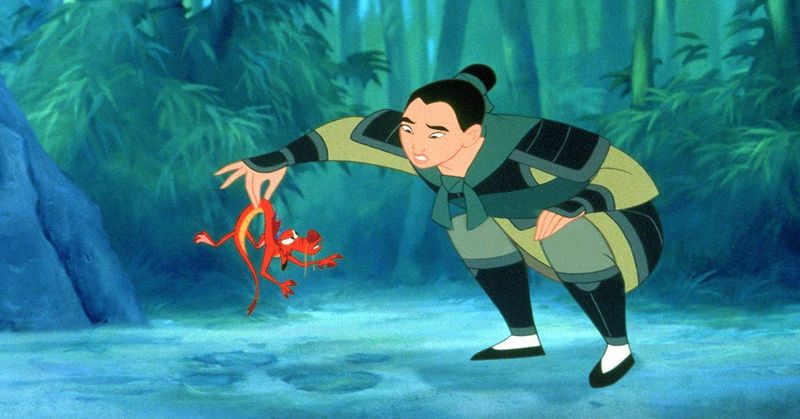
Saving the day does not always mean being the strongest soldier. Quick thinking, persistence, and love for her father drive a heroine who challenges the narrow place others expect her to accept.
Training scenes mix struggle with humor, making progress feel earned rather than instant. Reflection gives her private doubts a voice.
Use the story to discuss unfair expectations, while remembering that Disney’s version adapts a Chinese legend rather than presenting a complete account of history.
15. Lilo & Stitch (2002): An Unlikely Family Worth Fighting For
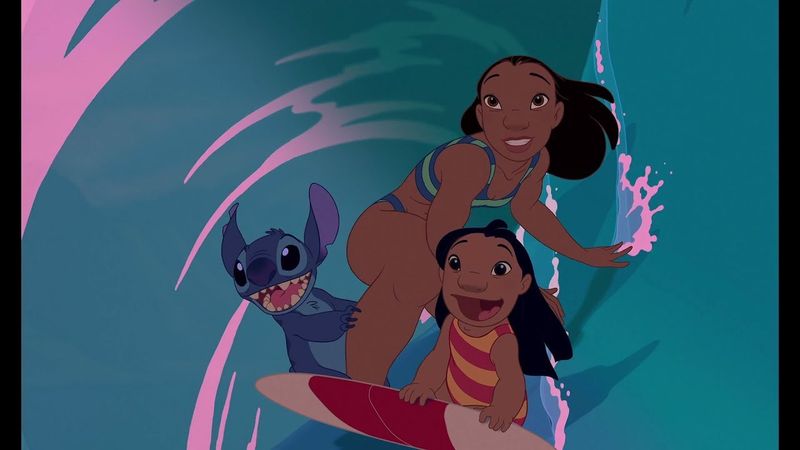
An alien built for destruction seems an unlikely answer to loneliness. Against watercolor views of Hawaii, a grieving girl and her older sister struggle to keep their small family together.
Stitch’s wild behavior brings laughs, but the heart lies in patience, belonging, and learning to care for others. Notice how Nani’s worries make the family feel believable.
After watching, ask what being there for someone looks like when life is messy, not just easy or cheerful.