
A great song can take on a whole new life when someone else sings it. The Rolling Stones built a catalog full of bold riffs, tender ballads, and stories that reach across generations.
From soul singers to new wave bands, other artists have reshaped those songs without losing their spark. These covers show how a familiar tune can surprise you all over again.
1. Devo Turns Satisfaction Into Nervous New Wave

Forget the familiar guitar swagger. On their 1978 version of (I Can’t Get No) Satisfaction, Devo break the song into twitchy rhythms, clipped vocals, and strange little gaps that keep your ears guessing.
The result feels less like a rock anthem and more like a machine having a bad day. Listen to the drums first, then follow the vocal phrasing.
That playful mismatch shows how a cover can challenge everything you expect from a classic.
2. Sandie Shaw Lets Loose on Sympathy for the Devil
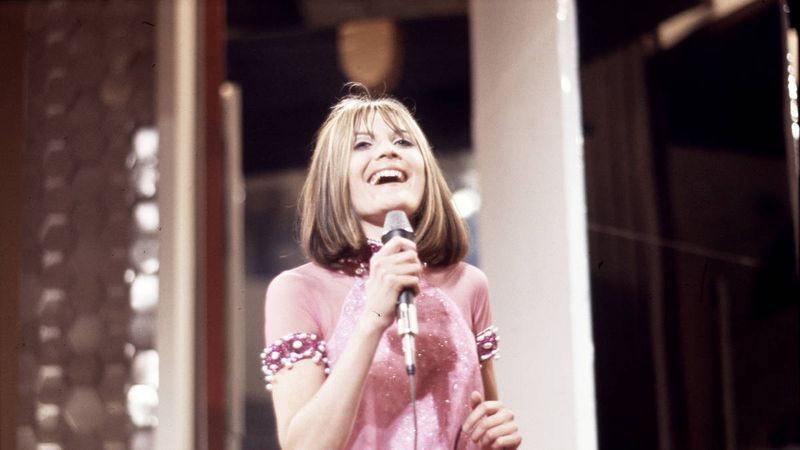
Behind the polished pop image, a bolder singer was waiting. Sandie Shaw tackled Sympathy for the Devil on her 1969 album Reviewing the Situation, moving well beyond the sound many listeners knew from her hit singles.
Her delivery has a loose, daring quality that suits the song’s unsettling narrator. Try it beside one of her earlier pop recordings.
The contrast makes this cover especially rewarding, revealing an artist willing to test her own musical boundaries.
3. Tori Amos Finds the Quiet Heart of Angie

A piano can make a crowded room feel completely still. Tori Amos brings that kind of focus to Angie, using her voice and keyboard to draw attention to the song’s ache rather than its rock roots.
Without a full band filling the space, small changes in timing carry extra weight. Listen through headphones if you can.
Her reading offers a lovely reminder that singing softly can reveal feelings a louder arrangement might leave tucked away.
4. Tina Turner Takes Control of Under My Thumb
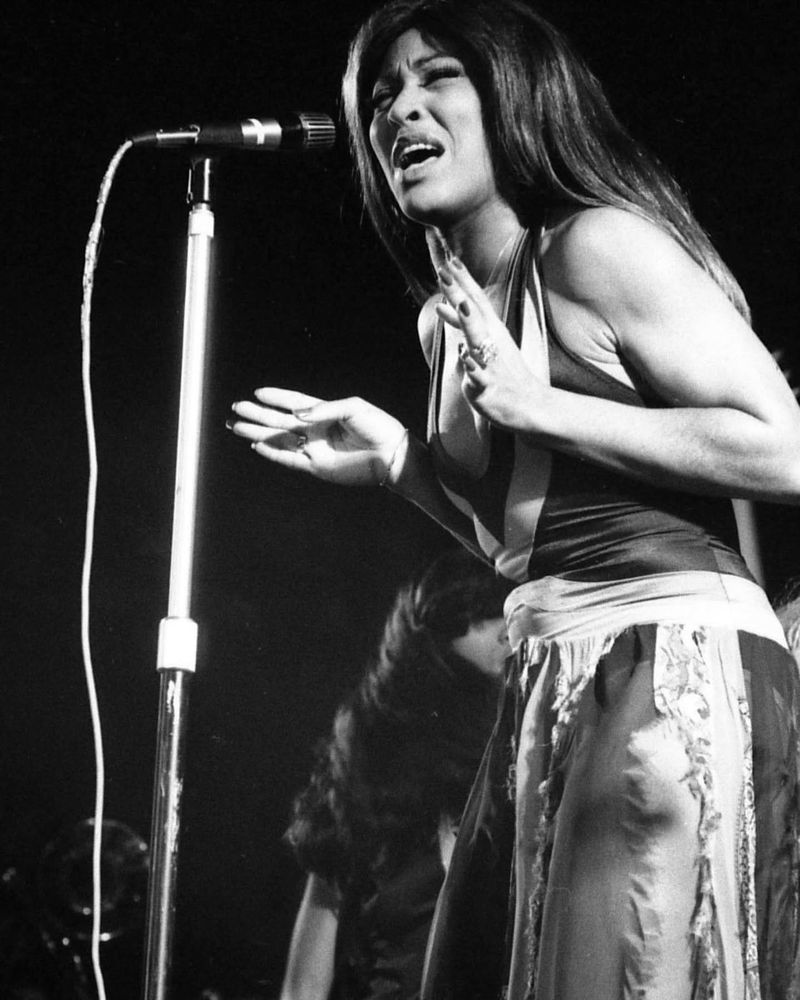
Power changes hands when Tina Turner steps up to the microphone. Her 1975 recording of Under My Thumb shifts the pronouns, giving the song’s controlling narrator a different voice and a fresh sense of command.
That change matters, but her fierce delivery does just as much work. Every sharp phrase sounds fully owned.
Compare the two recordings and notice how a singer’s presence can reshape a song’s meaning, even when its basic story remains recognizable.
5. Robyn Adele Anderson Connects Two Shades of Black

Two dark songs turn out to share a surprising musical doorway. In 2020, Robyn Adele Anderson paired Paint It Black with Amy Winehouse’s Back to Black, bringing the material into her jazz and pop flavored world.
The pairing invites you to hear shared moods instead of focusing only on familiar hooks. Follow how the melodies meet and separate.
It’s a smart example of a mashup doing more than stacking hits together for a quick surprise.
6. Ananda Shankar Gives Jumpin’ Jack Flash a Sitar Spark

That famous riff takes an unexpected trip through sitar and synthesizer. Ananda Shankar, nephew of Ravi Shankar, turned Jumpin’ Jack Flash into a lively blend of Indian sounds and Western rock on his 1970 debut album.
Its bouncing energy makes the recording easy to enjoy without knowing anything about either tradition. Pay attention to the instruments trading attention.
The fun comes from hearing a familiar tune dressed in colors the Stones never used on their original.
7. Bette Midler Adds Bite to Beast of Burden
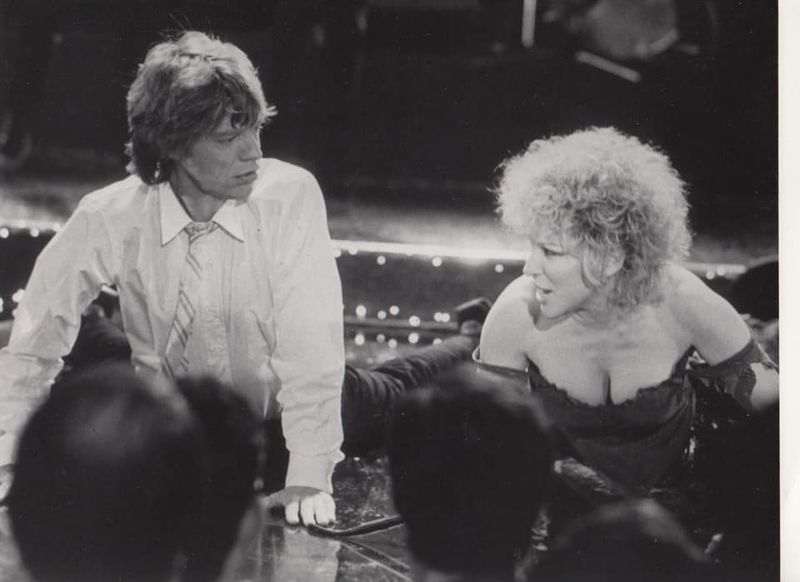
Big personality meets a song built on restraint. Bette Midler’s Beast of Burden pushes the tune toward bold blues rock, with a vocal performance that sounds playful, demanding, and ready to argue its case.
Mick Jagger even appears in the music video, adding a wink to the connection between versions. Start with the recording, then watch the clip.
Together, they show how humor and theatrical confidence can give a well known song a different personality.
8. The Flying Burrito Brothers Bring Wild Horses Home to Country
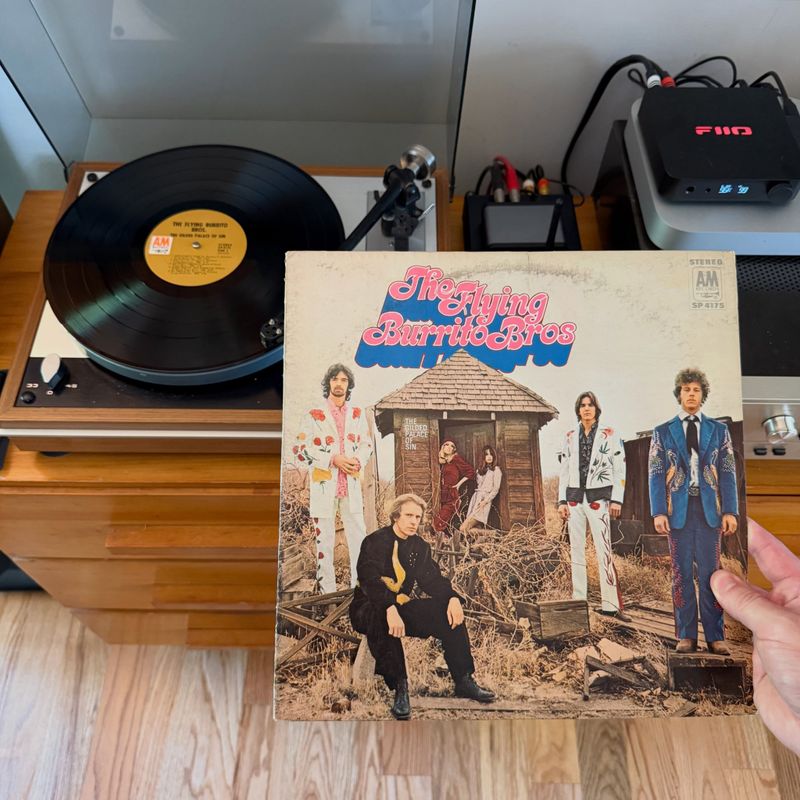
Here’s a twist: this version reached record buyers before the Stones’ own release. The Flying Burrito Brothers included Wild Horses on their 1970 album Burrito Deluxe, giving the ballad a warm country setting.
Gram Parsons’ singing and the pedal steel make the song feel deeply at home there. Listen for the spaces between phrases, where the instruments carry the sadness.
It’s a useful reminder that release order alone doesn’t explain a song’s winding creative journey.
9. Etta James Rebuilds Miss You From the Blues Up

The dance floor gives way to something earthier here. For her 2000 album Matriarch of the Blues, Etta James reshaped Miss You with blues feeling and gospel strength, drawing attention to the loneliness beneath its groove.
Her seasoned voice makes the words sound lived rather than simply performed. Notice how she stretches a phrase or leans into a rough edge.
Those choices turn a familiar hit into a personal story with a different kind of weight.
10. The Who Charge Through The Last Time
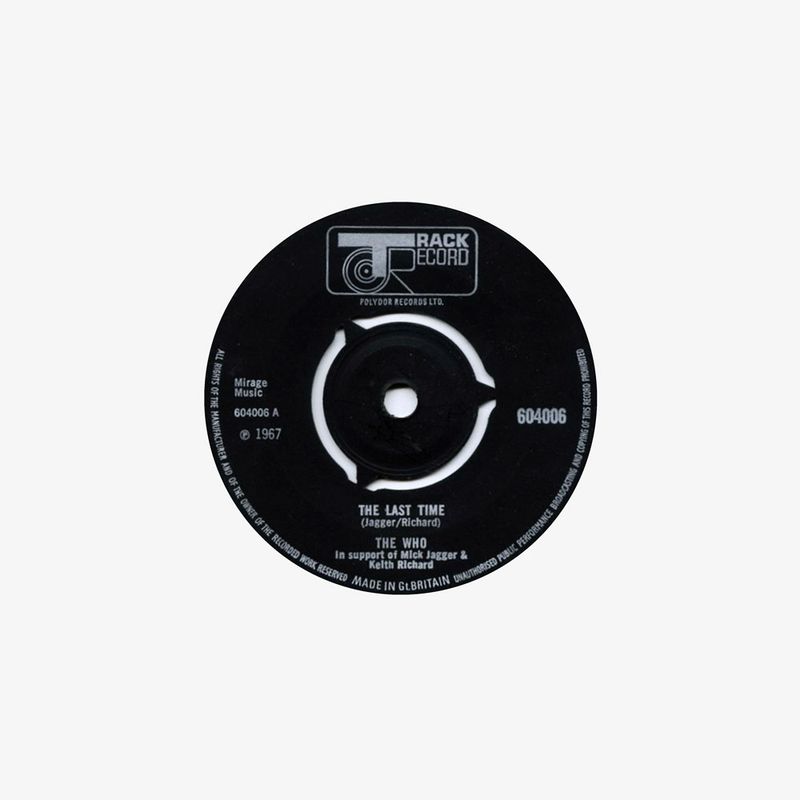
Friendship and urgency sit behind this noisy tribute. The Who recorded The Last Time in 1967 as a gesture of support while Mick Jagger and Keith Richards faced legal trouble, turning solidarity into a single.
The performance carries the band’s restless attack rather than copying the Stones’ easy swing. Focus on the push from the rhythm section.
Even within a familiar song, you can hear why the Who earned their reputation for explosive rock energy.
11. Otis Redding Makes Satisfaction a Soul Workout
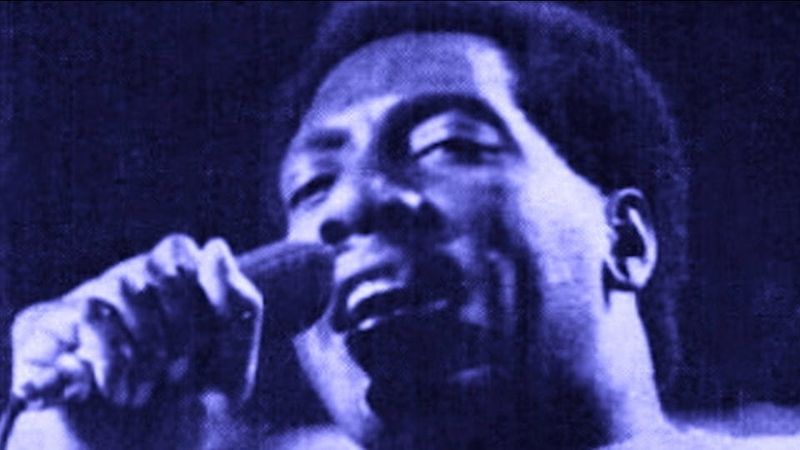
Horns take the wheel, and suddenly Satisfaction has a whole new engine. Otis Redding’s interpretation trades the original’s guitar centered identity for a driving soul arrangement, powered by his urgent voice and the band’s sharp responses.
He sounds less interested in cool frustration than in getting every feeling out right now. Follow the brass lines as they answer him.
This recording is a great starting point for hearing how rock and soul kept inspiring each other.
12. Aretha Franklin Fires Up Jumpin’ Jack Flash
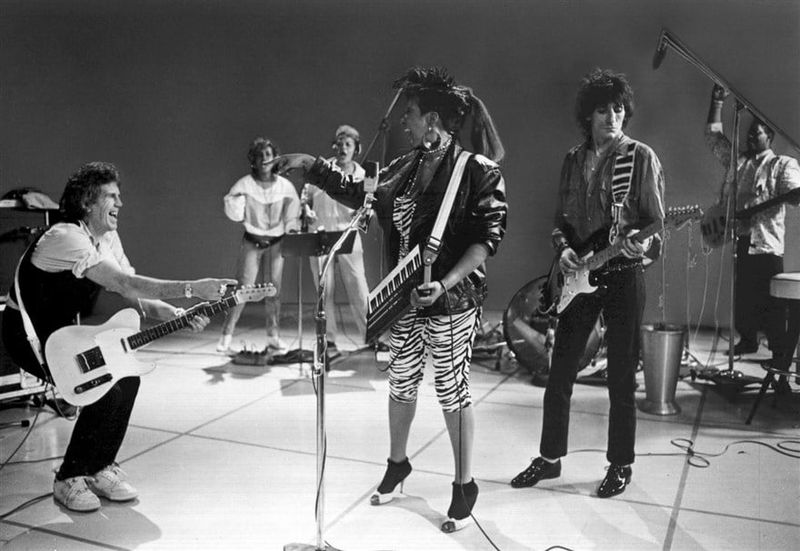
Few voices could meet this riff head on so confidently. Aretha Franklin recorded Jumpin’ Jack Flash for the 1986 film of the same name, with Keith Richards producing and contributing guitar alongside fellow Stone Ronnie Wood.
Her gospel shaped phrasing gives the rock staple a powerful lift. Rather than treating the riff as the only attraction, listen for the vocal accents.
Franklin shows how a commanding singer can stand beside a famous guitar part without disappearing.
13. Nazareth Gives Ruby Tuesday a Rougher Edge

A delicate farewell gets some gravel in its voice. Nazareth recorded Ruby Tuesday for their 1984 album The Catch, bringing the Scottish band’s harder sound to a song many listeners associate with wistful beauty.
Dan McCafferty’s rough tone changes the emotional texture, making the sadness feel weathered rather than fragile. Play it after the Stones’ recording and compare the mood.
You may find that a tougher delivery doesn’t erase tenderness; it simply shows another side of it.
14. David Bowie Sends Let’s Spend the Night Together Into Glam
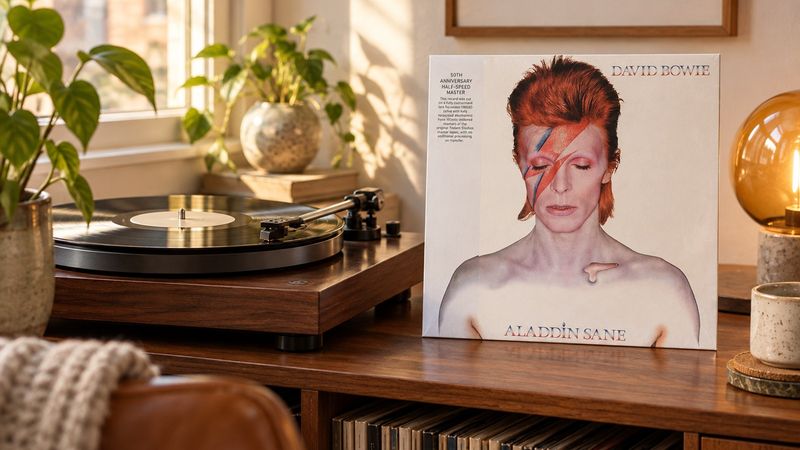
Subtle isn’t the plan when glam rock enters the room. David Bowie included Let’s Spend the Night Together on his 1973 album Aladdin Sane, giving the song a faster, flashier treatment that fits his theatrical world.
The performance feels eager to burst beyond the original’s frame. Listen for the rushing pace and bold vocal gestures.
Rather than aiming for a faithful copy, Bowie treats the track like a stage scene he can reshape around his own character.
15. Sharon Jones & The Dap-Kings Put Wild Horses in Motion
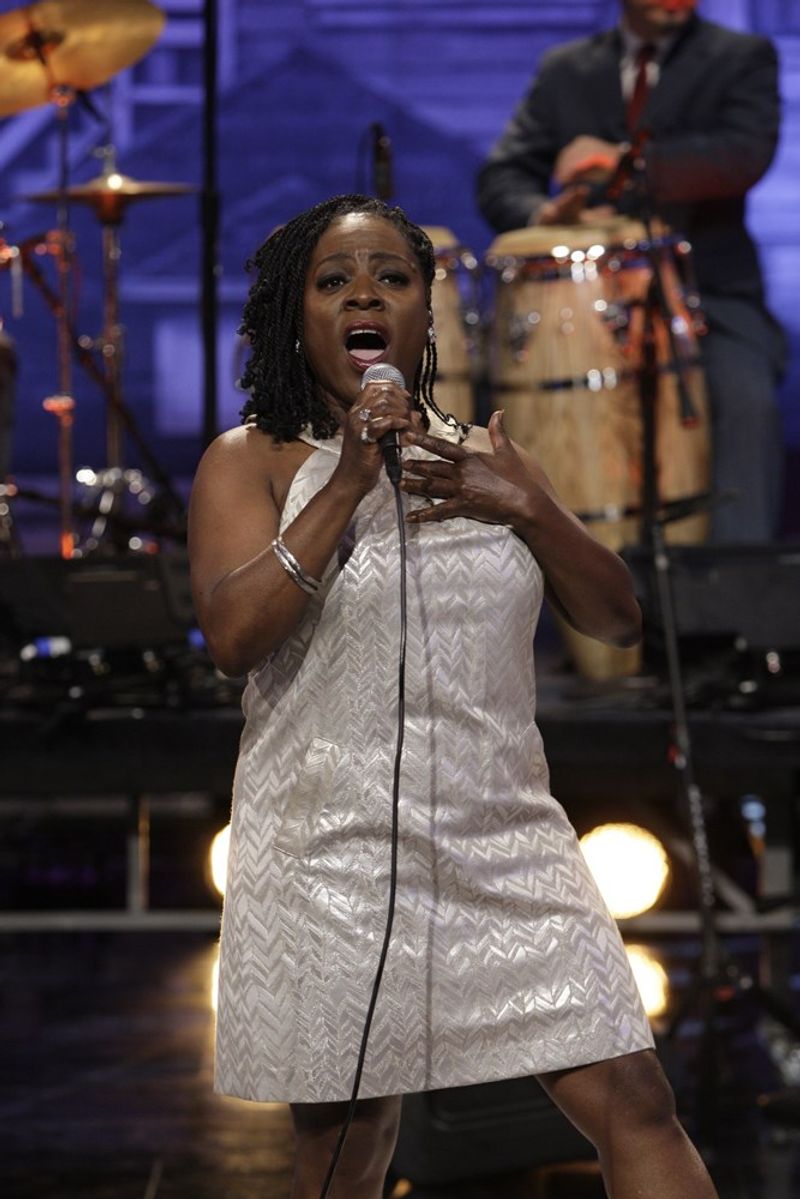
Who says a aching ballad has to move slowly? Sharon Jones & The Dap-Kings give Wild Horses a brisk soul pulse, replacing its drifting country mood with tight rhythm and singing that feels wonderfully alive.
The recording appeared on their 2011 collection Soul Time!, offering another view of the band’s range. Let the groove catch you first, then return to the words.
Their version proves that heartache can stay convincing even when the music invites you to move.
16. Johnny Cash Finds Hard-Won Wisdom in No Expectations
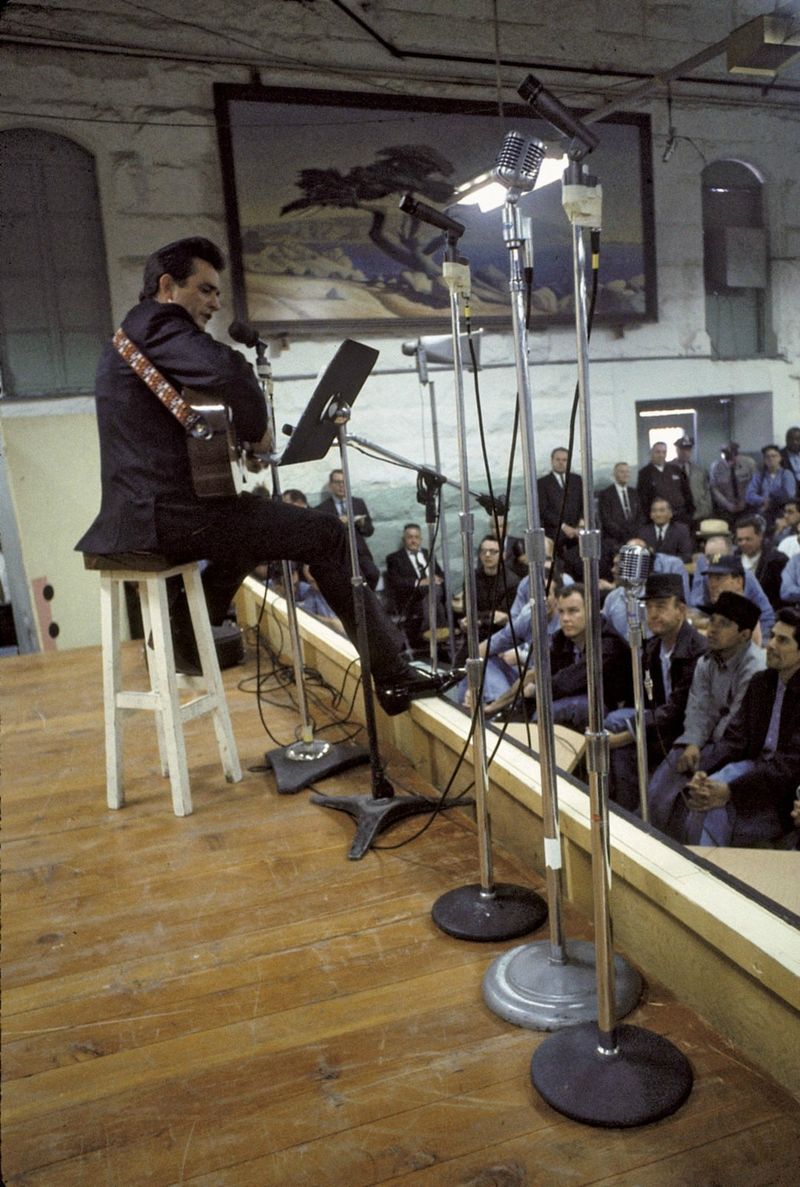
Some voices make goodbye sound final before the verse is over. Johnny Cash brings that weight to No Expectations, drawing the Stones’ weary song toward country and folk through his steady delivery and unmistakable low voice.
There is no need for showy singing when the story already carries such loss. Pay attention to the plain way he shapes each line.
His reading makes a strong closing listen, especially if you enjoy songs that leave room for reflection.